Headphones
Shokz Open Fit Review: Open-Ear Buds That Split the Difference
Shokz's first air conduction earbuds deliver bigger sound than bone conduction, but an inconsistent fit, quiet maximum volume, and a premium price make them a tough recommendation.
Introduction
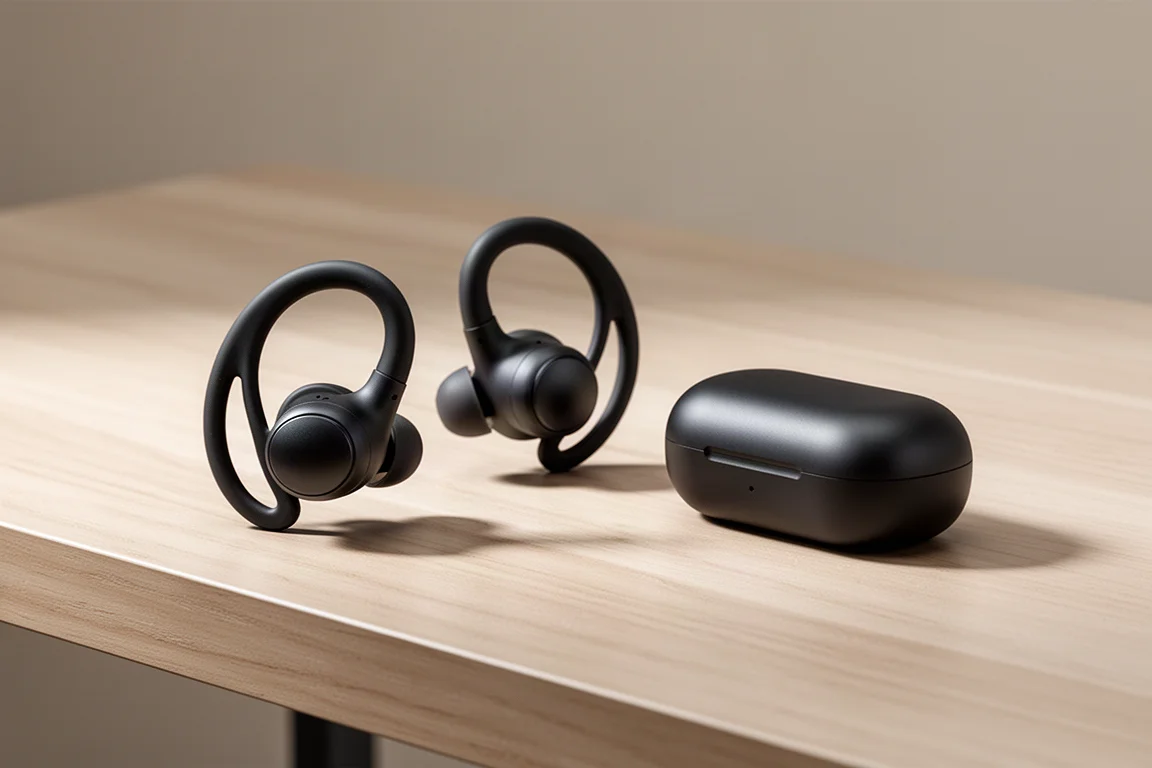
Shokz built its reputation on bone conduction headphones, so the Open Fit marks a real change of direction. These are air conduction open-ear buds: instead of sending vibrations through your cheekbones, each bud hooks over your ear and places a small speaker near, but never inside, your ear canal. The idea is to keep the awareness that makes open-ear headphones appealing for running while delivering noticeably better sound than bone conduction can manage.
At £179 in the UK and around $180 in the US, they cost more than any of Shokz’s bone conduction headphones, sitting roughly in line with premium open-ear rivals like the Cleer Arc II. The question is whether that premium buys a meaningfully better experience. After extensive testing across easy runs, track sessions, races, and everyday use, the answer is genuinely mixed.
Design and Fit
Unlike Shokz’s OpenRun range, the Open Fit are two individual true wireless buds. You hook one over each ear and twist it so the speaker rests near the top internal part of the ear. Shokz calls this its Dolby Arc ear hook design: a flexible silicone hook that allows some fit customisation.
Each bud weighs around 8.3 grams. That is heavier than a typical in-ear bud but very light for an open-style design, and they are among the lightest air conduction open-ear earbuds we have tested recently. Comfort is generally excellent: they almost disappear on your head during long wear.
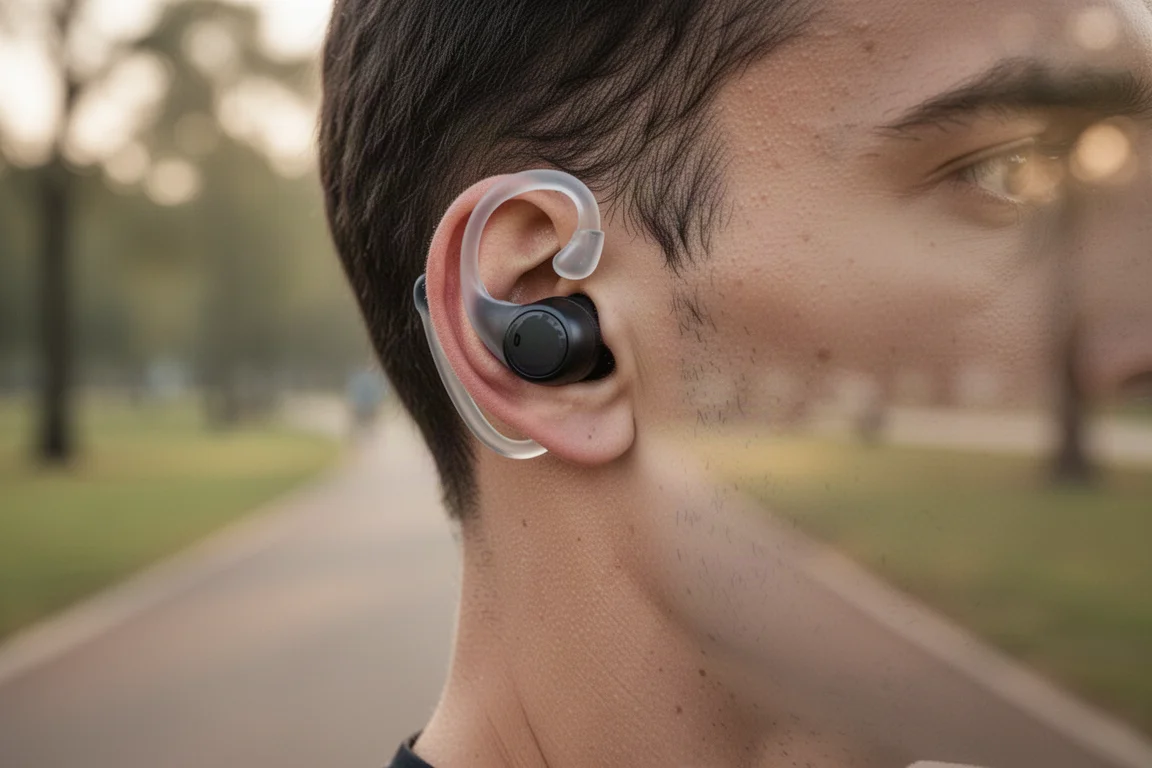
The problem is reliability. Feedback on the fit has been genuinely hit and miss. Some testers found them the best-fitting open headphones they had used, locking in securely through fast runs, hill sessions, and long wear. Others experienced wobble at slower paces, slipping during sweaty gym workouts, and movement in windy coastal conditions that made them take the buds off entirely. The design is not very flexible, so it seems to be a case of whether the twist-in fit suits your ears or it does not. If it works, it works brilliantly. If it does not, there is little you can do to fix it.
They are also more noticeable than a banded bone conduction design, and wearing two separate buds around the house or office raises the constant fear of losing one, which stings at this price.
Controls and Companion App
The Open Fit switch from Shokz’s usual physical buttons to capacitive touch pads on the outside of each bud. Taps and holds handle playback, and you can customise up to two commands per side in the companion app, which is available for iPhone and Android. Out of the box you get play/pause, skip forward and back, and voice assistant; adding volume control means giving up one of the skip functions.
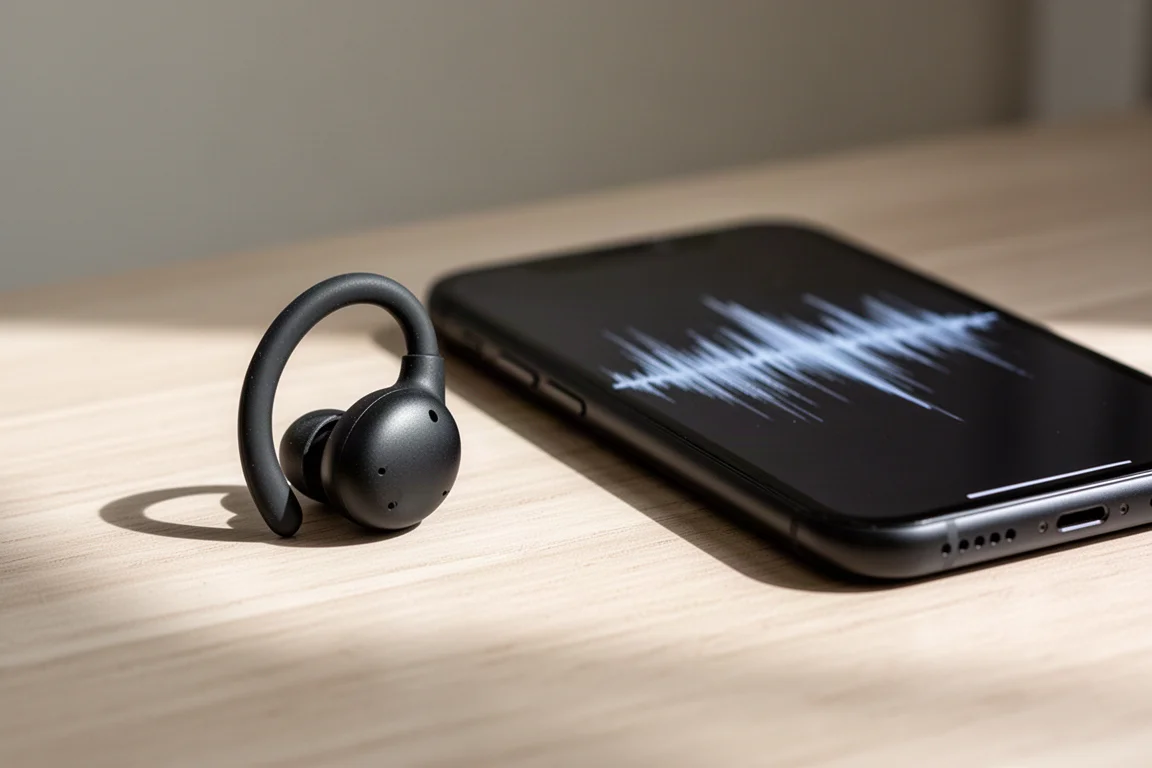
As touch controls go, these are among the better-integrated implementations on sports headphones. Tapping the top of the bud is easier than hunting for the two tiny buttons on the OpenRun, and taps register reliably when standing still. But touch is always harder mid-run: when moving at pace, finding the sweet spot on a wobbling bud for volume or track changes gets tricky, and some testers ended up reaching for their phones instead. Physical controls remain the safer choice for running headphones, and their absence here is a fair criticism. One more annoyance: there is no dedicated off control, so the buds occasionally play or pause unexpectedly while being clipped or stowed.
The companion app also lets you adjust the EQ with several presets and create and save your own. The presets genuinely change the sound profile, with bass-boosted modes adding warmth and fullness, though the difference is subtle out on the road where ambient noise dominates.
Sound Quality and Awareness
This is where the Open Fit earns its premium over Shokz’s bone conduction range. The direct pitch technology delivers a bigger, louder, fuller sound than the OpenRun or OpenRun Pro, with real bass presence and warmth that bone conduction cannot match. If you listen to bass-heavy music, the difference is significant, and EQ modes help tailor the profile further.
It is not, however, as balanced or rich as a good in-ear headphone. Compared with the OpenRun Pro, some testers still preferred the more balanced, versatile presentation of the bone conduction options despite the Open Fit’s extra power.

The trade-off is awareness. At full volume the outside world largely disappears, which defeats the purpose of open-ear listening for road running. To retain situational awareness you have to run at roughly half volume. That creates an awkward middle ground: quieter and less capable than in-ears for pure sound quality, less naturally aware than bone conduction. Podcasts work well at lower volumes because spoken word stays intelligible while you stay tuned to traffic, but music at those levels can feel pointless. Wind and heavy traffic noise are the real weakness: in gusty conditions, spoken content becomes very hard to hear, and some testers had to pause podcasts repeatedly. Louder environments like trains also overwhelm the maximum volume.
Call quality is adequate. Dual noise-cancelling microphones keep your voice reasonably clear to the person on the other end, and the buds handle calls without being drowned out entirely, but they are not class-leading for calls.
Battery Life and Charging
The claimed seven hours per bud sounds reasonable, but real-world results fall short. Testers recorded roughly 30 to 40 percent battery drain per hour of running with music at moderate to loud volumes or with bass-boosted EQ, well below the quoted figure. Podcast listening is far friendlier to the battery, and quieter volumes with standard EQ get closer to the claim, but if you want the best sound you will likely see five to six hours rather than seven.

That matters for long events: for a five-hour marathon with music at volume, we would not be confident the buds last the distance without a top-up. The included case doubles as a charger and adds a further 20 hours of charge, which is a genuine advantage over the banded bone conduction designs, and a five-minute quick charge yields about an hour of playback. The case itself is a decent size for a belt, though not small enough that you would carry it mid-marathon, and its slippery soap-bar shape makes it surprisingly awkward to open without dropping it.
The buds carry an IP54 water resistance rating. That is not the full waterproofing of some of the OpenRun range, but it is more than enough for sweat and rain during workouts.
Things to Consider Before Buying
The core issue is compromise at a premium price. If awareness is your priority, bone conduction headphones do that job at a lower price. If sound quality is your priority, good in-ear headphones, often on sale for far less, do everything else better. The Open Fit sits between the two and does neither quite as well as the specialists.
There are cheaper open-ear alternatives that compete well, and there are rivals with stronger sound but less comfortable fits. If you already own a Shokz bone conduction pair, there is little reason to upgrade. And if your fit test goes badly, that alone is reason to walk away, because the secureness of the hook is the design’s biggest question mark.
The honest counterpoint: for the testers the fit suited, these were genuinely loved. Great comfort, no in-ear pressure, decent sound for open-ear design, and a charging case for everyday convenience. If you specifically want open-ear buds, find a way to try the fit first before committing.
Conclusion
The Shokz Open Fit get a lot right: they are light, comfortable, sweat-resistant, and deliver the biggest and most customisable sound we have heard from Shokz, with the bonus of a charging case. But the fit is a lottery, battery life falls short of the claim with music, maximum volume is modest in wind and traffic, and at £179 or $180 you are paying a premium for a product that compromises in both directions. For most runners, a bone conduction Shokz plus a good pair of in-ears costs about the same and serves you better. The Open Fit are a promising first attempt that needs the next generation to nail down the fit.
Product link
View more details for Shokz Open Fit
This product is mentioned in the review. Check the specifications, options, and compatibility before buying.
View more details for Shokz Open FitFurther reading
Related Reviews
Headphones
Apos Audio Caspian Review: Warm Bass, Solid Build, and a Detail Trade-Off
The Apos Audio Caspian is an easy-to-drive open-back headphone with standout bass and a warm, relaxed tuning, though mid-range and treble detail trail the competition.
Headphones
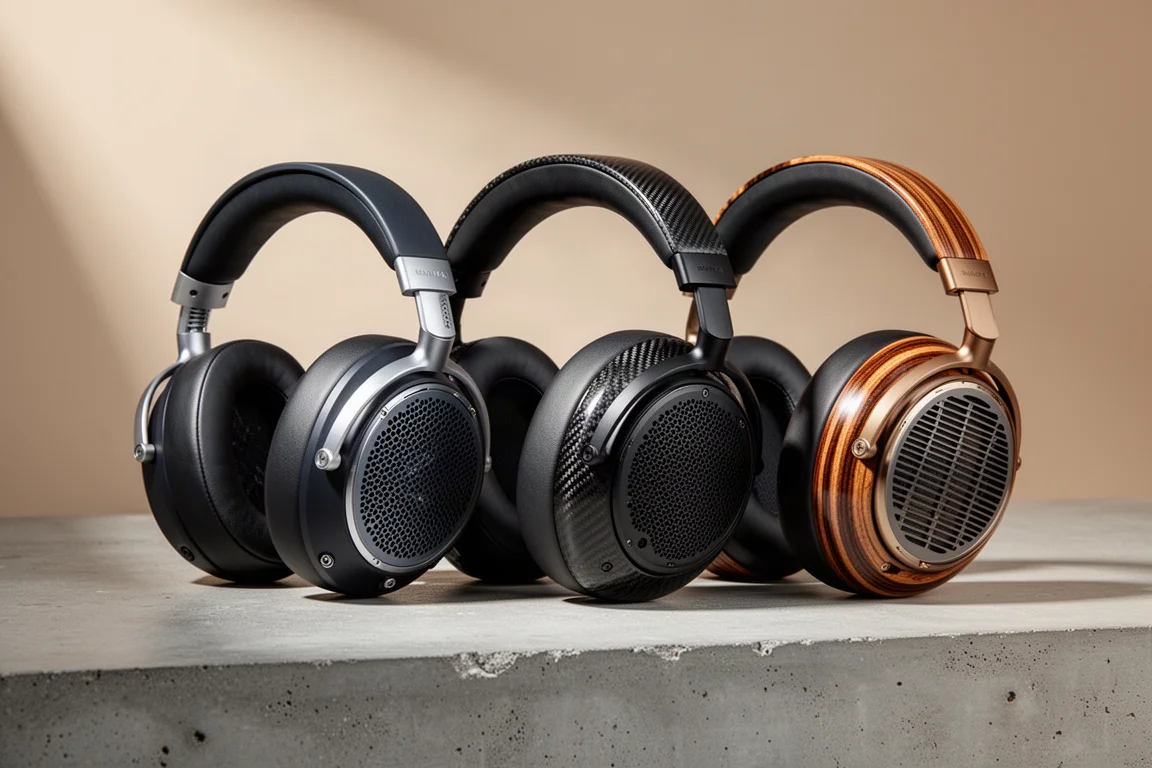
Audeze LCD-X vs LCD-XC vs LCD-3: Which High-End Headphone Fits Your Setup
A practical comparison of three Audeze planar magnetic headphones under $2,000, covering the open-back LCD-X, the closed-back LCD-XC, and the wood-ringed LCD-3.
Headphones
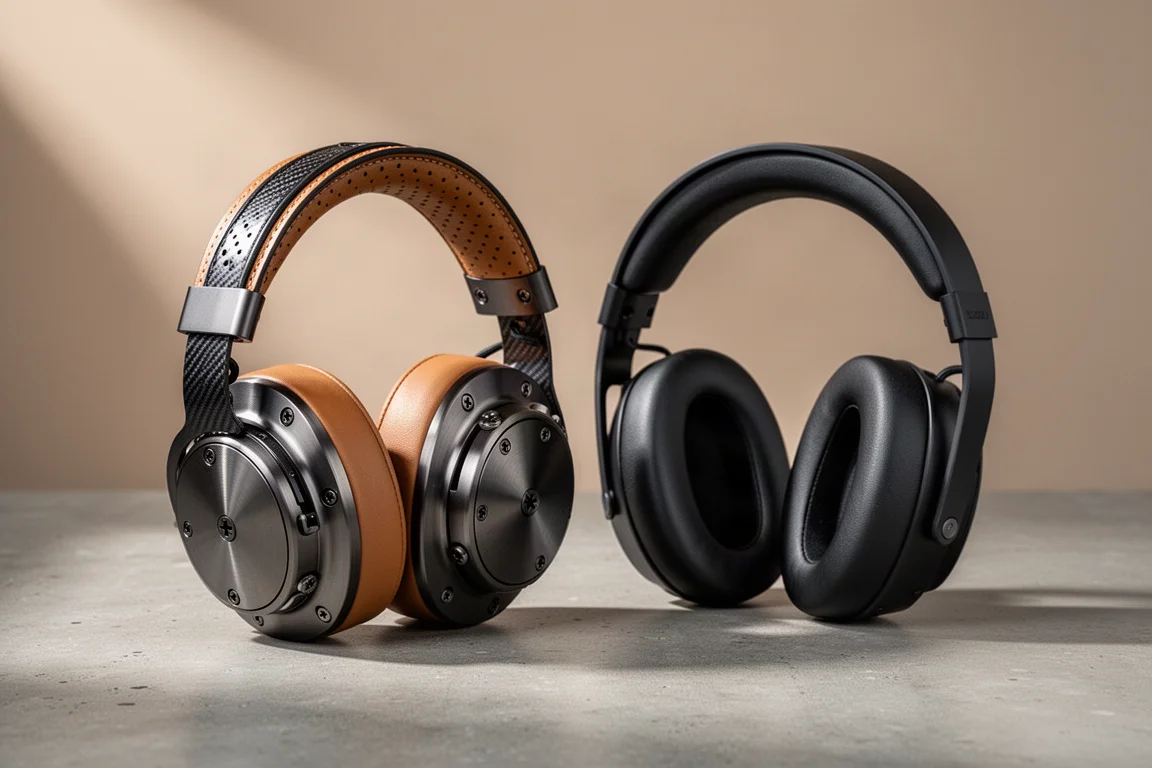
Audeze LCD-X vs HiFiMan Edition XS: Two Open-Back Headphones Compared
A practical comparison of the Audeze LCD-X and the HiFiMan Edition XS, covering build quality, comfort, sound signature, and which listener each one suits.