Bike Groupsets
Shimano vs SRAM Groupsets: Which Road and Gravel Groupset Fits Your Riding?
A practical look at seven Shimano and SRAM groupsets, from flagship electronic race equipment down to entry-level options, and how to choose between them.
Introduction
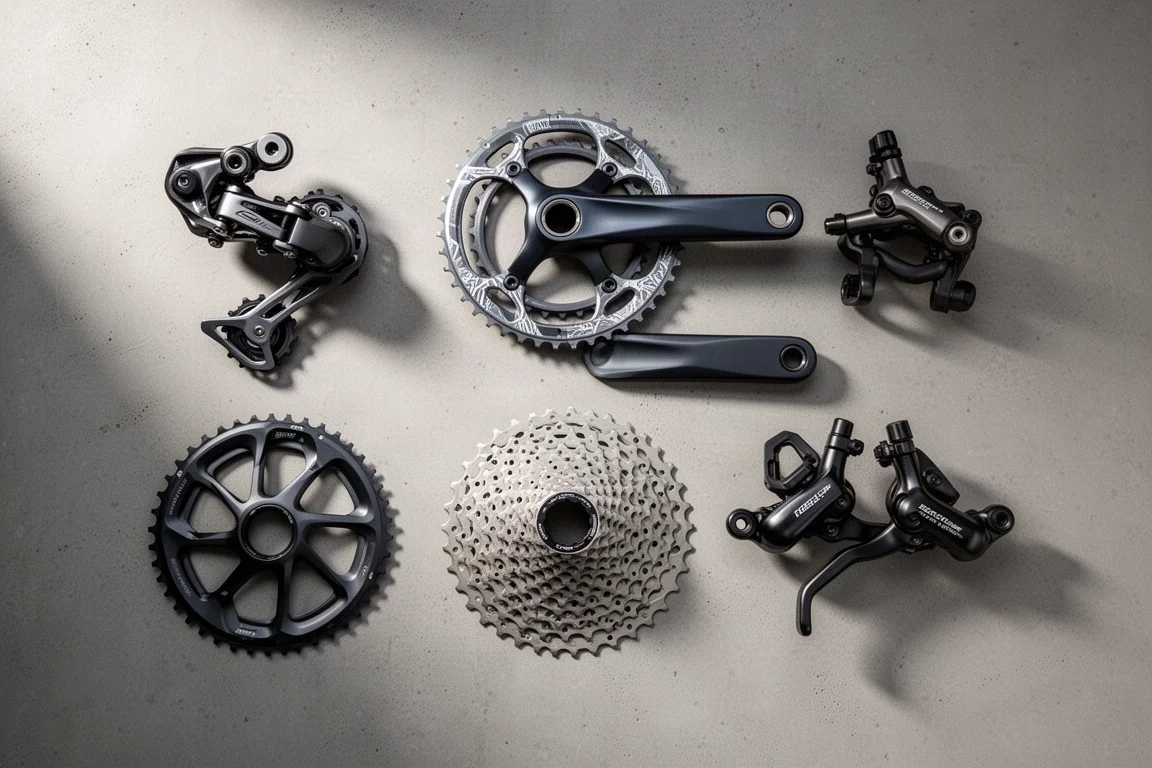
Choosing a groupset is one of the biggest decisions you make when buying a new road or gravel bike. Shimano and SRAM are the two names you will see most often on complete bikes, and each company arrived where it is today by a very different route.
Shimano is by far the largest groupset manufacturer in cycling and the most dominant, with more than 100 years in the business. It entered the road market in the 1970s, when the traditional European brands still held the scene, and went on to become the most common sight in professional racing. SRAM is a younger challenger. It started in the late 1980s with Grip Shift, soon adapted for mountain bikes, and followed that with its own rear derailleur and a distinctive 1:1 cable actuation. Rather than develop every category from scratch, SRAM built a complete groupset by acquiring brands that were already established, including Sachs for chain and gearing technology, RockShox for suspension, Avid for brakes, Truvativ for cranksets, Zipp for wheels and later Quarq for power meters. That groundwork paid off in the late 2000s with Force and Rival, followed a year later by Red, its flagship road groupset. Those were 10-speed mechanical groups and they introduced DoubleTap shifting.
This guide covers seven groupsets across both brands, from flagship race equipment to entry level, and explains what each one is actually good for.
How These Groupsets Compare
The differences between the two brands show up in a few practical places: shifting feel and speed, ergonomics, customization, braking performance, gearing range, and how widely each groupset is available on complete bikes.
Both flagship groupsets are now 12-speed and electronic, both offer power meter options and hydraulic disc brakes, and both have smartphone apps for customization. Pricing at the very top is close, with Dura-Ace builds typically costing slightly more than an equivalent SRAM Red eTap AXS build.
The bigger structural difference is range. SRAM offers three levels of groupset, while Shimano spans seven price points from Dura-Ace at the top down to Claris at the entry level. That means Shimano appears on far more bikes across a much wider spread of prices. Shimano also offers a broader set of gearing options, including wide-range cassettes and both 1x and 2x setups, and its road and mountain bike groupsets can be mixed and matched in ways SRAM’s cannot.
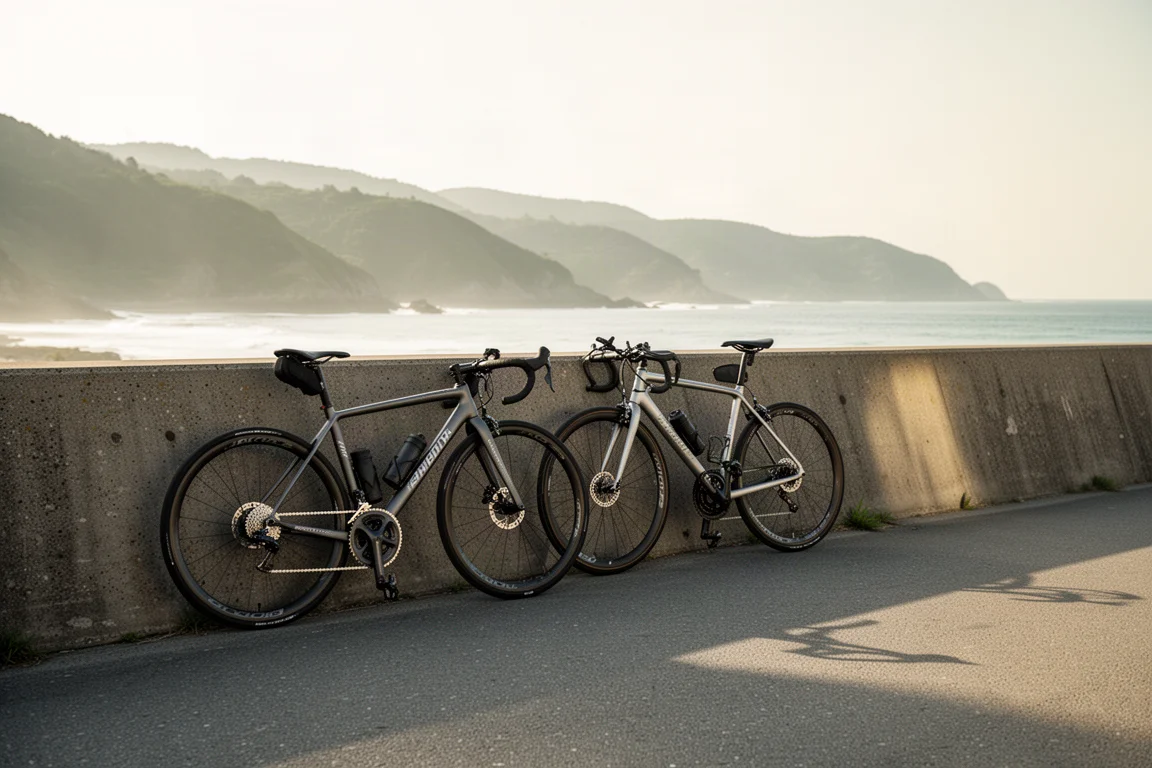
The two companies also differ in temperament. Shimano was first with electronic shifting through Di2, but SRAM has generally been quicker to bring new ideas to market, going fully wireless with eTap, moving earlier to 1x drivetrains, disc brakes and gravel groupsets. Shimano has tended to be more conservative, and its GRX gravel groupset arrived at least a couple of years behind SRAM’s offering. Campagnolo, the other historic name in the market, remains highly regarded among those who know it, but is a rare sight at most price points today.
Both brands also trickle top-end technology down to more affordable levels over time, which means riders on inexpensive bikes eventually benefit from developments that started on flagship equipment.
Shimano Dura-Ace: The Flagship Race Groupset
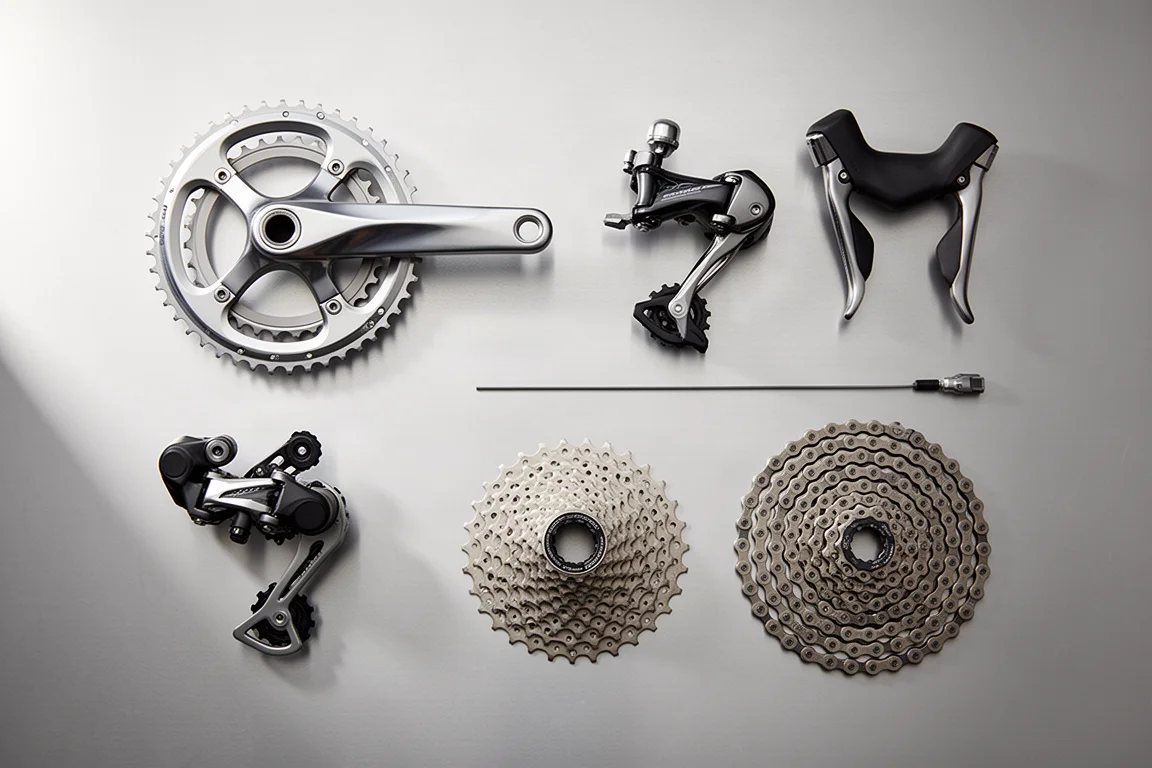
Dura-Ace sits at the top of Shimano’s range and represents the company’s most race-focused engineering. It is a 12-speed electronic groupset with hydraulic disc brakes, power meter options and app-based customization.
It is the most expensive option in Shimano’s seven price points, and complete bikes built around it tend to cost slightly more than comparable SRAM Red eTap AXS builds. For riders chasing the sharpest shifting and the lightest, most competition-oriented build, that premium is the trade-off.
Shimano 105 Di2: Electronic Shifting for More Riders
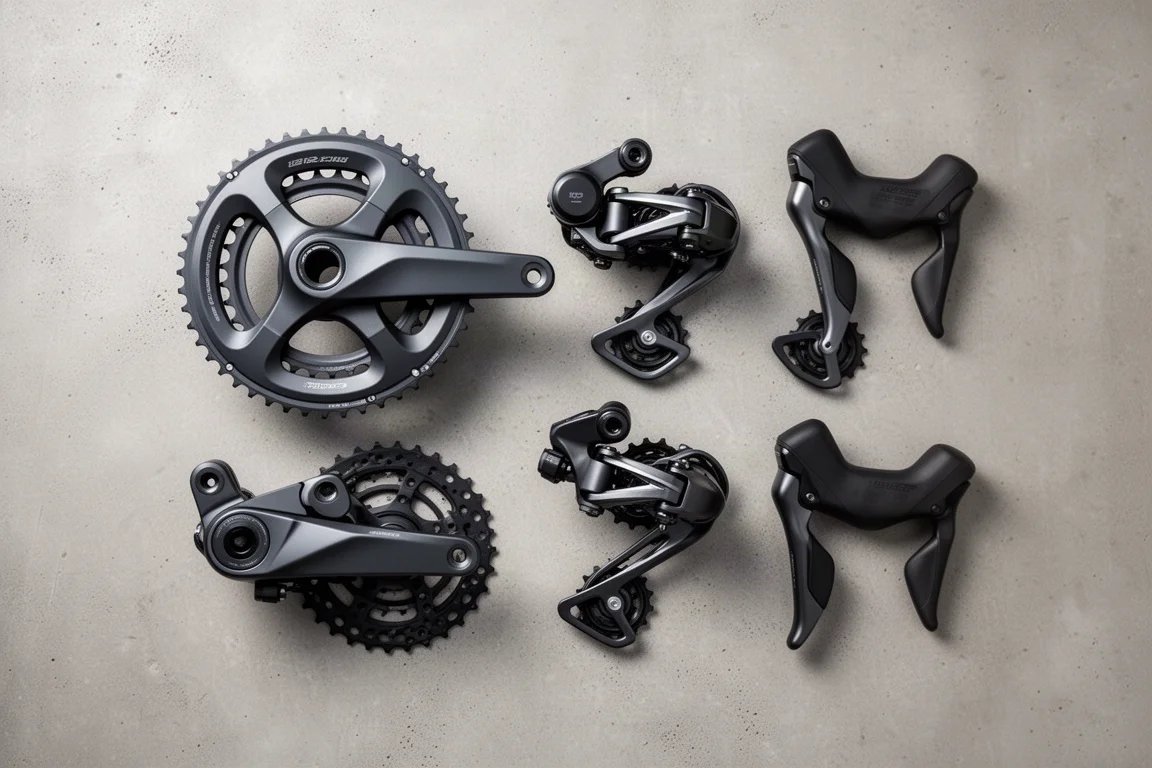
105 Di2 is Shimano’s entry-level electronic groupset, and it is the point where Di2 shifting becomes realistic for a much wider group of riders. It benefits directly from technology developed at the top of the range and brings electronic shifting to a far lower price point than the flagship groups.
It is the natural comparison point against SRAM’s Rival, since both sit at the affordable end of each brand’s electronic lineup. Riders weighing up those two specifically will find the differences in shifting behaviour, ergonomics and gearing worth examining closely before committing.
Shimano Claris: Entry-Level Reliability
Claris is the bottom of Shimano’s seven price points and the groupset most riders will meet on a first road bike. It is where the brand’s scale matters most: because Shimano builds across so many levels, affordable groupsets inherit features and refinements that originated much higher up the range.
For riders on a tight budget, Claris is less about headline technology and more about dependable, well-understood equipment that is easy to live with and simple to service.
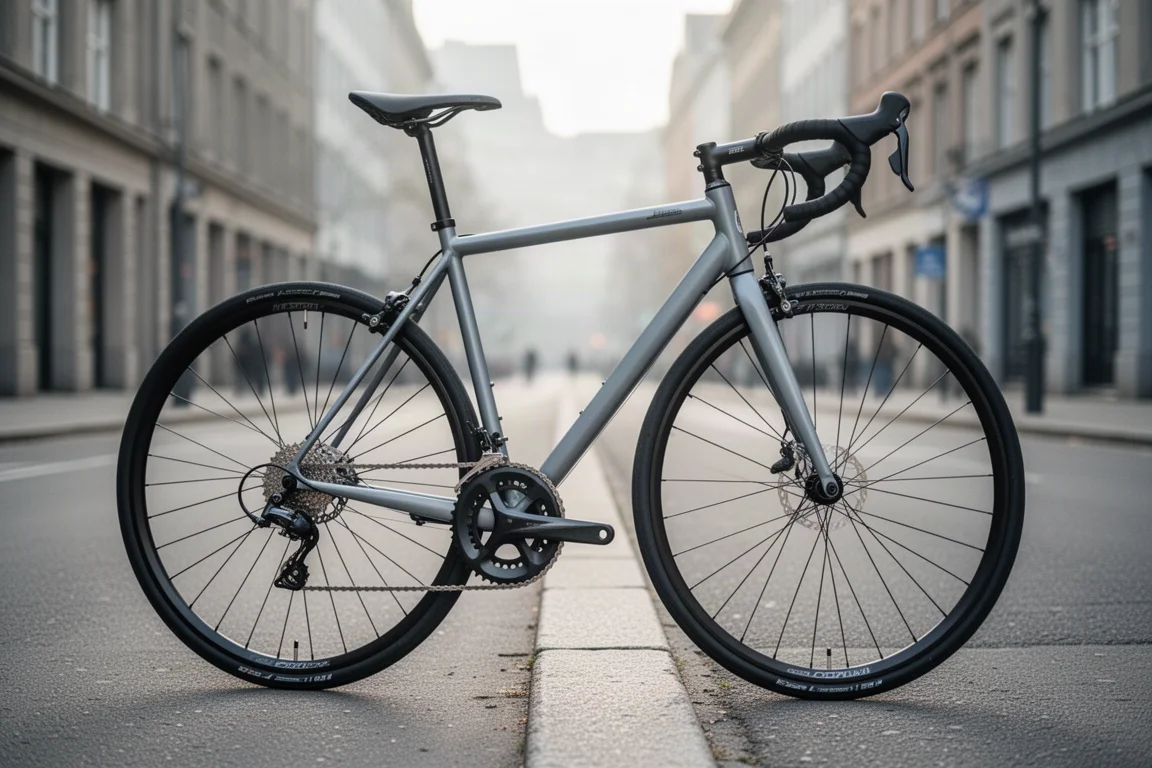
That accessibility is a real advantage. Shimano’s presence across so many price points means a buyer at the entry level is not choosing between two brands with very different levels of support, but simply choosing the bike that fits.

Shimano GRX: Gravel-Focused Design
GRX is Shimano’s gravel-specific groupset, designed for the wider tyres, rougher surfaces and mixed terrain that define gravel riding. It arrived at least a couple of years after SRAM had already established a gravel groupset, but it brought Shimano’s shifting feel and ecosystem to the category.
For riders already comfortable with Shimano equipment, GRX is the most straightforward route into gravel without changing brands. Its gearing and ergonomics are tuned for the discipline rather than adapted from pure road equipment.
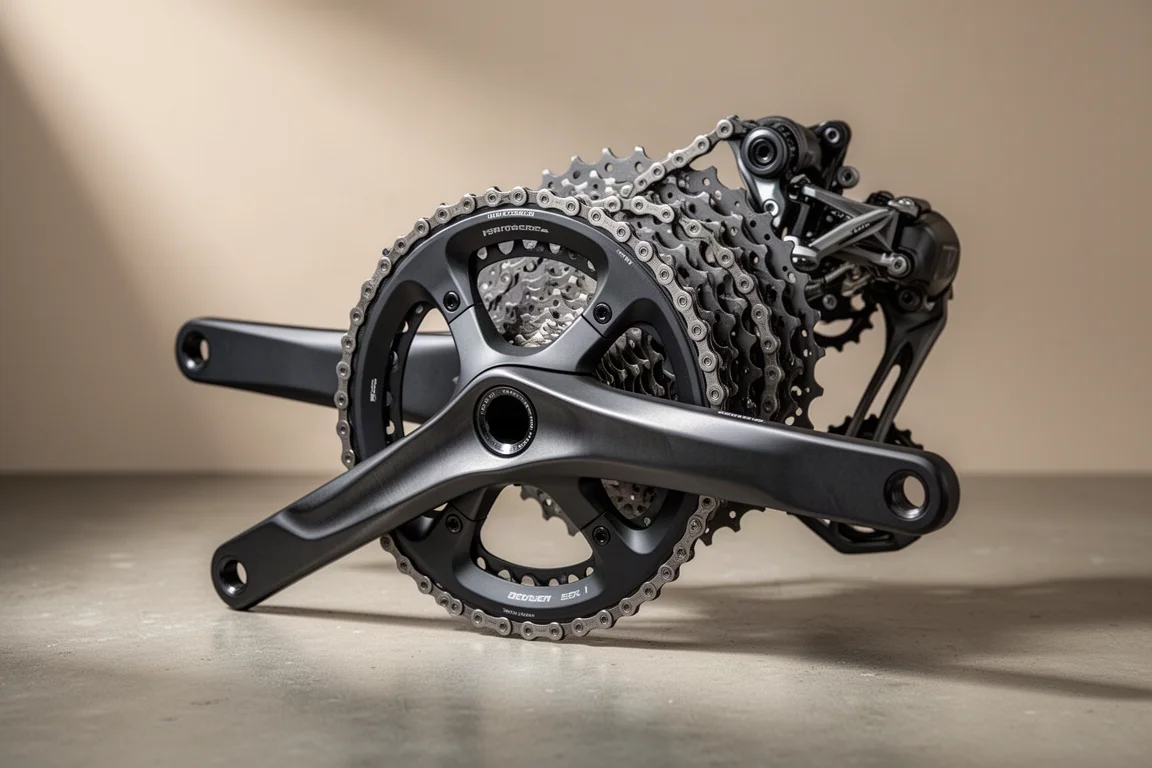
SRAM Red eTap AXS: Wireless Flagship
Red eTap AXS is SRAM’s flagship road groupset and the clearest expression of the company’s approach: fully wireless electronic shifting, 12-speed, with hydraulic disc brakes, power meter options and smartphone app customization.
SRAM moved to wireless earlier than the rest of the market, and Red is the product that best demonstrates it. At the top of the range, pricing sits very close to Shimano Dura-Ace, with comparable builds tending to come in slightly cheaper.
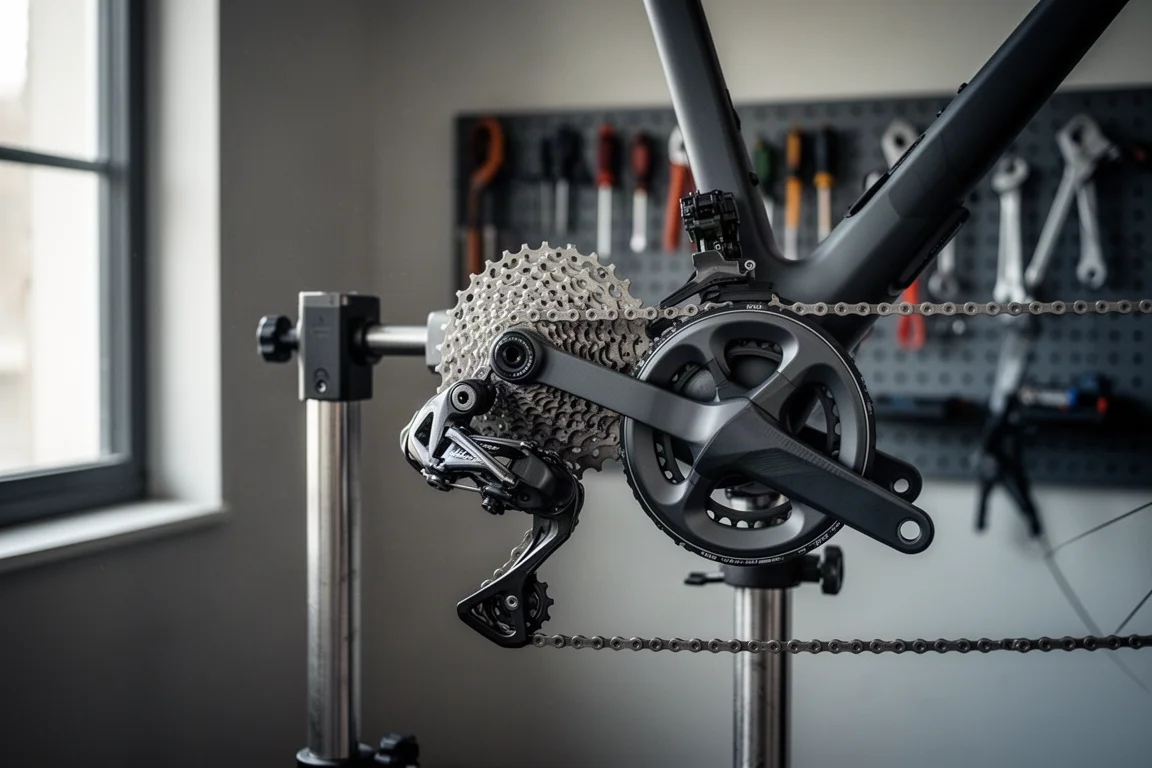
Wireless shifting removes the internal routing and cabling that electronic groupsets traditionally require, which simplifies both setup and travel. For riders who value that clean, uncluttered approach, Red is the most complete version of the idea.
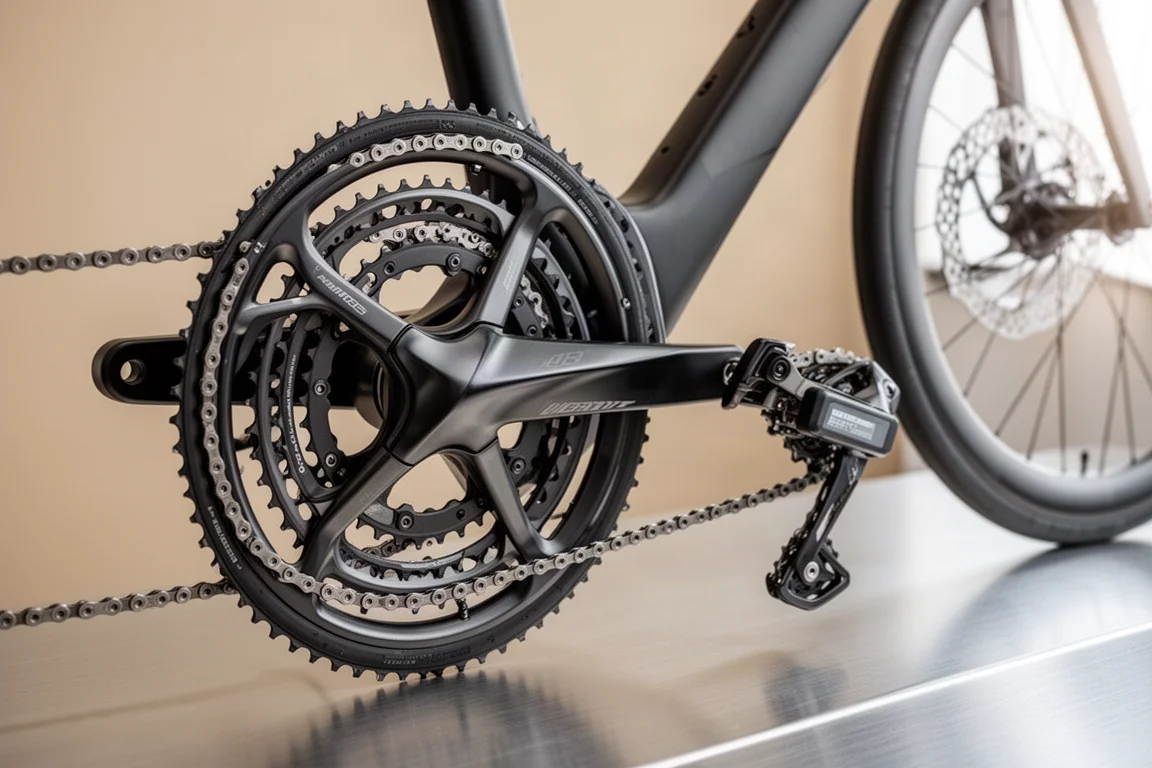
SRAM Force: Wireless Performance Mid-Tier
Force is the middle of SRAM’s three groupset levels, sitting below Red and above Rival. It shares the brand’s wireless electronic approach in a more attainable package, and for many riders it is the sensible balance between flagship performance and price.
Force and Rival were originally introduced together in the late 2000s as 10-speed mechanical groups with DoubleTap shifting, and Red followed a year later. Force now sits in a much smaller range than Shimano’s seven levels, which means the step between it and the flagship is a short one.
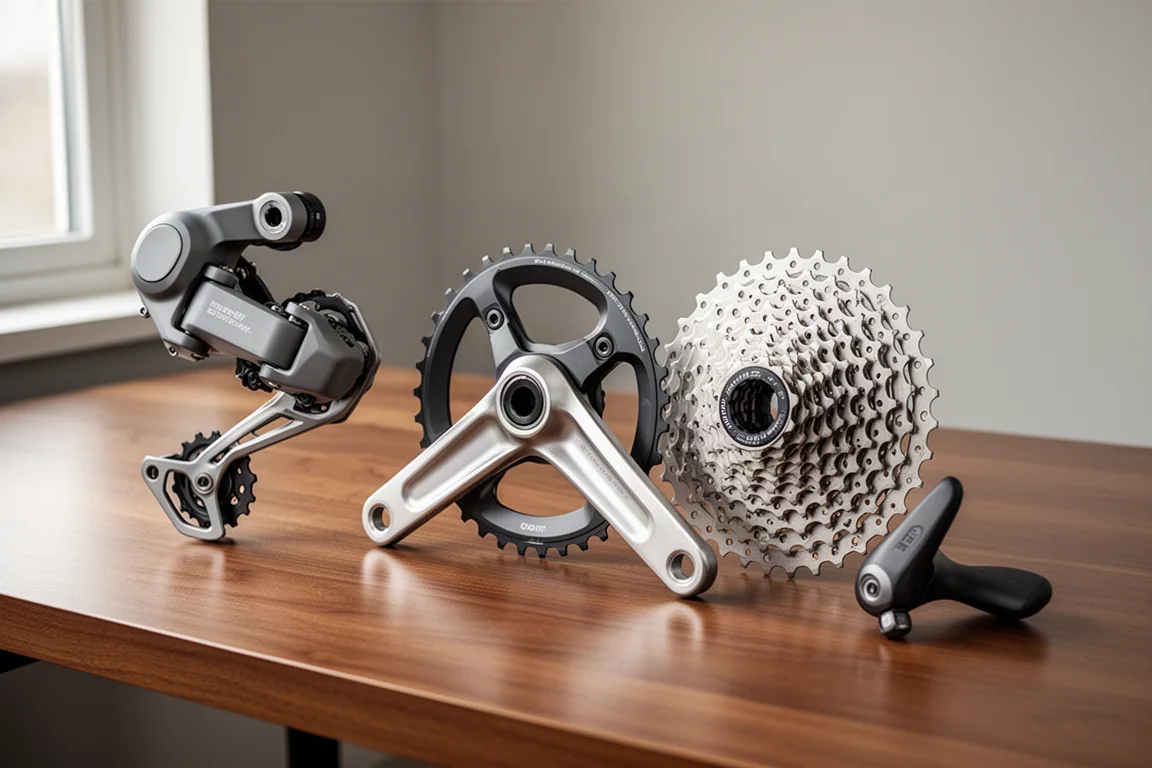
SRAM Rival: Accessible Electronic Shifting
Rival is SRAM’s entry-level electronic groupset and the counterpart to Shimano 105 Di2 in the value conversation. It brings electronic shifting down to a more accessible level and inherits technology developed further up the range.
The main consideration for buyers comparing Rival with Shimano’s equivalents is gearing. Shimano offers a wider spread of cassette and drivetrain configurations, including mixing road and mountain bike components, while SRAM’s lineup is narrower by comparison.
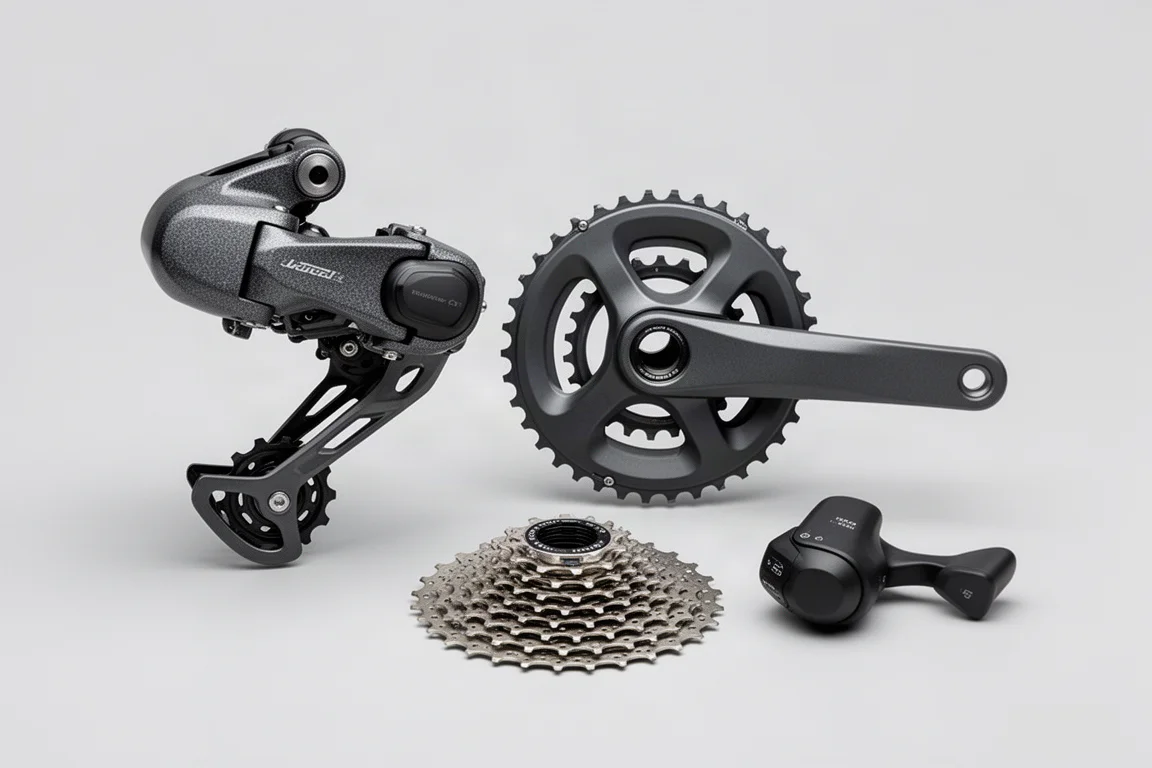
Buying Advice: Which Groupset Is Right for You
Neither brand is objectively better. Both make excellent groupsets, and either is a sound choice for a new bike. The decision comes down to what you personally value.
Shimano carries a reputation for reliability and offers unmatched breadth, with seven price points and a much wider presence on complete bikes. If you want a groupset that is easy to find, easy to service and available at almost any budget, that scale works in your favour.
SRAM is the more ambitious of the two, quicker to adopt new technology and quicker to bring it to market. If wireless shifting, simpler setup and a taste for newer ideas appeal to you, SRAM’s range is the more interesting one, even if it offers fewer levels to choose from.
The most useful thing you can do is ride both. Shifting feel and lever ergonomics are personal, and some riders immediately prefer one system’s action while others prefer the look and layout of the other. Whichever you pick, you are buying decades of accumulated development, and both brands deliver genuinely strong performance.

Availability is the other practical factor. Because Shimano spans so many price points, it is easier to find a complete bike that fits your budget with Shimano equipment than with SRAM, which is worth weighing if you are buying a whole bike rather than building one up.
Conclusion
Shimano and SRAM both make groupsets that most riders would be happy to own and ride. Shimano brings unmatched scale, a wide spread of price points and a long-standing reputation for reliability. SRAM brings faster adoption of new technology, fully wireless shifting and a simpler three-level range.
If you are comparing entry-level electronic groupsets specifically, Rival and 105 Di2 are the two worth studying side by side, since they sit closest to each other in purpose and price. Beyond that, the honest answer is that both are great, and the right choice is the one that feels better under your hands.
Further reading
Related Reviews
Bike Groupsets
Best Value Road Bike Groupsets 2026: Shimano 105, SRAM Apex and Rival Compared
Affordable groupsets now deliver most of the performance of flagship tiers. Here is how Shimano 105, SRAM Apex and Rival AXS compare for real riders.
Bike Groupsets
Gravel Bike Groupsets Compared: Shimano GRX 400, SRAM Red Eagle XX1 Mullet, and SRAM Rival GX
A roughly £600 mechanical groupset, a roughly £3,500 electronic mullet build, and the roughly £1,500 middle ground, compared on two identical gravel bikes.
Bike Groupsets
LTWOO RX Groupset Review: A Complete 12-Speed Package With Two Real Compromises
A complete 12-speed groupset package with premium-feeling shifters and smooth road shifting, plus two limitations worth checking against your own frame.