Road Bike Groupsets
Shimano Ultegra R8100 vs Dura-Ace R9100: Which Road Groupset Is Worth It?
A close look at Shimano's 12-speed Ultegra R8100, how it compares with the previous R8070 and the lighter Dura-Ace R9100, and where the extra money actually goes.
Introduction
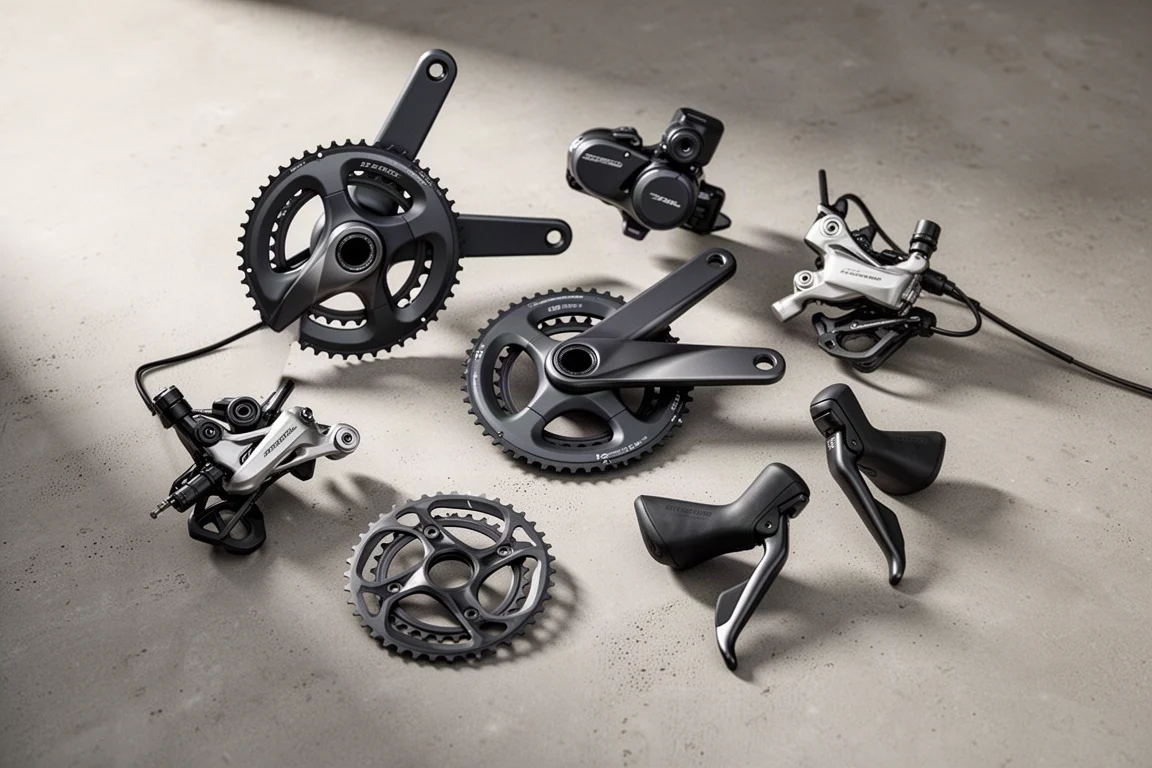
Electronic road groupsets have quietly become one of the biggest decisions in a new bike build, and Shimano’s second-tier Ultegra line sits right at the centre of that decision. The previous 11-speed Ultegra R8070 set a high standard for performance relative to price. The newer 12-speed Ultegra R8100 borrows heavily from the flagship groupset, and that changes the calculation.
This guide looks at three groupsets: Shimano Ultegra R8100, the outgoing Ultegra R8070, and Shimano Dura-Ace R9100. It covers what each one does well, where the money goes, and which type of rider is best served by each.
How Shimano’s Road Groupsets Stack Up
Ultegra has always been the sensible premium option. Dura-Ace sits above it with higher-end materials and a lower overall weight, while the older R8070 represents the previous generation of 11-speed electronic shifting.
The differences that matter most in practice come down to weight, materials and finish, connectivity, braking hardware, and price. Shift quality across the range is already high, so the gaps tend to be narrow and are often measured in grams and small percentages.
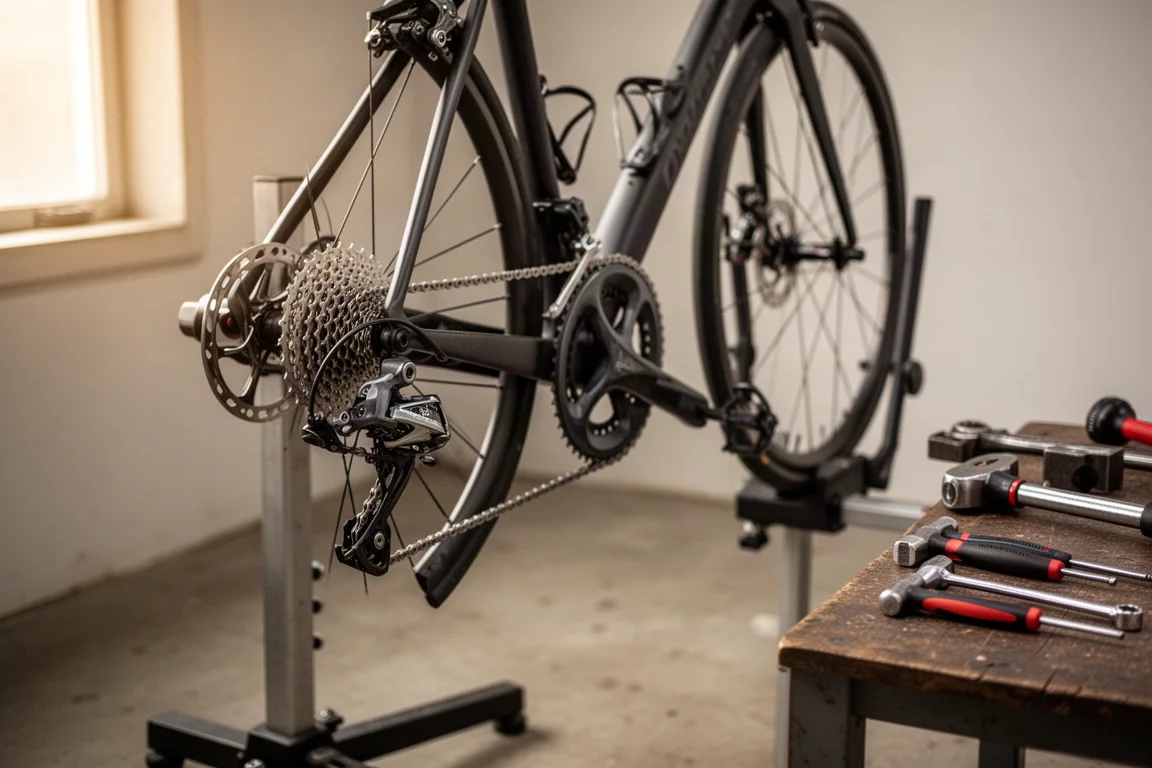
It helps to judge each groupset on the things a rider actually notices: how the brakes feel from the hoods, how consistently the derailleurs shift under load, how easily the system connects to a head unit, and how much of a premium the top tier commands.
Shimano Ultegra R8100: The Second Tier, Elevated
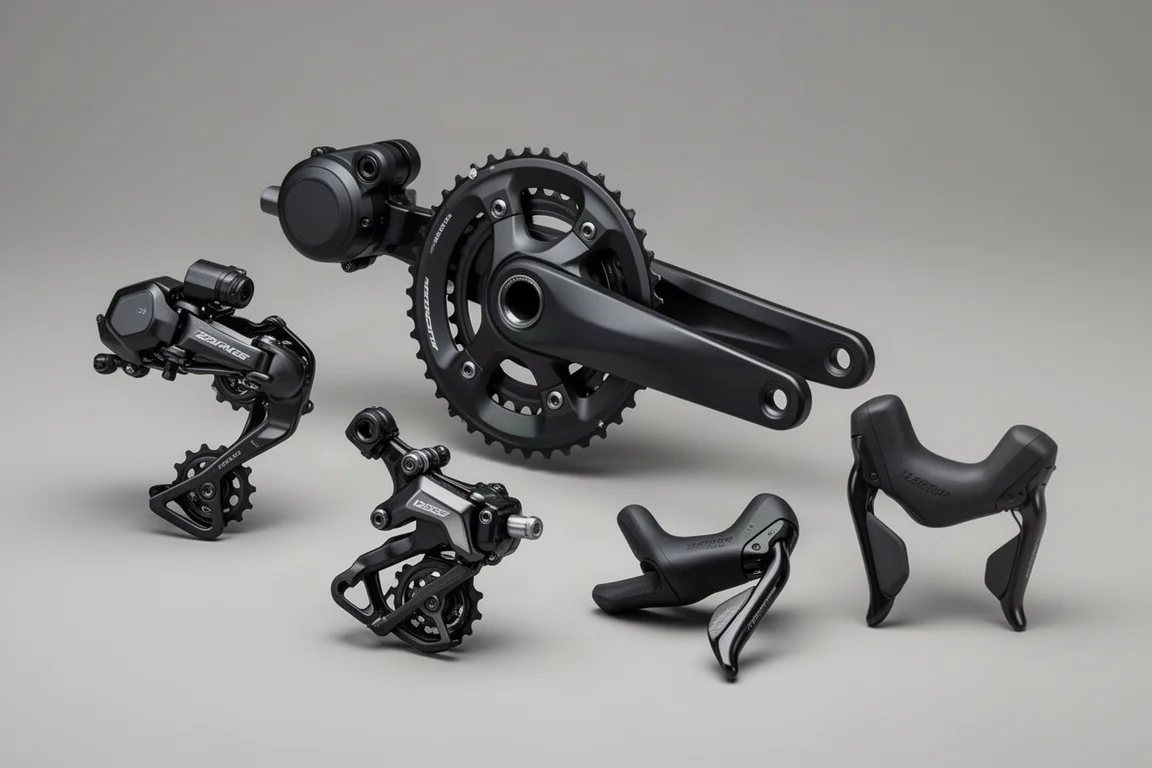
The clearest argument for Ultegra R8100 is how much of it is shared with the range-topping groupset. The mechanical brake components and the electronic motors are identical to those used on Dura-Ace, which means servo wave assisted braking, the newer caliper design, and the revised shifter ergonomics all carry over.
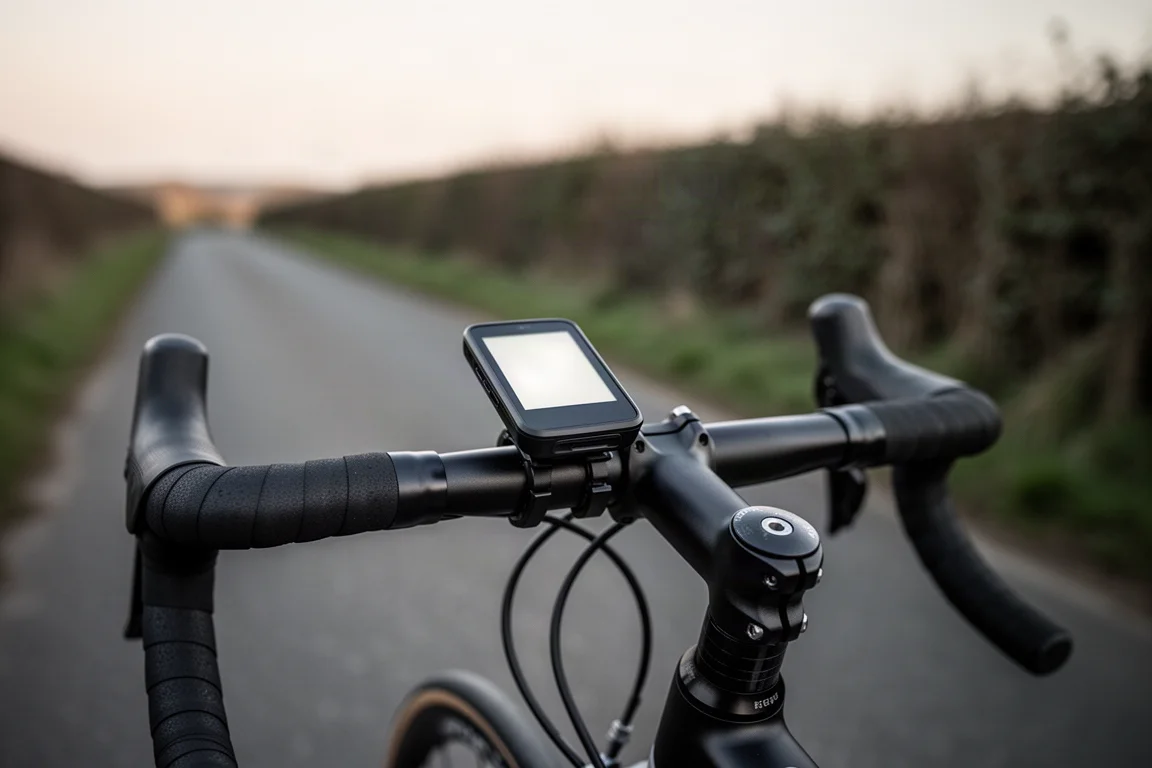
Ultegra R8100 is also 12-speed and includes built-in Bluetooth connectivity. That delivers the full connectivity the platform has always been capable of, without needing to fit supplementary components. Head units can connect to the groupset, and shifting options can be adjusted without extra hardware.
Shimano has moved to a semi-wireless setup for both Ultegra and Dura-Ace. The wiring between the shifters and the derailleurs is gone, which produces a much cleaner build. Shimano has kept the long-life, large-capacity seat tube mounted battery, with two wires running from it to the derailleurs.
Shifting, Connectivity and Battery Life
One practical improvement is that the charge port for the system is now combined into the rear derailleur. There is no longer any need for a junction box mounted under the stem, at the end of the bar, or integrated into the frame.
Because wireless connectivity is now standard, shift behaviour can be adjusted through the companion app or a head unit. Semi-synchronised shifting, which automatically moves the rear derailleur into the next best gear when the front derailleur shifts, is genuinely useful, particularly at the end of a long hard ride when reactions are not at their sharpest. Full synchronised shifting is more divisive: it is usually seamless, but it can change the front ring at exactly the moment a rider wants to stay in the big ring to crest a small hill. Firmware updates can also be delivered over the air rather than waiting for a visit to an approved workshop.
Power for the shifters comes from a coin cell battery in each one, with a claimed life of between 18 months and two years depending on use. Shimano claims around 1,000 kilometres between charges from the main battery that feeds the derailleurs. In practice, roughly 950 kilometres covered with around 30 percent remaining suggests those figures are, if anything, conservative.
Shimano claims the new groupset is faster than the outgoing R8070, with a stated improvement of 58 percent for rear shifts and 45 percent at the front. Those are fractions of a second, and the previous generation never felt sluggish, so the difference is difficult to detect on the road. What is easier to notice is how flawless shifting feels under normal road conditions.
Both of the new Ultegra cassettes use Hyperglide+ technology, with a tooth ramp profile designed to eliminate chain shock and smooth out shifts down the cassette, even under pedalling load. The available ratios are 11-30 and 11-34. The one situation where shifting hesitates slightly is climbing in the big ring and dropping to the small ring at the front, where the chain releases tension from the 52 tooth ring before settling into the 36 tooth ring. It is also worth noting that the Ultegra Di2 rear derailleur has no clutch or damper, so a little chain chatter appears on rougher road surfaces.
Braking Performance and the Updated Wheels
Braking is where the newer 12-speed groupset represents a considerable step up on the already strong 11-speed version. The redesigned calipers allow for more clearance between rotor and pads, which removes the scrapes and rub that could be induced on the previous version.
The new lever shape and the introduction of servo wave, carried over from the brand’s gravel and mountain bike groups, change the feel substantially. Servo wave ramps up braking power along a smoother curve, so the increase in power feels more progressive. That makes it easier to avoid grabbing too much brake or scrubbing too much speed early in the lever stroke.
Repositioning the pivot and reshaping the lever has also improved braking feel from the hoods. Most riders spend the majority of their time on the hoods rather than in the drops, and the older levers had a slightly hesitant feel as the lever passed over the fulcrum of the brake’s movement curve. The new levers move more easily and in a smoother arc, which takes a little relearning but delivers noticeably more control.
Shimano also revamped its Ultegra wheelset alongside the groupset, and these now use a wider, broader blunted aero profile. They are tubeless ready, and Dura-Ace and Ultegra share the same rim profile, with Dura-Ace using a lighter layup. The wheels feel stiff laterally with no noticeable flex when sprinting, and freehub pickup is quick. Cup and cone bearings keep them easy to maintain and durable, and the new freehub uses standard pawl engagement rather than the direct engagement system found on Dura-Ace. The understated graphics on the rims keep the look restrained.
Shimano Ultegra R8070: The Previous-Generation Benchmark
The 11-speed Ultegra R8070 remains a strong reference point, and for good reason. It set the benchmark for performance versus price, and its shifting never felt laboured. Nothing about the newer groupset makes the older one feel inadequate on the road.
The main compromise is usability and connectivity. On complete bikes, almost no brands fitted the optional Bluetooth aerial, which meant riders could not easily access shifting options through the companion app or a head unit. The system also relied on a junction box mounted under the stem, at the end of the bar, or integrated into the frame.

The older calipers also allowed less clearance between rotor and pads, so scrapes and rub could be induced more easily than on the redesigned version. Riders looking at a complete bike with R8070 should expect a lower asking price and a slightly less flexible electronics package rather than any real shortfall in shift quality.
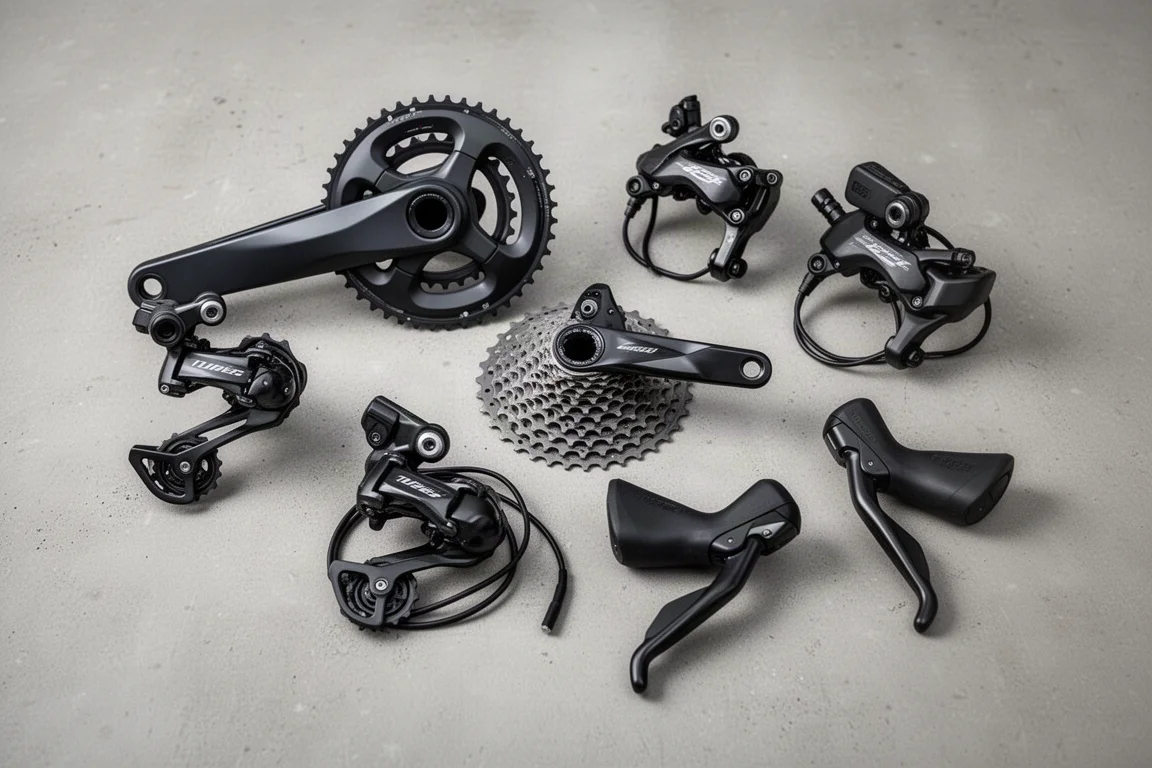
Shimano Dura-Ace R9100: Lower Weight, Higher Price
Dura-Ace R9100 sits at the top of the range and brings a lower overall weight thanks to higher-end materials. It also has a glossier, shinier finish, though how much that matters is entirely subjective.
The premium is significant. In the context of a full bike, the weight saving is modest. Across the groupsets, the extra spend on Dura-Ace saves around 411 grams, roughly the weight of a small water bottle about three-quarters full. Riders who want the flagship will not be disappointed, but the gap in real-world performance is small.
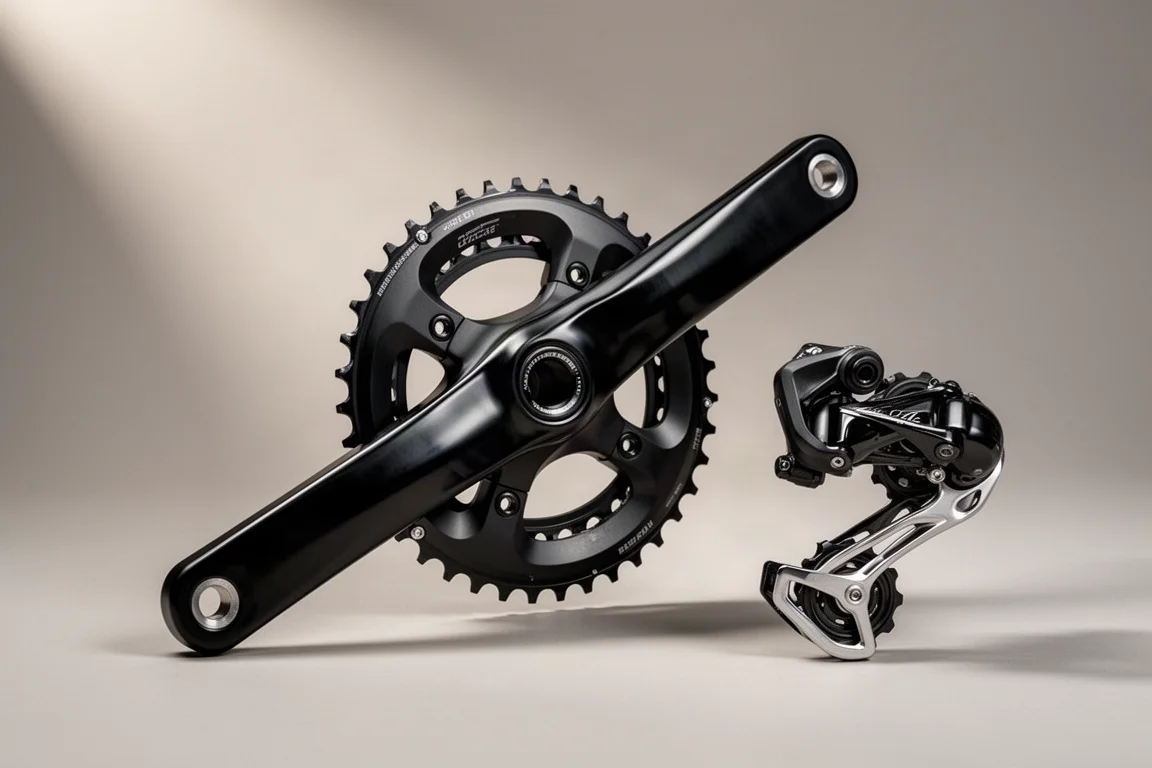
Buying Advice: Is the Dura-Ace Premium Worth It?
The pricing makes the case clearly. Ultegra Di2 comes in at around £2,328, which is a full £1,200 cheaper than Dura-Ace. For that extra spend, the rider saves around 411 grams.
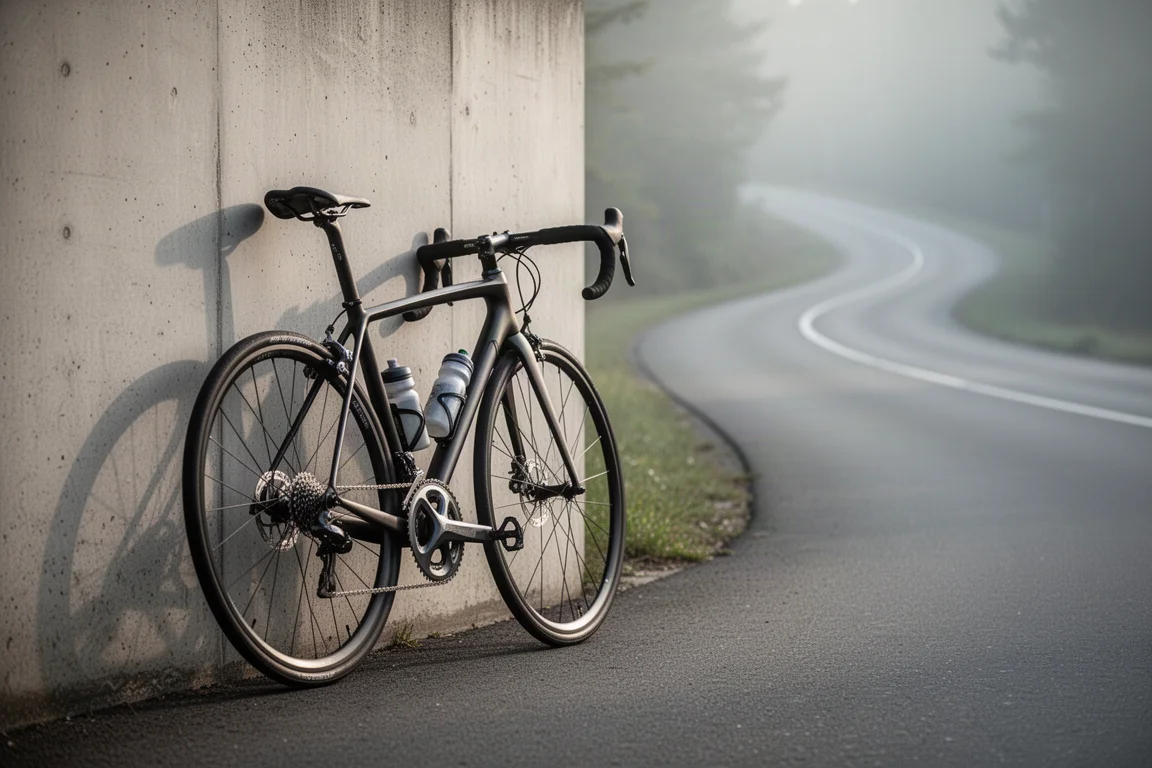
On the road, the performance of Ultegra is essentially indiscernible from its pro-level sibling. The shifts are accurate, slick and smooth, the wireless connectivity brings more to the party than ever before, and the braking is exemplary in every instance. Riders who would rather keep the difference in their pocket can do so knowing they are still getting the same mechanical, electronic and braking performance.
Where Ultegra R8100 does ask for a small compromise is on rough surfaces, where the absence of a clutch in the rear derailleur allows some chain chatter, and in the slight hesitation when dropping from the big ring to the small ring while climbing. Neither is a reason to avoid the groupset; both are simply characteristics worth knowing before buying.
Conclusion
Ultegra R8100 has raised the second tier higher than before. With the same brake mechanics and electronic motors as Dura-Ace, standard Bluetooth connectivity, a semi-wireless setup, and a substantially lower price, it makes the flagship harder to justify on performance grounds alone.
Riders who value the lightest possible build and a higher-end finish may still choose Dura-Ace R9100. Riders shopping a complete bike with the older R8070 should weigh the lower connectivity and caliper clearance against what is likely a lower price. For most riders, the 12-speed Ultegra R8100 is the point where the range stops asking for a sacrifice and simply asks for a budget.
Further reading
Related Reviews
Road Bike Groupsets
Campagnolo Record 13 and Super Record 13 Review: Wireless 13-Speed, Two Ways
Campagnolo's new wireless 13-speed groupsets answer the criticism of the previous generation. Here is how Record 13 and Super Record 13 differ, and which one suits your riding.
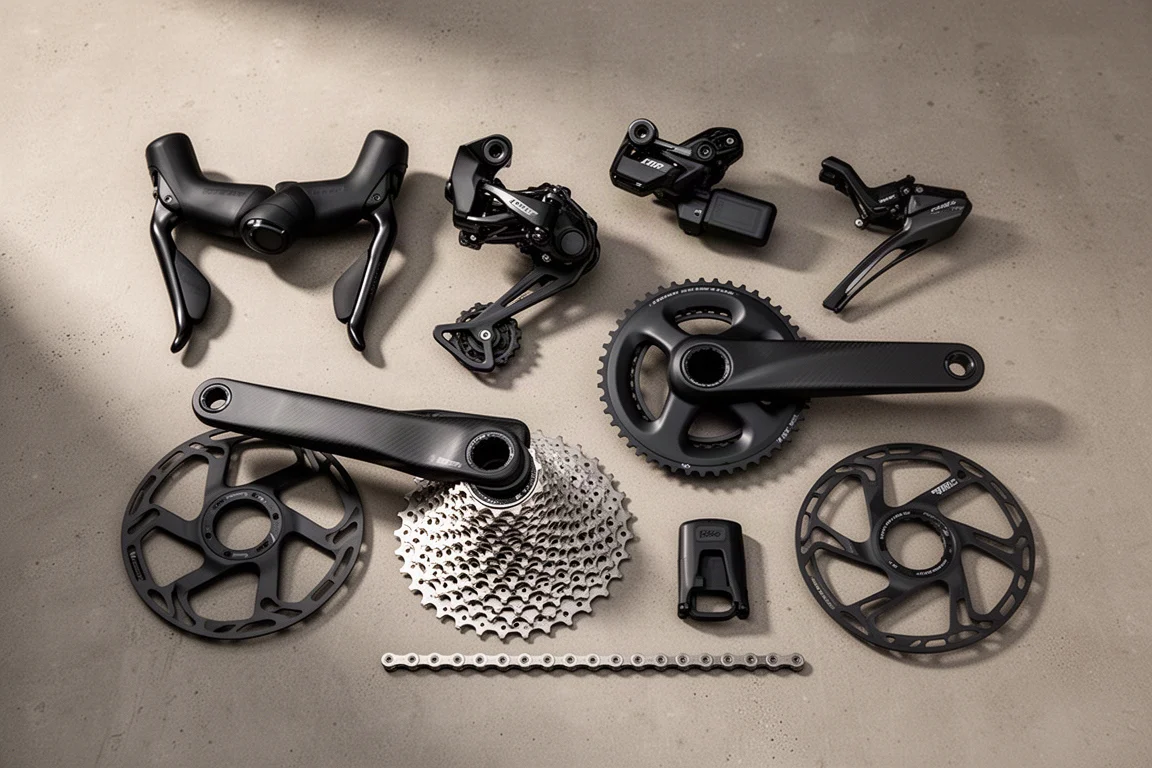
Road Bike Groupsets
Campagnolo Record 13 vs Super Record 13: Which 13-Speed Wireless Groupset Is Worth It?
A practical look at Campagnolo's new 13-speed wireless groupsets, what separates Record 13 from Super Record 13, and which one suits your build.
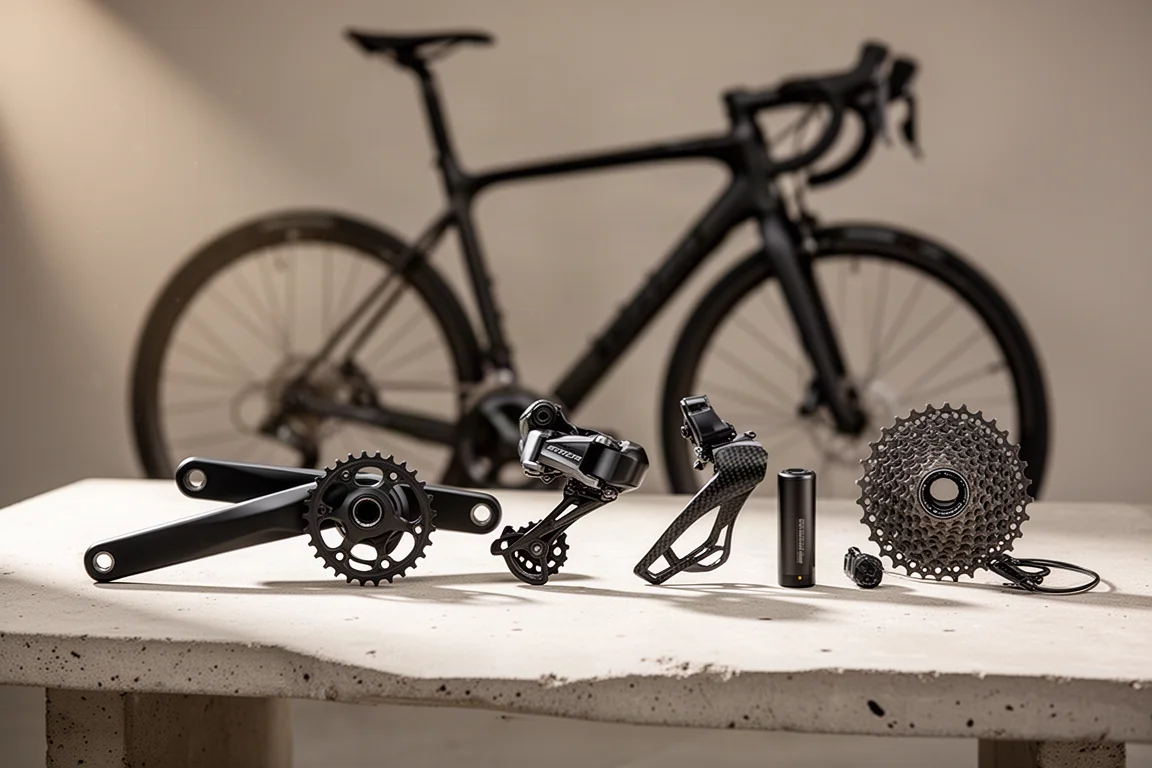
Road Bike Groupsets
Campagnolo Super Record 13 Review: Wireless 2x13 With the Thumb Shifter Back
Campagnolo's first 2x13-speed wireless groupset brings back the thumb shifter, adds a wider gear range, and lands at a price that finally lines up with Shimano and SRAM.