Road Bike Groupsets
Shimano Ultegra R8000 Review: Why This Eight-Year-Old Road Groupset Still Makes Sense
A practical look at Shimano Ultegra R8000, covering shifting quality, braking options, configuration choices, and the crankset recall buyers should understand.
Introduction
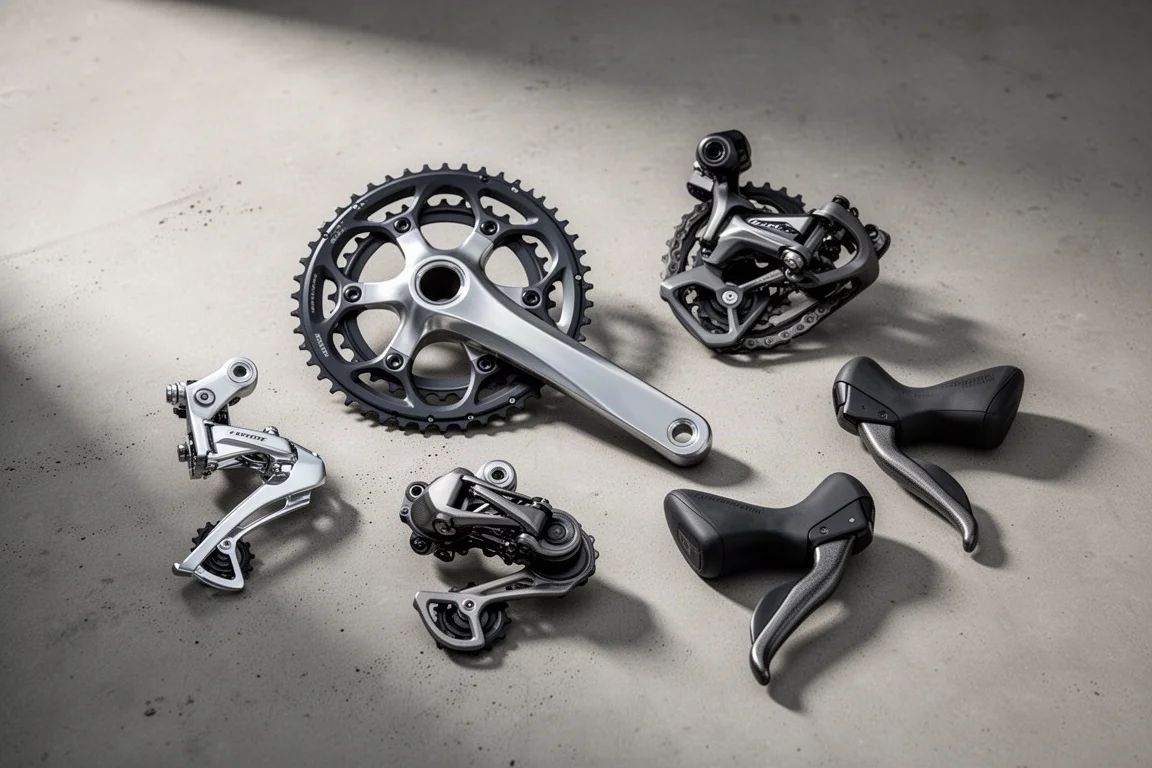
The Shimano Ultegra R8000 groupset has been on the market for roughly eight years, and it still makes a strong case for itself. It offers precise shifting, powerful braking, and a breadth of configuration choice that has largely disappeared from modern road groupsets. It also costs considerably less than the current generation of Ultegra, which runs about a thousand pounds more once Di2 and disc brakes are part of the package.
That combination of proven performance and accessible pricing is why R8000 remains a sensible purchase, provided you understand one important caveat around the cranks, which is covered further down.
Who This Product Is For
R8000 suits riders building up or refreshing a road bike who want dependable performance without paying current flagship prices. Because it was offered in rim brake and disc brake versions, with either mechanical or Di2 electronic shifting, it can serve several different priorities at once.
It is a good fit for riders who still prefer rim brakes, for riders who want a reliable mechanical drivetrain for long-distance or loaded riding, and for riders who want electronic shifting at a much lower cost than the latest systems. Riders who need the newest generation or the lightest possible build may prefer to look elsewhere.
Main Strengths
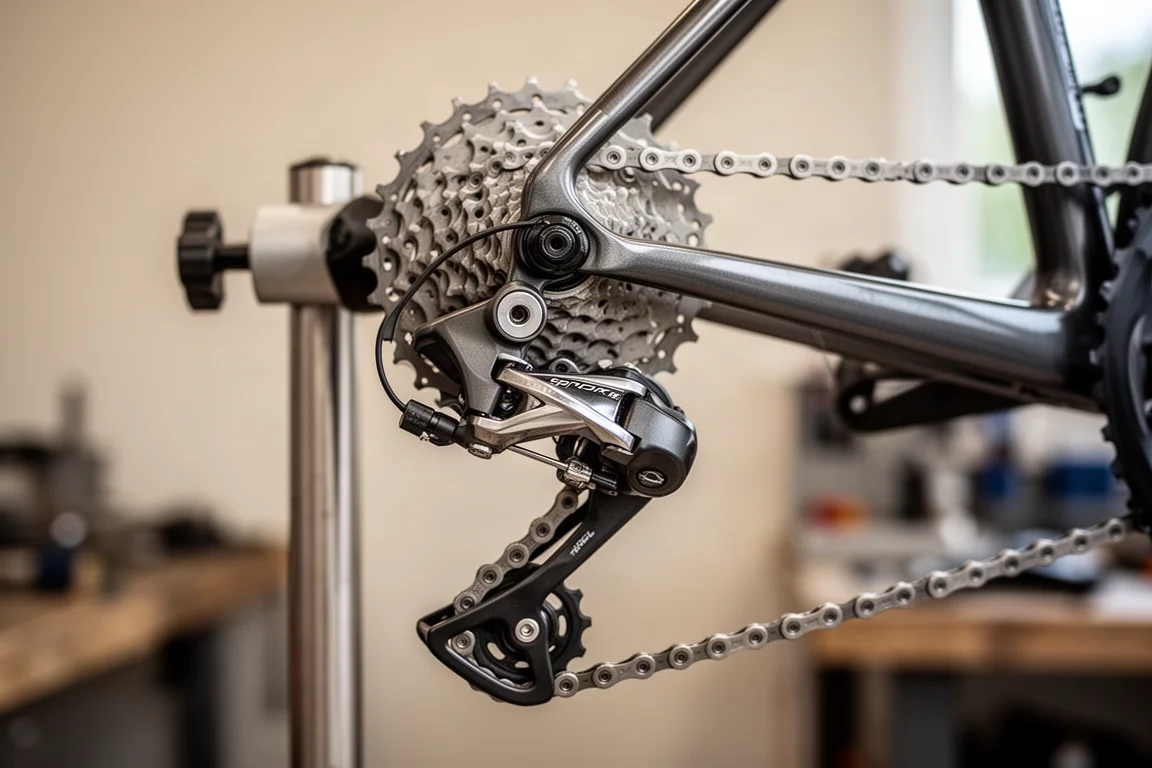
The headline strength is shifting quality. R8000 represented a significant step up from Ultegra 6800, and it stays quick and accurate at the rear derailleur while being simple to keep in tune over time. It has also proven itself in genuinely punishing conditions, including the cobbles of Paris-Roubaix.
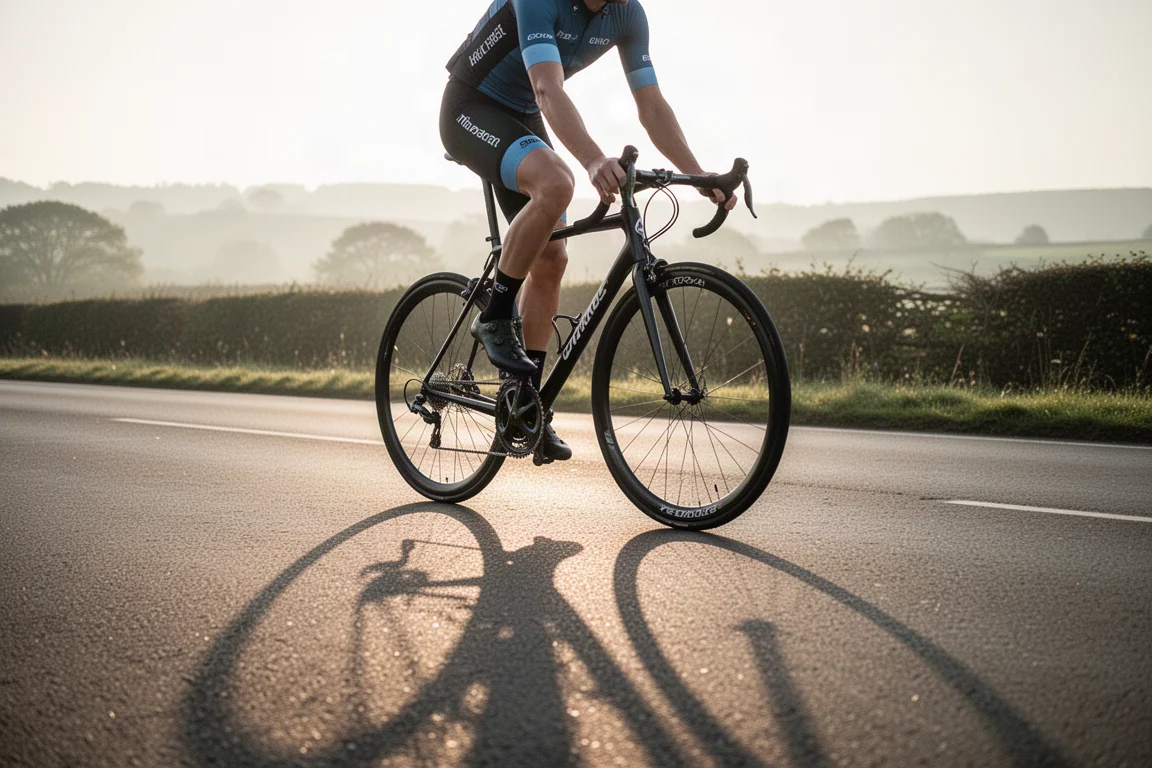
Choice is the second major strength. Rim brake mechanical, rim brake Di2, disc brake mechanical, and disc brake Di2 were all available, which let riders match the groupset to their frame and their budget rather than accept a single fixed configuration. That flexibility has become rare in the road market.
Shifting Quality and Ergonomics
Shimano redesigned the front derailleur to be much more compact, which delivered more power and a lighter feel at the lever. Setup was made easier with alignment lines that help you match the optimal cable tension.
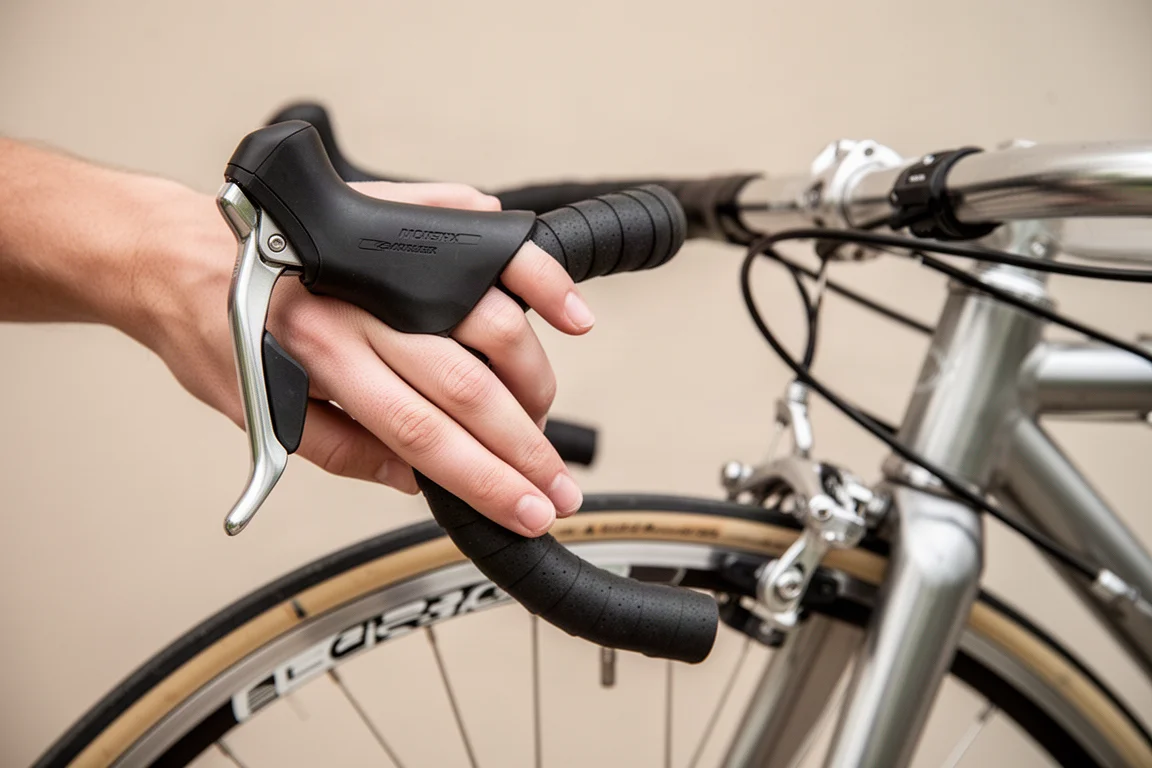
At the levers, reach adjustment and lever pull adjustment make it straightforward to dial in a comfortable position. On the Di2 version, hood buttons let you control a cycling computer screen without moving your hands. Ergonomics matter here because the levers are the main point of contact with the groupset, and R8000 gets them right.
Braking Performance
Rim brake versions had plenty of power, and Shimano designed the system to work well on both alloy and carbon brake tracks as long as everything was kept clean.
Disc brake versions, alongside Dura-Ace, were the first road levers to use Shimano’s Servo Wave technology. The pads engage the rotor quickly and then apply power progressively, which gives a lot of control. Whichever version you choose, braking is a genuine strength rather than a compromise.
Things to Consider Before Buying
The crankset recall is the main issue to understand before buying. The United States Consumer Product Safety Commission stated that the recall applied to cranks sold over an 11-year period from January 2012 through August 2023, following around 4,500 incidents of cranksets separating. Six injuries were reported, including bone fractures, joint displacement, and lacerations. Roughly 2.8 million cranks were affected.
Shimano’s handling of the recall placed the burden on owners to check their crank serial number and take affected cranks to a bike shop for structural assessment. Shimano has stated that the recall was limited to cranks within specific product codes, and that cranks being sold today are not within those codes. If you are buying used rather than new, checking the serial number is worthwhile.
There are two smaller annoyances worth knowing about. Connecting a Di2 system to a phone or head unit required a wireless connector unit that had to be tucked inside the handlebar or frame, where it could work loose, rattle, and need repositioning. The rotors supplied with disc brake groupsets were also on the light side and prone to warping.
Neither issue changes the core shifting or braking performance, but both are useful context before you commit to a configuration.
Buying Advice
The rim brake mechanical version is the value pick, available brand new for under £700. It delivers the same core shifting and braking quality as the more expensive configurations without the electronic and hydraulic components attached to them.
If you want Di2, disc brakes, or both, expect to pay around a thousand pounds more than the rim brake mechanical option. That extra spend buys genuinely good technology, but it is a significant jump. Decide which configuration your frame supports and what you actually need before spending more.
For most buyers, the practical questions are simple: does your frame take rim or disc brakes, and do you want electronic shifting? R8000 answers all four combinations, which is precisely why it stays relevant this long after launch.
Conclusion
Eight years on, Ultegra R8000 still stands out for its shifting precision, strong braking, and unusually wide range of configurations at a price current groupsets struggle to match. The crankset recall is a real consideration, and the wireless connector and rotor quirks are worth noting, but none of it changes the core value on offer. For riders who want proven road performance without paying current flagship prices, it remains one of the most sensible groupsets available.
Product link
View more details for Shimano Ultegra R8000
This product is mentioned in the review. Check the specifications, options, and compatibility before buying.
View more details for Shimano Ultegra R8000Further reading
Related Reviews
Road Bike Groupsets
Campagnolo Record 13 and Super Record 13 Review: Wireless 13-Speed, Two Ways
Campagnolo's new wireless 13-speed groupsets answer the criticism of the previous generation. Here is how Record 13 and Super Record 13 differ, and which one suits your riding.
Road Bike Groupsets
Campagnolo Record 13 vs Super Record 13: Which 13-Speed Wireless Groupset Is Worth It?
A practical look at Campagnolo's new 13-speed wireless groupsets, what separates Record 13 from Super Record 13, and which one suits your build.
Road Bike Groupsets
Campagnolo Super Record 13 Review: Wireless 2x13 With the Thumb Shifter Back
Campagnolo's first 2x13-speed wireless groupset brings back the thumb shifter, adds a wider gear range, and lands at a price that finally lines up with Shimano and SRAM.