Cycling Gear
Shimano Ultegra Pedals vs Shimano RX8R Shoes: Road and Gravel Clipless Systems Compared
A practical comparison of road and off-road clipless pedal systems, covering Shimano Ultegra pedals, the Shimano RX8R gravel shoe, and how to choose between them.
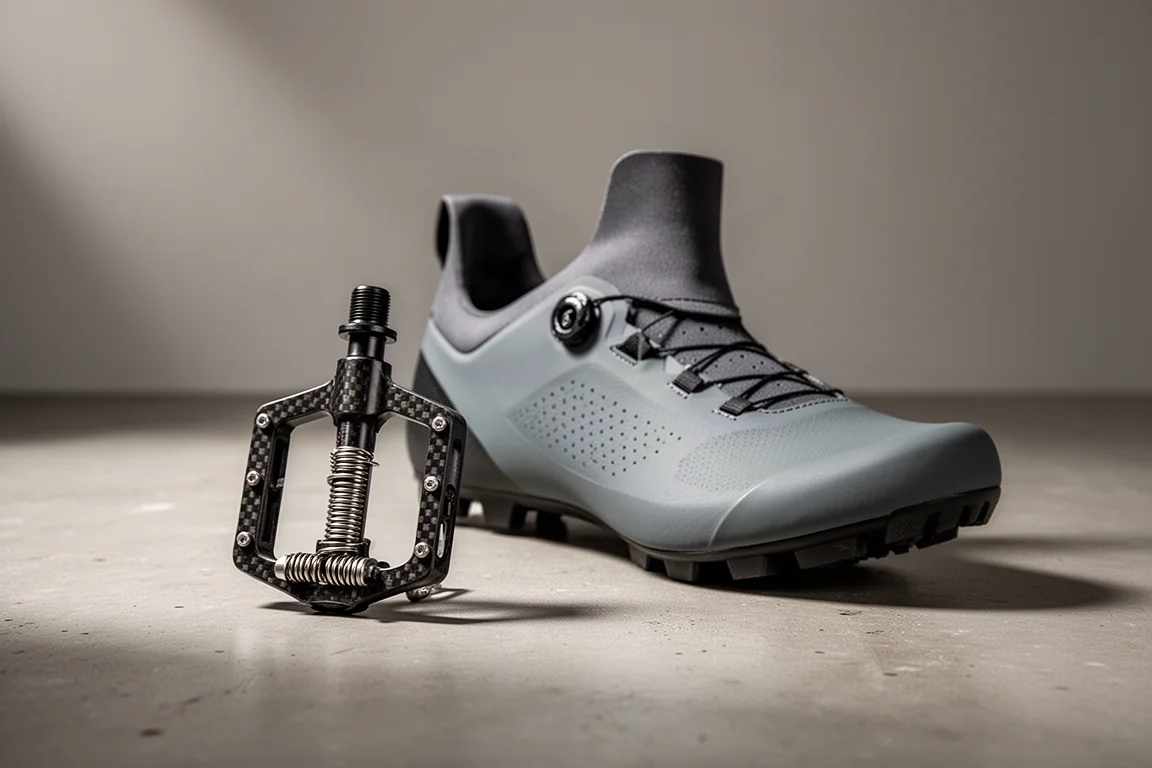
Introduction
Clipless pedals are one of the few upgrades that change how a bike feels the moment you ride it. Instead of pushing down on a flat platform, your foot locks into the pedal and stays there, letting you drive through the whole pedal stroke rather than just the downward half of it. The trade-off is that the pedal, the cleat and the shoe all have to be chosen as one system, and the two main families, road and off-road, behave quite differently in daily use.
This guide looks at what actually separates the two designs, using a road pedal and a gravel shoe as working examples, and explains which type of rider each one genuinely suits.
How Clipless Pedals and Shoes Work Together
Every clipless system follows the same basic idea. A cleat is bolted to the sole of a dedicated cycling shoe, the front of the cleat slots into the pedal, and as you press down a spring locks the rear of the cleat in place. The connection stays put until you twist your foot outward to release it. Simple, quick and effective.
Cleats are not interchangeable between the two families. Road cleats are typically plastic and attach to the shoe with three bolts. Off-road cleats are metal and use two bolts, which leaves room for tread around them. Almost all cycling shoes are drilled for one pattern or the other, so buying pedals effectively decides which shoes you can use.
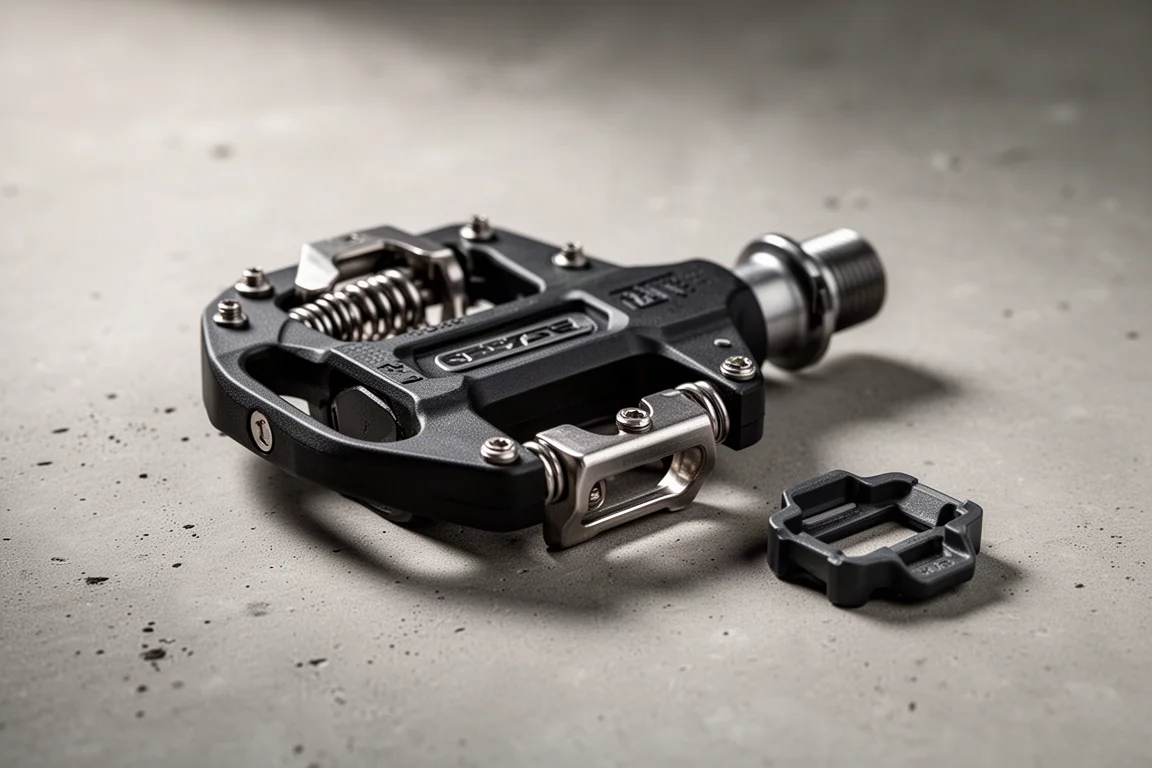
Your feet are one of the three contact points with the bike, along with your hands and your saddle, which is why that locked-in connection matters so much. A secure fit lets you push and pull through the pedals and puts more of your effort into forward motion instead of into keeping your foot in place.
The two families also differ in shape. A road pedal carries a much larger platform for your foot and a correspondingly larger cleat, which is how it achieves such a planted, rock-solid feel. An off-road pedal and cleat are far smaller, and although the difference is measurable, most riders will struggle to notice it once they are clipped in.
Shimano Ultegra Pedals: Road Performance First
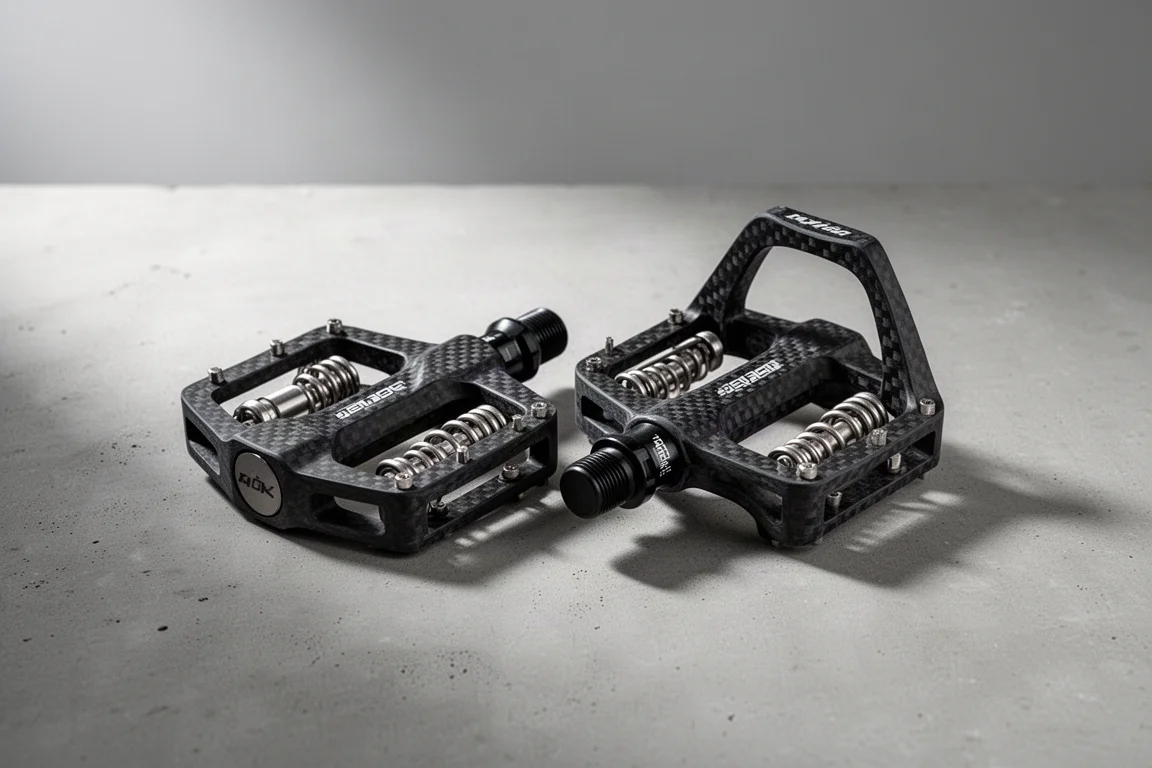
Shimano’s Ultegra pedal sits close to the top of the road range. Its carbon body keeps the weight down, and the design follows the classic road template: a single-sided pedal with a broad platform and a large cleat to match. The wide contact area exists to deliver a very secure connection with no rocking, which is exactly what you want when nearly all of your riding happens in the saddle.
Single-sided pedals are far less awkward than they look. The pedal naturally hangs in a position that makes it easy to slot into, and since road riders tend to stay clipped in for long stretches, the convenience of double-sided entry matters far less. Using one side also halves the number of moving parts, which helps keep weight low. There are considerably more affordable road pedals in the range if a carbon-bodied model is more than you need.
Shimano RX8R Shoes: Gravel and All-Road Ready
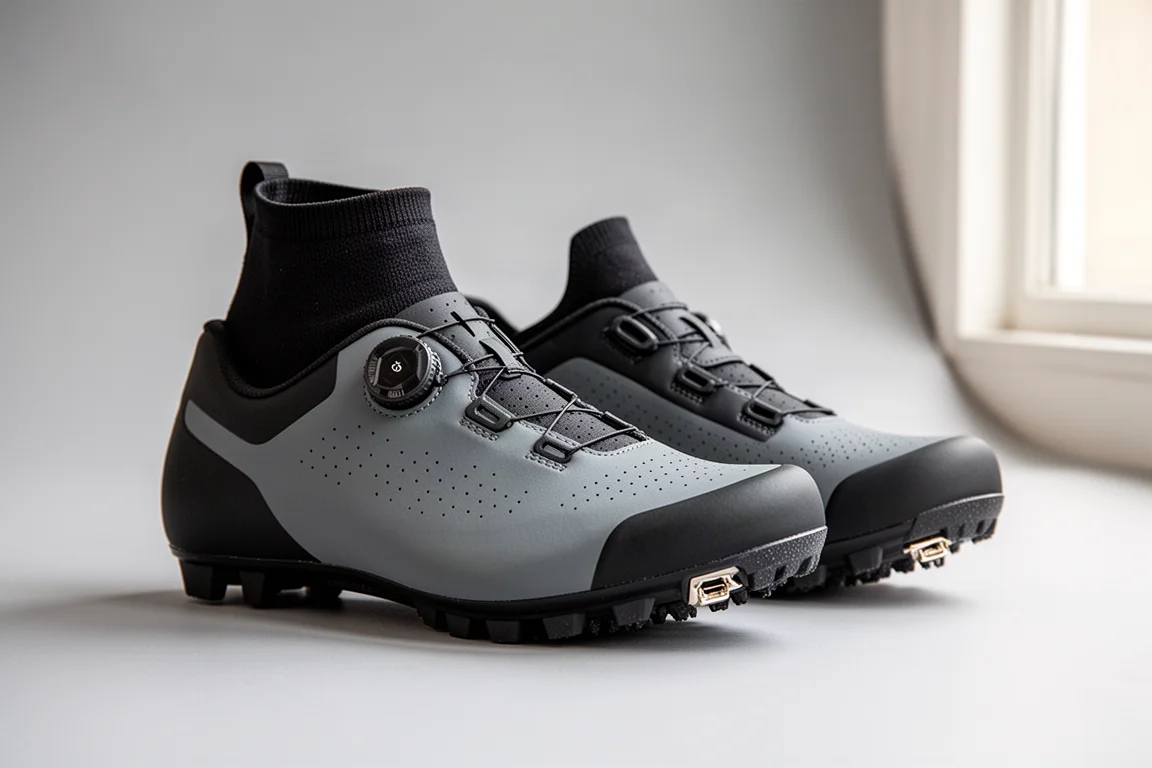
The RX8R is a gravel shoe, and gravel shoes deliberately borrow from both sides. From the road side they take lightness and stiffness. From the off-road side they take tread and walkability. The result is a shoe that is quick and efficient under power without leaving you skittering across a polished cafe floor or a loose gravel car park.
It carries a stiffness rating of 10 against 12 for the equivalent road shoe, which is a small gap in practice and a meaningful gain in comfort once you step off the bike. A raised cuff helps keep loose gravel from flying into the shoe and irritating your foot, and vents in the sole manage heat on longer rides. The closure system holds the foot firmly, which is what prevents movement inside the shoe and keeps your effort going into the pedals.
Walking Comfort and Practicality
This is where the two systems separate most clearly. An off-road cleat is small and sits recessed inside the sole, so it stays out of the way and lets you walk on normal tread. Road cleats are large and sit proud of a bare carbon sole, and they are not designed for walking at all. Even so, some road cleats include small grip points and wear pads that protect the parts that matter from scuffing, which helps on tiled or polished floors.
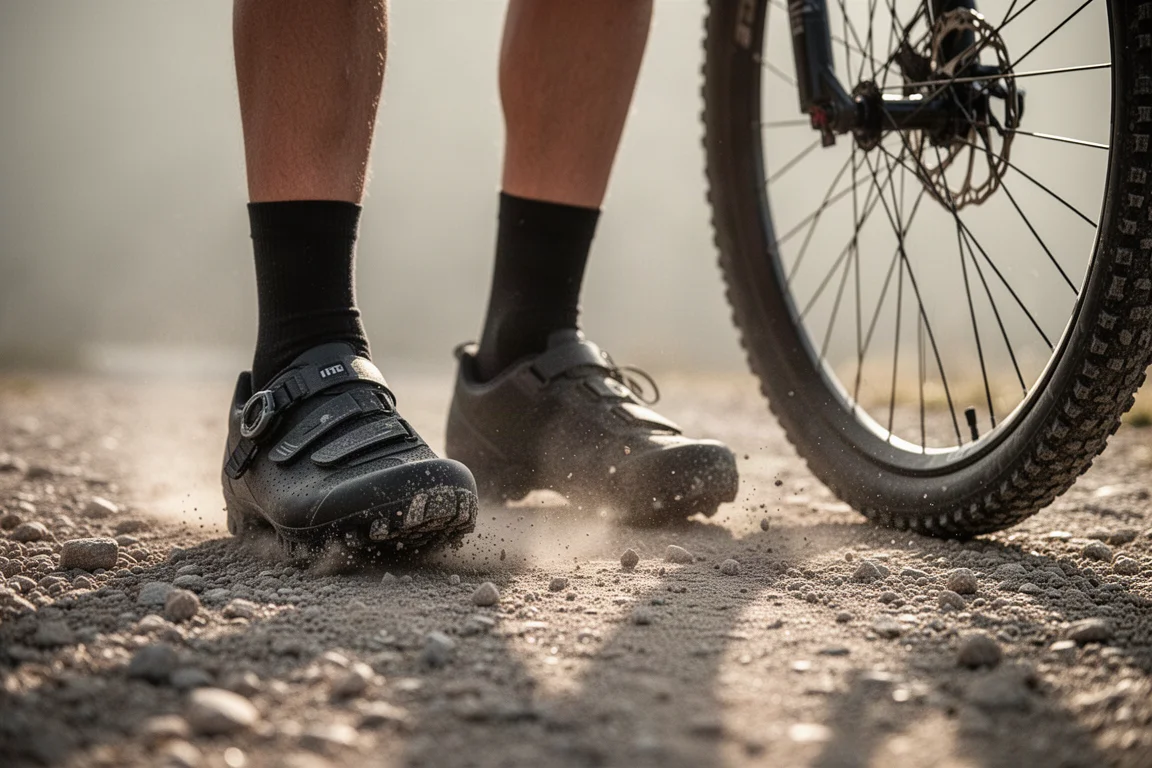
Road shoes are built around a single job: comfort, low weight and stiffness, roughly in that order. Walking does not enter into it. Off-road shoes accept a little extra weight in exchange for tread that lets you move around normally, and at lower price points the two categories drift further apart. Entry-level road shoes stay focused on stiffness and lightness, while off-road shoes often become more casual, with softer soles and uppers that could pass for everyday footwear.
Road Versus Off-Road: Which System Suits You?
Mountain bike and gravel pedals are double-sided, so you can clip in from either face, which matters a great deal when you are stopping and starting on loose or uneven ground. The penalty is roughly 100 grams for the pair, a small price for that convenience. The platform and cleat are also much smaller than on a road pedal. In theory that means a slightly less planted feel, but in practice most riders will not detect a difference, and the connection still feels completely secure.
That combination of easy entry, easy walking and negligible performance loss is why the off-road system covers so much ground: gravel riding, mountain biking, cyclocross, commuting, touring and bikepacking all sit comfortably within it.
Cost and Value Across Both Systems
Cost is not much of a separator. At entry level, road and off-road pedals are priced similarly, and cycling shoes are broadly comparable across the two families as well. The gap opens up at the top of the range, where road pedals cost a little more because carbon is used in the body to save weight.
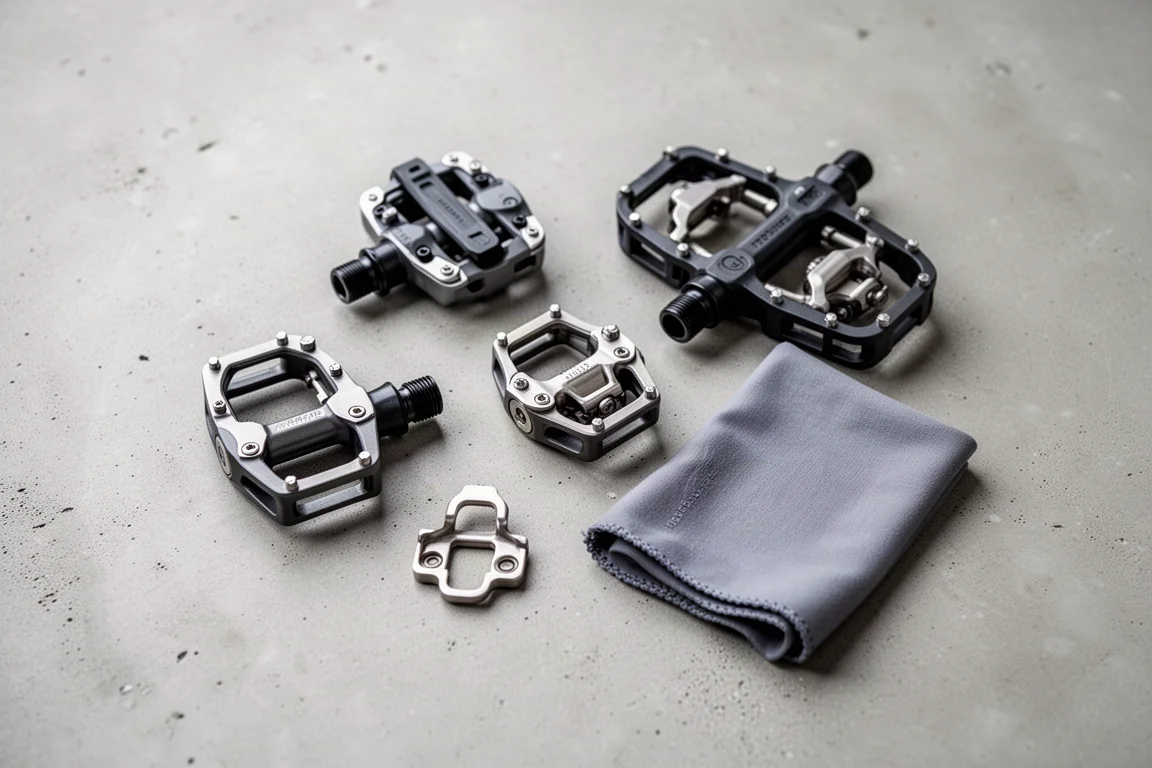
Off-road pedals also come in a wider variety of shapes. Some use a larger cage to support the shoe or to make clipping in easier, and some have a large platform on one side so you can ride without clipping in at all. If you want a pedal that can handle a short trip in normal shoes as well as a long ride in cycling shoes, that flexibility exists only on the off-road side.
Mixing Pedals and Shoes Across Bike Types
You can pair systems with bikes in ways that are not strictly conventional. Gravel shoes on a road bike work perfectly well and feel excellent underfoot, though for some riders it goes against the principle of matching a single-purpose machine with single-purpose kit. The reverse pairing is more problematic. Road shoes and pedals on a gravel bike feel good and look sharp, but the moment you have to get off and walk, the exposed cleat picks up mud and wears against the ground.
Overall Buying Advice
For most riders, most of the time, the off-road and gravel system is the easier recommendation. It is simpler to use, far easier to live with off the bike, and gives up very little in performance. If you ride mostly on smooth roads and value the feel of a broad, immovable platform underfoot, the road system still delivers an experience that nothing else quite matches.

Whichever way you go, decide the pedal first, because that choice determines which shoes you can buy. Shoes are drilled for either a two-bolt or a three-bolt cleat, rarely both, so it is worth checking the sole before you commit. If you are torn between systems, or likely to ride a mix of surfaces, the gravel option is the safer starting point.
Conclusion
Both systems do the same fundamental job: they hold your foot securely so you can put power through the pedals. The real difference is what happens when you stop. Road pedals and shoes are built for one purpose and excel at it. Off-road and gravel pedals and shoes give away almost nothing on the bike while being dramatically easier everywhere else, which is why they suit the widest range of riders.
Further reading
Related Reviews
Cycling Gear
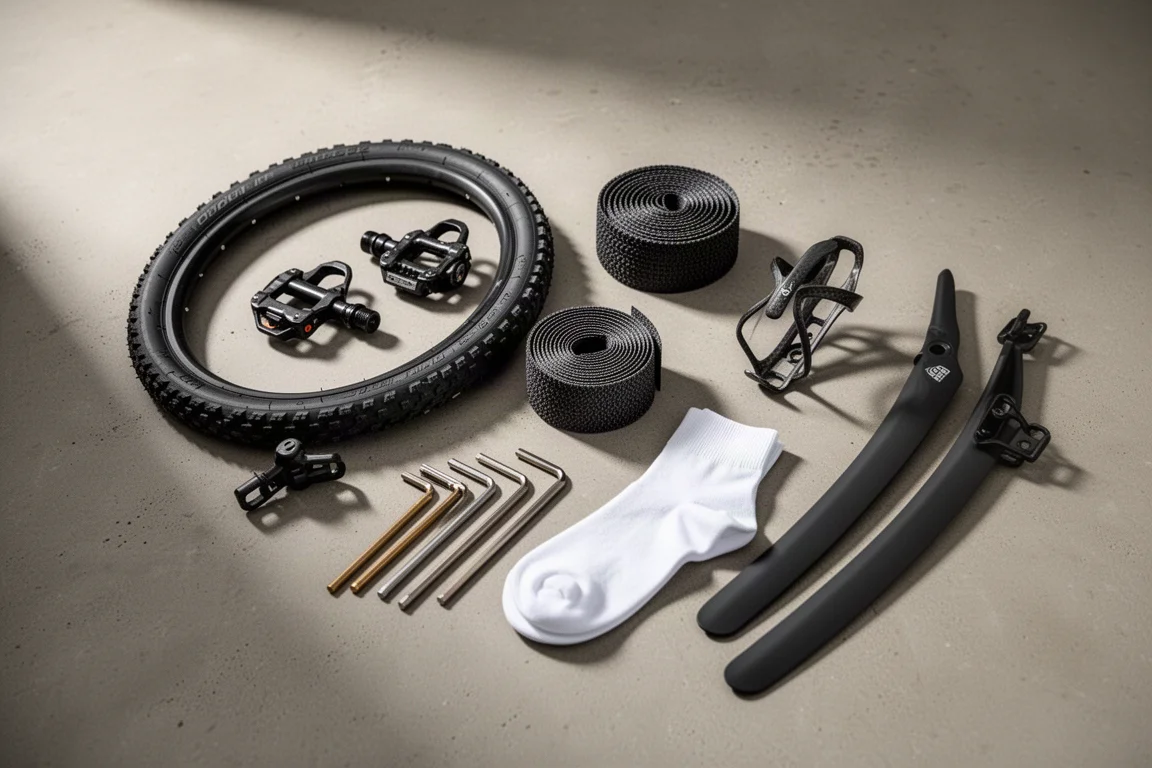
8 Cycling Products Riders Keep Coming Back To
Eight cycling components and accessories with clear strengths, honest trade-offs and long-standing reputations among riders and mechanics.
Cycling Gear
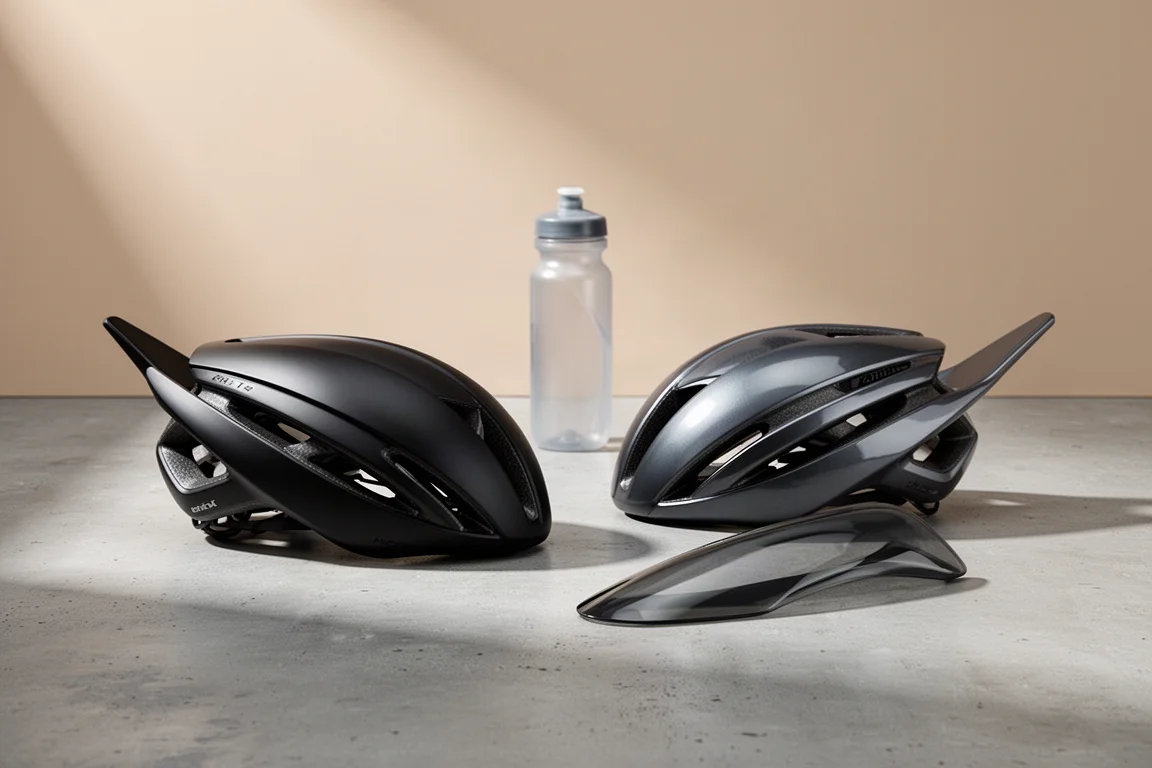
Aero Helmets and Bottle Setups Tested: Six Options Ranked by Measured Watt Savings
Wind tunnel data on six aero helmets and bottle setups, with real watt savings, practical trade-offs, and guidance on what is worth buying first.
Cycling Gear
Aero Road Bikes and Fast Tires Worth Watching in 2026
Four aero road bikes and one fast road tire, with the real strengths, the open questions, and what to check before you buy.