Road Bike Groupsets
Shimano Ultegra Di2 vs Shimano 105 Di2: Which 12-Speed Groupset Is Worth It?
A practical comparison of Shimano Ultegra Di2 and Shimano 105 Di2 covering price, weight, front shifting, braking feel and gearing limits before you buy.
Introduction
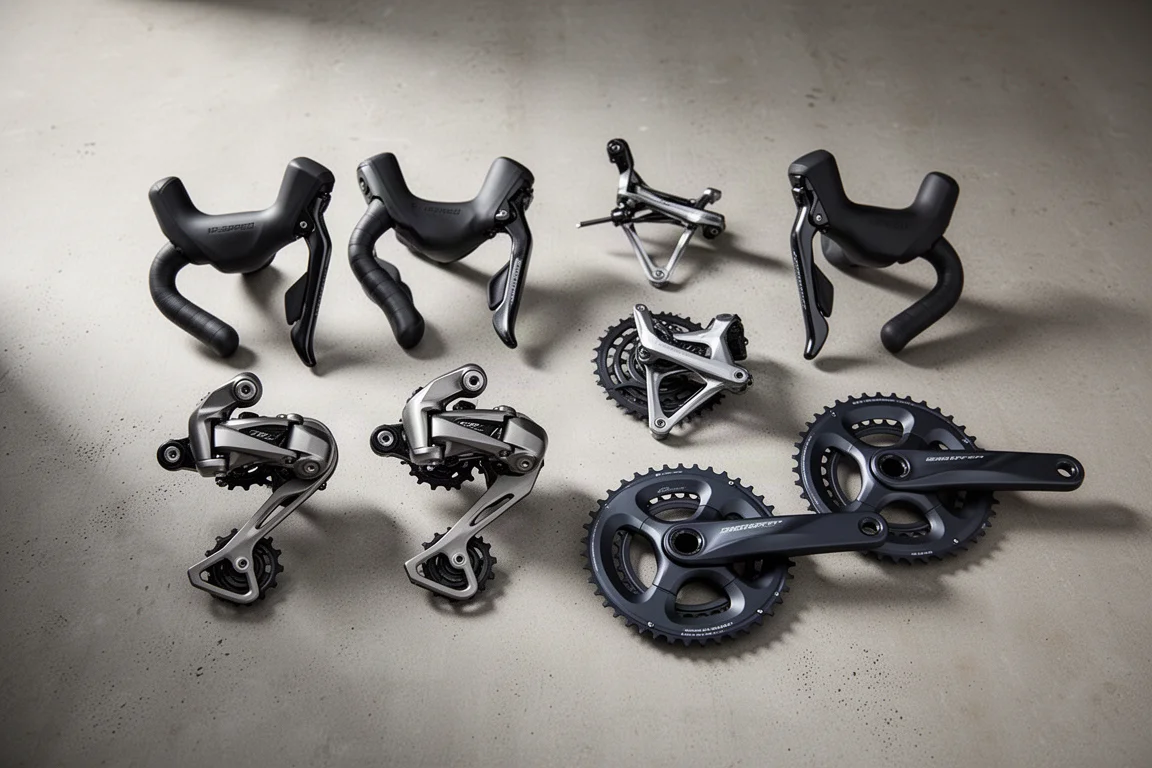
Two 12-speed electronic groupsets sit behind this comparison: Shimano Ultegra Di2 and Shimano 105 Di2. They share a great deal on the surface, which makes the decision harder than the price gap alone suggests. Both are 12-speed, both use the same hood shape and profile, and both run wireless shifters while a single internal frame battery powers the derailleurs and charges from the rear mech. Smartphone Bluetooth integration is part of both groupsets as well.
The differences are real, though, and they show up in weight, price, front shifting speed, braking feel and the gearing combinations each groupset officially supports. Here is what actually matters when you are choosing between them.
How These Two Groupsets Compare
On paper the two groupsets look almost identical, and that is exactly why the price gap deserves a closer look. Ultegra Di2 retails at around £2,300 for the groupset in the UK, while 105 Di2 sits at around £1,700, a difference of roughly £600.
Weight is the second headline number. 105 Di2 comes in just under three kilograms, while Ultegra Di2 lands at 2,700 grams, so a 300 gram saving is a large part of what the extra money buys.
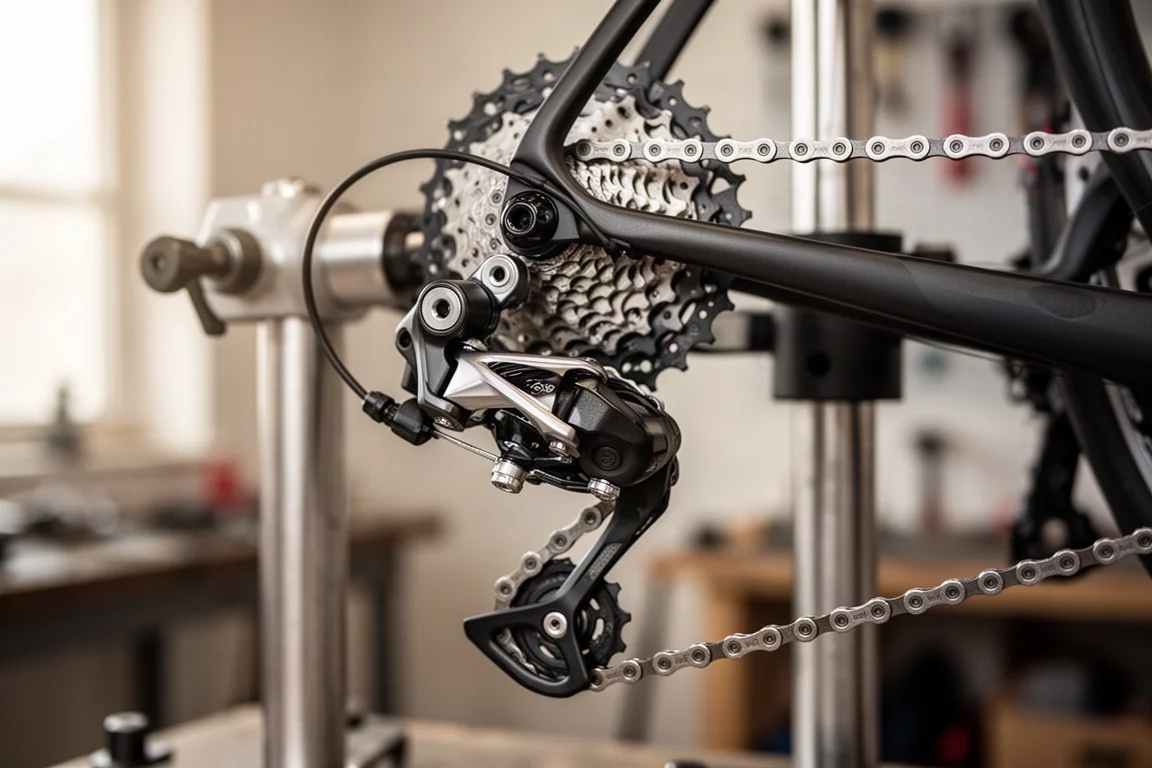
Ergonomics are effectively a tie. The hoods share the same shape, the same profile and the same rubber material, so the main contact point with the bike feels the same on both groupsets. The clearest giveaway is the brake lever material: alloy on 105 Di2 and carbon on Ultegra Di2, which changes how the lever feels to the touch rather than how it performs.
Shimano Ultegra Di2: The Racing-Focused Option
Ultegra Di2 is the lighter and faster-shifting of the two. Front shifting is where it separates itself most clearly. The front mech is noticeably smaller and more compact than the unit on 105 Di2, and the chain moves up and down the chainrings with effectively no delay, making it the quickest front shifting experience in this comparison.
Braking brings Servo Wave technology, borrowed from gravel-oriented groupsets, which produces a non-linear brake action. The pads travel faster relative to lever movement early in the pull, bringing them closer to the bite point before a harder squeeze. The result is a light, well-modulated braking feel. Ultegra Di2 also supports a wider spread of cassette options, including 11-28 and 11-30 in addition to 11-34.
Shimano 105 Di2: The Value-Focused Option
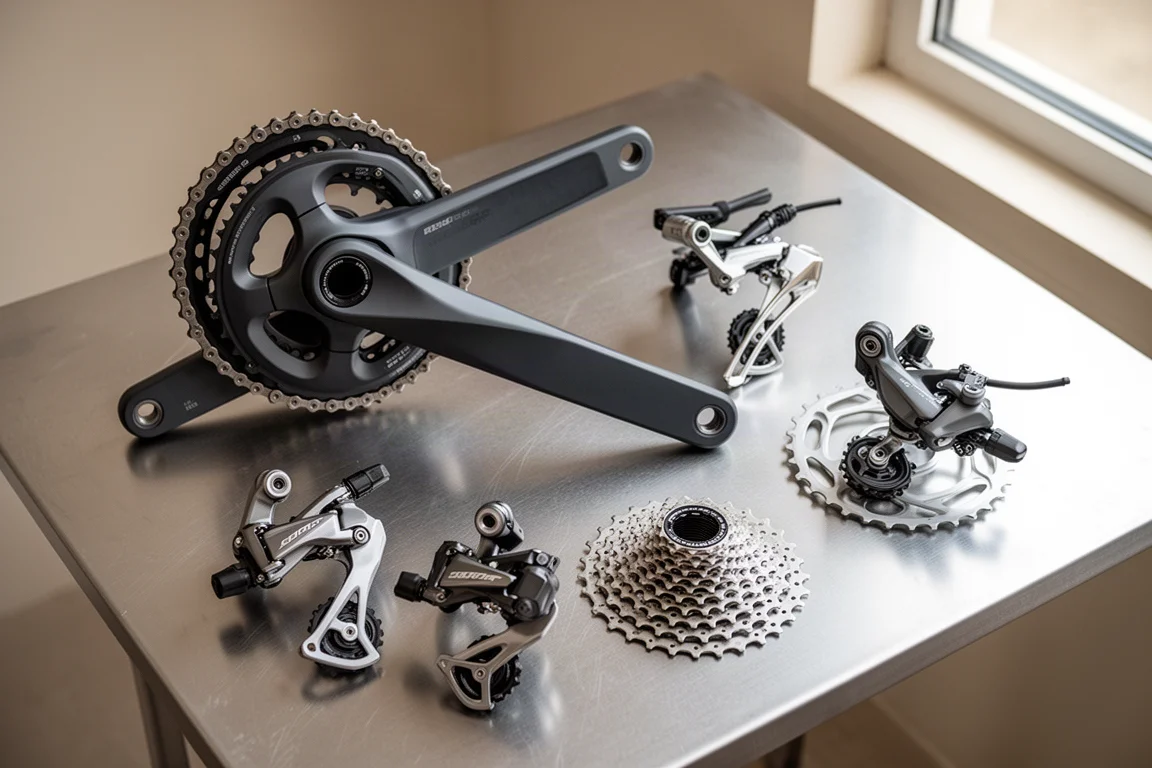
105 Di2 delivers the same core experience for considerably less money. Rear shifting is excellent, and the rear mech uses motor technology that makes shifts up and down the cassette very fast, so the cassette-level experience stays close to Ultegra Di2 in practice. Hyperglide+ appears on the Ultegra cassette and not on the 105 cassette, but the felt difference is minimal.
Front shifting on 105 Di2 is still quick and still electric, but it is clearly a step behind Ultegra Di2, and the front mech itself is larger and closer in design to the previous generation. Braking is strong and predictable without Servo Wave. Gearing is more restricted: cranksets come in 50-34 compact and 52-36, and the rear cassette options are 11-34 and 11-36, with 11-34 as the smallest officially supported size.
Front Shifting and Braking Differences
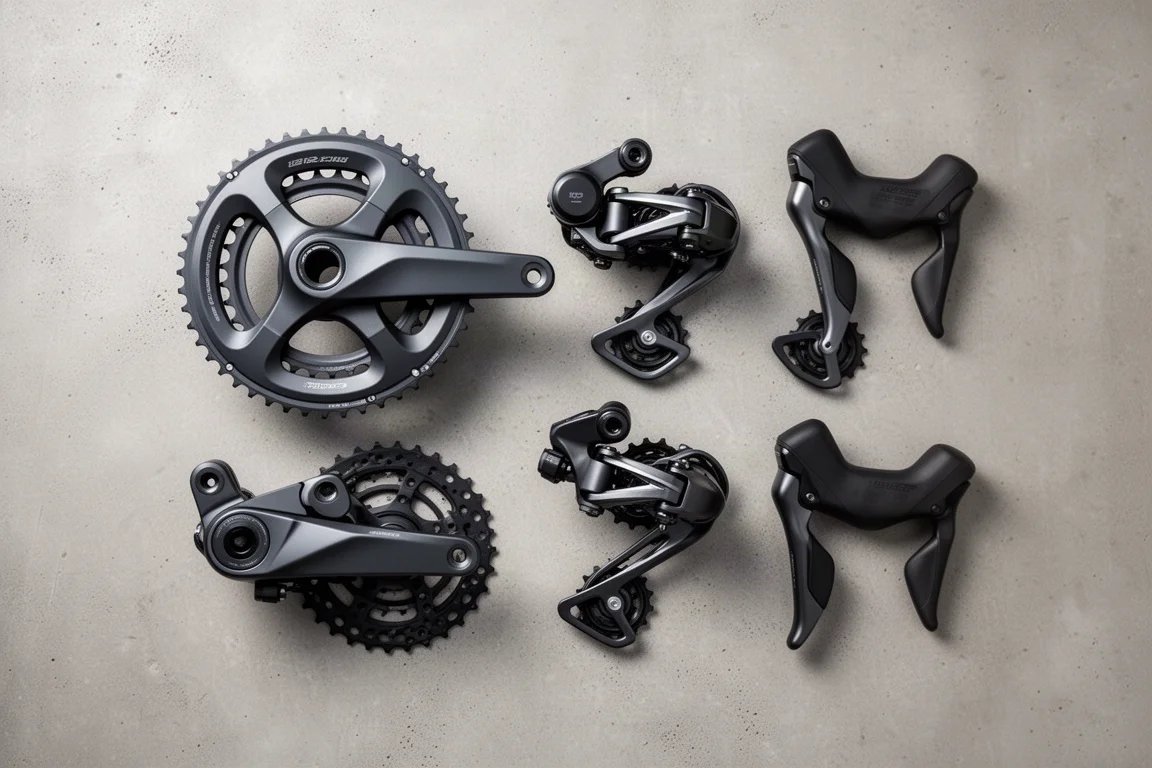
Front shifting speed is the most tangible performance gap between the two groupsets. Ultegra Di2 snaps the chain between chainrings almost instantly, while 105 Di2 is a touch slower. Whether that matters depends on how often you shift at the front and how much you value the last increment of shift speed. For racing, the sharper response is a genuine advantage. For steadier riding, 105 Di2 remains very fast in its own right.

Braking differences are subtler still. Servo Wave on Ultegra Di2 is noticeable when moving between the two bikes with attention, but both groupsets brake well and confidently. Most riders would not call the absence of Servo Wave a limitation, and both deliver the dependable, modern braking performance expected of an electronic road groupset.
Gearing Options and What They Mean for Riders
The gearing spread says a lot about how each groupset is positioned. 105 Di2 is aimed at sporty riders, leisure cyclists and people who ride for enjoyment rather than competition, and its cassette range reflects that: 11-34 and 11-36, with no official support for 11-30 or 11-28.
Ultegra Di2 opens up 11-28 and 11-30 alongside 11-34, which makes it the better fit for road racing setups and for flatter terrain where a tighter cassette is preferred. Chainring options are broadly similar across the two groupsets, with the largest chainrings reserved for a higher tier again.

If you want an aero race bike with a tighter cassette and cannot stretch to Ultegra or above, the official gearing limits on 105 Di2 are the main thing to check before buying.
Weight, Price, and Value
The value question comes down to what you are paying for. Roughly £600 buys a 300 gram weight saving, faster front shifting, Servo Wave braking, carbon brake levers and a wider cassette range. None of those are essential to enjoying a ride, and rear shifting performance is very close between the two groupsets.
For riders who count grams and want the sharpest possible shifting, the premium is easy to justify. For everyone else, 105 Di2 covers the fundamentals of a modern electronic groupset at a lower price without giving up hood comfort or wireless shifting.
Buying Advice: Which One Should You Choose?
Choose Ultegra Di2 if you want the lightest setup in this comparison, the fastest front shifting, and the flexibility of 11-28 or 11-30 cassettes. It suits riders with the budget for the best and a racing or performance-oriented focus.
Choose 105 Di2 if you are working to a budget, are not concerned about a 300 gram difference, and can build your gearing around 11-34 or 11-36. It keeps the same hood ergonomics and the same wireless shifting and charging layout, and the rear shifting performance is very close to its more expensive sibling.
Either way, check the cassette and chainring combination against the riding you actually do before committing, because gearing is the difference most likely to affect day-to-day satisfaction.
Conclusion
There is no single winner here. Ultegra Di2 is the faster, lighter and more flexible groupset, while 105 Di2 is the sensible choice for riders who do not need those margins. Both are strong modern electronic groupsets, and the right one depends on your budget, your priorities on weight, and the gearing your riding demands.
Further reading
Related Reviews
Road Bike Groupsets
Campagnolo Record 13 and Super Record 13 Review: Wireless 13-Speed, Two Ways
Campagnolo's new wireless 13-speed groupsets answer the criticism of the previous generation. Here is how Record 13 and Super Record 13 differ, and which one suits your riding.
Road Bike Groupsets
Campagnolo Record 13 vs Super Record 13: Which 13-Speed Wireless Groupset Is Worth It?
A practical look at Campagnolo's new 13-speed wireless groupsets, what separates Record 13 from Super Record 13, and which one suits your build.
Road Bike Groupsets
Campagnolo Super Record 13 Review: Wireless 2x13 With the Thumb Shifter Back
Campagnolo's first 2x13-speed wireless groupset brings back the thumb shifter, adds a wider gear range, and lands at a price that finally lines up with Shimano and SRAM.