Road Bike Groupsets
Shimano Ultegra Di2 Review: The Sensible Electronic Groupset, Refined
A 12-speed, semi-wireless Ultegra Di2 groupset that carries over nearly all of Dura-Ace's performance with a modest weight penalty and a much lower price.
Introduction
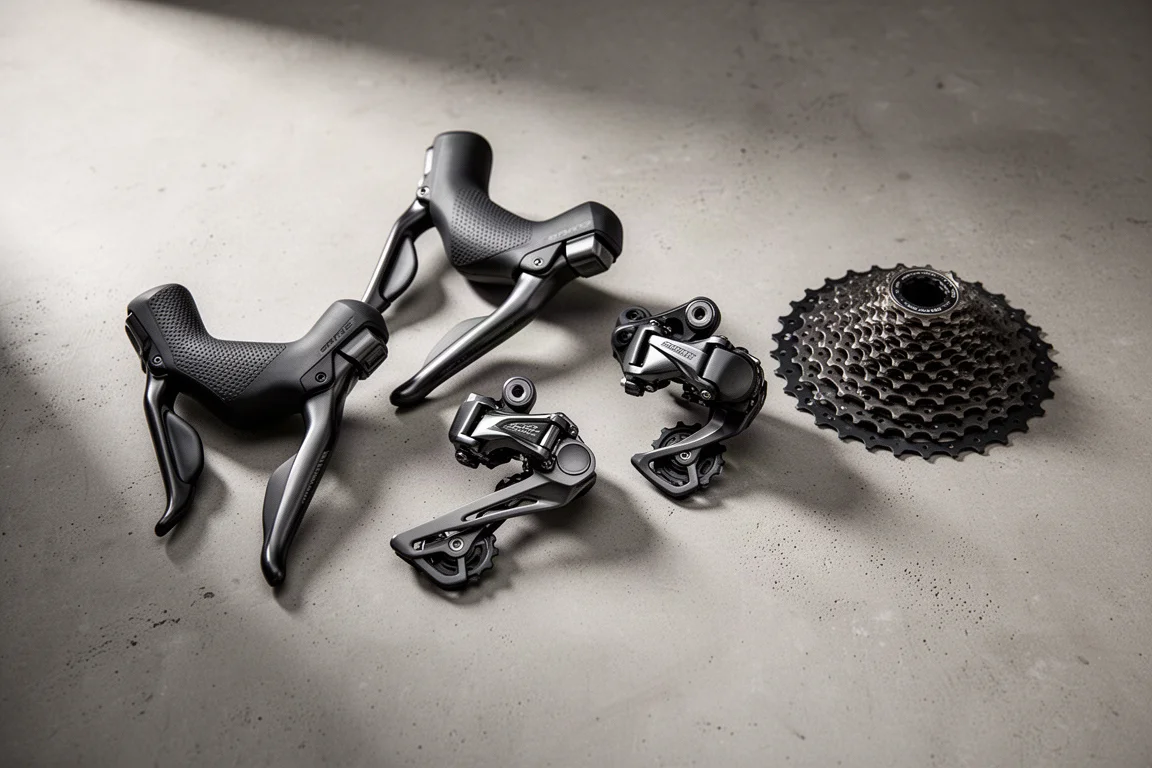
Ultegra Di2 has long occupied a comfortable position in Shimano’s line-up: the electronic groupset that most riders can actually justify, sitting one step below the flagship Dura-Ace that the professional peloton uses. The latest generation finally arrived on complete bikes after a wait, and the headline changes are significant. It is now a 12-speed group, it is semi-wireless, and it shares almost all of its development with Dura-Ace.
That last point matters most. The differences between the two come down to weight and price rather than capability, which is exactly why Ultegra has been such a firm favourite with privateer racers, sportive riders and weekend warriors over the past few years. The question worth answering is whether the newer generation earns its place over what came before, and whether the changes are worth the extra outlay.
Who This Groupset Is For
The core audience here is broad, and that is deliberate. If you race as a privateer, ride long sportives, or simply want a dependable high-performance group on a weekend bike, Ultegra Di2 is aimed squarely at you. It offers the bulk of Dura-Ace performance without the flagship premium.
It is also a natural fit for anyone buying a complete bike rather than a standalone groupset. If your budget this year lines up with what Ultegra Di2 used to cost, the newer version is unlikely to leave you disappointed, because Shimano kept everything that worked and moved it forward in a few key places.

Those moving up from mechanical shifting will notice the biggest change of all: there is no mechanical Ultegra option anymore. This is an electronic-only proposition now, and that is worth accepting before you start shopping.
Shifting Performance and Ride Feel
Shifting is the heart of any groupset, and this one is fast, precise, quiet and unflappable. Gear changes hold up at any speed and under any power, whether you are cruising or grinding out of a corner in a big gear. Nothing seems to phase it.
The drivetrain is also genuinely whisper quiet. There is no noise in any gear, including when cross-chaining, and Shimano has apparently made it quieter still than the previous generation, which was never noisy to begin with. Hyperglide+ does its part, firing the chain up and down the cassette quickly and cleanly.
The single most tangible improvement is the new hood shape. The extra height gives you more to hold onto, and the texture feels smooth and rounded in the hand. That matters most when you are tucked low and pushing hard, where a secure grip on the hoods is worth real comfort over a long ride. Shimano has also added better smartphone and Bluetooth integration, which makes the initial setup and customisation far more straightforward than before.
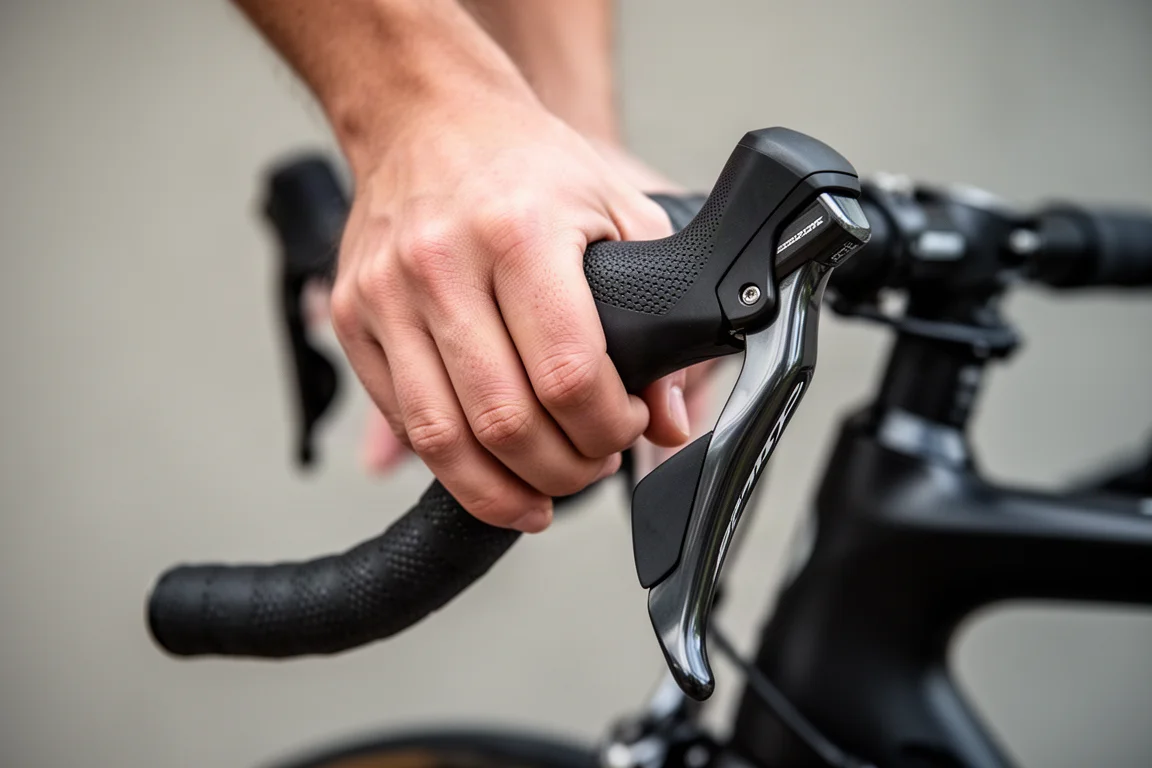
The semi-wired layout is more or less invisible from the saddle. The shifters communicate wirelessly with the derailleurs, which are in turn wired to an internal frame battery. Once you are riding, you simply do not think about it.
Braking and Control
This is a disc brake only groupset, which will frustrate some traditionalists, and it is worth being clear about that before you commit. The hydraulic disc brakes themselves are excellent, as you would expect given how well Shimano does this category.
There is more pad clearance than before, and while that is difficult to detect from the saddle, the servo wave technology borrowed from gravel groups is more noticeable. The lever moves the pads quickly at first and then slows as they meet the rotor, which produces a finer, less linear feel. The practical result is that you can feather the brakes with one finger and a light touch, and you get a clearer sense of what the brakes are doing in every situation.
That extra modulation makes the bike easier to control, particularly when you want your fingers resting on the levers, poised and ready, in case something unexpected pulls out in front of you. It is a modest but genuinely useful refinement, and it builds on brakes that were already very strong.
Gearing, Weight, and Price
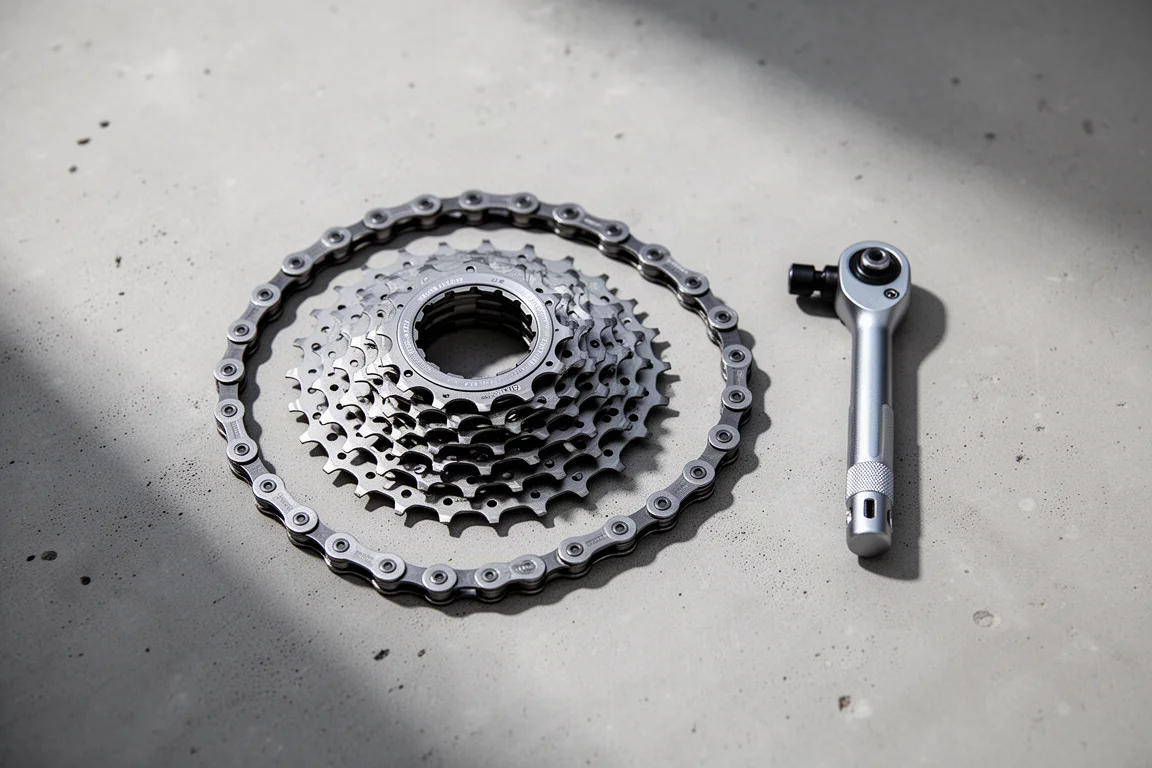
The move to 12 speeds is shared with Dura-Ace, and the extra sprocket brings back the 16-tooth cog that many riders felt was missing from the previous generation. For anyone riding at high pace in a fast group, that 16-tooth is a sweet spot gear, and its return is a welcome change.
The 11-30 cassette used here offers one-tooth jumps across the first eight sprockets, which makes it easier to find the right cadence at speed. An 11-34 option is also available, which is worth considering if your terrain is hilly or your fitness is changing. Worth noting: Ultegra is not offered with a racy 53/39 chainset, so if that is essential you need to look at Dura-Ace instead.
The two real differences against Dura-Ace are weight and price. Ultegra is roughly 400 grams heavier, a penalty that may or may not matter to you. In the UK a full Ultegra Di2 groupset retails for around £2,300, against roughly £3,500 for Dura-Ace Di2. That saving is enough to fund a decent set of carbon fibre wheels, which is a persuasive argument in itself.
There is also a newer consideration. Shimano’s 105 Di2 promises similar performance at a lower price point with a bigger weight penalty, though it was not yet widely available at the time of writing. That adds real competition for the value-focused buyer.
Things to Consider Before Buying
Two points are worth flagging. The first concerns reports of excessive noise from the fifth sprocket on some cassettes. That issue has not appeared on every bike, and it has not been widely reported among supplied test fleets, which suggests it may relate to setup or installation rather than the groupset itself. It is still something to watch if you are troubleshooting a new build.
The second is a change in how you live with the system. The previous generation had a junction box under the stem or in the handlebar, with a USB port for charging, firmware updates and on-the-fly indexing adjustments. That is gone. Charging now happens through the rear derailleur, which is the brains of the system, and adjustments are made through the app.
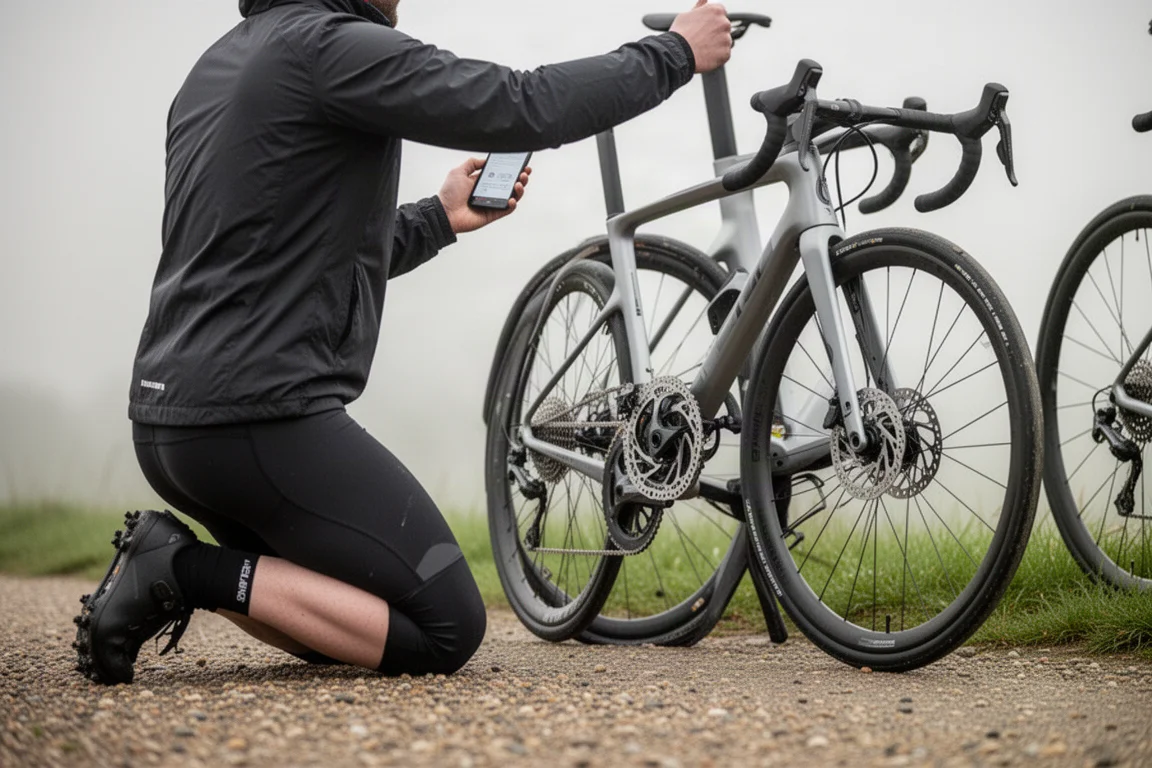
The app works very well, particularly during installation. But if indexing drifts slightly mid-ride, you can no longer correct it from the bars. You have to stop, pull out the phone, make the adjustment and carry on. In practice this will rarely be necessary, but it is a genuine workflow change from the old design.
Buying Advice
Taken as a whole, the package is more compelling than any single new feature suggests. There is nothing here that on its own would justify replacing a well-functioning previous-generation Ultegra Di2 groupset, and the newer version is not a radical leap forward. It is evolution rather than revolution.
It is also conservatively executed in a way that suits Shimano’s reputation. You know what you are getting, the system does exactly what it promises, and there are no nasty surprises waiting for you. For most riders, that reliability is the whole point.
If you are buying a complete bike this year and your budget lands at Ultegra Di2, the newer generation is an easy recommendation. Weight aside, the performance gap to Dura-Ace is small, and the money you keep can go toward wheels or other upgrades that will change your ride more than the groupset will.
The sensible conclusion is that Ultegra Di2 remains the no-nonsense choice for riders who want flagship-adjacent electronic shifting without the flagship price. Just be aware that 105 Di2 and comparable electronic options are now part of the conversation, and that a disc brake frame is a prerequisite.
Conclusion
Ultegra Di2 delivers what it has always delivered: close to the best of the best, at a price that more riders can actually reach. The new hoods, the refined braking feel, the app integration and the return of the 16-tooth sprocket all make it a nicer groupset to live with than the one it replaces.
The weight penalty against Dura-Ace is real but modest, and the price gap is substantial enough to redirect into other parts of the bike. If you want the best of the best, Dura-Ace exists. If you want the performance without the premium, this is the group to build around.
Product link
View more details for Shimano Ultegra Di2
This product is mentioned in the review. Check the specifications, options, and compatibility before buying.
View more details for Shimano Ultegra Di2Further reading
Related Reviews
Road Bike Groupsets
Campagnolo Record 13 and Super Record 13 Review: Wireless 13-Speed, Two Ways
Campagnolo's new wireless 13-speed groupsets answer the criticism of the previous generation. Here is how Record 13 and Super Record 13 differ, and which one suits your riding.
Road Bike Groupsets
Campagnolo Record 13 vs Super Record 13: Which 13-Speed Wireless Groupset Is Worth It?
A practical look at Campagnolo's new 13-speed wireless groupsets, what separates Record 13 from Super Record 13, and which one suits your build.
Road Bike Groupsets
Campagnolo Super Record 13 Review: Wireless 2x13 With the Thumb Shifter Back
Campagnolo's first 2x13-speed wireless groupset brings back the thumb shifter, adds a wider gear range, and lands at a price that finally lines up with Shimano and SRAM.