Road Bikes
Shimano Neutral Service Bike Review: The Canyon Ultimate CF SLX Under the Blue Paint
The Shimano neutral service bike hides a Canyon Ultimate CF SLX from around 2016, a dropper seatpost and a full Dura-Ace build. Here is what that means for buyers.
Introduction
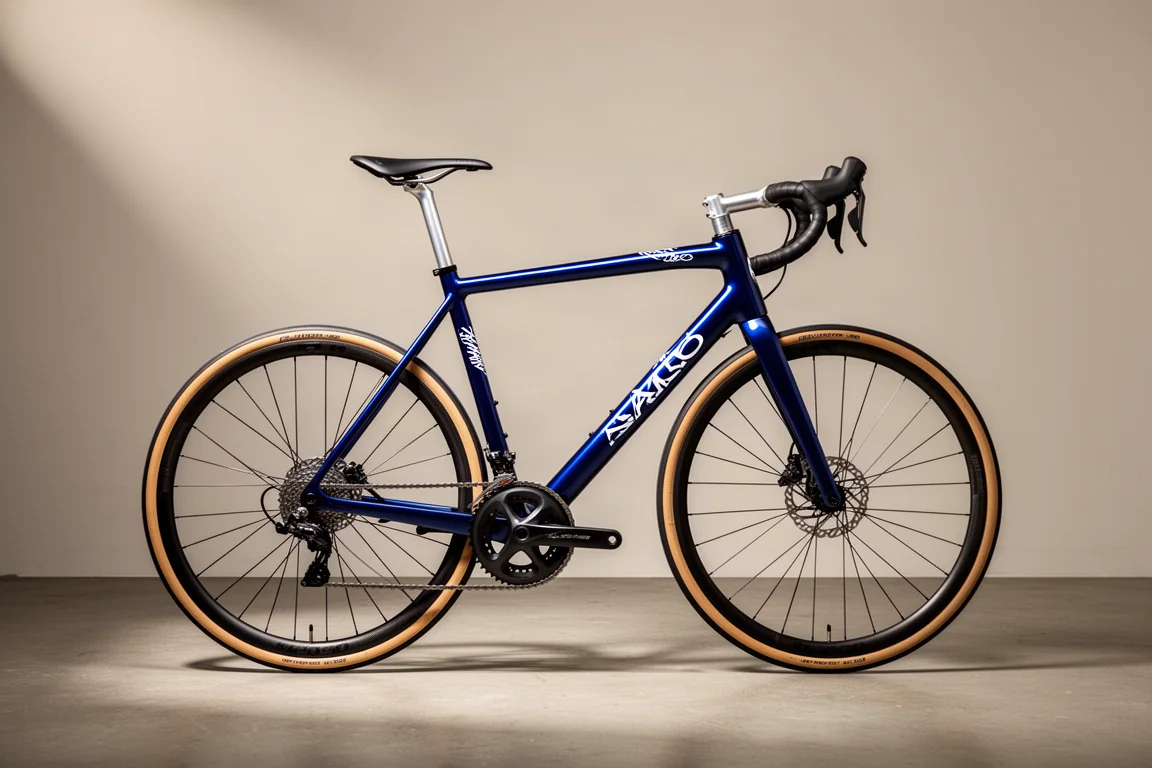
Blue Shimano badged road bikes appear in the pro peloton from time to time, usually on the roof of a neutral service car rather than at the sharp end of the race. The frameset under that paint is not made by Shimano. It is a Canyon Ultimate CF SLX from around 2016, which makes it an unusually old frame to find anywhere near a Grand Tour. Shimano supplies the groupset and wheels and dresses the bike in its own livery, and the result is a machine built for one very specific job: getting a stranded rider back to the convoy.

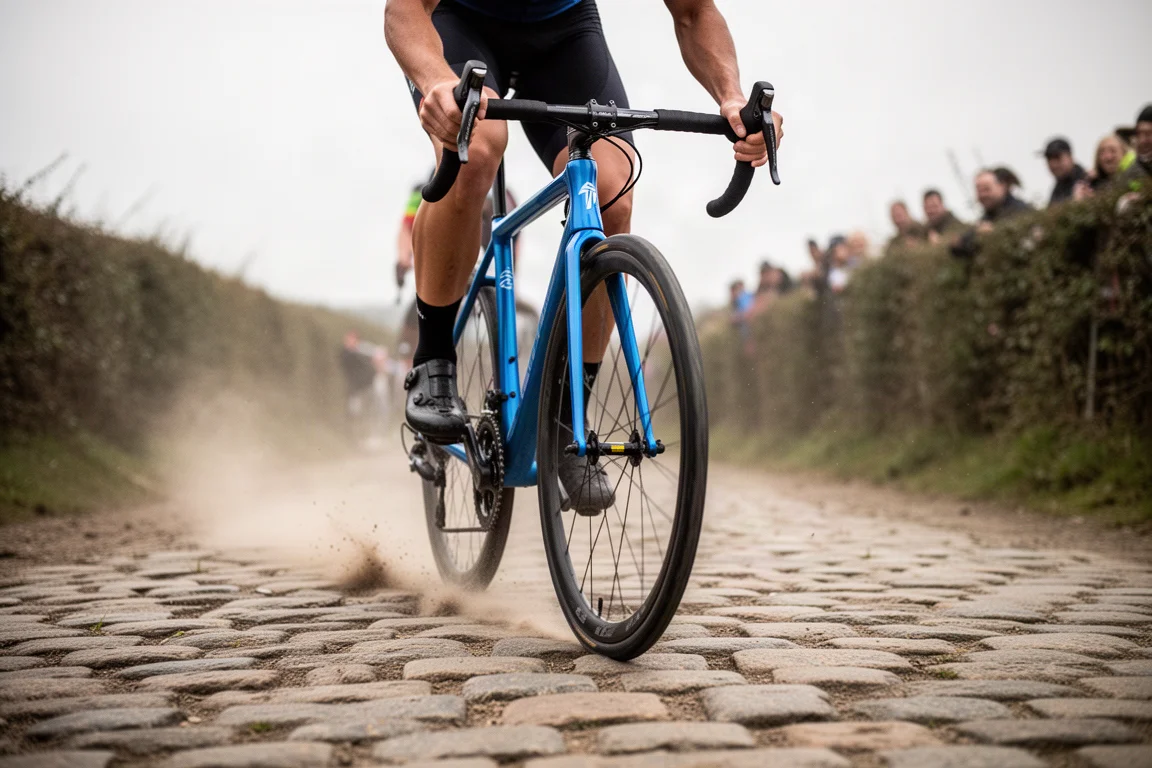
A rider only ends up on one of these when several things have already gone wrong at once. There is no team car within reach, no spare bike on the roof, and no mechanic to fine tune anything. The neutral service bike exists to keep that rider in the race, and almost every design decision on it follows from that single purpose.
Who This Bike Is For
As a consumer purchase this is a niche proposition, and it is worth being straightforward about that. It is not sold as a race ready platform and it is not the bike most riders would pick for a fast group ride. What makes it genuinely interesting is the philosophy behind the build: a round seatpost, external cable routing, and a two piece cockpit that can be adjusted with ordinary tools.
Riders who service their own bikes will recognise the appeal immediately. There is no cabling routed through the headset, no proprietary one piece bar and stem, and no hidden hardware to work around. If you value a machine that is simple to fit and straightforward to maintain, this specification makes a great deal of sense, even though it was chosen for a service fleet rather than for a customer.
Main Strengths
The build rewards a closer look, and its strengths come from the frame’s age rather than in spite of it.
Frame and Fit
The Canyon Ultimate CF SLX was a climbing focused frameset, with a truncated airfoil downtube and a little aero shaping in the fork. It is not a modern aero race bike, and that is visible at a glance.
Its real advantage in this role is compatibility. A dropper seatpost needs a round tube and internal routing for the dropper cable, and modern aero frames simply cannot take one. This frame can, so the neutral service team can raise or lower the saddle on the fly and set the bike up around the day’s contenders instead of leaving a rider stuck with a saddle height that is far too high or far too low.
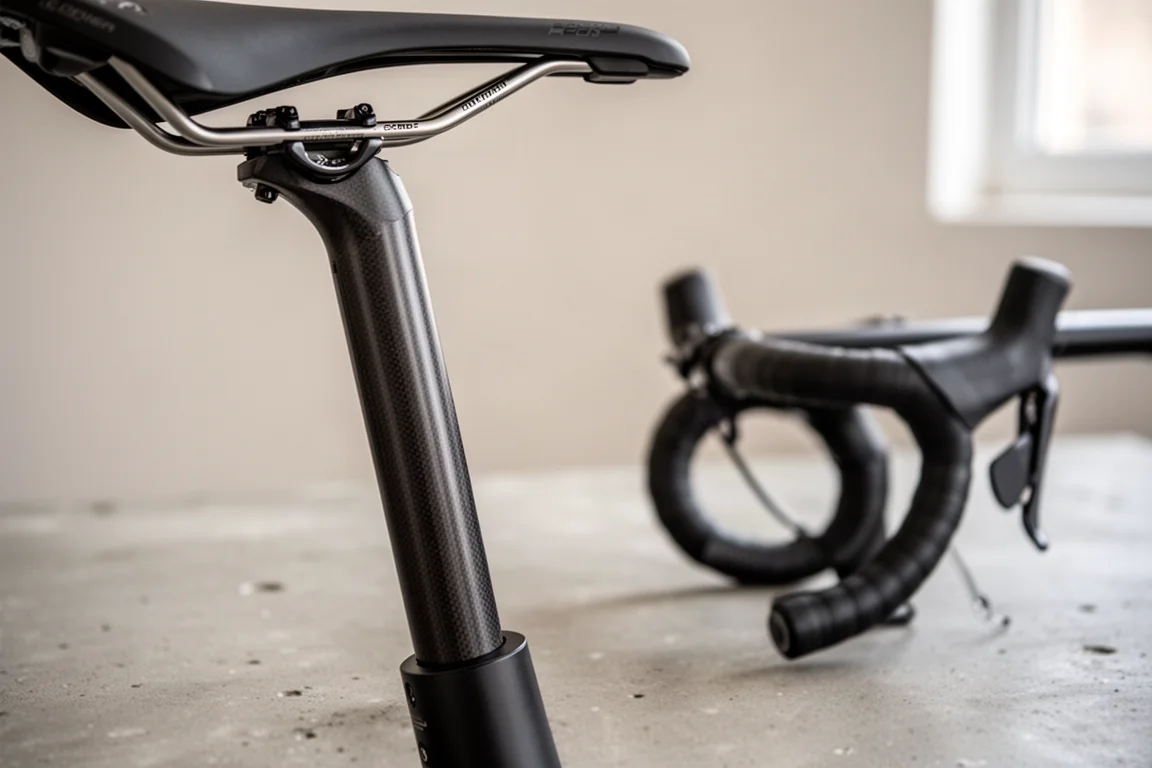
The cockpit is a two piece arrangement: a Canyon aluminium stem paired with a PRO Vibe carbon handlebar measuring around 40 to 42 cm. Stems are swapped to fine tune fit, while the bar itself stays in place. It is a standard round bar rather than an aero cockpit, which keeps servicing simple. A small thumb lever on the left drop operates the dropper, an unusual sight on any road bike.
Drivetrain and Wheels
The groupset is Shimano Dura-Ace R9200 Di2, with 54/42 chainrings and an 11-34 cassette. There is no power meter, so a rider on this bike has to judge effort by feel. The gear spread is generous, and while the chainrings are not the largest available for flat stages, they cover most situations comfortably.
Wheels are Dura-Ace C50s with 50 mm deep rims, wrapped in 28 mm Continental GP5000 STR tires. Those tires are fast and widely liked, but a neutral service bike has to prioritise reliability, so a more delicate race tire would be a risk the team would rather avoid. Dura-Ace SPD-SL pedals complete the build, and riders using other pedal systems can be accommodated as well.
The complete size medium build sits at just over 8 kg. That is roughly a kilogram more than the average Tour de France bike, but it is a long way from heavy and it will not hold anyone back during the short time they are likely to spend on it.
Things to Consider Before Buying
Fit is the first thing to weigh up. Even when saddle height is dialled in, handlebar width stays fixed. At around 40 to 42 cm it is wide by modern pro standards, and riders used to narrower bars notice it straight away. Tire choice and tire pressure also sit outside the rider’s control, which is part of why a borrowed bike never feels quite like your own.
The frame’s age shows in other ways. There is no integrated cockpit, no hidden cabling, and none of the aerodynamic integration that defines current race bikes. For a service fleet those are advantages. For a rider chasing every marginal gain they are compromises. The bike is also not optimised for any individual, which is the entire point, and it means it will never feel like a machine built around you.
One further consideration is timing. Shimano would not be drawn on whether a Dura-Ace R9300 Di2 groupset is on the way, so anyone waiting for the next generation of the drivetrain should not plan around an announcement.
Buying Advice
The realistic entry point here is the frameset rather than the complete service bike, since the livery and the neutral service specification belong to the team fleet. A Canyon Ultimate CF SLX from that era is a sensible used buy for riders who want a light climbing frame with conventional standards.
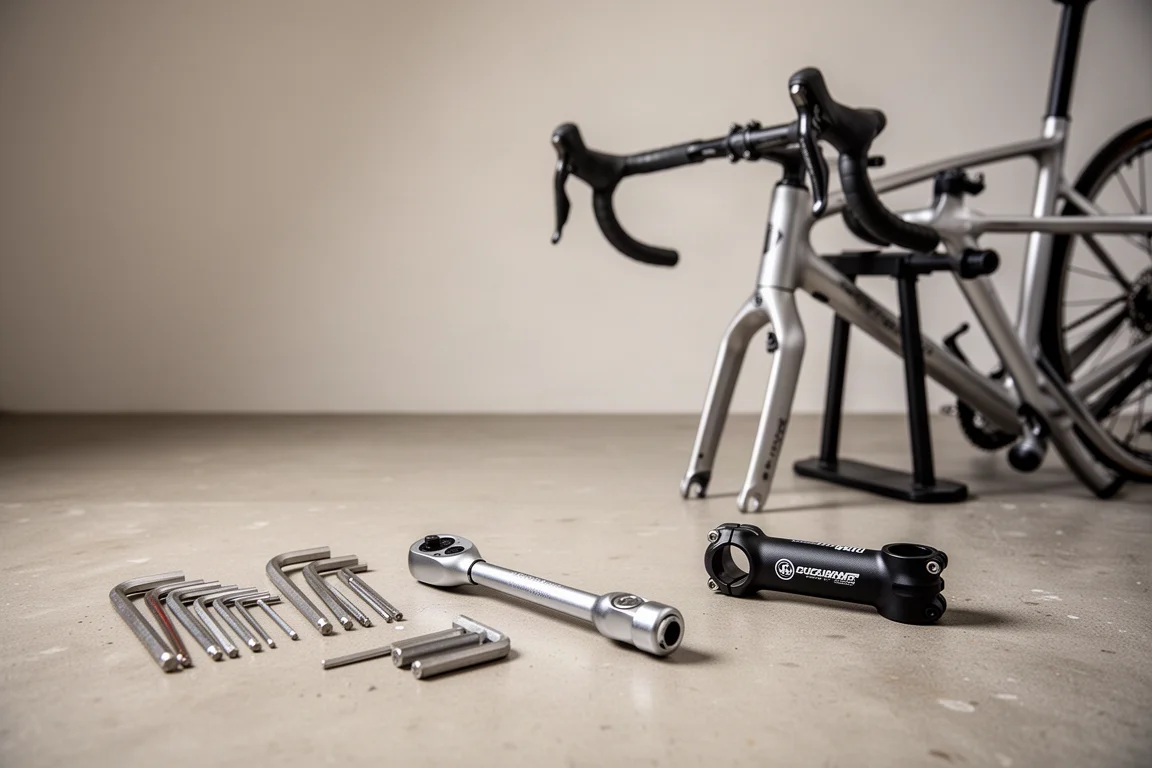
Look for a frame in good condition with intact routing and a round seat tube that will accept a standard seatpost. Because the design predates integrated cockpits, swapping a stem or a bar is inexpensive and easy, and a well cared for example can be built up with modern components without fighting proprietary parts. Anyone drawn to the dropper post setup should note that it depends on a frame with a round seat tube and internal routing for the dropper cable, so it is worth confirming before committing to a purchase. If the appeal is the blue paint scheme and the service fleet specification, treat that combination as something to admire rather than something you can order.
Conclusion
The Shimano neutral service bike is a fascinating piece of professional equipment. Under the blue paint sits a Canyon Ultimate CF SLX from around 2016, chosen because its round seat tube and conventional cockpit make a dropper seatpost and quick stem changes possible. The Dura-Ace drivetrain, C50 wheels and GP5000 STR tires add up to a genuinely strong specification, even without a power meter. It is not the fastest or the lightest bike in the peloton, and the riders who end up on one have usually had a difficult day, but the reasoning behind it is sound and the frame itself remains a very appealing machine.
Product link
View more details for Canyon Ultimate CF SLX
This product is mentioned in the review. Check the specifications, options, and compatibility before buying.
View more details for Canyon Ultimate CF SLXFurther reading
Related Reviews

Road Bikes
10 New Road Bikes Worth Watching: Aero, Titanium, Steel and Endurance Standouts
A practical roundup of 10 new road bikes, from aero flagships chasing single-watt gains to titanium, steel and endurance platforms built for real roads.
Road Bikes
2026 Tour de France Road Bikes: Six Race Machines Worth a Closer Look
Six race bikes from the 2026 Tour de France grid, reviewed for paint, silhouette, wheels and the specification details that matter to buyers.
Road Bikes
3T Strada Italia Review: A Radical Aero Road Bike That Rides Smooth
A made in Italy carbon aero road bike with a deep head tube, wide tire clearance and a genuinely comfortable ride. Here is what to know before buying.