Road Bike Groupsets
Shimano Dura-Ace R9100 Review: The Mechanical Groupset Shimano Left Behind
Shimano Dura-Ace R9100 is the last mechanical flagship groupset Shimano built. Here is why its shifting feel still stands out, and what to weigh before buying.
Introduction
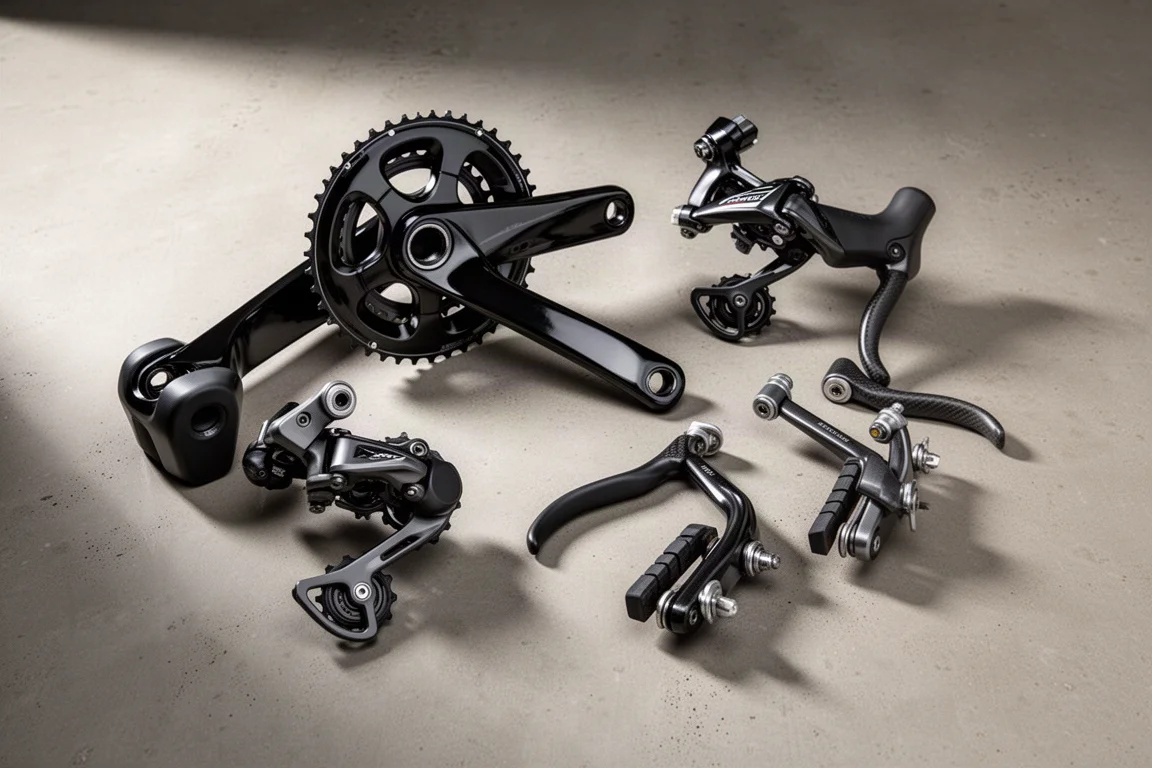
Some products earn their reputation quietly, and Shimano Dura-Ace R9100 is one of them. Launched in 2017, this was the flagship road groupset offered with either rim or hydraulic disc brakes and either electronic Di2 shifting or fully mechanical shifting. The version that matters most today is the mechanical one with rim brakes, because it represents something Shimano no longer sells at this level.
That change is the real story. The R9200 generation arrived with 12-speed gearing, up from 11-speed, and dropped the mechanical shifting option entirely. A rim brake variant still exists in theory, but it is rarely seen in practice. The range now leans on electronic shifting and hydraulic disc brakes, which reflects where the market, the professional peloton, and the wider industry are heading.
Even so, the decision marks a genuine turning point. After roughly 50 years of developing and refining mechanical shifting, Shimano no longer offers a mechanical Dura-Ace groupset. For riders who prefer cables and springs to batteries and motors, that is a difficult thing to accept.
Who This Product Is For
Dura-Ace R9100 in mechanical form suits riders who value the texture of a shift over the convenience of a button press. The lever action is remarkably light. It takes only the slightest touch at the lever or paddle for the chain to move quietly across the sprockets, and that lightness is what makes the groupset feel so satisfying to use on a long ride.

It also appeals to anyone maintaining or restoring a rim brake road frame, particularly a classic one, where a narrow hood profile and clean cable routing look right at home. Riders who dislike charging batteries, running wires, or adding motors to a bicycle will find the case for it straightforward rather than nostalgic.
Main Strengths
The strengths of this groupset sit in three places: how the shifting feels at the lever, how compact and comfortable the hoods are, and how much less the whole system weighs than its electronic successor.
Shifting Feel and Lever Shape
Mechanical Dura-Ace shifting is super light and genuinely tactile. There is a direct mechanical connection between the lever and the derailleur that electronic shifting cannot reproduce, and the resulting feedback is a large part of why this groupset remains so well regarded. It makes interacting with the bike feel like a pleasure rather than a procedure.
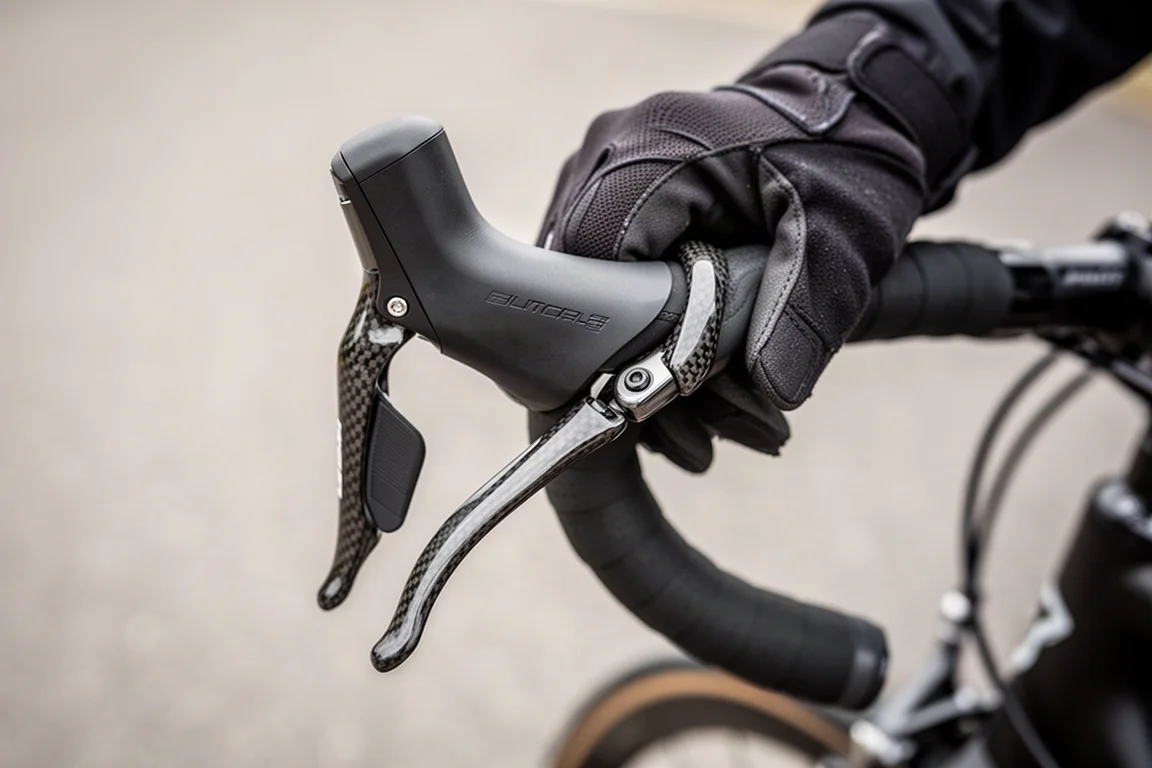
Shift speed is strong at both ends. The front derailleur changes quickly and the rear derailleur changes quickly too. It may not match electronic shifting for outright speed, but it is definitely not slow, and the difference does nothing to harm the riding experience. The paddles are the right size and the right shape for the job, which is exactly what you want from a lever you use constantly.
Weight, Hoods and Construction
A complete R9100 setup weighs roughly two kilograms. The newer version of the groupset, with hydraulic disc brakes, electronic gears, motors, batteries, and wiring, comes in at over 2.4 kilograms. That is a penalty of around 400 grams, which is hard to read as progress for riders who care about weight.
The hoods are notably small and compact because there are no hydraulic fluid reservoirs and no electronics packed inside them. Hands and fingers wrap around them comfortably, and the brake levers have a wide, lovely curve with carbon fibre blades that look sharp and feel right under the fingers. Visually the groupset has aged extremely well, helped by the fact that the newest generation still uses a gloss black finish. From a distance the two look very similar.
The rear derailleur uses a low profile Shadow design, which sits neatly inside the frame and allows smoother, easier cable routing while contributing to that lighter shift feel. Up front, the crankset is chunky and muscular, with plenty of stiffness and low weight. It was a major visual departure from the two-tone silver look of the previous R9000 generation, and it upset plenty of people at launch. Seen now, it reads as a design that has matured rather than dated.
Things to Consider Before Buying
The clearest limitation is braking. These rim brakes work fine, and they are about as good as rim brakes get, with a dual pivot design and low weight. They will slow the bike effectively if you plan ahead for a corner. What they do not deliver is the immediate sense of power and stopping force that a hydraulic disc brake provides.
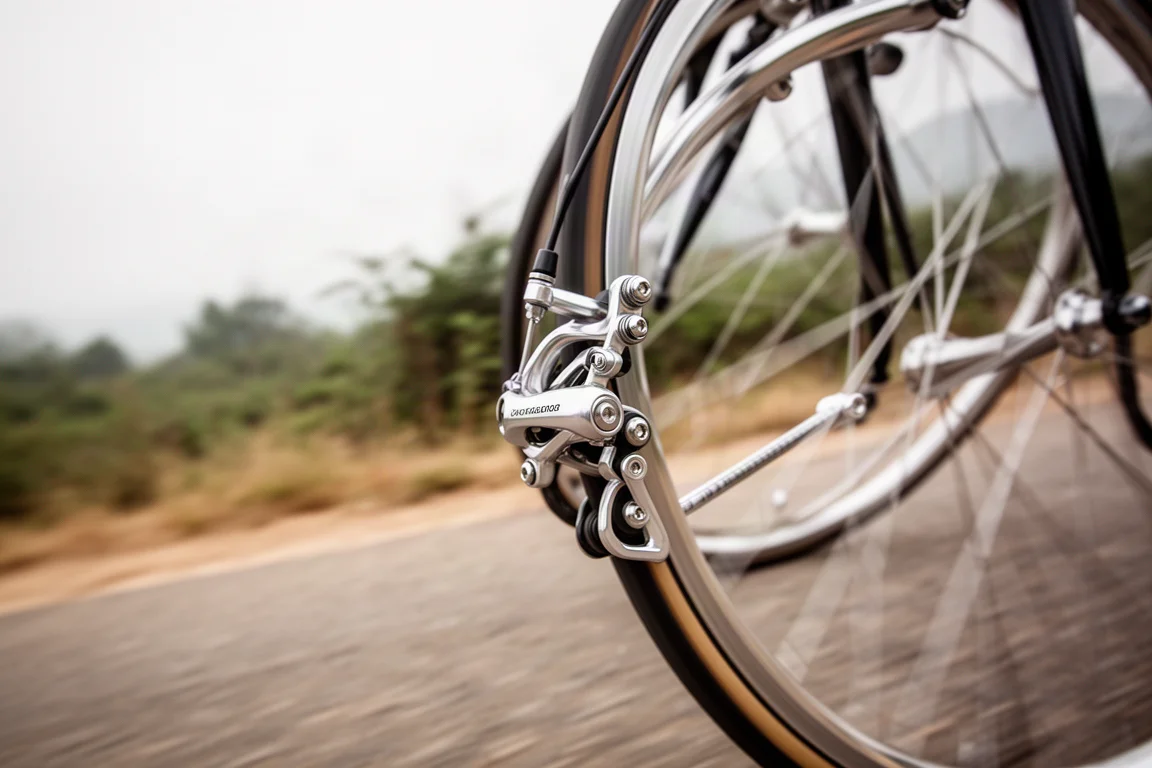
Carbon brake pads paired with high quality rims help, but the power at the lever still falls short of a hydraulic disc setup. Riders who ride steep, wet, or technical descents should factor that in honestly rather than assume the flagship name covers it.
The other consideration is availability. This groupset is no longer produced, so finding a new, unused example means hunting for remaining stock. Second-hand examples are more common, and condition, wear on the derailleur pivots, and cable housing quality matter a great deal in a mechanical system. Shimano has also expanded Di2 downward, bringing electronic shifting to 105 for the first time with a significant price increase over the older mechanical version. That signals where the company intends to take the range, and it makes mechanical flagship parts a finite resource.
Buying Advice
If electronic shifting has never appealed to you, mechanical Dura-Ace is worth seeking out deliberately rather than casually. The shifting quality is the reason. Very light lever effort, quiet chain movement, and clear tactile feedback add up to a groupset that is a joy to ride, and that experience is not something the newer electronic generation replicates in the same way.
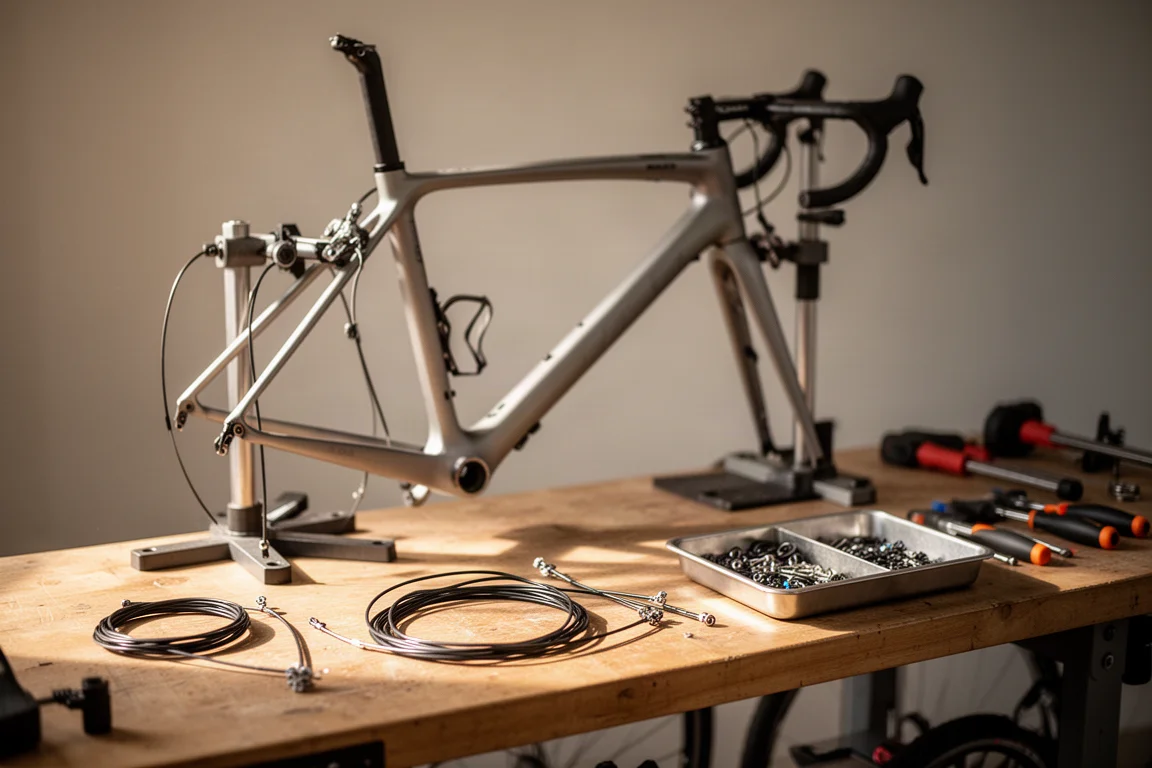
Buyers should prioritise completeness and condition over cosmetics. A full groupset with original levers, derailleurs, crankset, and calipers in good working order is more useful than a cosmetically perfect partial set, and mechanical parts can be serviced and replaced individually far more easily than integrated electronic ones. If you find a genuinely unused set, it is worth treating as a long-term purchase rather than an impulse one.
Conclusion
Dura-Ace R9100 mechanical is a high point in the long history of cable operated shifting, and it is also the end of that line. It is lighter than the groupset that replaced it, its hoods are smaller and more comfortable, and its shifting feel remains the benchmark for anyone who prefers a tactile connection to their bike.
The trade-offs are real. Rim brake power does not match hydraulic discs, and the groupset is no longer in production, so supply is limited to what is left on shelves and in the used market. For the right rider, though, those compromises are easy to accept. This is a groupset that still feels effortless every time you shift, and that is a rare thing to find.
Product link
View more details for Shimano Dura-Ace R9100
This product is mentioned in the review. Check the specifications, options, and compatibility before buying.
View more details for Shimano Dura-Ace R9100Further reading
Related Reviews
Road Bike Groupsets
Campagnolo Record 13 and Super Record 13 Review: Wireless 13-Speed, Two Ways
Campagnolo's new wireless 13-speed groupsets answer the criticism of the previous generation. Here is how Record 13 and Super Record 13 differ, and which one suits your riding.
Road Bike Groupsets
Campagnolo Record 13 vs Super Record 13: Which 13-Speed Wireless Groupset Is Worth It?
A practical look at Campagnolo's new 13-speed wireless groupsets, what separates Record 13 from Super Record 13, and which one suits your build.
Road Bike Groupsets
Campagnolo Super Record 13 Review: Wireless 2x13 With the Thumb Shifter Back
Campagnolo's first 2x13-speed wireless groupset brings back the thumb shifter, adds a wider gear range, and lands at a price that finally lines up with Shimano and SRAM.