Road Bike Groupsets
Shimano 105 R7100 Review: 12-Speed Mechanical Shifting for Road Bikes
Shimano's 12-speed mechanical road groupset tested over weeks of riding: light shift action, powerful hydraulic disc brakes, wide gearing options, and a clear value case against 105 Di2.
Introduction
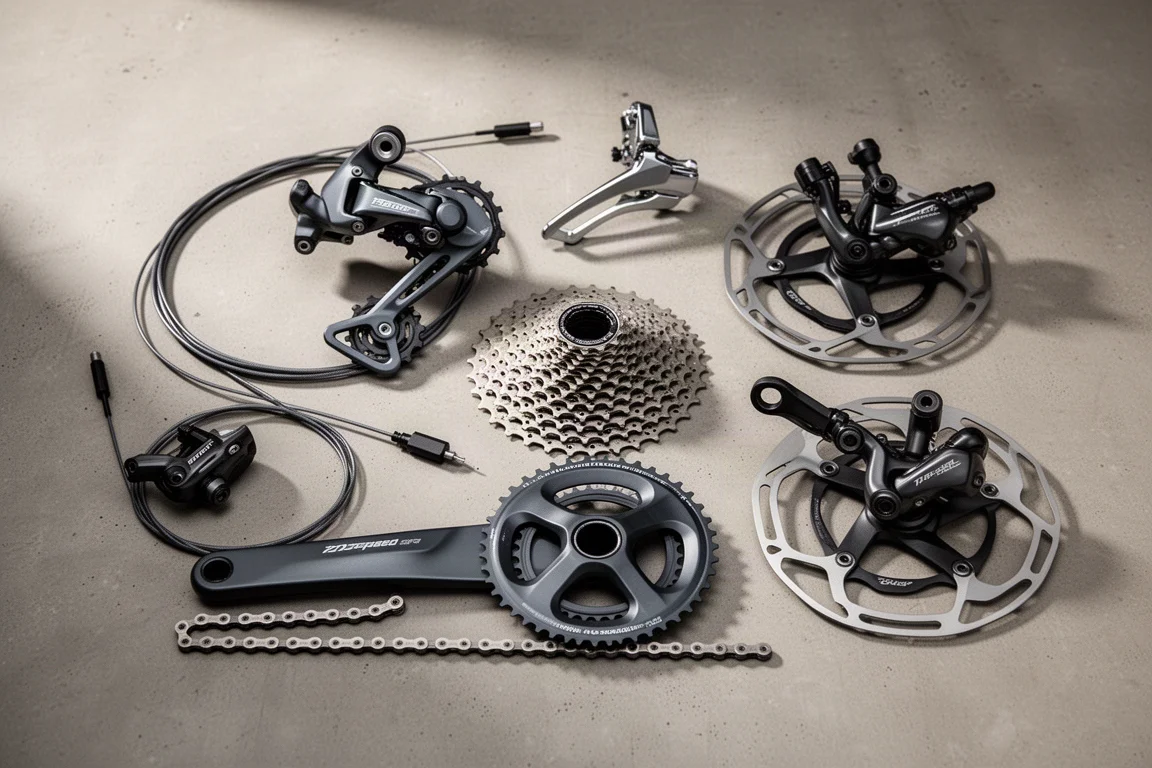
Shimano’s 105 R7100 is the company’s first 12-speed mechanical road groupset, and its arrival matters more than the model name suggests. When Dura-Ace and Ultegra stepped up to 12 speeds, they did so as Di2 electronic-only groupsets, which effectively removed mechanical shifting from the top of Shimano’s range. The 105 R7100 brings that option back, combining a cable-operated 12-speed drivetrain with hydraulic disc brakes.
We spent several weeks riding the groupset on a restored secondhand aluminium race frame to see how the shifting, braking and ergonomics behave once the novelty wears off. The test covered rain, cold and wind, plus plenty of climbing.
Most riders will never buy a groupset on its own, and this one is no exception. It is far more likely to be the reason a complete bike deserves a closer look, so the useful question is what it delivers on the road and how it compares with the electronic alternative that costs considerably more.
Who This Groupset Is For
The clearest audience is riders who simply prefer mechanical shifting. The action is light, the feedback is immediate, and there is no battery to think about. That preference is not nostalgia for its own sake. Mechanical shifting has been refined over decades, and the R7100 represents the highest level Shimano has taken it to, with 12-speed mechanical unlikely to appear below this price point for some time.
The second audience is anyone shopping for a more affordable road bike. Electronic shifting has pushed complete bike prices upward, and a well-executed mechanical groupset with modern gearing keeps a carbon or aluminium road bike within reach of more riders.
It also suits riders who want wide-range gearing without moving to gravel-specific components. The available cassette and chainset combinations cover steep local climbs and fast group rides alike.
Main Strengths
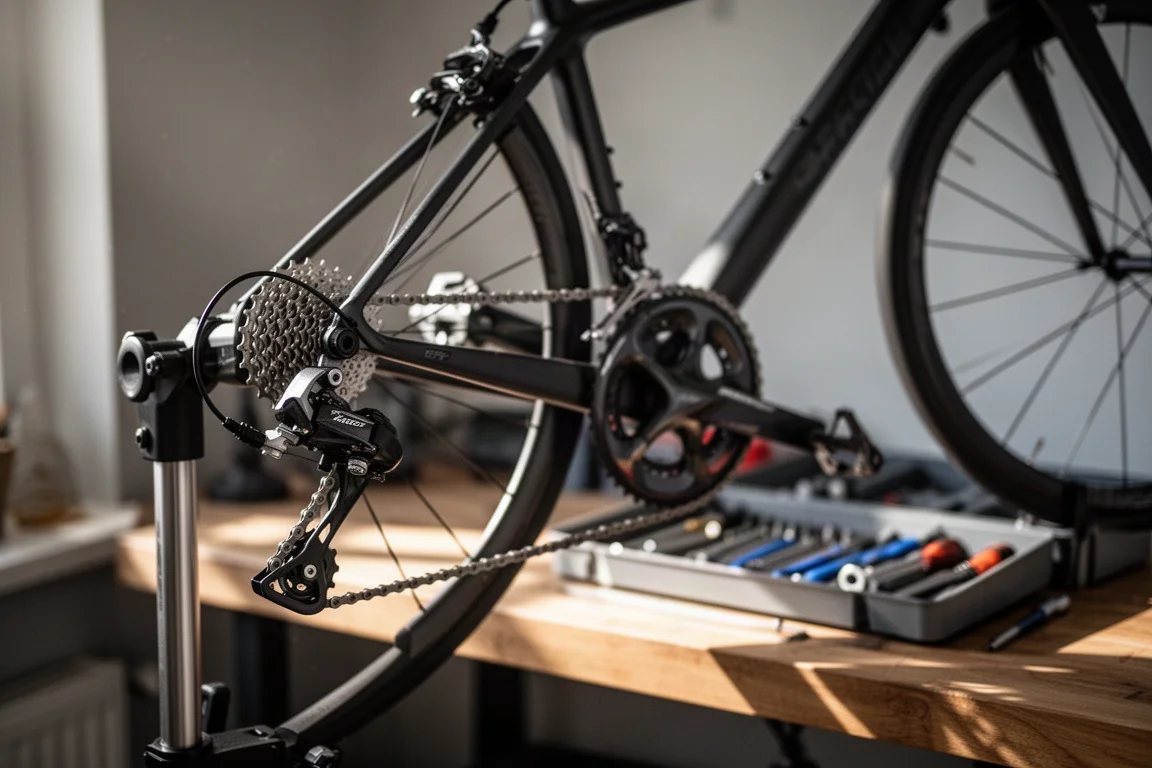
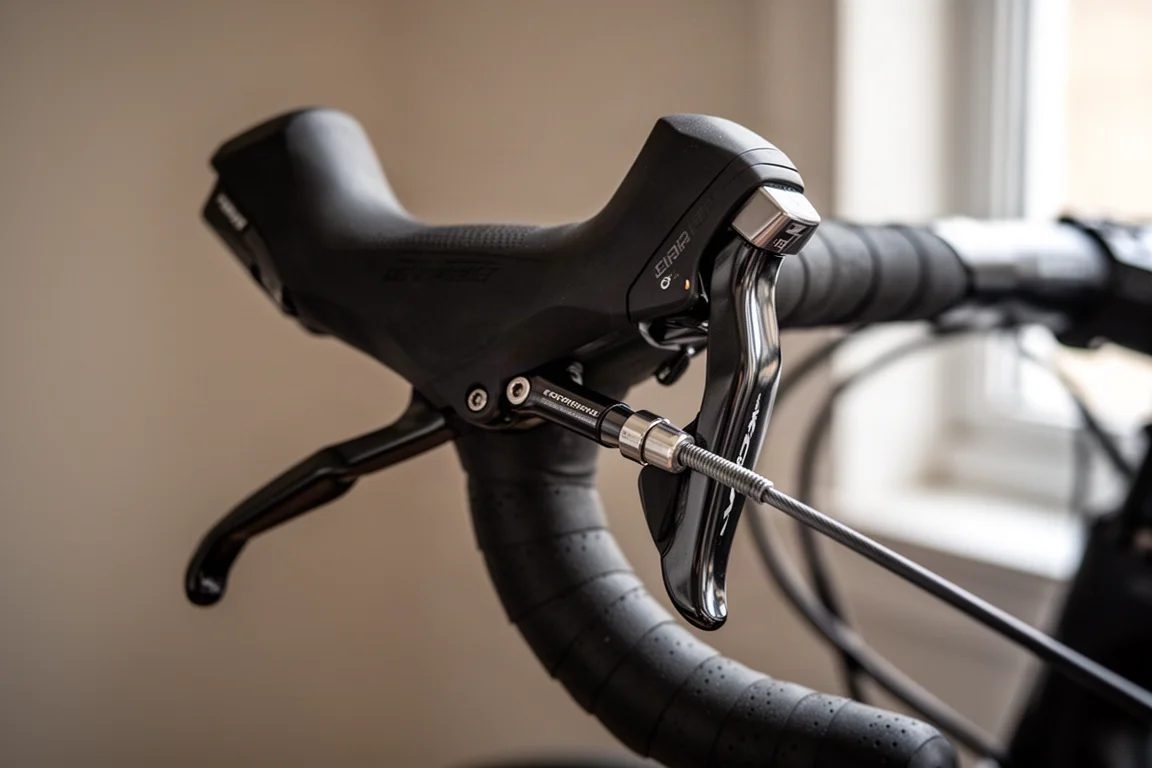
Shift quality is the headline. The lever action is remarkably light, with almost no effort required to move the paddle across and change gear. Shifts are quick, and while they are not as fast as electronic, they are never slow. There is a reassuring mechanical clunk as the chain settles onto each sprocket, so you always know the shift has landed. It is a different soundtrack to electronic, and a satisfying one.
The hydraulic disc brakes are equally convincing. Power is plentiful, modulation is predictable, and the lever feel is firm at the first pull before ramping up progressively as you squeeze harder. There was no pad rub during sprints or while climbing out of the saddle, and clearance stayed generous in muddy, gritty and wet conditions. No squeal, no howling in the rain.
The lever and hood shape makes shifting and braking easy from both the hoods and the drops, which matters on long rides where hand position changes constantly.
Reliability over the test period was excellent. After several weeks of mixed weather, the gear indexing needed no adjustment at all, and the groupset worked correctly from the very first ride.
Gearing and the 12-Speed Question
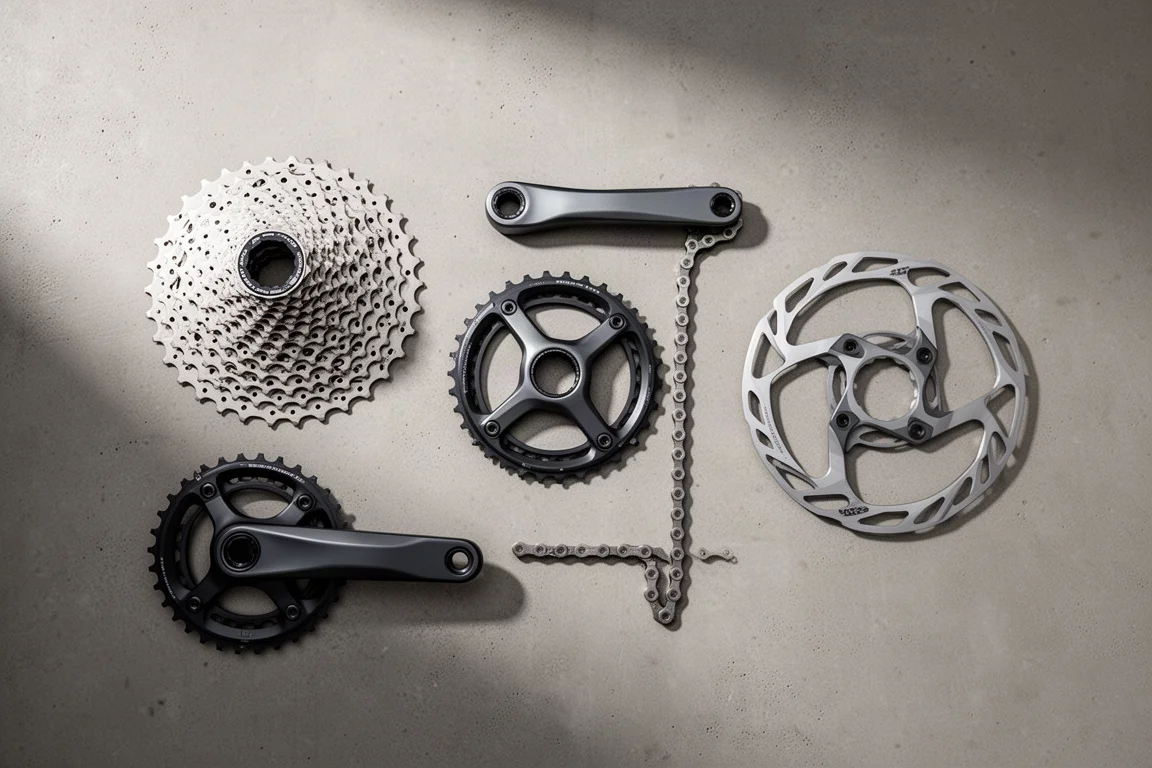
The groupset offers a choice of 50/34 or 52/36 chainsets, and 11-34 or 11-36 cassettes. That spread covers a wide range of terrain and rider preferences, and the 11-36 in particular is a strong match for hilly roads.
Is 12-speed actually better than the 11-speed it replaces? In one specific area, yes. With the 11-36 cassette, the five smallest sprockets run in one-tooth increments, so cadence stays smooth at the high-speed end of the range. The previous 11-speed arrangement offered only three sprockets with that one-tooth step. For riders who are particular about cadence in a fast group, five versus three is a genuine gain. For most riders it is a marginal one.
The other modest improvement comes from the brake calipers, which share their increased pad clearance with Ultegra and Dura-Ace. In gritty conditions or under hard sprinting, there is less chance of the rotor catching a pad.
Things to Consider Before Buying
The hoods are taller than those on older mechanical rim brake levers, and larger than Di2 hoods as well. If a compact hood shape matters to you, electronic is the smaller option. The upside of the extra bulk is more surface to anchor your hand against when crouched low on the bike.
Shifting is not as fast or as customizable as electronic, and it does not offer the additional features that come with a wired or wireless system. Mechanical does one job, changing gear, and it does that job very well.
There is no rim brake version of this groupset. Hydraulic disc brakes are the only option, which is worth knowing if you are maintaining an older frameset.
There is also no power meter option in the cranks. That is understandable at this tier, but a rival groupset at a comparable level and price offers an affordable power meter, and a left-side-only option here would have been welcome for riders who race or train seriously.
Finally, our test covered weeks rather than years. Shimano’s mechanical groupsets have a strong reputation for longevity, but the long-term durability of this specific groupset is not something we can confirm yet.
Living With It: Finish, Reliability and Servicing
The groupset looks sharper than its position in the range suggests. It uses the same gloss black finish as Dura-Ace rather than the grey of older Ultegra, and from a distance it can easily be mistaken for Shimano’s flagship. The current-generation cranks look good and have proven reliable, with no separation issues.
The front derailleur is very low profile. The rear derailleur is the one part that looks a little less premium, with a fairly substantial chunk of metal and a shape that is not as refined as Ultegra or Dura-Ace. It does use the Shadow design, which keeps it tucked inside the rear of the frame so it is less exposed if the bike leans against a wall, is dropped or crashes.
Building the bike was straightforward, and living with the groupset has been equally easy. No fine-tuning, no indexing drift, no running adjustments.
Buying Advice
Value is where this groupset makes its strongest case. Complete bikes with 105 mechanical have appeared on offer from around £1,800 on a carbon frameset, which is a lot of road bike for the money. A mid-range carbon model was listed at roughly £2,400, and one comparison was particularly telling: a bike at £2,700 with 105 mechanical against £3,600 for the same bike with 105 Di2.
The groupset on its own is considerably cheaper than 105 Di2, and retailers have discounted it below the recommended price. Alternatives exist, but the field is thin. A rival mechanical gravel groupset retails at around £1,000, Campagnolo’s cheapest mechanical hydraulic disc groupsets sit closer to £1,800, and a lower-cost Chinese electronic groupset can be found at similar money to this groupset’s retail price, though it did not match Shimano’s polish and refinement in our experience.

If you are buying a complete bike, the sensible approach is to compare the mechanical and Di2 versions of the same model directly. The gap is often large enough to fund better wheels, a quality set of tyres or a professional bike fit, all of which will do more for your riding than a faster shift ever will.
Conclusion
The Shimano 105 R7100 is the best mechanical option currently available for riders who want 12-speed road gearing. Shift quality is excellent, the hydraulic disc brakes are powerful and quiet, the gearing options are wide, and the whole system is easy to live with.
Electronic shifting remains faster and more customizable, and it is the only route if you want a compact hood or the smallest possible lever body. But for the core job of changing gear cleanly and stopping reliably, this groupset does everything asked of it, and it does so at a price that makes a new road bike considerably more attainable.
Product link
View more details for Shimano 105 R7100
This product is mentioned in the review. Check the specifications, options, and compatibility before buying.
View more details for Shimano 105 R7100Further reading
Related Reviews
Road Bike Groupsets
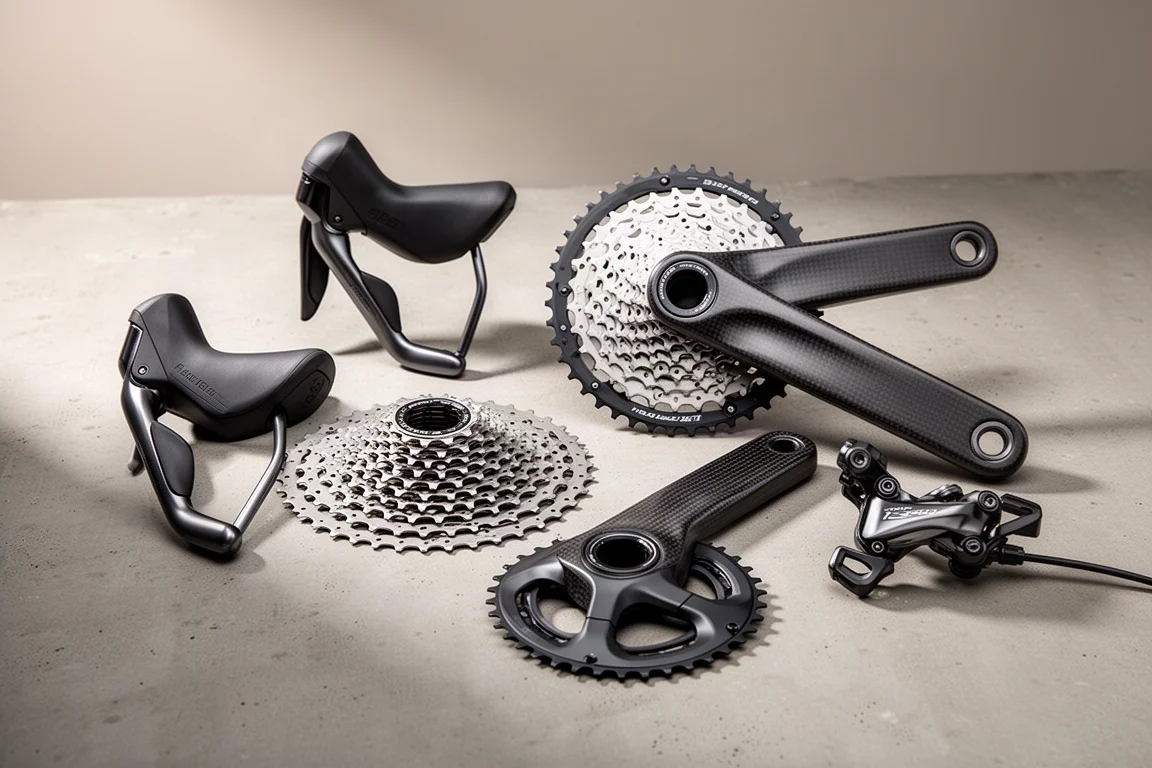
Campagnolo Record 13 and Super Record 13 Review: Wireless 13-Speed, Two Ways
Campagnolo's new wireless 13-speed groupsets answer the criticism of the previous generation. Here is how Record 13 and Super Record 13 differ, and which one suits your riding.
Road Bike Groupsets
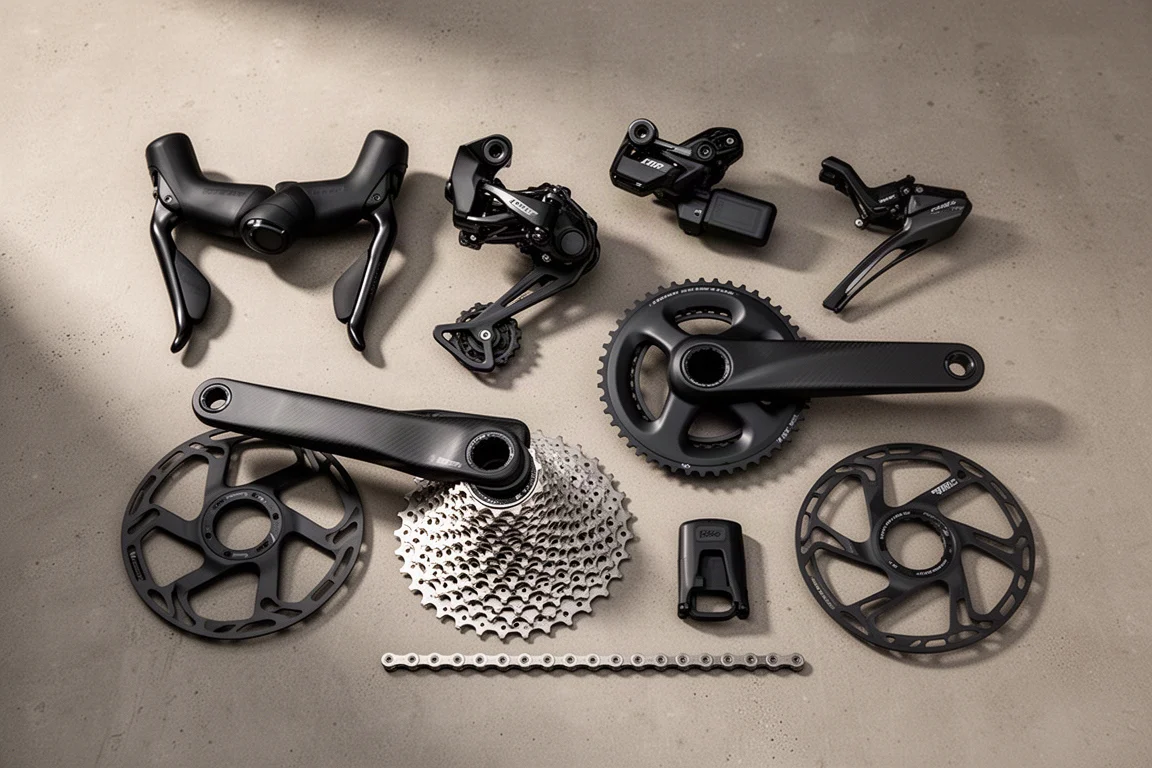
Campagnolo Record 13 vs Super Record 13: Which 13-Speed Wireless Groupset Is Worth It?
A practical look at Campagnolo's new 13-speed wireless groupsets, what separates Record 13 from Super Record 13, and which one suits your build.
Road Bike Groupsets
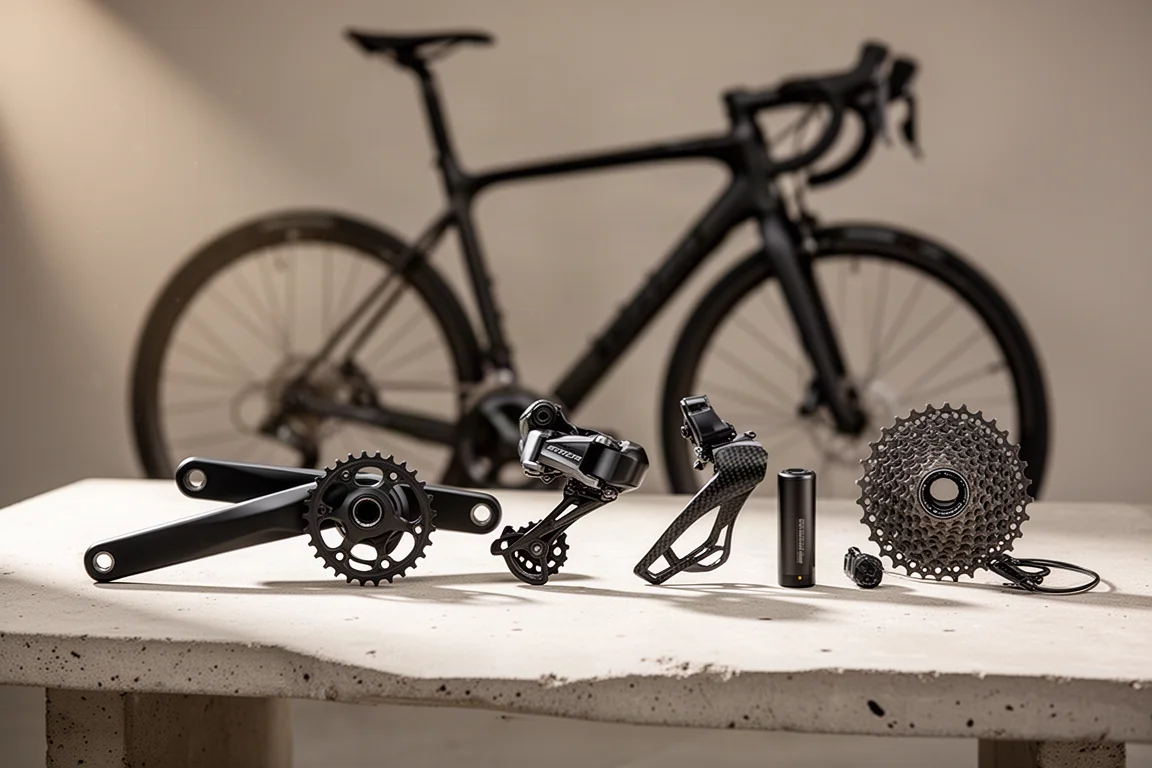
Campagnolo Super Record 13 Review: Wireless 2x13 With the Thumb Shifter Back
Campagnolo's first 2x13-speed wireless groupset brings back the thumb shifter, adds a wider gear range, and lands at a price that finally lines up with Shimano and SRAM.