Road Bike Groupsets
Shimano 105 Di2 Review: 12-Speed Electronic Shifting Arrives at 105
Shimano 105 Di2 brings 12-speed electronic shifting, semi-wireless shifters and revised brakes to the workhorse groupset, at a price well above the mechanical 105 it sits beside.
Introduction
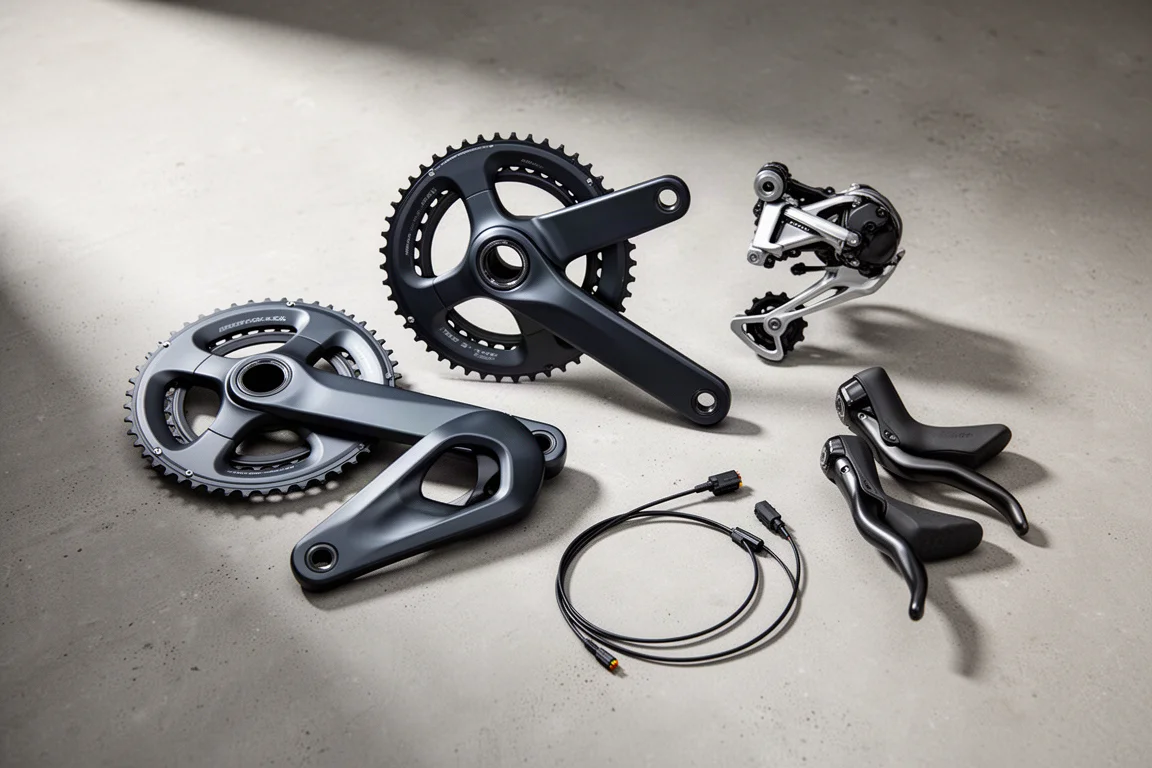
Shimano 105 has spent years as the groupset riders recommend to friends: dependable, sensibly priced and just close enough to the top tiers to feel like a smart purchase. The new 105 Di2 rewrites that reputation in a single move. It is 12-speed, it is electronic, and it shares far more with Ultegra and Dura-Ace than it leaves behind.
The headline change is the drivetrain itself. Where 105 was previously a mechanical groupset, this version runs Di2 electronic shifting with the same semi-wireless architecture used higher up the range. That means the shifters can operate without cables running to the main battery, powered instead by coin cell batteries.
The second change riders will notice is price. The new 105 Di2 groupset comes in at around £1,700, against roughly £800 for the 11-speed mechanical 105 that continues alongside it. That is a significant step up, though it still sits well below the roughly £2,700 that Ultegra Di2 costs without a power meter.
Who This Product Is For
This groupset makes most sense for riders who want electronic shifting and 12-speed gearing but cannot justify Ultegra money. On paper the specification is close enough to Ultegra that the case for spending more becomes harder to make.
It also suits riders on hydraulic disc brakes who value easier maintenance. The revised caliper design addresses a long-standing frustration with bleeding, and 105 has traditionally been the workhorse groupset that gets ridden hard and serviced often.
Riders building an all-road or gravel-leaning bike should also take note. The new 11-36 tooth cassette offers a wider range than anything in the current GRX line, and the smaller jumps between gears are exactly what mixed-surface riding benefits from.
It is a less obvious fit for anyone chasing the lowest possible cost of entry. For that, the 11-speed mechanical 105 remains in production, and it stays the more affordable route into the 105 name.
Main Strengths
The list of similarities between 105 Di2 and Ultegra is considerably longer than the list of differences. That alone is the strongest argument for the groupset.
Electronic Shifting and 12-Speed Gearing
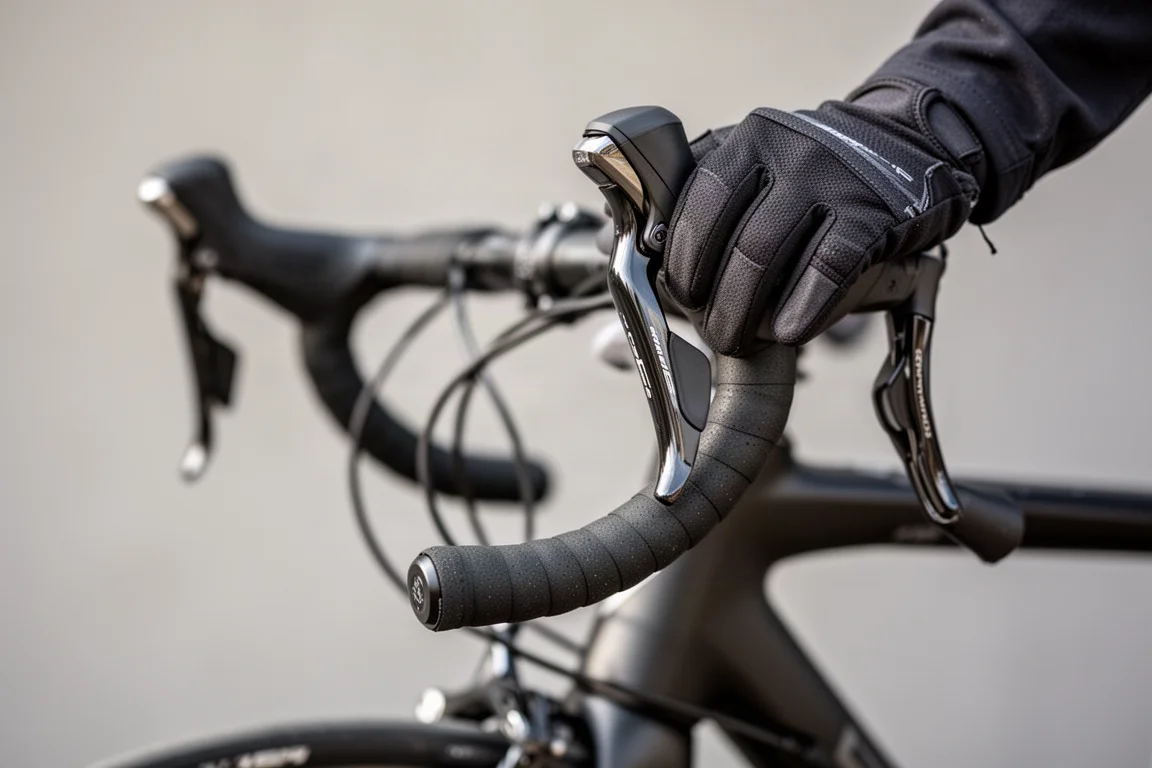
105 Di2 is 12-speed, just as Ultegra and Dura-Ace are, and it is electronic. It uses the same semi-wireless system, so the shifters can be left unconnected to the main battery and run on coin cells instead. That simplifies routing and removes a set of cables from the cockpit.
Just as importantly, the traditional hierarchy holds. 105 remains heavier and cheaper than Ultegra, so it still reads as the value option in the range rather than a straight replacement for the tiers above it.
Braking and Servicing Improvements
The braking system receives the same update already seen higher up the range. There is now more clearance between the pads and the rotor, which riders will appreciate for reduced rub and easier setup.
Caliper bleeding has also been reworked. Previously the bleed process relied on a small nipple that the syringe pushed onto, adjusted with a spanner, which made the job awkward. Those two elements are now separate, so servicing the calipers is far more straightforward. For a groupset that gets used and maintained heavily, that is a meaningful improvement.
Things to Consider Before Buying
The most obvious consideration is cost. At around £1,700 for the groupset, 105 Di2 is roughly £1,000 more than the mechanical version it sits alongside. Because the groupset list price is around £500 above the equivalent SRAM Rival electronic offering, and Rival AXS hydraulic bikes tend to land near £4,000, complete bikes built around 105 Di2 should be expected at a similar level. That is a long way from the accessible build 105 once represented.
Weight is the other trade-off. 105 has historically been heavier than Ultegra, and that positioning has not changed with this generation. Riders chasing the lightest possible build will still look further up the range.
Gravel riders should check gearing carefully. The 105 crankset goes down to a compact 50/34, which is larger than typical gravel gearing, so the chainset rather than the cassette is the limiting factor for mixed-surface use.
Finally, this is a new groupset without a long service history behind it. Riders who prefer to buy proven hardware may want to weigh that against the appeal of being early to 12-speed electronic shifting at this price point.
Buying Advice
If electronic shifting is the goal, 105 Di2 is now the value pick in Shimano’s lineup. Its specification so closely mirrors Ultegra that the extra spend is difficult to justify on paper alone.
Riders who simply want a reliable mechanical build are not left without options. The 11-speed mechanical 105 continues in production, so nobody is forced onto electronic shifting before they are ready or before the budget allows.
For gravel and all-road use, the comparison is more interesting than expected. The 11-speed GRX Di2 groupset is only slightly cheaper than this new 105 Di2, and its widest cassette offers a narrower range. The 11-36 tooth cassette available with 105 Di2, which is not offered in Ultegra or Dura-Ace, gives a wider spread with smaller steps between gears. For riders who can pair it with appropriate chainring sizes, that makes 105 Di2 a genuinely appealing option for mixed surfaces.
It is also worth watching what happens below this tier. Tiagra is currently 10-speed and has not been updated in a long time, so a move to 11-speed at a lower price point would be a significant development for riders who want mechanical gearing without paying electronic prices.
Weighing the Cost Against the Rest of the Range
The price ladder is now the main decision point. 105 Di2 sits at roughly £1,700, Ultegra Di2 at roughly £2,700 without a power meter, and 11-speed mechanical 105 at roughly £800. The gap between 105 Di2 and Ultegra Di2 is real money, and the specification gap is small.
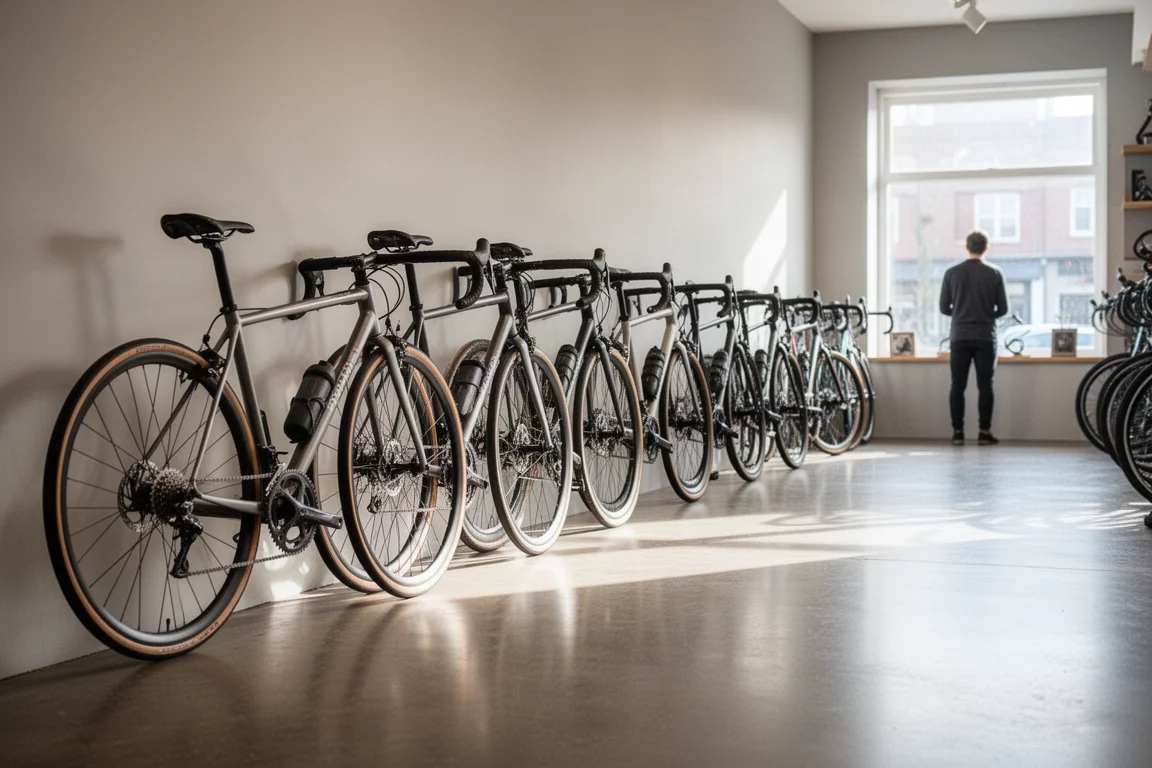
Seen that way, 105 Di2 is less a budget groupset and more the sensible midpoint of Shimano’s electronic range. Riders who want the shifting experience without the premium badge should find it easy to justify, while riders who only need dependable mechanical gears can still save a substantial amount by staying with 11-speed 105.
Conclusion
Shimano 105 Di2 marks a genuine shift in what the 105 name means. It brings 12-speed electronic shifting, semi-wireless shifters, improved pad clearance and a much easier caliper bleed procedure to a groupset that has always been defined by value.
The trade-off is price. At around £1,700, and with complete bikes likely to land near £4,000, this is no longer the budget entry point it once was, and the 11-speed mechanical 105 remains on sale for riders who want that. But for anyone who wants electronic shifting without stepping up to Ultegra, 105 Di2 now looks like the groupset to have in Shimano’s lineup.
Product link
View more details for Shimano 105 Di2
This product is mentioned in the review. Check the specifications, options, and compatibility before buying.
View more details for Shimano 105 Di2Further reading
Related Reviews
Road Bike Groupsets
Campagnolo Record 13 and Super Record 13 Review: Wireless 13-Speed, Two Ways
Campagnolo's new wireless 13-speed groupsets answer the criticism of the previous generation. Here is how Record 13 and Super Record 13 differ, and which one suits your riding.
Road Bike Groupsets
Campagnolo Record 13 vs Super Record 13: Which 13-Speed Wireless Groupset Is Worth It?
A practical look at Campagnolo's new 13-speed wireless groupsets, what separates Record 13 from Super Record 13, and which one suits your build.
Road Bike Groupsets
Campagnolo Super Record 13 Review: Wireless 2x13 With the Thumb Shifter Back
Campagnolo's first 2x13-speed wireless groupset brings back the thumb shifter, adds a wider gear range, and lands at a price that finally lines up with Shimano and SRAM.