Ultralight Backpacks
Shadowlight Review: A Sub-2 lb Ultralight Backpack That Still Opens Up
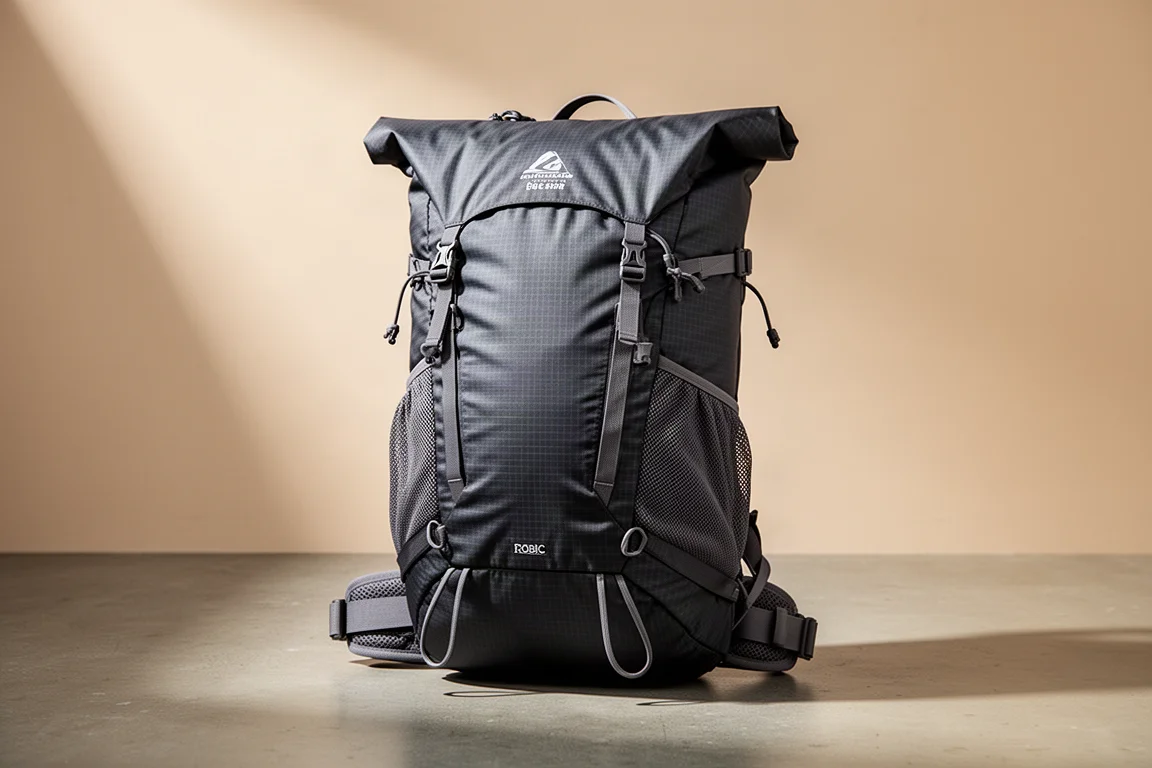
The Shadowlight is a sub-2 lb ultralight backpack in 45 L and 60 L that pairs a tall, stiff frame with full-length zipper access and reinforced high-wear fabric.
Introduction
Ultralight backpacks usually ask for a trade-off. Weight comes down, and structure, pocketing, and access tend to go with it, until the pack is little more than a fabric tube with shoulder straps. The Shadowlight takes the other approach: stay under 2 lb, but keep the features that make a pack genuinely usable over a long day or a multi-day route.
The Shadowlight comes in 45 L and 60 L versions, and both land under 2 lb. That figure puts it in the same weight class as far simpler packs, while still offering a framed carry, an expanding roll-top closure, and zipper access into the main compartment.
It is a new release, sold through the brand’s own website. Orders placed during the launch window may include a free pack liner, which is worth confirming at checkout if you are buying early.
Who This Pack Is For
The Shadowlight is aimed at backpackers who have already tried going lighter and found the limits of a frameless pack. If you want sub-2 lb carry weight but you still want the load transferred to your hips, this is the category it fits into.
It also suits anyone who repacks during the day. Hikers who stop repeatedly for layers, food, or gear will get more out of a pack that opens up than out of one that has to be emptied from the top.
It is less suited to two groups. Anyone chasing the absolute minimum weight and willing to accept a frameless carry will find lighter options. Anyone regularly carrying heavy, dense loads will still be better served by a pack built specifically for that job.
Main Strengths
Three areas do most of the work here: how the pack opens, how it carries, and how the fabric holds up.
Full-Length Zipper Access
Two zippers run down the body of the pack so you can open it up and reach items sitting at the bottom without unloading everything above them. When the pack is loaded, the zipper runs sit in a position that keeps them clear of dirt and abrasion, which matters on rocky trails and sandy ground.
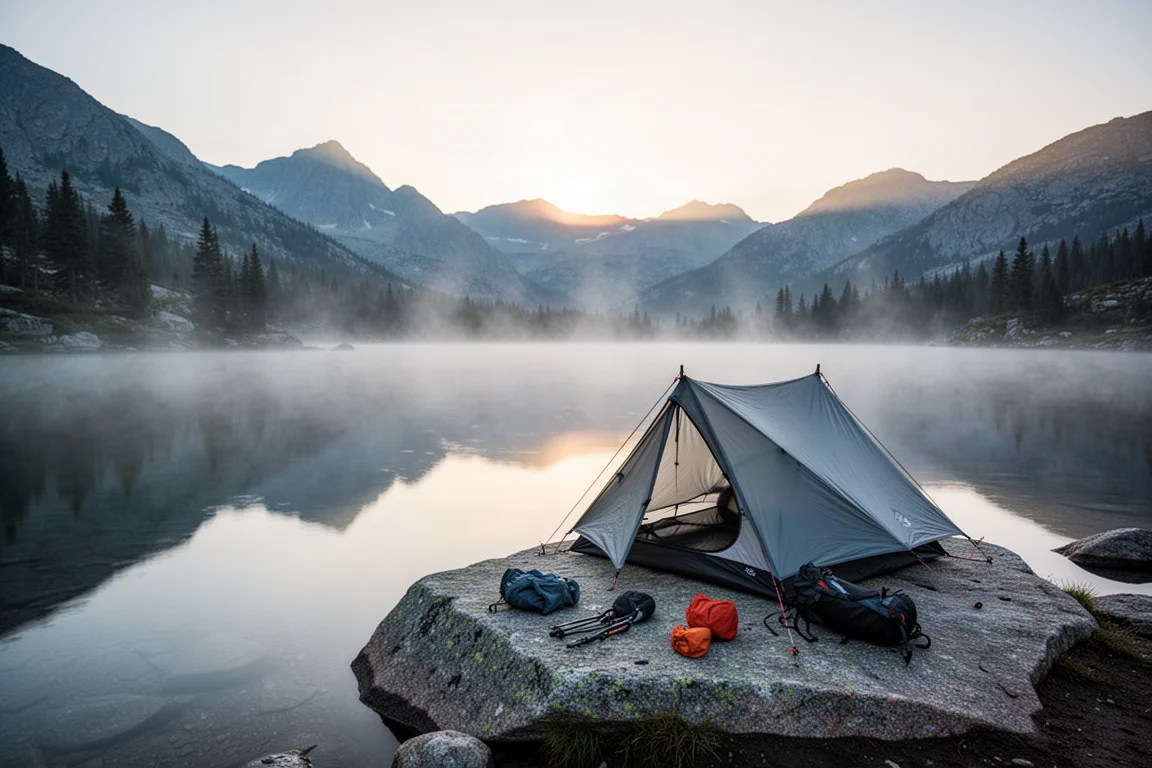
Around the outside, the layout is generous. There are large side pockets sized for standard sport water bottles, plus two big stash areas for wet gear, a rain shell, or a tent. A full two-person tent fits into one of those side stash areas. There are also attachment points for trekking poles or an ice axe, and an adjustment strap that can hold a jacket or a similar item on the move.
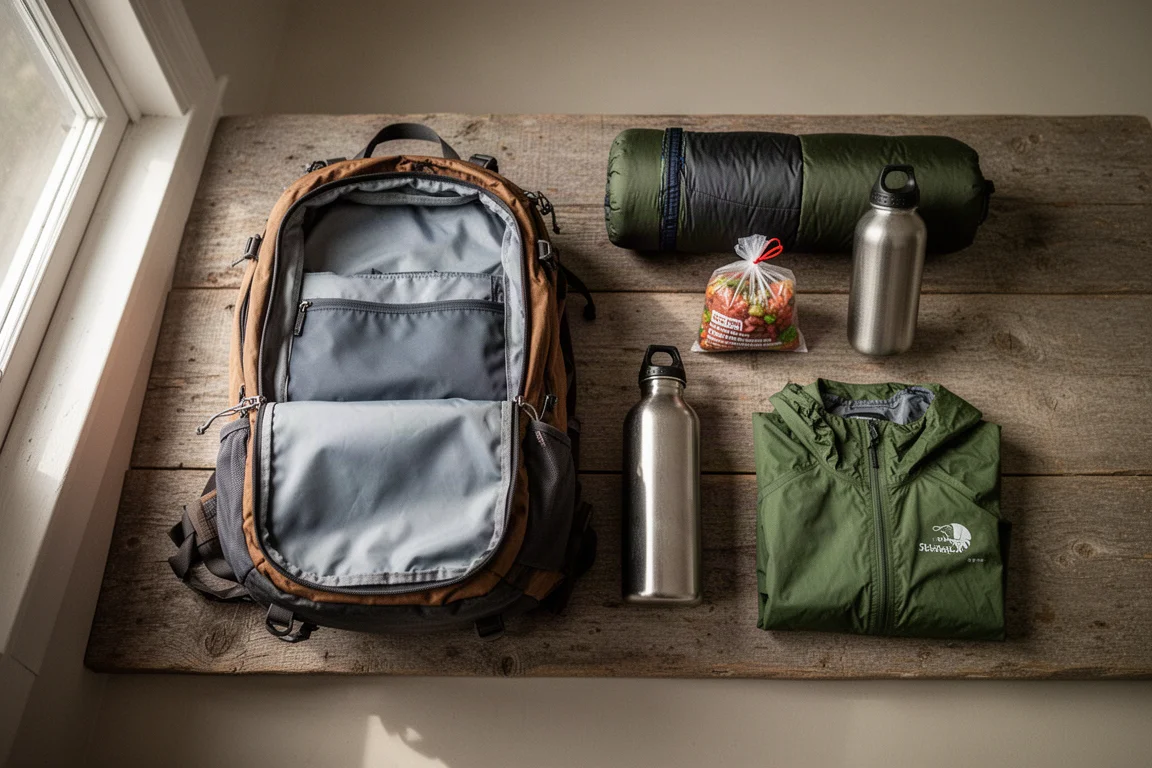
The roll-top closure adds a second kind of flexibility. If you are carrying extra food or a bulky layer, you can extend the top rather than fighting the pack closed, then roll it down as supplies shrink.
A Taller, Stiffer Frame
Frame height is one of the quiet differences between a pack that carries well and one that simply hangs. The Shadowlight uses a stiff frame that runs noticeably taller than the short frames common on lightweight packs.
That extra height changes the angle of the load-lifter straps. Instead of pulling down, the straps pull the load up and off the shoulders, which lets the hip belt take more of the weight. The practical result is less pressure on the shoulders over a long day, which is exactly the area lightweight packs tend to punish.
A Custom Abrasion-Resistant Fabric
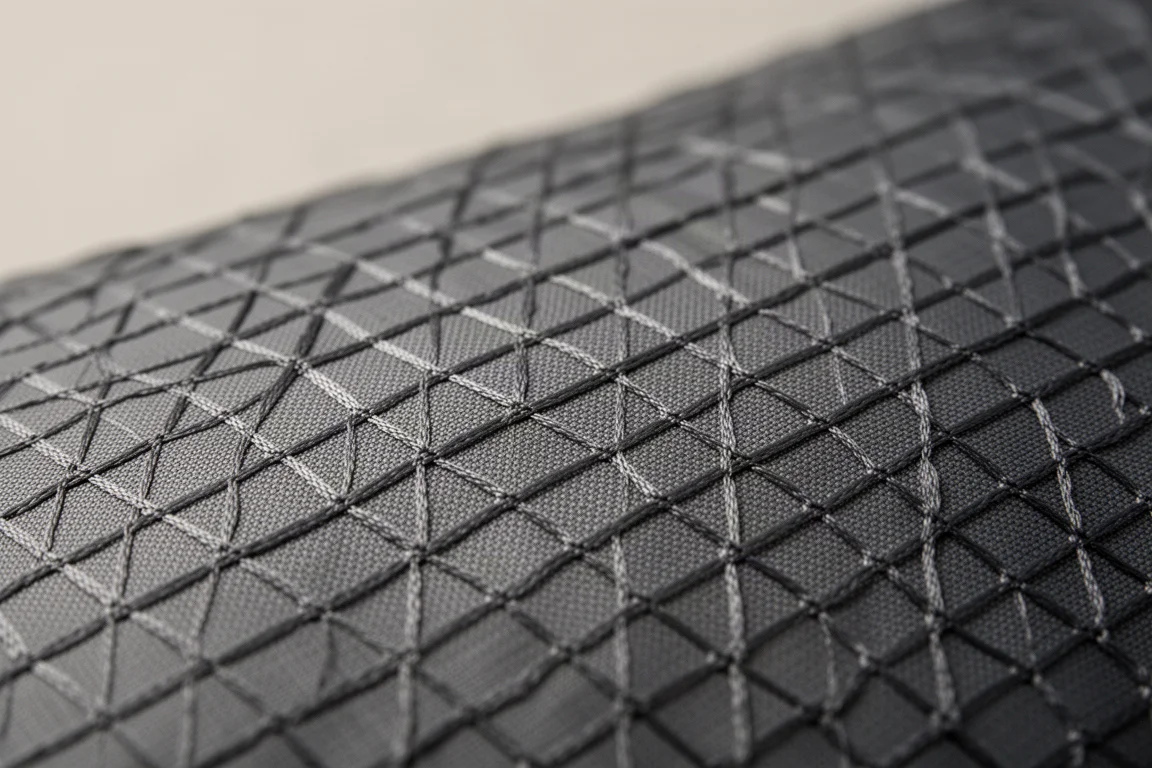
The main body uses a custom Robic nylon fabric. It is built with a heavier denier Spectra yarn and a grid-lock pattern that creates a waffle or honeycomb effect across the surface. Those raised grid points take most of the abrasion, and the structure adds strength without adding much mass.
The brand also maps thicker fabric to the areas that wear first, including the bottom of the water bottle pocket and the base of the pack. All of that sits inside the same sub-2 lb target for both the 45 L and the 60 L versions.
For anyone who has worn a hole through a lightweight pack on a single trip, this is the part of the design that matters most.
Things to Consider Before Buying
The Shadowlight is a new release, so there is not yet a long field record behind it. The fabric construction and the reinforced wear zones are designed for durability, but real-world mileage is still building.
The layout also asks a little more from you than a simple top-loader. With zippers, side stash areas, and a roll-top, there is a right way to pack it, and it is worth thinking about how you organise gear before you commit.
Sizing comes down to two volumes, 45 L and 60 L. Neither is enormous, so the decision is mostly about how many days of food you typically carry and how bulky your sleep system is.
Buying Advice
Start with the volume question. The 45 L version covers fast overnights and short trips where your gear list is dialled in. The 60 L version is the safer pick if you carry several days of food, a bulkier sleep system, or gear for changing conditions.
Then weigh the features against your habits. If you never open your pack during the day, a simpler and lighter design may be enough. If you do, the access and pocketing here are the reason to choose this pack over a stripped-down alternative.
Check the launch offer before ordering. During the launch window the brand has said it may include a free pack liner, which is a genuinely useful addition for keeping gear dry in wet weather.
If you are upgrading from an older pack that has served you well, keep it as a loaner or a backup. The step down in weight and the step up in access are the two things you will notice first.
Conclusion
The Shadowlight makes its case on balance rather than on a single headline number. It stays under 2 lb in both sizes, adds a frame tall enough to move weight to the hips, opens up for real access to the main compartment, and uses a fabric built to take abrasion in the places that wear first.
If that combination matches how you actually hike, it is an easy pack to feel confident about.
Product link
View more details for Shadowlight
This product is mentioned in the review. Check the specifications, options, and compatibility before buying.
View more details for ShadowlightFurther reading
Related Reviews
Ultralight Backpacks
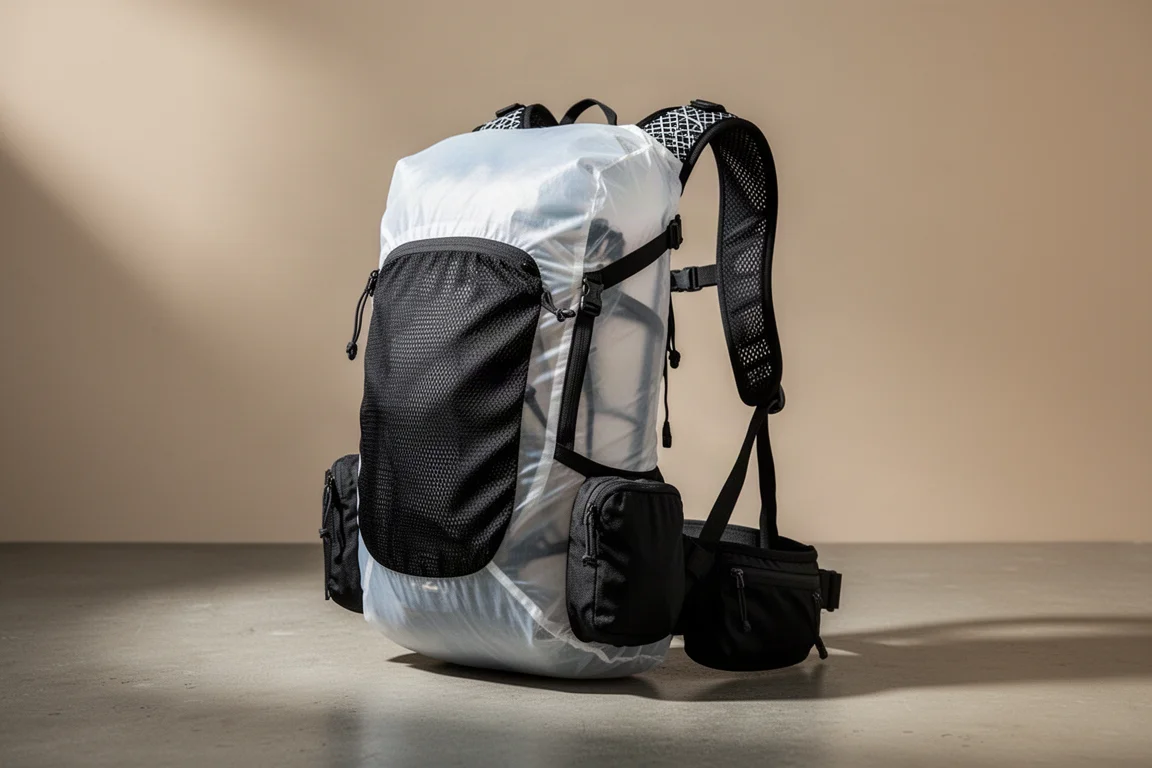
Alien Outdoor Gear Custom Backpack Review: A 22-Ounce Ultralight Pack Built to Order
An initial look at a made-to-order 40-liter ultralight backpack: Ultra 200 fabric, a 22-ounce build, generous pockets, and the details worth checking before you order.
Ultralight Backpacks
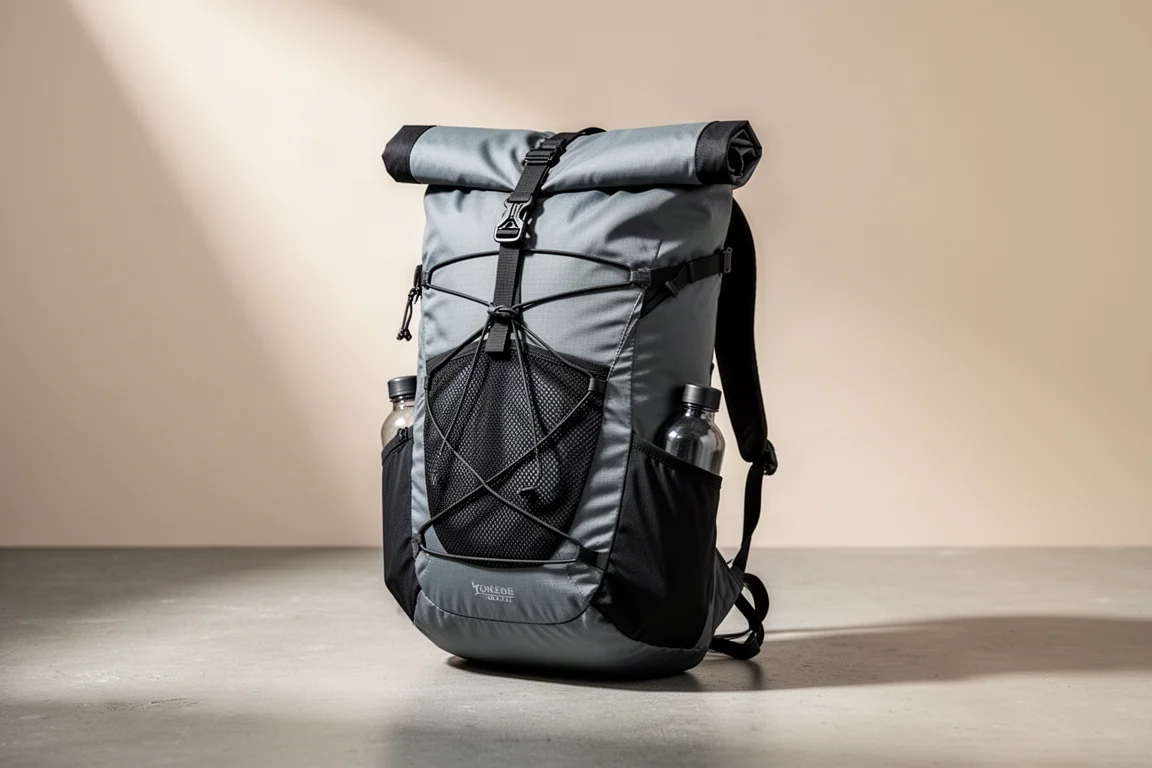
Durston Gear Kakwa 40 Review: An Ultralight Pack That Holds Its Shape
A 1 lb 13 oz ultralight backpack with a shape-holding frame, load lifters, and Ultra 200 fabric. Here is what works well and what to weigh before buying.
Ultralight Backpacks
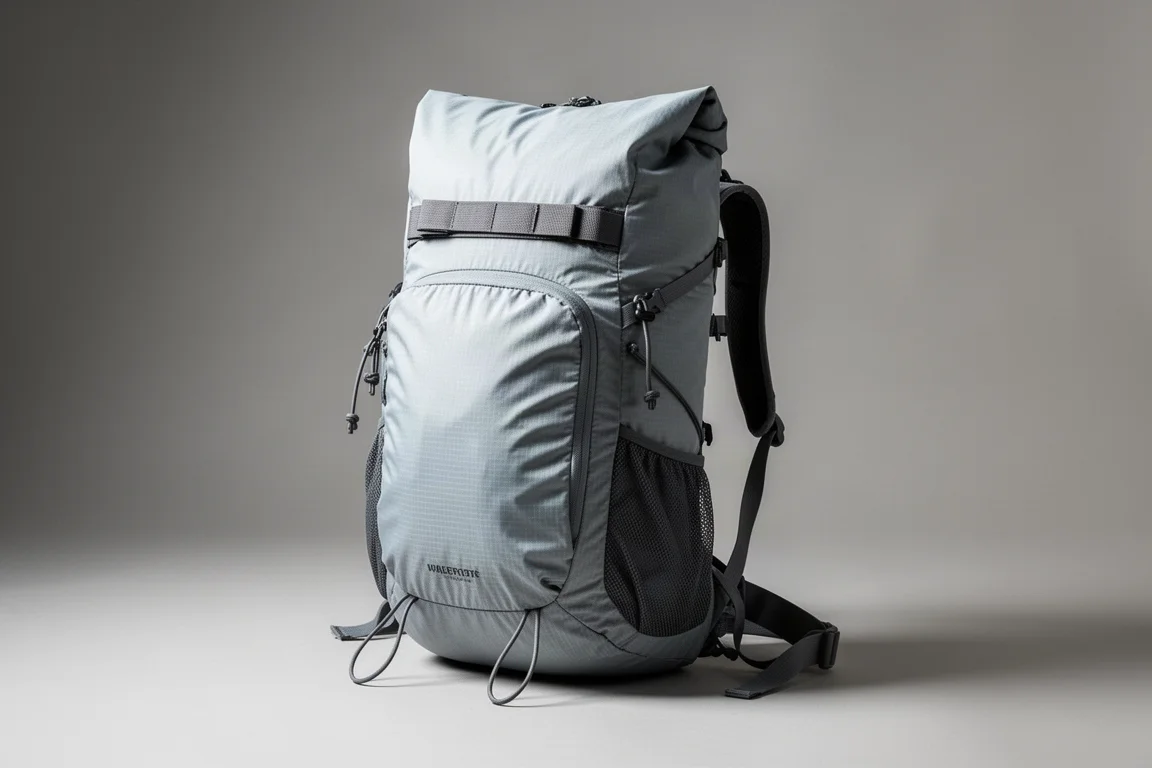
Gossamer Gear Mirage 40: First Impressions of a 19.4 oz Framed Ultralight Pack
An early look at the Gossamer Gear Mirage 40, a 19.4 oz framed pack built from welded V52 graphite fabric, covering what works, what to check, and who it suits.