Cycling Gear
Seven Tour de France Products Worth Buying With Your Own Money
Seven Tour-level cycling products that make sense at everyday prices, from a value all-rounder road bike to tyres, pedals and aero kit worth the money.
Introduction
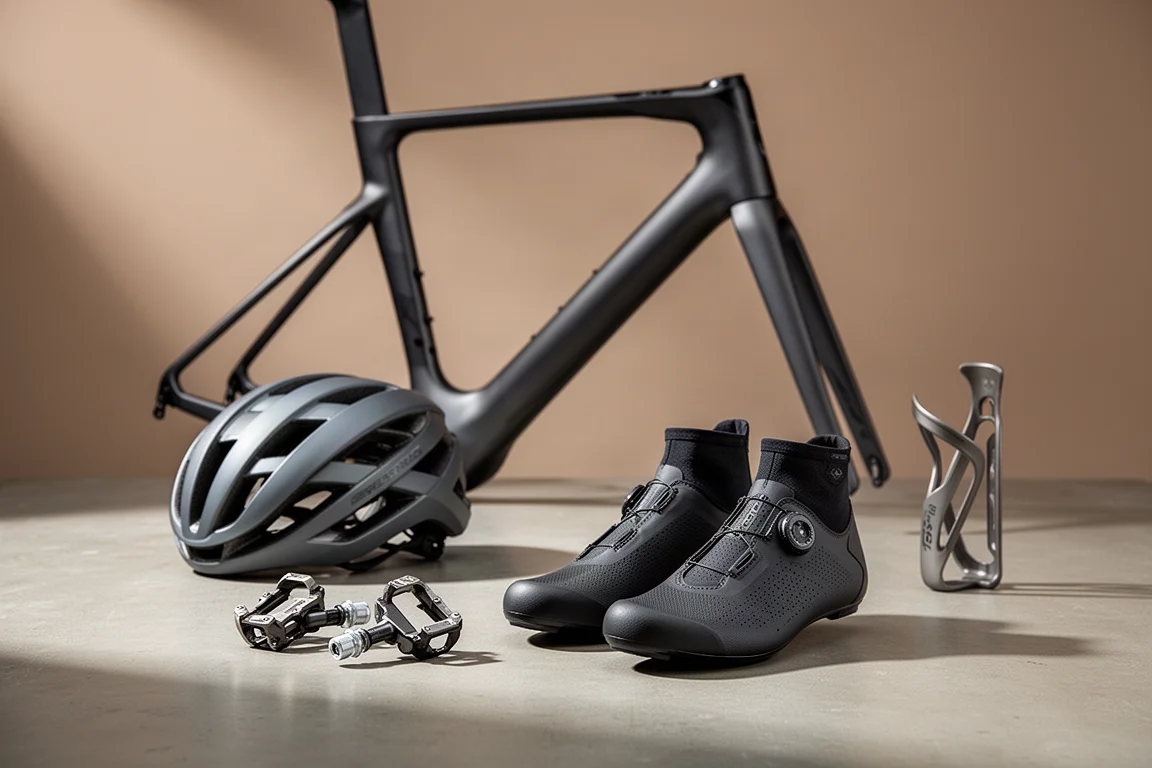
The Tour de France is packed with desirable equipment, and a lot of it carries a price that only makes sense for a sponsored team. Sorting the genuine performance gains from the paid placements takes some digging.
These seven products are the ones that stood out after time spent looking over team setups. Each of them is something a normal rider could realistically buy and keep using.
How These Picks Were Chosen
Three things decided the list: value for money, long-term reliability, and whether a pro-level advantage actually shows up on a normal ride. Weight counted, but only where it did not come with a huge premium.
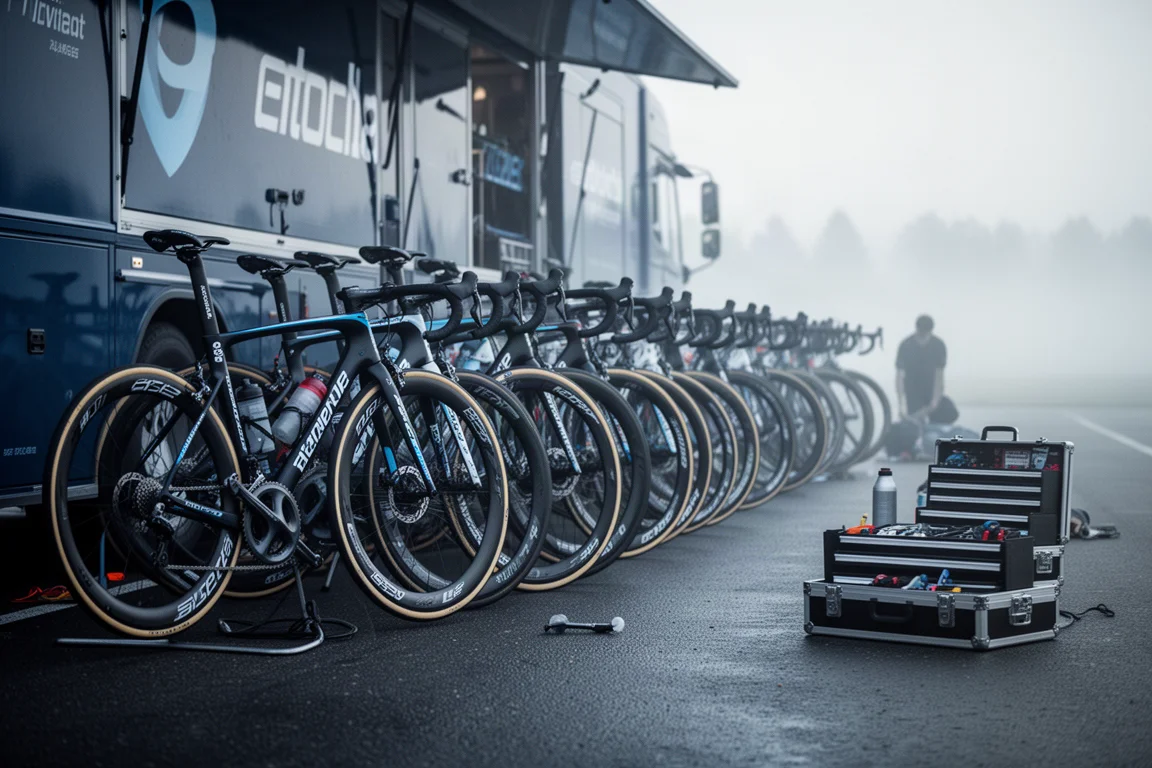
Depth and rim shape mattered as much as grams, and so did simple durability. Anything that looked like a paid-for choice rather than a real improvement was left out. That is why the list leans towards parts that are easy to live with season after season.
Cube C68X Lightning Air
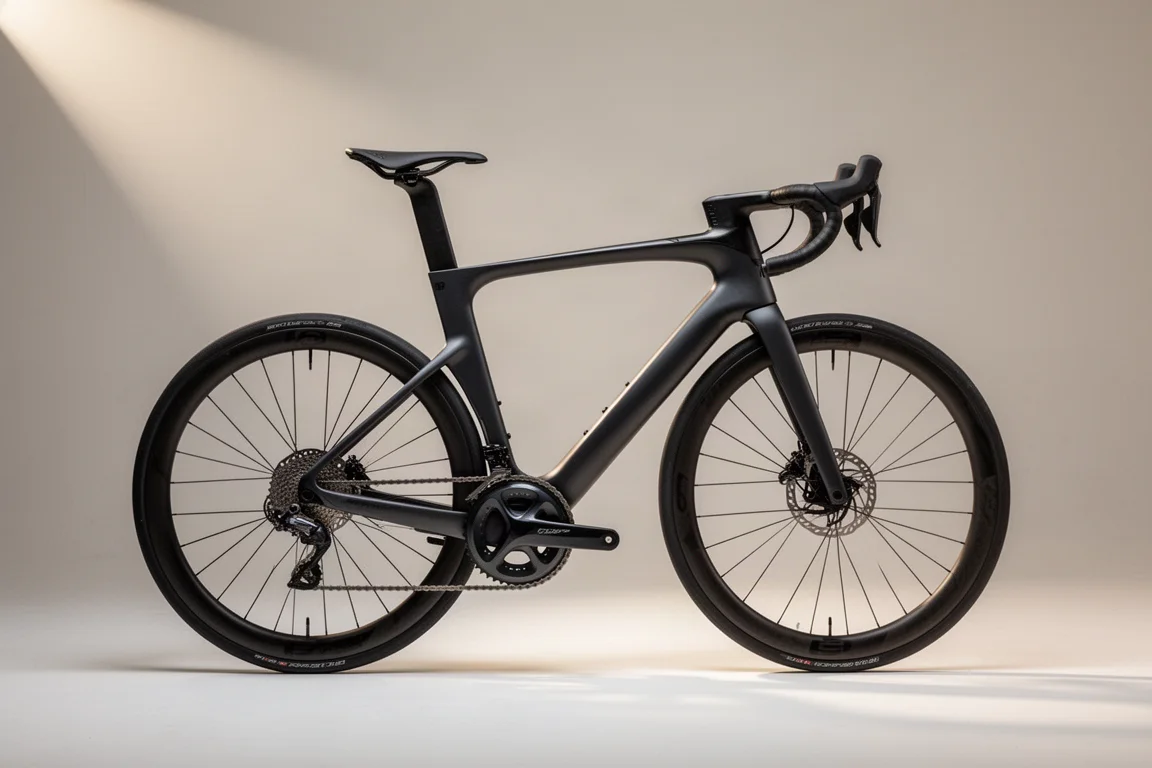
The World Tour peloton is full of beautiful bikes, but for everyday riding an all-rounder makes more sense than a pure climbing or aero machine. The Cube C68X Lightning Air is the pick here because it is a brilliant bike at close to half the price of much of its World Tour competition.
A Dura-Ace build with carbon-spoke wheels and a setup very similar to what the pros use carries an RRP of 7,499 pounds or 8,500 dollars, which makes it the cheapest bike in the pro peloton. It is light enough to be built under the 6.8 kg UCI weight limit, and it is an easy platform to personalise over time, starting with the wheelset.
Reserve 52/63 Wheelset
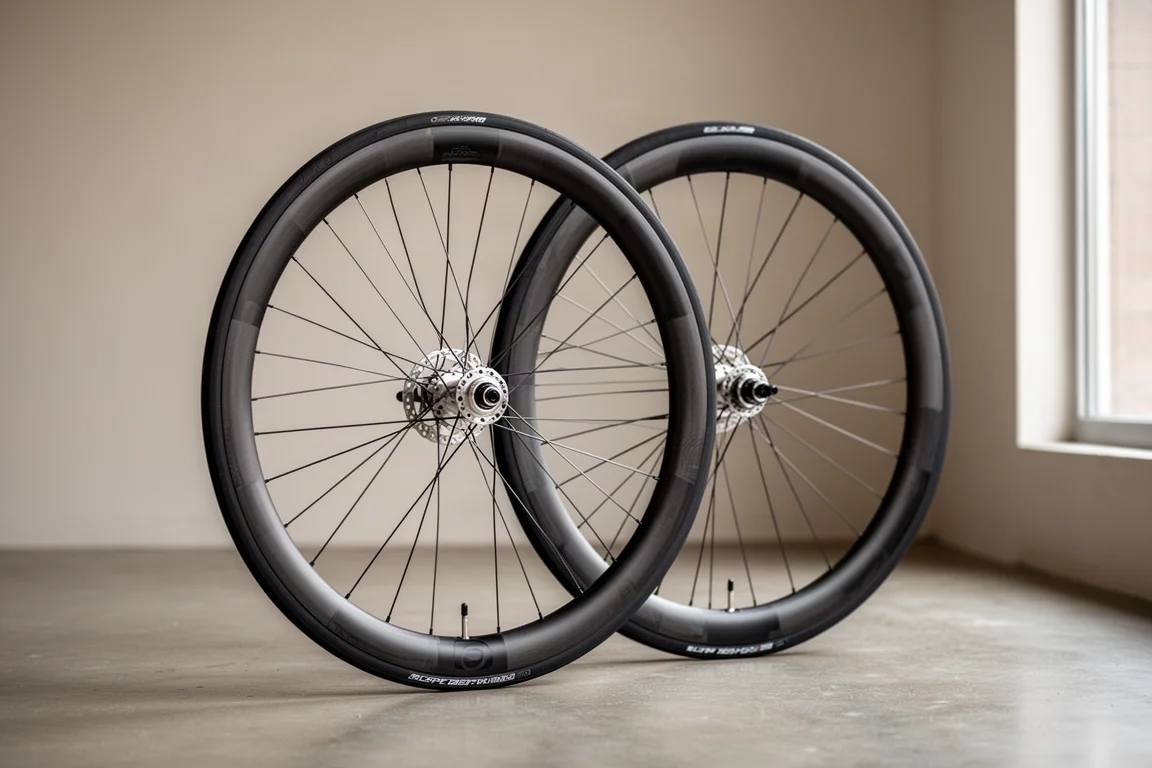
The honest answer to which Tour wheelset is worth buying is that most of them are not. Working through the options, the sensible brief for a wheelset bought with your own money is something around 50 mm deep, fairly wide, and preferably with hooked rims. That alone rules out a lot of the very expensive options on team bikes.
Carbon spokes were also skipped, because they add cost for only a small weight advantage. That leaves the Reserve 52/63 used on a World Tour team’s bikes. It can be specced with several DT Swiss hub options, and the 240 is the best mix of reliability, weight and price. They feel properly stable, and at 1,999 pounds they cost about half as much as the newest Enve options.
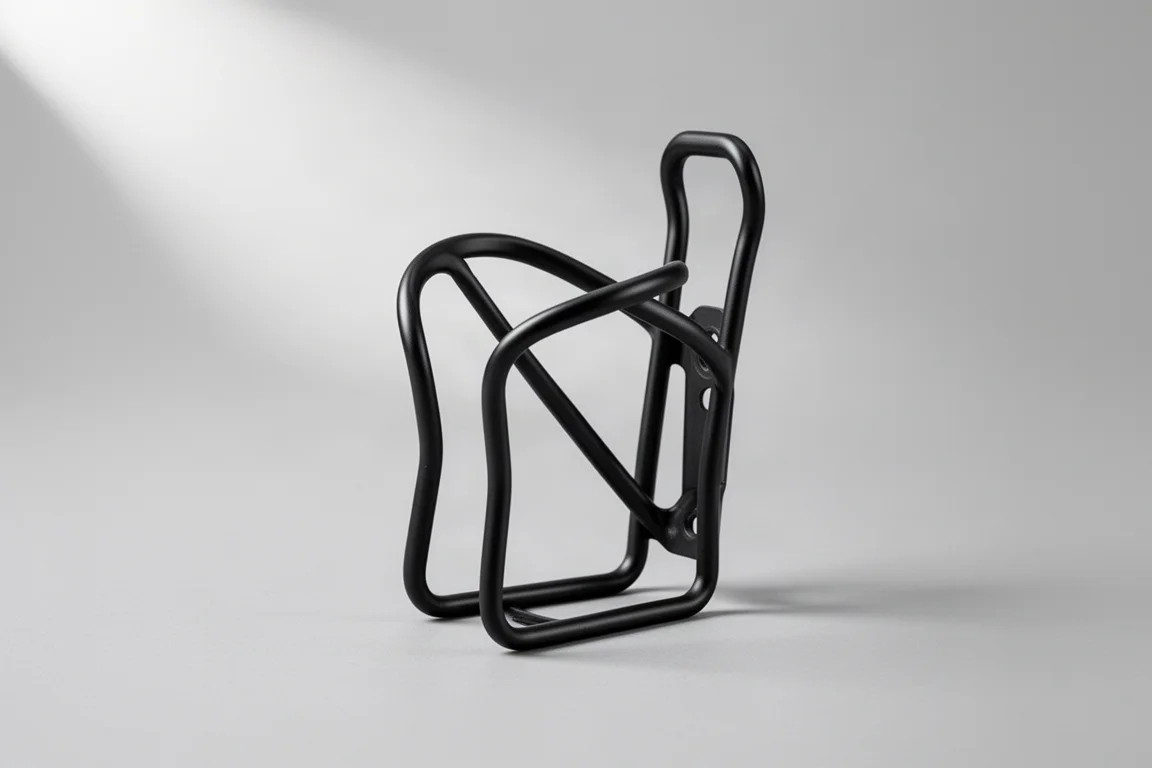
Superleggera Bottle Cages
Not everything the pros use is financially out of reach. The Superleggera bottle cages have an RRP of 23.99 dollars and outperform most of the much more expensive options available.
They are fitted to plenty of team bikes, which suggests the design copes with heavy use and rough roads. For the money, there are few easier upgrades to justify.
Pirelli P Zero Race TLR RS
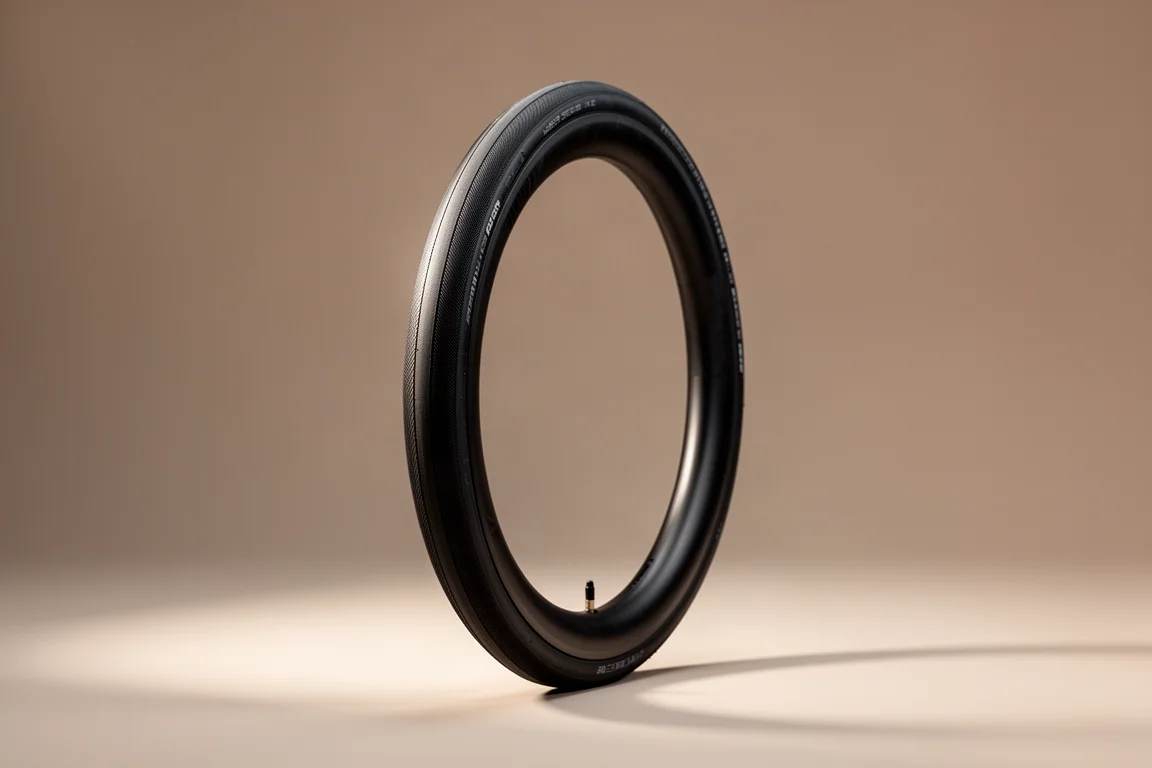
There is no shortage of fast tyres at the Tour. Continental’s 30 mm Archetype, Hutchinson’s Blackbird and aero-focused designs all appear on team bikes. The pick is the Pirelli P Zero Race TLR RS.
It narrowly edges out the Continental GP5000 S TR and the Vittoria Corsa because, despite the name, it is slightly harder wearing than many of the tyres at the race thanks to a slightly deeper tread. When you are spending at this level, a tyre that keeps going well past 1,000 km matters.
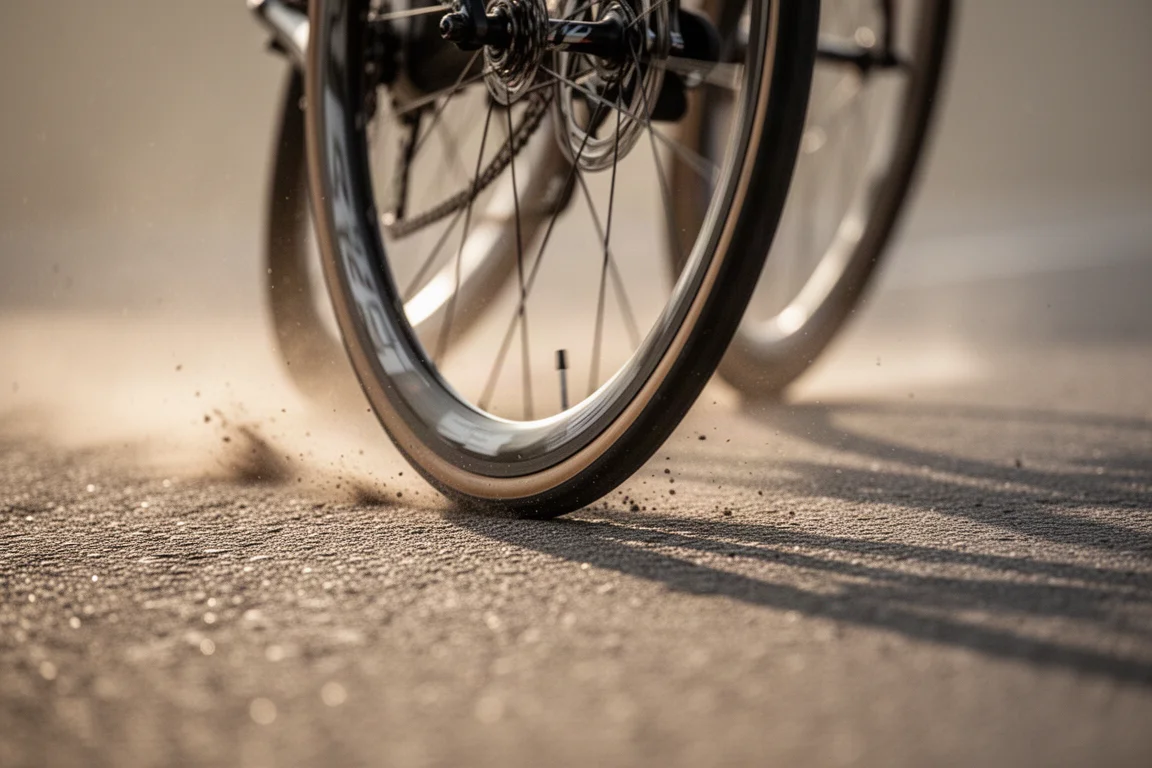
That extra tread life is what makes it the more sensible buy of the three. Riders who want race-day speed without replacing rubber every few weeks will get the most from it.
Van Rysel RCR-F Helmet
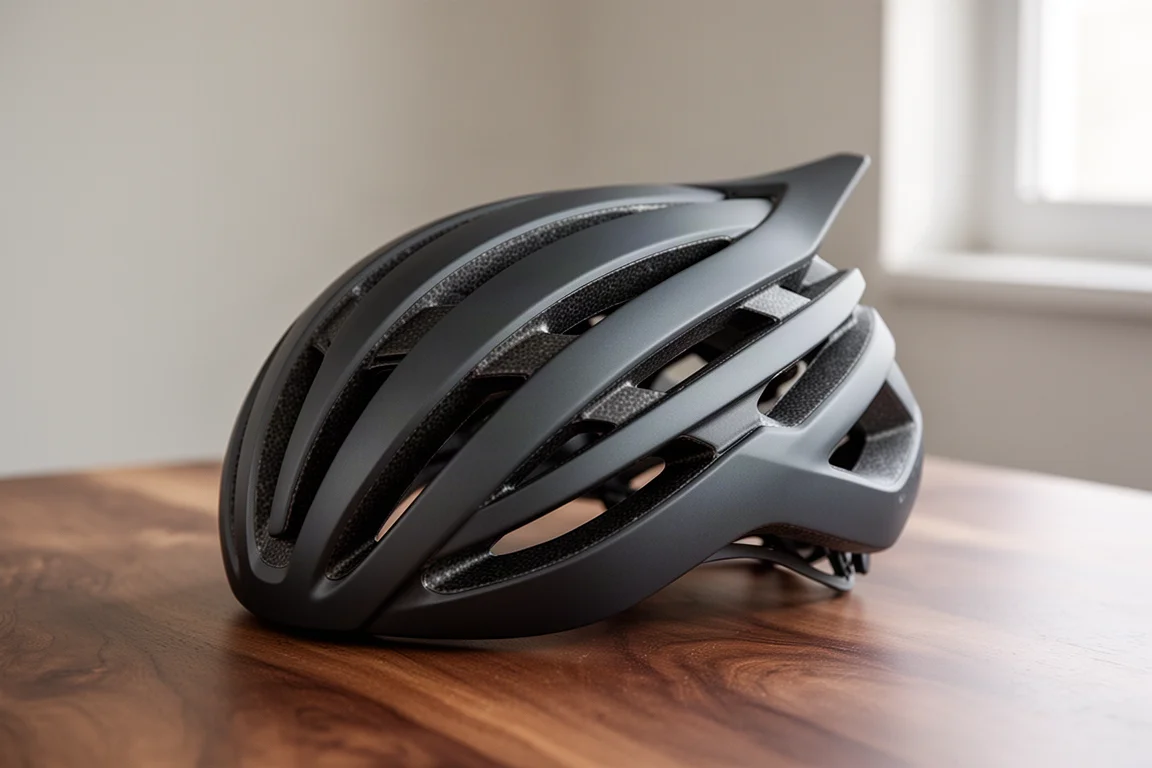
Choosing a helmet was the easiest decision on the list. Plenty of them look good, including the Uvex lid and the Specialized Evade 3, but only one makes commercial sense.
The Van Rysel RCR-F is raced at the highest level and worn by some of the fastest riders in the sport, yet it costs a third of the price of nearly everything else at the Tour. It has also been well received for its performance, which makes it straightforward to recommend.
Spatz Overshoes
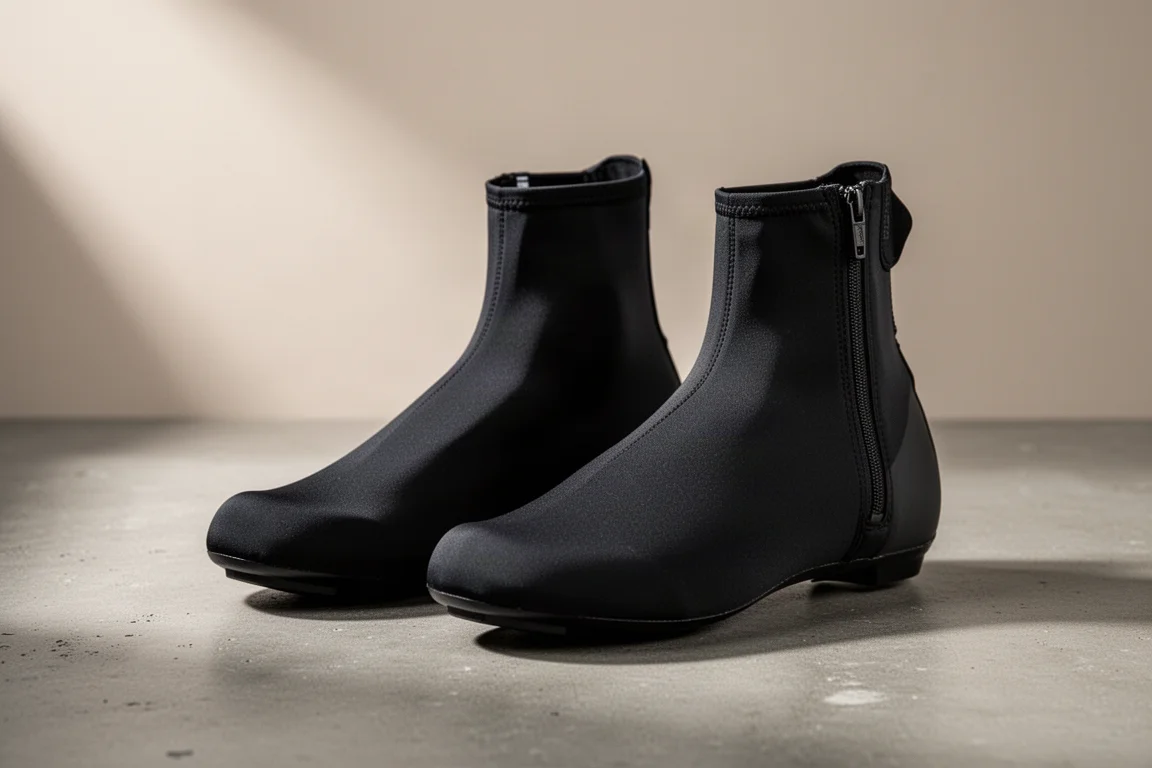
Overshoes are the kind of purchase that is easy to overlook, but the Spatz version is worth the money. They are fast, they stay up during hard efforts, and they are not ludicrously expensive.
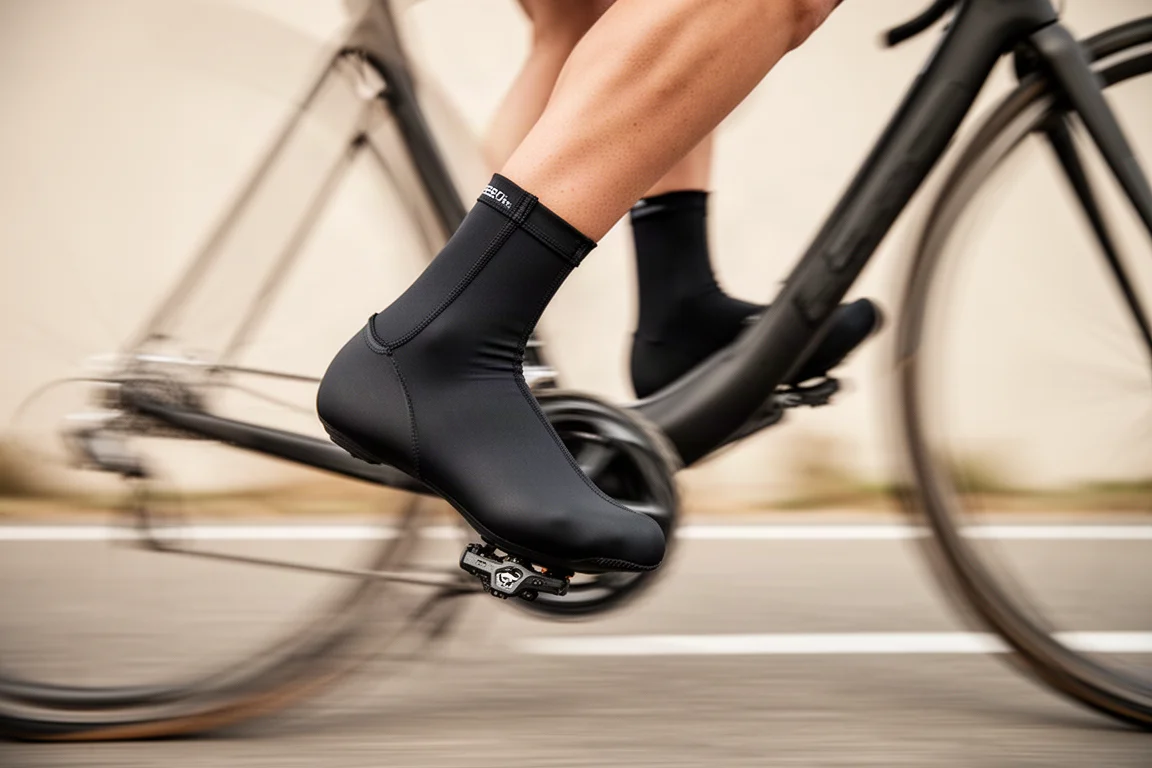
For the aerodynamic advantage they provide, they are one of the better value upgrades you can make to your bike and clothing as a whole. They also pair neatly with an aero helmet as a low-cost speed package.
Shimano Dura-Ace Pedals
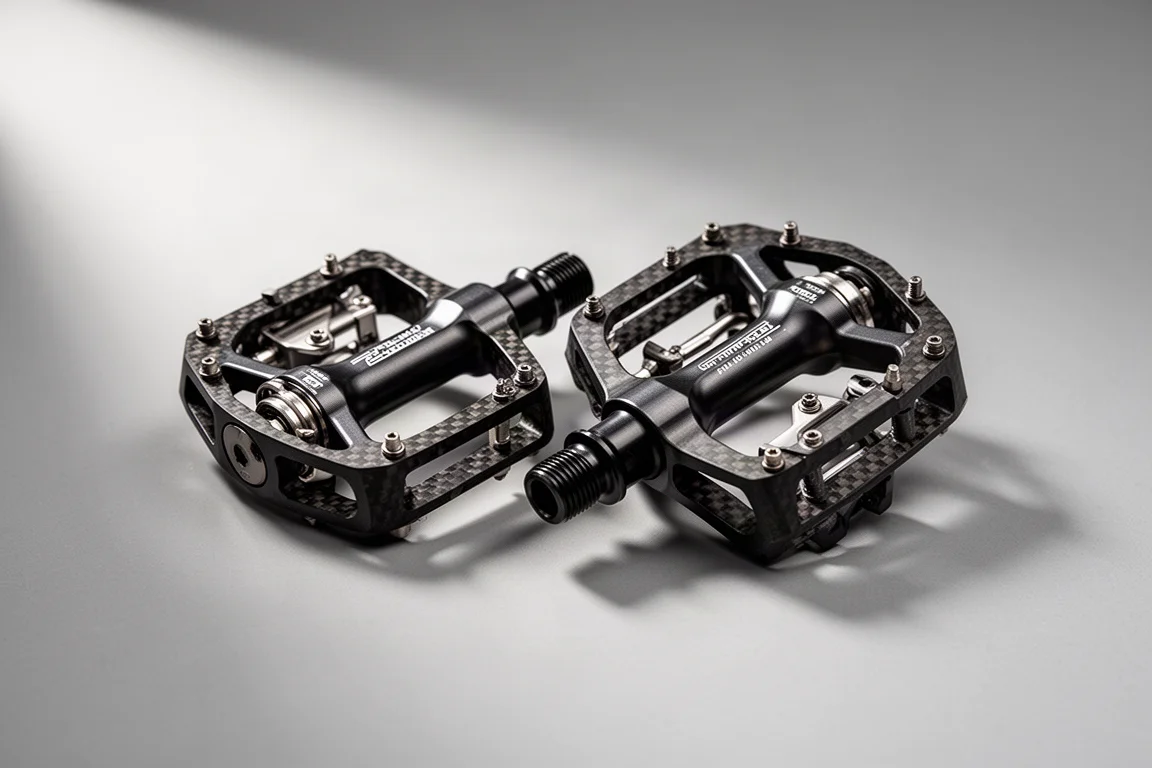
With most components, Shimano’s top tier is hard to recommend, because Dura-Ace rarely offers much more than a few grams saved over Ultegra or 105 Di2. Pedals are the exception. They do not come cheap, but they are something worth spending your money on.
Dura-Ace pedals have a really low stack height and low weight, they last for ages, and they add an extra set of needle bearings compared with the Ultegra version. For once, this is not just expensive materials with no noticeable gain. If you are choosing one set of pedals, these are the ones.
Buying Advice
The pattern across these picks is simple: the best value sits in parts where pro-level performance and sensible pricing overlap. The Cube C68X Lightning Air, the Reserve 52/63 wheelset, the Superleggera cages and the Van Rysel RCR-F all deliver at a fraction of typical top-tier pricing.
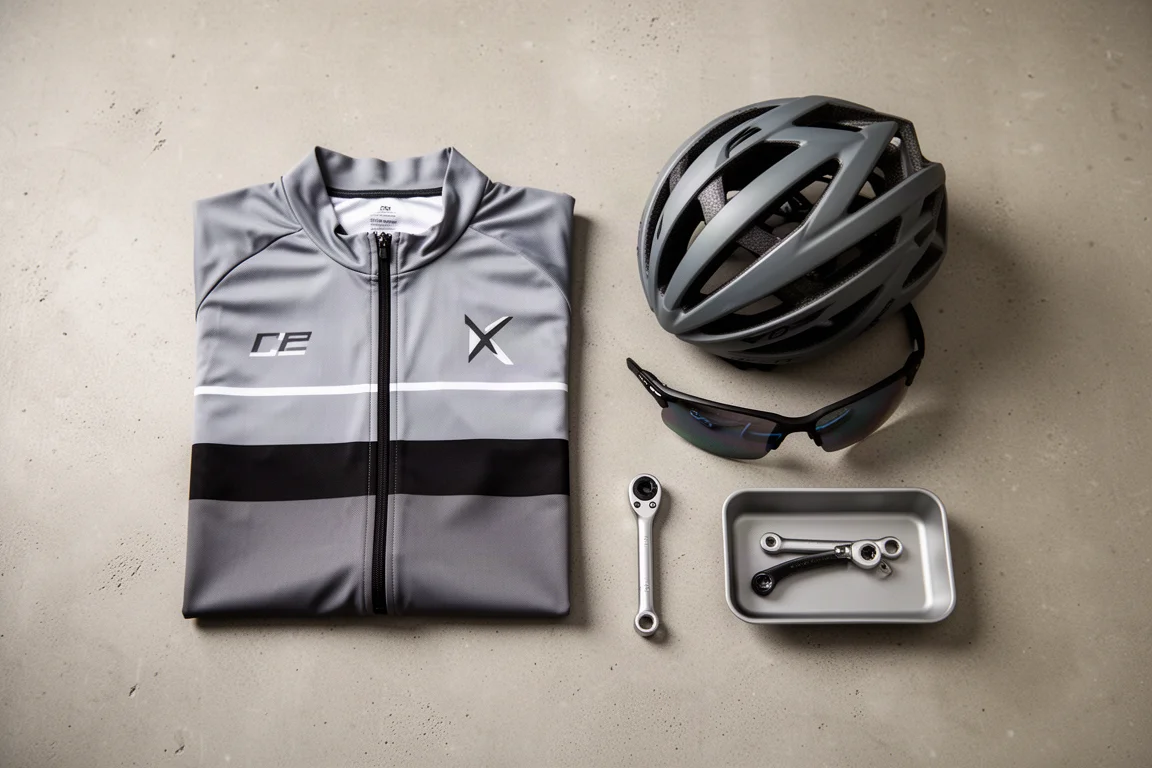
Where the list becomes more of a judgement call is tyres and pedals. Both wear out or stay on the bike for years, so the cost per ride is easier to justify than a one-off race-day upgrade. The Spatz overshoes sit in between, offering a small but real aero gain for a modest outlay.
If you are building a bike piece by piece, start with the parts that affect how the bike feels on every ride, then add the aero and weight details once the basics are right.
Conclusion
None of these seven products require a team budget. Taken together they show that the most useful Tour-level equipment is not always the most expensive, and that a few well-chosen parts can bring genuinely pro-level performance to an everyday bike.
Further reading
Related Reviews
Cycling Gear
8 Cycling Products Riders Keep Coming Back To
Eight cycling components and accessories with clear strengths, honest trade-offs and long-standing reputations among riders and mechanics.
Cycling Gear
Aero Helmets and Bottle Setups Tested: Six Options Ranked by Measured Watt Savings
Wind tunnel data on six aero helmets and bottle setups, with real watt savings, practical trade-offs, and guidance on what is worth buying first.
Cycling Gear
Aero Road Bikes and Fast Tires Worth Watching in 2026
Four aero road bikes and one fast road tire, with the real strengths, the open questions, and what to check before you buy.