Cycling
Seven Standout Bike Builds: Value, Fit, and Practicality
Seven builds worth studying, from a Super Record Pinarello to a steel tourer crossing the United States, with the details to copy and the ones to change.
Introduction
A good bike build is rarely about one expensive part. It is about whether the frame, the groupset, the wheels and the fit all pull in the same direction, and whether the result is something you actually want to ride on a wet Tuesday.
The seven builds below cover a wide spread: a Super Record equipped Italian superbike, two modern aero Trek Madones, an aluminium rim-brake race bike, a hand-painted BMC assembled for under $2,500, a secondhand Focus bought for £475, and a steel State all-road bike currently carrying its owner across the United States. Each one gets the same treatment here: what works, what we would change, and what a buyer can learn from it.
How We Assessed These Builds
Every build was judged on five things: component coherence, fit, value for money, real-world practicality, and how easy the bike is to live with and service.
Coherence matters because a build can be expensive and still feel disjointed. Fit matters because a saddle pushed to one extreme or a bar that is too wide usually signals a compromise somewhere else. Value matters because a few of these builds cost far less than their appearance suggests. Practicality matters because mudguards, luggage and lights decide whether a bike gets used. Serviceability matters because rim brakes and simple standards let an owner do the work at home.
None of that is about brand loyalty. A build can be unfashionable and still be excellent, and a build can be beautiful and still have two or three details worth changing.
Pinarello Dogma F12: Italian Flair, Fit Caveats
This build pairs a Dogma F12 frame with a Campagnolo Super Record groupset, Campagnolo Ultra WTO 60 wheels in the black chrome finish, and Vittoria Corsa Pro tyres in 30 mm. As a colour story it is one of the strongest in this group: dark frame, chrome-finished rims, and a groupset that matches the frame’s nationality.
The wheels are the technical highlight. Their grouped three-spoke lacing pattern keeps spoke tension far more consistent when a rider’s weight loads the wheel, which makes for a stronger wheel than a conventional pattern. That lacing started on rear wheels and later moved to the front as well, to handle the extra load a disc brake puts through the wheel.
Two things would give us pause. The frame looks small for the build, and the shape of the Super Record levers demands a long reach to the shift button, which is worth checking before committing to the setup. The glossy seat post also stands out against an otherwise purposeful finish, and an out-front computer mount on a bike at this level is an easy upgrade. None of it is structural, but on a build this expensive the details are the point.
Trek Madone SL6 Gen 8: A Clean All-Rounder
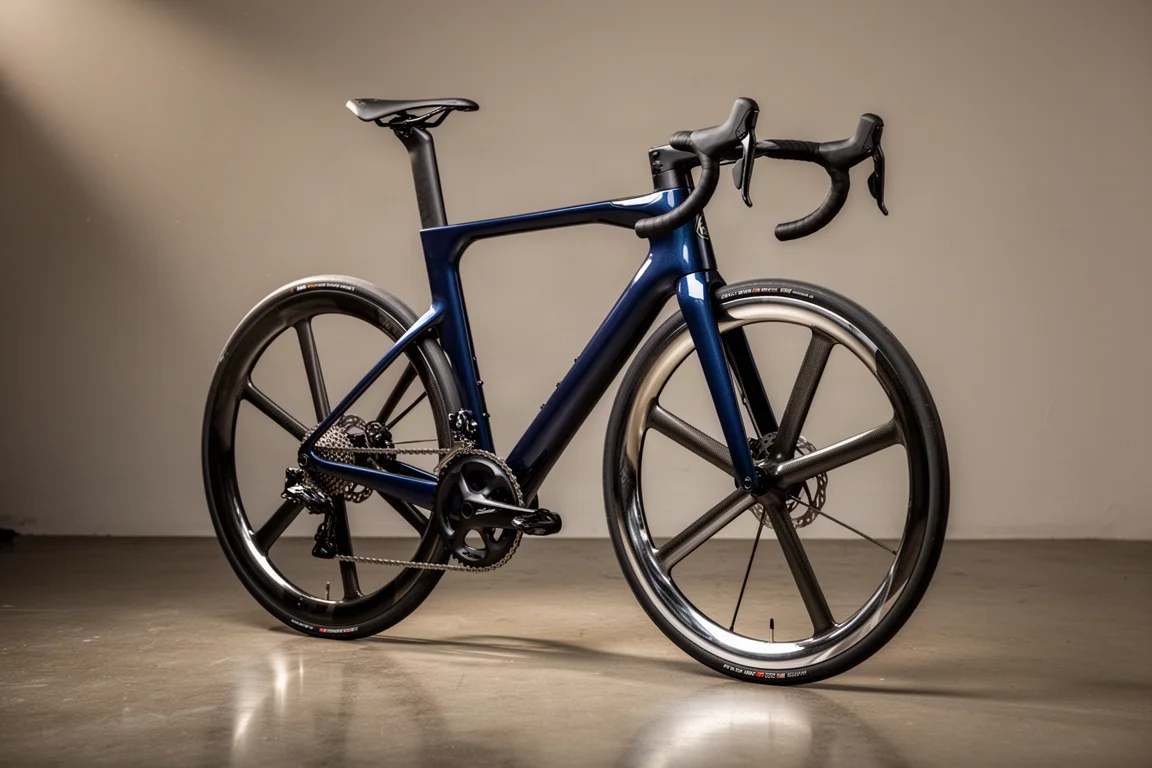
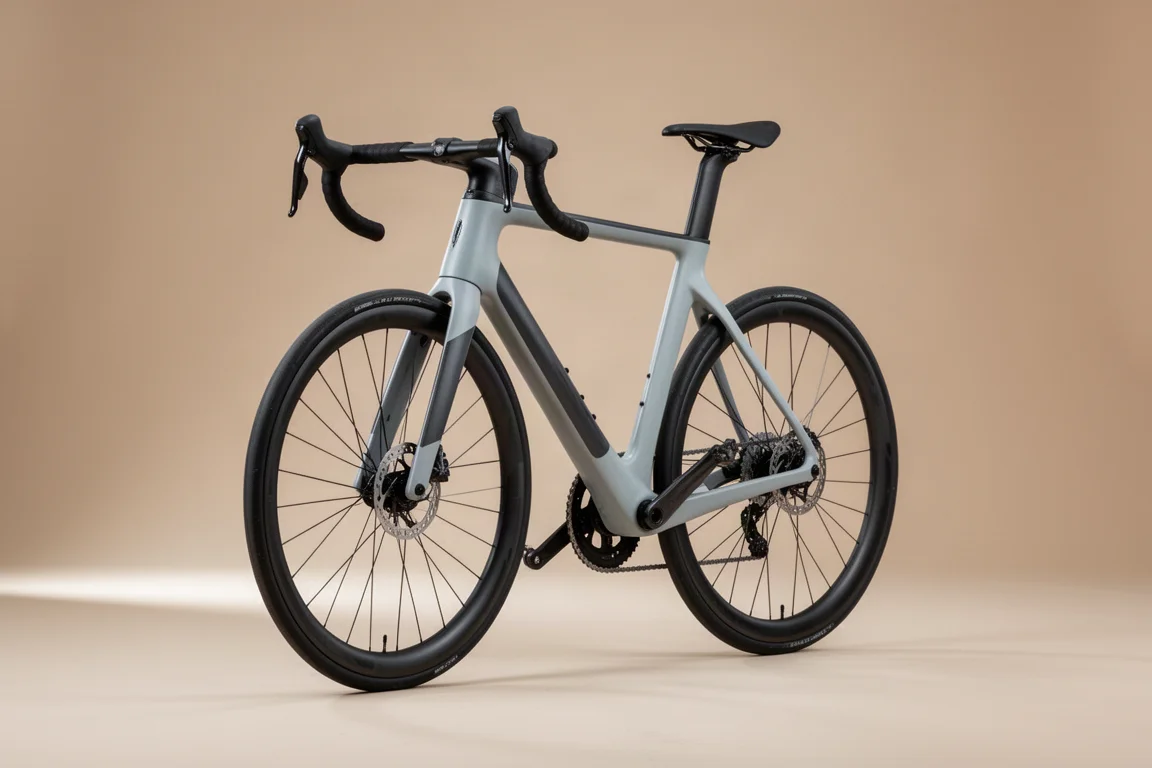
A 2025 Madone SL6 Gen 8 in size extra large, set up for a 190 cm rider with a Shimano 105 Di2 groupset. The owner is considering a narrower 40 cm bar in place of the stock 44 cm and a 100 mm stem in place of the stock 115 mm.
That instinct is worth listening to. A 44 cm bar on an extra large frame is not automatically wrong, but bar width should follow shoulder width rather than frame size, and a saddle pushed fully forward is usually a sign that the rider is compensating for reach. A professional bike fit is a better investment than another component here.
The good news is that 105 Di2 covers everything most riders need, and the colourway is genuinely tidy: a clean base colour with darker accents placed to make the frame look slim. The stock shallow wheels are also a sensible choice, since shallow rims ride better day to day than deep ones. Deeper wheels are a looks upgrade first and a performance upgrade second, and they are rarely the smartest first change.
Cannondale CAAD12: Rim-Brake Speed With Setup Quirks
An aluminium CAAD12 with an Ultegra rim-brake groupset, 60 mm deep Mavic wheels and an integrated cockpit. The wheels are the star: tall, fast looking, and unusually striking for a rim-brake build.
They do come with a caveat. Wheels of this type have a reputation for brake squeal, and the fix is specific: the correct pads for that rim surface, plus a slightly toed-in pad angle so the leading edge of the pad contacts the rim first. Fit the wrong pads and the noise will not go away. The rim surface also wears over time, so the finish will dull with use.
Elsewhere this frame gets the better brake routing, with the hose exiting under the top tube rather than behind the seat clamp, which is easier to work with. The easy fixes are cosmetic: a green saddle with silver rails does not belong on a blacked-out bike, and a black saddle with black rails would tidy the whole build. Lever position is a matter of taste, though the dip in this cockpit shape is less comfortable for some riders than a flatter transition.
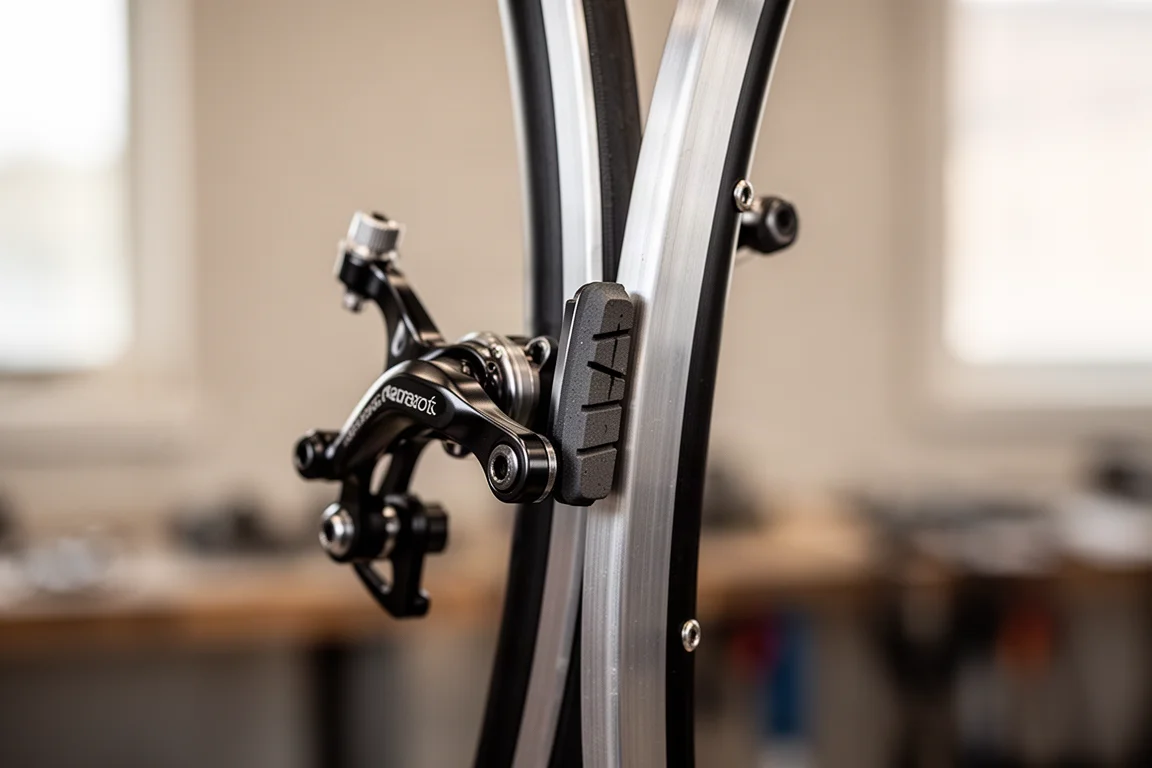
If you are shopping for a used CAAD12, ask which generation of Ultegra is fitted and request photos from the drive side. Photos taken from the non-drive side hide the drivetrain, which is the single most expensive part of the build to replace.
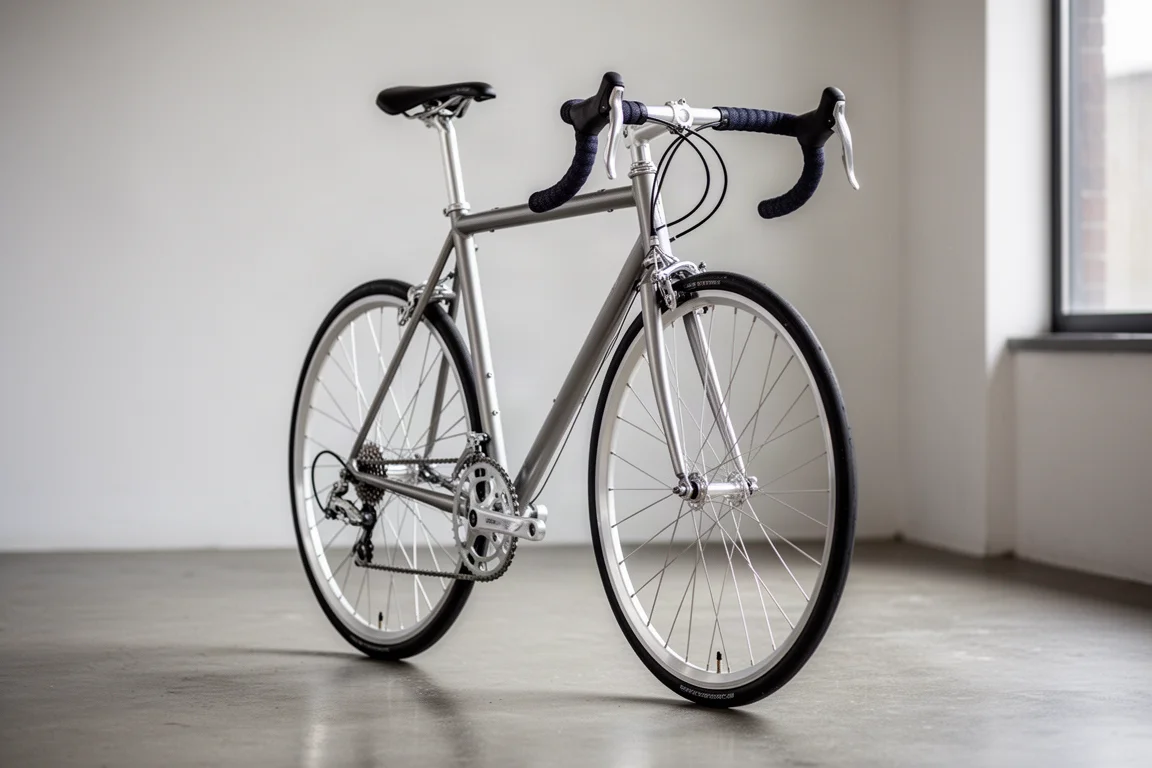
BMC SLR01: The Value Story of This Group
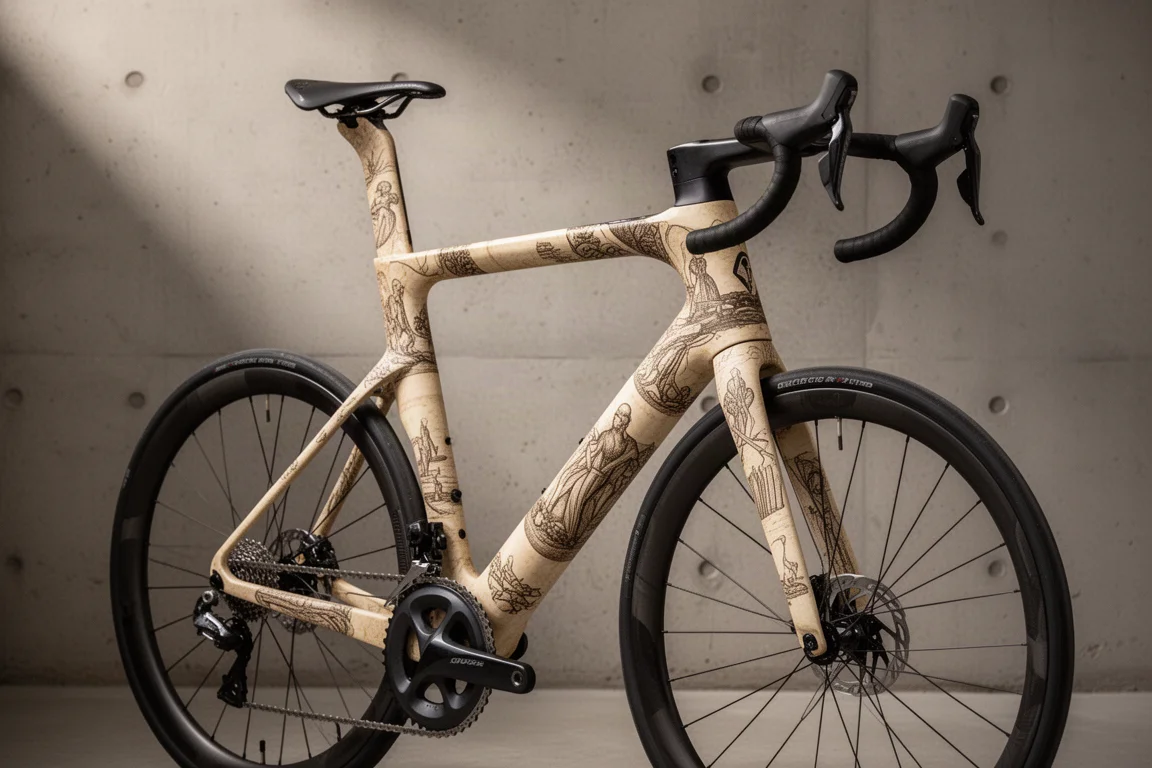
This is the build that makes the others look careless with money. A hand-painted SLR01 with artwork inspired by 16th century etchings, assembled for under $2,500 in total.
The numbers: a $300 frame found with stickers covering the branding, a $600 wheelset, a used SRAM Red groupset for $1,000 that came with an ENVE handlebar, which was then flipped for SRAM Force cranks, a few hundred on tyres and rotors, and $350 on a BMC aero one-piece handlebar. That is a superbike silhouette for the price of an entry-level carbon road bike.
The paint is the whole point, and that is exactly why the wheels are the weak link. Deep rims covered in decals compete with a frame that is already heavily illustrated. Plain black wheels, or the same wheels with the decals removed, would let the artwork breathe. It is the only change we would make, and it costs nothing.
Trek Madone SL5 Gen 8: A Commuter Built for Real Life
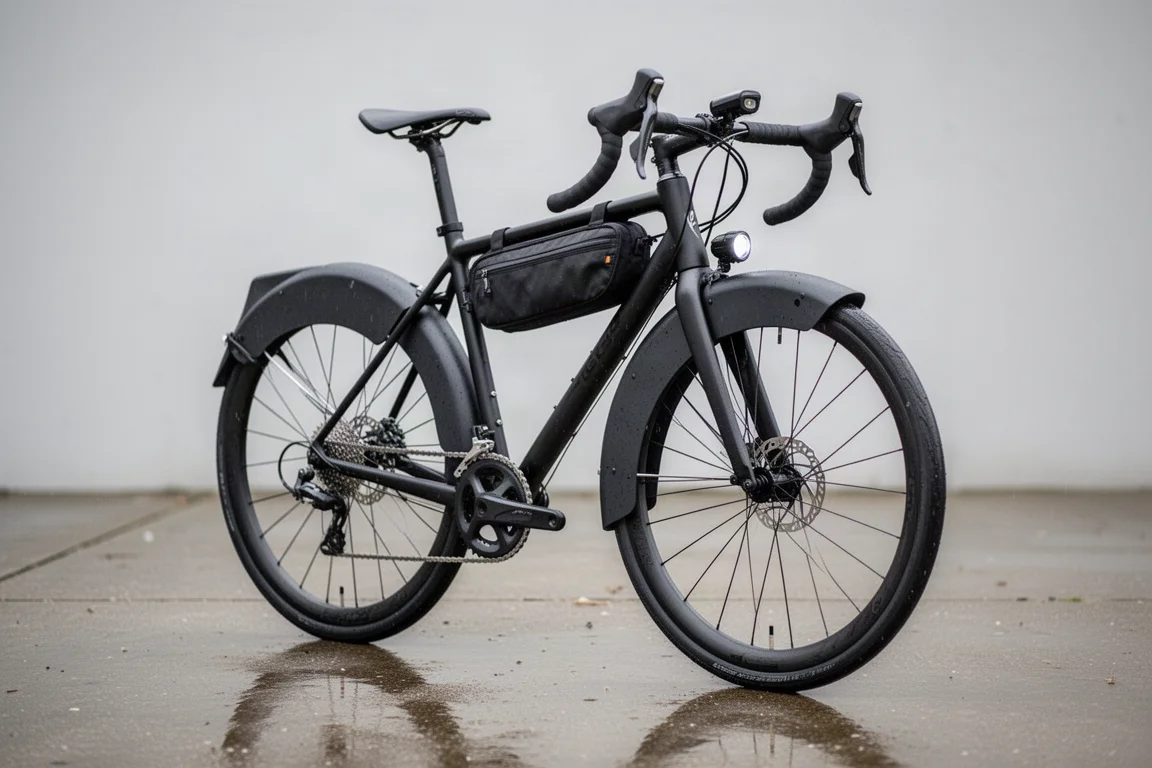
Bought in October 2025, this Madone SL5 Gen 8 in size medium runs Mavic Cosmic SL45 wheels, a complete Shimano 105 mechanical 12-speed groupset, and Look Keo pedals. It has been modified into a commuter with a frame bag, a bell, and mudguards.
The mudguards are the most important detail here, and the most argued about. They are awkward to fit, the straps and tape needed to hold them clear of the frame are not pretty, and a mechanic will tell you they are a nuisance. They are also the single best commuting upgrade on this list, because they keep road spray off the rider and the drivetrain. Practical beats pretty on a bike that has to work every day.
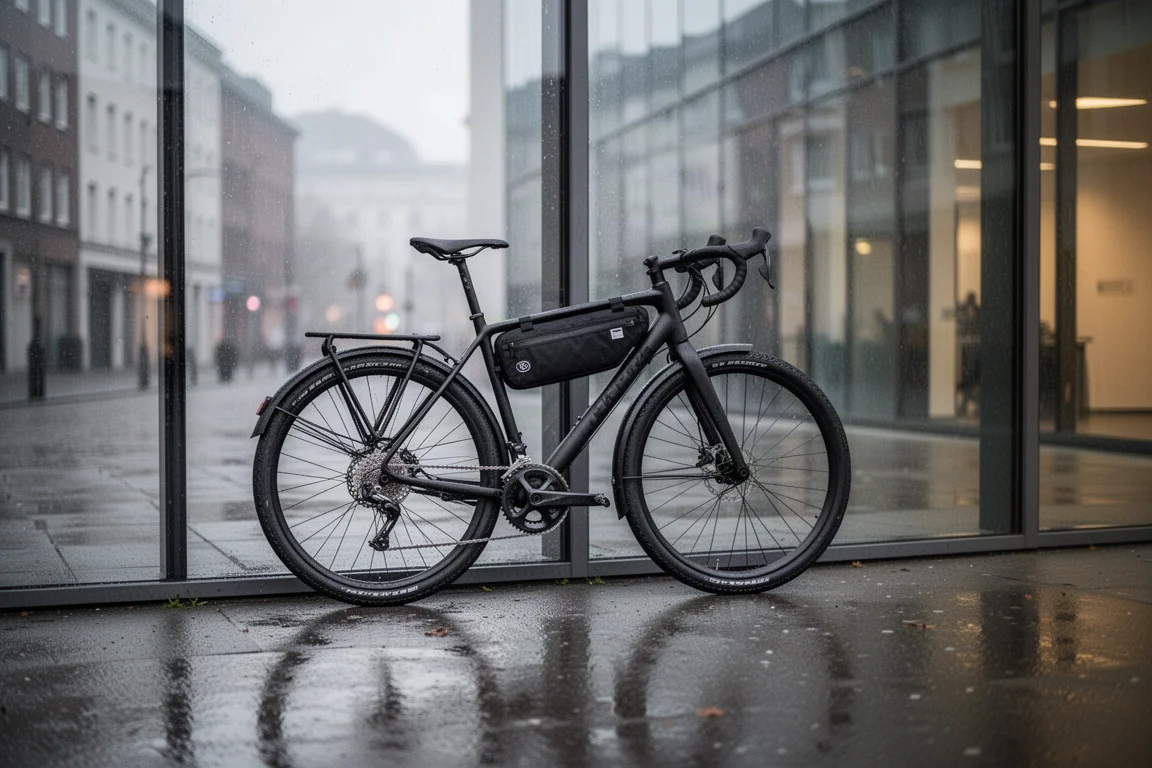
The rest is a stealth black build that looks purposeful, with lights doing the visibility work that a dark frame cannot. Two small notes: the frame bag could sit more neatly inside the triangle, and tan-wall tyres would likely suit this colourway better than the current set. The Shimano lever shape is bulky at the top, which is a preference rather than a fault.
Focus Izalco: The Secondhand Bargain
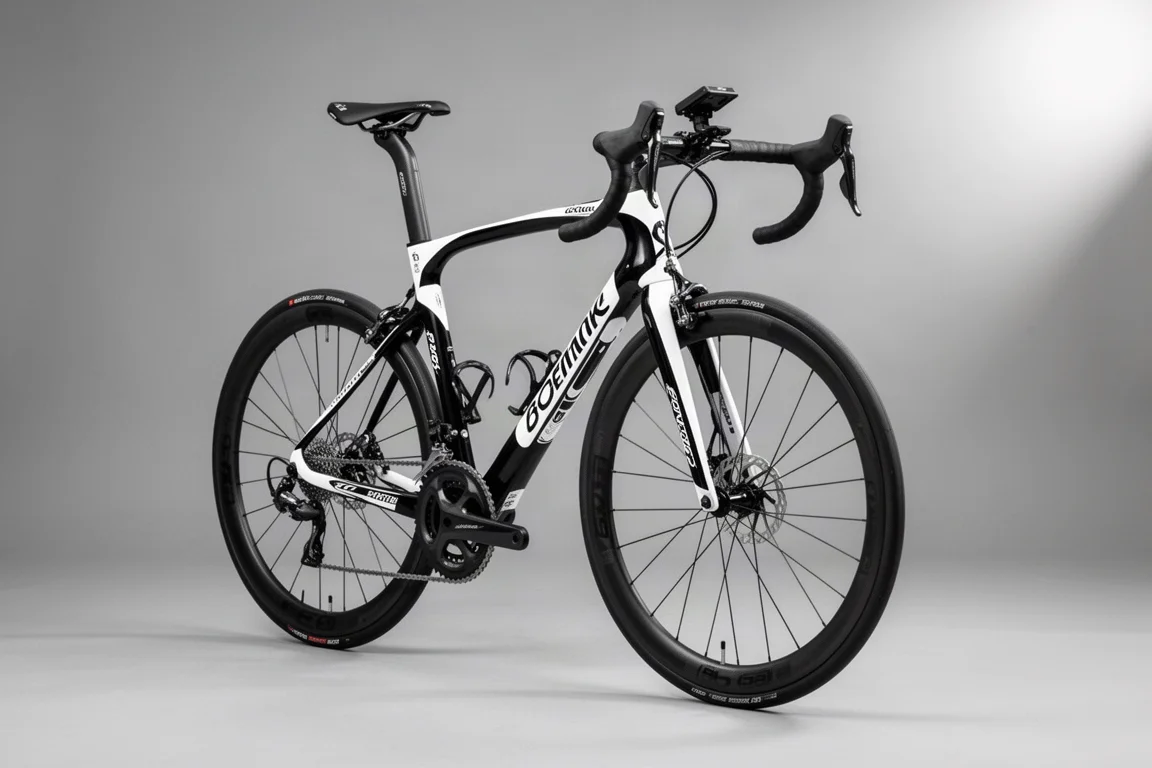
Picked up secondhand for £475 with everything except a saddle, this Focus Izalco is a rim-brake bike with a SRAM Rival 10-speed groupset, a 3T fork, and wheels that were expensive when new.
That price is the headline. Rim brakes were chosen deliberately so the owner can service the bike at home, and that logic holds up: cable brakes, exposed housing and simple standards make home maintenance realistic. The Rival era groupset has its fans and its critics. The shifter shape is widely liked, the one-to-one rear derailleur ratio works well, and the double-tap shift logic is the part riders either love or never get on with.
The black and white colour scheme is busy, with competing logos across the frame, fork and wheels. It works because everything is restricted to two colours. The bar-mounted phone holder is the one clear mistake: mounted high and pointing up, it forces the rider to sit up and look down, which is the opposite of what you want on a fast bike. Check the bottom bracket standard before buying a used example too, since the sticker on the frame and the shell itself do not always agree.
State 4130 All Road: A Do-Everything Tourer
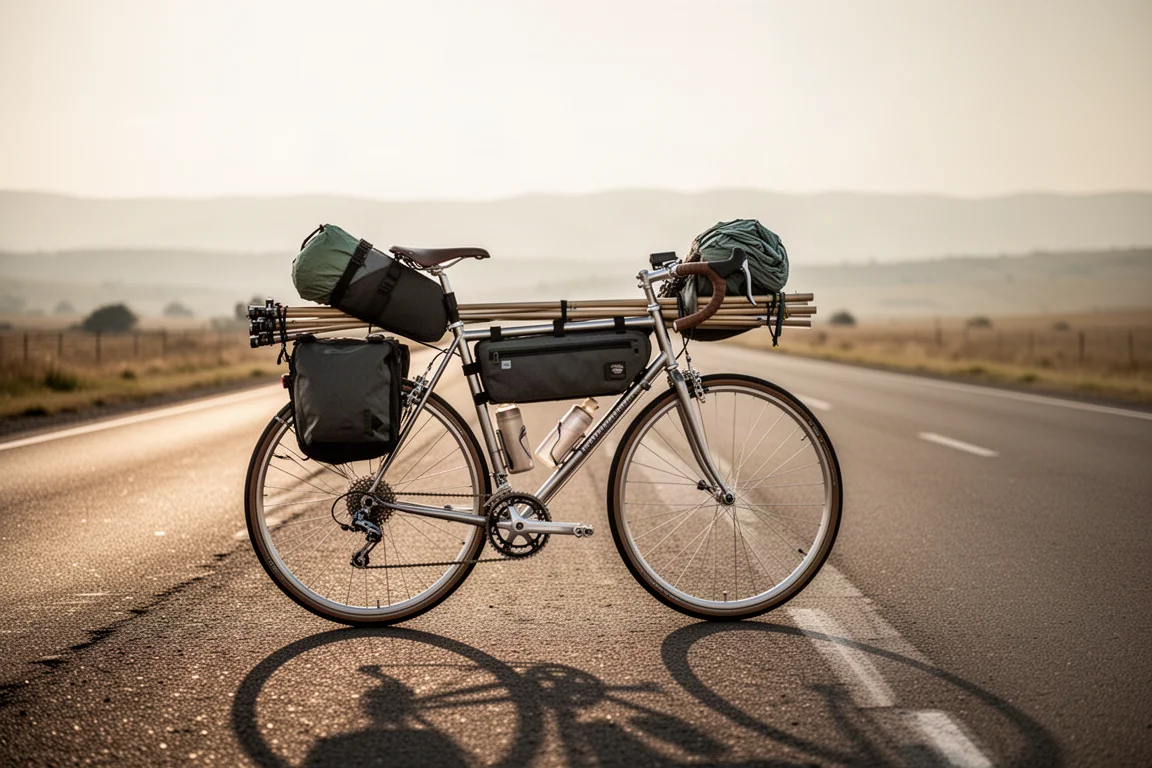
This State 4130 All Road has spent three years as a commuter and touring bike, and is currently on a 4,200 mile ride across the United States from Astoria, Oregon to Charleston, South Carolina. It runs a SRAM Rival 1x setup with a Truvativ Descendant crankset, a Cane Creek headset, Zipp Service Course Ergo bars, hydraulic disc brakes and a 10-42 cassette.
Almost everything about it is functional. The owner rebuilt the front wheel with the original hub and rim, ran the hydraulic brake lines, and made the frame bag. There is a bell on the bar ends, a waterproof bag on the rear, and tent poles taped along the top tube so they do not have to be jammed into luggage. The silver seat post collar is a secondhand replacement for one that had to be cut off, and it is a reminder that a bike kept running is worth more than a bike kept pretty.
Two honest caveats. The saddle is a divisive choice that many riders find uncomfortable over long distances, and a 1x drivetrain paired with a wide cassette trades some range and gear spacing for simplicity. For loaded touring, comfort and gear range are worth more than looks.
Buying Advice: What These Builds Teach You
The clearest lesson is that value and price are not the same thing. The hand-painted BMC cost less than $2,500 and looks like a much more expensive bike, and the Focus Izalco cost £475 and needs nothing structural. Careful component choices and a willingness to buy used can beat a new bike at the same budget, provided you check the frame and the standards before you commit.
The second lesson is that fit beats specification. A narrower bar, a shorter stem or a professional bike fit will change how a bike feels more than a wheelset upgrade will, and a saddle pushed to either extreme is a warning sign rather than a setup choice.
The third lesson is that practicality is not a compromise. Mudguards, a frame bag, a bell and working lights are what turn a bike into something you use in every weather and for every errand. If you are building or buying, spend the money on fit and function first, then on the parts that make you want to look at the bike.
Conclusion
These seven builds sit at very different price points, and the strongest ones are not the most expensive. The Pinarello brings a superbike finish and a wheel design that genuinely strengthens the wheel. The Madones are modern, coherent and easy to live with, particularly the commuter build with its mudguards and luggage. The CAAD12 shows how good a well-chosen rim-brake bike still is, the BMC proves what patience and a paint brush can achieve, the Focus is the bargain of the group, and the State is proof that one bike really can do everything.
Buy the build that matches how you ride, check the details that are expensive to change, and be willing to change the ones that are not.
Further reading
Related Reviews
Cycling
2026 Bike of the Year and the Cycling Gear Worth Watching
A drop bar roundup for 2026 covering the Ridley Kanzo Fast 2.0, Shimano Dura-Ace Di2 R9300, Trek Checkpoint ALR Gen 3, Specialized Tarmac SL9, Garmin Fenix 9 and Insta360 X6.
Cycling
Best All-Road Bikes 2026: Six Versatile Endurance Road Bikes Worth Considering
A practical look at six all-road and endurance road bikes, from lightweight carbon speed machines to steel all-rounders and comfort-focused mile eaters.
Cycling
Best All-Road Bikes 2026: 8 Endurance Bikes for Road and Light Gravel
Eight all-road bikes that blur the line between endurance road and light gravel, compared on tire clearance, ride character, practicality, and value.