Cycling Gear
September Cycling Gear Roundup 2026: E-Bike Battery Safety, New Shoes, and Bike of the Month
A practical look at why e-bike battery fires happen and what is changing, three new pairs of cycling shoes, and a steel gravel classic that has just been updated.
Introduction
September has served up an unusually varied set of cycling products. There is a serious industry conversation about e-bike battery safety, a cluster of new shoes that do not look much like cycling shoes at all, and a steel gravel bike that has been quietly updated for the first time in several years. This roundup takes each one in turn, explains what it is actually for, and flags the trade-offs worth knowing before you spend anything.
Three of the four items here are footwear, and all three make the same argument from different angles: for most riders, comfort off the bike matters as much as stiffness on it. The fourth is a bike that has been part of the gravel category since the beginning and is now easier to live with than ever.
Why E-Bike Battery Fires Happen and What Is Changing
E-bikes and e-scooters run on multi-cell lithium-ion battery packs, and those packs can suffer from thermal runaway. If a single cell overheats, whether through a short circuit, misuse or charging at too high a voltage, an exothermic reaction breaks down the cell structure. In one cell that may be contained, but with so many cells packed closely together the reaction can pass into neighbouring cells and turn into a rapid, irreversible runaway that releases highly flammable gases. That is what produces the fires and explosions.
It is worth keeping perspective: this is not every e-bike, and it is the opposite of what you would expect from a bike bought at a reputable shop. Change is also under way. Cycling UK, the Bicycle Association, the Association of Cycle Traders and Bosch eBike Systems have formed the Electric Bike Alliance, and their Ebike Positive initiative is designed to inform the public about the benefits of e-bikes while spreading better knowledge about buying e-bikes and batteries properly.
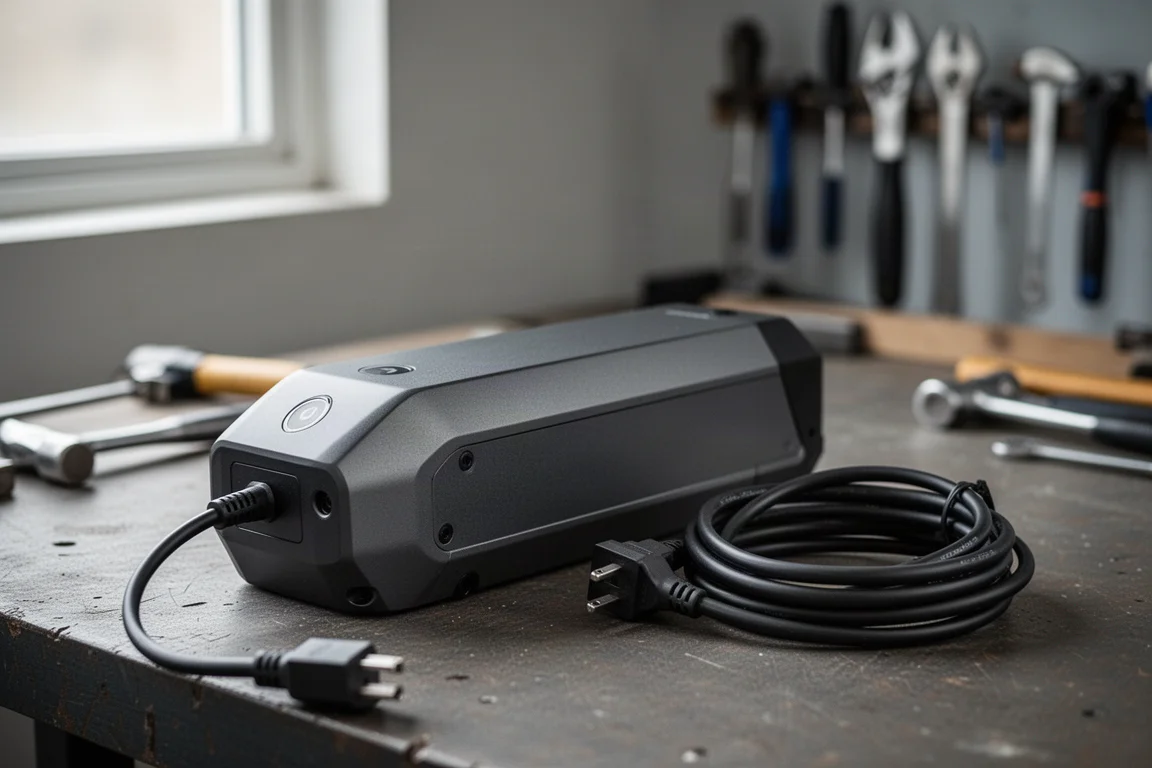
The biggest difference between a reputable drive system and a very cheap one is battery technology. Brands such as Bosch and Shimano go beyond the minimum requirements for e-bike batteries, including cell isolation that shuts down and isolates cells when a short circuit or overheating begins, which can stop a chain reaction before it starts. Specialized, which developed its e-bikes in Switzerland, says it voluntarily complies with standards beyond current legal requirements covering the motor, the battery and the charger, so the entire system is designed to work together. Try to use a third-party charger on a system like that and the battery control module simply will not accept it.
The stakes are real. In 2023, London recorded 155 e-bike and e-scooter battery fires, making it the fastest-growing fire trend in the UK, with three deaths and more than 60 injuries. Some transport operators in London do not allow e-scooters on their services at all. For anyone buying, the practical takeaway is simple: choose a complete e-bike from a recognised brand rather than a cheap conversion kit, and treat the battery and charger as one system rather than interchangeable parts. The new initiative is a good start, but tighter trading standards would do more, because a very cheap e-bike still looks like a bargain to a lot of people.
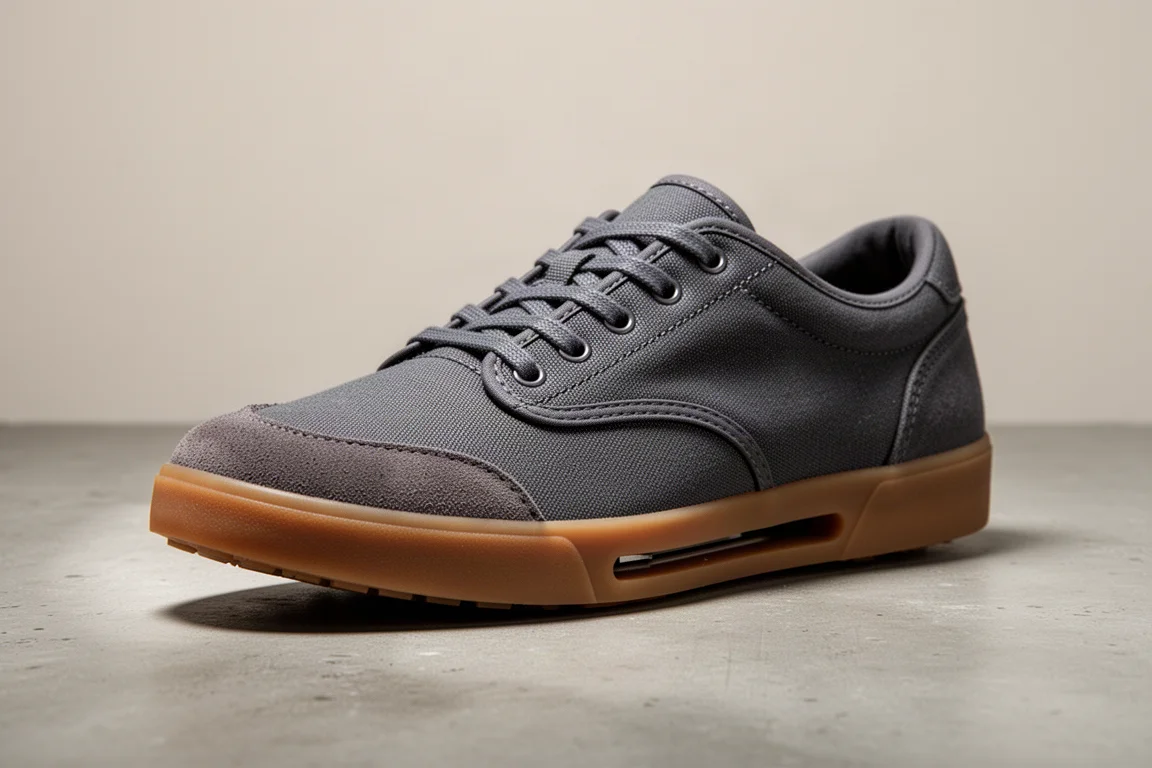
Chapter 3 Transit: Trainer Looks With a Recessed Cleat
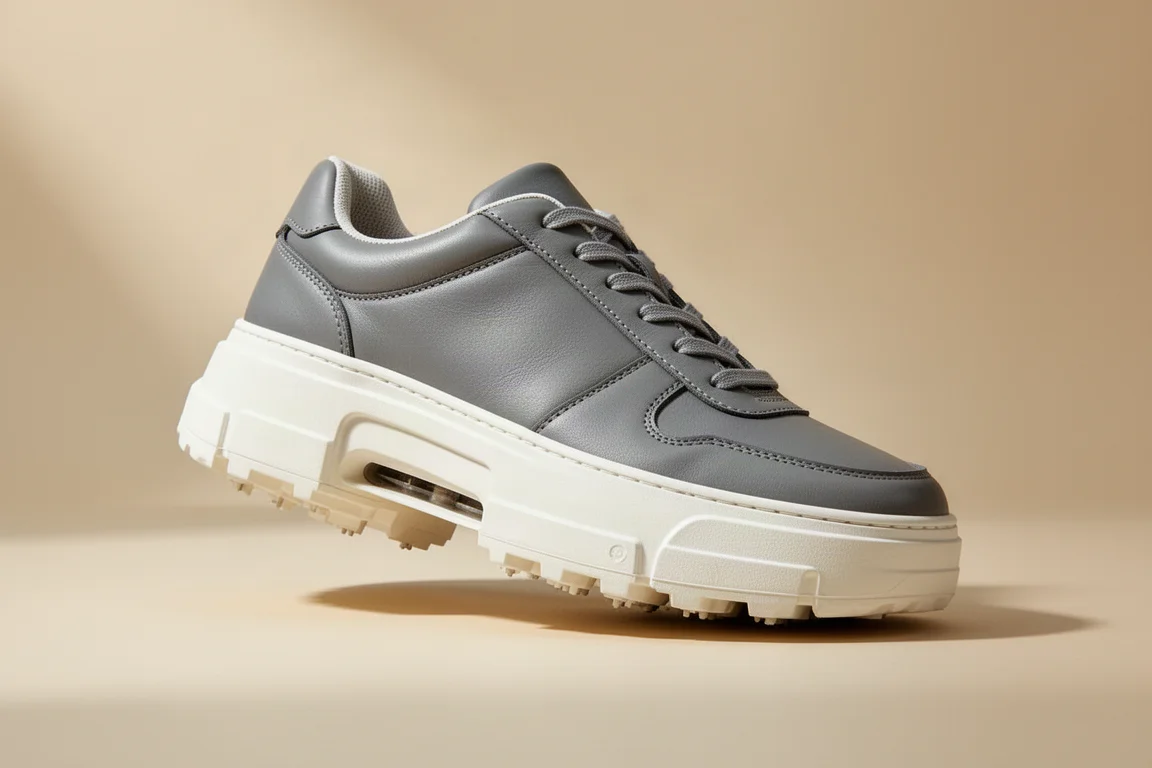
Chapter 3 spent around two years developing the Transit with a specific goal: a shoe you can wear every day, walk in, run in if you have to, and still clip into a commuting bike or a fixed gear. The styling is closer to a court trainer than a cycling shoe, and the key difference from sneakers that have simply been retrofitted with a cleat is that the Transit was designed around the cleat from the start.
It ships with a base plate, so it can be run as a flat shoe, and the recess leaves plenty of room for an SPD pedal. The standout quality is the amount of flex in the sole, which makes it genuinely comfortable for a full day on your feet rather than something you tolerate between rides. For a commuter who wants one pair of shoes for the office and the ride home, that combination makes a lot of sense.
The catch is price. The Transit is not cheap, and the quoted price sits above the Adidas Velosamba, which is a meaningful gap for a shoe many riders will treat as an everyday pair.
Pedaled Odyssey: Folding Camp Shoes for Bikepackers
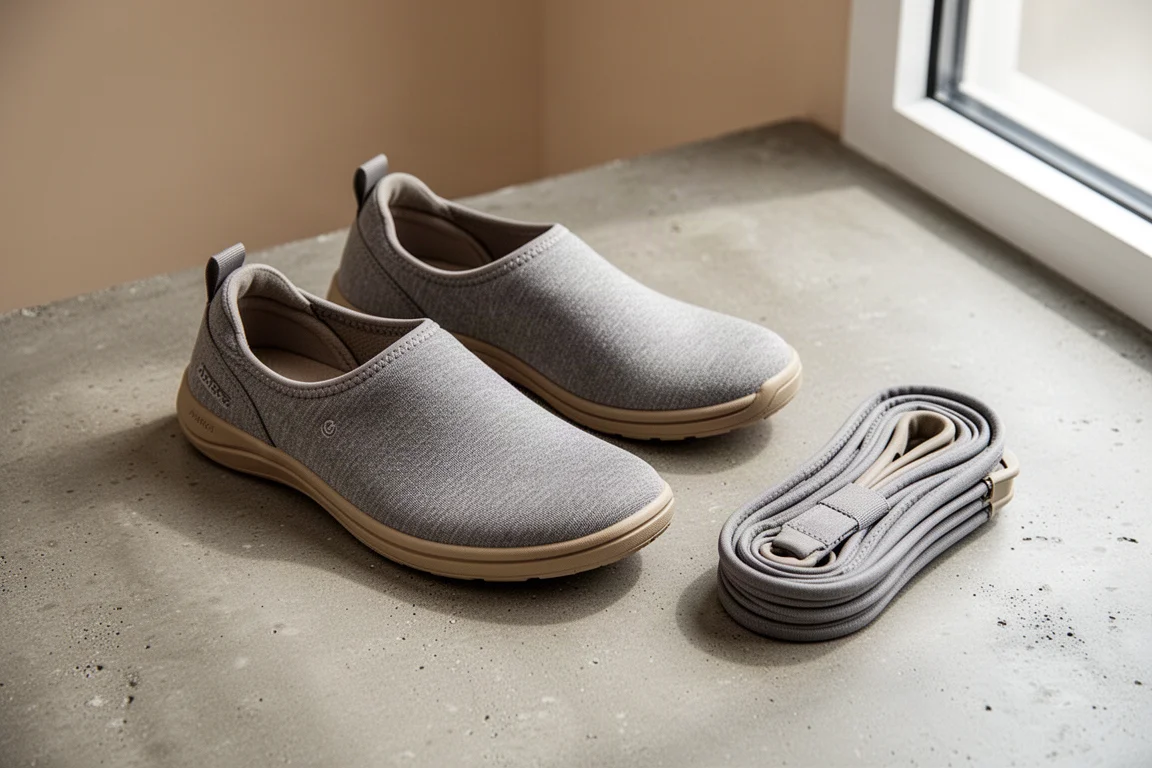
The Odyssey is not an SPD shoe, and it is not really a cycling shoe at all. It is aimed at bikepackers: you finish the day’s riding, take off your bike shoes, set up camp and want something light and comfortable for your feet. The shoes are light and they fold down small, which is the main argument in their favour.

The counter-argument is practical. Shoes are usually strapped to the outside of a bikepacking bag rather than packed inside it, so folding them flat is not essential for most setups. Price is the bigger issue. Dedicated camping slippers from brands such as Exped and RAB are often insulated and are quoted well below the Odyssey, and in a cool, damp climate that insulation is a genuine advantage.
Adidas Velosamba: The Cycling Sneaker Benchmark
The Velosamba is not new, but it is the shoe everything else here gets compared to. It uses the Samba as a base and adds a plastic insole plate that the cleat mounts to. It is popular for good reason, and it works perfectly well as an ordinary shoe when you are off the bike.
The compromise is the sole. It is very stiff, which is exactly what you want when pedalling, but not what you want when walking. The cleat recess is also quite low, so walking around produces a faint tap-dancer effect. It is best understood as an everyday shoe that happens to take a cleat, rather than a shoe built for long days on your feet.
Genesis Croix de Fer: Bike of the Month
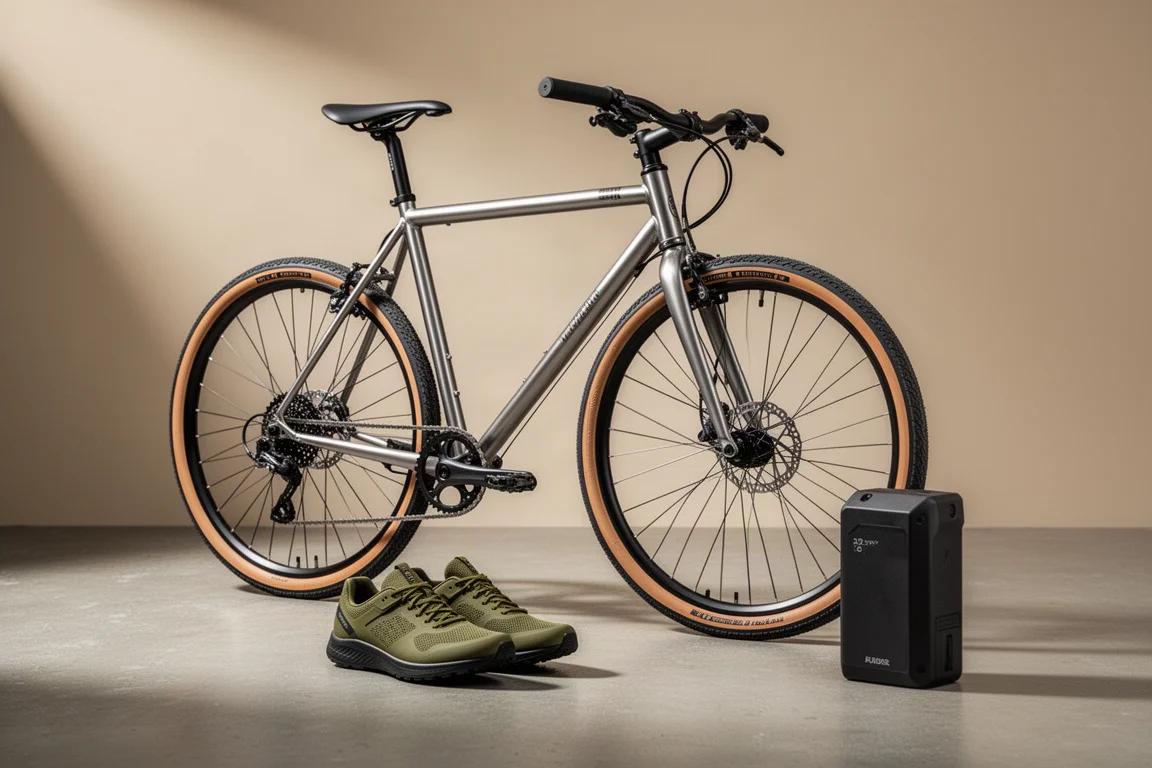
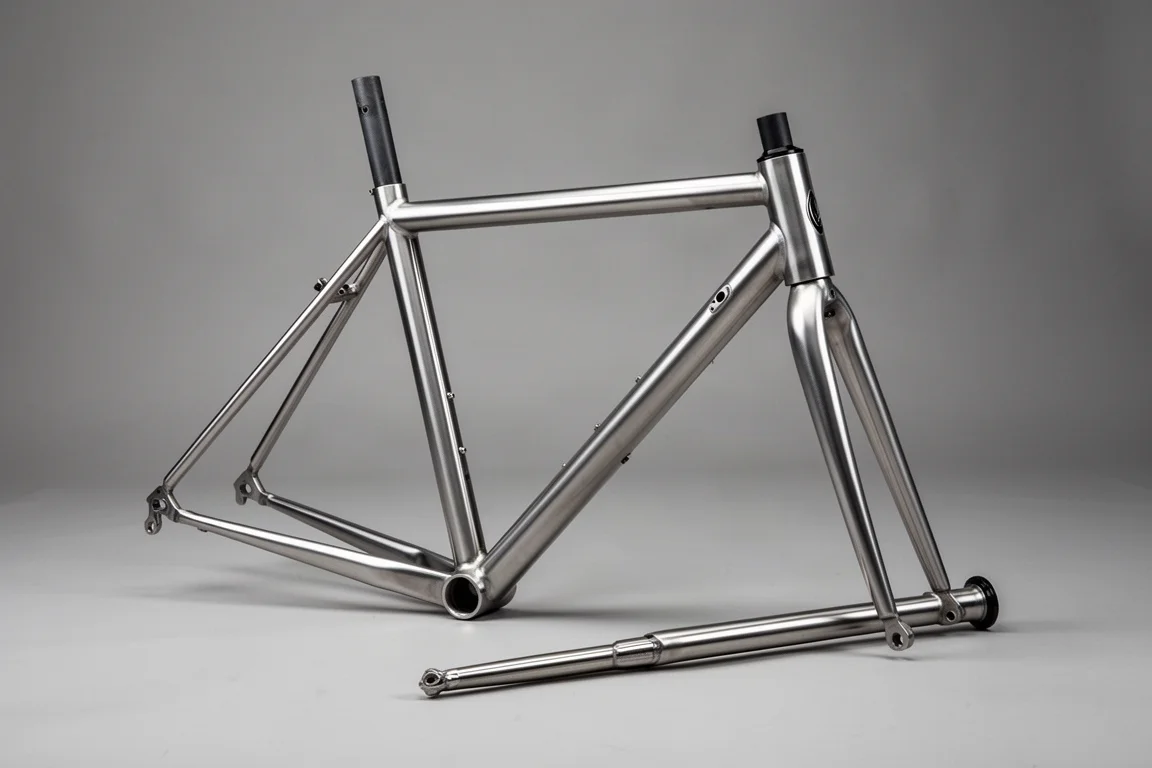
The Croix de Fer has been around in one form or another since the late 2000s, making it one of the original gravel bikes. This is its first update in roughly four years, and most of the changes are about bringing a steel classic up to date without losing what made it appealing.
The most visible change is cable routing: the down tube is now internal, though an outer cable still runs the full length of the frame, so it has not been made awkward for mechanics. Tyre clearance is now a claimed 47mm, and depending on the tyre a 50mm may fit. A 45mm tyre will still leave room for full-length mudguards, which matters if the bike is going to be ridden through a wet winter.

Bigger tyres forced a geometry rethink. Reach is now similar across frame sizes, with ergonomic differences handled by stem length or saddle setback, partly to keep toe overlap within the relevant standard as tyre leading edges move further forward. There are dropped seat stays for comfort and a more contemporary look, plus an ovalised top tube that is claimed to improve both stiffness and comfort.
Out on the trail, the bike is comfortable and planted. Over a four-hour loop in the Hafod forest in Wales, covering fire roads and more technical singletrack, it felt solid enough to ride all day. It is not light in the way a carbon frame is, and the geometry is a touch more aggressive than a race gravel bike, but it handled everything asked of it.
Four frame sets are available: chromoly steel, 725 steel, 931 stainless steel and titanium. Only one complete build is currently offered, the chromoly steel Croix de Fer 20, with 2x10 GRX cable-pull and TRP disc brakes, quoted at $699. The 931 stainless steel frame set is quoted at £2,499 and the titanium frame set at £2,699. Genesis sells through its dealer network rather than direct to consumer, which means warranty issues are handled by a local shop you already have a relationship with rather than an online chatbot.
What the New Cycling Shoes Say About Everyday Riding
Taken together, the Chapter 3 Transit, the Pedaled Odyssey and the trainer-style shoes arriving from other brands point at a shift. Traditional cycling shoes are not what every rider wants any more. For commuters, and for anyone who treats a bike as practical transport rather than a sporting object, a shoe you can walk in makes far more sense than a stiff race shoe.
A recessed cleat is the practical enabler. It makes stopping and starting easier, and it is genuinely useful for gravel riding, where you regularly get off to open a gate or push through a rough section. The trade-off is usually sole stiffness, which is why the amount of flex in a shoe like the Transit is worth noting, and why the Velosamba’s stiffness is such a clear dividing line between the two.
Overall Buying Advice
Start with the shoe you will actually wear. If you want one pair for the office and the commute, the Chapter 3 Transit is the most comfortable option here and the most expensive; the Adidas Velosamba is the more affordable, more recognisable choice, with the caveat that it is stiff to walk in. If your priority is camp comfort on bikepacking trips, the Pedaled Odyssey is light and packable, but a pair of insulated camping slippers does the same job for less.
If you are shopping for a gravel bike, the Croix de Fer is a long-standing steel platform with generous tyre clearance, room for full-length mudguards and a choice of four frame sets, backed by a dealer network. It is not the lightest route into gravel and it is not the cheapest, but it is a bike you can build up over time and keep.
For e-bikes, the advice is less about features and more about provenance. Buy a complete bike from a recognised brand with a matched battery and charger rather than an inexpensive conversion kit, and if you already own an e-bike, pay attention to how and where you charge it.
Conclusion
September’s mix is a reminder that the most useful cycling purchases are the ones that match how you actually ride. The safety conversation around e-bike batteries is worth taking seriously, and buying a complete system from a recognised brand is the simplest way to reduce the risk. On the shoe side, the Chapter 3 Transit and the Adidas Velosamba answer the same question at different prices, the Pedaled Odyssey solves a narrower problem for bikepackers, and the Genesis Croix de Fer remains one of the most sensible steel gravel platforms you can build up.
Further reading
Related Reviews
Cycling Gear
8 Cycling Products Riders Keep Coming Back To
Eight cycling components and accessories with clear strengths, honest trade-offs and long-standing reputations among riders and mechanics.
Cycling Gear
Aero Helmets and Bottle Setups Tested: Six Options Ranked by Measured Watt Savings
Wind tunnel data on six aero helmets and bottle setups, with real watt savings, practical trade-offs, and guidance on what is worth buying first.
Cycling Gear
Aero Road Bikes and Fast Tires Worth Watching in 2026
Four aero road bikes and one fast road tire, with the real strengths, the open questions, and what to check before you buy.