Headphones
Sennheiser Headphones Compared: From the HD 600 to the HE 1
Seven Sennheiser headphones, from the $600 IE 600 in-ear to the $70,000 HE 1 system, with the strengths and trade-offs of each.
Introduction
Sennheiser has been building headphones in Tullamore, Ireland since 2002, and time spent inside that facility makes one thing clear: this is a company that keeps its models around. The HD 600 has been in production since 1997. The flagship HE 1 is still built one unit at a time, in a dedicated part of the same site.
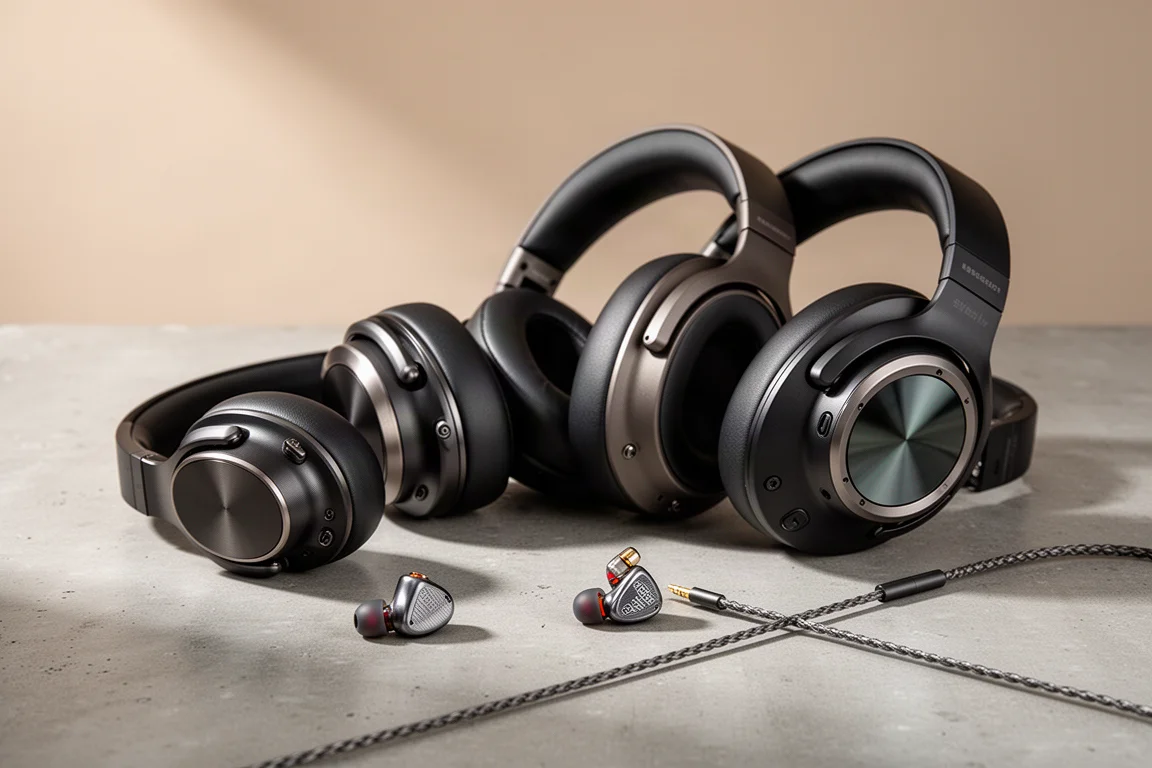
This roundup covers seven models from that range. Two are in-ears that fit in a pocket. One is a closed-back design with a glass window set into the cup. One is a $70,000 system that very few people will ever hear. They are not competing for the same buyer, so the aim here is to make the differences between them easy to act on.
What Sennheiser’s Lineup Gets Right
The clearest signal of quality in audio is longevity. Sennheiser has kept the HD 600 in production for more than three decades, which is unusual in a category that usually rewards novelty. Instead of replacing its core models every season, the company maintains a focused lineup and changes something only when there is a genuine improvement to make.
The house sound across the range is neutral first, with character layered on top rather than pushed forward. Nothing is exaggerated for instant impact. The brighter models, including the HD 800 and the HD 820, carry extra energy in the upper frequencies, but never to the point of harshness or fatigue across a long session. That balance is what makes the range easy to live with rather than merely impressive in a short demonstration.
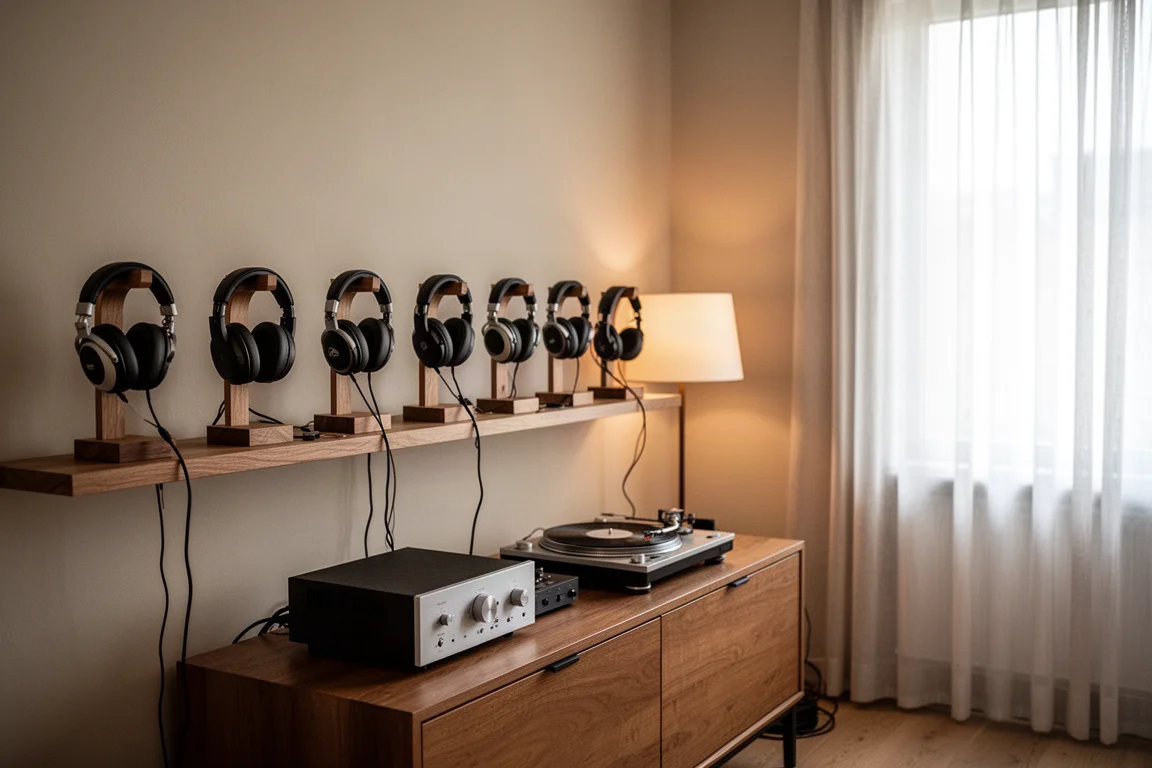
Production adds context to that consistency. Drivers are made in-house from a range of materials, and the lines run through enclosed glass housings, with automated stages handling most of the process before a team assembles the finished products. The facility is clean enough to be mistaken for a medical device plant. The consumer headphone business is now operated by Sonova, and the site continues to run as a Sennheiser facility with the same models and the same tuning approach.
Sennheiser HE 1: The Flagship Experience
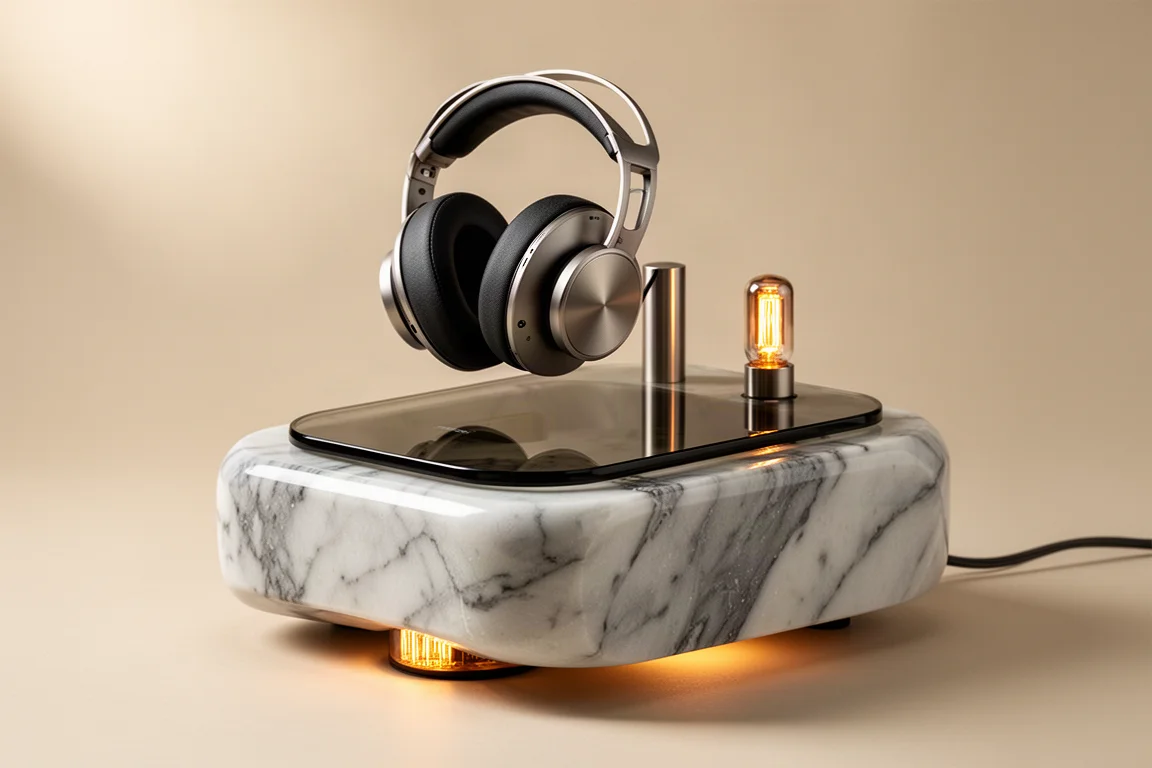
The HE 1 is the most expensive headphone system in the world at $70,000, and it is a complete package: an electrostatic headphone, a dedicated amplifier, and a DAC. Each earcup contains its own Class A amplification, and the base is cut from Carrera marble.
The system is theatrical in a way that few audio products attempt. Switch it on and the volume control rises from the housing, a lid opens to present the headphones, and the tubes lift out of the base. Around the back there are single-ended inputs and outputs plus analog connections, so the amplifier section can also serve as a preamp in a larger setup.
The sound is exactly what the price suggests. It is clean in the way that electrostatic drivers are clean, and it delivered the strongest musical experience of the entire visit. The reaction after the first track was an immediate wish for more time and more music. Whether it is worth the money is almost the wrong question at this level. The buyer is paying for craftsmanship, for a unit assembled start to finish by one person, and for the rarity that comes with a product this limited.
Sennheiser IE 900: Reference In-Ears
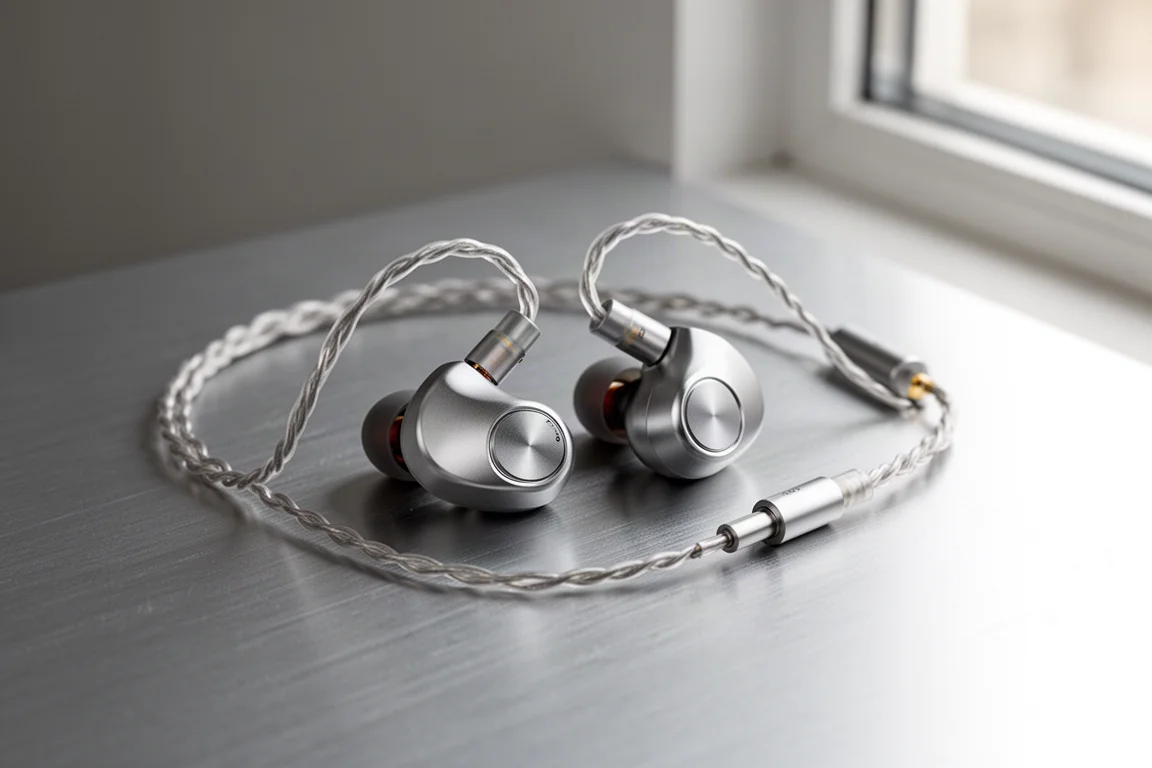
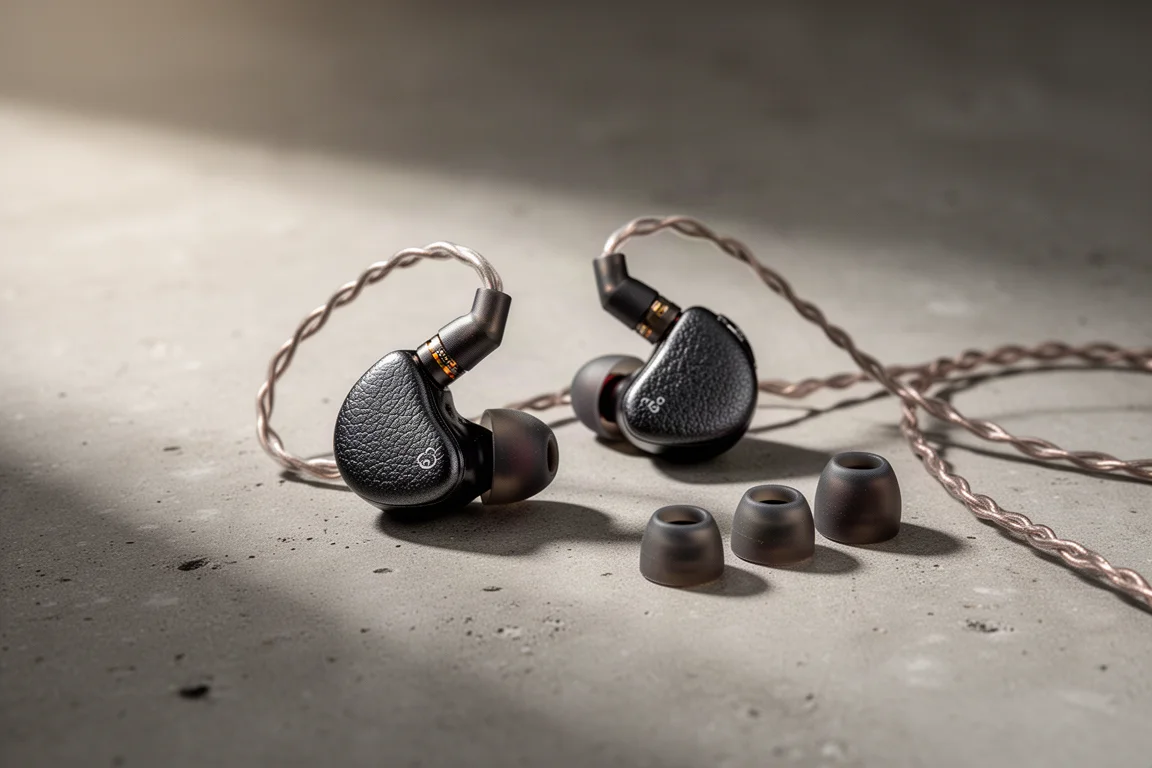
The IE 900 is the flagship in-ear at $1,300, with housings machined from a solid block of aluminium. Construction aside, the tuning is the reason to consider it. Against the IE 600, it offers a fuller lower midrange and bass, along with a little more detail in the upper midrange.
That advantage showed up clearly even when the pair was driven from a simple, inexpensive dongle rather than dedicated hardware. For a portable listener, that is a meaningful point: the IE 900 does not demand a desktop rig to show what it can do.
As with any in-ear, the seal decides the result. The IE 900 rewards a careful fit, and it is worth spending time on tip selection before drawing conclusions about its sound.
Sennheiser IE 600: The Value In-Ear
At around $600, the IE 600 is the more approachable in-ear and the one that will suit most everyday listening. The most useful lesson from hearing it back to back with the IE 900 is how much fit matters. The IE 600 sounded noticeably better once a different set of ear tips was fitted, and the improvement was not subtle.
Once seated properly, it delivers the neutral Sennheiser character in a compact package. It gives up some bass weight and some upper midrange detail next to the IE 900, which is exactly what the price gap would suggest. For anyone who wants a single pair of in-ears for commuting, travel, and casual listening, that trade is a reasonable one.
Sennheiser HD 820: Closed-Back Flagship
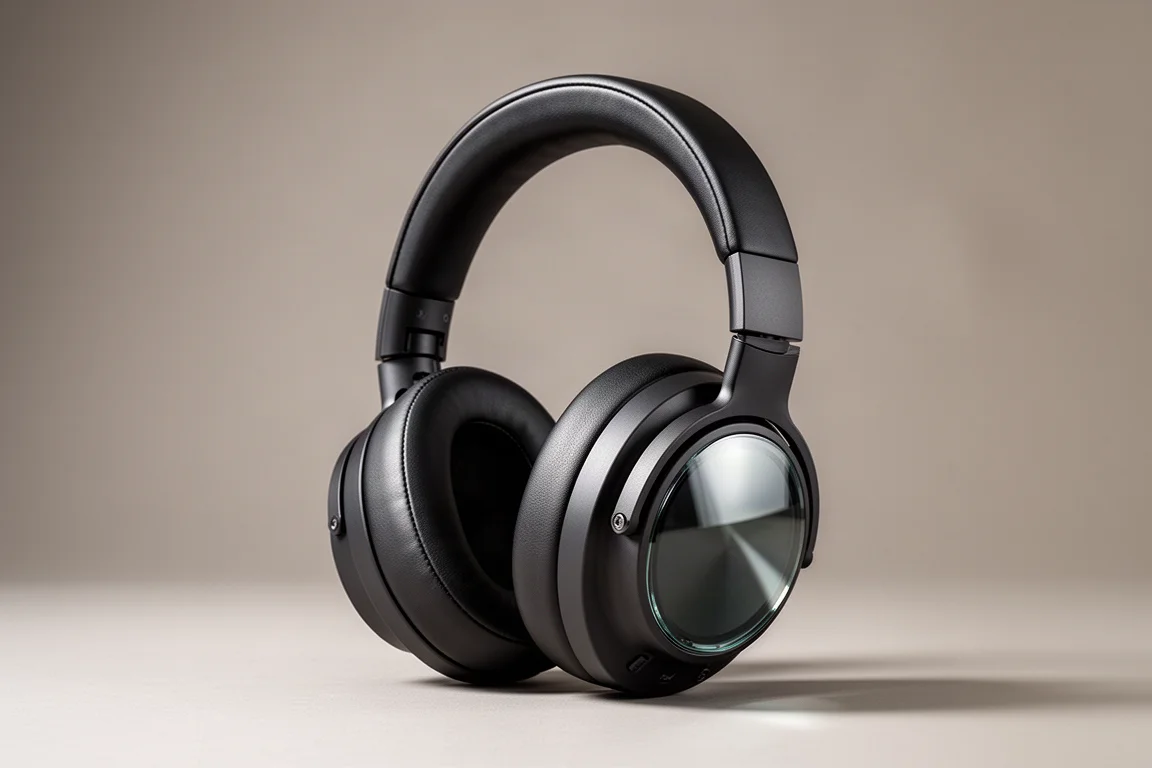
The HD 820 is the closed-back option in the range at around $2,500, and its signature detail is the Gorilla Glass window set into the outer cup. It is not bulletproof, a point the team was quick to clarify, but it is a striking piece of industrial design that also helps manage reflections inside a sealed cup.
Sonically, the HD 820 leans bright. There is extra energy in the upper frequencies, and listeners who value detail and air will find plenty to like. Even so, it never crossed into harshness, and long listening stayed comfortable.
The trade-off is inherent to the format. Closed-back headphones are harder to tune than open ones, and the HD 820 is the most expensive route into that format here. Anyone who does not genuinely need isolation will usually get more for their money from an open-back model, while anyone who does need it will find this is the model in the range that delivers.
Sennheiser HD 600: The Long-Runner
The HD 600 has been in production since 1997 and remains one of the most imitated headphones ever made. Hearing a 30-year-old example alongside current models, the quality that stands out is neutrality. Nothing is pushed forward and nothing is missing.
That restraint explains the longevity. It is not the most exciting headphone in the range and it does not try to be. It presents a balanced, even-handed version of a recording, which is why it still works as a reference point for someone building a first serious setup.
Sennheiser HD 660S2: The Standout
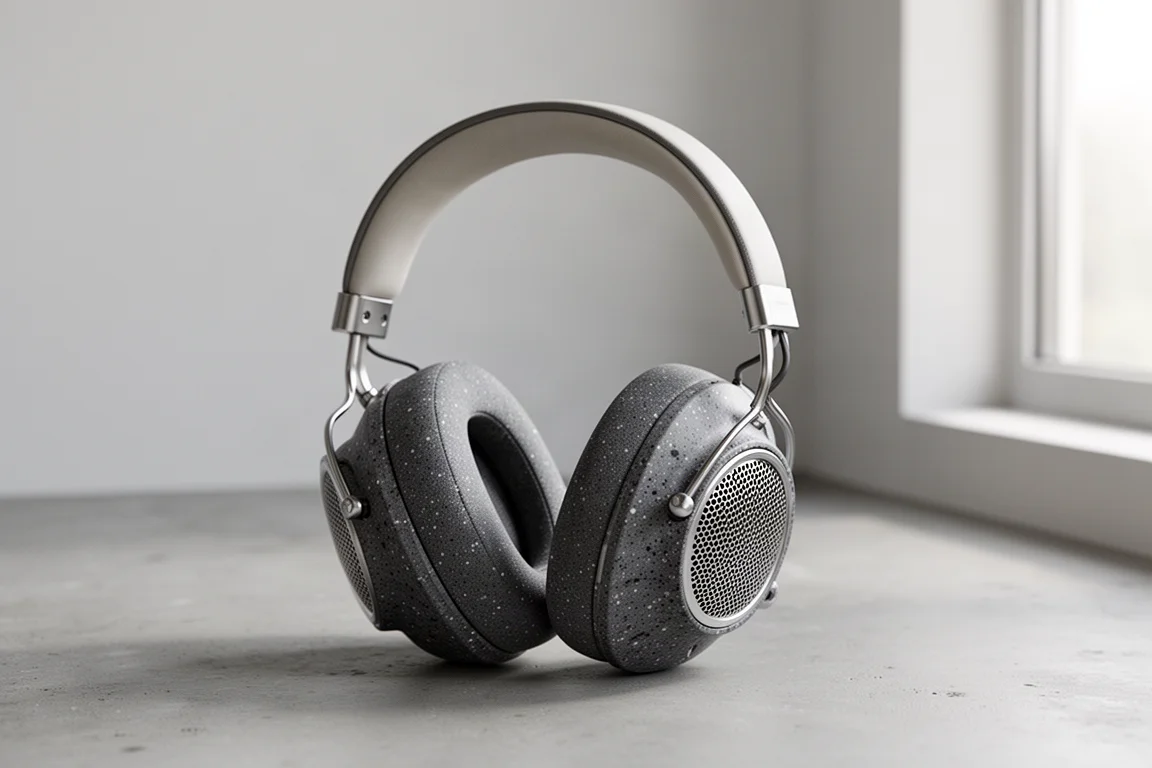
The HD 660S2 is the current model in that lineage, and it is still assembled on the line in Tullamore. Of everything auditioned, this was the one that stood out. It came across as the most neutral of the group and, at the same time, the most enjoyable to spend time with.
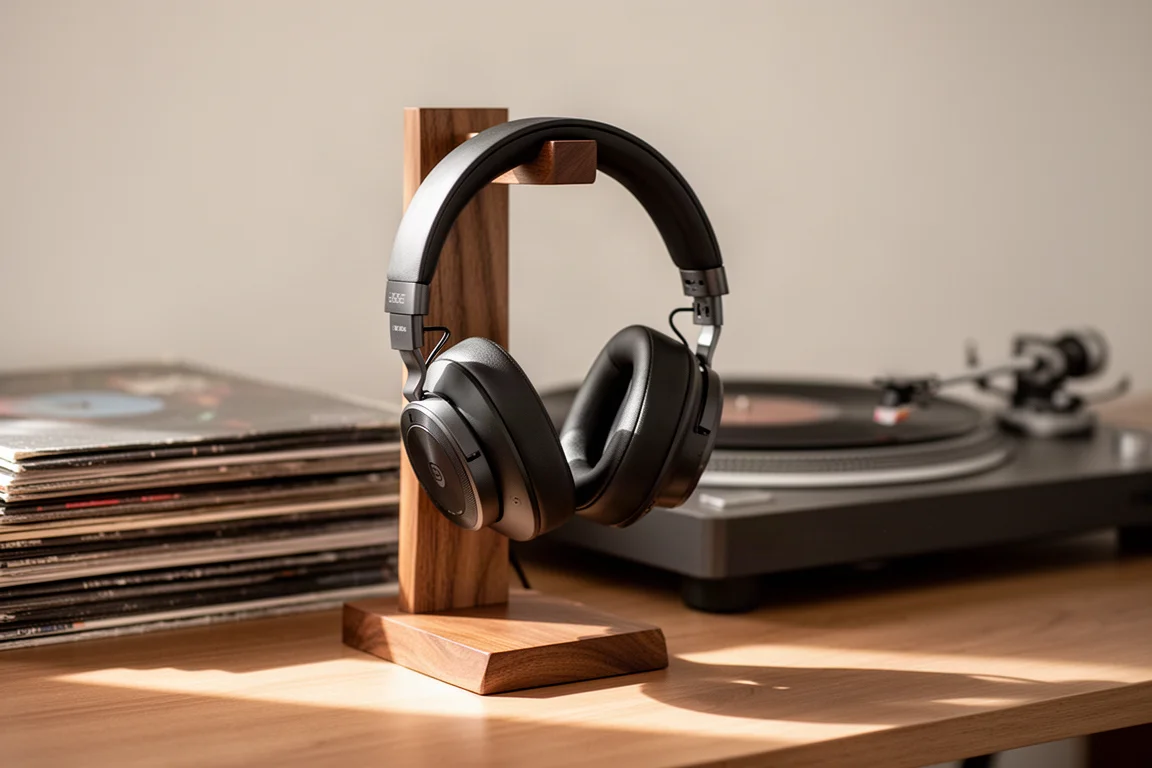
It keeps the family’s neutral foundation and adds enough refinement to feel like a real step forward rather than a reissue. For a listener who wants one open-back headphone to serve as a long-term reference, this is the model to start with.
Sennheiser HD 800: The Open-Back Reference
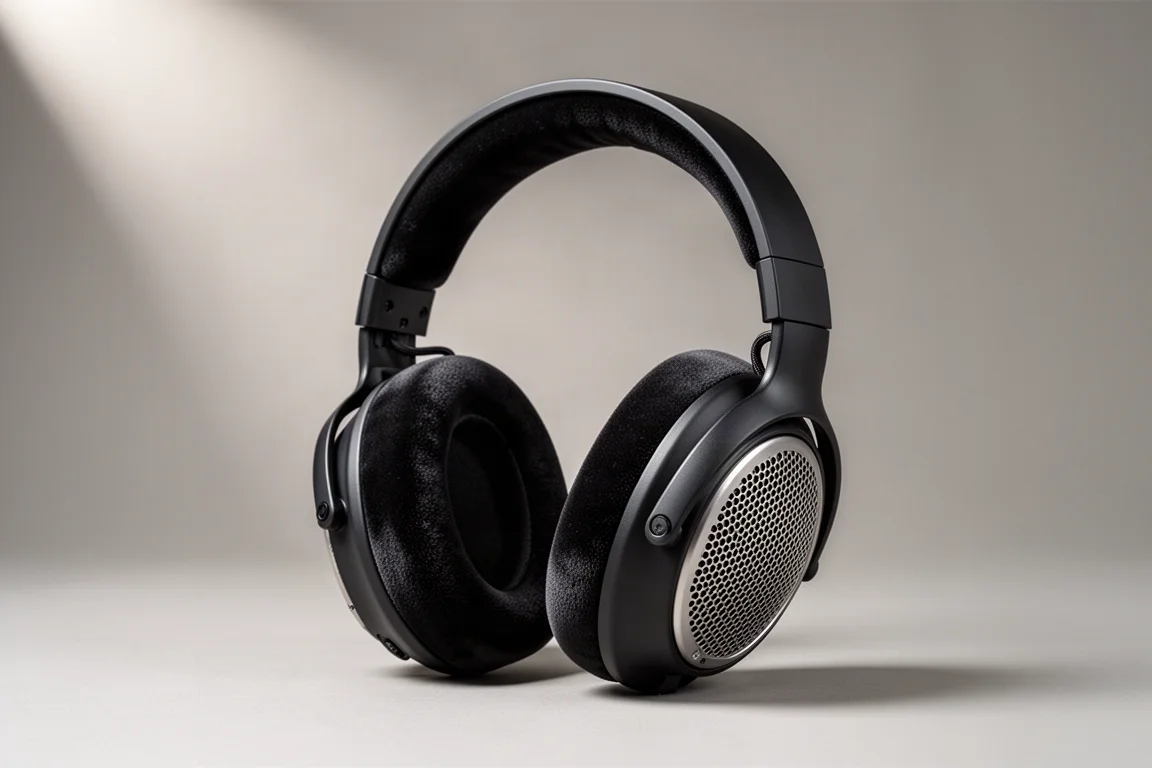
The HD 800 is the open-back counterpart to the HD 820 and it shares that brighter tuning. Extra energy in the upper frequencies reads as openness and detail, and the presentation suits listeners who want the fine detail of a recording placed in front of them rather than smoothed over.
Despite the brightness, it never became difficult to listen to across a long session, which is the balance the range manages well throughout. Buyers who want an open-back presentation with detail up front, and who have no need for isolation, will find it here.
Buying Advice: Matching a Headphone to Your Setup
The right choice comes down to three questions: do you need isolation, how portable does the setup need to be, and how much do you want to spend.
Portable listening is covered by the IE 600 at around $600 and the IE 900 at $1,300. The IE 900 adds bass weight and upper midrange detail; the IE 600 gets close enough that fit and comfort may matter more than the gap on paper. Whichever you choose, plan on experimenting with ear tips, because both in-ears change noticeably once a proper seal is achieved.
For home listening, the HD 600 remains the reference for neutrality, and the HD 660S2 was the most satisfying overall. The HD 820 and HD 800 both lean bright, with the HD 820 the only closed-back option if isolation matters to you.
At the top of the range, the HE 1 is not a rational purchase and is not meant to be. It is a statement piece, hand-built in a dedicated part of the factory, and the clarity it delivers is a step beyond the rest of the lineup. The rest of the range is where sensible money goes, and none of it feels like a compromise.
Conclusion
Sennheiser’s real strength is consistency. The same core models have been built in Tullamore for years, some for decades, and the lineup covers portable, closed-back, and open-back listening without a weak link. The HD 660S2 was the standout of the group, the HD 600 remains the reference for neutrality, and the HE 1 sits at the top as a genuine flagship rather than a marketing exercise. Whichever model matches your needs, the odds are good that it will still be worth owning years from now.
Further reading
Related Reviews
Headphones
Apos Audio Caspian Review: Warm Bass, Solid Build, and a Detail Trade-Off
The Apos Audio Caspian is an easy-to-drive open-back headphone with standout bass and a warm, relaxed tuning, though mid-range and treble detail trail the competition.
Headphones
Audeze LCD-X vs LCD-XC vs LCD-3: Which High-End Headphone Fits Your Setup
A practical comparison of three Audeze planar magnetic headphones under $2,000, covering the open-back LCD-X, the closed-back LCD-XC, and the wood-ringed LCD-3.
Headphones
Audeze LCD-X vs HiFiMan Edition XS: Two Open-Back Headphones Compared
A practical comparison of the Audeze LCD-X and the HiFiMan Edition XS, covering build quality, comfort, sound signature, and which listener each one suits.