Headphones
Sennheiser HDB 630 vs Momentum 4 Wireless: Which Bluetooth Headphone Should You Buy?
A practical comparison of the Sennheiser HDB 630 and Momentum 4 Wireless, covering tuning philosophy, comfort, codecs, and value.
Introduction
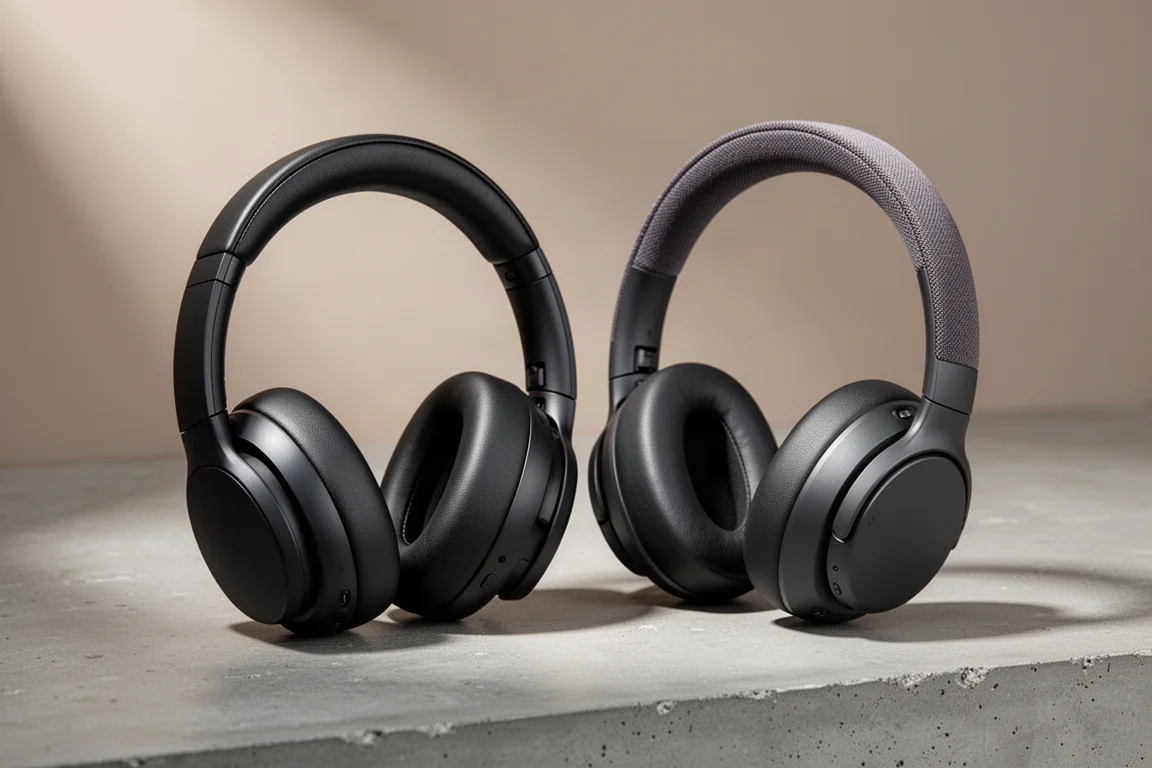
Sennheiser’s HDB 630 arrived with a specific brief: build a Bluetooth headphone that audio purists can genuinely get behind. At €499 it sits well above the Momentum 4 Wireless, which is widely available for around €250. The price gap suggests premium materials, but the real difference is tuning philosophy. The HDB 630 chases close conformity to a target curve, while the Momentum 4 keeps the bass and treble lifts that make mainstream listeners reach for it. Both are comfortable, both are rated for very long listening sessions, and both share a great deal of design DNA. Choosing between them comes down to what you want from a recording.
How These Two Sennheiser Headphones Differ
A target curve is a frequency response profile that researchers believe sounds most natural to the majority of listeners. It works like a recipe for how much bass, mid-range, and treble a headphone should produce, and it describes what most people prefer rather than what everyone prefers. The best known example comes from Harman and was developed through listener testing, but no single curve is universally accepted, and many listeners deliberately prefer deviations from it.
That is the fork in the road here. The Momentum 4 leans on carefully judged boosts in the bass and treble. The HDB 630 strips those lifts away almost entirely, producing a flatter and more even presentation.
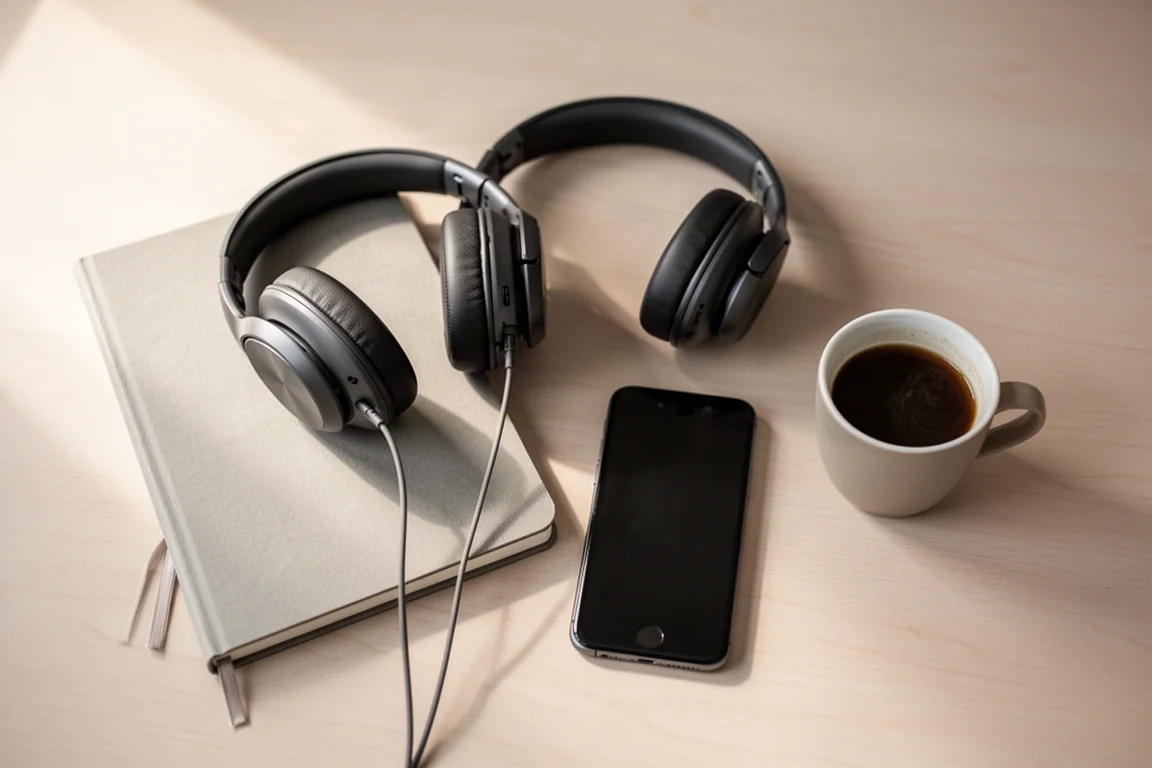
In practice, the measurements match what you hear. The Momentum 4 sounds immediately more energetic, while the HDB 630 refuses to editorialise. Some listeners will call that neutral or accurate. Others, depending on the material, may simply find it plain.
Sennheiser HDB 630: Transparency Above All
The HDB 630 is built around two defining characteristics: layer separation and transparency. Complex arrangements that slightly congeal through the Momentum 4 keep their distinct instrumental lines here. The staging is also wider and more forward. Where the Momentum 4 places players on a straight line from ear to ear, the HDB 630 pushes the image slightly in front of the listener, and instruments panned hard left can be tracked with striking clarity. A crossfeed function, exclusive to this model, contributes to that sense of space.
Internally, the 42 mm drivers are the same size as the Momentum 4’s but are manufactured in Ireland rather than China, and damping material has been added inside the ear cups to reduce the backwave reflections that often trouble closed-back designs. The Smart Control Plus app adds a five-band parametric EQ that appears only when the HDB 630 is connected, and it includes Q bandwidth control for more granular adjustment than most headphone equalisers offer. A BTD 700 USB dongle is included in the box.
Sennheiser Momentum 4 Wireless: Tuning That Engages
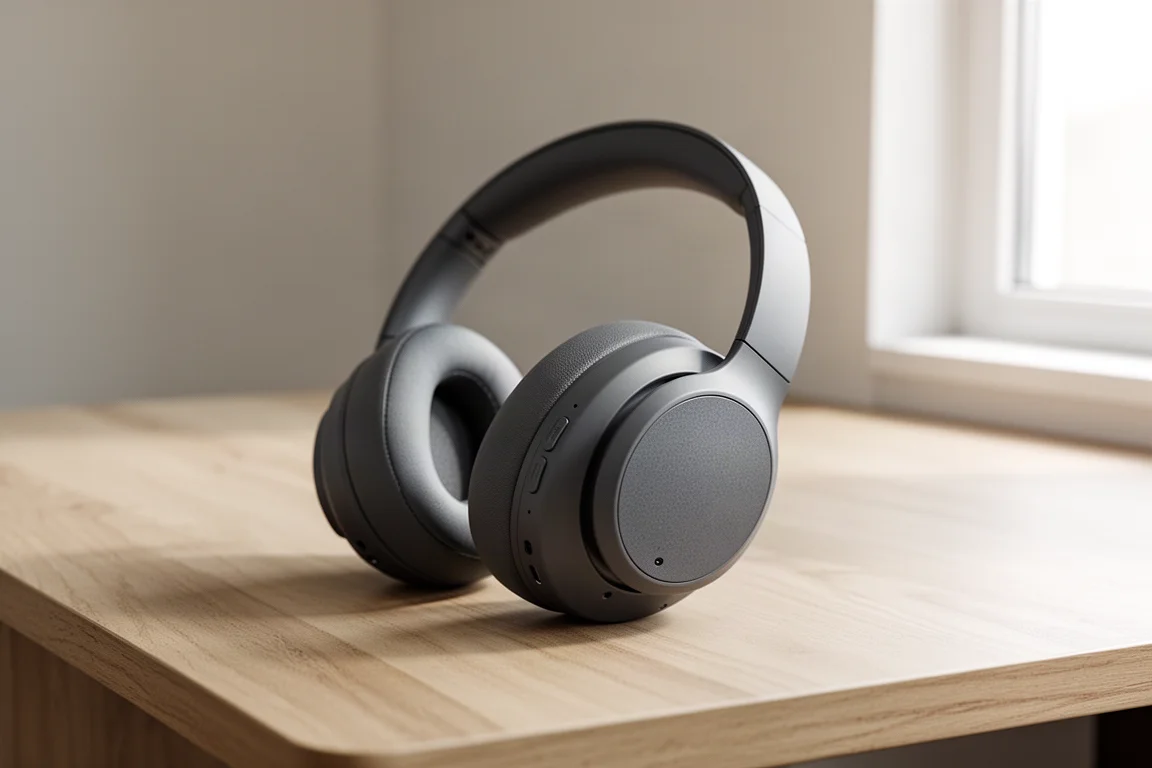
The Momentum 4 takes the opposite approach. Its tuning adds weight in the bass and sparkle in the treble, and those enhancements make a lot of music feel more immediate. Synth textures land harder, basslines carry more punch, and guitars sound brighter. It is a lean-in presentation, and for many listeners it is simply more fun.
That character comes with no penalty in the areas that matter day to day. Comfort is identical to the HDB 630, gesture controls are identical, and the price is roughly half. For a listener who wants an engaging sound without spending premium money, it is a straightforward recommendation.
Comfort, Controls, and App Features
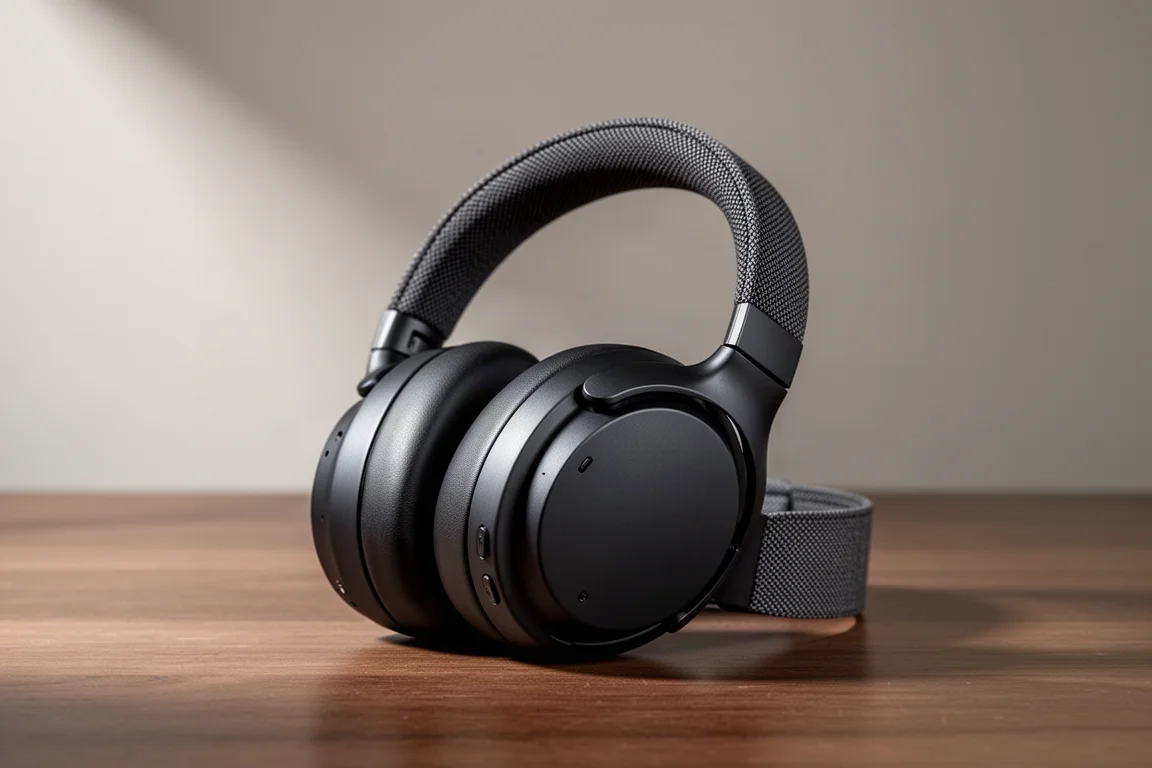
The HDB 630 weighs 18 g more than the Momentum 4’s 293 g, and the difference proves inconsequential on the head. Both apply good but not excessive side clamping pressure, so both can be worn for many hours without pressure points developing. The two share a structural framework with a similar amount of plastic, though the headband differs: artificial leather on the HDB 630, fabric on the Momentum 4.
The HDB 630’s ear cups are thicker, and that extra bulk creates a better seal around the ear. The benefit is meaningful for glasses wearers and it improves passive isolation, but it also retains more heat, so the ear cups can feel sweaty over long sessions.

Gesture controls carry over from the Momentum 4 to the HDB 630 with noticeably better responsiveness, and simple actions such as pausing playback register more quickly. The Smart Control Plus app is where the two diverge most clearly, since the five-band parametric EQ is available only with the HDB 630 connected.
Sound Quality Across Real Recordings
Extended listening shows how differently the two headphones treat the same material. David Bowie’s Low gains weight in the bass and sparkle in the treble through the Momentum 4, and its synth textures become more immediate and more engaging. The HDB 630 renders the same album with what can only be described as indifferent precision: every element is clearly delineated, but none of it is flattered.
Destroyer’s Kaputt tells a similar story. The Momentum 4 adds excitement to already dynamic arrangements, the bass on “Downtown” kicks harder, and the guitars shine more brightly. Through the HDB 630, the album’s meticulous production emerges with greater clarity, with individual instruments occupying distinct spaces and the layered arrangements revealing their construction more transparently.
Brian Eno’s Another Green World also benefits from the Momentum 4’s extra bass push, and getting a comparable jolt from the HDB 630 requires the app’s bass boost. That setting adds weight to the album’s experimental soundscapes without upsetting its tonal balance, but it proves excessive for dubbed-out electronica, where synth bass frequencies congest and the sub-bass turns mushy. Switching it off leaves the HDB 630’s flatter response to serve that kind of electronic material better, maintaining clean separation between dense layers.
Neil Young’s On the Beach is another win for the HDB 630, whose mid-range transparency surpasses its cheaper rival, revealing instrument textures and timbres that blur slightly through the Momentum 4. Put on a mixed-genre playlist, though, and some tracks will sound undernourished next to the Momentum 4’s more forgiving enhancements.
Battery Life, Codecs, and Wired Listening
Sennheiser rates both headphones at 60 hours of playback, and that claim appears to hold up in real-world use. Both also accept audio over USB-C, which is the only way to get lossless playback from either model, since Bluetooth codecs alone cannot deliver it. iOS handles the wired connection with bit-perfect playback, while Android resamples everything to 48 kHz.
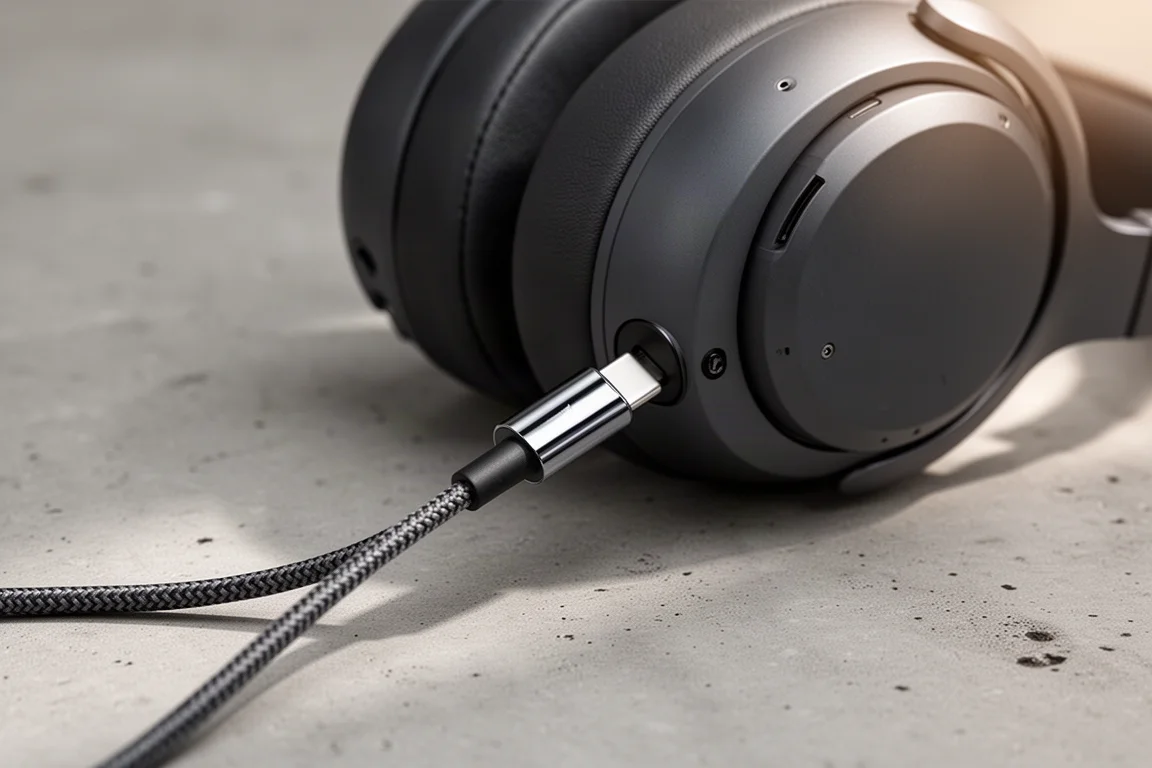
USB DAC mode pulls the best audible performance from both headphones, but it drains the phone’s battery, because the phone charges the headphones while they are connected that way. The HDB 630 adds an extra high-bitrate Bluetooth codec on top of the adaptive codec the two share, and it ships with the BTD 700 USB dongle. That dongle is more useful to Apple users than to Android users, who most likely already have comparable codec support built into their devices. It adds roughly €50 of value for anyone who needs it, though it is one more accessory to carry.
Noise Cancellation and Wind Performance
Active noise cancellation is effectively matched between the two Sennheisers. Both trail the AirPods Max by a couple of steps and the AirPods Pro 3 by a wider margin, so anyone who prioritises the strongest possible noise cancellation should look elsewhere. Wind noise reduction, by contrast, is a clear Sennheiser strength, and both models handle it well.
Buying Advice: Which One Makes Sense
At €499, the HDB 630 sits in a slightly awkward position. Its improvements are almost entirely internal, living inside the headphone and the companion app, while the plastic construction feels very close to the €250 Momentum 4. The included dongle accounts for some of the extra cost, but only for buyers who actually need it.
What the HDB 630 delivers in exchange is a flatter and more transparent tuning, a parametric EQ, crossfeed, better staging, and a more effective ear cup seal. For listeners who want to hear the recording rather than a flattering version of it, that combination stands alone in the wireless headphone market.
For everyone else, the Momentum 4 Wireless remains the sensible choice. Its more dynamic sound, identical comfort, identical gesture controls, and price well under €250 add up to stronger value. The question is not really whether the HDB 630 is worth roughly double. It is whether lucidity and precision matter more to you than excitement.
Conclusion
These two headphones are not rivals so much as two answers to the same question. The HDB 630 is for listeners who want transparency, deep musical insight, and a tuning that stays out of the way. The Momentum 4 Wireless is for listeners who want their music to feel lively and immediate, at roughly half the price. Both are comfortable enough for long sessions and both are rated for the same generous battery life. Pick the one that matches the way you listen, and neither will disappoint.
Further reading
Related Reviews
Headphones
Apos Audio Caspian Review: Warm Bass, Solid Build, and a Detail Trade-Off
The Apos Audio Caspian is an easy-to-drive open-back headphone with standout bass and a warm, relaxed tuning, though mid-range and treble detail trail the competition.
Headphones
Audeze LCD-X vs LCD-XC vs LCD-3: Which High-End Headphone Fits Your Setup
A practical comparison of three Audeze planar magnetic headphones under $2,000, covering the open-back LCD-X, the closed-back LCD-XC, and the wood-ringed LCD-3.
Headphones
Audeze LCD-X vs HiFiMan Edition XS: Two Open-Back Headphones Compared
A practical comparison of the Audeze LCD-X and the HiFiMan Edition XS, covering build quality, comfort, sound signature, and which listener each one suits.