Headphones
Sennheiser HD 560S Review: Neutral, Detailed, and Remarkably Well Rounded
A close look at the Sennheiser HD 560S, an open-back wired headphone with a neutral tuning, strong instrument separation, and a few trade-offs worth knowing before you buy.
Introduction
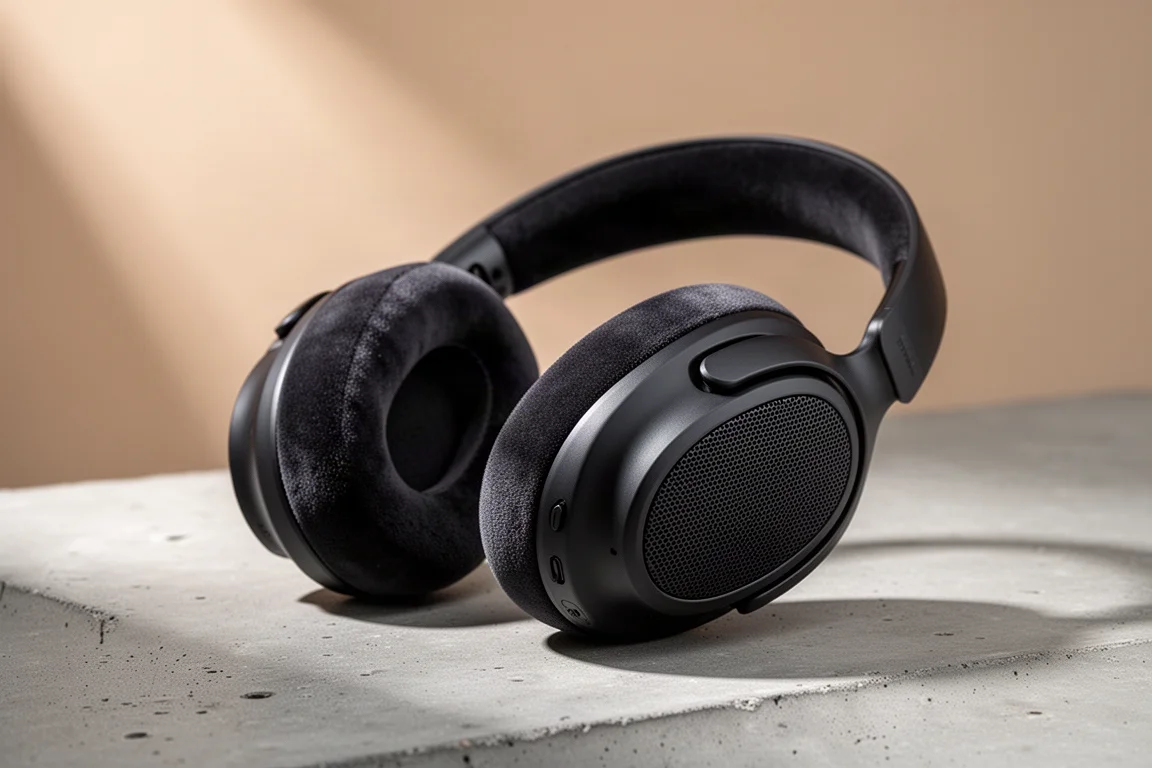
The Sennheiser HD 560S is an open-back, wired, over-ear headphone with a 120 ohm impedance rating and a 110 dB efficiency figure. It carries a retail price of $200 and is commonly sold closer to $180 across a range of online retailers.
That puts it in a crowded part of the market, where plenty of headphones promise excitement and very few deliver genuine balance. The HD 560S takes the opposite approach. Its case rests on neutrality, detail retrieval, and the ability to keep a busy mix from collapsing into a single smear of sound. It is not a bass-forward headphone, and it is not built from premium materials. What it does exceptionally well is present music in a composed, orderly, and consistently pleasing way.
This review covers who the HD 560S suits, where it genuinely shines, and the practical details worth weighing before you commit.
Who This Headphone Is For
The HD 560S is aimed at listeners who value accuracy over emphasis. If your priority is hearing each element of a recording in its own space, rather than feeling a wall of low-end impact, this headphone is built around exactly that preference.
It also suits people looking for a single do-everything headphone rather than a collection. Its tuning is even enough to work across genres, and its low weight makes long listening sessions easy. Listeners who split their time between vocal-led music, acoustic recordings, layered rock, and electronic production will find it handles all of them without needing to be reined in.
It is less suited to anyone who wants a pronounced, punchy low end as the centrepiece of the experience. That is a preference, not a flaw, but it is the clearest dividing line in the HD 560S.
Design, Comfort, and Cable
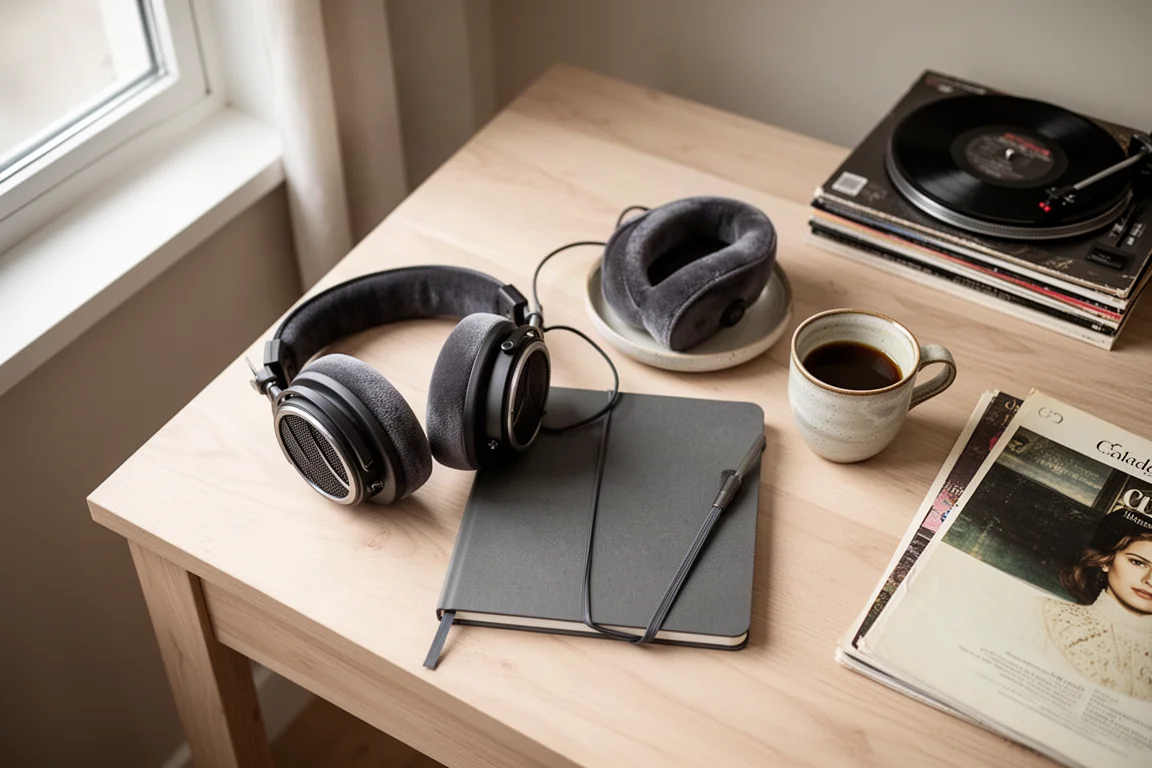
The build is plastic, and there is no point pretending otherwise. That said, it is competent plastic. The headband includes a small notch that helps distribute pressure and avoids the single concentrated hot spot that many headphones create on the top of the head. The earcups rotate slightly away from the headband, and the overall silhouette follows familiar design conventions shared with several other headphones in this class.
The earpads are soft and comfortable, though the material has a strong tendency to collect hair and lint, so a lint brush becomes part of ownership. The pads attach to a plastic frame, and swapping them is not a simple snap-in job. In practice, replacing them may involve gluing, unless a third-party option designed for the purpose becomes available.
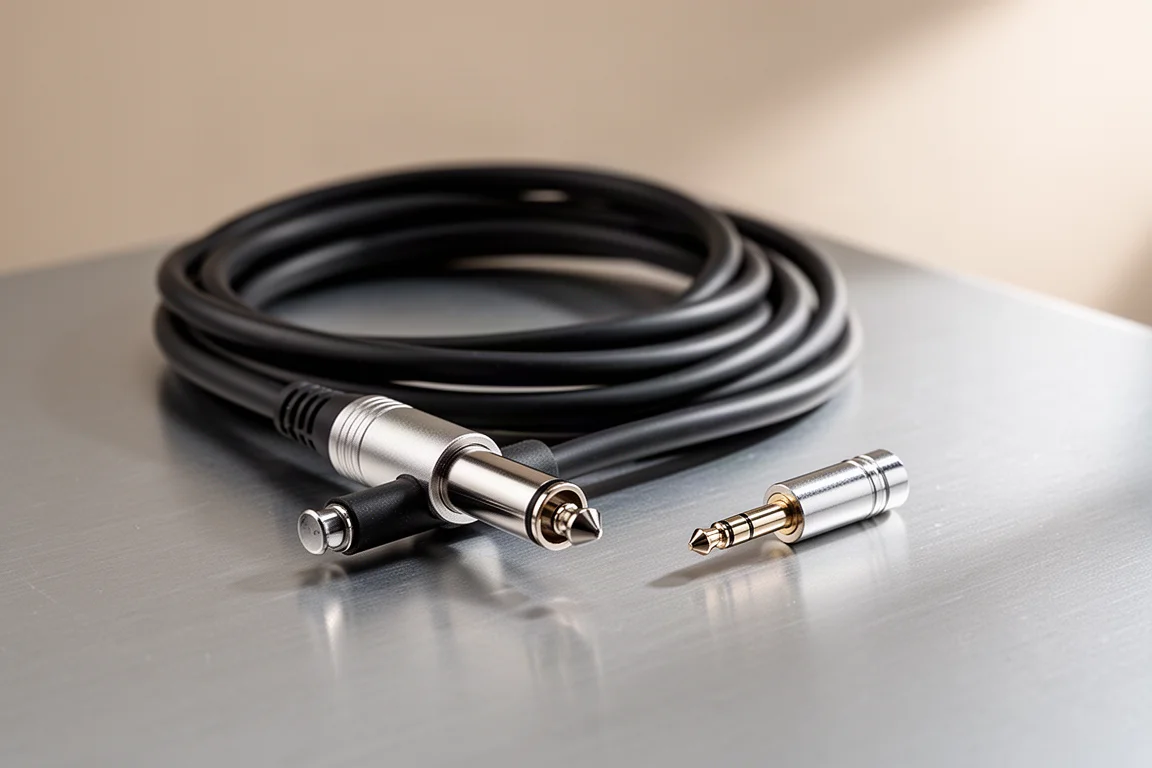
The cable is a genuine highlight. It uses a 2.5 mm termination that seats into a recessed socket and locks in place with a twist, similar in feel to other locking connectors in this segment. That recess means not every aftermarket cable will fit. The stock cable is long, terminates in a large 6.35 mm plug, and ships with an adapter down to 3.5 mm. The rubber coating means it takes a little effort to straighten out of the box, but it behaves well afterwards and avoids the unruly tangling that plagues many stock cables.
Comfort overall is very good. The headphone is light enough that it can disappear during long sessions.
How It Sounds: Tuning and Bass
Neutral is the right word. Detail retrieval is strong, bass extension is genuinely good, and bass punch is deliberately modest. Those three qualities define the character of the HD 560S more than anything else.
Extension is the part worth dwelling on. Low-frequency information that often goes missing entirely on lesser headphones remains audible and intact here, which means subtle low passages in a mix are present rather than absent. What you will not get is a forceful, front-loaded thump. Some tracks with naturally punchy low end come across with that punch intact, while others in a similar style arrive noticeably flatter. That variation suggests the low end behaves differently depending on frequency rather than being uniformly boosted or rolled off.
Tonally, the headphone is accurate and easy to trust. Piano passages in particular come across as well judged and natural. The upper midrange and treble lean slightly cool, and higher female vocals can carry a faint edge, though not enough to become harsh or fatiguing. Against a warmer reference like the HD 6XX, the difference in signature is obvious, and the two complement each other rather than compete.
Separation, Soundstage, and Imaging
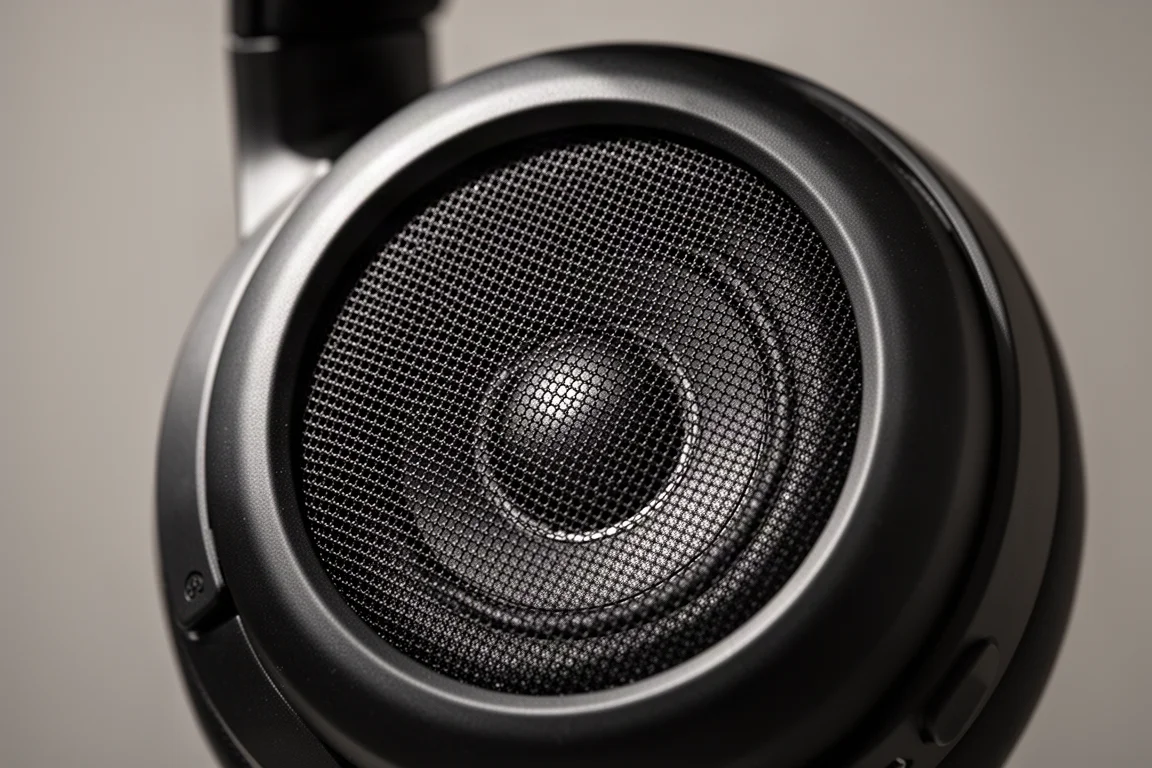
Instrument separation is the standout strength here, and it is arguably the best available at any price. Nothing melds together. Instruments, vocals, and effects each occupy their own clearly defined place rather than masking one another. A background guitar riff that sits well behind the main arrangement stays audible, distinct, and correctly positioned rather than being swallowed by whatever is playing in front of it.
Soundstage and imaging are strong, though they behave differently from planar magnetic designs with larger drivers. Those headphones tend to place elements at varying perceived heights, including noticeably elevated positions. The HD 560S does not create that vertical layering. What it does deliver is a convincing sense of depth, with elements placed low and behind the listener when the recording calls for it. For a dynamic driver, this is as capable a presentation as you are likely to encounter. It is simply a different flavour rather than a lesser one.
Driving Them: Amps and Dongle DACs
At 120 ohms with roughly 110 dB efficiency, the HD 560S asks for a little more current than the most sensitive headphones on the market. It was tested across three small portable sources: an Apple Lightning to 3.5 mm adapter, a Hidizs S9 Pro, and a Dragonfly Red.
All three drove it successfully. The Apple adapter needed its volume pushed to maximum and still reached a level that was comfortably loud for normal listening, though anyone who wants to listen at genuinely high levels should look at a source with more headroom. The S9 Pro pushed it considerably higher, and the Dragonfly Red also required a somewhat elevated volume setting. The takeaway is straightforward: this headphone likes a bit of power, but it does not demand a desktop amplifier to be enjoyable.
Things to Consider Before Buying
The build is plastic and functional rather than premium. It holds up, but it will not feel like a luxury object.
Bass quantity is the biggest consideration. Extension is excellent, but punch is limited, so listeners who want a forceful low end should look elsewhere or accept that this is not the headphone for that preference.
The treble leans slightly cool, which occasionally gives higher vocals a subtle edge. It is not offensive, but it is a characteristic worth being aware of if you prefer a warmer presentation.
Pad maintenance is a real ownership detail. The earpads attract hair and lint, and replacing them is not a straightforward user procedure.
Cable flexibility is limited by the recessed 2.5 mm locking socket. The stock cable is long and terminates in a 6.35 mm plug with a 3.5 mm adapter included, which is fine for home listening but adds bulk for portable use, and alternative cables must match that specific connector.
Buying Advice
At a retail price of $200, and frequently around $180, the HD 560S represents substantial value. It is a coherent, well-rounded headphone rather than a collection of impressive-sounding specifications, and it does not need to be defended or excused at this price point.
The decision comes down to signature preference. If you want a neutral, detailed, highly separated presentation that works across genres and stays comfortable for hours, this is a confident purchase. If you want warmth and low-end impact above all else, a warmer alternative such as the HD 6XX will suit you better.
For many listeners, this could reasonably be the only headphone they own. It is put together from a sound perspective in a way that few headphones at any price manage, with only a slight leanness and coolness at the top as the price of admission.
Conclusion
The Sennheiser HD 560S is the most well-rounded headphone in its class, and arguably well beyond it. Neutral tuning, excellent bass extension, outstanding instrument separation, and genuine long-session comfort combine into a package that is hard to fault on sound quality. The plastic build, modest bass punch, and slightly cool treble are honest trade-offs rather than hidden problems, and at around $180 the value is difficult to argue with. If your priorities match what this headphone does well, it is an easy recommendation.
Product link
View more details for Sennheiser HD 560S
This product is mentioned in the review. Check the specifications, options, and compatibility before buying.
View more details for Sennheiser HD 560SFurther reading
Related Reviews
Headphones
Apos Audio Caspian Review: Warm Bass, Solid Build, and a Detail Trade-Off
The Apos Audio Caspian is an easy-to-drive open-back headphone with standout bass and a warm, relaxed tuning, though mid-range and treble detail trail the competition.
Headphones
Audeze LCD-X vs LCD-XC vs LCD-3: Which High-End Headphone Fits Your Setup
A practical comparison of three Audeze planar magnetic headphones under $2,000, covering the open-back LCD-X, the closed-back LCD-XC, and the wood-ringed LCD-3.
Headphones
Audeze LCD-X vs HiFiMan Edition XS: Two Open-Back Headphones Compared
A practical comparison of the Audeze LCD-X and the HiFiMan Edition XS, covering build quality, comfort, sound signature, and which listener each one suits.