Road Bikes
SEKA Spear Review: A Fast Chinese Road Race Bike for Half the Frameset Price
A month on the SEKA Spear, a race-ready carbon road bike with sharp handling, strong seated comfort and a £2,250 UK frameset price.
Introduction
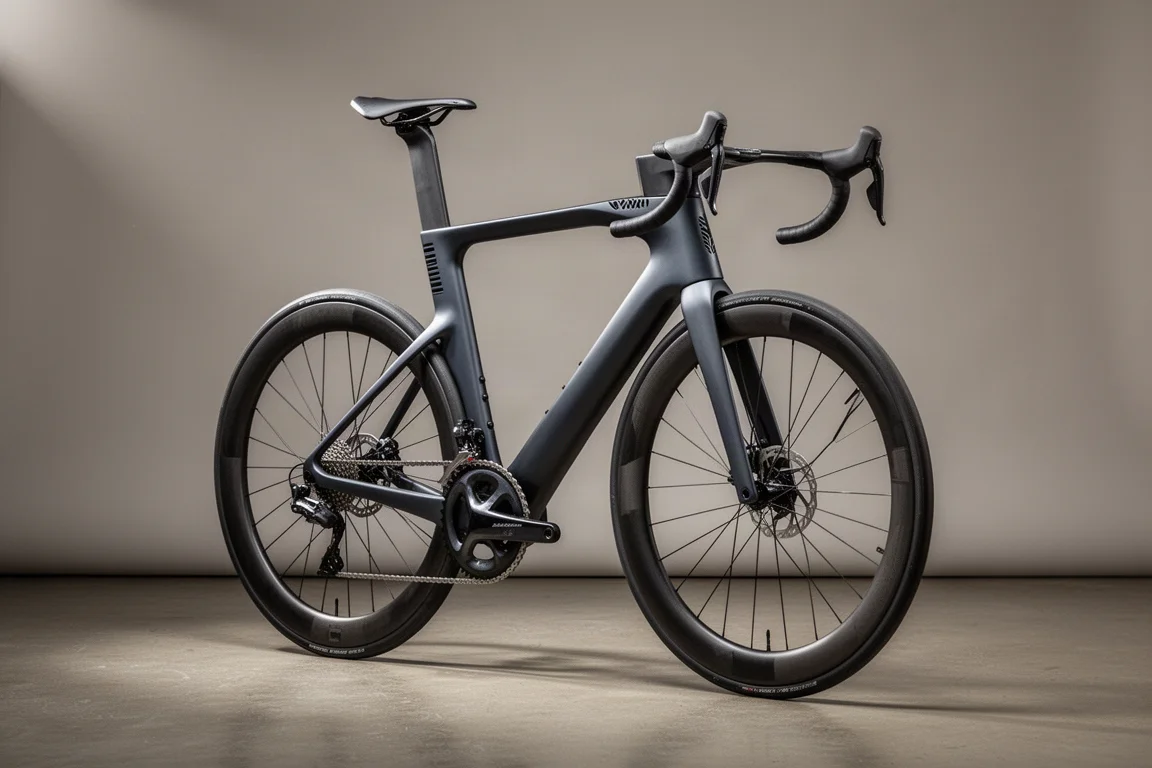
The SEKA Spear is a road race bike from Chinese brand SEKA, and it makes a simple, appealing promise: flagship-style race performance for a fraction of what the established names charge. In the UK the frame and fork retail for £2,250, roughly half the price of a Specialized Tarmac SL8 frameset, even though the SEKA frame’s weight sits closer to the mid-range SL8 than to the lightest version.
After a month of riding, the picture is clear. This is a fast, well-built race bike that looks every bit as quick as it rides, with a couple of honest compromises worth understanding before you order one.

Testing conditions were far from ideal, with heavy rain and gale force winds limiting how much could be read into fine handling nuances, but the bike’s core character came through anyway.
Who the SEKA Spear Is For
The Spear suits riders who want genuine race bike speed and handling without paying flagship frameset money. It also suits riders who fit a standard geometry rather than a very aggressive one, because SEKA offers five regular sizes alongside two race sizes. Those race sizes use a lower stack, a shorter head tube and a longer reach for riders who want a low, stretched-out position.
It is also a bike for riders who are comfortable buying from a less familiar brand. Frames can take around six weeks to arrive, and there is no local dealer network to take the bike back to for after-sales warranty issues in most markets. SEKA does offer a lifetime warranty, which is a strong statement of confidence, but the practical support route is different from what a large established brand provides.
One more thing to plan for: the Spear is not sold as a complete bike in the way the big brands sell theirs, so most buyers will be building it up from a frameset.
Main Strengths
The first strength is speed. The Spear is quick and holds its pace well, with race bike handling that feels composed through corners and across a mix of road surfaces. It does not have the electric, urgent feel of the very fastest aero race bikes, but it is clearly a fast machine. On a timed test lap it slotted in behind the pure aero specialists, which is expected for a bike that is not a dedicated aero platform, and ahead of at least one lower-drag all-rounder.
The second strength is seated comfort. The rear of the bike is excellent, with the seat post and rear stays allowing the saddle to move over bumps in a way that keeps the rider fresh. In this respect it sits on a level with the latest Tarmac SL8. For long rides, that rear-end compliance matters more than most spec sheets suggest.
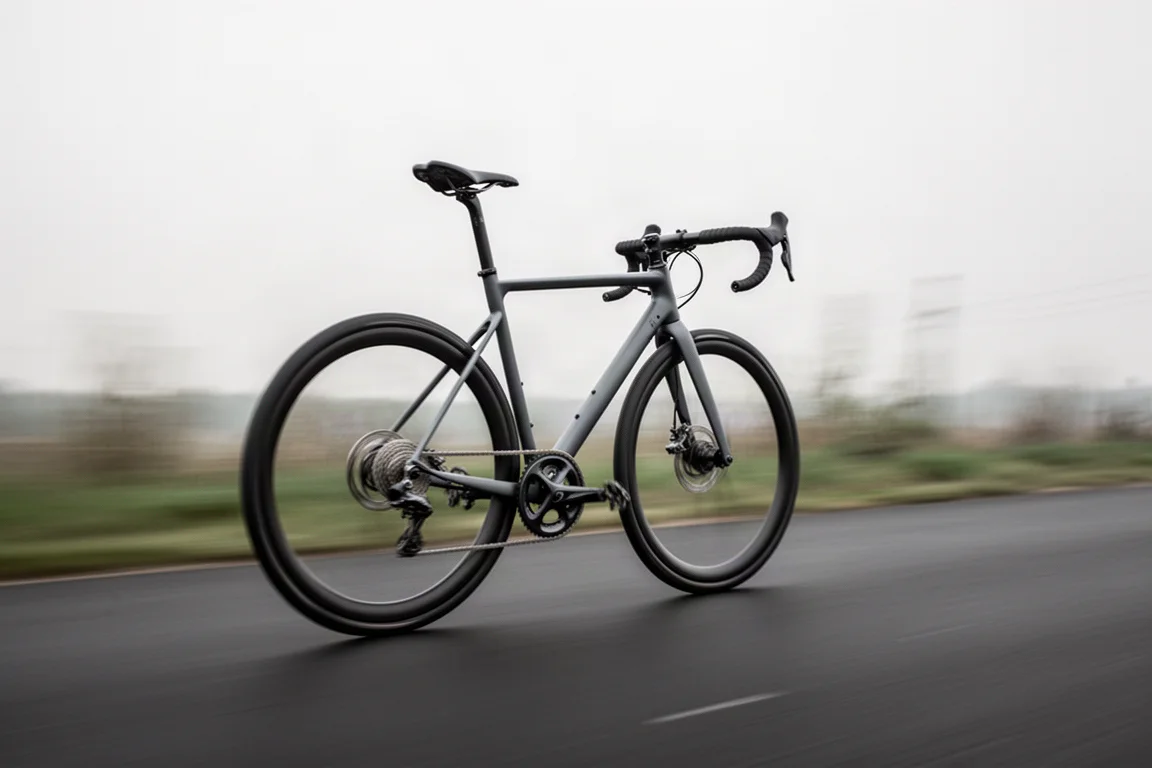
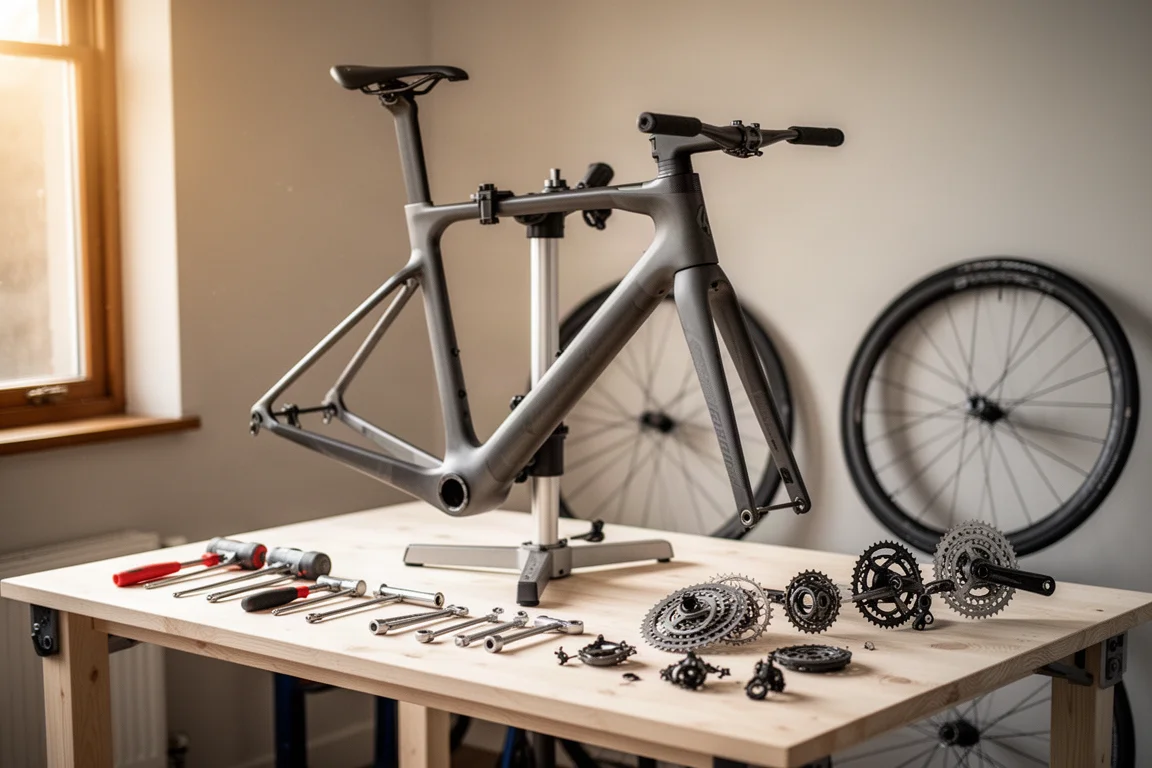
Build quality is the third strength, and it is the area where unfamiliar brands usually attract the most doubt. Assembly went together cleanly: the bottom bracket threaded into the frame without trouble, the disc brake mounts faced up properly, and the internal routing was straightforward. A neat detail is the way the Di2 battery sits in the bottom bracket, so the seat post can be removed easily for travel without wires dropping down inside the frame. After a month of riding there have been no creaks, rattles or squeaks anywhere, and the seat post has not slipped.
There is also a distinctive design touch worth mentioning. SEKA calls the vented detail on the frame the wind eye. Whether or not you buy into the aerodynamic claims, it looks striking, reminiscent of inlet ports on a fighter jet, and it is a genuine talking point. So far there have been no structural concerns around it.
Frame Sizing and Geometry
The geometry range is unusual and genuinely useful. Five standard sizes cover most riders, and two additional race sizes deliver the aggressive, low, long fit that serious racers want. That means a rider can choose the fit philosophy that suits them without giving up the race bike handling and performance underneath.
As a reference point, a rider at 181 cm chose a size large and found it fitted perfectly with a 110 mm stem, run slammed with no spacers, giving the stack height they wanted. It is worth studying the geometry chart carefully before ordering, and worth being cautious about the race sizes: if you would be running a stack of spacers to make the bike comfortable, a standard large or medium is very likely the better choice.
Things to Consider Before Buying
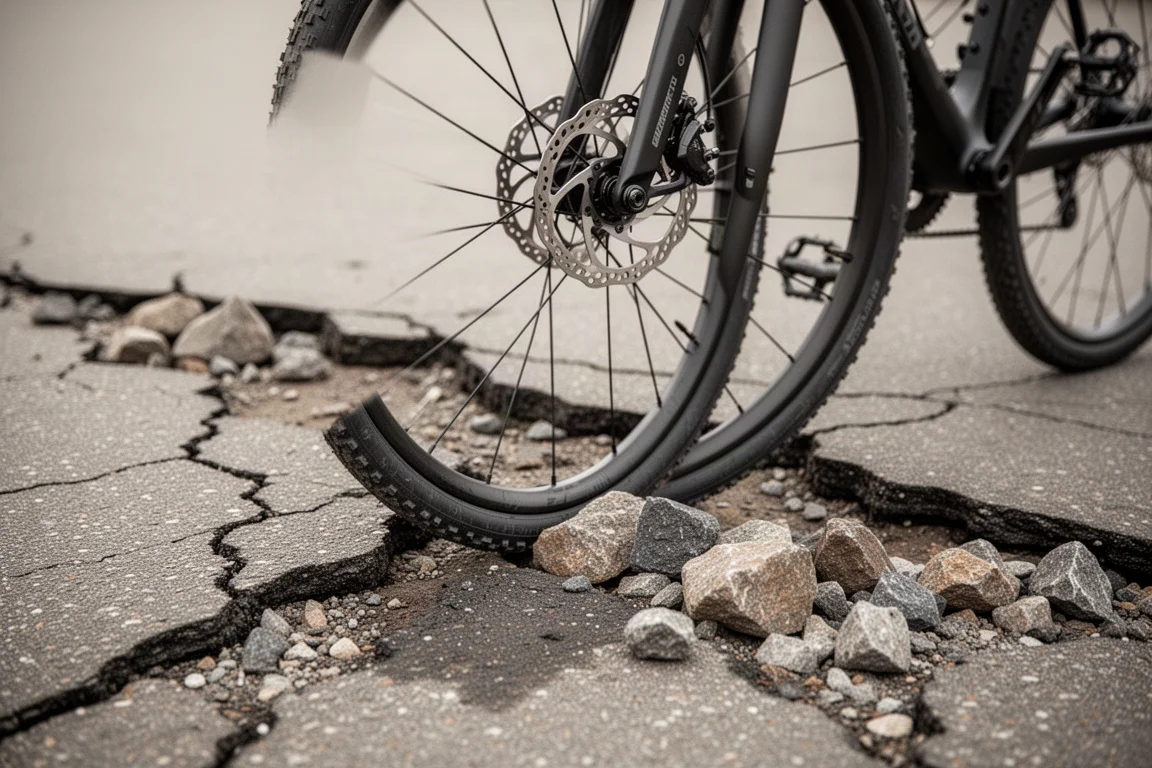
The main compromise is the front end. On rough, badly maintained roads, the front of the bike is very firm, close to harsh. Every bump and every surface ripple transfers through the handlebar into the hands, arms and upper body, and on longer rides over broken tarmac it becomes tiring. The front end jitters constantly underneath the rider, which gets tedious. The overall balance is a stiff front paired with a softer rear, which is not as well resolved as the latest crop of race bikes that manage to feel fast and comfortable at the same time.
The one-piece cockpit is the second consideration. The profile on the tops is not especially ergonomic for cruising or climbing, and because there is no tape there, the surface gets slippery in hot weather. Since the cockpit is integrated, you are tied to the bar the bike comes with, so it needs to suit you. It is acceptable for racing, but it is not the most comfortable bar around.
The third consideration is the ownership experience. Buying an unfamiliar brand means waiting for a frame to arrive and, in most places, having no dealer network to handle after-sales warranty work. Long-term durability remains an open question, and a month of riding, however solid it felt, cannot fully answer it.
Finally, the value comparison is not quite as simple as the headline frameset price suggests. Because complete bikes are not offered in the same way as the big brands, like-for-like comparisons are tricky. A Giant Propel Advanced Pro frameset, for example, can be found for less money, comes with the same lifetime warranty and is supported by a much wider dealer network. A Specialized Tarmac SL8 complete bike with the same groupset and carbon wheels lists at £8,000, though discounts on that bike are often available.
Build Quality and Long-Term Confidence
On the evidence so far, the Spear holds up well. The frame built up without any of the problems that make mechanics sigh, and a month of varied riding produced no noises, no slipping and no rattles. It feels solid and, so far, reliable.
What a month cannot settle is long-term durability. Buyers weighing up an unfamiliar brand are effectively taking a small calculated risk in exchange for the price advantage, and that trade-off is worth naming plainly rather than glossing over. What can be said is that the assembly quality, the frame finish and the lifetime warranty all point in the right direction.
Buying Advice
The build on test used a Shimano Ultegra Di2 groupset, which retails for around £1,000 in the UK, plus a saddle, bar tape and a wheelset under review. That build came to roughly £6,500, but a large share of that total was the wheels. Swap in a cheaper wheelset and the same bike lands closer to £5,000, which is where the Spear starts to look genuinely compelling against flagship race bikes.
Practical advice follows from that. Choose your wheelset deliberately, because it swings the total by well over a thousand pounds. Choose the standard geometry unless you genuinely want a very aggressive position, since the firm front end is already the limiting factor for comfort. And go in with realistic expectations about support and delivery times, then judge the bike on what it actually delivers on the road.
Conclusion
The SEKA Spear is a fantastic road race bike. It is fast, it handles well, it looks the part, and it was built to a standard that would embarrass plenty of more expensive frames. Seated comfort at the rear is genuinely excellent, the sizing options are unusually flexible, and the £2,250 UK frameset price undercuts the established names by a wide margin.
The reservations are real but specific. The front end is harsh on rough roads, the integrated cockpit is not the most comfortable on the tops, and buying from a newer brand means accepting less local support and an open question about long-term durability. For riders who fit the bike, can live with the firm front end and want race performance for considerably less money, the Spear makes a strong case.
Product link
View more details for SEKA Spear
This product is mentioned in the review. Check the specifications, options, and compatibility before buying.
View more details for SEKA SpearFurther reading
Related Reviews
Road Bikes
10 New Road Bikes Worth Watching: Aero, Titanium, Steel and Endurance Standouts
A practical roundup of 10 new road bikes, from aero flagships chasing single-watt gains to titanium, steel and endurance platforms built for real roads.
Road Bikes
2026 Tour de France Road Bikes: Six Race Machines Worth a Closer Look
Six race bikes from the 2026 Tour de France grid, reviewed for paint, silhouette, wheels and the specification details that matter to buyers.
Road Bikes
3T Strada Italia Review: A Radical Aero Road Bike That Rides Smooth
A made in Italy carbon aero road bike with a deep head tube, wide tire clearance and a genuinely comfortable ride. Here is what to know before buying.