Road Bikes
Seeker Spear Long-Term Review: A Lightweight Aero Road Bike That Takes On The Flagships
Nine months on a lightweight aero road bike that matches premium race bikes on speed and weight, with a stiff front end and an ownership model worth understanding first.
Introduction
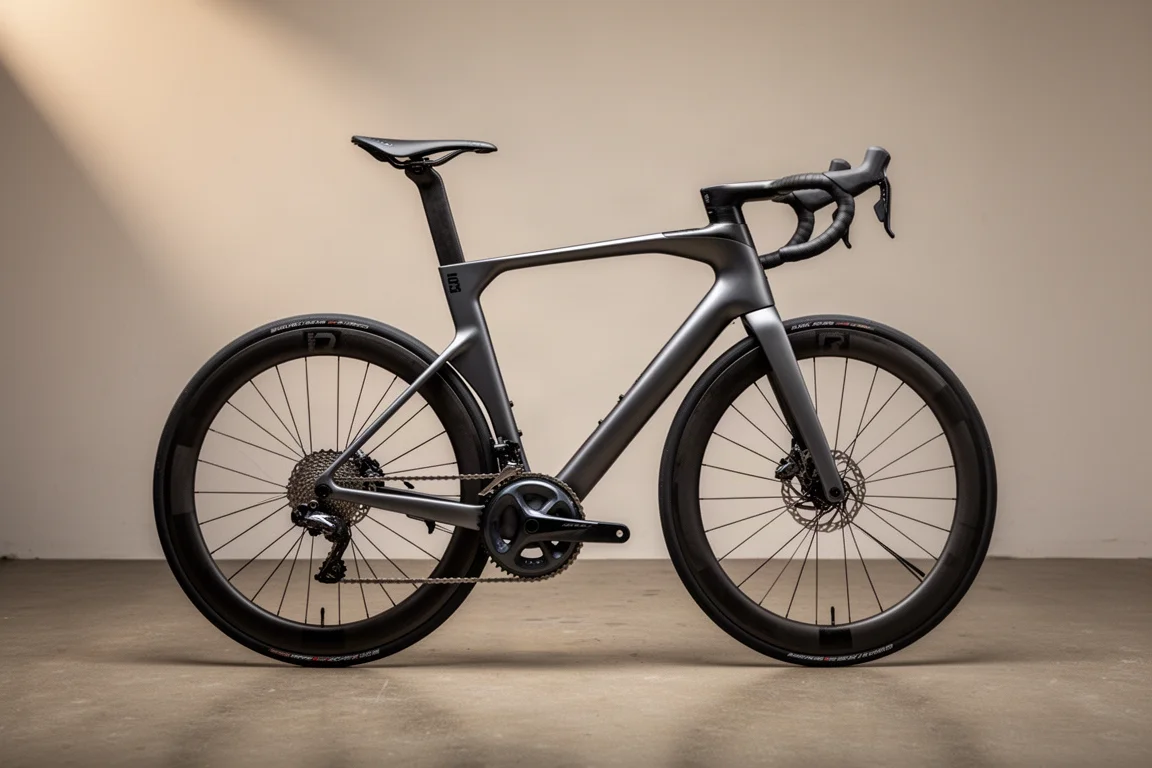
The Seeker Spear is a lightweight aero road bike from a newer brand that has set its sights squarely on the premium end of the road market. It has been ridden regularly for nine months across smooth tarmac, rough lanes and longer climbing routes, which is long enough to look past first impressions and judge how the bike actually holds up.
The short version is that it is quick, light and priced well below the flagship race bikes it targets, with a handful of ownership considerations that matter as much as the ride itself.
Who the Seeker Spear Is For
This bike suits riders who want race-bike speed and handling without flagship pricing. The geometry is low and long, close to a Tarmac, so it rewards riders who already know they want an aggressive, stretched position. Because stem length and handlebar width are chosen at the point of order, the fit can be dialled in closely rather than adjusted around a fixed stock cockpit.
It also suits riders who are comfortable with the build process. There is no dealer network and no complete build option, so the bike has to be assembled by a local bike shop, an independent mechanic, or at home. Anyone who enjoys that side of bike ownership will get on well with it.
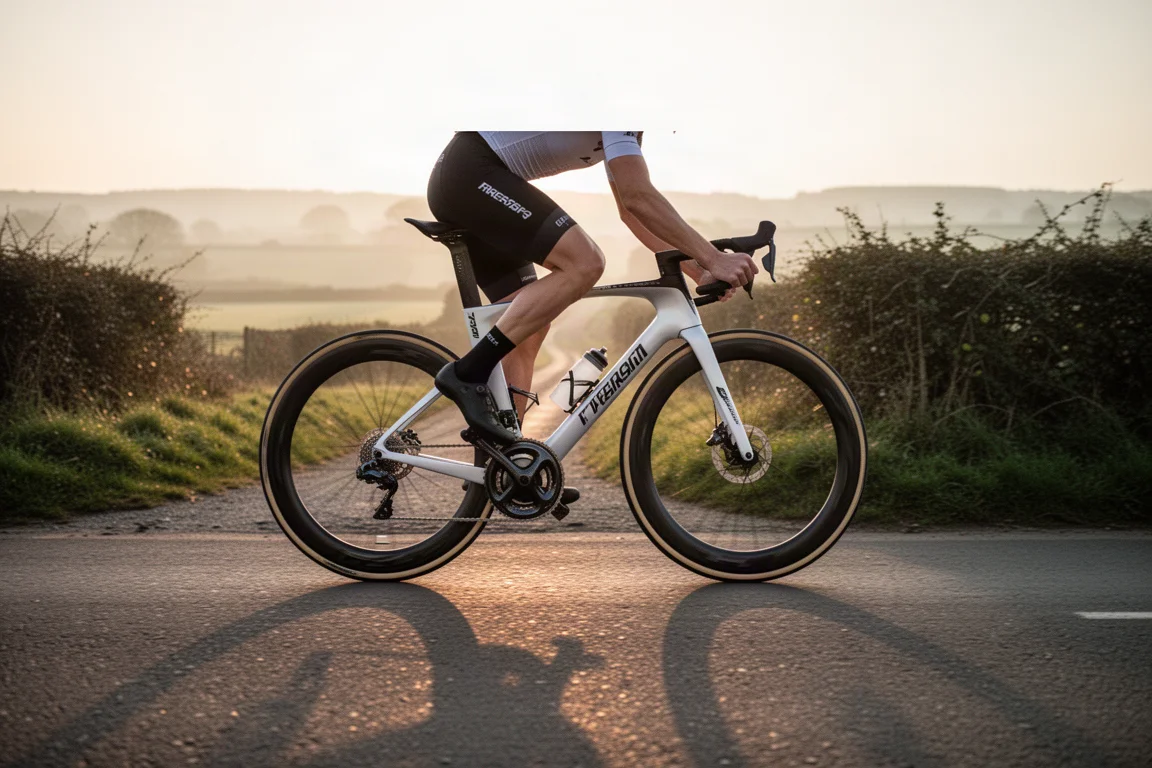
Riders who spend most of their time on smooth roads, or who race on closed circuits, are likely to see the frame’s stiffness as a benefit rather than a compromise. Those who want a race bike purely for fast weekend riding on mixed surfaces should read the next two sections carefully.
Main Strengths: Speed, Weight, and Value
The Spear is genuinely fast. Around a familiar test loop it sits in the same league as well-known lightweight aero race bikes, and the gaps are small enough that they are difficult to feel in normal riding. It climbs well thanks to its low weight, and once it is up to speed it holds that speed efficiently.
Weight is a headline figure. With Super Team wheels and 28mm Continental GP5000 S TR tyres, and without pedals, the bike weighed 7 kg. Fitted with a set of Roval Rapid wheels it came in at 7.2 kg. The frame weight is roughly the same as an S-Works Tarmac SL8, which puts this bike in the same territory as top-tier builds from mainstream brands with high-end groupsets.
Stiffness is another strength. The Spear is stiffer than a Tarmac SL8, which translates into direct power transfer, and comfort at the saddle is genuinely good. The rear end absorbs surface noise well, and long rides do not leave the rider feeling beaten up through the seat.
Value is where the bike stands furthest apart from its rivals. The UK frameset price for the lightweight RDC version is around £2,600, roughly £2,000 less than an S-Works Tarmac SL8. The brand has also published wind tunnel results from testing at Silverstone against a Specialized, with the full data available in a white paper, so the performance claims can be examined rather than taken on trust.
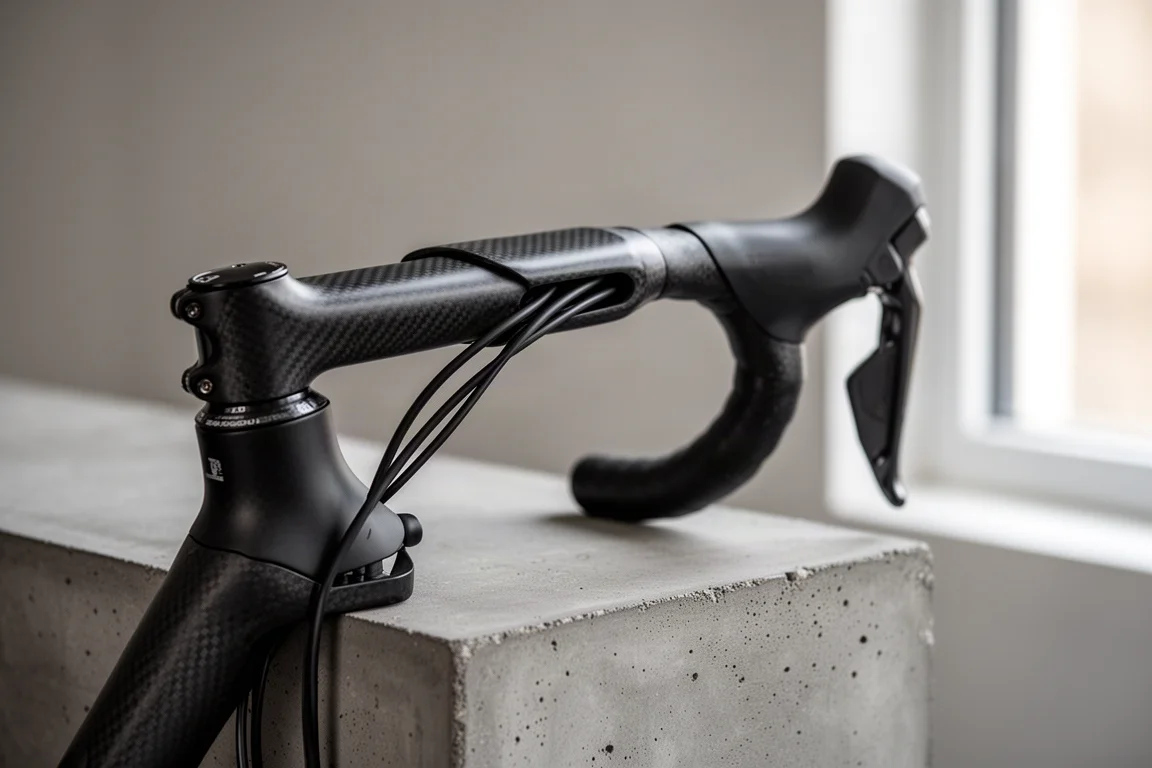
Practical details are well judged: an external bottom bracket, clearance for 32mm tyres, internal routing that is easy to live with, a one-piece handlebar and stem, dropped rear stays, and a sculpted seat tube junction described as a wind eye feature intended to improve aerodynamics and compliance. There is also a choice of colours and component sizing.
Things to Consider Before Buying
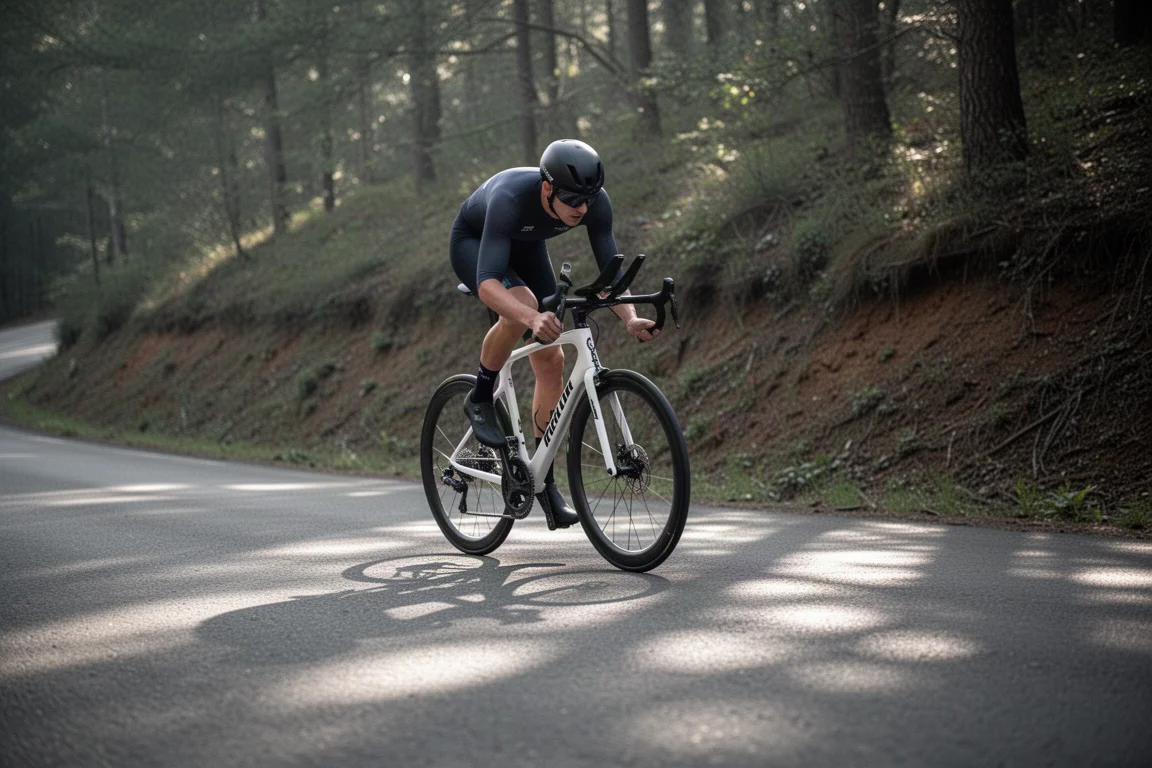
The front end is the main caveat. The bike is very stiff through the handlebar and fork, and on rough road surfaces the rider is constantly reminded of it. Different wheelsets and both 28mm and 32mm tyres were tried, and the character stayed the same. Comfort at the saddle is excellent, but the front does not deliver the smoothness that the latest generation of race bikes manages to combine with weight, aerodynamics and stiffness.
Handling is purposeful rather than playful. Steering is less immediate than on an SL8, and the bike feels slightly less nimble, particularly when climbing out of the saddle. In character it is closer to an older Tarmac SL7 or a SuperSix Evo. That is not a criticism so much as a description of how it wants to be ridden: planted, deliberate and fast in a straight line.
Ownership is the other thing to weigh up. With no dealers and no complete build option, buyers need access to a good mechanic or the confidence to build the bike themselves. There is also an open question about long-term warranty and after-sales support, which is difficult to assess without a problem to test it against. Brand recognition and resale value are lower than for established names, so this is not the strongest choice if the bike is viewed as an investment. Swapping handlebars is also awkward because of the internal routing, which limits how easily the front end can be tuned after purchase.
Buying Advice
If outright performance per pound is the priority and you are happy to organise the build and support side yourself, the Spear is a credible alternative to a mainstream flagship. It delivers the speed, the low weight and the race-bike sensation, and it does so for a substantial amount less.
If dealer support, resale value and a smoother front end matter more than the saving, a more familiar brand is likely to be the safer and more comfortable path. Riders who mostly ride smooth roads or race on circuits will probably find the stiffness a strength rather than a drawback, while anyone chasing real-world comfort on broken lanes should try before committing.
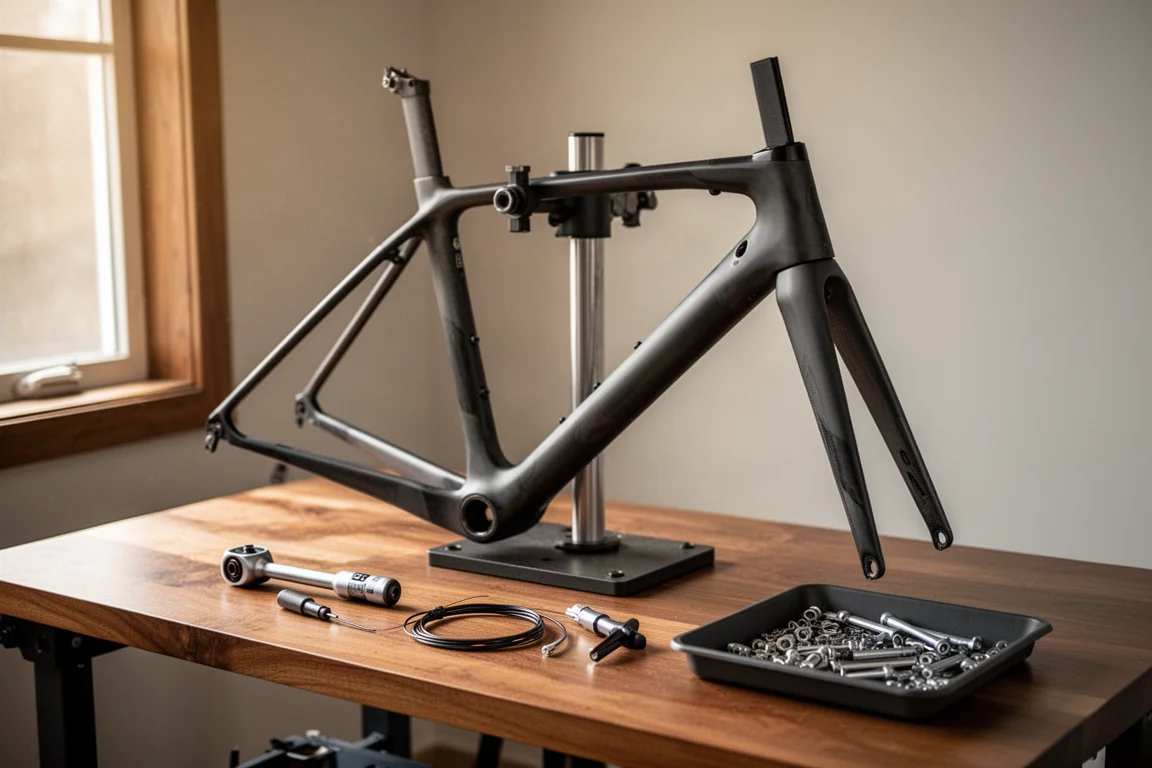
A sensible approach is to decide first how much the ownership experience matters to you, and only then compare the numbers. The bike’s performance case is easy to make; the practical case depends on the rider.
Conclusion
After nine months, the Seeker Spear remains an impressive and appealing bike. It is fast, light and priced far below the mainstream competition, with strong build quality, a considered design and useful customisation at the point of order. The trade-offs are a stiff front end, limited dealer support, an unproven long-term service picture and weaker brand equity on resale.
For riders who value performance and price above familiarity, it is well worth a place on the shortlist. For riders who want a race bike that is also forgiving on rough roads, and who would rather buy through a dealer network, the more established options still hold an edge.
Product link
View more details for Seeker Spear
This product is mentioned in the review. Check the specifications, options, and compatibility before buying.
View more details for Seeker SpearFurther reading
Related Reviews

Road Bikes
10 New Road Bikes Worth Watching: Aero, Titanium, Steel and Endurance Standouts
A practical roundup of 10 new road bikes, from aero flagships chasing single-watt gains to titanium, steel and endurance platforms built for real roads.
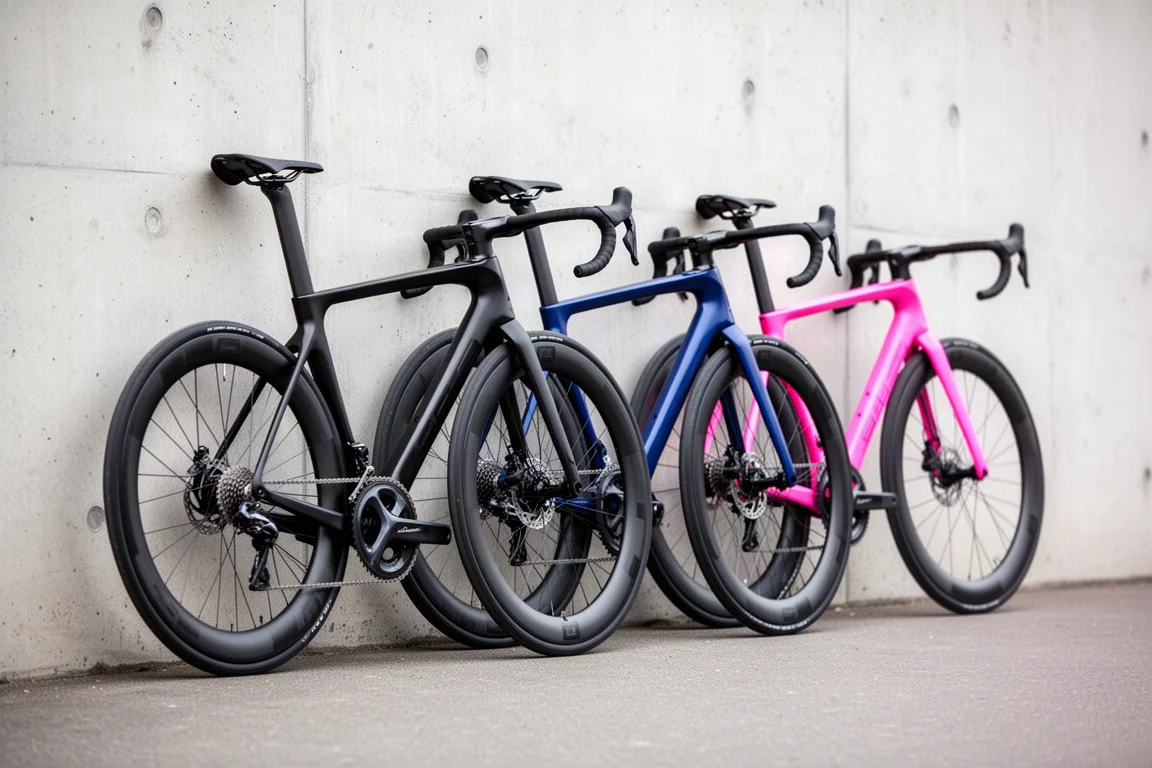
Road Bikes
2026 Tour de France Road Bikes: Six Race Machines Worth a Closer Look
Six race bikes from the 2026 Tour de France grid, reviewed for paint, silhouette, wheels and the specification details that matter to buyers.
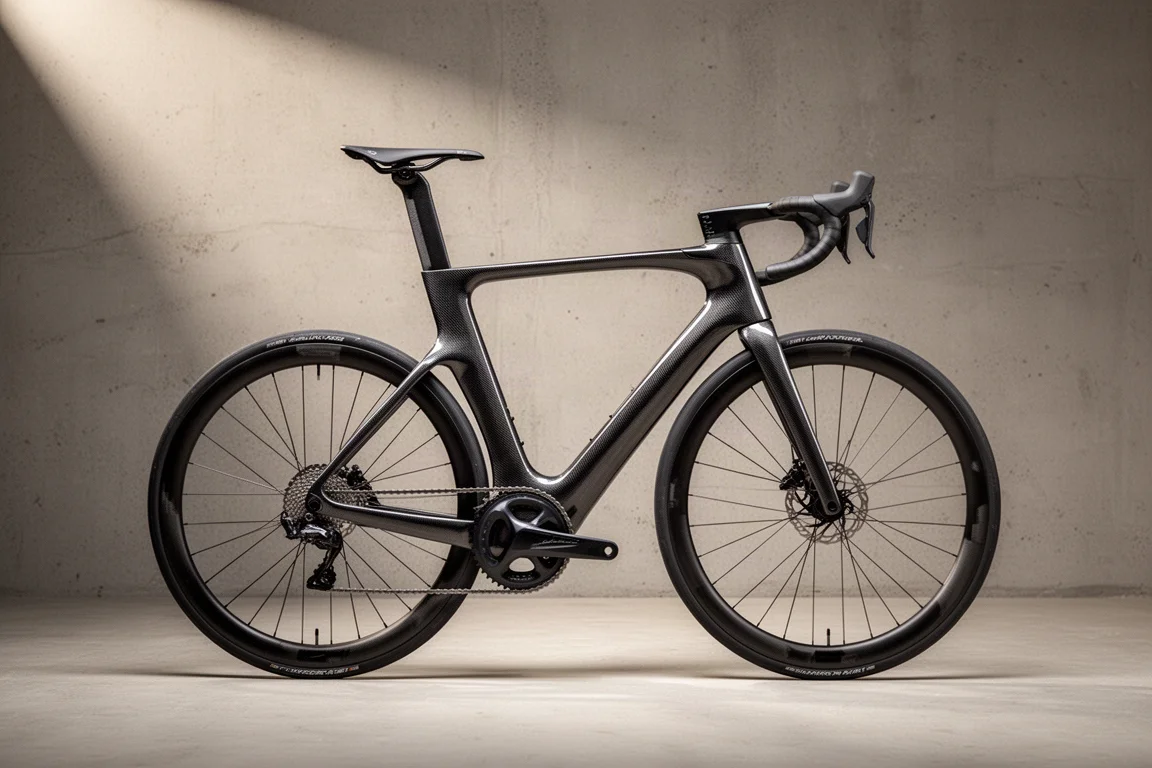
Road Bikes
3T Strada Italia Review: A Radical Aero Road Bike That Rides Smooth
A made in Italy carbon aero road bike with a deep head tube, wide tire clearance and a genuinely comfortable ride. Here is what to know before buying.