Road Bikes
Seeka Spear RDC vs Specialized S-Works Tarmac SL8: A Custom Build Meets the Benchmark
A limited edition S-Works Tarmac SL8 against a hand-built Seeka Spear RDC. Where the factory package wins, where a custom build wins, and who each one suits.
Introduction
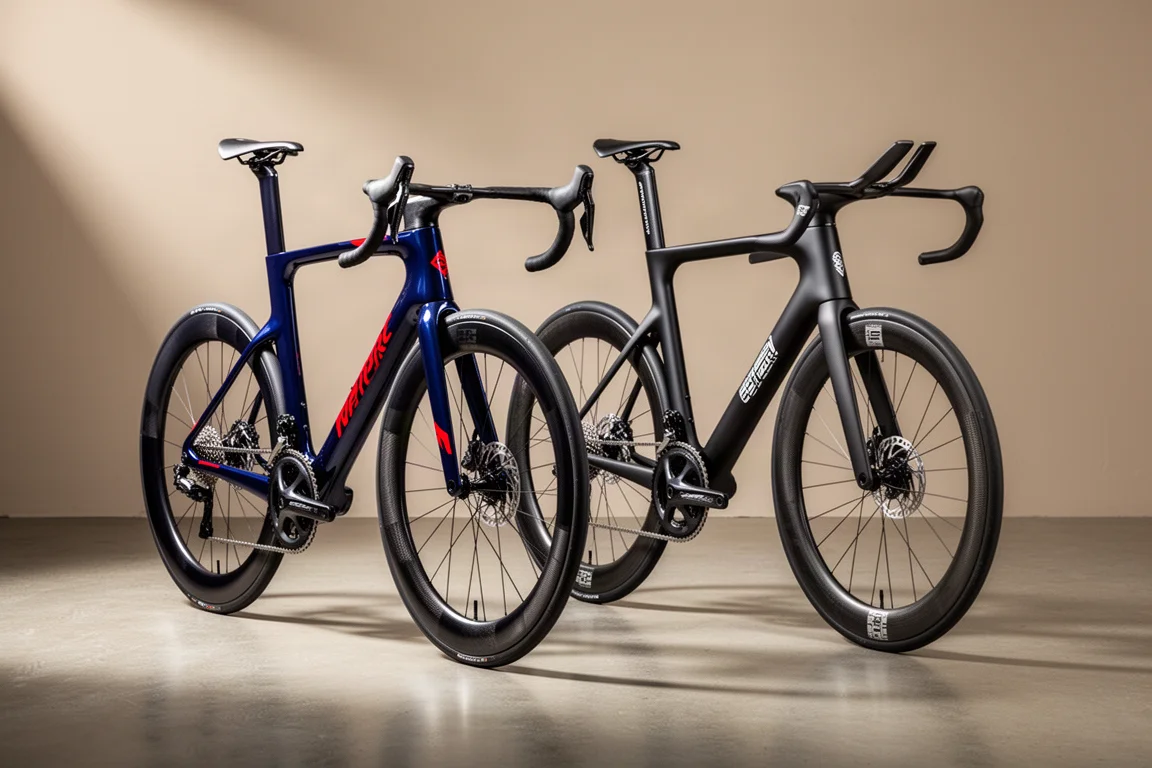
Choosing between a factory-built race bike and a custom project is one of the more interesting decisions in road cycling right now. On one side sits the Specialized S-Works Tarmac SL8, here in a limited edition Red Bull Bora-Hansgrohe colourway that arrives complete with a SRAM RED eTap AXS groupset and Roval wheels. On the other sits the Seeka Spear RDC, a lightweight direct-to-consumer frameset assembled by hand with a mix of premium and lesser-known components.
Both aim at the same goal: a fast all-round road bike that climbs well, holds speed on the flat and stays comfortable enough for a long day out. They get there in very different ways, and the differences matter more than the headline spec sheets suggest.
Why the S-Works Tarmac SL8 Still Sets the Standard
The S-Works Tarmac SL8 has been on the market for nearly three years, and it is still the bike most competitors are measured against. The reason is straightforward: it does not really have a weak point. Specialized designed the frame, the Roval handlebar, the Specialized Mirror saddle and the wheels as one package, and the parts work together in a way that a mixed build rarely matches out of the box.
Buy the complete bike and you also get SRAM’s RED eTap AXS groupset, plus, in this case, a Red Bull Bora-Hansgrohe colour scheme that follows the same platform raced by professional teams. The SL8 also marked a real step forward in rear-end compliance compared with the previous generation, which is part of why it has stayed relevant for so long.

For riders who want to walk into a shop on Saturday and line up on a start line the following morning, that completeness is the entire appeal. There is no compatibility puzzle to solve, no parts to source and no build labour to pay for.
The Seeka Spear RDC: Frame and Cockpit
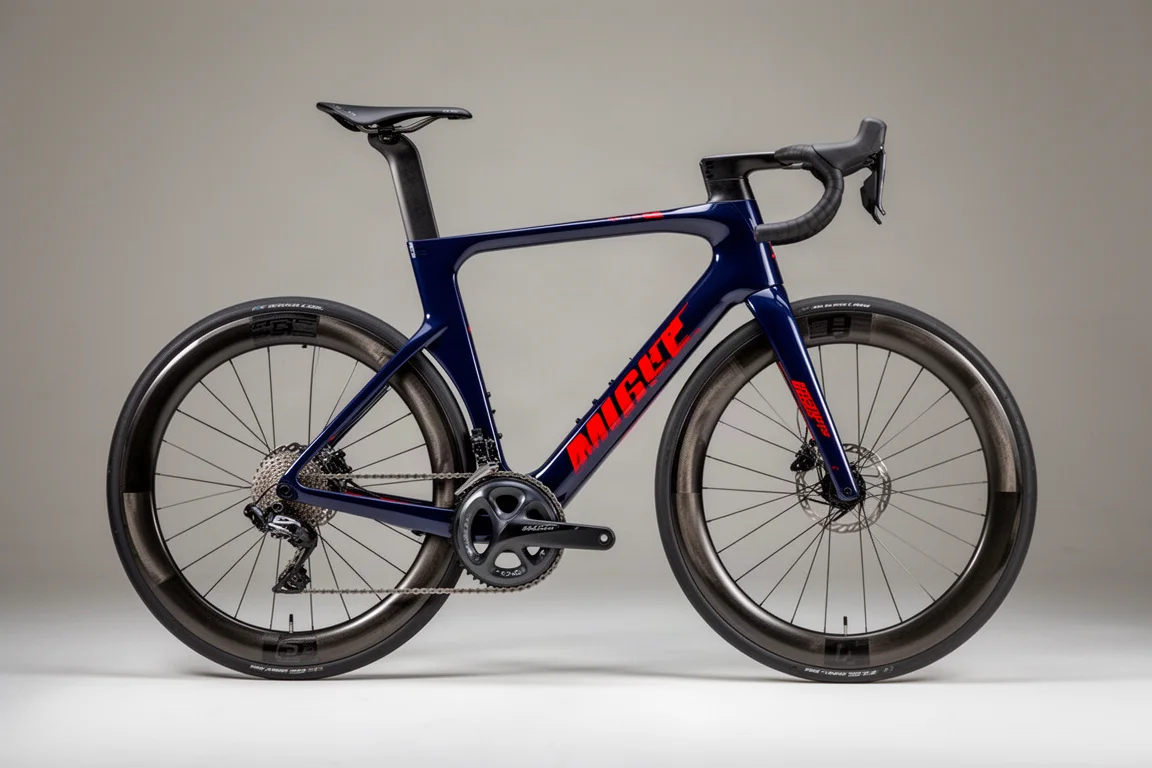
RDC stands for Racing Day Combatant, and it marks the lightweight version of the Seeka Spear. The claimed frame weight is just 685 g, which happens to be identical to the figure quoted for an S-Works Tarmac. That is the number that makes a direct-to-consumer frameset worth a serious look.
Seeka offers a range of sizes, and unusually it also offers two fit options. One is a regular geometry. The other is a more race-oriented version with a noticeably lower stack height. That lower option demands real flexibility and core strength, and riders who cannot hold it end up stacking spacers under the stem, which undoes much of the clean look.
The build here uses the Rapier handlebar, a fully integrated one-piece cockpit that routes both brake hoses and electronic shifting wiring internally. It runs a 130 mm stem with a 38 cm bar width and a small amount of flare, which keeps the setup UCI legal without turning the rider into a parachute. The frame also ships with proprietary bottle cages that hold standard round bottles but sit in an aero-integrated position, similar in concept to the cages on bikes such as the Giant Propel or the BMC Roadmachine.
Drivetrain, Wheels, and Finishing Kit
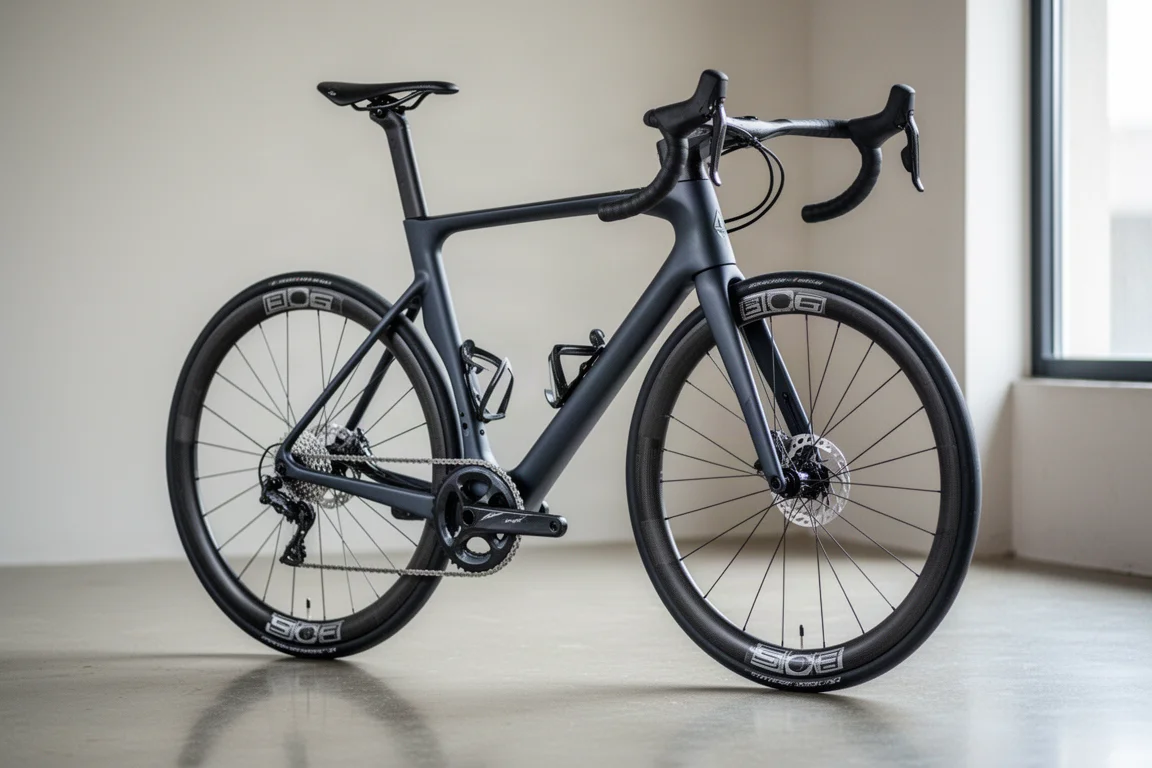
The groupset is Shimano Dura-Ace throughout. The reasoning behind that choice is worth understanding: several direct-to-consumer groupsets have improved considerably, and the L-TWO option is notably cheaper than either SRAM Red or Dura-Ace, but it is not yet at flagship level. For a build intended to trade blows with the best in the business, that gap matters.
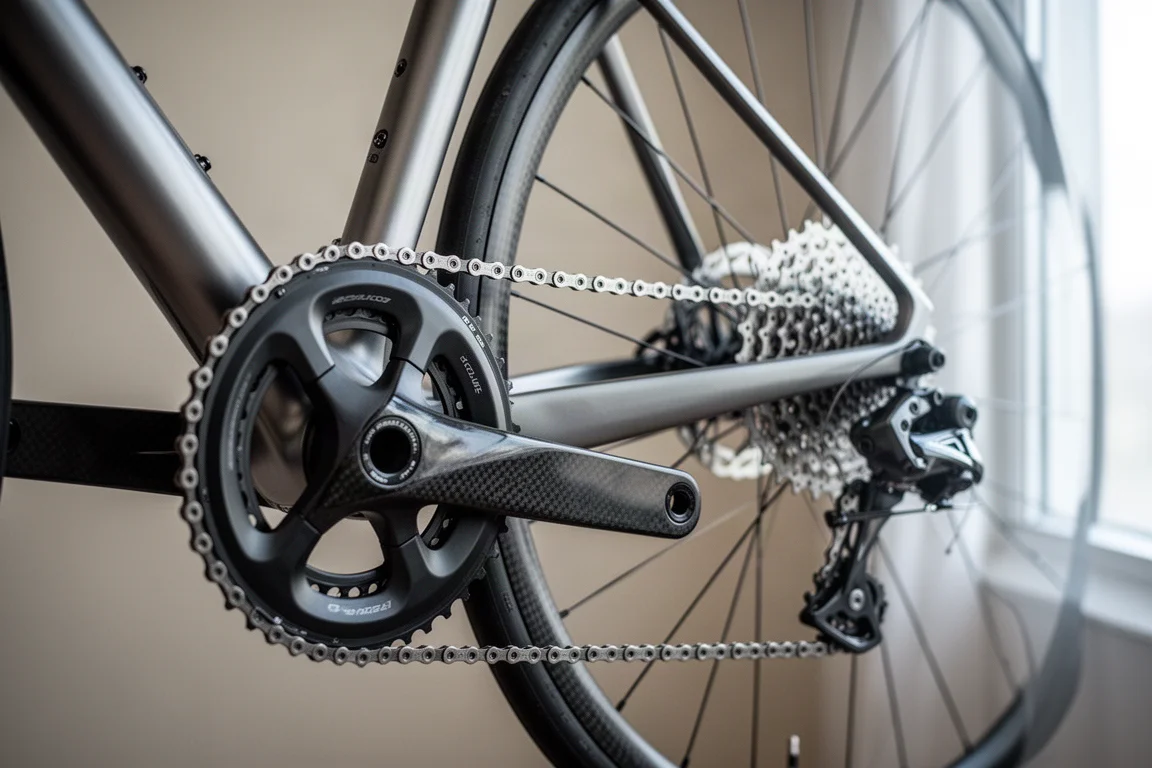
Power measurement comes from a Magene power meter rather than Shimano’s own unit, which is expensive and has had a mixed reliability record. The Magene option uses carbon crank arms and a spider-based design, with 53-39 tooth chainrings and a 165 mm crank length. In use the numbers have proven reliable when checked against indoor trainers. A 11-34 tooth cassette sits on the back.
The wheels are Number Six Racing Works items in a 50/58 depth, built with carbon fibre spokes. The standout detail is the silver hubs, and this particular set is the anniversary edition with silver decals; quieter graphic options are also available. Finishing kit is a mixed bag by design: the handlebar tape comes from AliExpress and feels similar to a favoured Fabric Knurl Tack that is no longer produced, and the saddle is a Riot Ultimate with carbon rails, a carbon body and a 3D printed upper. The saddle is still being evaluated over longer distances.
Ride Quality: Weight, Aero, and Comfort
The whole point of an all-rounder is that it refuses to specialise. It is not a pure aero bike and not a pure climbing bike; it is meant to do both, which suits riders who race criteriums where aero matters but who also want to ride a long climb on a Wednesday without feeling penalised.
On that measure the Seeka Spear RDC holds up well. Aero testing suggests it is genuinely fast for an all-rounder, and independent wind tunnel testing of this frame has produced impressive results. The gap between a well-designed all-rounder and a dedicated aero machine is smaller than it once was, and this frame appears to sit on the right side of that gap.
Comfort is the more nuanced story. Tube shapes on all-rounders generally lend themselves to a bit more compliance than pure aero designs, and the overall ride here is comfortable. The rear end, however, feels closer to the previous generation SL7 than to the SL8, which made a deliberate push on rear compliance. It is not far off, but it is not identical either.
The S-Works Tarmac SL8 remains the reference because it stacks weight, aero and comfort without an obvious compromise. The Seeka ticks the weight box and the aero box, and comes close on comfort.
Small Details and Ownership Notes
Two small annoyances stand out on the Seeka build. The proprietary bottle cages have a sharp edge, and sliding a bottle back in catches on it rather than dropping in smoothly. It is minor, but it is the kind of thing you notice on every ride.
The second is the rear mech hanger. When the rear wheel is removed and refitted, the hanger can shift slightly, which means the through axle will not always go in on the first attempt. The fix is to loosen the hanger with a 4 mm key, reposition it and try again. It is not unique to this frame, and the same behaviour showed up on an older SL6 Tarmac, but it does not happen on the SL8. If you remove your rear wheel often, such as for transport or turbo trainer use, that is worth knowing.
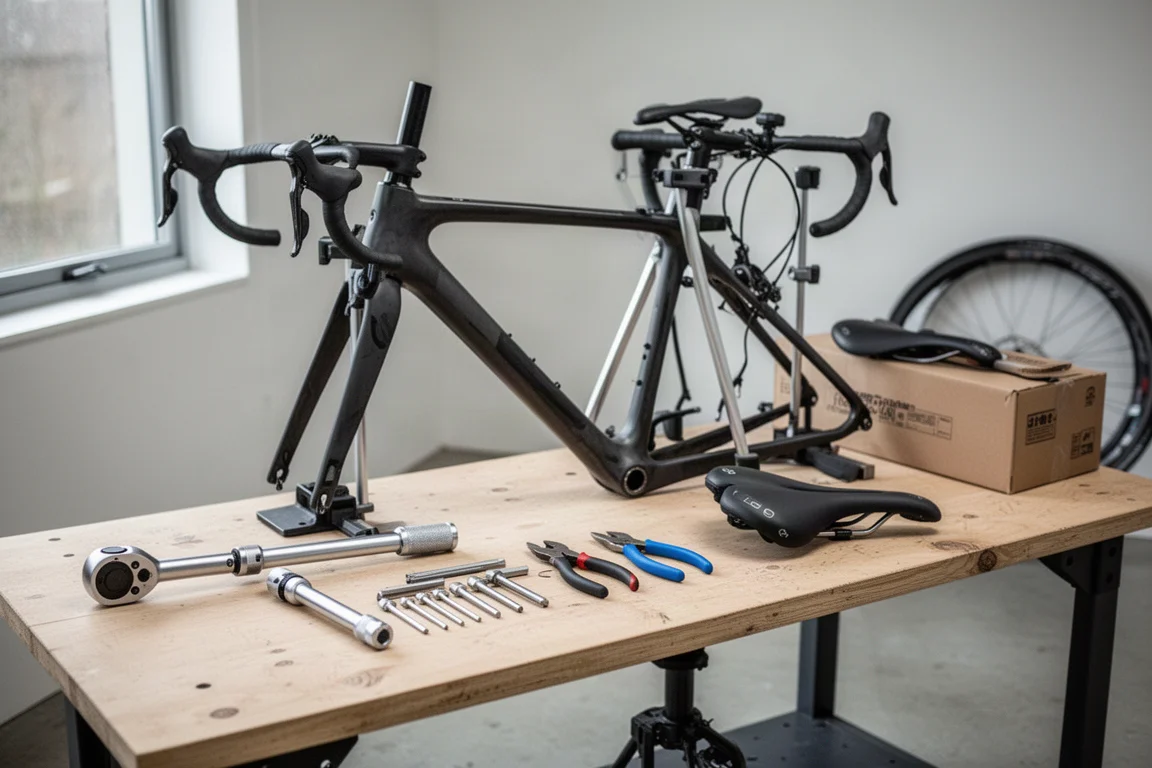
There is also the broader reality of building a bike yourself. Someone has to check that every part is compatible, and compatibility between lesser-known components is a genuine minefield. Someone also has to assemble it, which is several hours of labour that belongs in the budget. Buying from marketplaces and smaller brands carries a real chance that a part will not fit the way you intended, so reading forum threads and product reviews before ordering is not optional.
Who Each Bike Suits
The S-Works Tarmac SL8 suits the rider who wants the finished article. The frame, cockpit, saddle, wheels and groupset are designed as a set, so the bike is ready to race with no further decisions to make. That is worth a lot if your time is limited or if you would rather not spend evenings chasing down compatibility questions.
The Seeka Spear RDC suits a different kind of rider: someone confident with bike mechanics, willing to research parts carefully, and happy to trade a factory warranty-style simplicity for a machine nobody else on the group ride owns. The frame itself is capable of running with the best, and the component choices can be tailored to personal preference rather than the average buyer.
Buying Advice
The honest take is that direct-to-consumer framesets are no longer the cheap option. The Seeka Spear RDC is slightly less expensive than an S-Works Tarmac, but it is not a budget proposition once you add a premium groupset, quality wheels and build labour. Anyone expecting a bargain should factor the full cost of a completed bike, including the hours someone spends assembling it.

If you go the custom route, prioritise parts with a known reputation and check compatibility before you buy rather than after. If you go the complete-bike route, the S-Works Tarmac SL8 remains the safest way to get a race-ready package with no assembly risk.
Conclusion
These two bikes arrive at similar performance from opposite directions. The Specialized S-Works Tarmac SL8 is the finished package: cohesive, proven and ready to ride. The Seeka Spear RDC is a project, one that matches the benchmark on claimed frame weight and gets close on aero and comfort, while asking more of its owner in setup, patience and mechanical confidence. Neither is the wrong answer. The right one depends on whether you want to buy the finished article or build the bike you actually want.
Further reading
Related Reviews

Road Bikes
10 New Road Bikes Worth Watching: Aero, Titanium, Steel and Endurance Standouts
A practical roundup of 10 new road bikes, from aero flagships chasing single-watt gains to titanium, steel and endurance platforms built for real roads.
Road Bikes
2026 Tour de France Road Bikes: Six Race Machines Worth a Closer Look
Six race bikes from the 2026 Tour de France grid, reviewed for paint, silhouette, wheels and the specification details that matter to buyers.
Road Bikes
3T Strada Italia Review: A Radical Aero Road Bike That Rides Smooth
A made in Italy carbon aero road bike with a deep head tube, wide tire clearance and a genuinely comfortable ride. Here is what to know before buying.