Road Bikes
Three Secondhand Bikes Under £2,000: Cannondale SuperSix Evo, Trek Emonda SL6 and Vitus Chrono TT
A 2019 Cannondale SuperSix Evo, a 2021 Trek Emonda SL6 and a Vitus Chrono TT show three very different ways to spend a £2,000 secondhand bike budget.
Introduction
A £2,000 budget is an awkward amount to spend on a new road bike. It buys a sound aluminium frame with a mid-tier groupset and not much else. Spend the same money on the secondhand market and the picture changes completely, because carbon frames, deep-section wheels and race-ready geometry all come into range, provided you know what you are looking at.
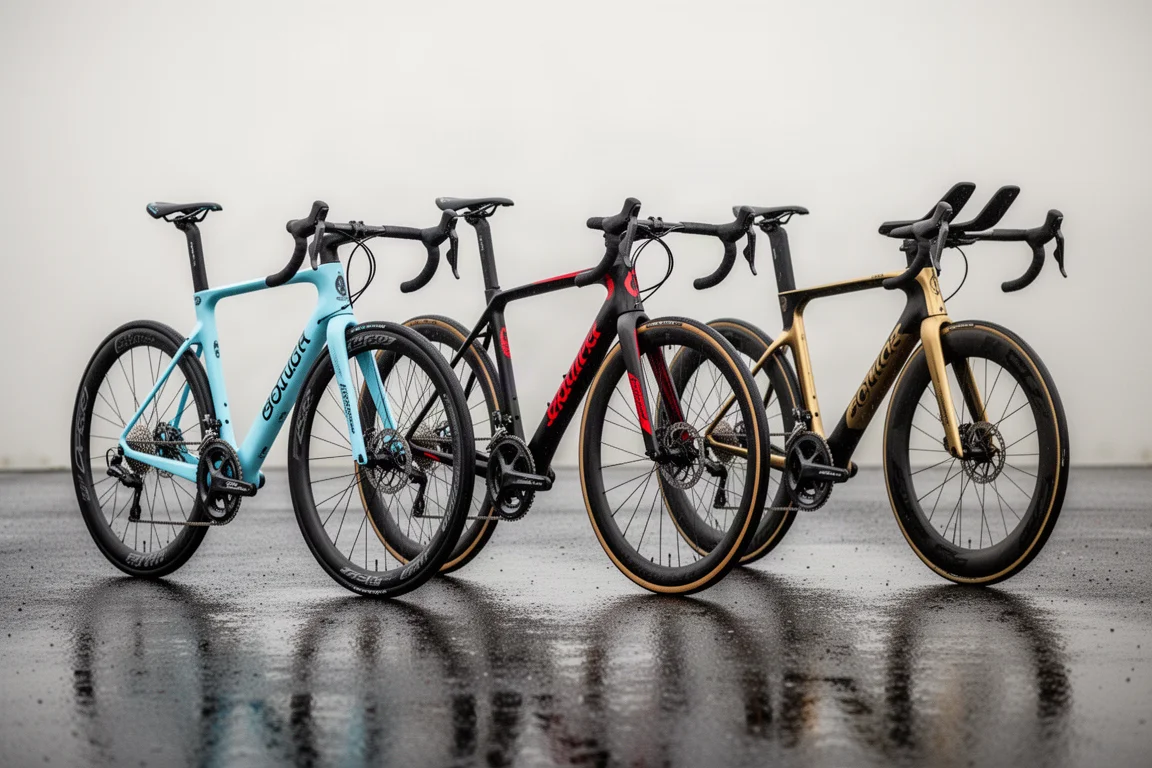
We set that budget and came away with three very different machines. A 2019 Cannondale SuperSix Evo with Enve carbon wheels and a measured weight of around 6.9 kg, a 2021 Trek Emonda SL6 with disc brakes and generous tyre clearance, and a Vitus Chrono TT with deep carbon wheels for £1,300. Each one answers the same question in a different way, and the right choice depends far more on the riding you actually do than on any single specification.
What a £2,000 Secondhand Budget Buys
The appeal of buying used at this price is choice. A near-new modern bike, a five-year-old superbike and a specialist time trial machine can all sit inside the same budget, and none of them would be reachable new for the same money.
The trade-off is risk, and that is where the used-bike market has changed. Dedicated platforms now arrange shipping between seller and buyer, offer a free return if a bike does not match its description, and reimburse repair costs if damage happens in transit. Some listings come with a warranty, and an optional paid service check covers anything from a deep clean to a full carbon safety inspection. Those protections matter when a single frame can cost as much as a small car.
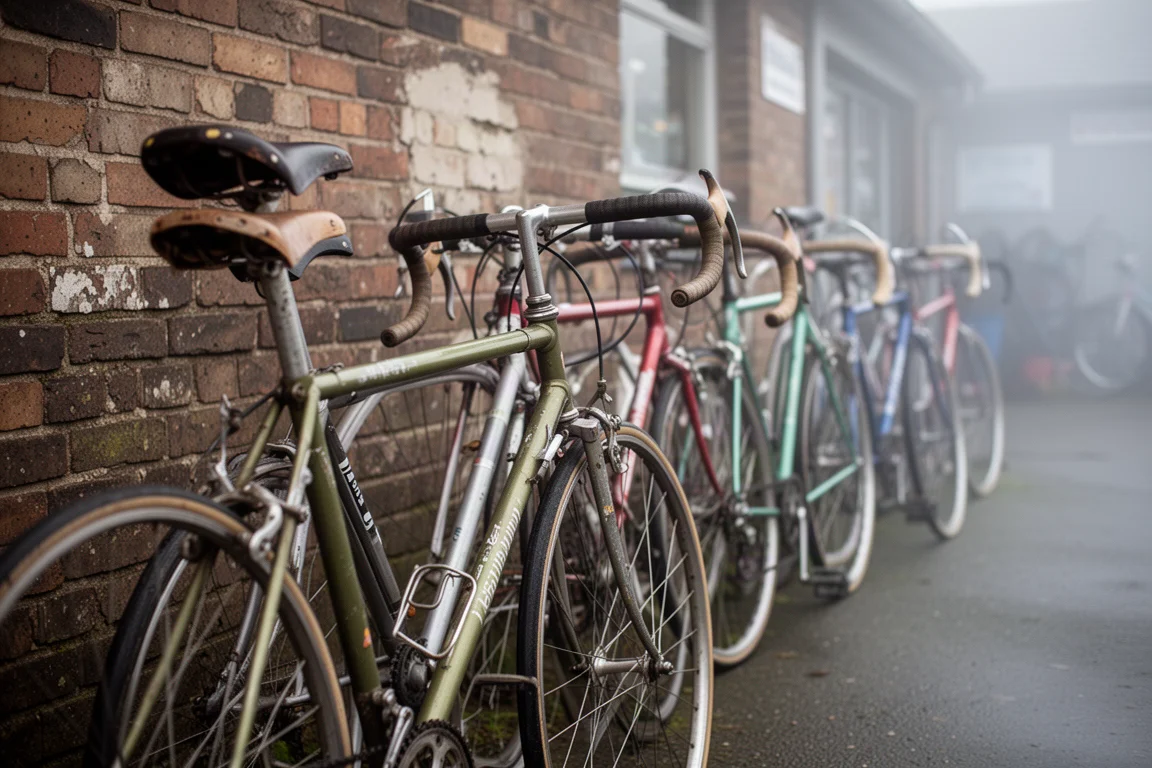
Even so, the fundamentals still apply. Know your frame size, check the groupset and wheelset condition before committing, and budget for the consumables a used bike usually needs, such as bar tape, tyres, a chain and cables.
Cannondale SuperSix Evo: Lightweight Climbing Speed
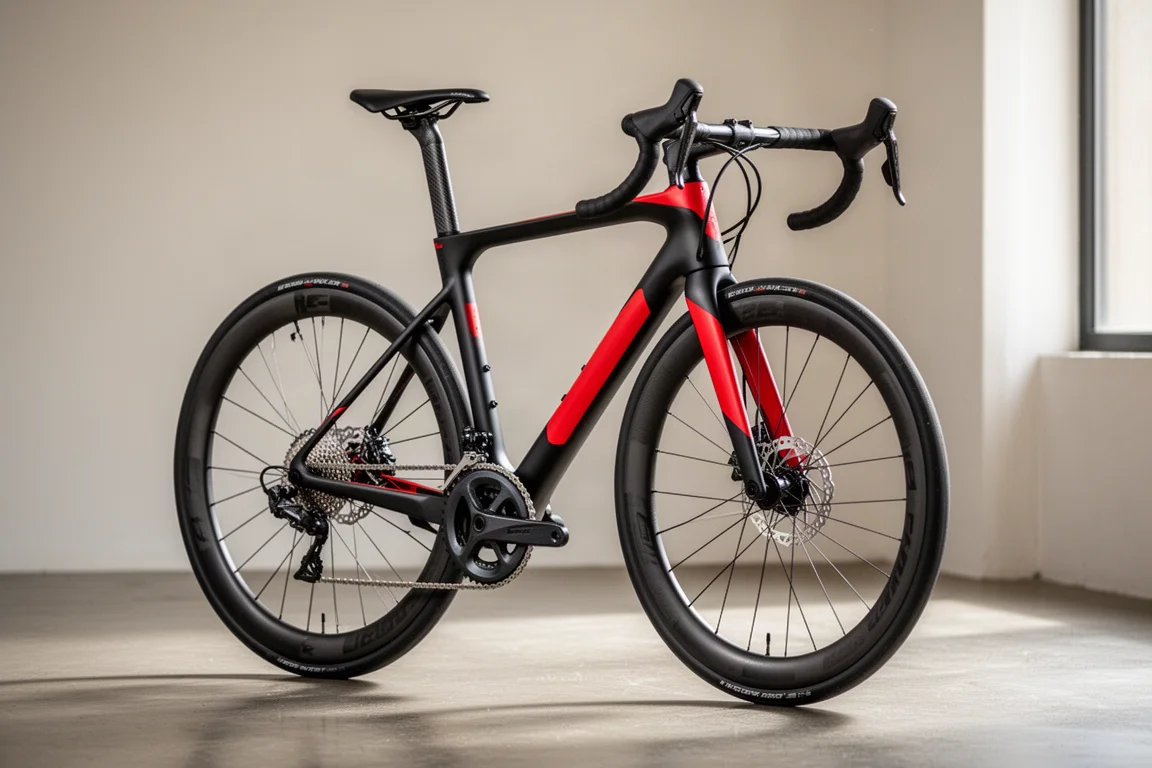
The Cannondale is the oldest bike of the three and, on paper, the most exotic. The 2019 SuperSix Evo frameset is carbon, and so are the cranks, the seat post and the Enve wheelset. The groupset is Shimano Ultegra with 11 speeds, the bar tape is fresh and the saddle is in good condition. It cost roughly £1,750, leaving a little of the budget in reserve.
The headline number is weight. Without a bottle or saddle bag fitted, the bike sits at around 6.9 kg, which is remarkable for a complete build at this price. On a climb that shows up as easy acceleration and a responsive feel under power.
There are two clear compromises. First, it uses rim brakes, which is a drawback in wet weather and on long descents. Second, the handlebars are noticeably wide for the frame, and the finish is a stronger blue than the listing images suggested. It also runs 25 mm tyres, which is narrow by current standards. None of these are deal-breakers, but they are the reasons a bike this light is available at this price.
Trek Emonda SL6: Modern Brakes and Wide Clearance
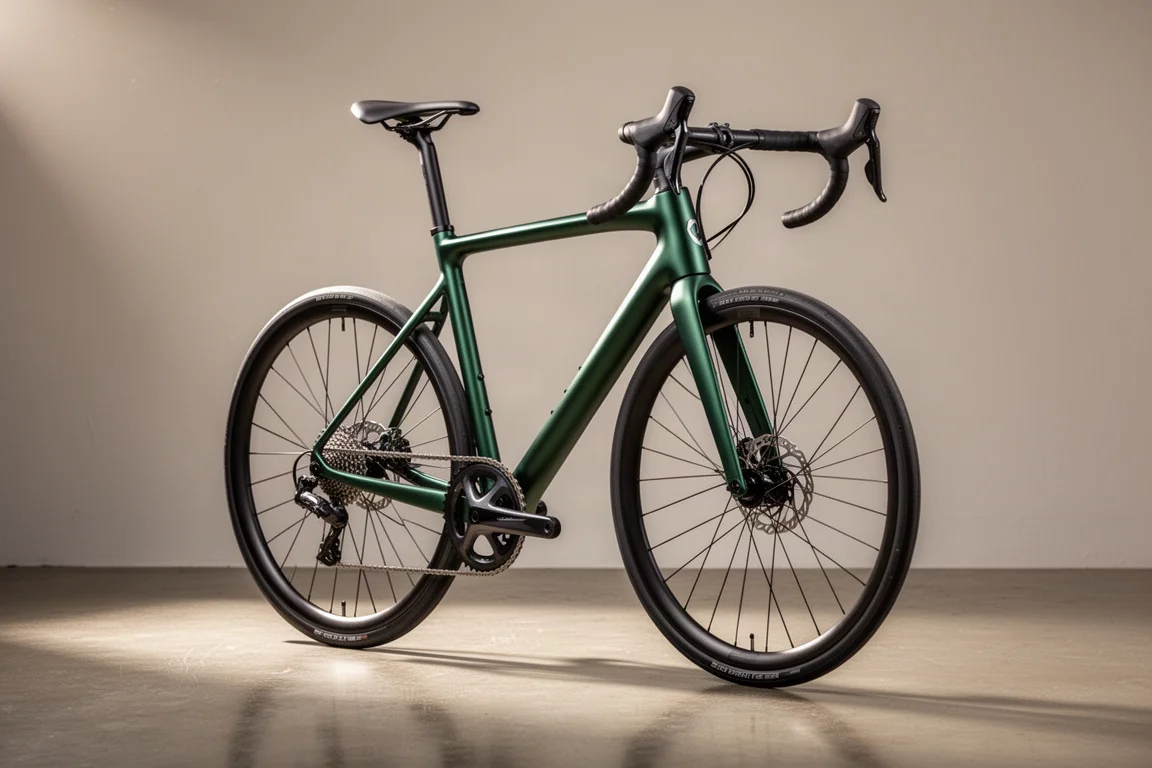
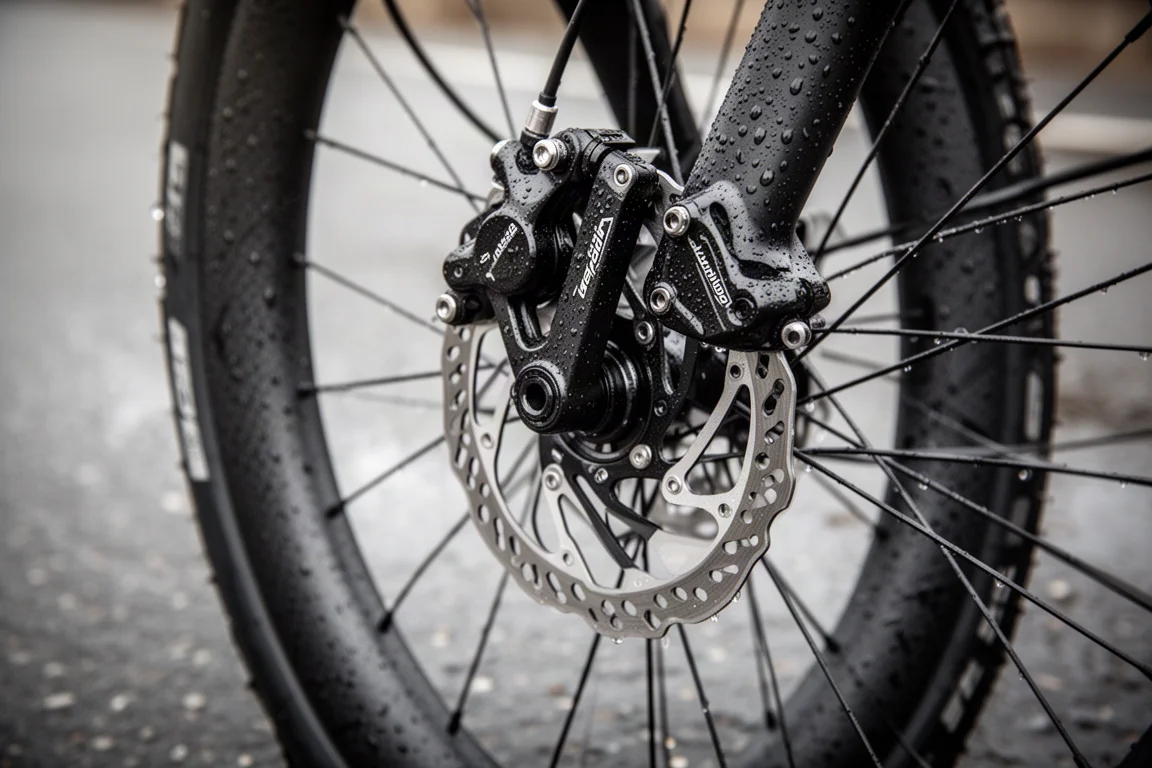
The Trek Emonda SL6 from 2021 is the newest bike here and the most conventional. It was chosen over more exotic alternatives at the same money because it delivers the features that keep a bike usable for years: hydraulic disc brakes and generous tyre clearance.
That combination pays off in bad conditions. On rough, wet tarmac the wider tyres and disc brakes give noticeably more confidence than a narrow-tyre rim-brake build, and braking performance does not fade the way rim brakes do in the rain.
The trade-off is character. A modern all-rounder with disc brakes is a sensible purchase rather than an exciting one, and disc-brake builds at this budget tend to carry more weight than the lightest rim-brake equivalents. If you want the lowest possible number on the scale, this is not the bike. If you want one machine that handles commuting, long steady rides and rough lanes without drama, it is the safer bet.
Vitus Chrono TT: Built for Flat-Out Speed
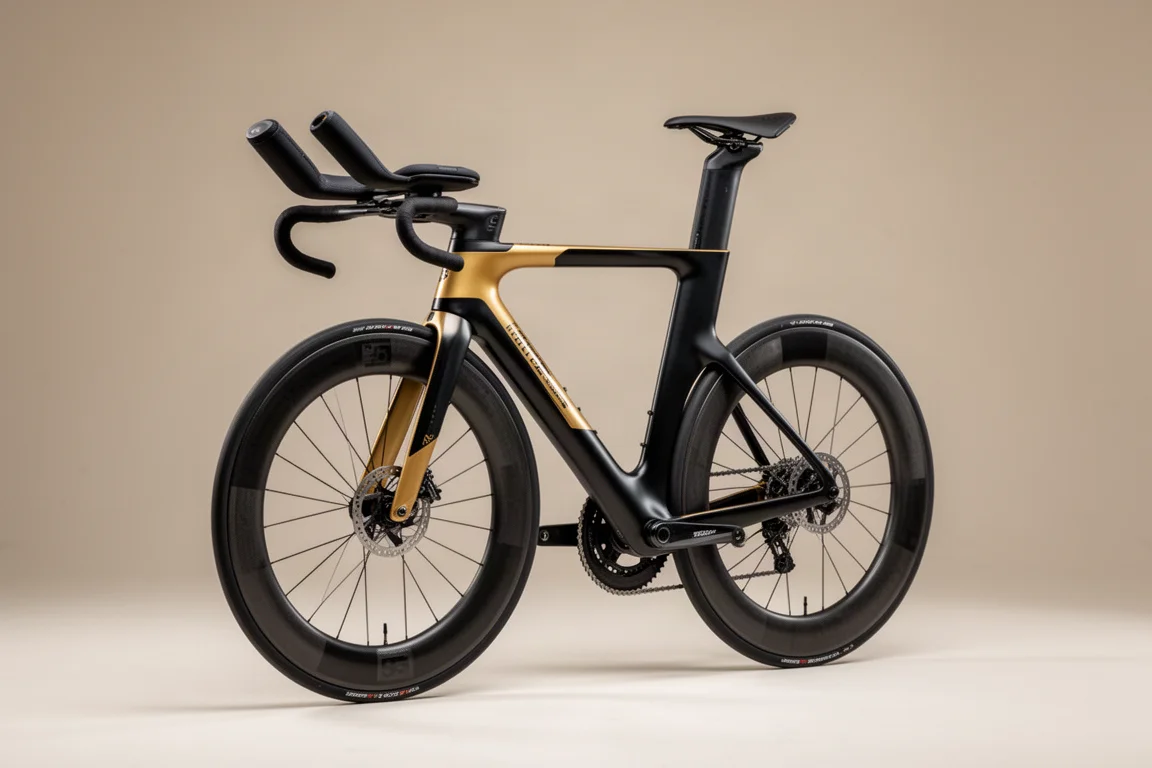
The Vitus Chrono TT is the specialist of the group and the cheapest at £1,300. It is a time trial and triathlon bike, which means aero extension bars, elbow pads and a riding position built for holding speed rather than for comfort.
The wheelset is a highlight. Profile Design carbon wheels around 58 mm deep are a serious inclusion at this price, and the bike is light for a time trial machine. The groupset is a mix of components from several brands, including Dura-Ace, Tiagra, Campagnolo and SRAM parts. It works, but the combination is unusual and worth checking carefully on any similar used build.
The real limitation is versatility. Gearing sits on the aero extensions, so climbing out of the saddle is awkward, and the position was never designed for long days in the hills. For flat roads, triathlon courses and time trials, that compromise is exactly what you are paying for.
How These Three Bikes Compare on the Road
On a climb, the lightweight Cannondale is the obvious pick. A 6.9 kg build responds immediately, and rim brakes are no disadvantage when you are going uphill rather than stopping.
In a flat time trial, the Vitus is in a different league. The aero position and deep-section wheels make it the fastest of the three by a clear margin, which is exactly what a purpose-built time trial frame should do.
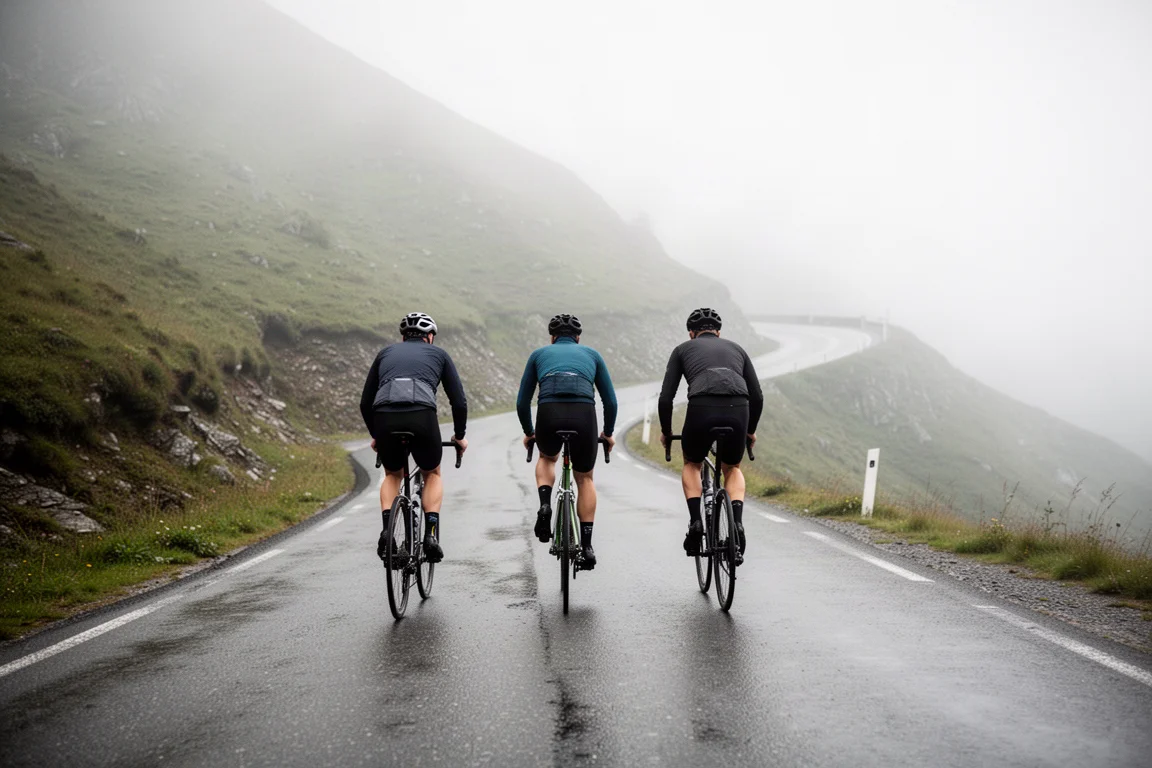
In poor weather on rough surfaces, the Trek is the most confidence-inspiring. Wider tyres, disc brakes and a more stable front end make it the easiest of the three to ride quickly when conditions are against you.
Which one looks best is a different question entirely, and one with no objective answer. Asked to pick a favourite, passers-by split across all three, which says more about personal taste than about the bikes themselves. Colour and finish are the reasons most people choose one used bike over another at the same price.
What to Check Before Buying a Used Bike
Condition matters more than specification on a used bike. Check the frame for cracks, especially around the bottom bracket, head tube and seat clamp, and inspect the wheels for rim wear or damage to the carbon. On a bike with a mixed groupset, confirm which parts are fitted and that they shift cleanly together.
Confirm the brake type and the tyre clearance before you buy, because those two details determine how the bike will feel in bad weather and how much flexibility you have on rough roads. Sizing matters just as much. A bargain is not a bargain if the frame does not fit.
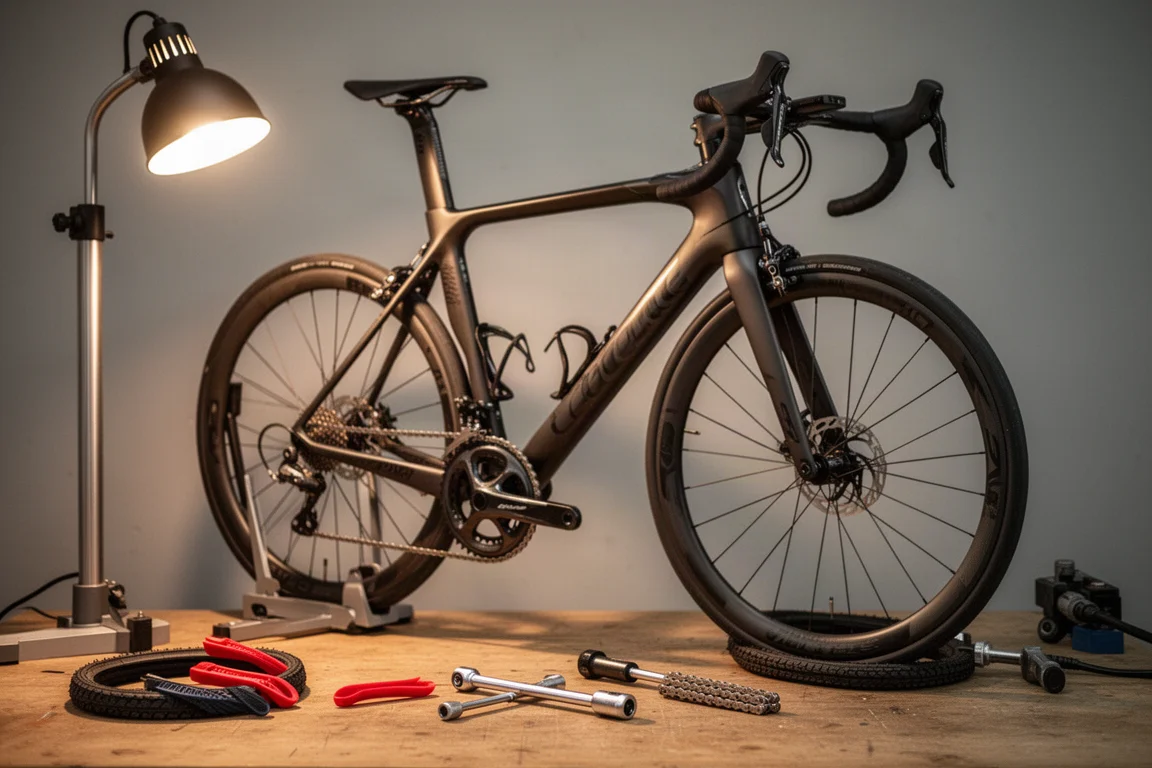
If the seller offers a service check, it is worth the extra cost on a carbon frame. A deep clean and a carbon safety inspection will surface problems that are hard to spot in a photograph, and a free return policy removes most of the risk from buying a bike you have not ridden.
Which of the Three Should You Buy?
Choose by terrain and ambition. If your riding is built around climbs and you want the lightest possible bike for the money, the Cannondale SuperSix Evo is the standout, as long as you are comfortable with rim brakes and 25 mm tyres.
If you want one bike that will handle wet commutes, long steady rides and rough lanes without asking for much, the Trek Emonda SL6 is the more sensible long-term purchase. Its disc brakes and tyre clearance are the details that will keep it feeling current for years.
If your goal is speed on flat courses, or you race triathlon, the Vitus Chrono TT is exceptional value at £1,300. Deep carbon wheels and a genuine aero frame at that price are hard to find, provided you accept that it is a specialist tool rather than an everyday road bike.
Conclusion
A £2,000 secondhand budget buys more bike than most riders expect, and the three examples here show how wide the range is: a sub-7 kg carbon climber, a modern disc-brake all-rounder and a deep-wheel time trial machine for £1,300. The right answer is not the fastest or the lightest, but the one that matches the roads you ride most often.
Further reading
Related Reviews

Road Bikes
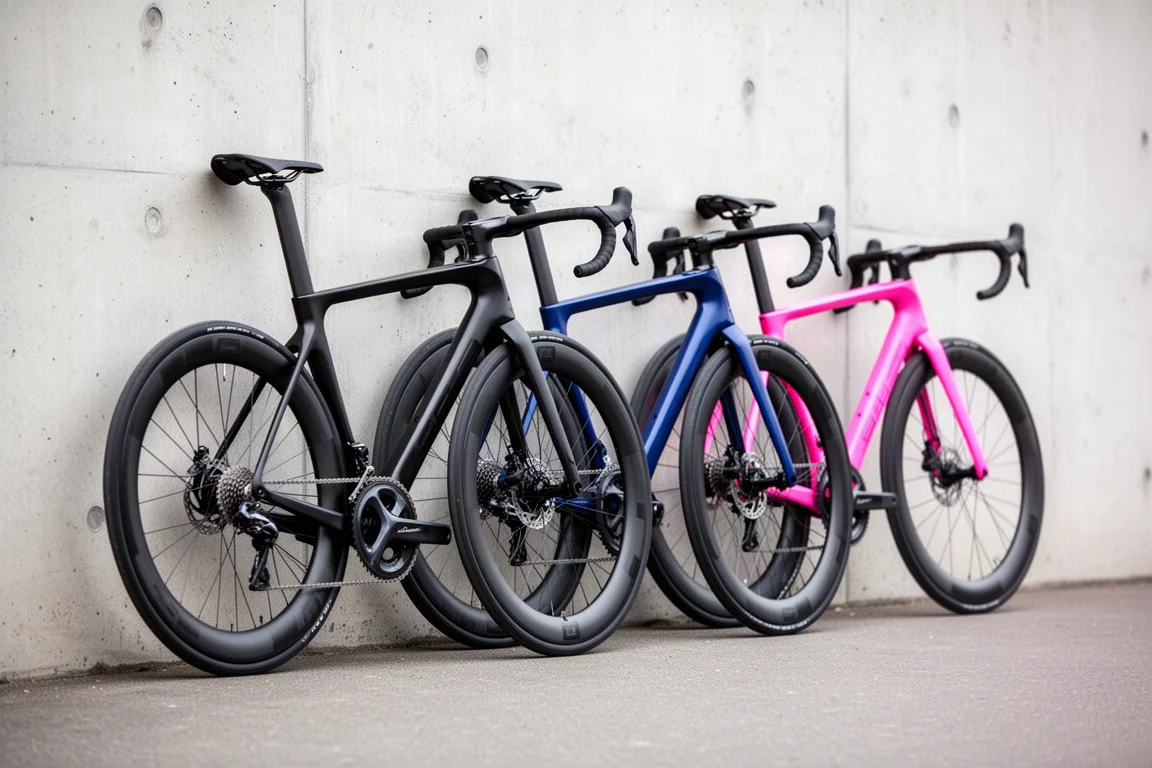
10 New Road Bikes Worth Watching: Aero, Titanium, Steel and Endurance Standouts
A practical roundup of 10 new road bikes, from aero flagships chasing single-watt gains to titanium, steel and endurance platforms built for real roads.
Road Bikes
2026 Tour de France Road Bikes: Six Race Machines Worth a Closer Look
Six race bikes from the 2026 Tour de France grid, reviewed for paint, silhouette, wheels and the specification details that matter to buyers.
Road Bikes
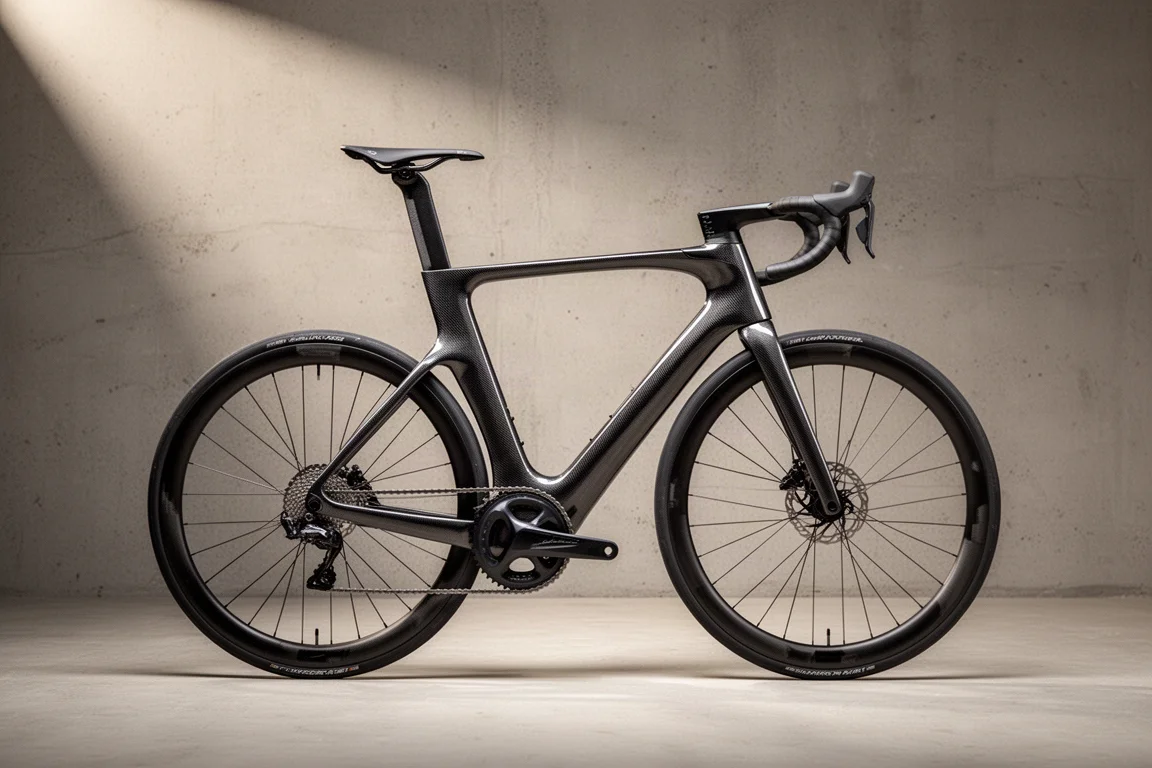
3T Strada Italia Review: A Radical Aero Road Bike That Rides Smooth
A made in Italy carbon aero road bike with a deep head tube, wide tire clearance and a genuinely comfortable ride. Here is what to know before buying.