Aquarium Filtration
Seachem CupriSorb Review: A Practical Response to Copper and Heavy Metals
A close look at Seachem CupriSorb, a rechargeable resin media that pulls copper medication and other heavy metals out of reef aquarium water, plus how to use it well.
Introduction
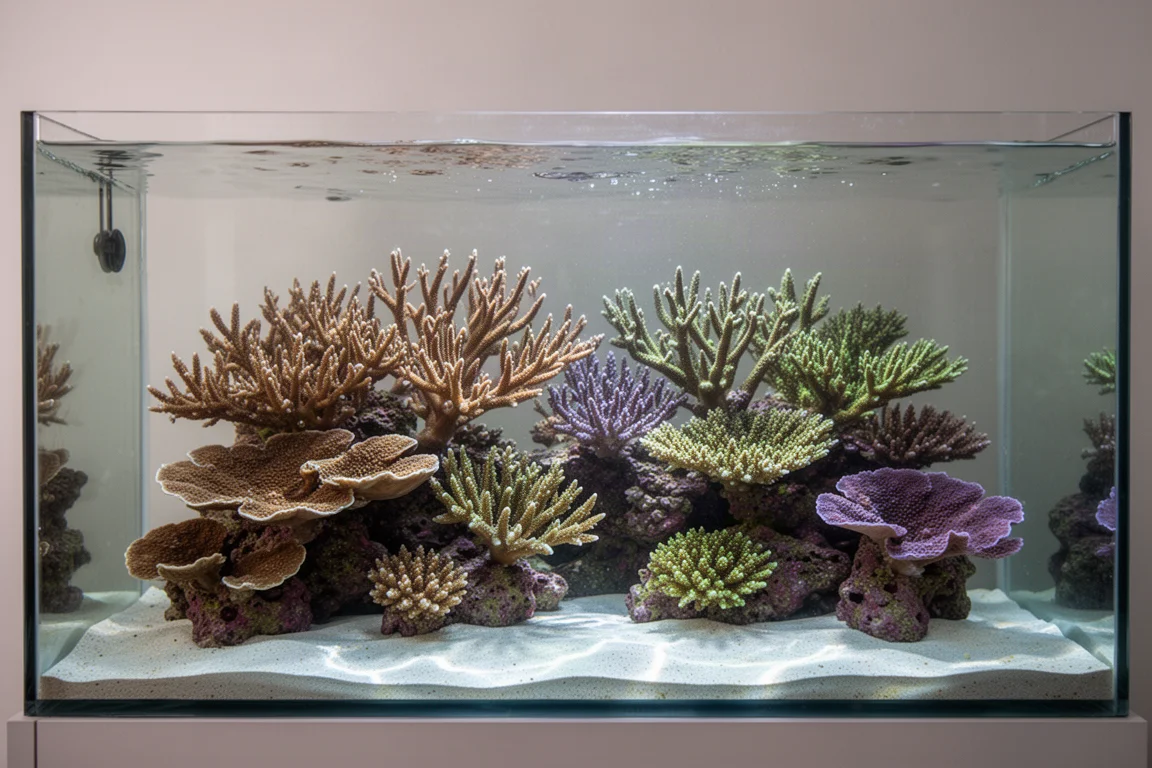
Copper and other heavy metals are among the most disruptive contaminants in a reef aquarium. Invertebrates such as shrimp, crabs, snails, and clams are highly sensitive to elevated metal levels, and corals respond just as quickly with retracted polyps, pale tissue, and slowed growth. Allowed to build up far enough, those concentrations can be enough to kill invertebrates outright.
What makes the problem frustrating is how quietly it arrives. Gear that was used in a medicated quarantine tank and never rinsed, tap water used for top-offs or for mixing saltwater, low TDS RO/DI water that lets small amounts through over time, previously used live rock, sand, or equipment, or a splash of water from a medicated system during a fish transfer can all carry copper and other metals into a display tank.
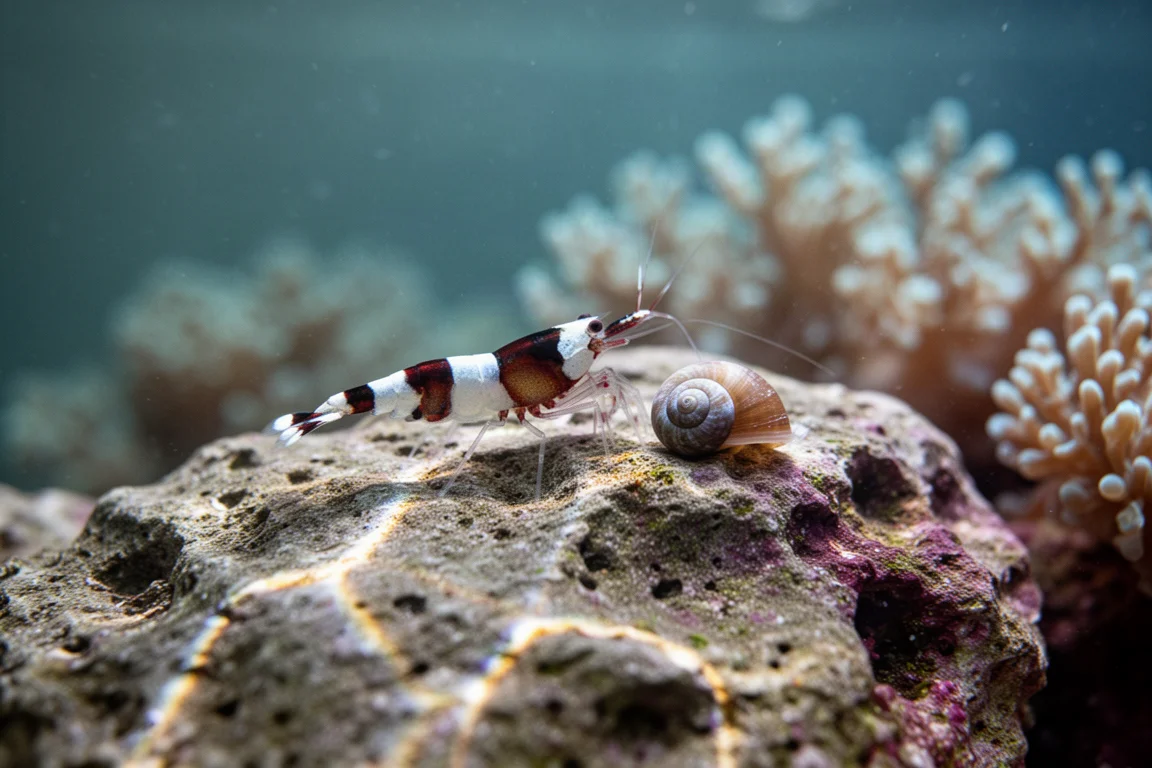
One of the most common culprits is equipment that corrodes in saltwater without anyone noticing. A stainless steel sleeve inside a UV sterilizer, for example, sits in direct contact with tank water and can rust away over months, leaching metals into the system. The symptoms often read as a general decline rather than an obvious crash: corals that still grow but never look right, polyps that stay shrunken, and color that has gone pale and washed out.
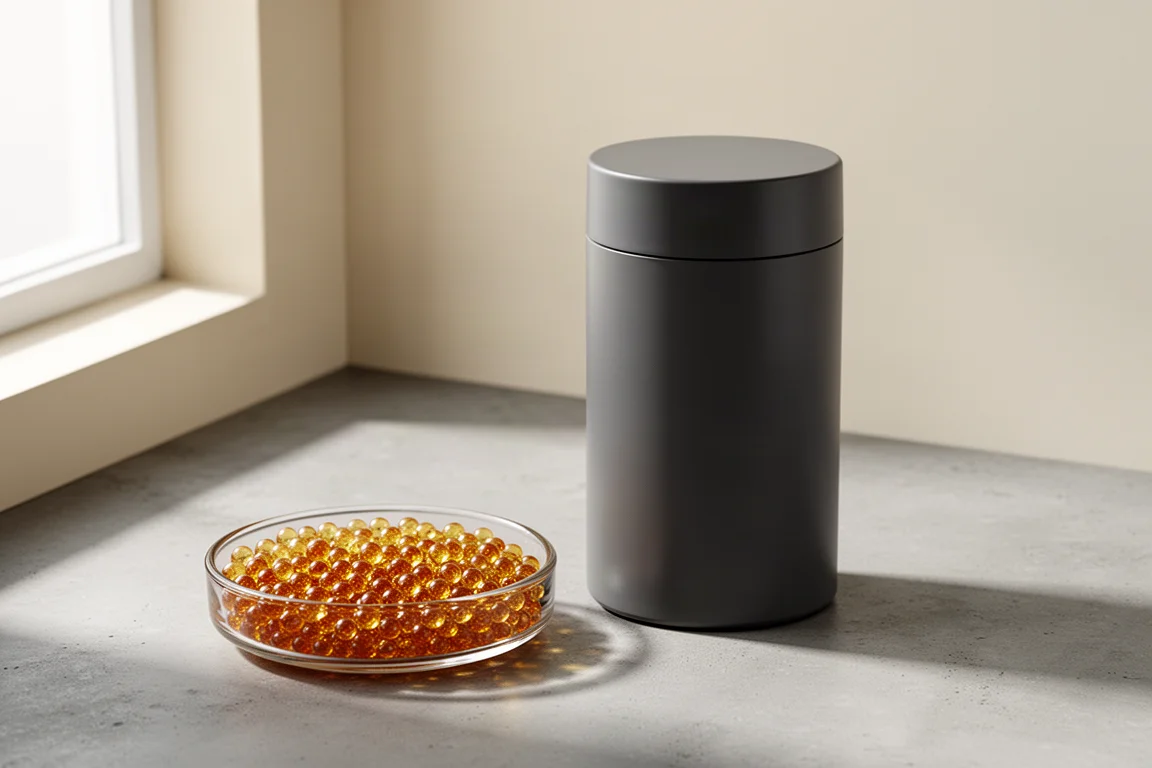
Seachem CupriSorb is built for exactly that situation. It is a resin-based filter media that rapidly removes copper medications and a variety of other heavy metals from aquarium water, which makes it useful both as an emergency response and as a preventive measure kept on hand.
Who This Product Is For
CupriSorb makes the most sense for reef keepers who already know, or strongly suspect, that heavy metals are present. The clearest case is a tank that has been treated with a copper medication and now needs that copper stripped back out.
It is also a sensible purchase for anyone whose routine carries a contamination risk: top-offs and saltwater mixed from tap water or from RO/DI water with low TDS, used live rock, sand, or equipment brought in from another system, or a setup with magnets and other metal parts that could be corroding out of sight.
Keepers who like to be prepared in advance tend to store a container for emergencies, because a heavy metal problem rarely gives much warning. This is not a media for continuous, full-time use, so it best suits aquarists who are willing to test, treat, and then move on.
Main Strengths
The headline strength is speed. CupriSorb is intended to pull copper medication and other heavy metals out of the water quickly, which is precisely what you want when invertebrates are already showing signs of stress.
Just as important is what happens afterwards. CupriSorb is a rechargeable absorbent resin bead that will not release copper or other heavy metals back into the aquarium water, even once it is exhausted. That removes the worry that the media itself could become a second source of contamination if it stays in the system a little longer than planned.
The media is reusable as well. It can be recharged and run again rather than treated as a single-use product, and because it is not expensive, keeping a spare container in the cabinet is easy to justify.
How to Use CupriSorb Effectively
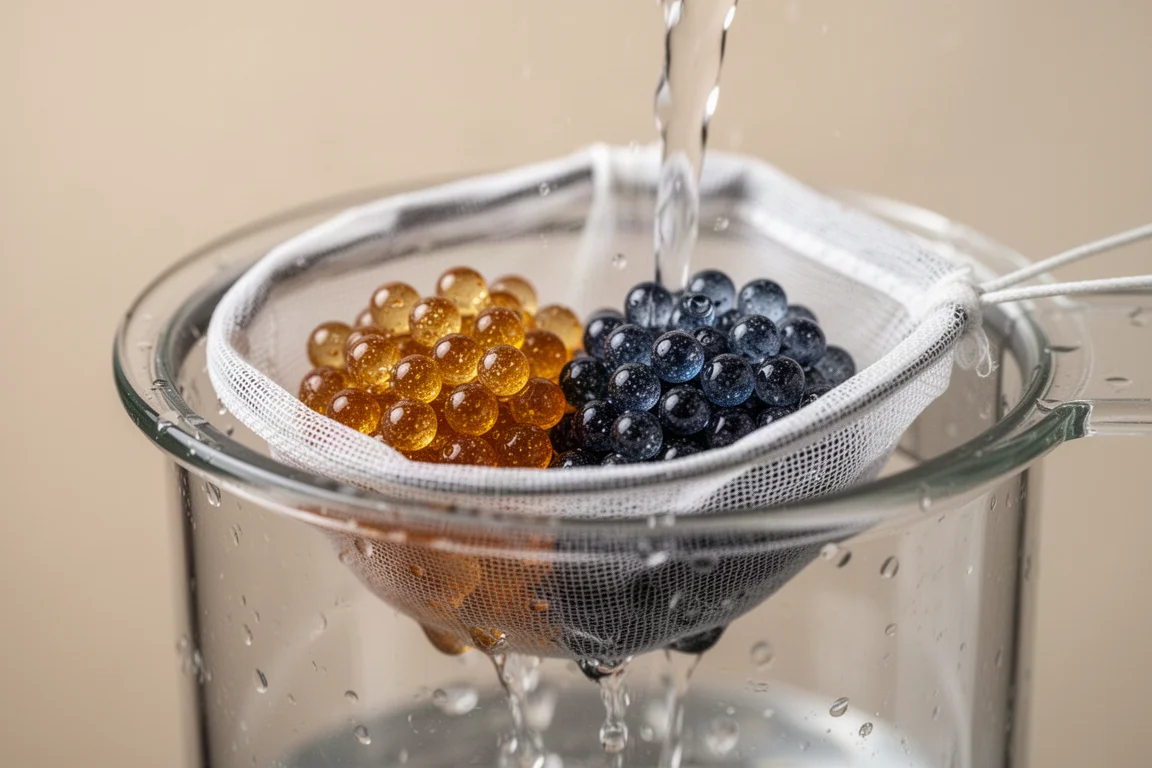
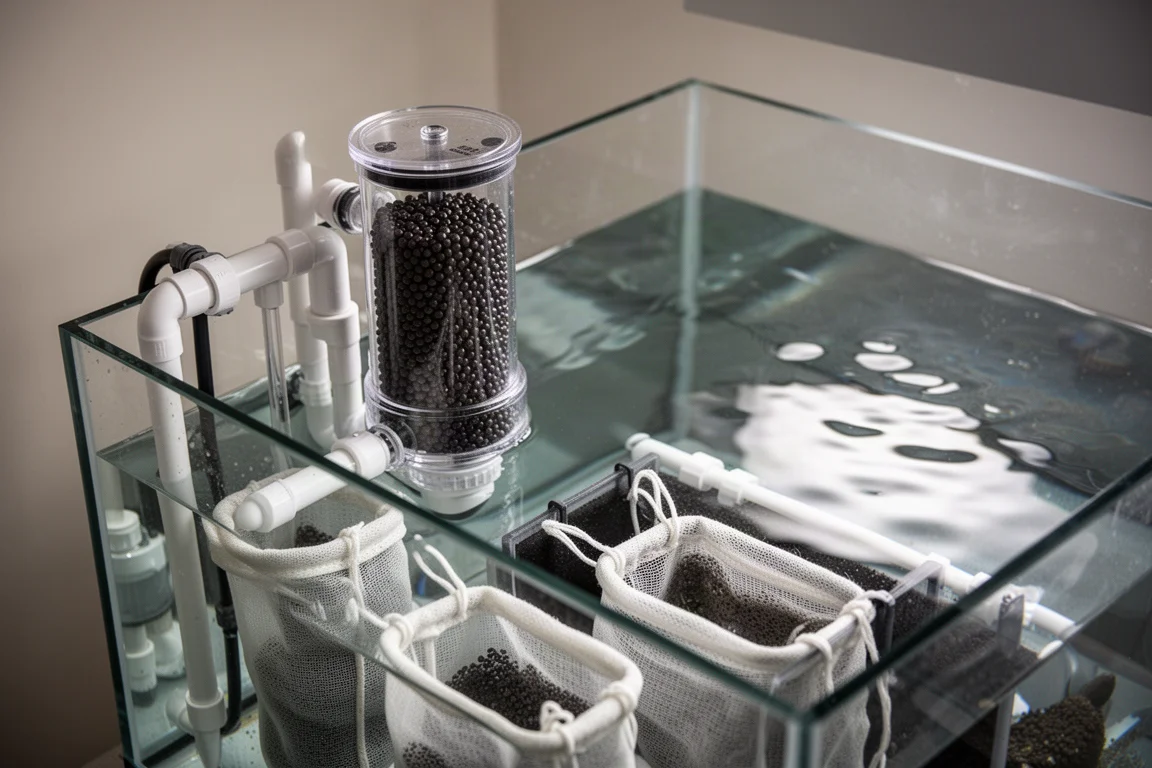
Setup matters as much as the media itself. The beads are very small, similar in scale to other fine resin media, so they need a fine mesh media bag without any stretch, around 180 microns or less, to keep them contained.
Place the bag in an area of high or direct flow. If the sump or filter chamber does not offer a good spot, the bag can go inside a hang-on filter, a canister filter, or a media reactor.
Timing is the other half of the job. Once testing shows no copper or other heavy metals in the system, leave the CupriSorb running for another two weeks. That extra window is what catches residual metals that may leach out of rockwork, sand, or other porous media after the water itself reads clean.
CupriSorb is offered in 250 ml, 500 ml, and 800 ml containers, with treatment capacity ranging from roughly 90 to 300 gallons depending on the size chosen, and the media is stated to remove up to 12 mg/L of copper from the water.
Signs It Is Time to Replace or Recharge It
There is a clear visual cue for when the media is spent. Fresh beads carry a gold-ish coloration, and they turn a deep bluish black once they are depleted, so a glance at the bag tells you where things stand.
At that point there are two options. CupriSorb can be regenerated with a muriatic acid bath, although that process requires protective equipment and should be done outdoors or in a very well ventilated space with considerable care.
For most reef keepers the simpler route is to discard the exhausted beads and start with a fresh container, which is a reasonable trade given how modest the cost is.
Things to Consider Before Buying
CupriSorb is a targeted tool, not a permanent fixture in the filtration line. Trace amounts of heavy metals are natural and beneficial in a reef system, and removing them completely can be harmful, so the media should be run for a defined treatment period rather than continuously.
An exhausted batch also leaves the system short on trace elements. A large water change with a quality reef salt after treatment is a straightforward way to restore what has been depleted.
There is a practical handling point too: recharging involves muriatic acid, so anyone who would rather not work with that should plan on disposal instead. And because CupriSorb addresses metals already in the water, it works best alongside a genuine fix for the source, whether that means removing corroding equipment, switching to better source water, or retiring contaminated media and rock.
Buying Advice
The case for keeping CupriSorb on the shelf is simple: heavy metal contamination is far easier to resolve when the remedy is already in the cabinet. Match the container size to the volume of the system so a single treatment has enough media to work with, and choose to dispose of spent beads rather than recharge them if you would prefer to avoid handling acid.
Because the media is affordable and reusable, it fits comfortably into a broader maintenance routine rather than replacing one. Test first, treat for the recommended period, confirm that readings are clean, and keep running for two weeks past that point.
Handled that way, CupriSorb earns its place by being ready when something goes wrong, rather than by being in constant use.
Conclusion
Seachem CupriSorb solves a specific problem well: copper and other heavy metals that have found their way into a reef system and are already affecting sensitive invertebrates. It removes them quickly, will not release them back into the water once exhausted, and can be reused or recharged. Treated as a short, targeted course rather than a permanent media, it is a practical piece of insurance for any reef keeper who would rather have a remedy on hand before they need one.
Product link
View more details for Seachem CupriSorb
This product is mentioned in the review. Check the specifications, options, and compatibility before buying.
View more details for Seachem CupriSorbFurther reading
Related Reviews
Aquarium Filtration
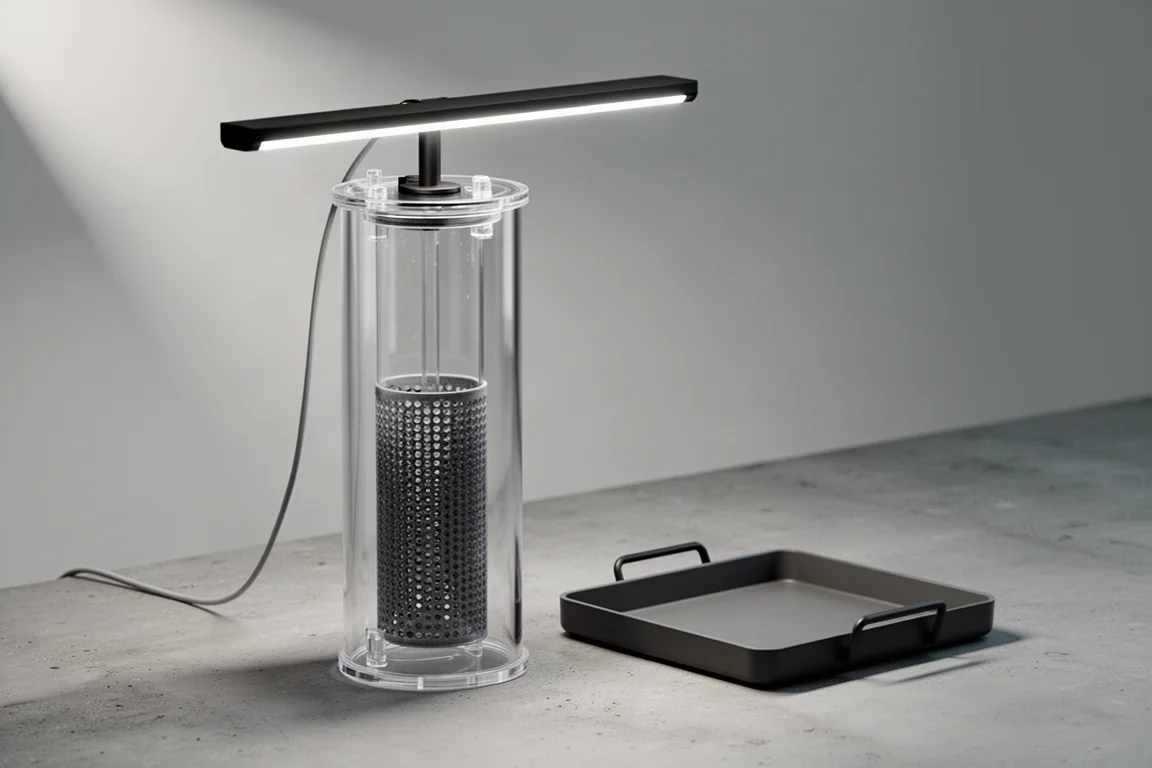
Adaptive Reef Refugium Reactor Review: A Simple Way to Grow Nuisance Algae Outside Your Display
A vessel designed to grow nuisance algae in a controlled space so it stops taking over the display tank, with an adjustable stand, a removable basket, and a single LED light on top.
Aquarium Filtration
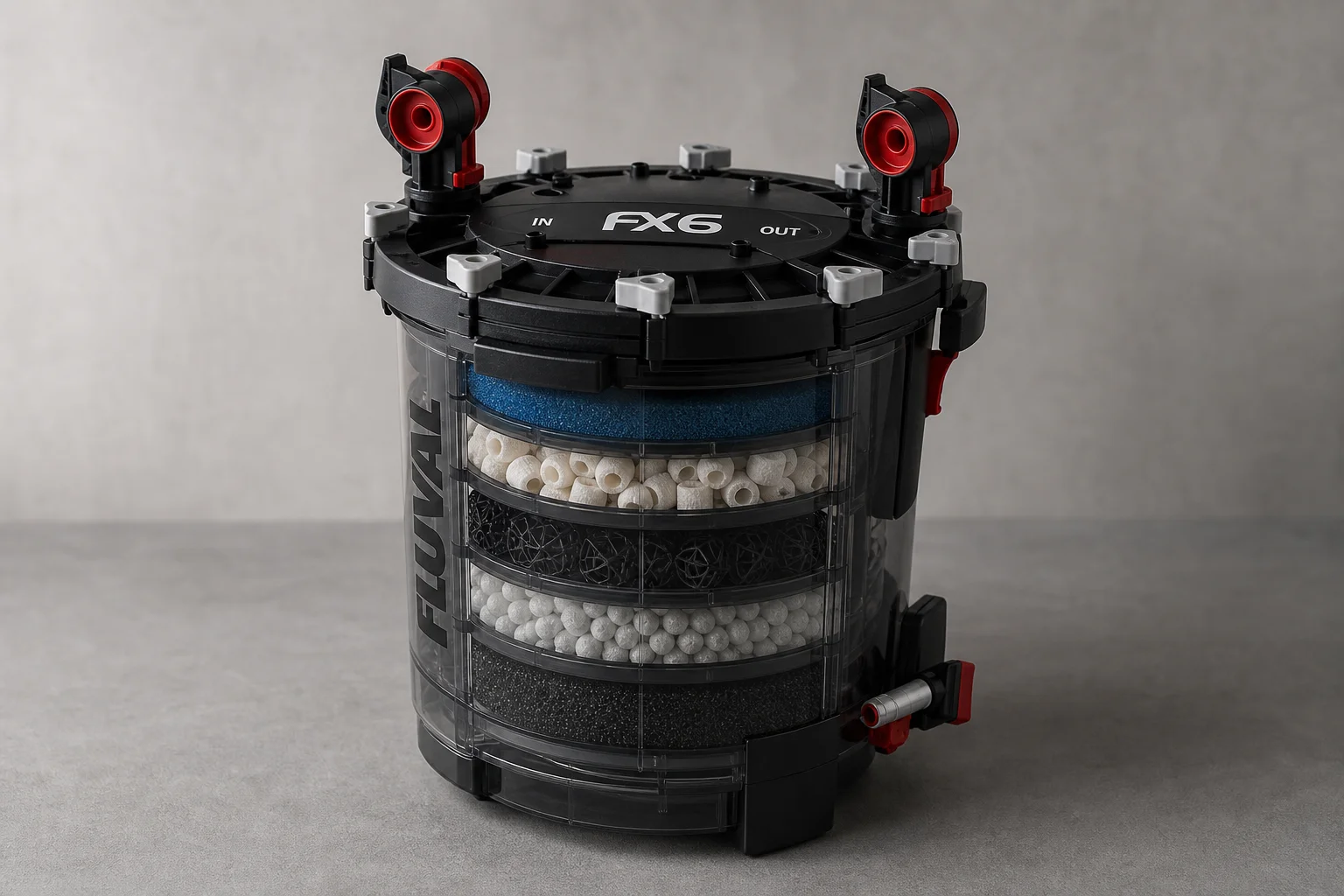
Affordable Aquarium Filter Media: Testing Budget Alternatives to Expensive Biomedia
Can cheap pot scrubbers replace expensive ceramic biomedia in a canister filter? One aquarist tests the theory on a heavily stocked 210-gallon tank.
Aquarium Filtration
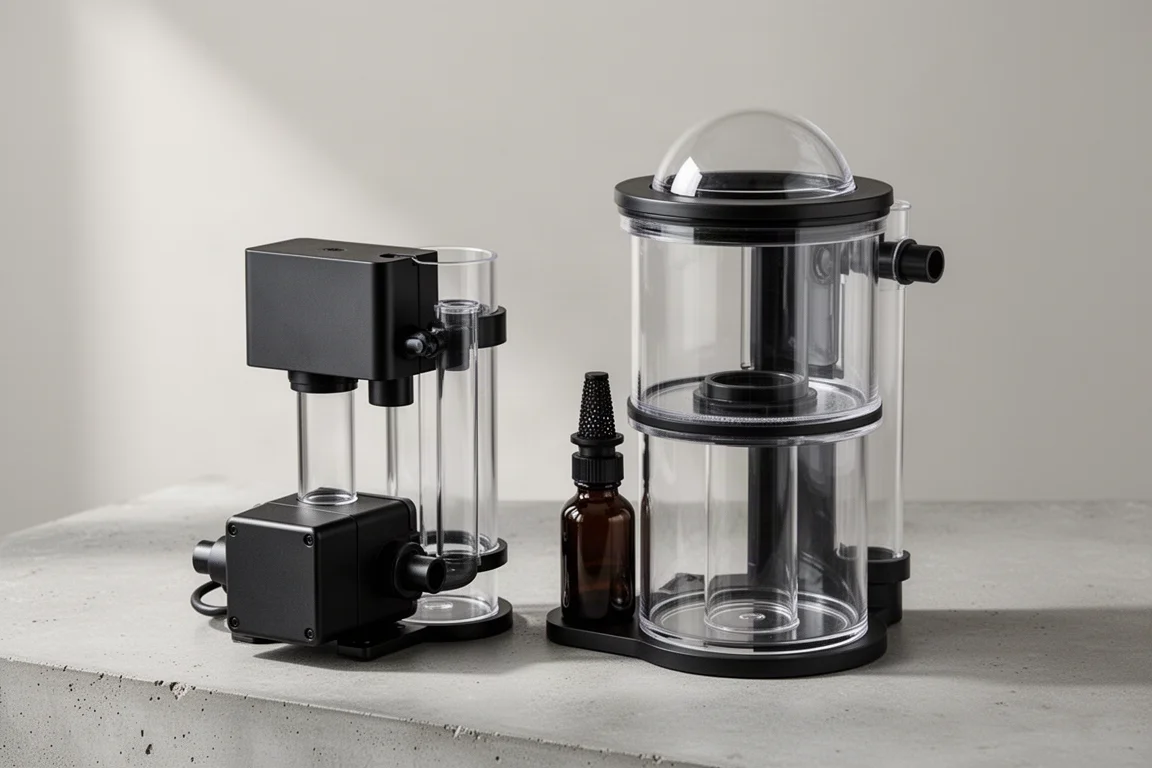
AquaMaxx Bullet 2 and Bullet 3 Review: Hang-On Protein Skimmers Compared
A closer look at two larger AquaMaxx hang-on protein skimmers, covering capacity ratings, clearance needs, and the design details that separate the Bullet 3 from the Bullet 2.