Road Bikes
Scott Speedster 50 vs Addict RC vs Foil Ultimate: Is a 10,000 Pound Road Bike Ten Times Better?
A three way look at a 1,000 pound aluminium Scott Speedster 50, a 5,000 pound carbon Addict RC and a 10,000 pound aero Foil Ultimate, covering weight, groupsets, ride feel and where the returns start to fade.
Introduction
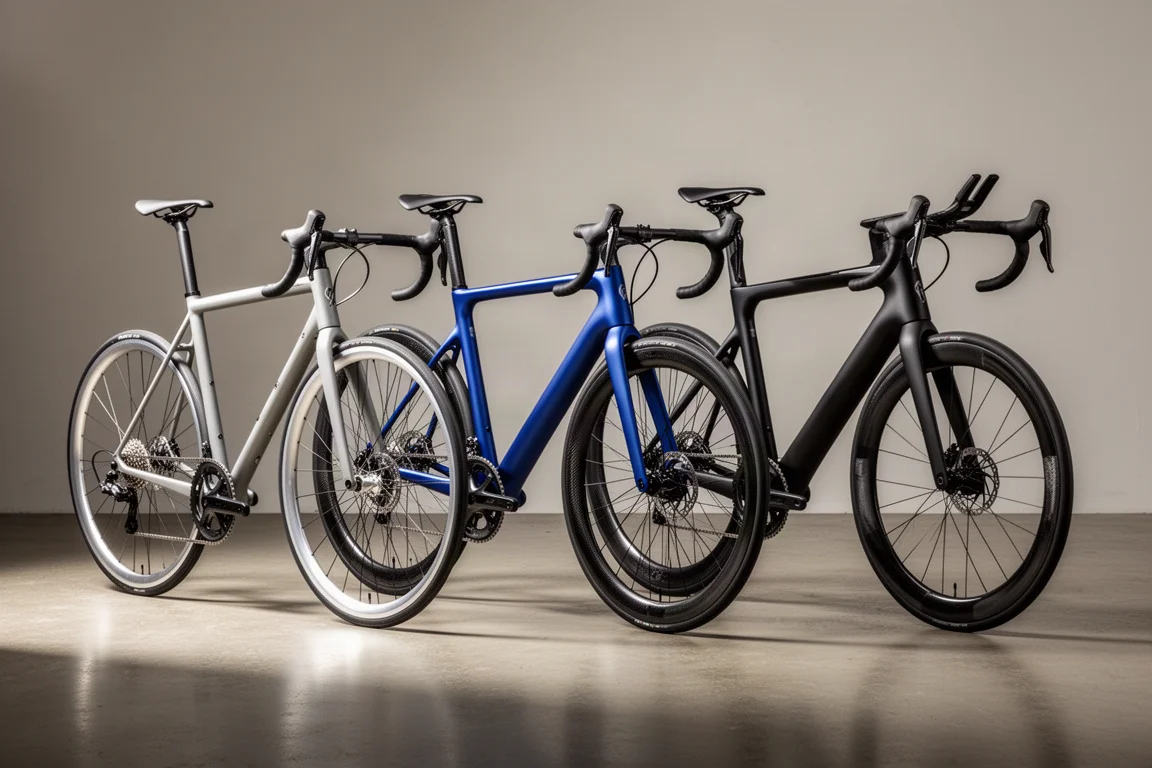
Three road bikes, three very different prices. At the bottom sits the Scott Speedster 50 at roughly 1,000 pounds, with an aluminium frame and an aluminium fork. In the middle is the Scott Addict RC at around 5,000 pounds, a full carbon rim brake bike in blue with an aggressive geometry. At the top is the Scott Foil Ultimate at around 10,000 pounds, an aerodynamic machine built from the highest grade of carbon the brand uses.
The obvious question is whether ten times the money buys ten times the bike. The short answer is no, but the longer answer is more interesting, because the three bikes are not simply scaled versions of one another. They are designed for different riders and different jobs.
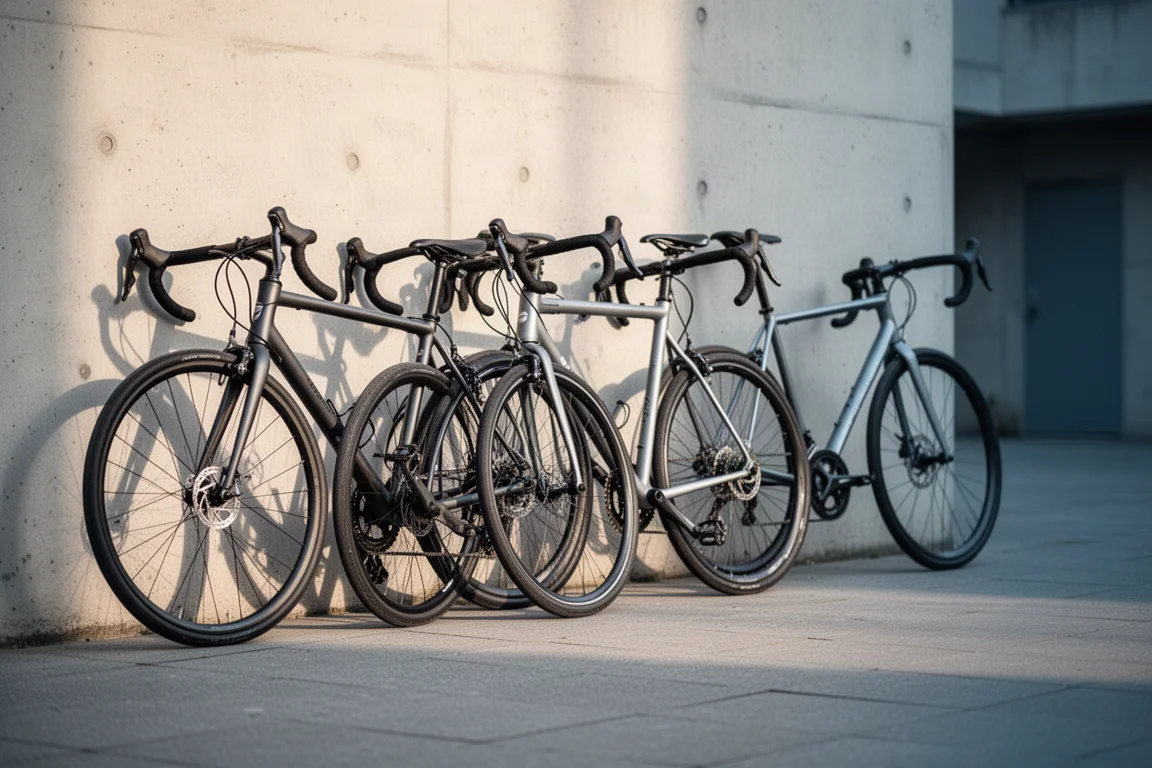
To make the comparison meaningful, the three bikes were run on the same tyres with standard inner tubes, and their weights were checked on the same scale. Some details, like the pedals fitted during weighing, differ between the bikes, and that matters more than most people expect. A power meter pedal set can add a meaningful amount of rotating mass, so weight comparisons should always be read with the build in mind.
What You Get at Each Price Point
It used to be simple. Spend more, get a lighter bike. Modern road bikes have complicated that, because disc brakes and aerodynamic tube shapes have added weight in places where it never used to exist. The result is that the most expensive bike here is not the lightest one.
The Addict RC weighed 7.28 kg with a Garmin computer and pedals fitted, and 7.17 kg without the computer. The Foil Ultimate came in at 7.73 kg, and that figure was recorded with the heavier of the pedal options available. Given the bulky aero tube shapes, that is lighter than the look of the bike suggests.
Beyond weight, the money buys changes in four areas. Frame and fork material move from aluminium to carbon to a high grade carbon shaped for aerodynamics. Cable routing moves from fully external, to semi internal where cables disappear into the frame after the handlebar, to fully integrated with everything hidden inside. The drivetrain moves from a mechanical seven speed Shimano Tourney setup, to SRAM Force electronic wireless, to an eleven speed Shimano Dura Ace electronic group. Wheels move from aluminium Syncros hoops to lightweight Parcours carbon, and finally to the more aerodynamic Parcours Strada carbon wheelset.
Scott Speedster 50: The Entry Level Benchmark
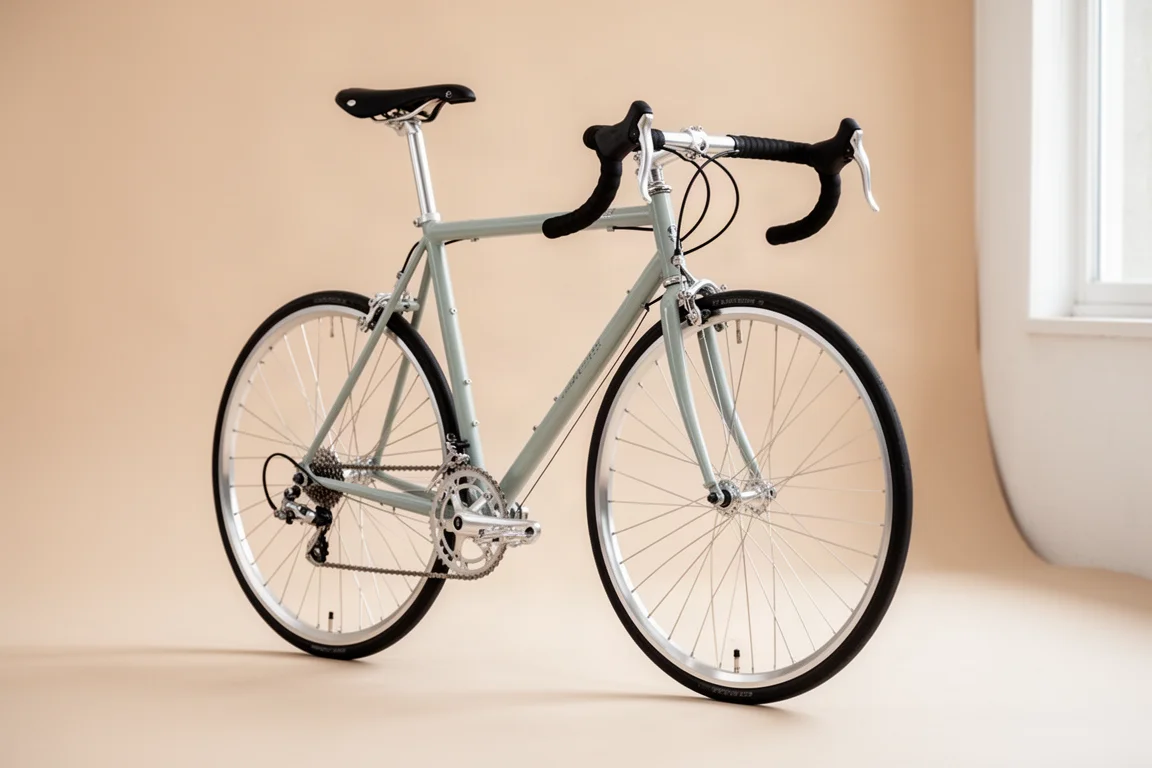
The Speedster 50 opens with an aluminium frame and an aluminium fork, which makes it the heaviest of the three in principle while still feeling reasonably stiff in use. Its geometry is the most relaxed of the group, with a higher front end and slacker angles, so it is easier to fit and more comfortable for a newer rider. All cables run externally, which makes maintenance straightforward and inexpensive.
The drivetrain is Shimano Tourney, the lowest road group in the range, with seven gears at the back and two at the front. Braking comes from third party Tektro calipers, and the levers operate both brakes and gears mechanically through cables. Shifting uses a small thumb activated button on the front of the lever, and reaching that button while riding in the drops takes some effort.
The wheels are aluminium Syncros items with cup and cone bearings that are not sealed, which is worth knowing if the bike will be ridden in the rain often. They do have aluminium braking surfaces, which is a sensible choice at this price. The build here has been lightly upgraded with a cheap saddle that includes a pressure relief channel, and narrower handlebars that cost around 20 pounds, both of which make the bike easier to live with.
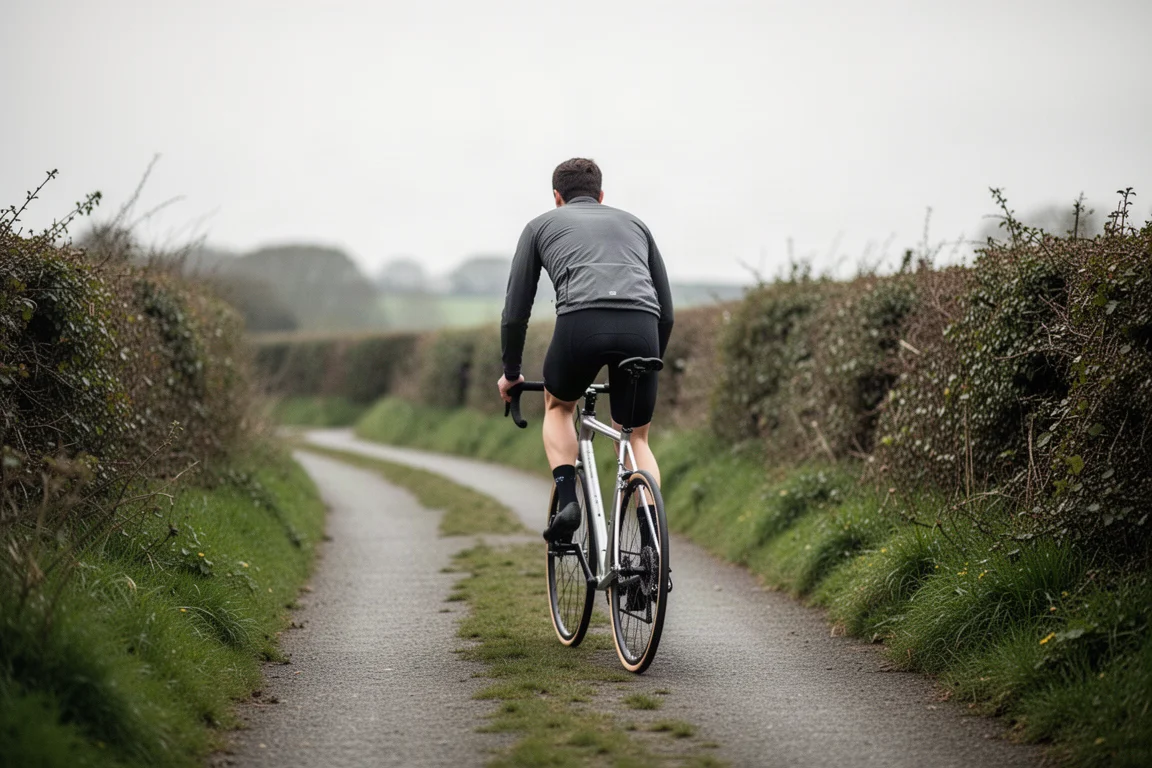
On the road, the Speedster 50 feels surprisingly light and agile for what it is, and everything works as it should. On steep climbs, the seven speed cassette has large jumps between gears, so shifting under load produces a noticeable clunk, although the indexing itself stays accurate. The spacing between ratios is the real limitation rather than the reliability.
Scott Addict RC: The Sweet Spot
The Addict RC steps up to a full carbon frame and a carbon fork, with semi internal routing that sends cables from the handlebar into the frame before they reappear at the components. Weight drops significantly, and the frame is built around a much more aggressive geometry, with the handlebars noticeably lower than on the Speedster 50 for a faster, flatter riding position.
The groupset is SRAM Force, which is electronic and wireless, so shifts are immediate and the drivetrain feels a full category more refined than the entry level bike. The wheels are lightweight carbon Parcours items that are tubeless ready, although this build runs standard inner tubes to keep the comparison fair. The finishing kit is a genuine mix, with a carbon seat post, a Reform saddle, Deda RHM01 handlebars at around 20 pounds, and a budget Scott stem holding it together. Carbon at the back, alloy at the front.
Riding it, the difference is night and day compared with the 1,000 pound bike once you start accelerating. There is roughly three kilograms between the two builds, and that gap is most obvious when you put power down rather than while cruising. It is stiff, light, and it feels like a bike that could be raced at elite level and look entirely at home doing it. It also looks good, which is not a technical specification but is a real part of why people ride.
Scott Foil Ultimate: Aero at the Top
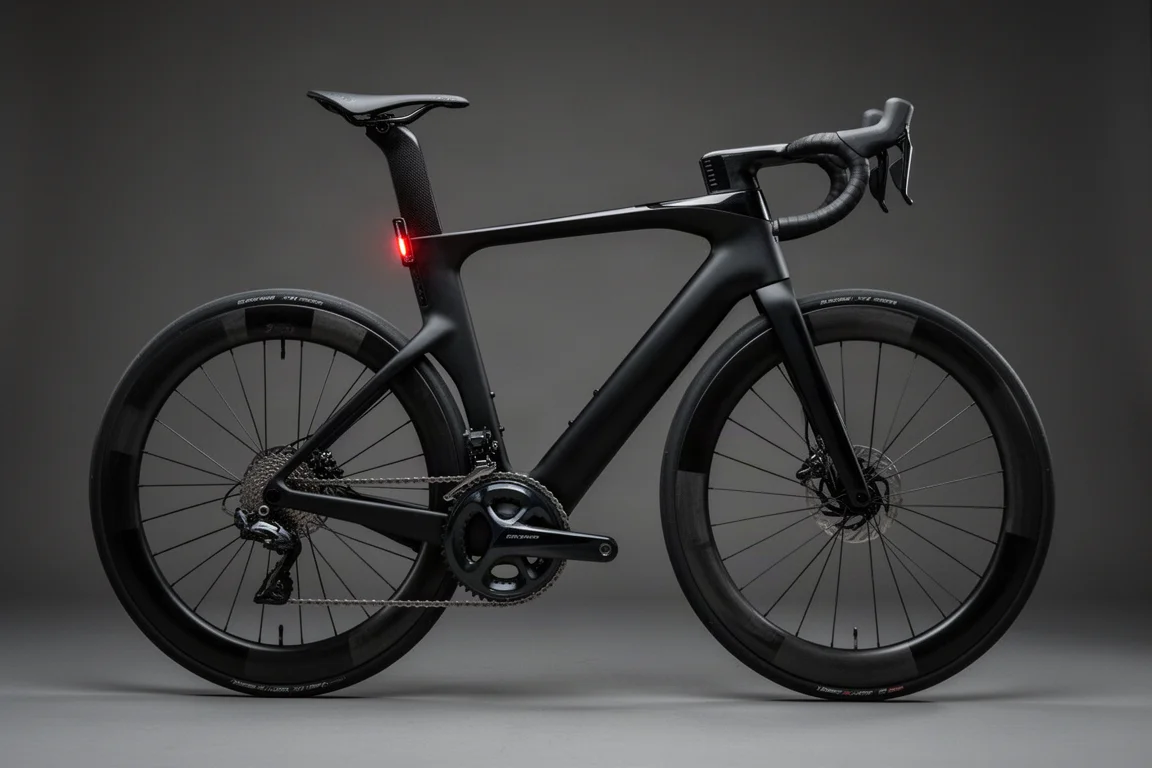
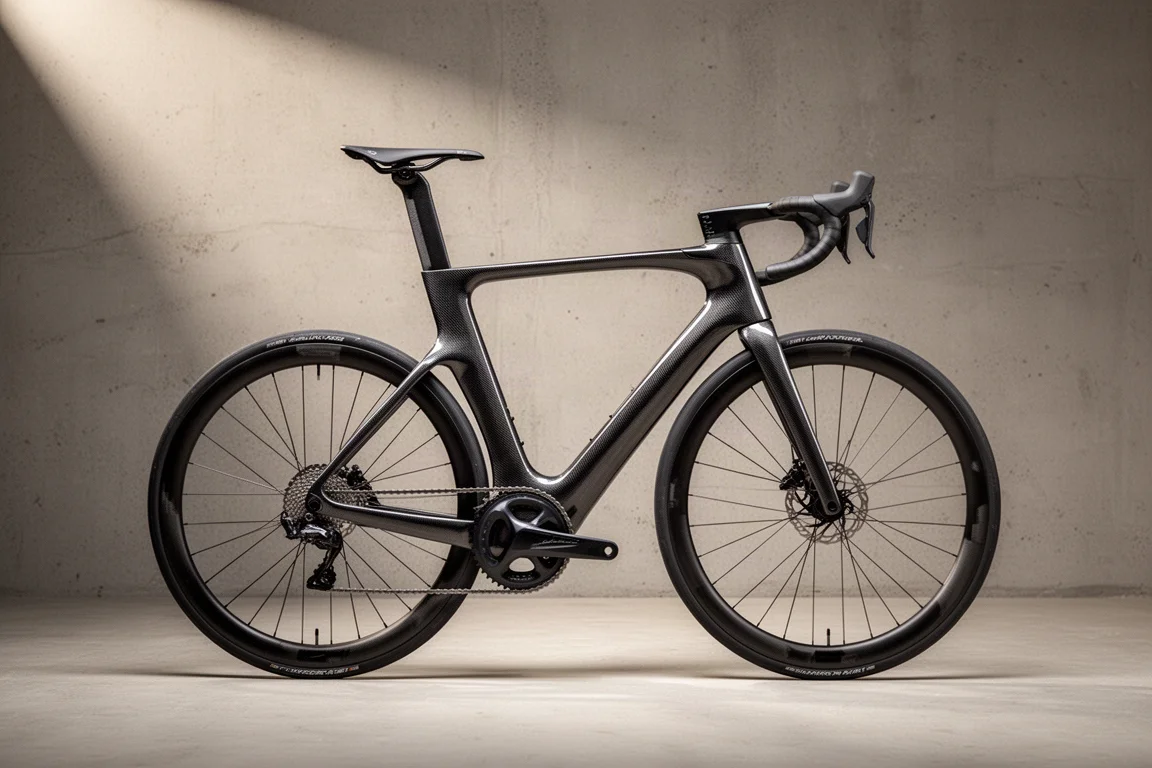
The Foil Ultimate is the flagship of the three, built from the highest grade of carbon fibre the brand uses. That material is laid up into aerodynamic tube shapes rather than the round tubes of the Addict RC, and the frame carries a carbon aero fork and a carbon aero seat post with an integrated rear light. Everything is fully integrated, with cables and wires hidden inside the frame, and the front end is a one piece carbon bar and stem.
The group is an eleven speed Shimano Dura Ace setup, fully electronic, and it still performs at a very high level. The wheels are Parcours Strada carbon, more expensive and more aerodynamic than the wheels on the Addict RC. The finishing kit is all Syncros, the sister brand, including a carbon saddle with a pressure relief channel in the middle.
The aerodynamic shaping is where the money visibly goes, and the design pays attention to comfort as well. The seat post area has material removed to damp vibration, which is unusual on a bike of this shape, and historically aero frames have been harsher to ride than round tubed ones. On a climb the Foil Ultimate is not far off the Addict RC in feel, but its advantage is claimed on flatter, faster terrain, where the aero shape matters more the faster you go.
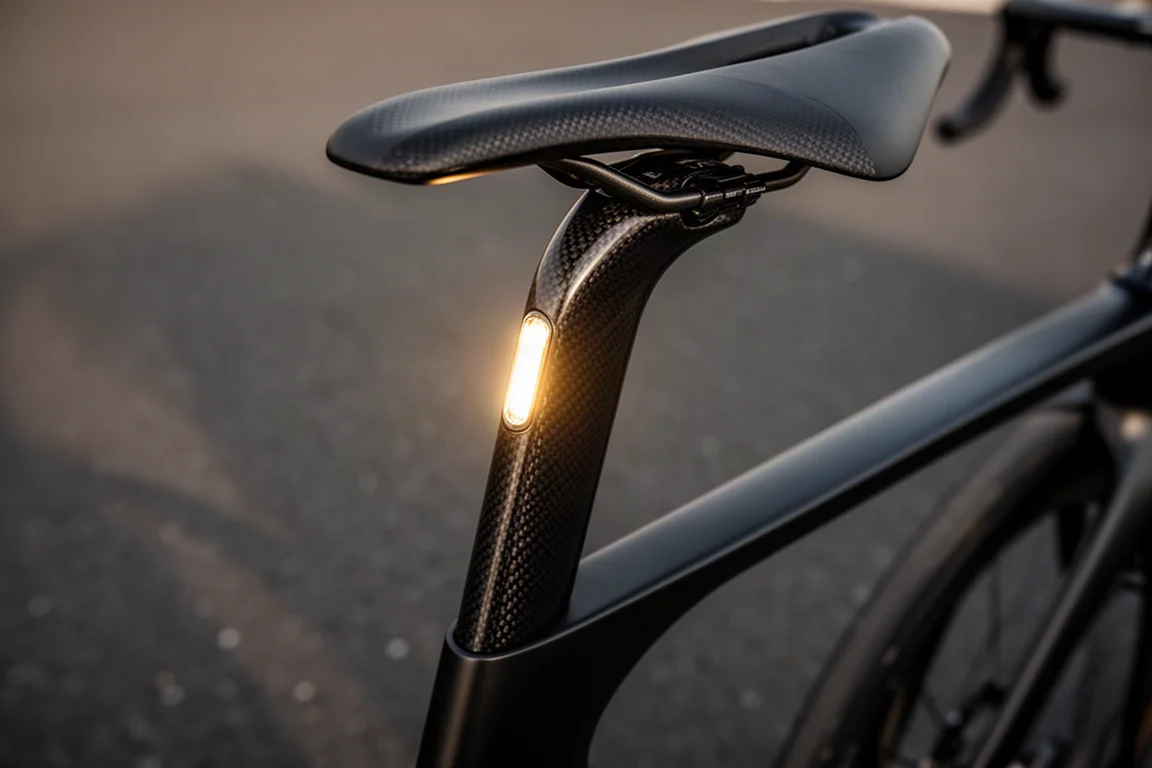
At this price, the frame shape is doing work you cannot feel in a single ride. The gains show up in timed efforts rather than in the sensation under your hands, which is exactly what makes the top tier hard to justify on feel alone.
Where Diminishing Returns Begin
The biggest jump in this comparison is not between 5,000 and 10,000 pounds. It is between 1,000 and 5,000 pounds. The step from the aluminium Speedster 50 to the carbon Addict RC changes how the bike accelerates, how it climbs, and how refined everything feels. The step from the Addict RC to the Foil Ultimate is much smaller in subjective terms.
A back to back climb test on one of the steepest climbs in Newcastle, run as a best of three, ended 2-1 in favour of the cheaper of the two bikes being tested, which says more about riders than about frames. What did show up clearly was shifting behaviour. On the seven speed mechanical drivetrain, changing gear under load meant backing off, because the jumps between ratios are large. On the electronic Dura Ace setup, gears can be changed almost regardless of load.
The Foil Ultimate is genuinely fast. Its aerodynamic shape makes it quicker in timed events, and on the flat it makes holding the pace of faster riders easier. But that speed is not something most riders can feel moment to moment, which is the honest core of the diminishing returns argument.
Buying Advice: Which One Makes Sense
The Speedster 50 is a very capable bike that would get most riders around almost any event they want to enter, from sportives to long training rides. It is not the right tool for high level racing, but it is absolutely fine for a category four race or a hard group ride. It is also the easiest of the three to fit, thanks to its relaxed front end.
If you own one and want to improve it, the drivetrain is the place to start. The stock setup pairs an 11-28 cassette with a compact chainset, and the Tourney rear derailleur officially handles up to a 34 tooth cassette. Swapping to an 11-34 cassette costs around 20 pounds and immediately gives a much better range for steep climbs. A different stem or lower bars would sharpen the front end for riders who want a more aggressive position, and the mechanical shifters are the other obvious upgrade target.
The Addict RC is the bike most riders would be happiest with if they can stretch to it. It is light, stiff, electronic, and quick enough to race seriously, while still being pleasant on an ordinary weekend ride. It improves on the entry level bike in every category: wheels, gears, weight, frame and feel.
The Foil Ultimate is the choice for riders whose primary goal is pure performance. It is faster, and the aerodynamic design is a real engineering effort rather than a styling exercise, but you pay a very large premium for gains that mostly appear in timed results rather than in how the bike feels.
If money is not a deciding factor and you want one bike to ride for as long as it lasts, the top of the range model is the one most riders would pick. If value matters, the 5,000 pound mark is where the money starts buying something genuinely phenomenal, and the 1,000 pound bike remains a very good, very capable machine that most people do not need to replace.
Conclusion
Ten times the price does not deliver ten times the bike. It delivers a lighter, stiffer, better equipped and more aerodynamic machine with genuinely nicer components in every category, but the sensation of riding does not scale at the same rate. The entry level Speedster 50 works, and works well, especially with a cheap cassette change. The Addict RC is the point where the money starts to feel well spent for a serious rider. The Foil Ultimate is for riders chasing every last second, or for anyone lucky enough to be able to choose without compromise.
Further reading
Related Reviews

Road Bikes
10 New Road Bikes Worth Watching: Aero, Titanium, Steel and Endurance Standouts
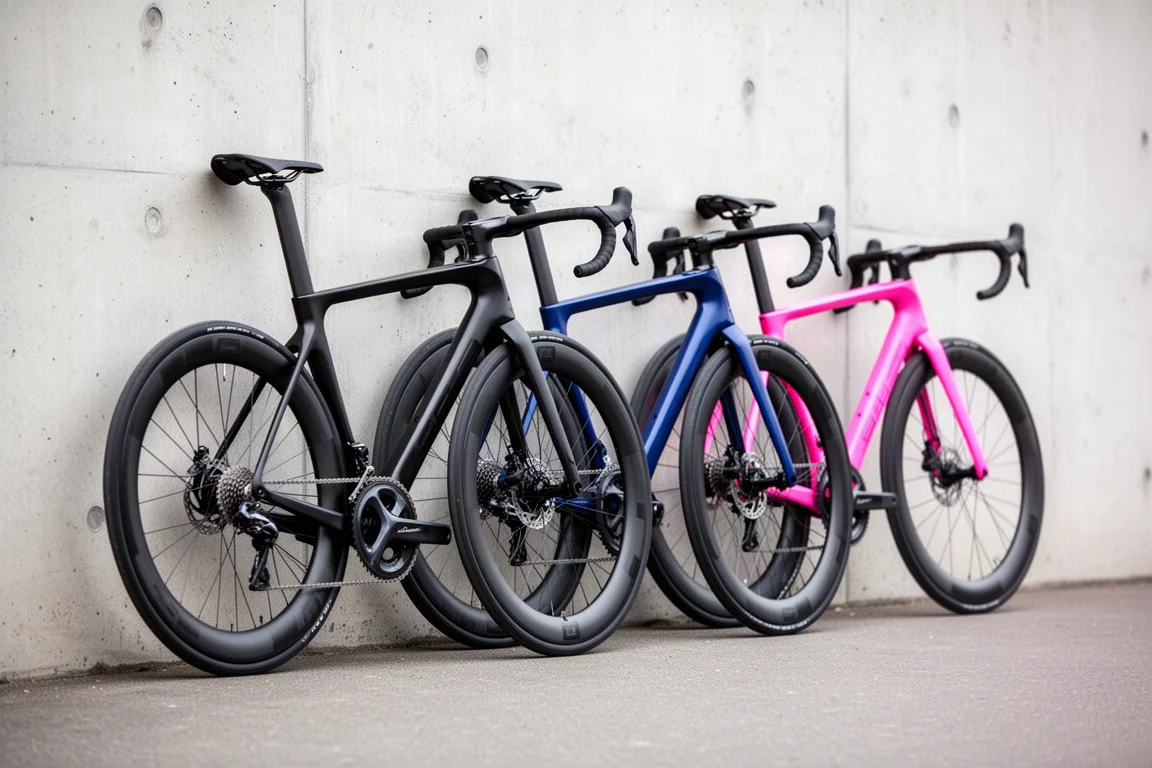
A practical roundup of 10 new road bikes, from aero flagships chasing single-watt gains to titanium, steel and endurance platforms built for real roads.
Road Bikes
2026 Tour de France Road Bikes: Six Race Machines Worth a Closer Look
Six race bikes from the 2026 Tour de France grid, reviewed for paint, silhouette, wheels and the specification details that matter to buyers.
Road Bikes
3T Strada Italia Review: A Radical Aero Road Bike That Rides Smooth
A made in Italy carbon aero road bike with a deep head tube, wide tire clearance and a genuinely comfortable ride. Here is what to know before buying.