Road Bikes
Scott Road Bikes Compared: Speedster, Addict RC and Foil Ultimate at Three Price Points
A practical look at Scott's Speedster, Addict RC and Foil Ultimate, and what actually changes when a road bike costs £1,000, £5,000 or £10,000.
Introduction
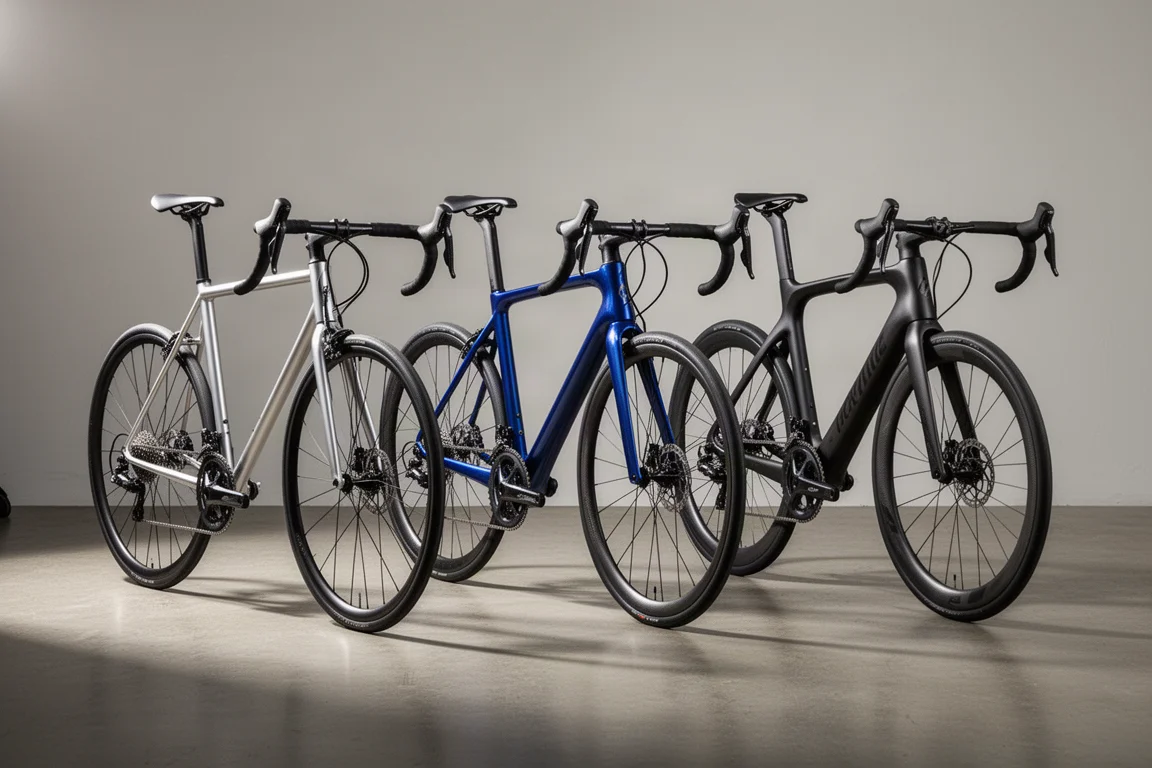
Three Scott road bikes, three very different price points. The Speedster sits at around £1,000, the Addict RC at roughly £5,000, and the Foil Ultimate at about £10,000. The natural question is whether ten times the price delivers ten times the bike. The honest answer is no, but the more useful answer is that each of these bikes is genuinely good at the job it was designed for, and the differences between them are more specific than the price tags suggest.
This comparison looks at what each bike is built from, how the three ride, and where the extra money actually goes.
How These Three Scott Road Bikes Compare
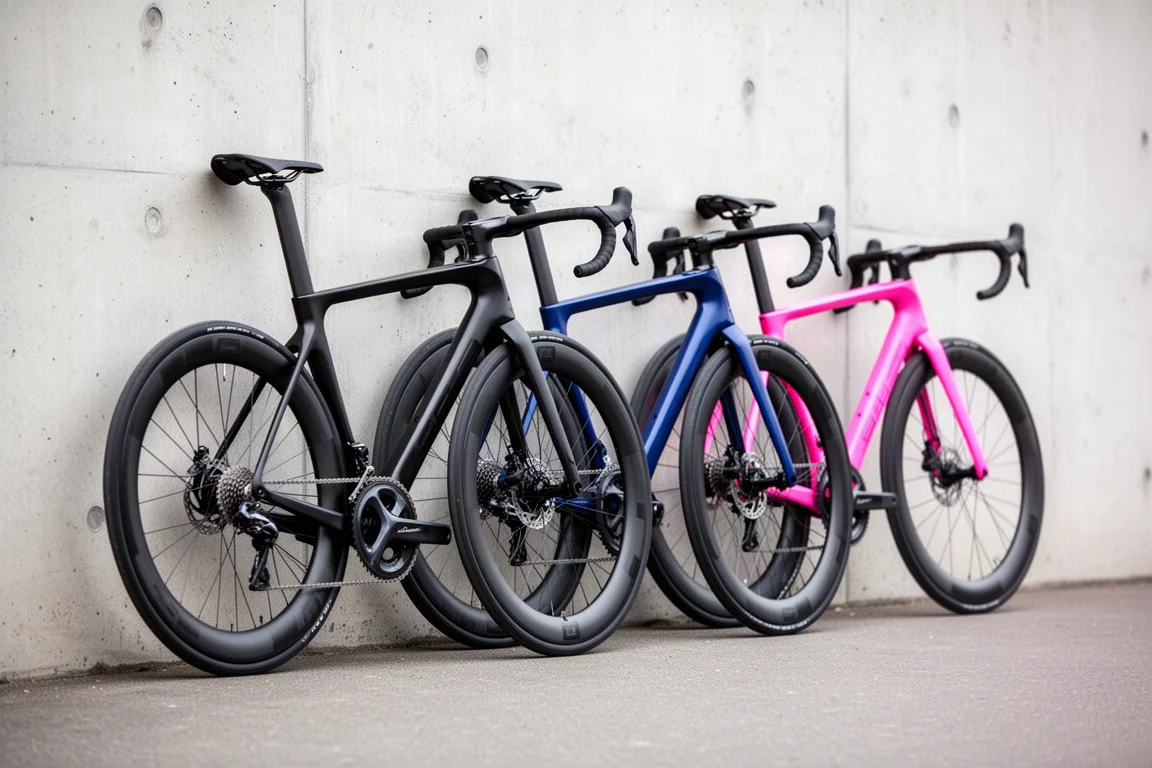
All three are road bikes with drop bars and rim brakes, but they are built around different priorities. The Speedster uses an aluminium frame and an aluminium fork. The Addict RC moves to a full carbon frame and carbon fork. The Foil Ultimate uses the top grade of carbon fibre available in this range, shaped into aerodynamic tube profiles, with a carbon aero fork and a carbon aero seat post.
Shifting changes just as sharply. The Speedster runs a mechanical Shimano Tourney seven speed setup. The Addict RC steps up to a SRAM Force electronic wireless group set. The Foil Ultimate carries a Shimano Dura Ace 11 speed electric group set. Wheels follow the same pattern: alloy Syncros wheels on the entry bike, light carbon Parcour wheels in the middle, and more aerodynamic Parcour Strata carbon wheels at the top.
Weighing the three produced the most surprising result of the comparison. The £5,000 Addict RC came in lightest at 7.17 kg once a Garmin computer was removed. The £10,000 Foil Ultimate weighed 7.73 kg, and that figure included a heavier set of Garmin power meter pedals. The aluminium Speedster was the heaviest of the three.
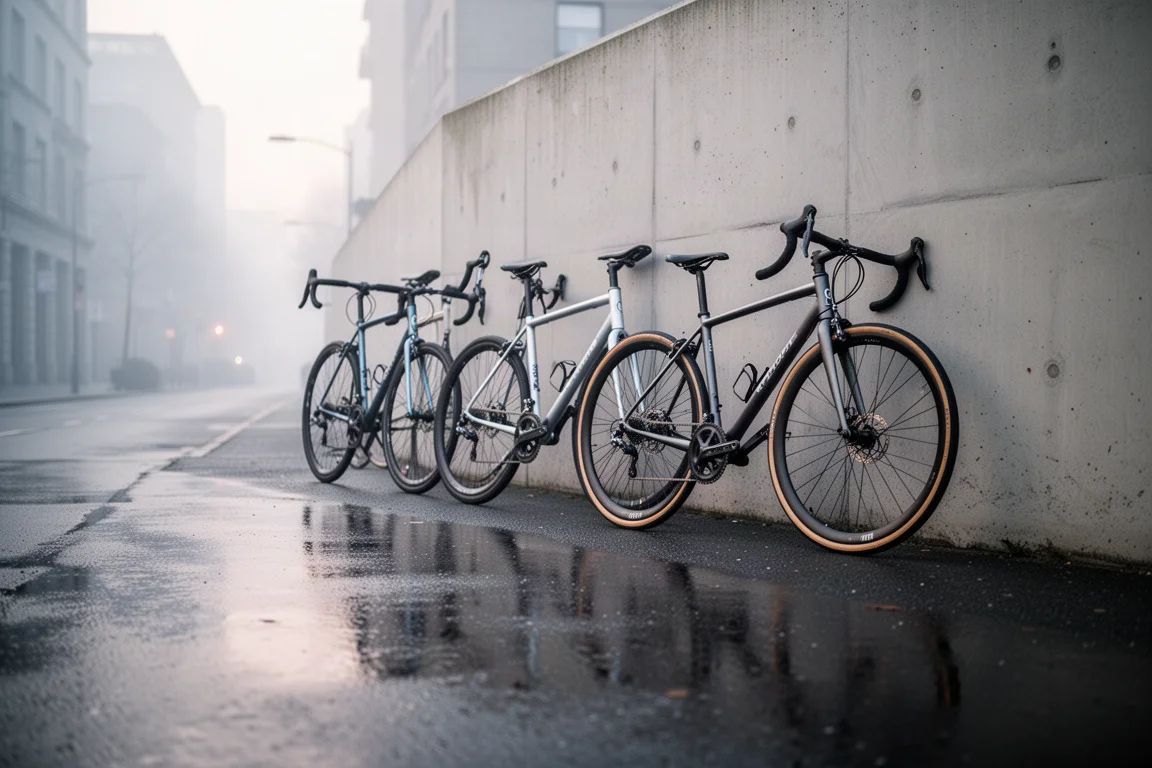
Weight is only part of the story. What really changes as the price climbs is the combination of frame material, shifting technology, wheel quality and aerodynamic shaping, and those changes do not all pull in the same direction.
Scott Speedster: The £1,000 Entry Point
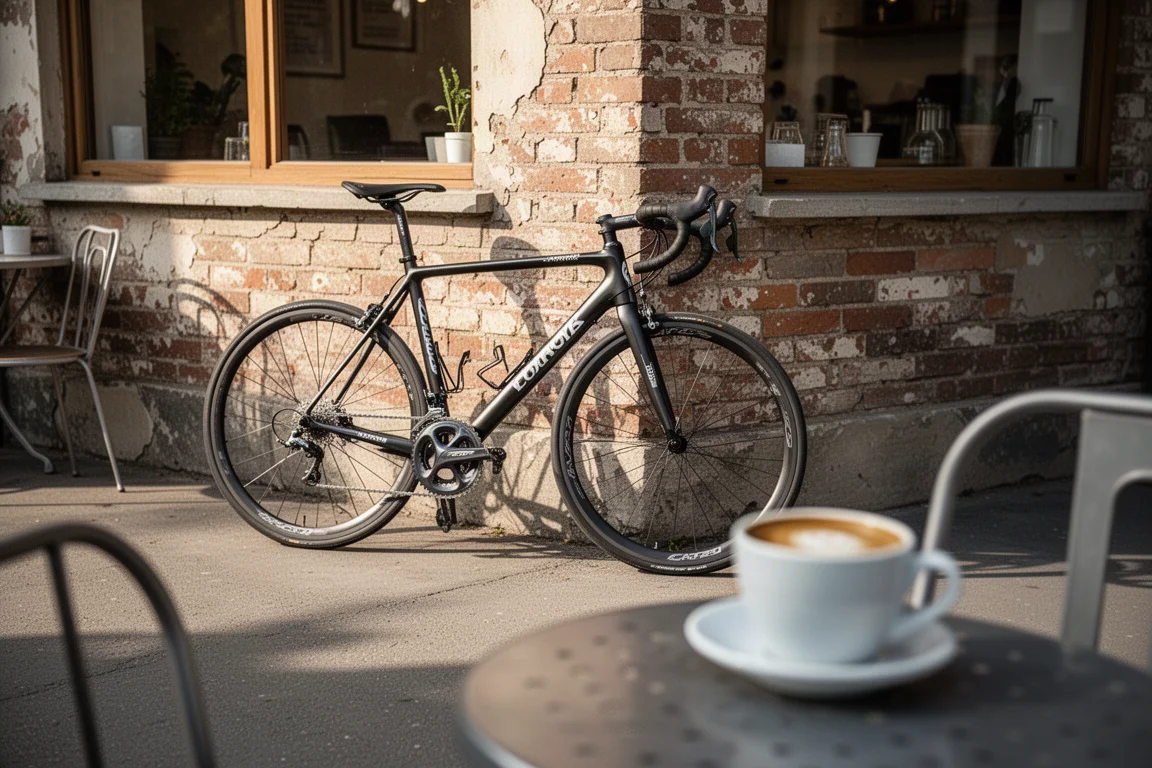
The Speedster is built around an aluminium frame and an aluminium fork, which makes it a little heavier than the other two, though the frame still feels stiff. Its geometry is the most relaxed of the three, with a higher front end and slacker angles, so it should be more comfortable and easier to fit for a newer cyclist.
Maintenance is straightforward. The cables run externally, so everything is accessible. The brakes are rim callipers from Tektro, and shifting is handled by a mechanical Shimano Tourney seven speed group set with seven gears at the rear and two at the front. Shifts are triggered by a small button on the lever that you press with your thumb, and reaching it while holding the drops is a stretch.
The Syncros alloy wheels use cup and cone bearings that are not sealed, which is worth knowing if you ride in the rain often, though the alloy braking surface is a plus. This particular build has been upgraded with a saddle that has a pressure relief channel cut through the middle, and with narrower handlebars that suit a smaller rider better. The gearing is an 11-28 cassette with a compact chainset, and because the Tourney rear derailleur accepts up to a 34 tooth sprocket, a cassette swap costing around £20 would widen the range considerably.
Scott Addict RC: The £5,000 All-Rounder
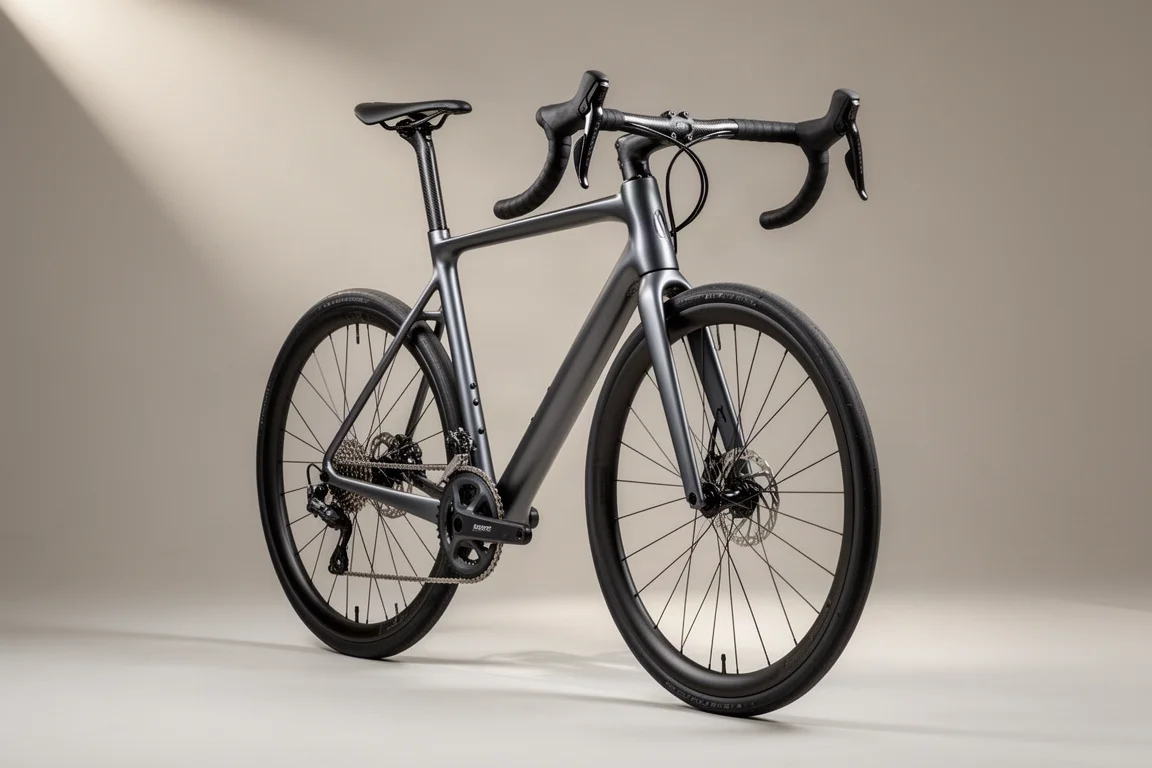
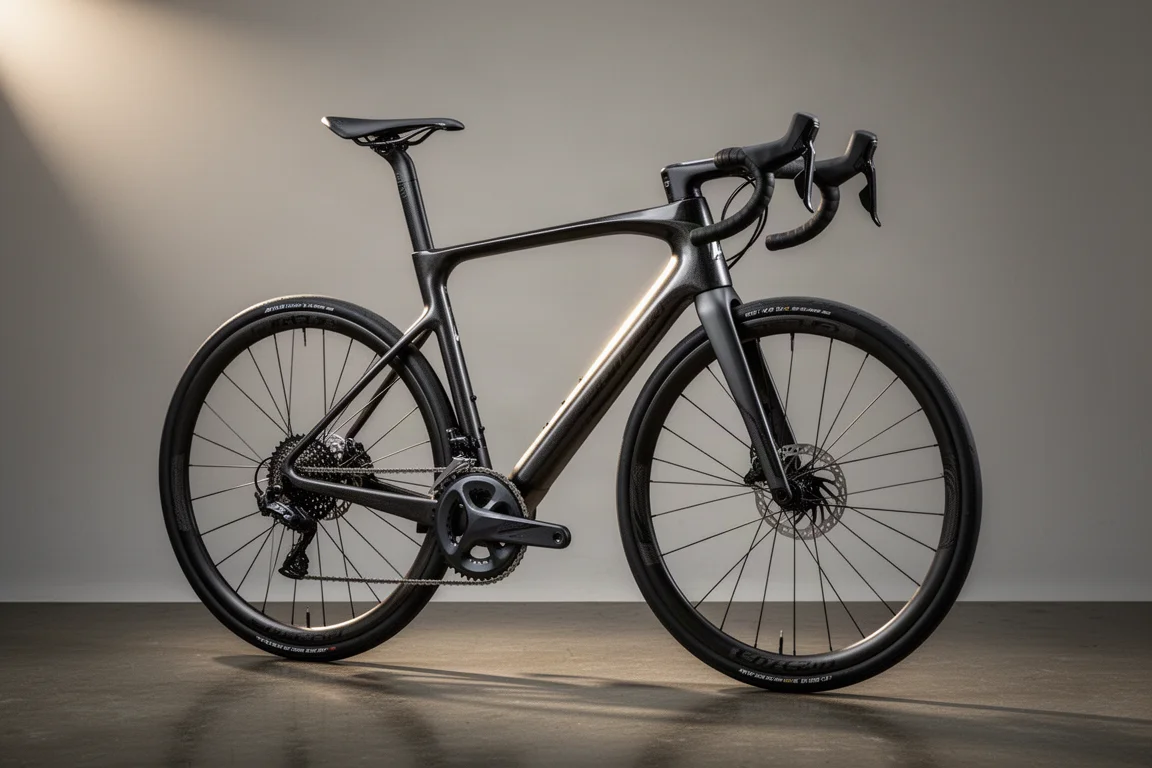
The Addict RC is a full carbon frame with a carbon fork, and it is noticeably light in the hand. Cable routing is semi-internal: the cables exit the handlebars, enter the frame, and stay concealed all the way down to the components. The frame is blue, and the geometry is far more aggressive than the Speedster, with a lower front end and a racier riding position.
The group set is a SRAM Force electronic wireless setup, which brings clean shifts and removes the mechanical cables from the equation. The Parcour carbon wheels are much lighter than the alloy set on the entry bike and can be run tubeless, though this build keeps inner tubes so that all three bikes can be compared on the same tyres.
The finishing kit is a mix rather than a matched set: a Pro carbon seat post, a Reform saddle, Deda RHM01 handlebars that cost around £20, and a budget Scott stem. Carbon at the rear and alloy at the front is a practical compromise, and it keeps the build light where it matters most. Measured at 7.17 kg, this was the lightest bike of the three.
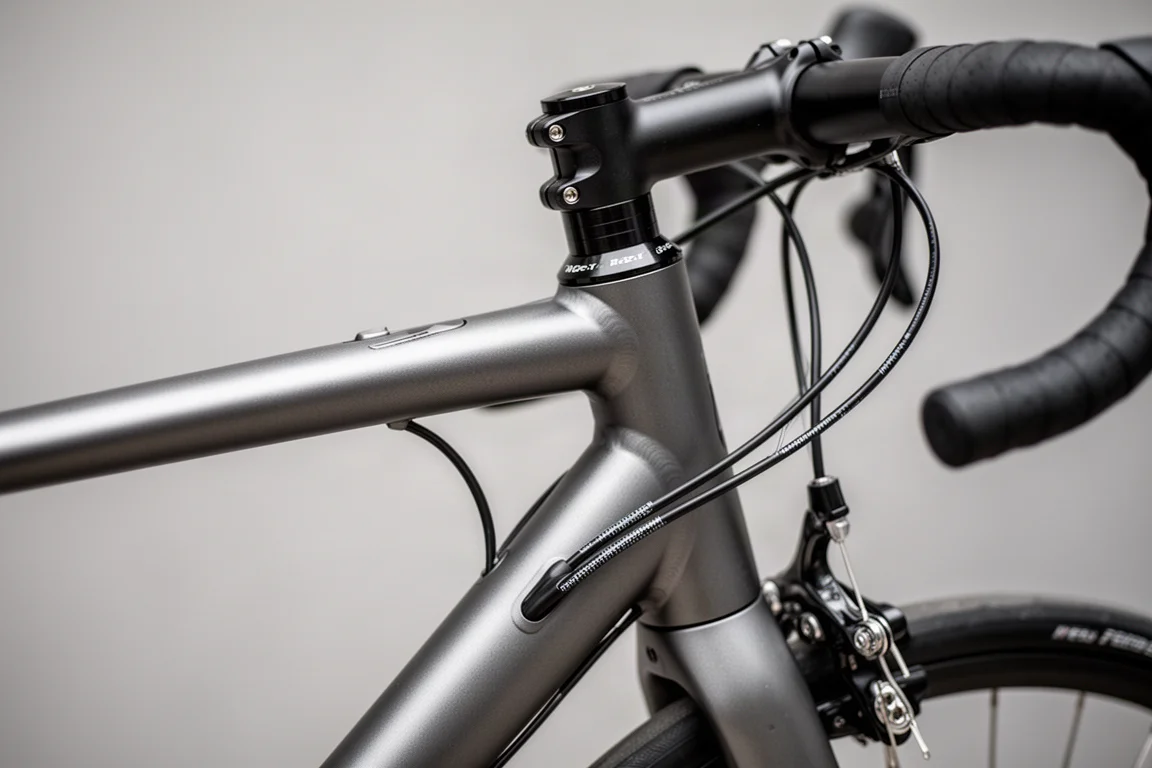
For riders who race or ride fast in groups, the combination of low weight, carbon wheels and electronic shifting is where the money starts to feel well spent. It is the point in the range where performance stops being theoretical and becomes obvious the moment you accelerate.
Scott Foil Ultimate: The £10,000 Aero Flagship
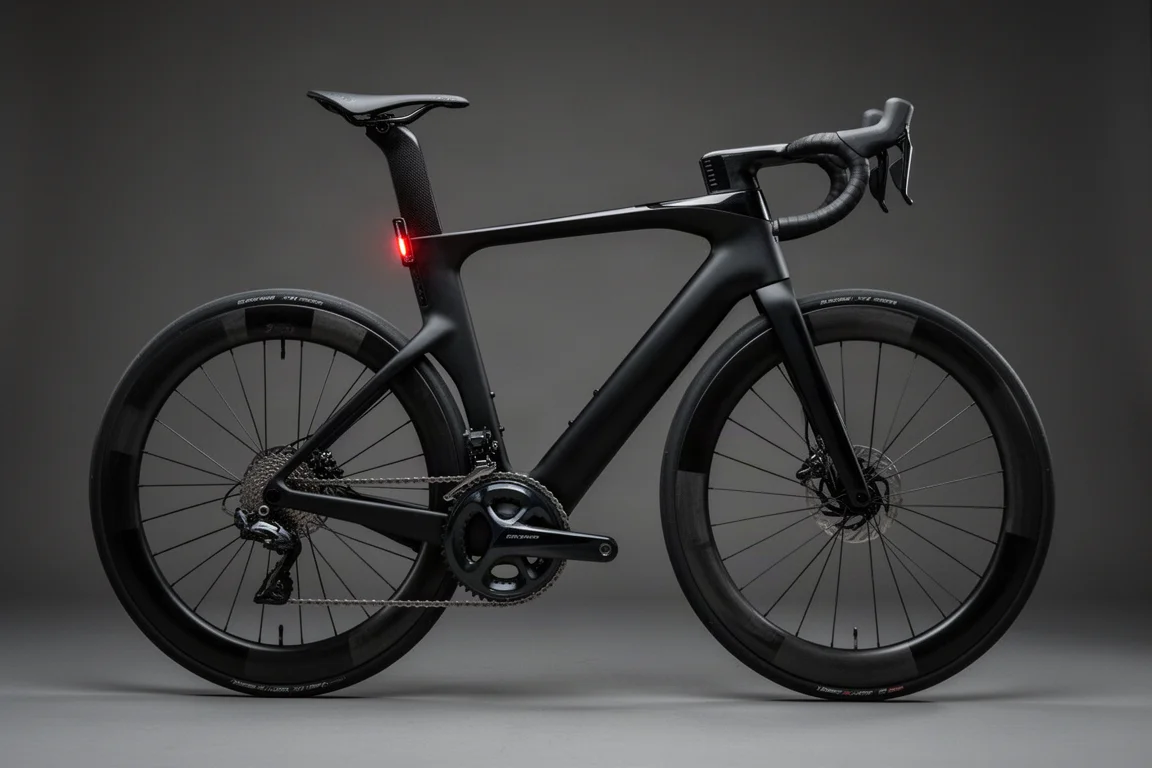
The Foil Ultimate uses the top grade of carbon fibre in the range, shaped into aerodynamic tube profiles. The layout is designed to be lighter and stiffer than the carbon used on the Addict RC, and the aero shaping is meant to make it faster at speed, with the benefit growing as your riding speed rises. It has a carbon aero fork, a carbon aero seat post with an integrated light, and fully integrated cabling that hides every wire inside the frame.
The group set is a Shimano Dura Ace 11 speed electric setup. It is an older generation, but still a very high performing one, with 11 gears at the rear and two at the front. The wheels are Parcour Strata carbon, a step up from the wheels on the Addict RC in both price and aerodynamic performance. The finishing kit comes entirely from Syncros, Scott’s sister company, including a carbon saddle with a pressure relief channel and a one-piece carbon bar and stem cockpit finished with a small cap.
At 7.73 kg, with heavier power meter pedals fitted, the flagship was not the lightest bike here. It is, however, comfortable for an aerodynamic machine, which is not something that has always been true of this category. The aerodynamic advantage is difficult to feel from the saddle, but it is the kind of gain that shows up in a wind tunnel and in timed efforts.
Diminishing Returns: What the Extra Money Buys
The biggest jump in the range is between the £1,000 bike and the £5,000 bike. That gap is close to three kilograms of weight, and you feel it most under acceleration rather than while cruising. The Addict RC has premium features in every category: carbon wheels, electric gears, a stiff and light frame, and a build that feels like a feather when you lift it. It would be perfectly at home in an elite road race.
The gap between the £5,000 bike and the £10,000 bike is much narrower in terms of how the two feel to ride. The difference is aerodynamic rather than tactile. The flagship is faster in a timed event and quicker in a wind tunnel, because the frame shape does make a measurable difference, but on a normal ride that difference is hard to perceive. You are paying a significant premium for gains that mostly appear on a stopwatch.
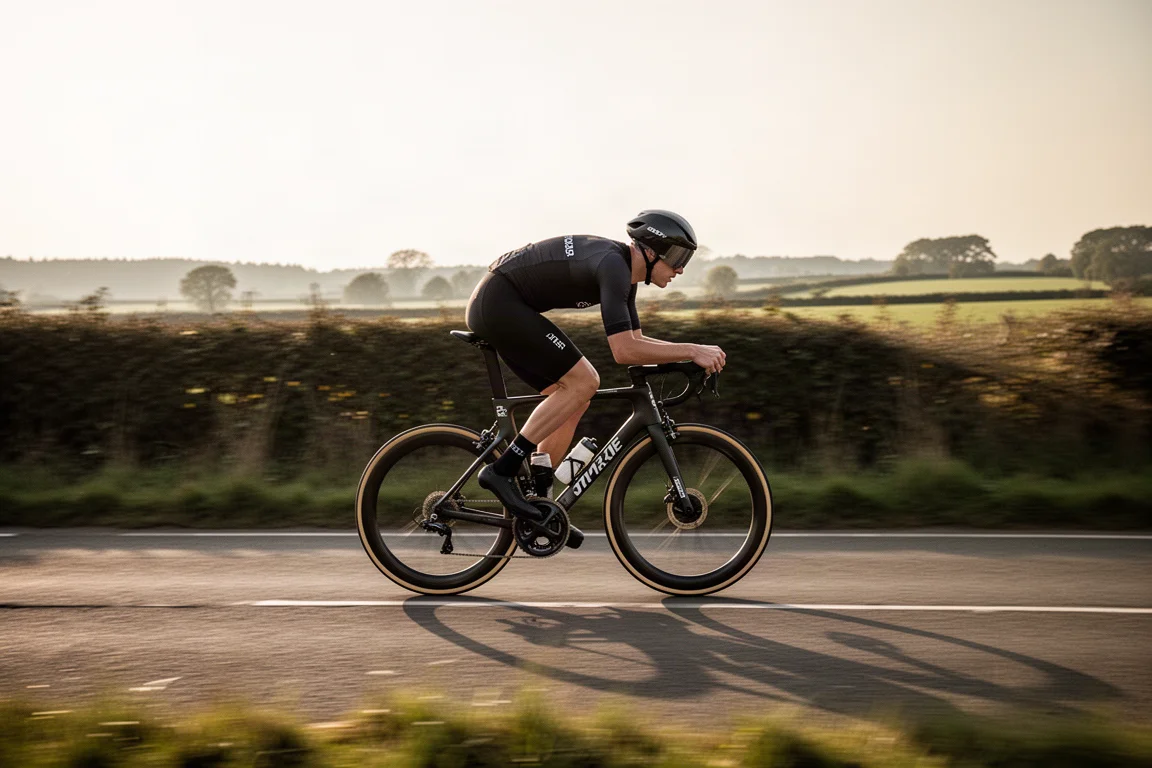
None of that makes the flagship a poor bike. It makes it a specialist one. If your primary goal is outright performance, the aerodynamic work and the integrated design are exactly what you are buying. If your goal is simply to ride well and enjoy the bike, the returns fall away quickly above the middle of this range.
Weight, Gearing and Comfort in Practice
The £1,000 Speedster is a very capable bike. It would handle a sportive or a lower category race without any problems, and it is surprisingly light and agile for what it is. Its main limitation is the seven speed gearing. The jumps between sprockets are large, so shifting under load on a steep climb can sound and feel abrupt, even though the indexing itself stays accurate. A cassette with a wider range would fix most of that for very little money.
The £10,000 Foil Ultimate rides very well uphill despite its aerodynamic reputation, and everything on it works as you would expect at that price. Historically, aero bikes have been harsher and less comfortable because of their larger tube shapes, and Scott has clearly put engineering effort into making this one comfortable as well as fast.
Comfort details matter more than they look on paper. The saddle on the flagship carries a pressure relief channel, and the seat post design, which leaves a section open, is said to contribute some vibration damping. Those are the kinds of touches that shape how a bike feels over a long day rather than in the first five minutes.
Buying Advice: Choosing Between the Three
If you have a serious budget, the £5,000 mark buys something genuinely phenomenal. It is the sweet spot of this comparison, combining low weight, electronic shifting and carbon wheels in a package that feels fast everywhere.
If you can stretch to £10,000 without it being a significant financial decision, the Foil Ultimate is a superb machine and the one most riders here would choose to ride for the rest of their lives. It is the pick for riders whose priority is pure performance, timed events and aerodynamic efficiency rather than value.
If you are buying your first serious road bike, the £1,000 Speedster is a very good bike and more than enough for most events. It can be improved cheaply, with a wider cassette, a different stem to lower the front end, or a group set upgrade for better ergonomics, but none of that is necessary to enjoy it. Change nothing and you still have a great bike.
The honest framing is this: the Speedster covers the widest range of riders, the Addict RC is the point where performance becomes unmistakable, and the Foil Ultimate is for riders chasing outright speed. Choosing between them is less about which is better and more about which job you need the bike to do.
Conclusion
Spending ten times as much does not buy ten times the bike. What it buys is a narrower set of advantages that matter enormously to some riders and barely at all to others. The Speedster is an extremely good entry point that most people could ride for years without feeling held back. The Addict RC is the standout all-rounder, with the biggest step up in feel and performance. The Foil Ultimate is a specialist performance tool, and it is worth the money only if aerodynamic speed is what you are actually shopping for.
Further reading
Related Reviews

Road Bikes
10 New Road Bikes Worth Watching: Aero, Titanium, Steel and Endurance Standouts
A practical roundup of 10 new road bikes, from aero flagships chasing single-watt gains to titanium, steel and endurance platforms built for real roads.
Road Bikes
2026 Tour de France Road Bikes: Six Race Machines Worth a Closer Look
Six race bikes from the 2026 Tour de France grid, reviewed for paint, silhouette, wheels and the specification details that matter to buyers.
Road Bikes
3T Strada Italia Review: A Radical Aero Road Bike That Rides Smooth
A made in Italy carbon aero road bike with a deep head tube, wide tire clearance and a genuinely comfortable ride. Here is what to know before buying.