Road Bikes
Scott Foil Review: Aero Speed With Comfort Kept Intact
A closer look at the latest Scott Foil, including the updated UCI tube profiles, the flex-tuned seat post, the optional integrated tail light, and what to weigh before buying.
Introduction
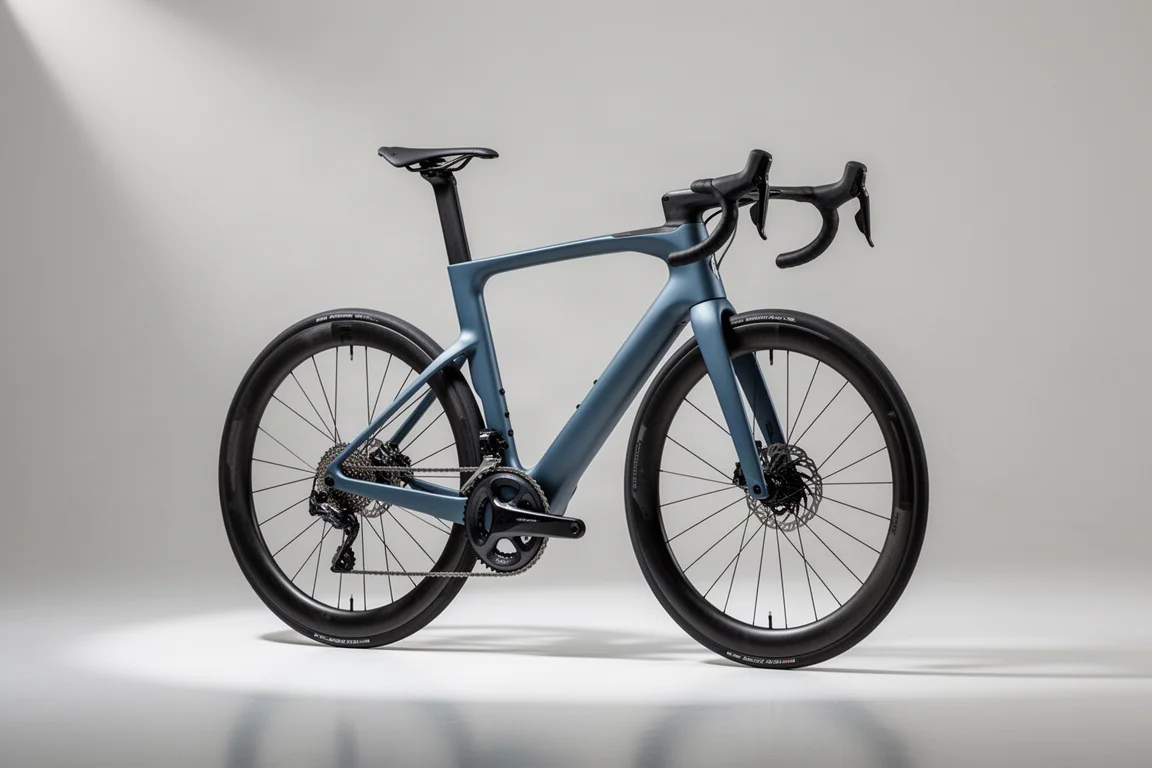
The Scott Foil has built its reputation as an aerodynamic race bike that does not punish the rider, and the latest generation leans further into that idea. Development was shaped by the updated UCI tube profile rules, which allow deeper and therefore faster shapes, alongside a deliberate effort to protect the ride quality the Foil line is known for.
The result is a bike that claims a meaningful aerodynamic step forward while keeping the comfort and handling that make an aero race bike usable on long days. Here is what stands out, and what is worth weighing before you buy.
Who This Bike Is For
This is a bike for riders who want speed without a harsh ride. The Foil suits racers, fast group riders, and anyone who spends long hours on tarmac and wants aerodynamic efficiency that still feels composed underneath them.
Riders who train in dense traffic also have something to work with here, because the seat post can accept an integrated tail light. It remains a race-oriented platform, though, so riders looking for relaxed endurance geometry should check how the fit suits them before committing.

In short, it rewards riders who already ride fast and want to keep doing so comfortably, rather than riders chasing the most upright or most forgiving position available.
Main Strengths
Aerodynamic Gains Under the New UCI Rules
The starting point is the revised UCI rules, which permit deeper tube profiles than before. Deeper profiles generally mean faster profiles, and the design team used that room, but not without limits: pushing the shapes further would have cost weight and comfort, and that trade was not one they wanted to make.
The measured outcome is a claimed one minute and 18 seconds saved over 40 km at 45 kph compared with the bikes it was tested against. That is a substantial number, and it comes with a caveat worth understanding. Gains of this kind are measured at high speed, so riders who spend most of their time at lower speeds will feel a smaller difference in practice.
Comfort Engineered Into the Seat Post
Comfort was treated as a design constraint rather than an afterthought. One clear example is the seat post, which returns to a smaller profile in order to allow more flex. Wind tunnel work showed that a thicker seat post was not actually faster once a rider’s pedalling legs were part of the picture, so the smaller shape won on both counts.
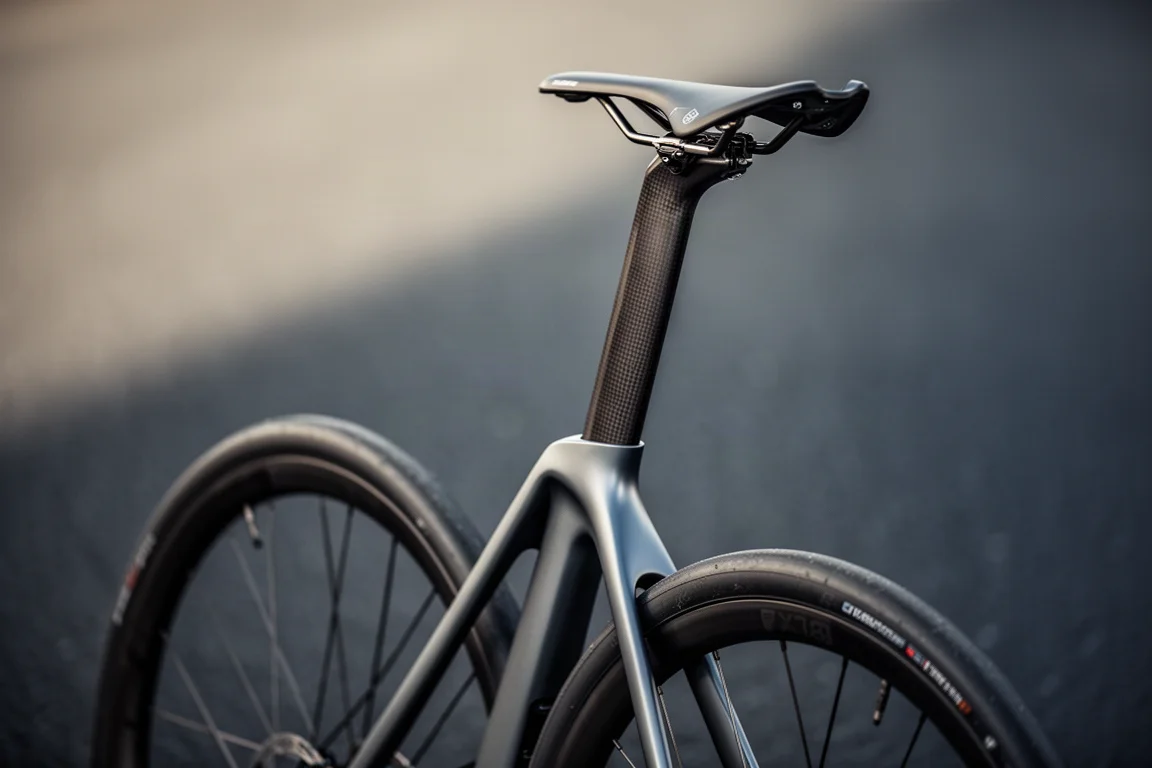
The rear of the bike carries the same thinking. The seat stays are profiled toward the wheel, a detail that helps airflow in that area. Taken together, these choices explain how a bike with deep front-end tubes can still feel settled rather than rigid.
Frame Construction and System Design
Each frame is assembled from around 500 pieces of carbon, and the modern challenge is placing them as accurately as possible. Extensive finite element simulation was used to refine the layup so weight could come down while comfort and stiffness went up, without compromising how the bike behaves.
The design team also approached the bike as a complete system rather than a frame and fork alone. Seat post, handlebar, and the lower aluminium stem were developed together so the aerodynamic result and the finished appearance both hold up. Geometry was part of the same conversation, because handling matters as much to a race bike’s character as drag does.
Wind tunnel testing informed the shape choices throughout, including areas where the team found that smaller dimensions were faster than maxed-out ones. Bigger profiles are not automatically better.
Integrated Lighting and Seat Post Options
The seat post can integrate a tail light, a feature aimed at safety as traffic grows denser in many riding regions. There is a practical detail attached to it: the bike ships with the rubber cover only, and the light is purchased separately. Riders who want the lightest setup for race day can run the cover instead.
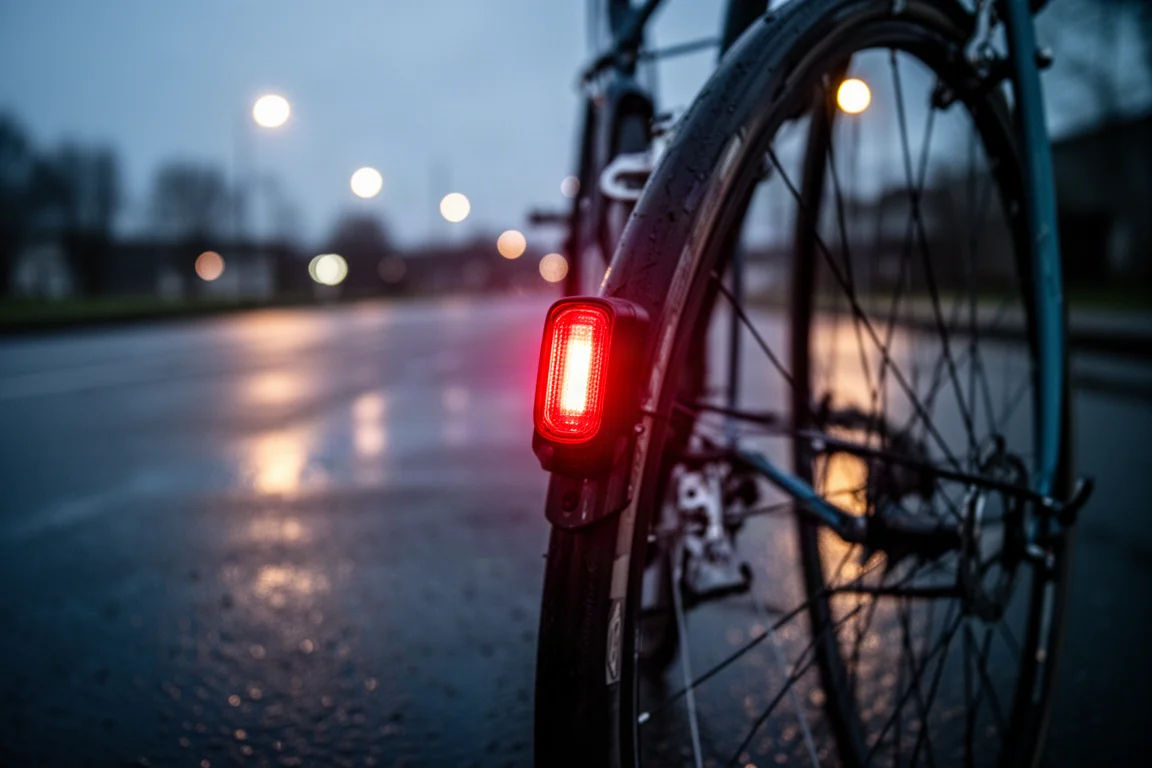
For those who do not need the extra flex, a completely stiff one-piece seat post is also available as an option. It saves weight, but it gives up the comfort benefit of the standard design, so it is a choice worth making deliberately rather than by default.
Things to Consider Before Buying
The tail light is sold separately, and the bike arrives with the rubber cover only, so the integrated safety feature is an additional purchase.
The headline aerodynamic figure was measured at 45 kph. Real-world gains depend on how fast you typically ride, so riders on slower training loops should expect a more modest difference.
The lighter one-piece seat post option trades comfort for weight. If the flex of the standard seat post is part of what appeals to you, that upgrade works against it.
Cable integration is standard, which keeps the front end clean and the airflow tidy, but it is worth planning for at service time.
As a flagship aerodynamic platform, the Foil sits in the premium tier of road race bikes.
Buying Advice
The Foil makes the most sense for riders whose priority is speed with a ride quality they can live with day after day. If you race, ride fast group loops, or simply want an aerodynamic platform that does not beat you up over long distances, the combination of deeper front-end profiles, a flex-friendly seat post, and component design treated as one system is a coherent package.
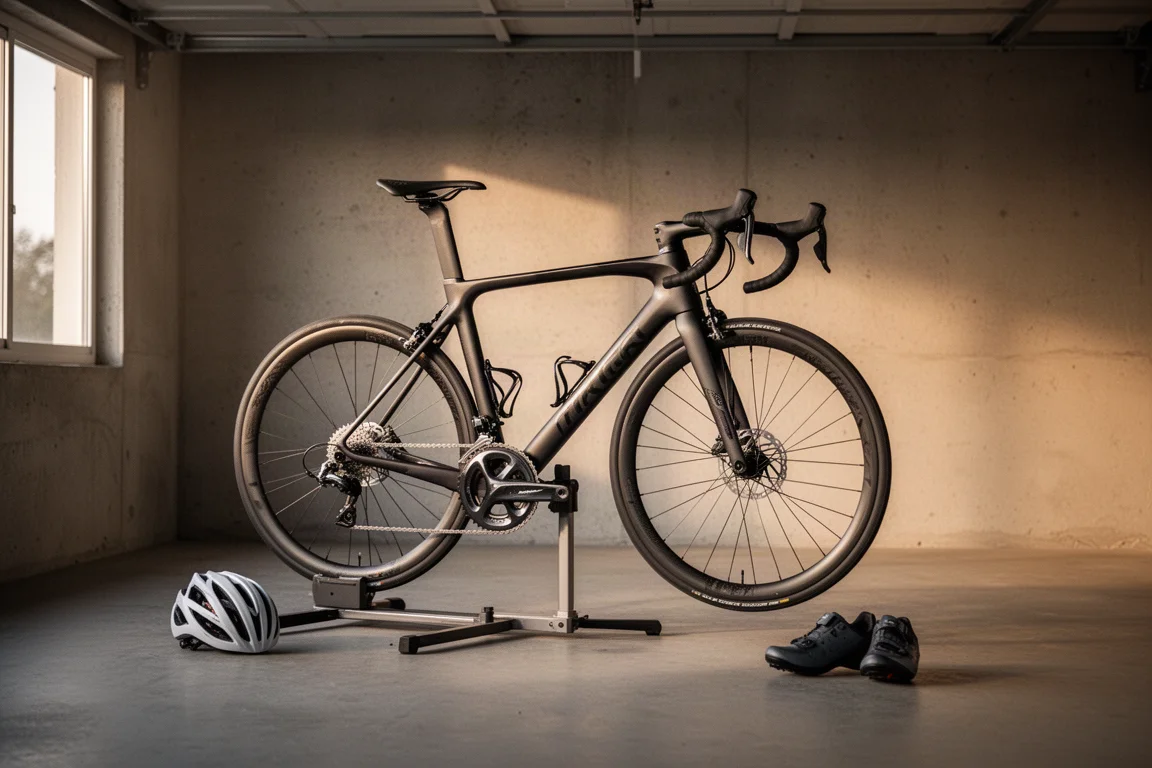
If your riding is mostly relaxed and at lower speeds, or if you prefer the simplest possible maintenance routine, think carefully about whether the aero focus matches your needs. Budget for the tail light as well if you want the integrated rear visibility, since it is not included with the bike.
Conclusion
The new Foil reads as a careful evolution rather than a single headline trick. Deeper profiles under the updated rules, a seat post designed around real-world airflow, a layup refined through simulation, and an optional integrated light add up to a race bike that keeps the comfort the Foil line is known for.
For riders who want aerodynamic performance without a punishing ride, it is a strong candidate to shortlist.
Product link
View more details for Scott Foil
This product is mentioned in the review. Check the specifications, options, and compatibility before buying.
View more details for Scott FoilFurther reading
Related Reviews

Road Bikes
10 New Road Bikes Worth Watching: Aero, Titanium, Steel and Endurance Standouts
A practical roundup of 10 new road bikes, from aero flagships chasing single-watt gains to titanium, steel and endurance platforms built for real roads.
Road Bikes
2026 Tour de France Road Bikes: Six Race Machines Worth a Closer Look
Six race bikes from the 2026 Tour de France grid, reviewed for paint, silhouette, wheels and the specification details that matter to buyers.
Road Bikes
3T Strada Italia Review: A Radical Aero Road Bike That Rides Smooth
A made in Italy carbon aero road bike with a deep head tube, wide tire clearance and a genuinely comfortable ride. Here is what to know before buying.