Road Bikes
Scott Foil Review: Aero Speed Without the Comfort Penalty
The redesigned Scott Foil chases deeper aero profiles under the latest UCI rules while keeping flex, safety lighting and rider comfort in the frame design.
Introduction
The Scott Foil has been rebuilt around the updated UCI tube profile rules, and the changes go further than simply making the frame look faster. Scott’s design and engineering team describe the new Foil as a complete system rather than a single aerodynamic number, with aerodynamics, comfort, stiffness and handling developed together instead of traded against each other.
The easiest way to picture the goal is this: the Foil is meant to be rapid without becoming punishing. That balance is the whole point of the redesign, and it is what most riders will notice after the first few kilometres.
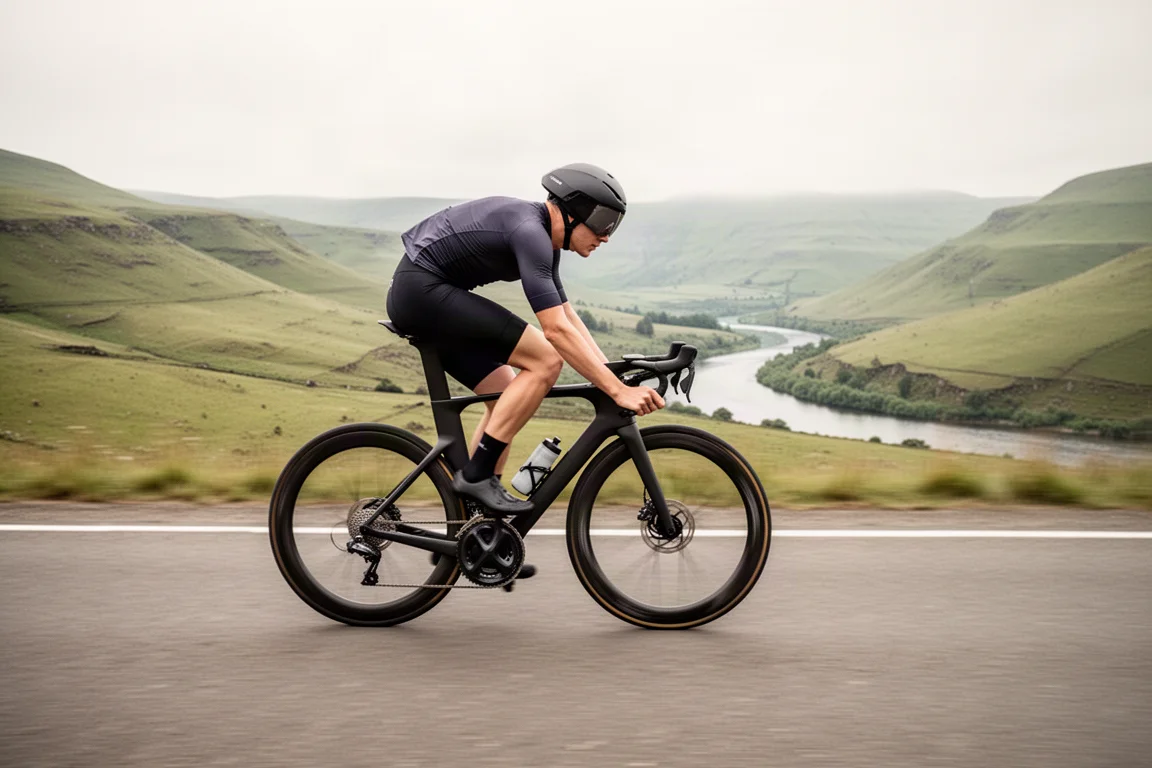
Under the current rules, deeper profiles are permitted, which opens the door to faster tube shapes. Scott chose not to max out every dimension on the frame, because going further in the wind tunnel direction would have added weight and cut into comfort. The final shape is a deliberate middle ground, and the reasoning behind it is unusually transparent.
Who the Scott Foil Is For
This is a bike for riders who want aerodynamic efficiency as a genuine performance gain rather than a styling cue. If your riding mixes fast group loops, rolling terrain and the occasional climb, the Foil is aimed squarely at that profile.
It also suits riders who care about integration and safety details. The frame was designed to carry a rear light, and it accepts setups ranging from a comfort-oriented seat post to a fully rigid one-piece design. That flexibility makes it relevant to racers and to riders who simply want a fast bike they can ride often.
It is less obviously aimed at riders who want the absolute lightest climbing build available. The Foil’s priorities sit with aerodynamic speed and all-round ride quality, and the spec choices follow that logic.
Aerodynamic Gains and Speed
Scott’s headline figure for the new Foil is a claimed 1 minute and 18 seconds saved over 40 km at 45 km/h compared with the bikes it was measured against. That is a substantial margin, and it comes without asking the rider to push harder. The gain is there in the shape of the bike.
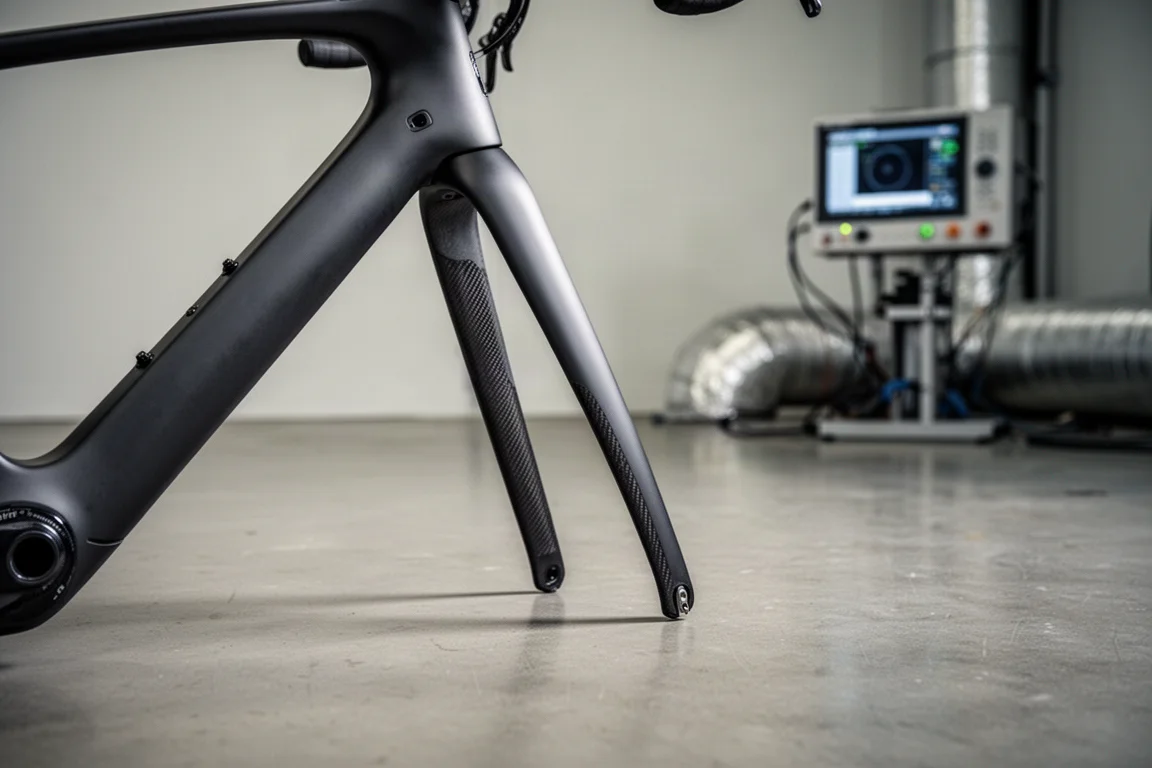
The design work was not a case of enlarging every tube. Scott found that a taller down tube paid off, while other areas were actually faster when made smaller. The seat post is a good example: a thicker profile looked promising on paper, but once pedalling legs were part of the picture, a slimmer profile proved faster. Several of these findings produced a useful double win, using less material while improving speed.
Scott also treated the bike as a full system, developing the frame, fork, seat post, handlebar and the lower aluminium stem together rather than as separate parts. The visible result is a bike with substantial profiles at the front that taper into finer shapes toward the rear, including seat stays profiled toward the wheel to reduce drag.
Comfort, Safety and Integration
Comfort was a stated priority throughout the redesign, and the seat post is where it shows most clearly. Returning to a smaller seat post profile adds flex, which helps take the edge off rough surfaces without abandoning the bike’s racy character.
The same seat post carries an integrated rear light for visibility in denser traffic. The bike ships with a rubber cover rather than the light, and the light is available separately for riders who want to run it. For race day, the cover keeps the setup clean, and riders who want a firmer, lighter rear end can switch to a completely stiff one-piece seat post.
Tyre clearance has moved on considerably from earlier generations. Where older aero frames were limited to narrow rubber, this platform accommodates larger tyres, up to 28 mm at the rear, which allows lower tyre pressures and adds a meaningful layer of comfort. Disc brakes and standard cable integration complete the modernised package.
Frame Design and Build
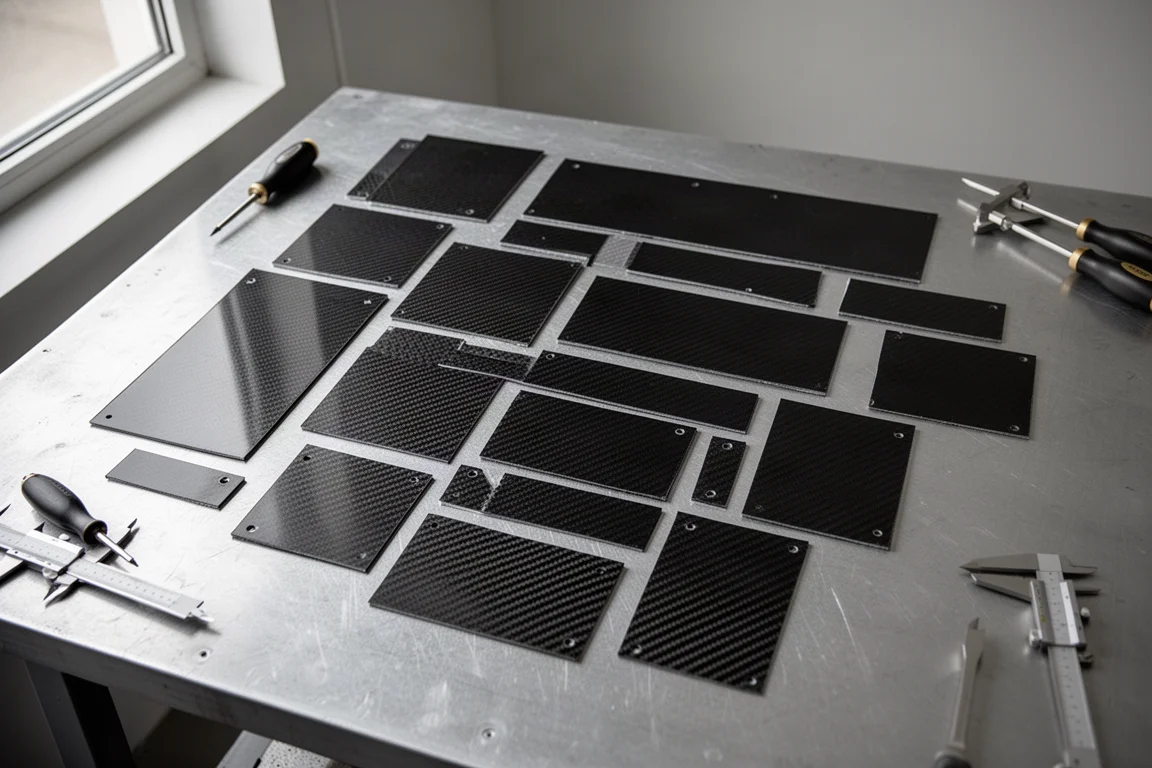
A single Foil frame is assembled from roughly 500 individual pieces of carbon. Much of the development effort went into finite element simulation, with the goal of placing each piece as accurately as possible so that weight comes down while comfort and stiffness hold steady.
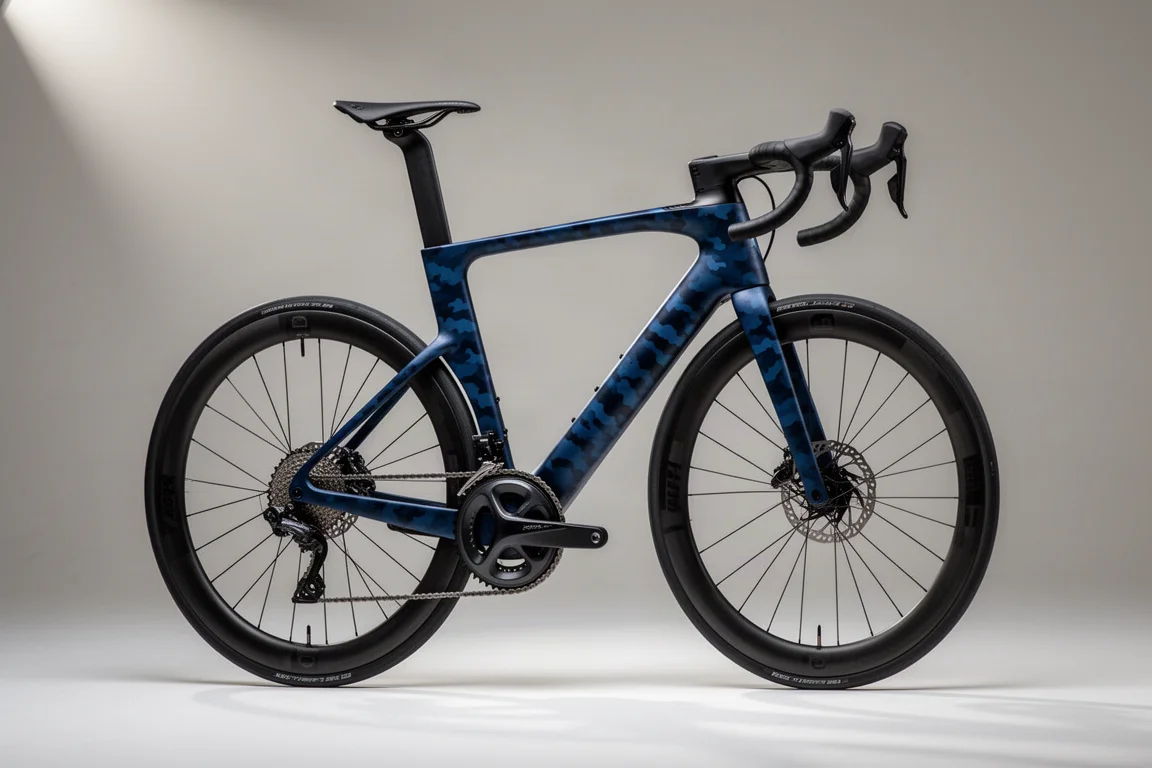
The wind tunnel informed the proportions, and the process moved between broad directional decisions and very specific ones. The camouflage prototype finish was chosen for a practical reason: to hide the frame’s lines and avoid revealing the design before launch, with a blue tone drawn from the team that helped test it. As a result, the prototype carried no branding at all.
Geometry was part of the same conversation. Scott treats handling as a core performance attribute rather than an afterthought, which is why the frame, fork and cockpit were tuned as one package. The aim is a bike that feels composed at speed and still responds when the road tilts upward, which is consistent with the same frame being used across flat, rolling and climbing terrain.
Things to Consider Before Buying
The rear light is not included as standard. The Foil arrives with a rubber cover, and the light is a separate purchase, so budget for it if visibility in traffic matters to you.
The seat post setup involves a choice rather than a default. The flexier design improves comfort, while the one-piece stiff version is lighter and firmer, so it is worth deciding which character you want before ordering.
Deeper aero profiles were allowed under the rules, but Scott deliberately stopped short of the most extreme shapes to protect weight and comfort. Riders expecting the most aggressive aero silhouette possible should understand that this bike makes a considered compromise rather than chasing one number.
Finally, this is a high-end aero platform with significant development behind it, so it sits at the upper end of the market rather than in entry-level territory. Matching the build to your actual riding is more useful than choosing the most extreme option available.
Buying Advice
The strongest case for the Foil is a rider who wants speed on rolling roads without giving up comfort. The claimed aerodynamic advantage is real in the sense that it does not require extra effort, and the seat post and tyre clearance changes mean the bike remains pleasant on longer days.
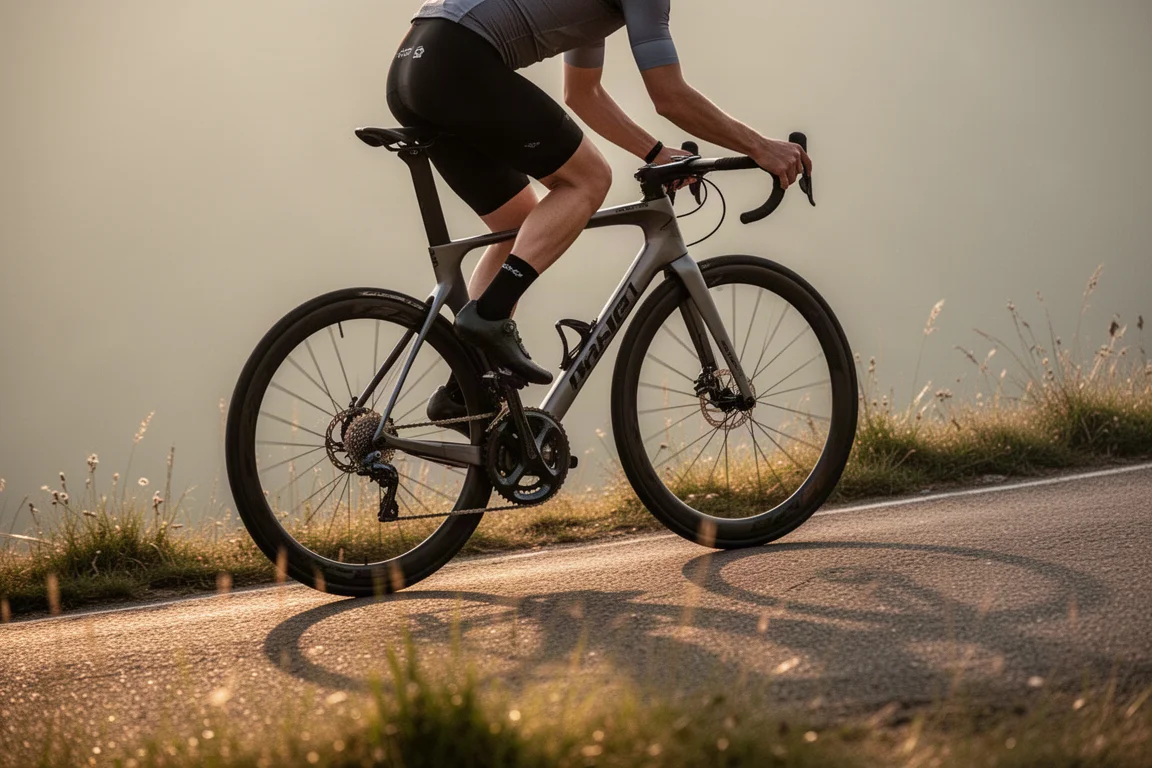
If your priority is pure climbing weight, a dedicated lightweight platform may suit you better. If your priority is fast, confident riding across mixed terrain with modern integration, the Foil lines up well. Decide on the seat post configuration and whether you want the rear light up front, then build around the terrain you actually ride most.
Conclusion
The new Scott Foil shows what happens when a manufacturer uses looser profile rules selectively instead of exhaustively. Deeper shapes where they help, smaller shapes where they are faster, and a seat post designed around both flex and safety lighting. The result is a faster bike that has not been made harsher to get there, and for most riders chasing aero gains on real roads, that is the more useful kind of progress.
Product link
View more details for Scott Foil
This product is mentioned in the review. Check the specifications, options, and compatibility before buying.
View more details for Scott FoilFurther reading
Related Reviews

Road Bikes
10 New Road Bikes Worth Watching: Aero, Titanium, Steel and Endurance Standouts
A practical roundup of 10 new road bikes, from aero flagships chasing single-watt gains to titanium, steel and endurance platforms built for real roads.
Road Bikes
2026 Tour de France Road Bikes: Six Race Machines Worth a Closer Look
Six race bikes from the 2026 Tour de France grid, reviewed for paint, silhouette, wheels and the specification details that matter to buyers.
Road Bikes
3T Strada Italia Review: A Radical Aero Road Bike That Rides Smooth
A made in Italy carbon aero road bike with a deep head tube, wide tire clearance and a genuinely comfortable ride. Here is what to know before buying.