Road Bikes
Scott Addict Review: What Nearly Two Decades of Road Bike Evolution Actually Buys You
The Scott Addict weighs roughly what it did in the mid-2000s, yet almost everything else has changed. Here is what the modern version does better and what it asks of you in return.
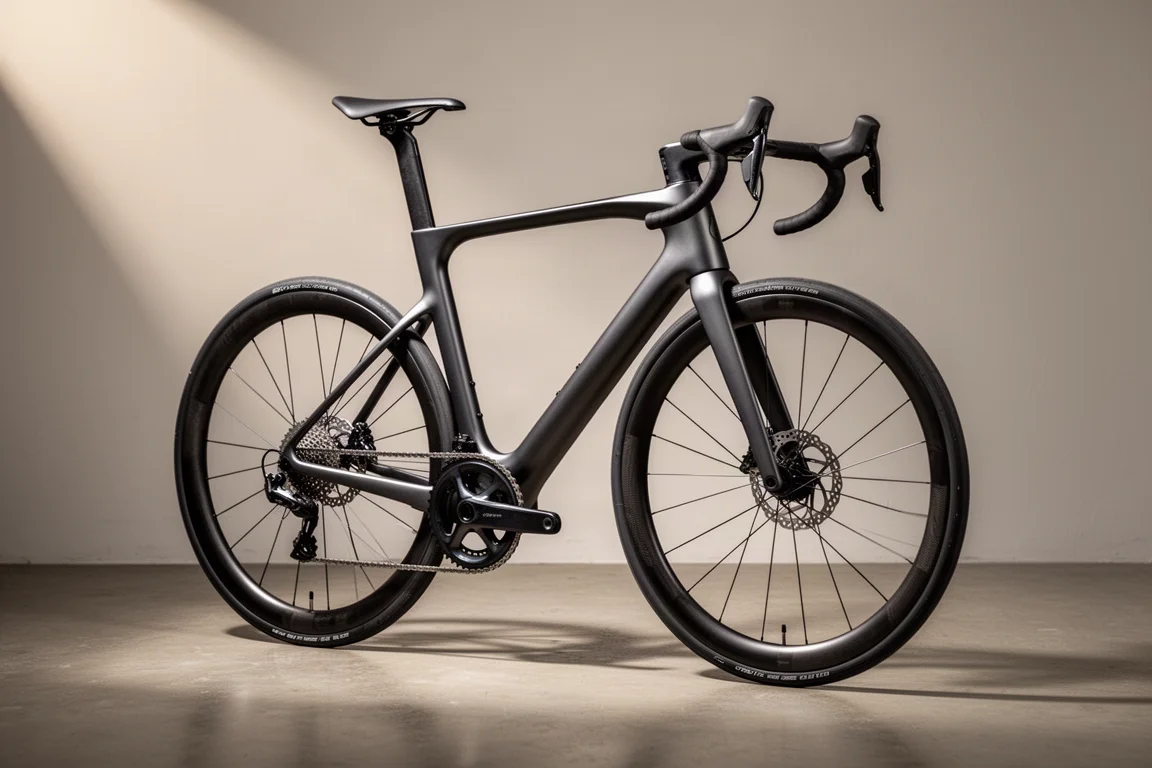
Introduction
The Scott Addict has been part of the road bike landscape since the mid-2000s, and the headline number has barely moved in all that time. In its top specification the original was claimed to weigh just 5.9 kg as a complete bike, with a frame set around 790 g. That was extraordinary when it launched, and it remains respectable today. Between 2009 and 2011 the Addict was also raced successfully at the highest level, which showed that the low weight did not come at the expense of performance.
The current Addict, in its highest HMX SL specification, carries a claimed weight of 640 g. Nearly two decades of development, and the modern bike is lighter still.

So the weight argument is effectively settled. The more interesting question is what else changed, because the modern Addict looks and behaves very differently from the original. Rim brakes, externally routed cables and quick release axles have given way to disc brakes, hoses hidden inside the frame and through axles, and the frame itself has picked up aerodynamic shaping along the way.
Who This Bike Is For
This is a bike for riders who want race pace without carrying extra mass up a climb. The current Addict pairs a very light frame with aerodynamic tube shapes, which means it does not force the old choice between a light climbing bike and a fast aero bike.
It also suits riders who accept that a modern race bike is a system rather than a collection of interchangeable parts. If you enjoy swapping stems, bars and cables at home with inexpensive parts, this is not the friendliest platform. If you would rather have a bike that is quick, comfortable and cleanly finished, it makes far more sense.
Main Strengths
The strengths of the modern Addict come down to three areas: the frame, the wheels and tires, and the drivetrain. Each has moved on considerably from the mid-2000s original.
Frame and Weight
The original Addict had a classic double diamond silhouette with rim brakes, externally routed cables, quick release axles and an external bottom bracket. It was built around weight and stiffness, with very little in the way of aerodynamic optimisation.
The modern frame takes the opposite approach. The tubes use the now familiar teardrop profile, which is claimed to improve aerodynamics, and the seat stays are dropped to add compliance at the rear. There are no exposed cables at all, because the brake hoses run inside the frame, and the through axles replace the old quick releases.
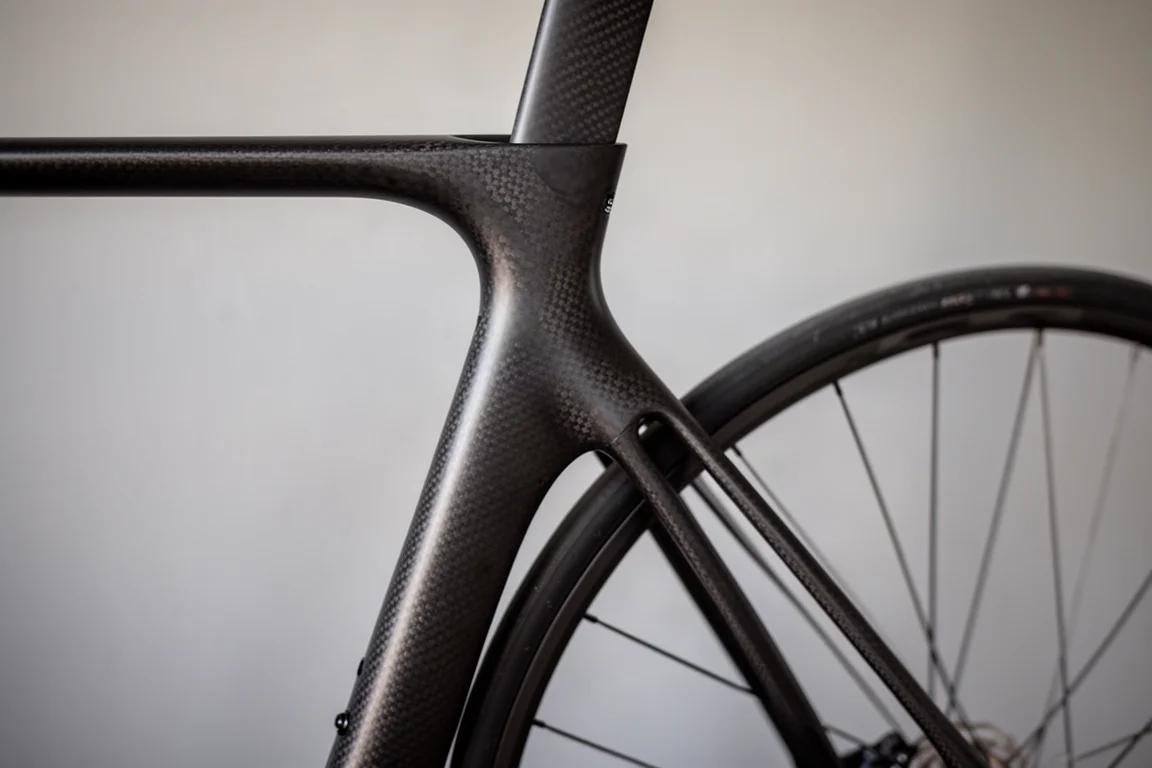
On paper the modern bike wins on every count: lighter, almost certainly faster, and more comfortable over rough surfaces. That is a meaningful shift for a model that once traded everything for low mass.
Wheels and Tires
Wheel design has changed just as much. In the mid-2000s, aero wheelsets carried a real weight penalty and were largely reserved for flat or sprint stages, while lightweight climbing wheels sacrificed aerodynamics almost entirely. Riders picked one or the other depending on the terrain, and the wheels were rim brake only with narrow rims to match narrow tires.
The wheels on the current Addict combine a 25 mm internal width, hookless and tubeless technology, and a 40 mm depth. That depth is a sensible middle ground: it keeps weight low while retaining genuine aerodynamic benefit. The set on the bike pictured carries a claimed weight of 1,170 g, which is roughly what some of the lightest rim brake wheelsets of the mid-2000s weighed, yet it offers a better balance of speed, handling and weight.
Tires have quietly become one of the biggest performance stories. The original ran 23 mm tires, typically inflated well above 120 PSI on the assumption that narrower and harder meant faster. That assumption has since been overturned. Wider tires at lower pressure roll with less resistance and bring extra comfort from the larger volume, more grip in corners, and less risk of pinch flats when running tubes. The current Addict comes with 30 mm tires that can also be run tubeless, a setup that barely existed on road bikes at the time. Tubeless reduces the chance of punctures and can lower rolling resistance in some cases, though it takes longer to set up and results vary with tire brand and pressure.
Drivetrain and Gearing
The original Addict arrived just before electronic groupsets became the norm in the professional ranks, so it used a cable operated groupset from one of the major manufacturers. The modern bike runs a current electronic groupset, with the model shown here equipped with SRAM Red AXS. Shifting is quick, accurate and largely hassle free, which makes it a substantial upgrade in pure performance terms, even though it adds a little weight compared with the lightest mechanical groupsets of the past and can be trickier to set up.
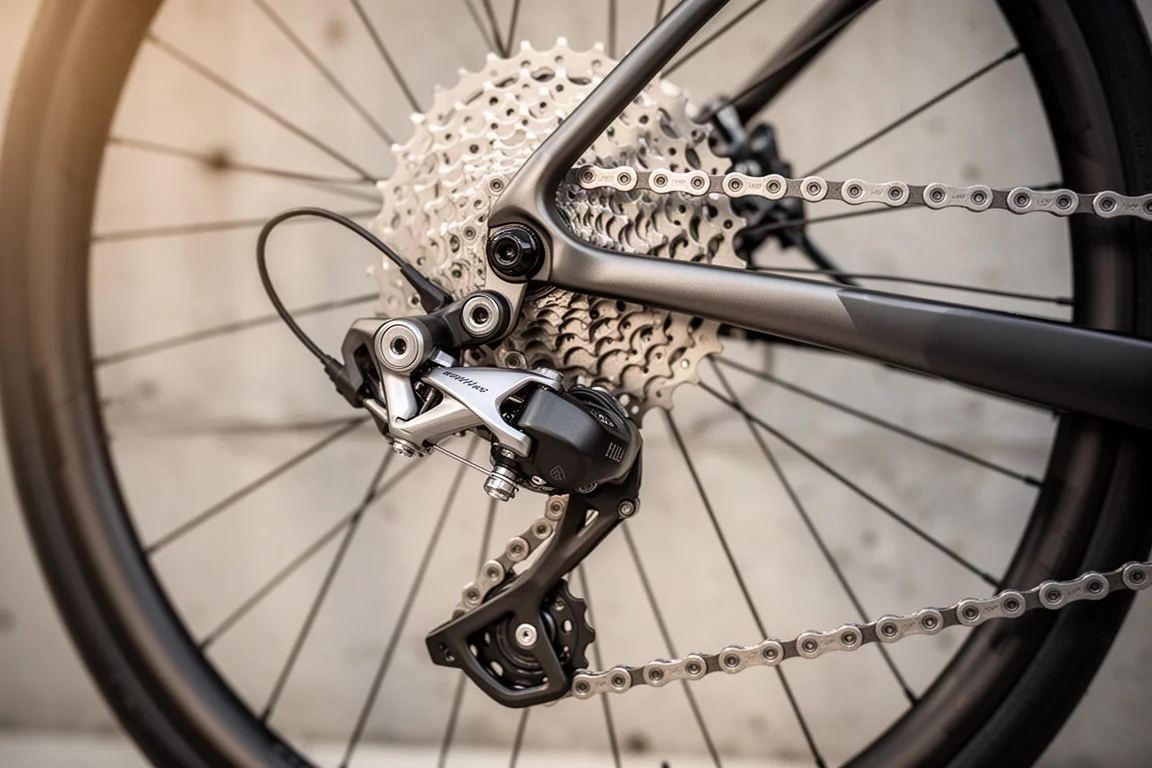
Gearing has widened considerably. The original used a 53/39 chainset with an 11-26 cassette, which was standard at the time. The current bike runs a 46/33 chainset with a 10-33 cassette, a much broader spread that should let you spin up the steepest climbs rather than grind them out.
Things to Consider Before Buying
The trade-off with the modern Addict is integration. Almost every contact point is designed as part of a system: the handlebar, headset and seat post are all specific to the bike, and the hydraulic hoses run internally.
That makes for a very clean and very fast machine, but it changes how ownership feels. Replacing a brake hose is not as quick as swapping a cable, because the hydraulic system needs to be bled. Changing bar width is no longer a case of fitting an inexpensive handlebar to your existing stem, since the modern setup uses a combined handlebar and stem from the manufacturer, which tends to cost more.
There is some flexibility built in. A range of bar widths and stem lengths is available, and you can fit one of eight stem sizes and then run any 31.8 mm handlebar you like. It is also worth remembering that these bikes are designed to be raced at the highest level, where ease of maintenance will always come second to performance on the road.
Brakes deserve a brief mention too. Disc brakes offer far better braking performance and need less frequent maintenance than rim brakes, though they weigh a little more and are harder to service at home. With the current Addict matching the weight of the original, that weight difference is largely a moot point.
Buying Advice
If you are weighing up a modern Addict against an older lightweight road bike, the honest answer is that the newer bike is faster, more comfortable and better handling at essentially the same overall weight. That combination has not always been available. Not long ago, choosing an aero road bike usually meant accepting a meaningful weight penalty. Bikes like the current Addict close that gap.
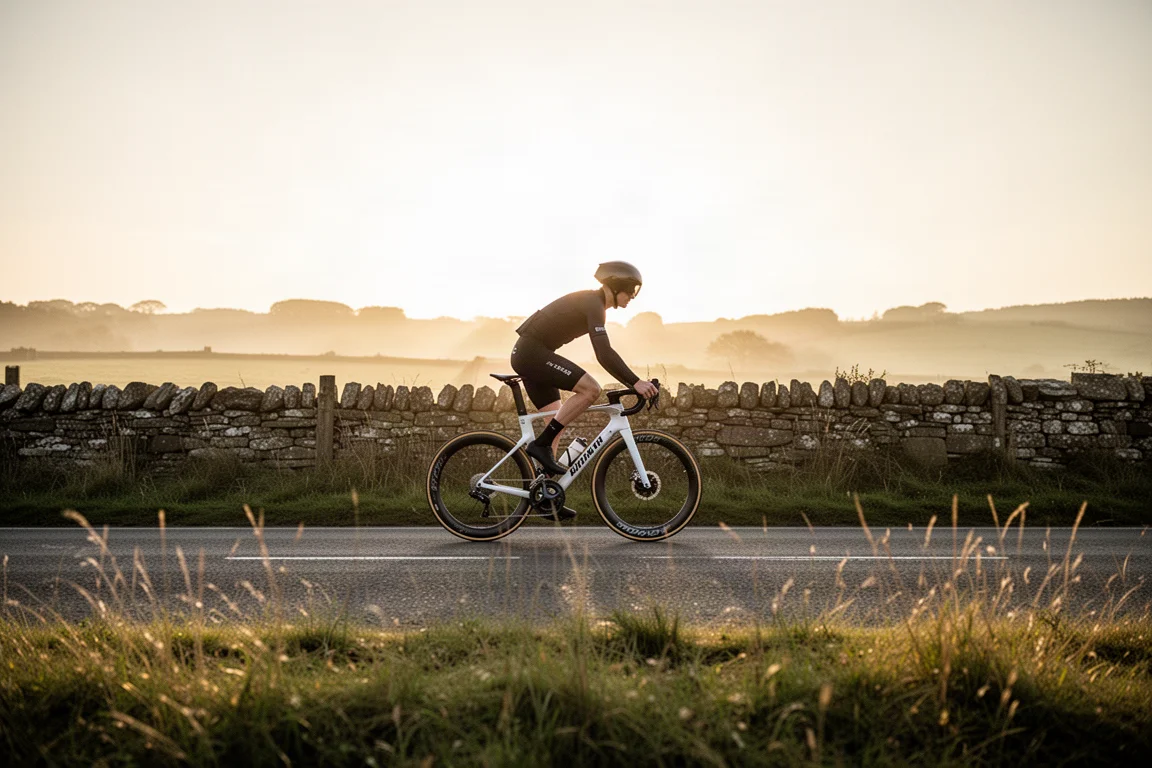
The cost is convenience rather than performance. Budget for the fact that component changes may require manufacturer specific parts, and that hydraulic work is a job for a workshop unless you are comfortable bleeding brakes yourself. If you plan to keep the bike largely as built and ride it hard, that is a fair trade. If you like to tinker constantly with inexpensive parts, an older frameset with external routing may suit you better.
Weight aside, the biggest real world gains are in the tires and wheels, followed by gearing. If you are coming from a bike of the original Addict’s era, the wider tires at lower pressure and the broader cassette will be the changes you notice first, even before you notice the frame.
Conclusion
Two Addicts, nearly twenty years apart, and the scales barely move. Everything else does. The modern bike is lighter in its top specification, shaped for aerodynamics, built around disc brakes and wide tubeless-ready wheels, and geared for climbs that the original would have made you fight.
What you give up is simplicity. Internally routed hoses, proprietary cockpit parts and integrated design make home maintenance harder and repairs more expensive. For riders who want the fastest, most comfortable version of a light road bike and are happy to let a workshop handle the details, that is a straightforward trade. The Addict has kept the quality that made its name, and added nearly everything else.
Product link
View more details for Scott Addict
This product is mentioned in the review. Check the specifications, options, and compatibility before buying.
View more details for Scott AddictFurther reading
Related Reviews

Road Bikes
10 New Road Bikes Worth Watching: Aero, Titanium, Steel and Endurance Standouts
A practical roundup of 10 new road bikes, from aero flagships chasing single-watt gains to titanium, steel and endurance platforms built for real roads.
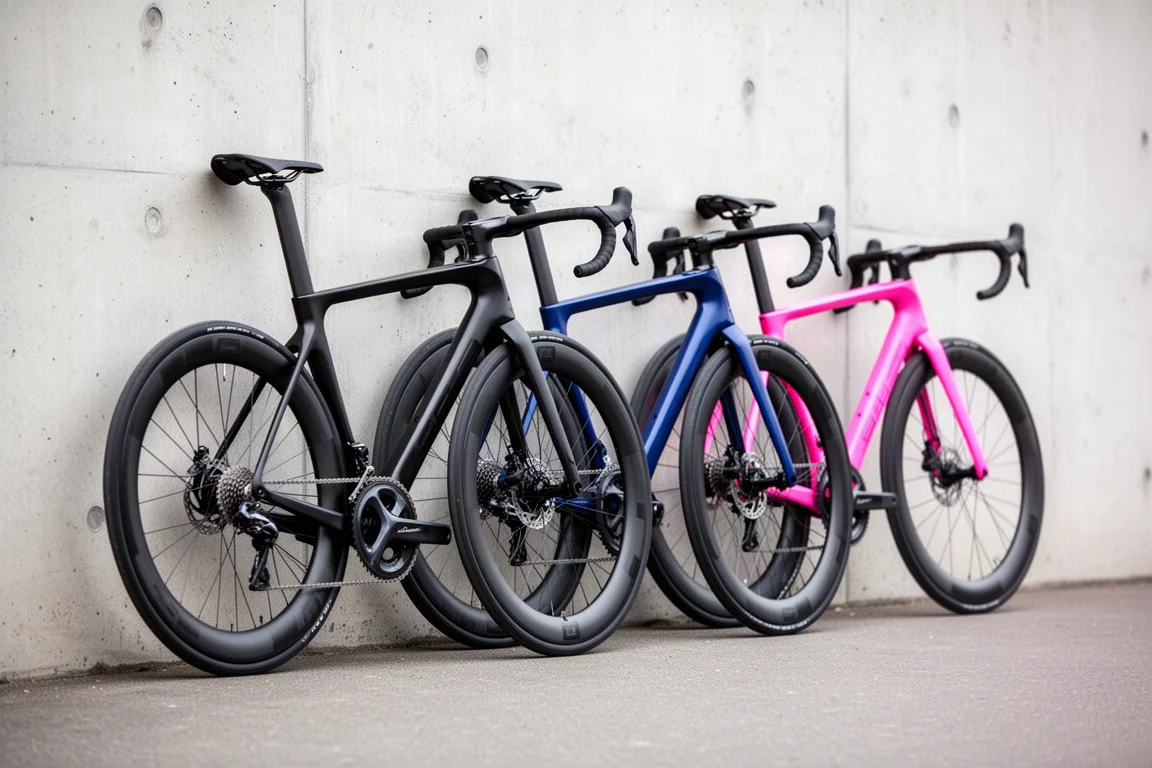
Road Bikes
2026 Tour de France Road Bikes: Six Race Machines Worth a Closer Look
Six race bikes from the 2026 Tour de France grid, reviewed for paint, silhouette, wheels and the specification details that matter to buyers.
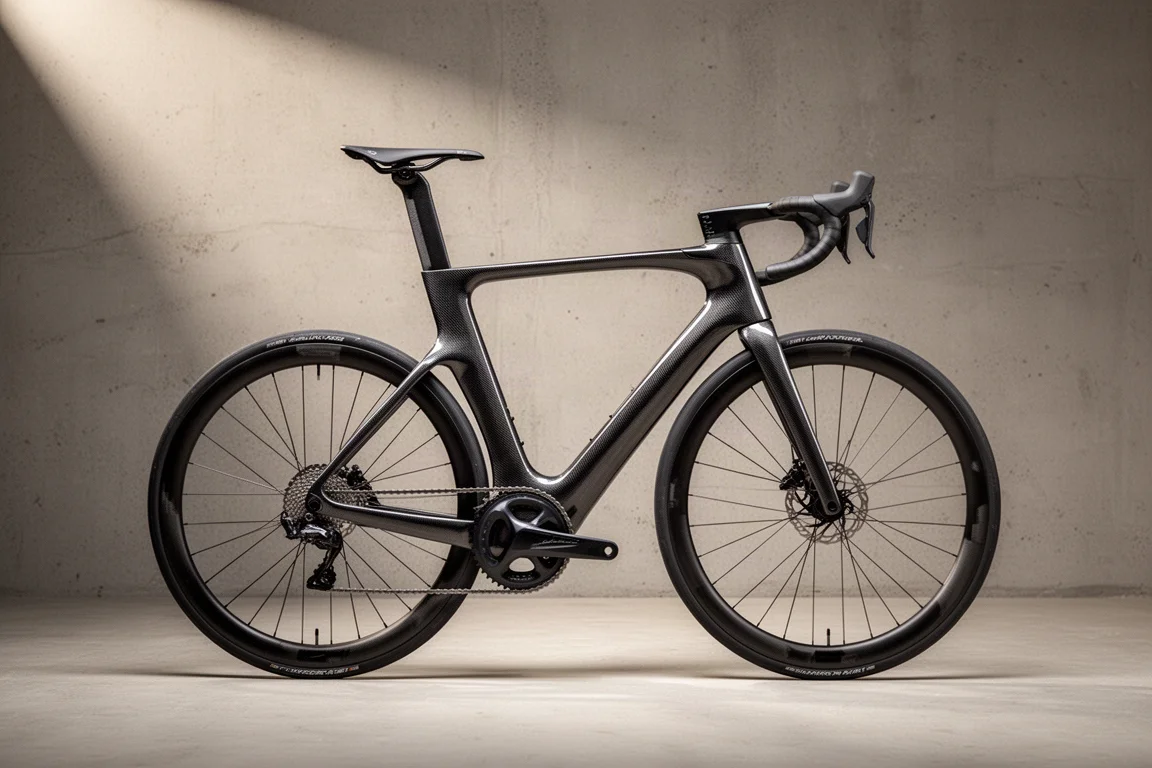
Road Bikes
3T Strada Italia Review: A Radical Aero Road Bike That Rides Smooth
A made in Italy carbon aero road bike with a deep head tube, wide tire clearance and a genuinely comfortable ride. Here is what to know before buying.