Road Bikes
Scott Addict RC30 Review: A 7.6 kg Shimano 105 Road Bike at $4,999
A detailed look at the Scott Addict RC30, a light carbon race bike with Shimano 105 Di2, a 7.6 kg build weight, and a $4,999 price tag.
Introduction
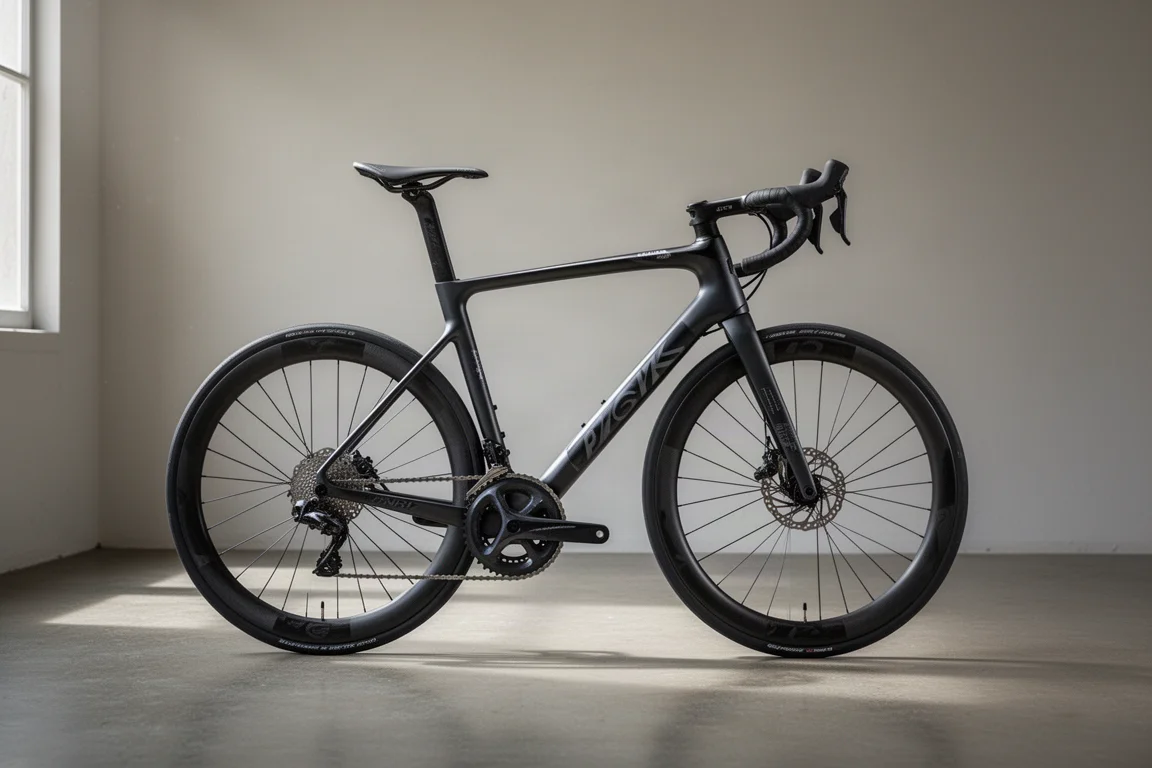
Scott’s Addict RC line has always chased low weight, and the current generation pushes that idea further with a redesigned frame set. The Addict RC30 sits near the value end of the range, yet it still carries the same full carbon semi-aero frame and carbon fork as the more expensive builds. Scott claims 600 g for a raw medium frame and 270 g for the fork, a saving of 215 g against the previous Addict RC Ultimate frame set.
The complete test build weighed 7.6 kg without pedals, bottle cages, or a bike computer, although the Garmin mount was fitted. For a bike running Shimano 105 with an aluminium bar and stem, that is a genuinely impressive figure, and it comes from weight reductions across almost every component.
At $4,999 the RC30 is a serious purchase, and it is priced directly against light road bikes from several other major brands. The real question is whether the weight advantage and the ride quality justify the money, and whether the compromises that come with a proprietary frame set are ones you can happily live with.
Who this product is for
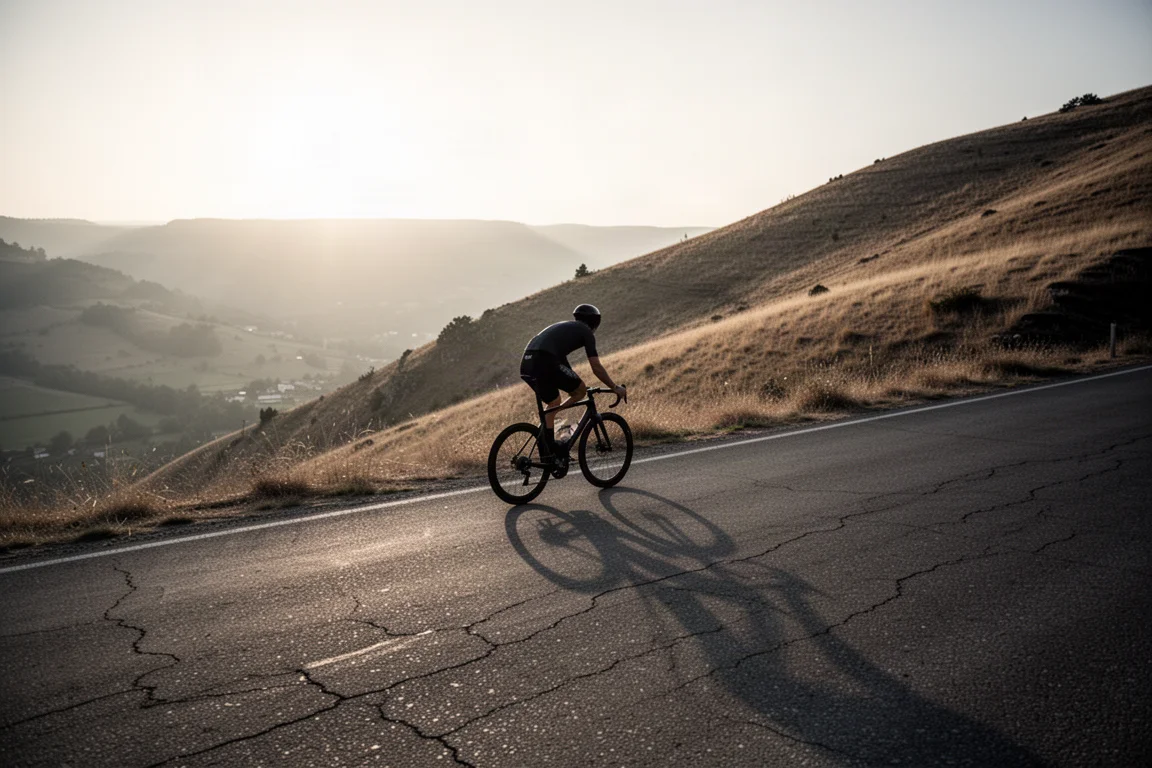
The Addict RC is a race bike. Scott positions it for riders who want to attack steep climbs and sprint for the finish line, and in practice that means performance-focused riders and racers, along with a narrower group such as hill climb competitors and Strava segment hunters, where the effort is measured from the bottom of a climb to the top.
It also suits riders who want to ride fast without giving up braking performance and aerodynamic efficiency, which some very light bikes do sacrifice. The semi-aero frame shape and the hydraulic disc brakes keep the RC30 usable in that respect.
It is not aimed at riders who want the outright aerodynamic benefit of a full aero road bike. If that is the priority, a dedicated aero platform will make more sense.
Sizing deserves careful attention. The geometry is long and aggressive. The smallest size, labelled 47 cm, still has a reach of 379.8 mm and a 74.5 degree seat angle, so smaller riders, particularly women below average height, may struggle to achieve a good fit. Scott has also discontinued its Contessa range, which previously covered women-specific models, so the line is now entirely unisex. Riders at the smaller end who need very small frames may want to look at brands such as Canyon, Pinarello, or Pearson, which offer smaller sizes.
Main strengths
Weight is the headline. Scott worked to reduce material across the build, and the result is a complete bike that undercuts several rivals with similar or higher price tags. There are two frame layups: HMX SL is reserved for the Ultimate model, while the HMX used on the RC30 is 50 g heavier for the frame set. The top three models, the Ultimate, Pro, and 10, come with a one-piece carbon bar and stem, while the 20 and 30 use an aluminium bar instead.
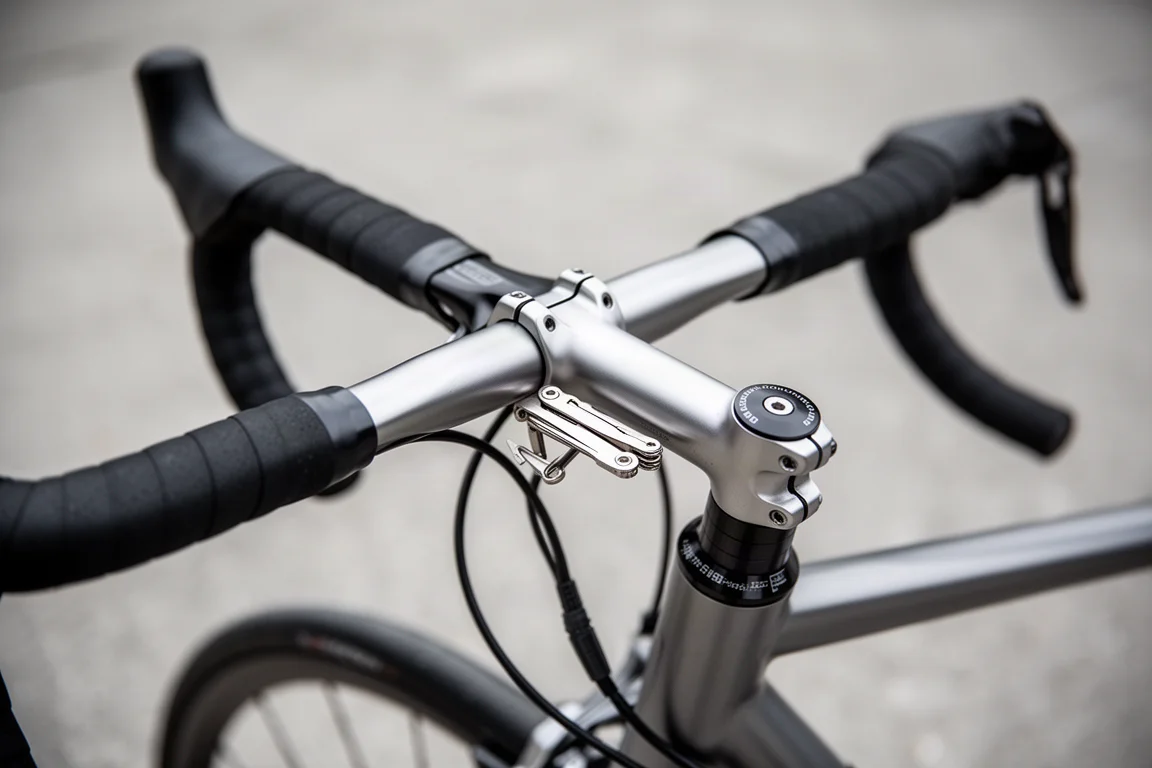
Ride quality is strong. The bike feels fantastic to ride, with the composure you would expect at this price. It does not deliver the final few percent of superbike feel, and that mostly comes down to the cockpit and the wheels. The Syncros carbon wheels are light and 40 mm deep, but they sit below the very top tier, and the aluminium bar and stem are the other reason the RC30 stops short of that last step.
Shimano 105 Di2 deserves credit here. It is now electronic, working in the same way as Ultegra and Dura-Ace, with smooth shifting and hydraulic disc braking that is powerful and easy to modulate. The gap to the higher groupsets is barely noticeable in use.
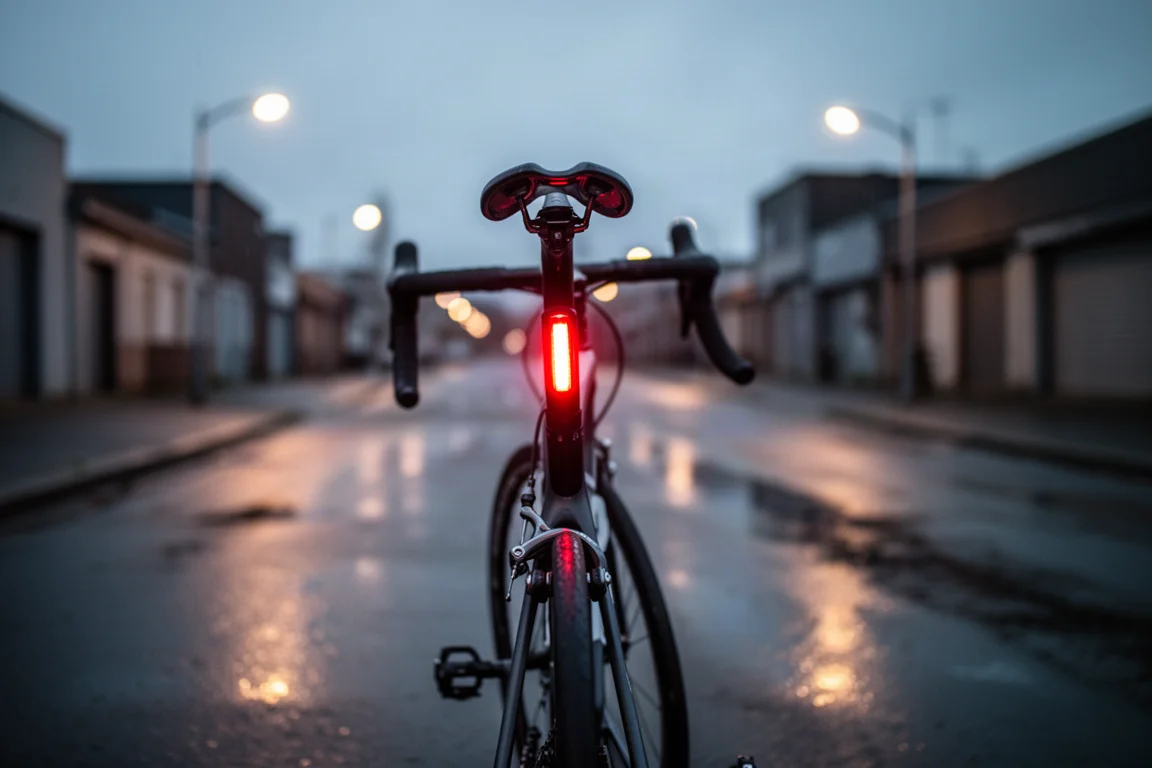
There are practical touches too. Almost the whole bike can be assembled with a single T25 Torx key, which now stores inside the head of the handlebar, clicks into place, and carries a 6 mm Allen key for the through axles. The seat post expander does not drop into the frame when the post is removed. The seat post also houses an integrated rear light with several modes, including a flashing setting, and it can be swapped for a slightly lighter insert if you would rather run a standard post.
Tire clearance is another plus. The bike ships with 30 mm tubeless Schwalbe tires and the frame accepts up to 34 mm. The tires feel supple and fast, though an early puncture on the first ride meant the tubeless sealant had to prove itself immediately.
Component sizing is unusually sensible. Handlebar width, stem length, and crank length all scale with frame size. A small comes with 38 cm bars and 170 mm cranks, the smallest size gets 36 cm bars and 165 mm cranks, and the largest gets 42 cm bars and 175 mm cranks. That is a marked improvement on the days when nearly every road bike shipped with 42 cm bars.
Things to consider before buying
The main drawback is proprietary hardware. The steerer tube is 27.2 mm, which is unusual and means you have to use Scott’s own stem or find a compatible alternative. Scott says the narrower dimension reduces the frontal area of the head tube for aerodynamic gain, and it likely also simplifies internal routing and saves material.
Cable and hose routing through the headset is another consideration. On the RC30 the routing is internal but the bar and stem are conventional, and small parts tidy the hoses into the stem. On the top models with the one-piece cockpit, replacing hoses or changing headset bearings is a more involved job.
Cockpit costs are worth planning for. An integrated handlebar replacement runs around $600, and the labour to swap one is significant, because the cables have to be cut, the shifters removed, everything re-routed, and the brakes bled. If you buy a model with a one-piece bar, get the size right the first time.
The integrated seat post light needs charging, which is the trade-off for never having to remember to bring a light with you.
How it compares with other light road bikes
The obvious comparison is the Specialized Aethos, which is available with 105 Di2. The Canyon Aeroad is another option: the 105 Di2 model with carbon wheels is listed at $4,799, which is less money but a fair bit heavier at 7.9 kg. The Trek Emonda SL6 has similar specifications at the same $4,999 price point, but its claimed weight is 8.5 kg.
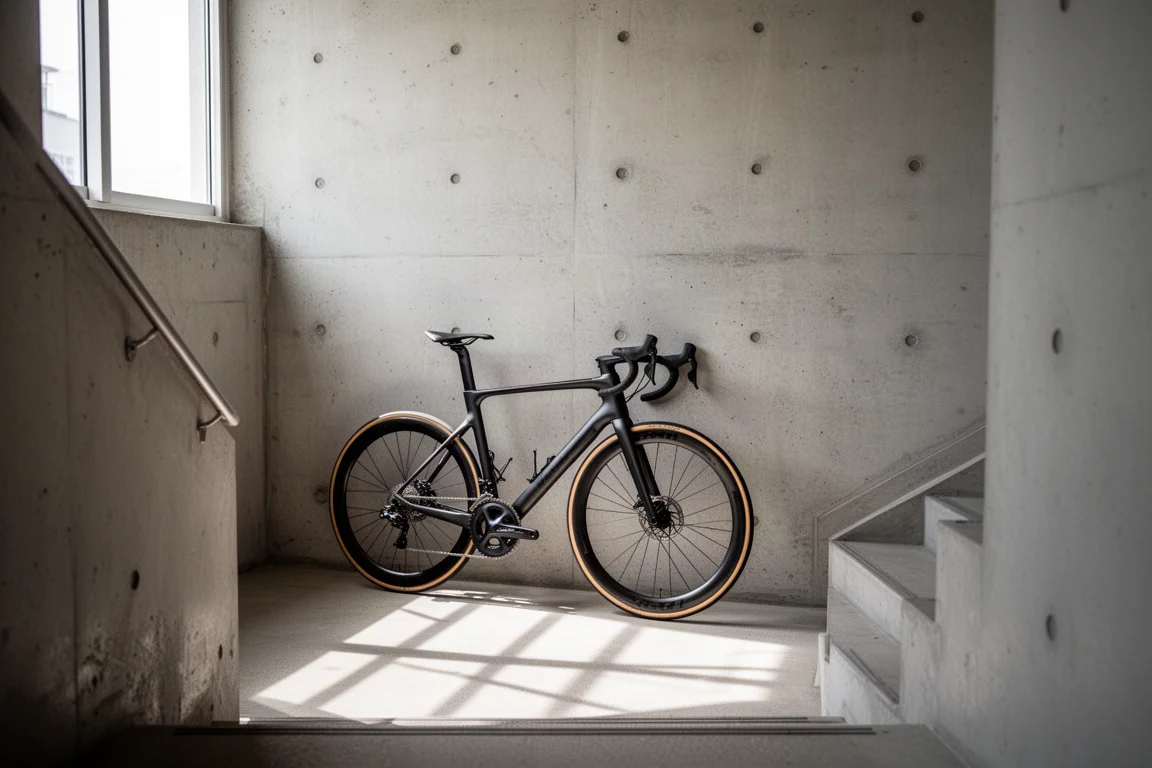
On those numbers the Addict RC30 looks like the lightest option in its class. That does not automatically make it the better bike, since ride feel, fit, and long-term servicing costs matter just as much, but the weight advantage is real and measurable.
Buying advice
The RC30 is the sensible entry point into the Addict RC range. It gives you the same frame platform and the same electronic 105 groupset as far more expensive builds, and it does so at a build weight that many rivals cannot match. Think of it as most of the way to a superbike for roughly half the money, with the remaining gap made up of the cockpit and the wheels.
If you plan to upgrade later, the two changes that make the biggest difference are a one-piece bar and stem and a higher-end wheelset. Factor those costs in when comparing models, because moving up the range may work out cheaper than upgrading afterwards. Above all, check the geometry against your own fit before committing, since the frame is long and even the smallest sizes remain aggressive.
Conclusion
The Scott Addict RC30 is a fast, light, and well-rounded race bike at $4,999. It rides beautifully, uses a groupset that is hard to fault, and carries genuinely useful details such as the in-bar tool and the integrated seat post light. The compromises are proprietary front-end hardware, an aggressive fit that will not suit every rider, and a cockpit that is expensive to change. For riders who want climbing speed and race-ready handling without paying superbike money, it makes a strong case.
Product link
View more details for Scott Addict RC30
This product is mentioned in the review. Check the specifications, options, and compatibility before buying.
View more details for Scott Addict RC30Further reading
Related Reviews

Road Bikes
10 New Road Bikes Worth Watching: Aero, Titanium, Steel and Endurance Standouts
A practical roundup of 10 new road bikes, from aero flagships chasing single-watt gains to titanium, steel and endurance platforms built for real roads.
Road Bikes
2026 Tour de France Road Bikes: Six Race Machines Worth a Closer Look
Six race bikes from the 2026 Tour de France grid, reviewed for paint, silhouette, wheels and the specification details that matter to buyers.
Road Bikes
3T Strada Italia Review: A Radical Aero Road Bike That Rides Smooth
A made in Italy carbon aero road bike with a deep head tube, wide tire clearance and a genuinely comfortable ride. Here is what to know before buying.