Road Bikes
Scott Addict RC10 vs Merida Scultura Team: Two Lightweight Road Racers Compared
A head-to-head look at two carbon all-rounder road bikes, covering weight, handling, groupsets, wheels, tyre clearance and value before you buy.
Introduction
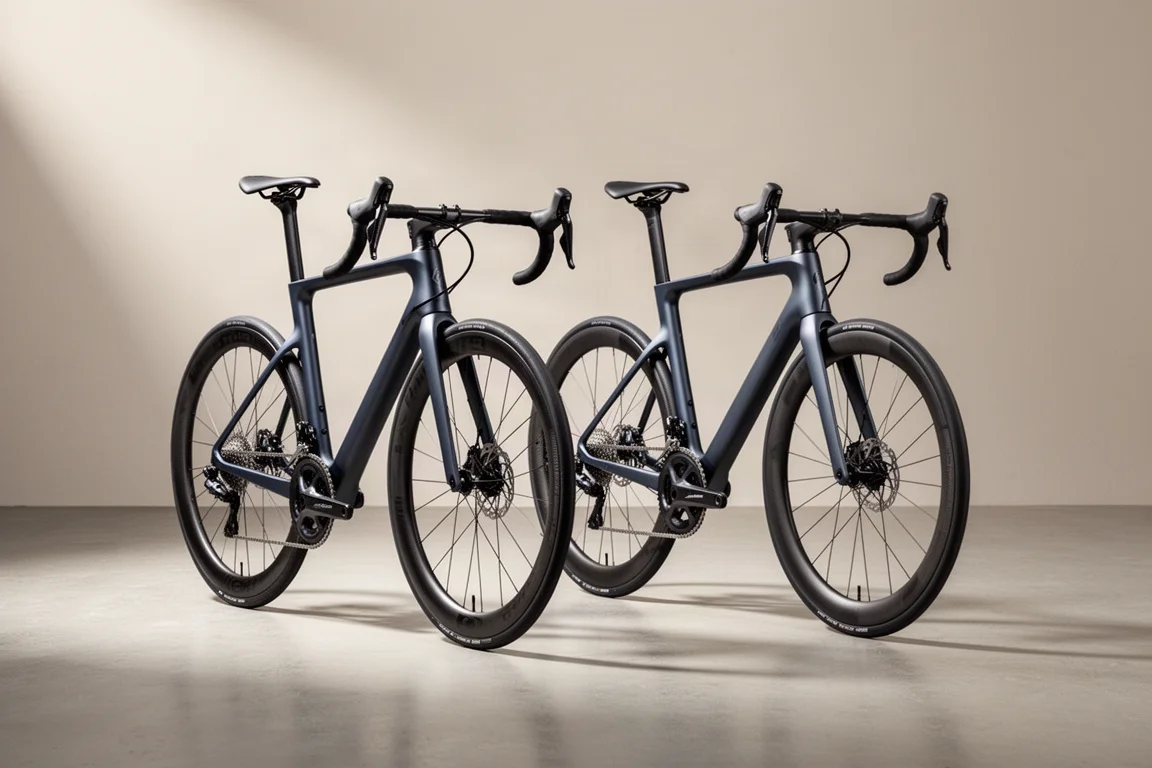
The Scott Addict and the Merida Scultura occupy the same corner of the road market. Both are lightweight all-rounder racing bikes built around full carbon framesets with aero tube profiles, integrated cable routing and fast, reactive handling. That overlap makes them natural rivals for anyone who wants a single bike that climbs, sprints and descends without compromise.
The Addict name carries a long racing history. The original 2007 Addict was claimed to be the lightest production frame in the world at the time, and it has since been raced and won at countless WorldTour races, building a reputation as one of the best all-rounders in the peloton. Merida is a less familiar badge to some riders, but the company has been manufacturing bicycles for more than 50 years and made its WorldTour debut in 2013. The current Scultura was revealed last summer and has already been ridden to significant victories, including the 2022 edition of Milan-San Remo, where Matej Mohorič used a dropper post to help distance the other favourites on the descent off the Poggio.
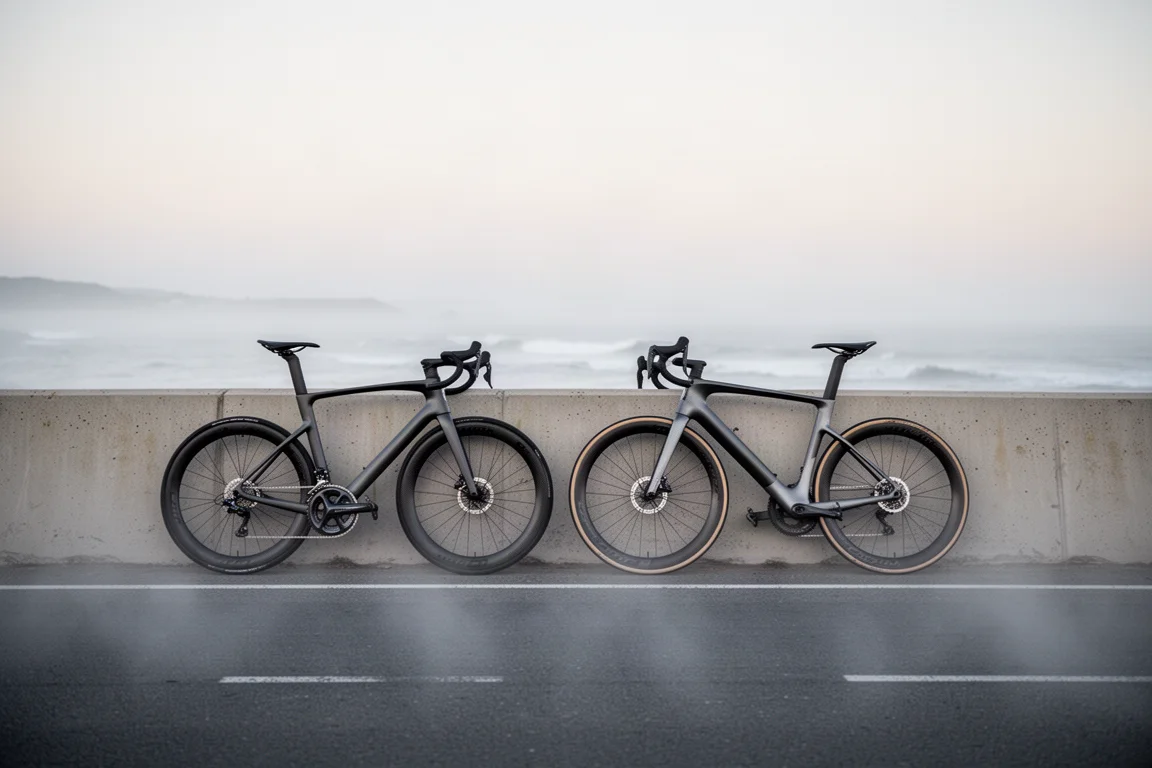
The two models compared here are the Scott Addict RC10 at £5,949 and the Merida Scultura Team at £8,000. The builds are not exact matches for each other in price or specification, and that gap matters once you start weighing up what each bike actually delivers on the road.
How These Two Compare
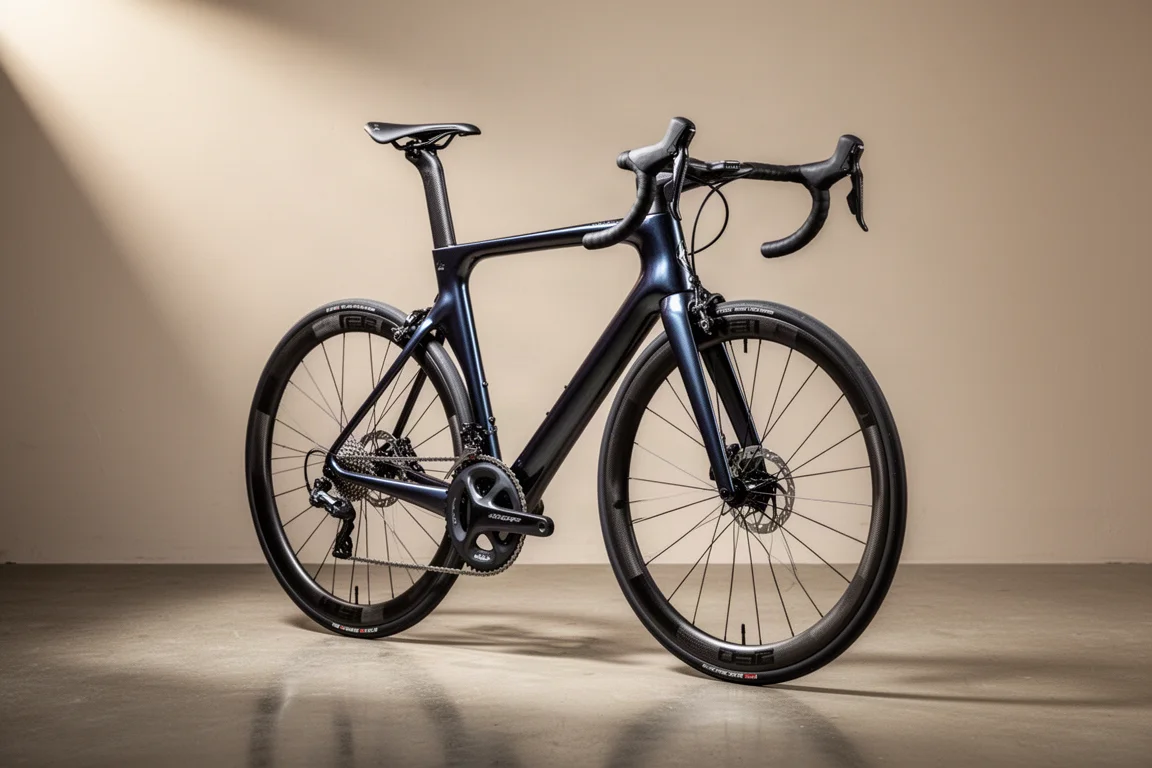
At a glance the two framesets share a lot of ground. Both use full carbon construction, truncated aerofoil tube shapes, dropped seat stays and integrated cable routing, and both are built for long, low racing positions. The Scultura is the archetypal WorldTour race bike package, with aero tubes, long and low geometry and an integrated full carbon handlebar.
On the scales, the Merida Scultura Team is the lighter complete bike at 7.1 kg, while the Scott Addict RC10 comes in at 7.9 kg. That 800 gram difference is largely down to the lower specification build on the Addict RC10 rather than the framesets themselves, since both are around the 1.2 kg mark for frame and fork combined.
It is worth knowing that the next model up in the Addict RC range, the Addict RC Pro, matches the Scultura Team’s price and specification far more closely and closes the gap to roughly 150 grams. That is still just over the UCI’s 6.8 kg weight limit, but unless hill climbs are the only thing you care about, both of these bikes will be faster than the older, lighter rim brake equivalents they replaced.
Scott Addict RC10: Well-Mannered Speed
The Addict RC10 is a race bike best described as well-mannered and predictable. It does not feel like it is on edge at all times. Instead it is smooth, a little more upright than the Merida, and it balances its responsiveness against slightly slower handling. For long days in the mountains with lots of fast ascending and sweeping turns, that composure is a genuine asset.
Rear end comfort is good, helped by a proprietary D-shaped seatpost. That shape should be a little more aerodynamically efficient, but it also means you are limited to the specific seatposts Scott designs for the bike.
At the front, the Addict RC10 uses a non-integrated cockpit with a separate bar and stem. The more expensive Addict RC Pro gets a fully integrated cockpit, but the simpler setup here will suit most riders better. It is a little heavier and less aero, yet it offers far greater adjustability, and the stem routes cables in a way that lets you swap it for a different size without disconnecting any cables or brake hoses.
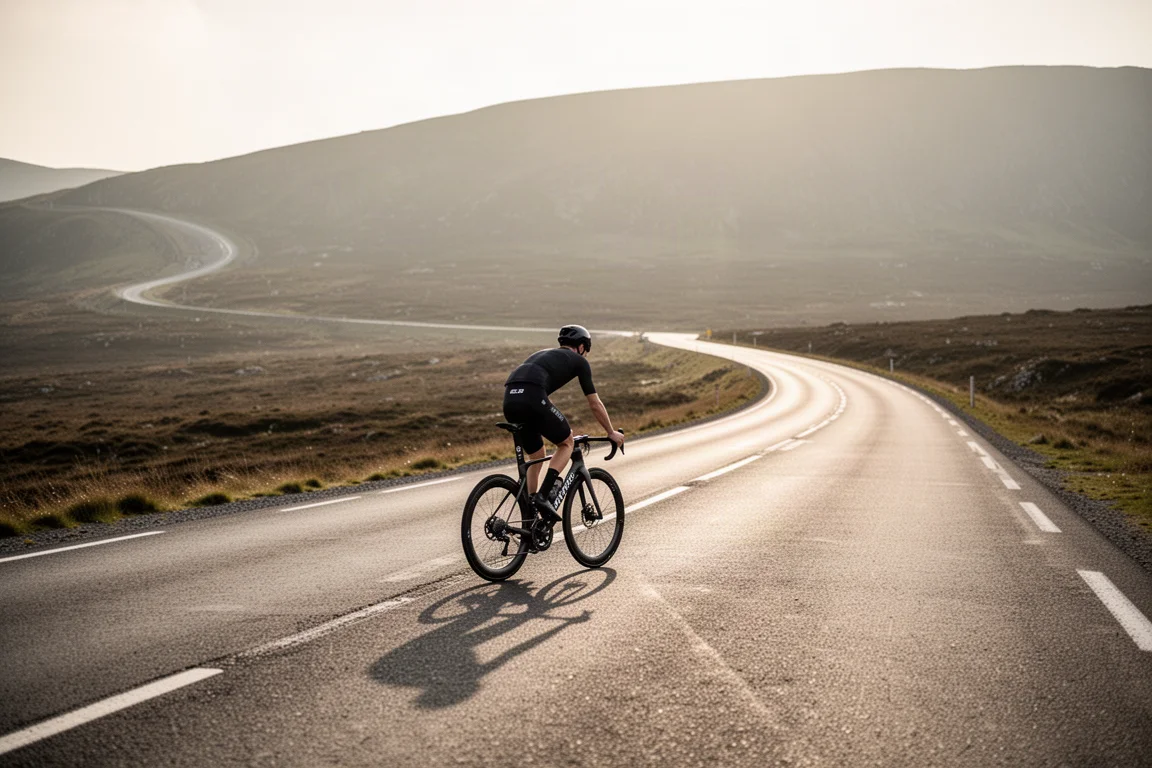
The ride quality is stiff under pedalling without being punishing, which is exactly what you want from a bike intended to cover big distances at speed. Riders who value predictable handling over sharp reactions will find a lot to like here, and the frame leaves plenty of room for upgrades over time.
Merida Scultura Team: Nimble and Race-Ready
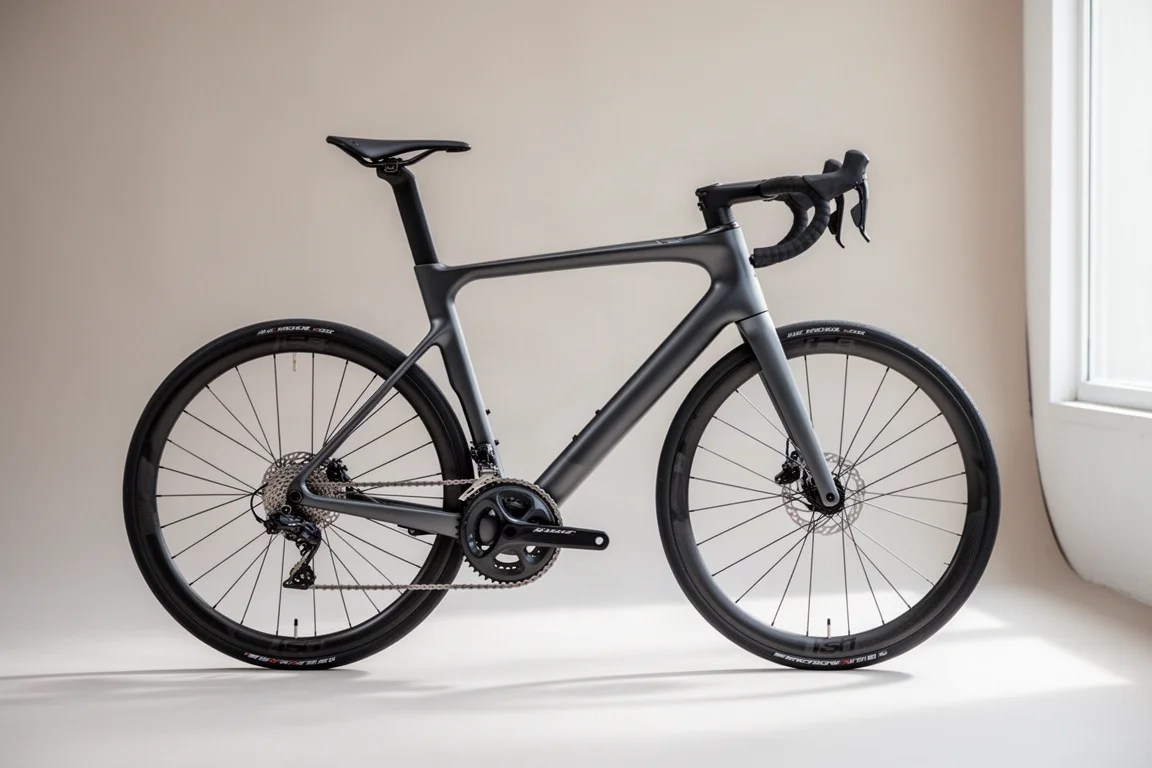
The Scultura Team takes a more aggressive approach. Its geometry is sharper than the Addict RC’s, with steeper angles, a tighter wheelbase and a lower front end. The result is a bike that feels more nimble and responsive, and it is a natural fit for short sharp climbs and twisty roads. Having more aggressive handling is not automatically better for every rider or every situation, but if you enjoy a bike that reacts immediately, this is where the Merida shines.
Rear comfort is still generous despite the stiffness under pedalling, and the Scultura uses a standard round 27.2 mm seatpost. That sacrifices a little aerodynamic performance compared with a D-shaped design, but it means you can always find a replacement, run a different amount of setback, or even fit a dropper post.
The integrated carbon handlebar on the Scultura Team is a high-quality piece of kit, but it does make dialling in your fit trickier. Merida says the Team SL1P integrated cockpit can be bought separately in 15 different sizes, though there are only three handlebar width options, so riders who prefer narrow bars are not fully covered. Fortunately the fork uses a round 31.8 mm steerer tube and an FSA-designed cable routing system, so you can swap the integrated bar for a non-integrated option if you want to.
Groupsets, Power Meters and Wheels
Both bikes are well served at these price points. The Addict RC10 runs SRAM Force eTap AXS. It is not the lightest groupset available, but it functions exceptionally well, and the shifting arrangement is a pleasure to use once you are used to it. The Scultura Team steps up to the new 12-speed Dura-Ace R9200, an impressive groupset with super snappy shifts at both the front and the rear, revised shifter shapes and wider gear ranges. Shimano has kept bigger chainrings up front, which is slightly better from an efficiency point of view.
Both bikes also include a power meter as standard, which is a meaningful inclusion at this level. The Addict RC10’s SRAM Force AXS power meter uses Quark internals, and Quark units have shown strong accuracy and reliability in testing, so there is every reason to expect the same here. The newer Dura-Ace power meter has not been out in the wild long enough to draw firm conclusions about accuracy and reliability yet.
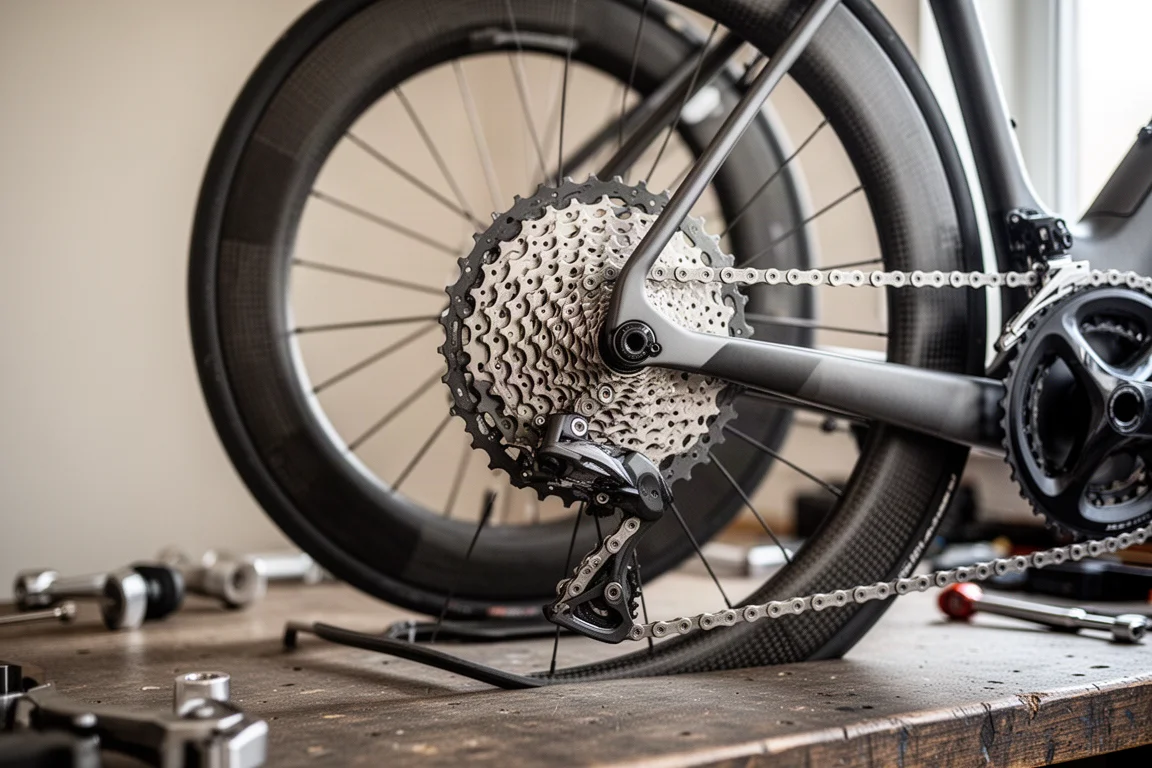
On wheels and tyres, the Merida takes the edge. It ships with Vision Metron 45 SL Disc wheels and 28c Continental GP 5000 clinchers, with Merida indicating that 2022 bikes should come with GP 5000 S TR tyres going forward. Either way it is a fast, race-ready combination, and at a claimed weight of just under 1,400 grams for the wheelset alone it is light too. The Scott runs Syncros Capital 1.0 35 Disc wheels and 28c Schwalbe One TLE tyres. Despite the shallower rims, the Capital wheels are around 200 grams heavier per set than the Vision Metrons, and independent rolling resistance testing suggests the Schwalbe tyres carry roughly 50 percent more rolling resistance than the Continental GP 5000. They are perfectly fine, but they are not as rapid, and upgrading the tyres would be a sensible early change on the Addict.
Tyre Clearance and Wider Rubber
Tyre clearance is one of the quieter differences between the two. The Scott officially maxes out at 700 x 28c, though there is a bit of extra room to push slightly beyond that. The Merida clears at least 700 x 30c tyres. For the type of fast riding both bikes are designed for, either figure is acceptable, but the extra space on the Scultura is useful if you ever want to ride particularly rough roads.
It also matters for longevity. Road wheels and tyres keep getting wider, and while 25 to 28c is standard today, those sizes may feel slim in a few years. Having a little more clearance gives you room to adapt rather than being locked into a single tyre width.
Buying Advice
The Scultura Team is the better-value package of the two tested here, and not only because it is lighter. It brings the more aggressive, more reactive handling that many riders will find exciting, plus the extra tyre clearance that should keep it relevant for longer. The Addict RC10 counters with a more forgiving, predictable ride and a cockpit that is far easier to adjust, which matters a great deal if you are still refining your position.
It is worth thinking carefully about which build you actually buy, though. The Scultura Team’s Dura-Ace groupset is excellent, but the question is whether you need it. The Scultura 9000 with Ultegra Di2 saves around £2,050 and offers comparable mechanical, electronic and braking performance, and it also comes with a non-integrated cockpit so you can customise the fit to your heart’s content. If you prefer the Scott platform, the Addict RC Pro at £8,149 upgrades the wheels and tyres to a Zipp 303 S wheelset and Schwalbe Pro One TLE tyres, which should improve performance noticeably over the RC10, though it loses the power meter, so the Merida still holds an edge on value.
Conclusion
Both the Scott Addict and the Merida Scultura are excellent lightweight all-rounder road bikes. Each has a strong frameset, fantastic handling and a range of well-thought-out builds behind it. In a straight head-to-head, the Scultura edges ahead on its more reactive handling, its lighter complete build, its faster wheel and tyre combination and its extra tyre clearance. The Addict RC10 answers with a calmer, more predictable character and a cockpit you can actually adjust without a workshop visit. Match the choice to the riding you do most, and either bike will serve you well.
Further reading
Related Reviews

Road Bikes
10 New Road Bikes Worth Watching: Aero, Titanium, Steel and Endurance Standouts
A practical roundup of 10 new road bikes, from aero flagships chasing single-watt gains to titanium, steel and endurance platforms built for real roads.
Road Bikes
2026 Tour de France Road Bikes: Six Race Machines Worth a Closer Look
Six race bikes from the 2026 Tour de France grid, reviewed for paint, silhouette, wheels and the specification details that matter to buyers.
Road Bikes
3T Strada Italia Review: A Radical Aero Road Bike That Rides Smooth
A made in Italy carbon aero road bike with a deep head tube, wide tire clearance and a genuinely comfortable ride. Here is what to know before buying.