Road Bikes
Scott Addict RC Pro vs Scott Foil RC Pro: Climbing Frame or Aero Frame?
Two identically built Scott road frames compared on measured weight, geometry, frameset price, ride feel and wind tunnel drag at 30 km/h.
Introduction
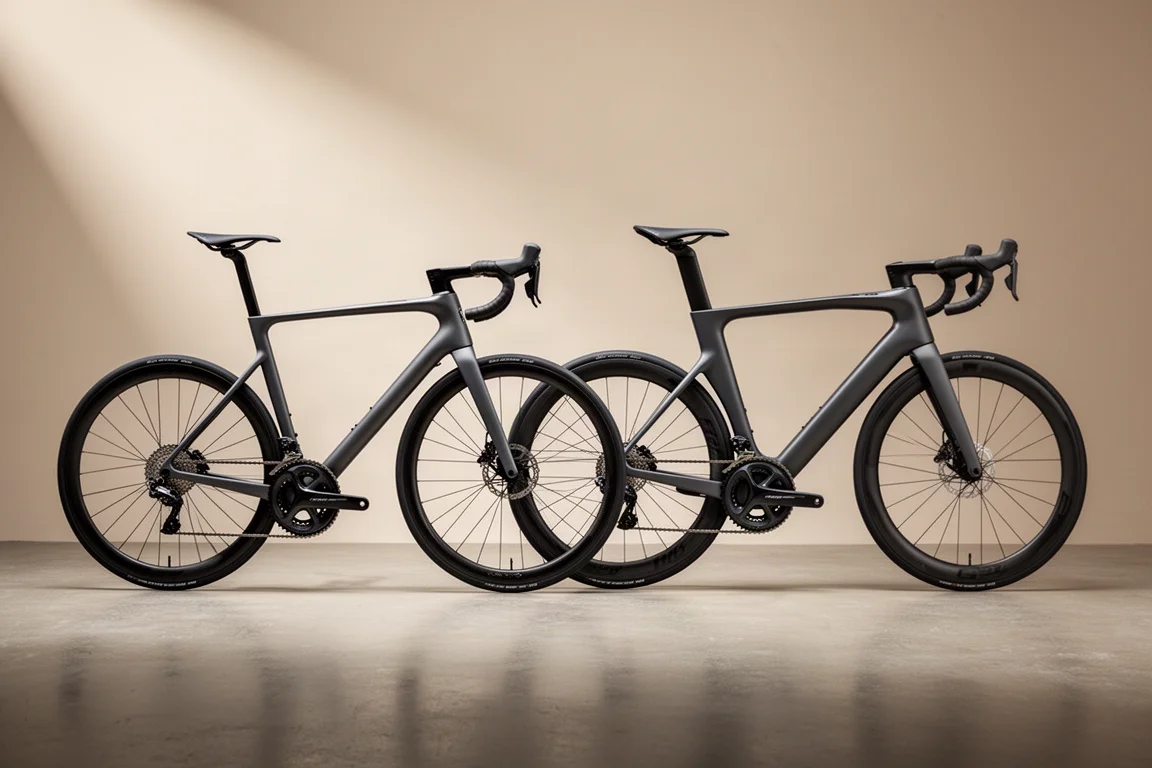
Aero road frames and climbing road frames have converged to the point where the specification sheets can look almost interchangeable. The clearest way to see what actually separates them is to take two frames from the same manufacturer, build them to an identical specification, and ride them back to back. That is the approach taken here with a Scott Addict RC Pro and a Scott Foil RC Pro, assembled with the same components so the frameset is the only variable. The comparison covers measured weight, geometry, frameset pricing, ride character on climbs and descents, and measured aerodynamic drag at a steady 30 km/h.
What the Addict RC Pro and Foil RC Pro Share
Both bikes were built up with the same parts list: a SRAM Force eTap groupset, Hutchinson 28 mm Fusion 5 Performance tubeless tires, the same wheelset, Selle San Marco saddles, Fidlock bottle cages each holding a single empty bottle, Syncros Garmin mounts, Garmin Rally power pedals and Garmin 1040 Solar head units. Even the gear ratios are identical, and both frames use the same HMX carbon layup.
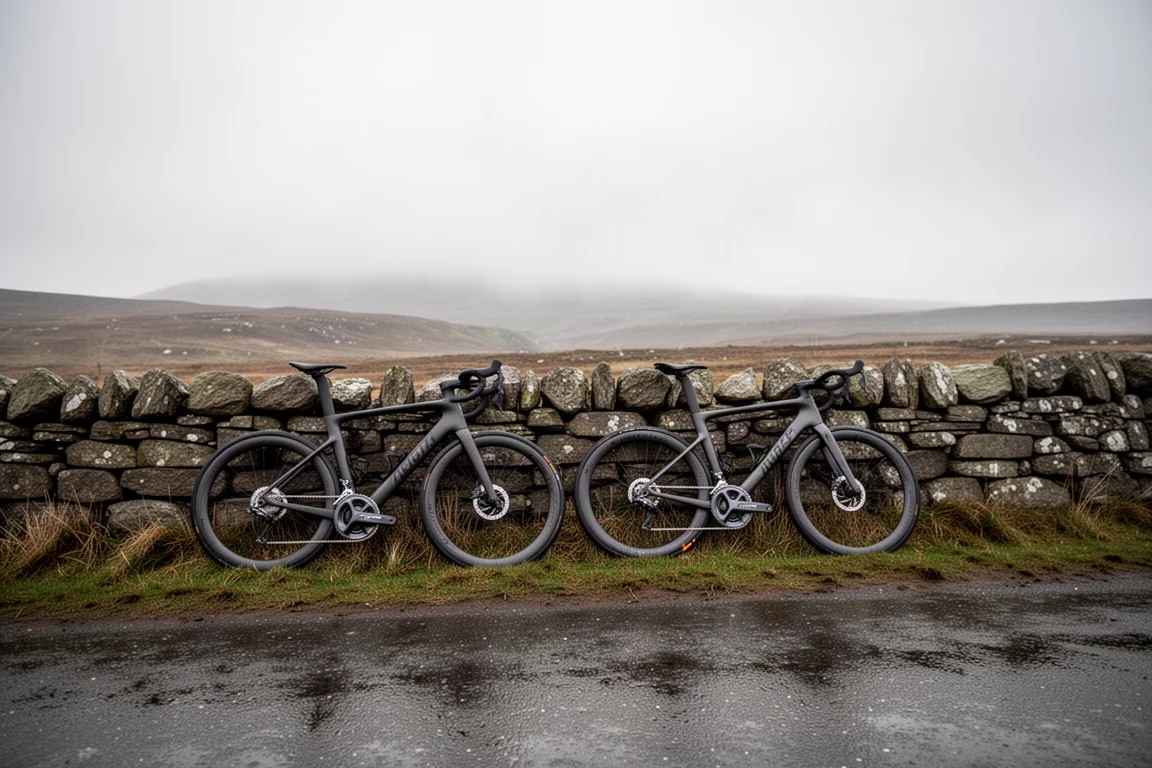
Geometry is effectively shared as well. Seat angle, head angle, stack and reach are the same, and the only difference on the geometry chart runs from the bottom bracket to the middle of the top tube, a change that is largely aesthetic or aimed at improving airflow. With the bikes set up identically, hands and saddle end up in the same place, so the riding position does not change between them. Both are aggressive racing frames.
Scott Addict RC Pro: The Climbing Frame
On the scale, with pedals, a head unit and an empty bottle fitted, the Addict RC Pro comes in at 7.97 kg. Its frameset is priced at £2,889, which is £610 less than the aero alternative.
The Addict’s character is what stands out on the road. It feels smooth and compliant, with a buttery quality that makes long rides easier to settle into. In a timed climb of around ten minutes at an average gradient near 7 percent, held at roughly 150 to 155 watts, the Addict was the quicker of the two, by one second for one rider and two seconds for the other. That is a marginal gap, but it points in a consistent direction.
For riders whose priority is a light frame that climbs well and does not punish them over long distances, this is the more natural pick. The softer ride is the feature that shows up every time the bike is ridden, not just on a stopwatch.
Scott Foil RC Pro: The Aero Frame
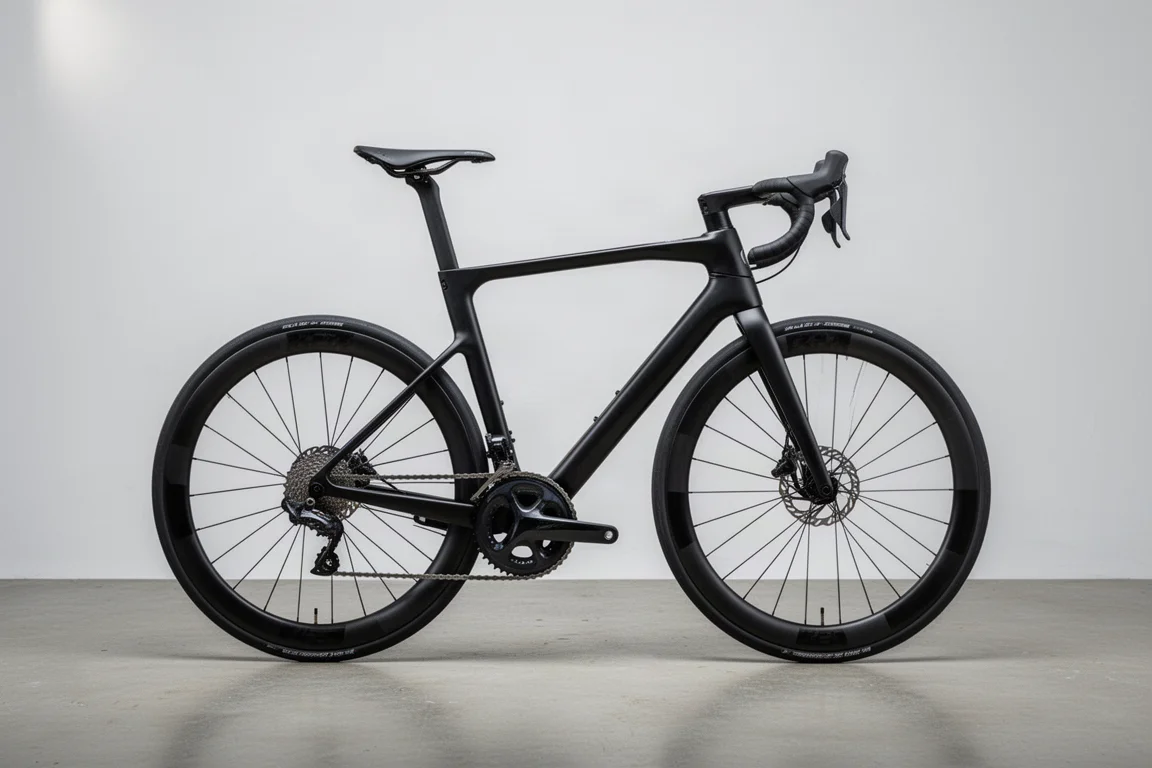
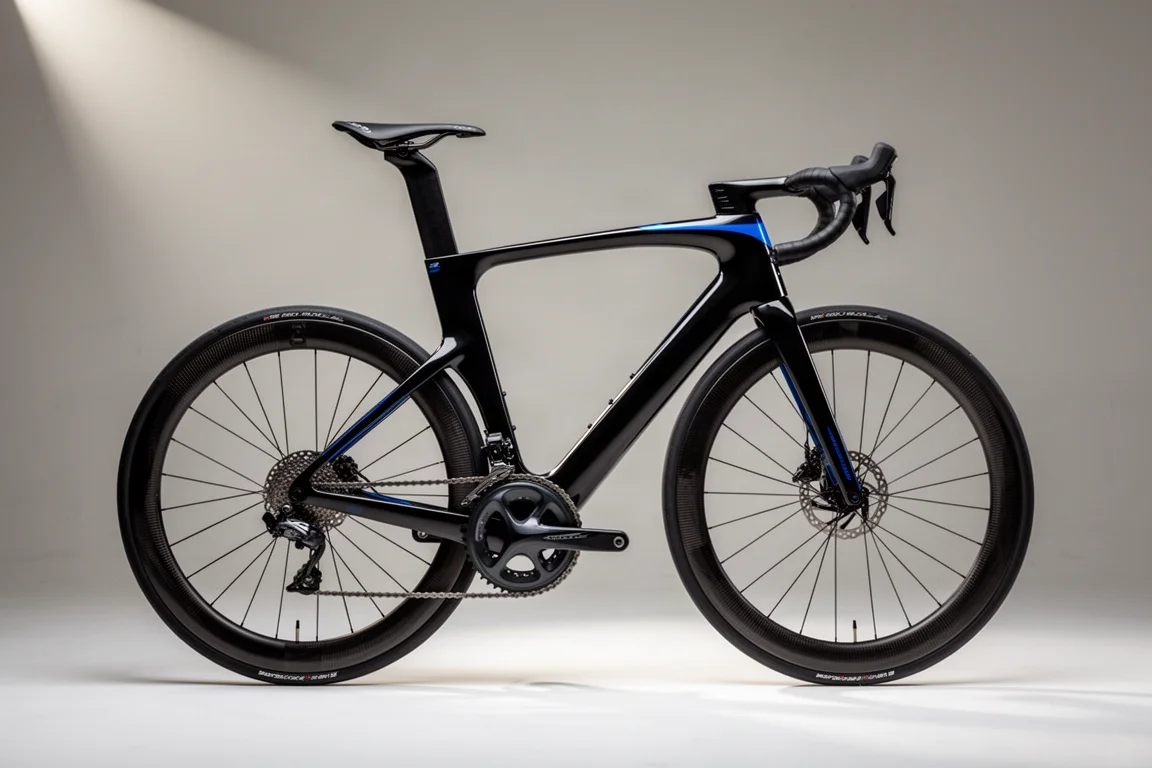
The Foil RC Pro weighed 8.29 kg in the same configuration, making it 320 g heavier than the Addict. Its frameset is priced at £3,499. Aero frames are often assumed to carry a much larger weight penalty, and 320 g is a modest difference in practice.
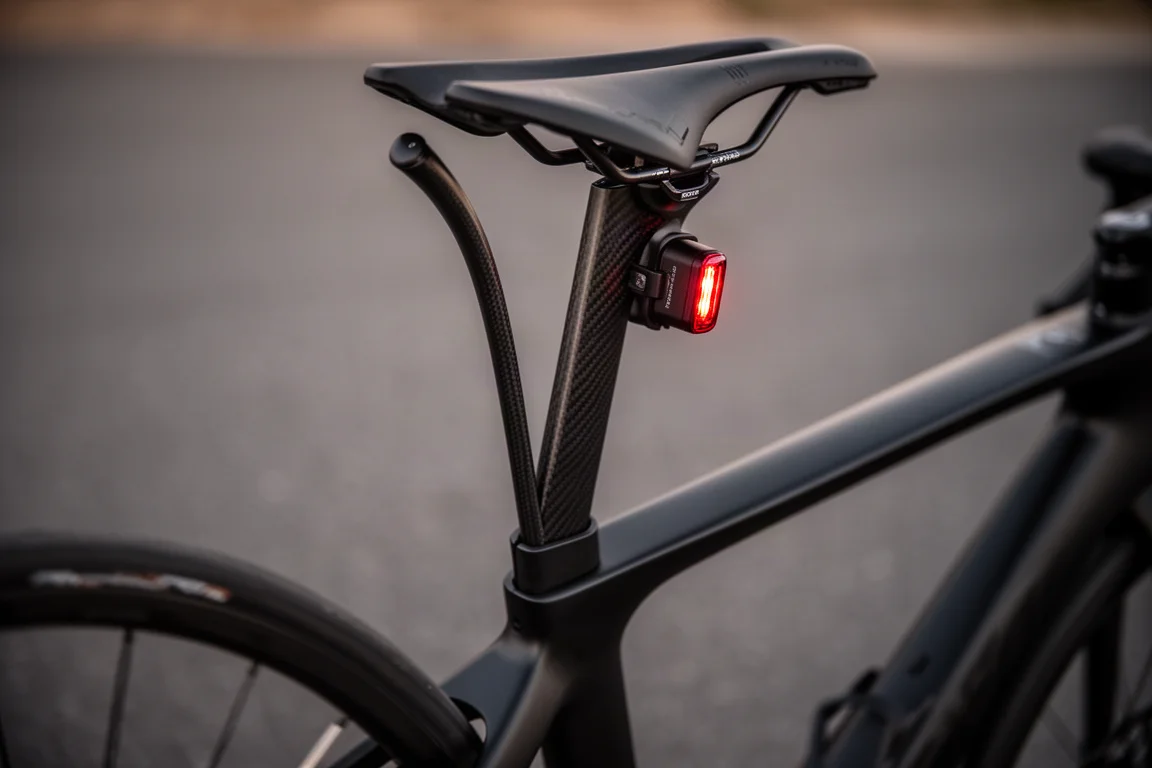
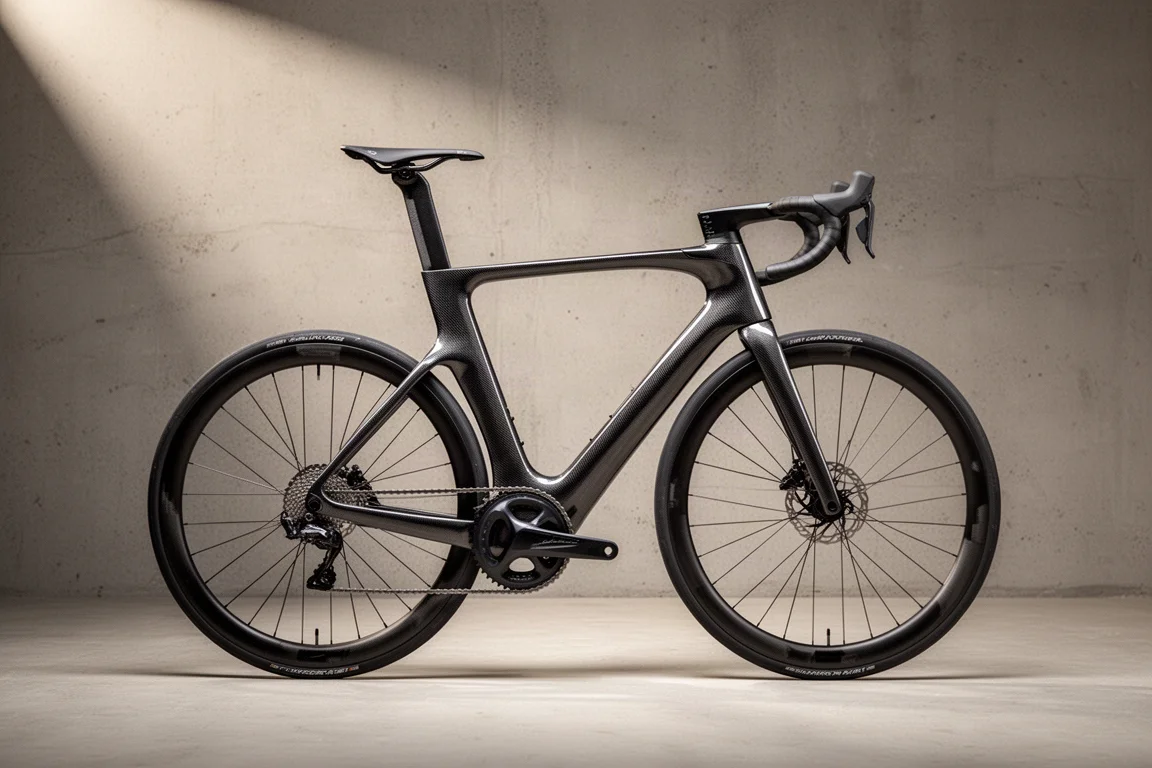
The Foil is the newer design and carries details the Addict does not. The tops of the handlebar are noticeably flatter, which changes how the bike feels under the hands. The seat post is very slender and includes a removable light, and the flex built into that post is intended to take some of the harshness out of the large aerodynamic tube profiles.
On the road the Foil feels stiff, hard and fast, and it is the more rewarding of the two to sprint on. It is also the firmer ride, and that firmness is noticeable immediately when switching between the two frames.
Wind Tunnel Results: How Much Faster Is the Foil?
Testing at 30 km/h, a realistic speed for most riders, produced a clear but small aerodynamic advantage for the Foil. With the bikes tested alone, the Foil was 3.7 watts more aerodynamic than the Addict. Once riders were added, the interaction between airflow over the rider and the frame reduced the gap to 2.7 watts across all six rider and bike combinations.
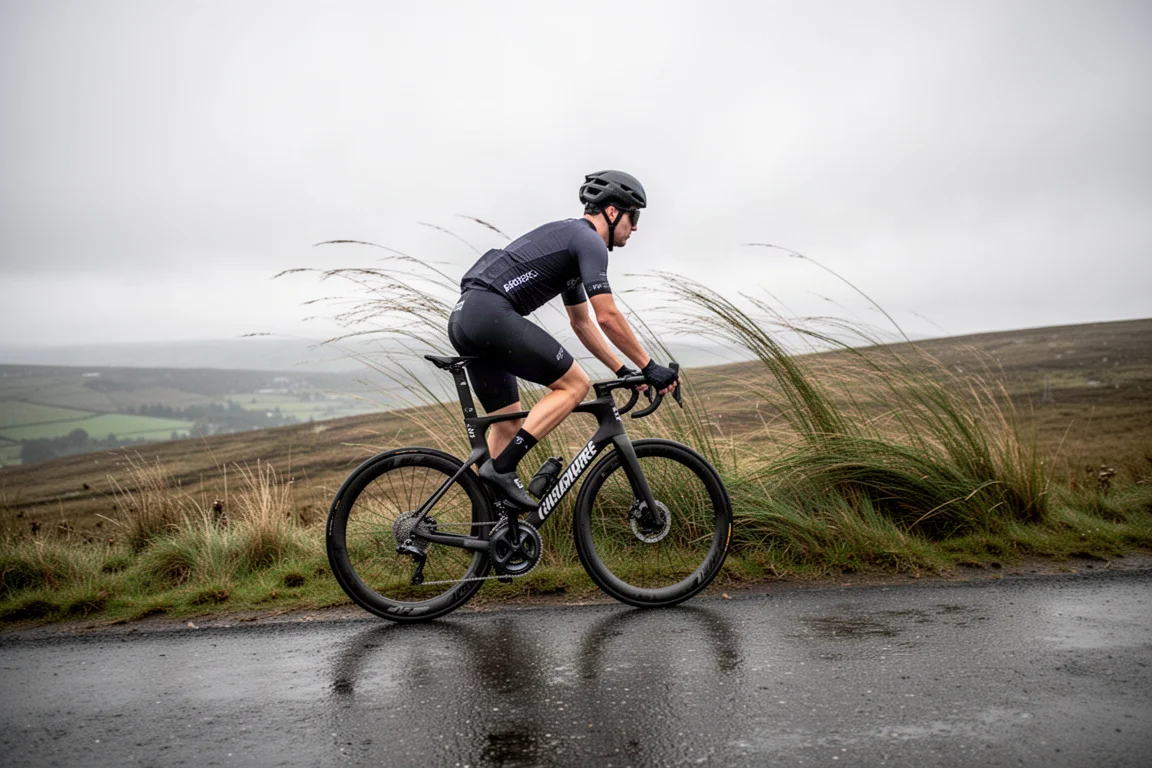
Over a 40 km ride at around 30 km/h and roughly 160 watts, that difference works out to a rider finishing about 33 seconds sooner on the Foil than on the Addict.
The picture changes with gradient. At a 4 percent gradient, 25 km/h and just over 300 watts, the Foil is faster despite being heavier, by around 0.8 watts, because aerodynamic drag still matters at that speed. At a 9 percent gradient and 15 km/h, the Foil becomes slower by roughly 7 to 8 watts. The two frames are effectively identical at around 22 km/h on a 6 percent gradient.
Climbing, Descending, and Sprinting in the Real World
Away from the tunnel, the back to back testing happened in strong winds. The climbing test on a roughly ten minute climb averaging 7 percent put the Addict ahead by one and two seconds at matched effort, which is a very small margin for a lighter frame.
Descending produced no reliable conclusion. One run had the Foil quicker by two seconds and another had the Addict quicker by fourteen seconds, but the crosswinds were severe enough that confidence and timing, rather than the frames, likely decided the outcome. In a 200 metre sprint the Foil felt noticeably faster and stiffer, while the Addict stayed smoother.
Which Bike Should You Choose?
The crossover point is the useful summary. Above roughly 20 km/h average speed, the Foil is likely to be the faster choice, and below that the lighter Addict has the edge. That means flat, fast roads and race situations favour the aero frame, while steep, slow climbing favours the climbing frame.
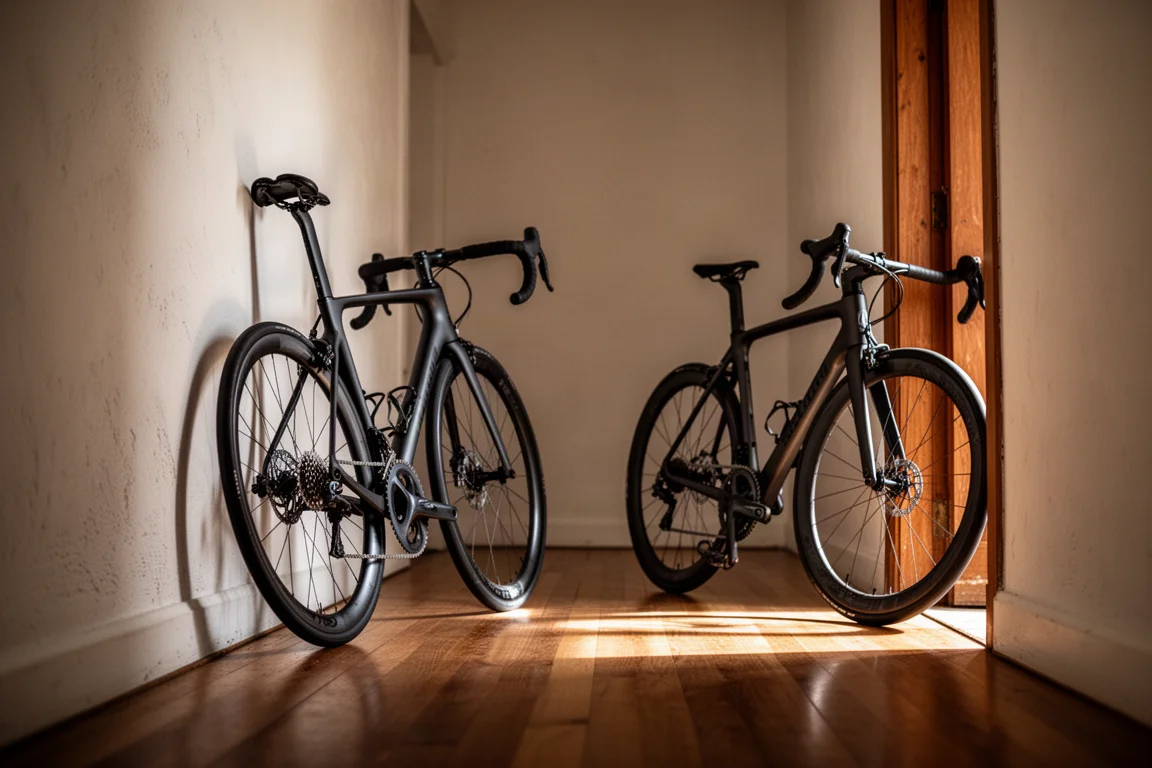
For most riders, the practical advice is straightforward. Unless racing is the goal, or a specific result is being chased, comfort is worth more than a two to three watt aerodynamic gain. The Addict is the smoother bike and may well be the better long term purchase, and the £610 saved on the frameset can go toward something else in the garage.
Conclusion
The Addict RC Pro and the Foil RC Pro are close enough that the decision comes down to terrain and temperament rather than outright performance. The Foil is measurably more aerodynamic at speed, feels sharper in a sprint, and adds a flex tuned seat post with an integrated removable light. The Addict is lighter, climbs marginally quicker, rides more smoothly, and costs less. Riders who race, or who spend most of their time on fast flat roads, have a clear case for the Foil. Riders who value comfort and spend their time on climbs have an equally clear case for the Addict.
Further reading
Related Reviews

Road Bikes
10 New Road Bikes Worth Watching: Aero, Titanium, Steel and Endurance Standouts
A practical roundup of 10 new road bikes, from aero flagships chasing single-watt gains to titanium, steel and endurance platforms built for real roads.
Road Bikes
2026 Tour de France Road Bikes: Six Race Machines Worth a Closer Look
Six race bikes from the 2026 Tour de France grid, reviewed for paint, silhouette, wheels and the specification details that matter to buyers.
Road Bikes
3T Strada Italia Review: A Radical Aero Road Bike That Rides Smooth
A made in Italy carbon aero road bike with a deep head tube, wide tire clearance and a genuinely comfortable ride. Here is what to know before buying.