Road Bikes
Scott Addict RC Pro Review: A Light, Integrated Road Race Bike
The Scott Addict RC Pro pairs an HMX carbon frame with a fully integrated Syncros cockpit and Shimano Dura-Ace Di2. Here is what to know before buying.
Introduction
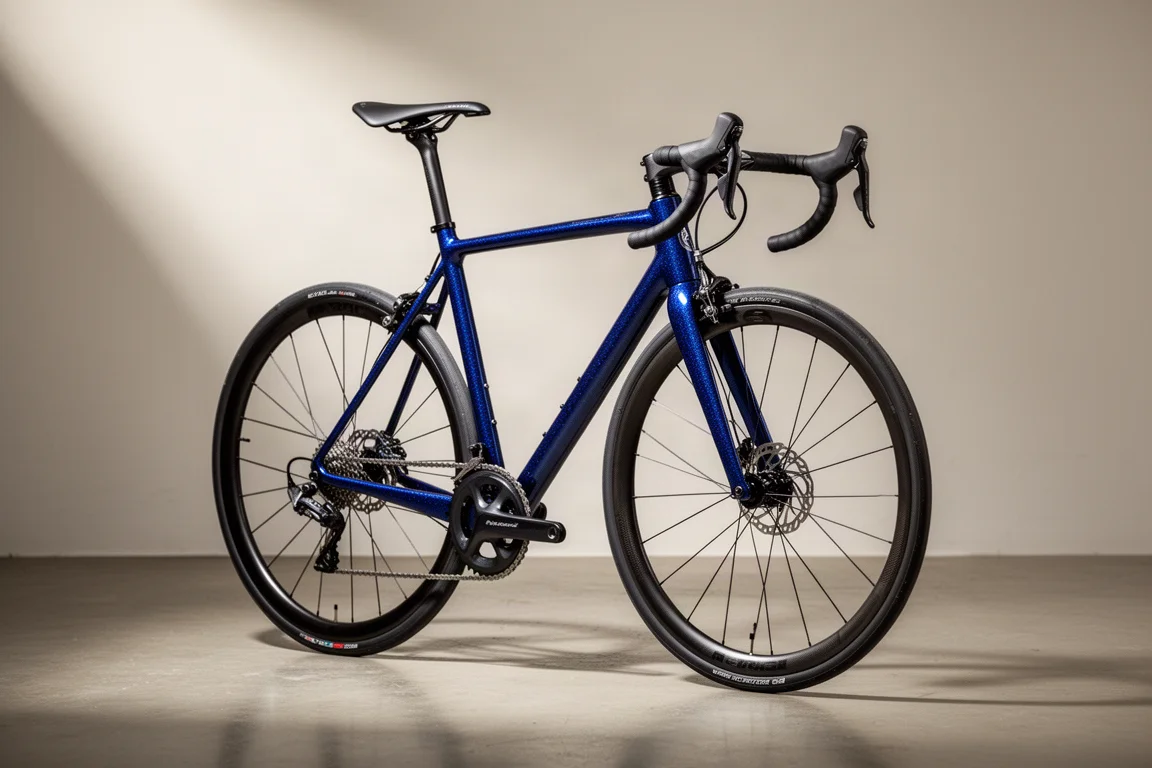
The Scott Addict RC Pro is a road race bike with a clear point of view. Every cable is concealed, the cockpit is a single-piece Syncros unit, and the frame is built from Scott’s HMX carbon. It sits in the Addict RC family, the lighter and more traditionally shaped sibling to the aero Foil, and it is aimed at riders who want low weight and a sharp ride rather than maximum aerodynamic advantage.

What separates the Addict RC Pro from the models above and below it comes down mostly to carbon. Scott builds the range in three grades: HMF, HMX and HMX SL. The Pro uses HMX, the team-level bikes use HMX SL, and the Foil uses HMF. Forks across the whole range use HMX, so the front end of the Pro is the same as the rest of the line.
Who this product is for
The Addict RC is designed with hilly routes in mind, and the Pro build suits riders who want a race-ready platform that can be tuned closely to their position. The narrow bar and long stem combination is aimed at riders who have already settled on an aggressive, forward position. It is also a sensible choice for anyone who prefers the feel of a lighter frame over an aerodynamic one, and who values a clean, integrated look with no visible cables.
Sizing helps here too. The frame is available down to a 49cm extra small, which gives shorter riders a genuine option rather than forcing them onto a larger frame with a compromised fit.
Main strengths
Frame and carbon layup
Scott’s three carbon grades sit closer together than the naming suggests. The step from HMF to HMX saves roughly 90 grams of frame weight, and the step from HMX to HMX SL saves another 30 to 40 grams. For most riders those differences are hard to feel out on the road, which makes the HMX frame in the Pro a strong middle ground: noticeably lighter than the entry tier without paying for the team-spec layup.
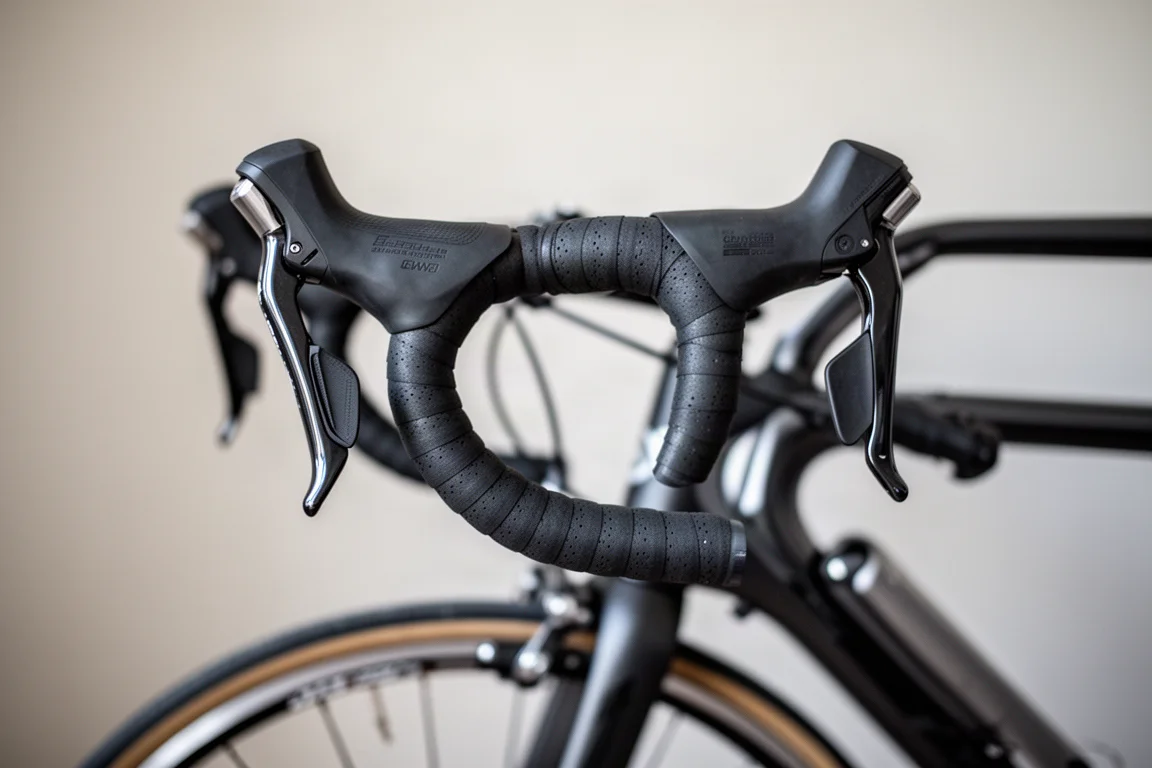
The tube shapes stay fairly traditional, and all cables run internally through the cockpit and frame. That keeps the front end quiet in crosswinds, easy to clean, and gives the bike the uncluttered silhouette the Addict RC is known for.
Integrated cockpit and finishing kit
The cockpit is a Syncros Creston IC SL one-piece bar and stem, run here at 12cm of reach and 38cm of width. Narrow bars have become a common trend, and 38cm is the narrowest Syncros offers. The feel is fast and direct, though riders who split their time between road, cross and mountain bikes may find it takes a few rides to adjust.
Behind that sits a Syncros Belcaro saddle with an aggressive rear profile and a wide shape, intended for riders who sit toward the front of the saddle. The Syncros Duncan seatpost shares its shape with the equivalent post on the Foil but is lighter thanks to its clamping mechanism, which is claimed to weigh around six grams. There is also a small magnetic multi-tool that slots into the thru-axle, carrying a T25 Torx fitting and a hex key, which covers most of the contact points on the bike.
Groupset, gearing and braking
The build runs Shimano Dura-Ace Di2 in 11-speed form, with 52/36 chainrings and an 11-28 cassette. That is a tighter spread than many riders choose, and it suits people who prefer to churn a bigger gear rather than spin a small one. Braking is hydraulic disc, with a 160mm rotor at the front and a 140mm rotor at the rear. The smaller rear rotor keeps the back end looking tidy and still provides plenty of stopping power, and a 140mm rotor cannot be fitted at the front.
The wheels are Syncros Capital 1.0 with full carbon rims, wrapped in Vittoria tires. The setup is tubeless-ready, and the difference in ride quality is noticeable once you make the switch. Pedals are Shimano Ultegra SPD-SL, chosen for their wider body and the contact area it provides.
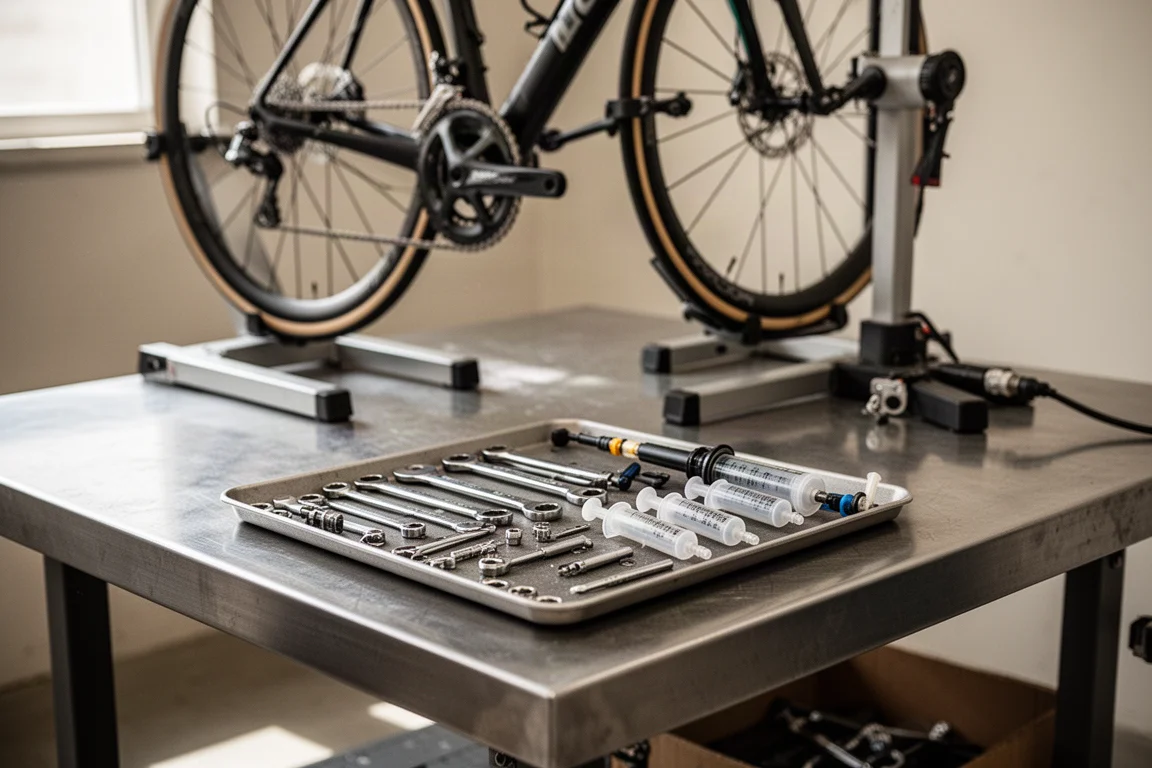
This particular build also runs a single-sided Stages power meter on an Ultegra crank. It weighs about the same as a dual-sided equivalent and costs a few hundred less, which makes it a practical choice for riders who want power data without the premium of a two-sided unit.
Things to consider before buying
A few details are worth weighing before committing to the Pro build.
The integrated cockpit is the biggest one. Because the bar and stem are a single unit, changing your reach or bar width means replacing the whole assembly rather than swapping a stem. If your fit is still evolving, a conventional two-piece setup is easier to live with.
The 38cm bar is genuinely narrow. It feels quick and stable once you are used to it, but it can feel twitchy at first, particularly for riders who move regularly between road, cross and mountain bikes.
The rear brake is limited to a 140mm rotor, and the same size cannot be used at the front.
The 11-28 cassette and 52/36 chainset favour riders who like to push a larger gear. If you prefer a wider range for steep or long climbs, check that the gearing matches how you ride.
Finally, the frame sizing runs down to a 49cm extra small, so shorter riders have a real option, but the narrow bar and long stem combination is worth confirming during a fit session.
Buying advice
Within the Addict RC range, the Pro occupies a specific spot. It uses the HMX frame, one step below the HMX SL layup found on team-level builds and one step above the HMF frames used on models such as the Foil. If the lowest possible frame weight is your priority, the HMX SL tier is the one to look at. If you want the same Addict RC platform for less, the HMF models below are the value option.
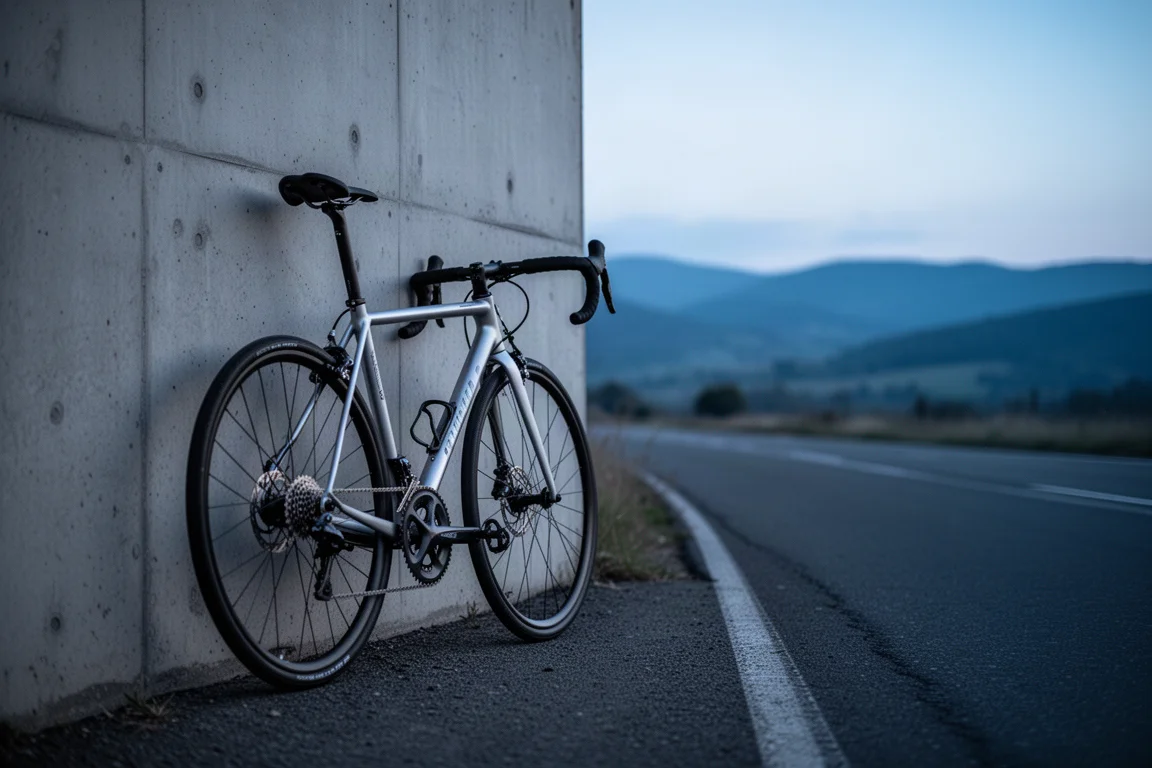
The Pro makes the most sense for riders who want a near-top-tier frame paired with a top-level groupset and a complete Syncros finishing kit, and who are confident in their position. Because the cockpit is integrated, it pays to be sure about bar width and stem length before ordering. Riders who change components often, or who are still refining their fit, may prefer a build with a conventional two-piece cockpit.
On gearing and brakes, the Pro’s choices are deliberate rather than restrictive. A tighter cassette and a smaller rear rotor suit riders who spend their time on rolling and hilly terrain, which is exactly what the Addict RC was designed for.
Conclusion
The Scott Addict RC Pro is a light, integrated road race bike that prioritizes feel over aerodynamic shape. The HMX frame sits close to the top of Scott’s carbon range, the concealed cable routing keeps the front end clean, and the Dura-Ace Di2 groupset with Syncros Capital 1.0 carbon wheels makes it a complete package out of the box. Its integrated cockpit and narrow bar reward riders who already know their position, while the 11-28 cassette and 140mm rear rotor suit a specific style of riding. If that matches how you ride, the Pro is a compelling choice.
Product link
View more details for Scott Addict RC Pro
This product is mentioned in the review. Check the specifications, options, and compatibility before buying.
View more details for Scott Addict RC ProFurther reading
Related Reviews

Road Bikes
10 New Road Bikes Worth Watching: Aero, Titanium, Steel and Endurance Standouts
A practical roundup of 10 new road bikes, from aero flagships chasing single-watt gains to titanium, steel and endurance platforms built for real roads.
Road Bikes
2026 Tour de France Road Bikes: Six Race Machines Worth a Closer Look
Six race bikes from the 2026 Tour de France grid, reviewed for paint, silhouette, wheels and the specification details that matter to buyers.
Road Bikes
3T Strada Italia Review: A Radical Aero Road Bike That Rides Smooth
A made in Italy carbon aero road bike with a deep head tube, wide tire clearance and a genuinely comfortable ride. Here is what to know before buying.