Road Bikes
Scott Addict RC 30 Review: A Light Road Race Bike That Gets Close to Superbike Feel
The Scott Addict RC 30 pairs a genuinely light carbon frameset with Shimano 105 Di2 for $4,999, and gives up less than you might expect.
Introduction
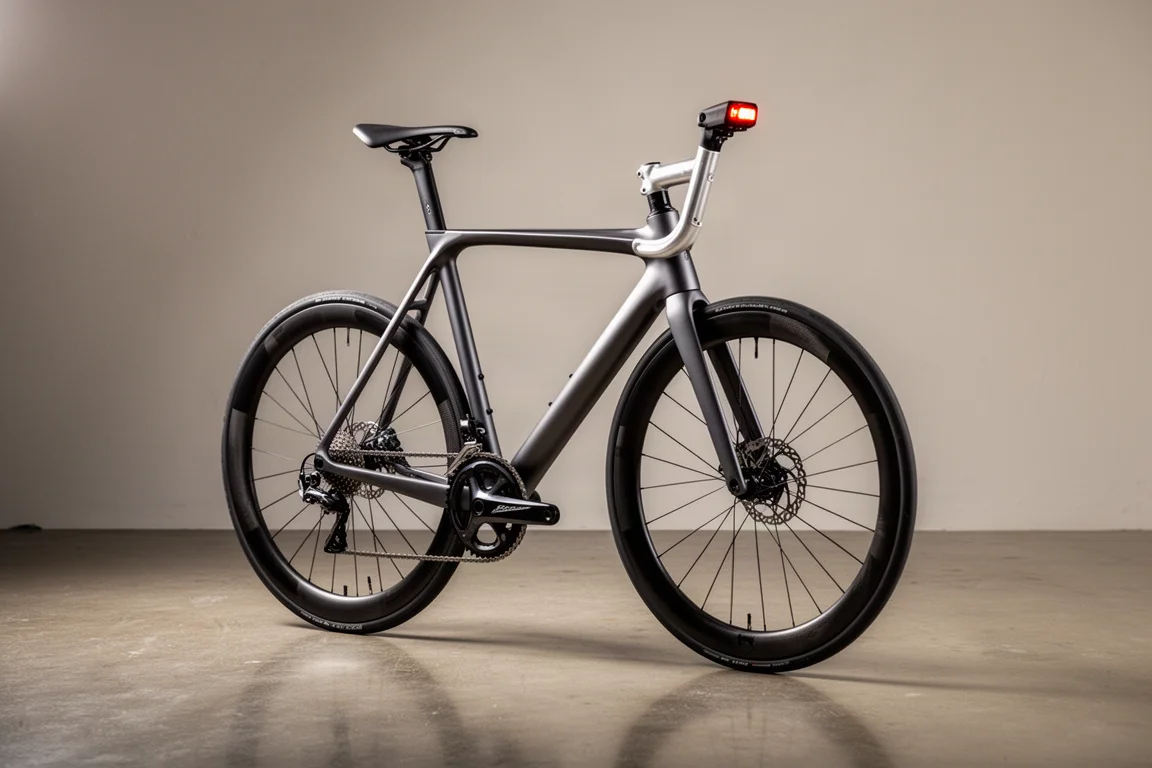
The Scott Addict RC range exists for one purpose: to be as light as possible while keeping disc brakes and modern road geometry. The headline build in that line arrived with a claimed 5.9 kg, and the frame technology behind it has now filtered down to a far more attainable price. The Scott Addict RC 30 sits at $4,999 with a full carbon frame and fork, a Shimano 105 Di2 groupset, and a 40 mm deep Syncros carbon wheelset.
The build weighed 7.6 kg without pedals, bottle cages, or a computer, although a computer mount was fitted. For a bike at this price with electronic shifting and alloy finishing kit, that is a genuinely strong figure, and it comes from weight savings spread across almost every component rather than one headline part.
Who the Scott Addict RC 30 Is For
This is a performance bike for performance-focused riders and racers. It suits anyone who wants to get from the bottom of a climb to the top as quickly as possible without giving up hydraulic disc braking or aerodynamic efficiency, a compromise that many superlight bikes still make.
It also makes sense for riders whose races are literally uphill: hill climb events and uphill segment hunters. The low weight helps off the bike too, and anyone who lives up several flights of stairs will notice the difference between carrying a 7.6 kg bike and hauling something heavier.
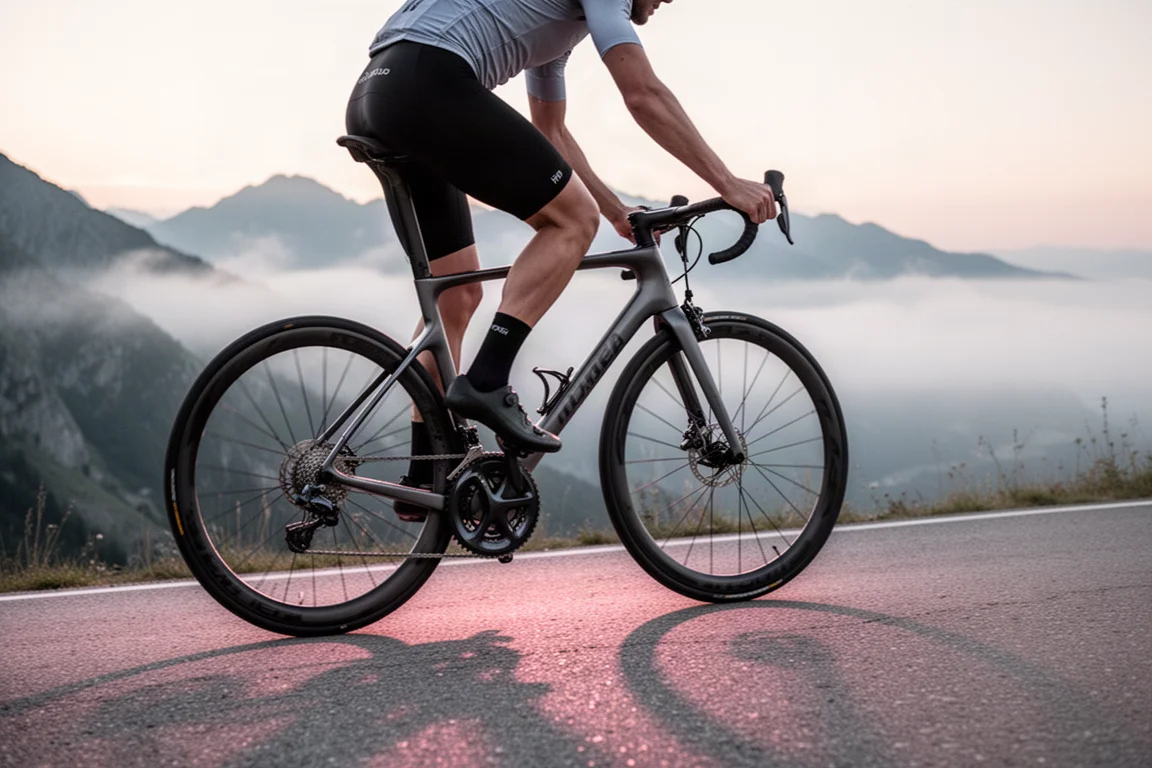
What the Addict RC 30 is not is an all-day endurance machine. The position is long and low, and the geometry pushes riders forward over the front of the bike. If comfort across long distances matters more to you than speed, this is the wrong end of the market.
Main Strengths
A Frameset That Earns Its Weight Claim
Scott’s frame numbers are aggressive: a claimed 600 g for a raw medium frame and 270 g for the fork, a total of 215 g lighter than the previous Addict RC Ultimate frameset. Part of that comes from an unusual manufacturing approach that reduces the amount of excess material left inside the frame, an area where carbon frames can be surprisingly messy.
There are two frame layups. The lighter HMX SL is reserved for the Ultimate model, while the HMX used here adds roughly 50 g to the frameset. Even so, the complete bike undercuts several more expensive rivals on weight.
Ride Quality and the 105 Di2 Drivetrain
As you would expect from a $5,000 bike, it feels fantastic to ride. What it does not deliver is a full superbike sensation, and the reasons are easy to identify. The one-piece carbon bar and stem and the flagship wheelset that define that category are not part of this build. The Syncros carbon wheels are light and 40 mm deep, but they sit below the top tier, and the alloy bar and stem trade a little stiffness and aerodynamic efficiency for cost and easier adjustment.
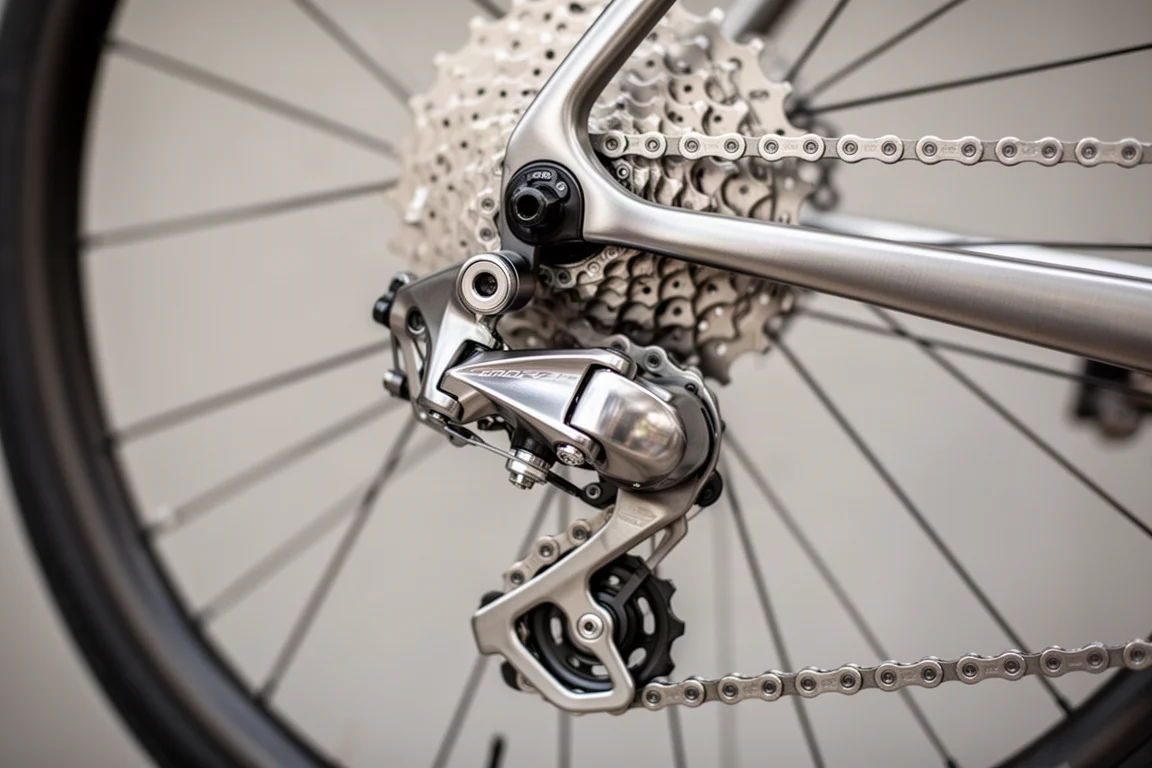
Shimano 105 Di2 deserves credit here. It is electric, just like Ultegra and Dura-Ace, and the shifting is smooth. The gap to the higher-tier groupsets is barely noticeable, and the same applies to braking: the hydraulic discs are powerful and easy to modulate. Moving down from Ultegra to 105 on a frame like this costs very little in real riding terms.
Tires are 30 mm Schwalbe tubeless, and the frame accepts up to 34 mm, a sensible trend in this performance category. The tires feel supple on the road. Tubeless does not mean puncture-proof, though: this build picked up a puncture within minutes of its first ride, sealed with tubeless plugs left visible in the tread.
Practical Details That Make It Easier to Live With
Scott has kept the small usability touches that matter day to day. Almost the whole bike can be assembled with a single T25 Torx key, and on this generation the tool sits inside the handlebar rather than hidden in a thru axle. It also carries a 6 mm Allen key for the thru axles, which is more useful than it sounds once you have ridden a few bikes without one.
The proprietary seat post has an expander that stays in the frame when the post is removed, so nothing drops out of reach inside the frame. There is also a light built into the seat post with several modes, including a flashing setting. It is bright, and if you would rather not run it, a slightly lighter insert converts the post back to a standard one. Integration that gives you something you would otherwise forget to bring is more useful than integration for its own sake.
Things to Consider Before Buying
Geometry and Sizing
This is an extremely aggressive, long bike. The size range looks broad at a glance, but the geometry table tells a different story: the smallest size, labelled 47 cm, still has a 379.8 mm reach and a 74.5 degree seat angle. Smaller riders, including many women below average height, will find that a stretch. Scott has also ended its Contessa range, so the lineup is now entirely unisex, which leaves a gap at the small end. Riders who need a genuinely small frame should look at brands such as Canyon, Pinarello, and Pearson, which offer sizes that go smaller.
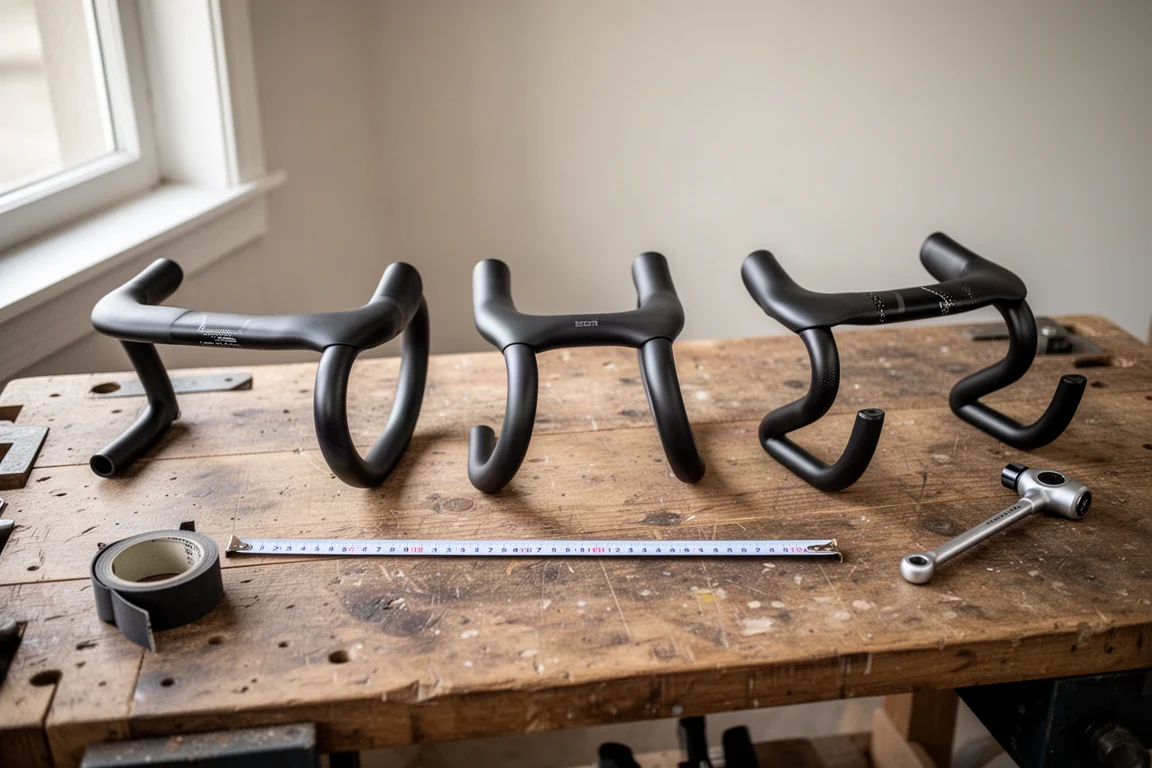
Component sizing, on the other hand, is better than most. Handlebar widths, stem lengths, and crank lengths scale with frame size: a small comes with 38 cm bars and 170 mm cranks, the smallest size gets 36 cm bars and 165 mm cranks, and the largest gets 42 cm bars and 175 mm cranks. Narrower bars on smaller bikes may bring a marginal aerodynamic benefit as well, but the bigger win is that more riders end up on contact points that actually fit them.
Proprietary Parts and Cockpit Costs
The steerer tube is 27.2 mm, which is unusual for the category. In practice it means you need Scott’s own stem and bars, or a stem that specifically fits, which limits upgrade options. Scott’s stated reason is a reduction in the frontal area of the head tube for aerodynamic gains.
The one-piece carbon bar and stem appears only on the top three models, the Ultimate, the RC Pro, and the RC 10. This RC 30 uses an aluminium bar and stem instead, which is easier to live with and cheaper to change, but it is also part of why the bike does not feel like a superbike. On the models that do use the integrated cockpit, a replacement bar costs around $600 before labour, and swapping one involves cutting cables, removing shifters, re-routing lines, and bleeding the brakes. If you buy a bike with an integrated cockpit, get the size right the first time.
How It Compares
Against its closest rivals, the Addict RC 30 holds its own on weight. The Specialized Aethos starts at $4,500 with 105 Di2 and uses a standard bar and stem with external routing, a setup that is arguably easier to live with over time. The Canyon Aeroad with 105 Di2 and carbon wheels is $4,799, which is less money but a fair amount heavier at a claimed 7.9 kg. The Trek Emonda SL6 lands at the same $4,999 with similar specifications, and Trek lists a claimed 8.5 kg. On the numbers, the Scott looks like the lightest of the group, which is a meaningful advantage for riders whose priority is climbing speed.
Buying Advice
At $4,999 the Addict RC 30 is not cheap, and it sits firmly in the territory where buyers expect a lot. What you get for that money is most of the way to a superbike feel for roughly half the price of the flagship end of the market, which is a reasonable definition of the sweet spot in diminishing returns.
If you buy one, two upgrades make the most sense later on: a one-piece bar and stem, and a higher-end wheelset. Those are the parts that separate this build from the top models. If you plan to change the cockpit, be certain about sizing first, because getting it wrong is expensive.
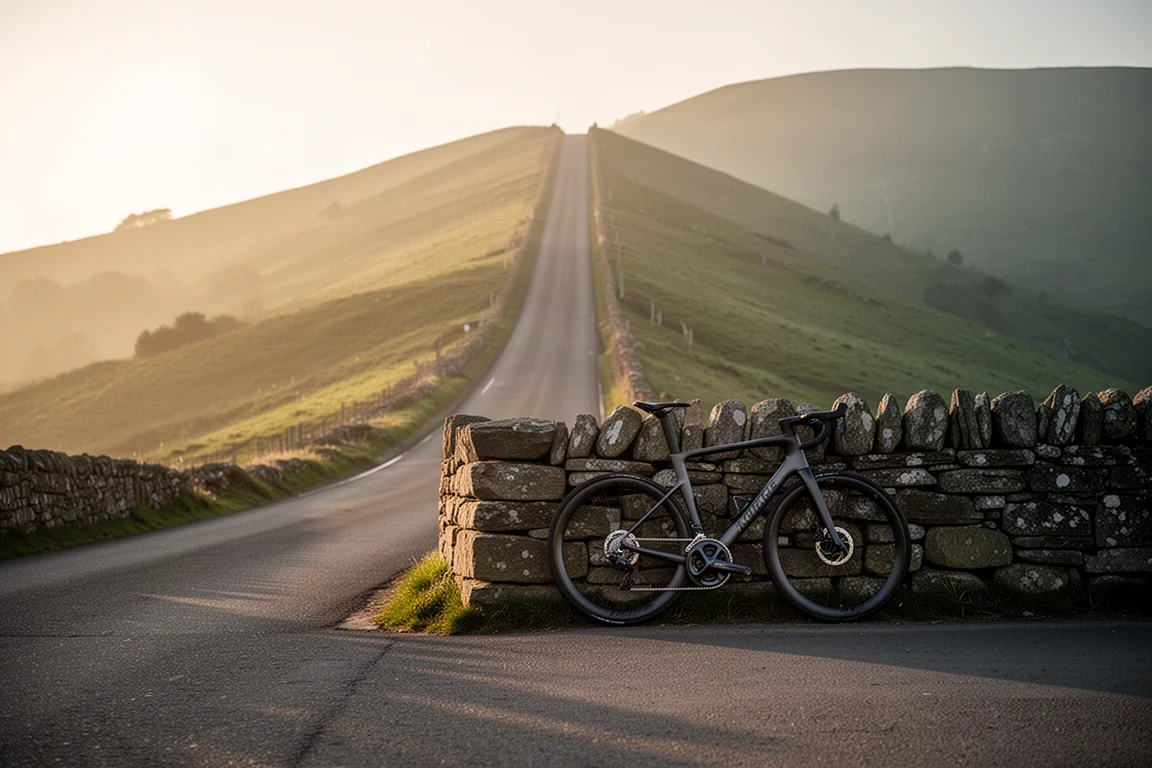
For riders who value low weight, electronic shifting, and a race position above all else, this is a strong buy. For riders who need a smaller frame, more comfort, or simpler long-term servicing, weigh the alternatives carefully before committing.
Conclusion
The Scott Addict RC 30 makes a clear case for itself: a frameset light enough to embarrass more expensive bikes, Shimano 105 Di2 shifting that gives up very little to the tiers above, and practical touches that make it easy to own. The compromises are equally clear: an aggressive, long geometry that excludes smaller riders, a proprietary steerer that limits cockpit choices, and alloy finishing kit that keeps it short of a true superbike feel. If your riding is built around going uphill as fast as possible and the sizing works for you, it is one of the more compelling ways to spend $5,000 on a road bike.
Product link
View more details for Scott Addict RC 30
This product is mentioned in the review. Check the specifications, options, and compatibility before buying.
View more details for Scott Addict RC 30Further reading
Related Reviews

Road Bikes
10 New Road Bikes Worth Watching: Aero, Titanium, Steel and Endurance Standouts
A practical roundup of 10 new road bikes, from aero flagships chasing single-watt gains to titanium, steel and endurance platforms built for real roads.
Road Bikes
2026 Tour de France Road Bikes: Six Race Machines Worth a Closer Look
Six race bikes from the 2026 Tour de France grid, reviewed for paint, silhouette, wheels and the specification details that matter to buyers.
Road Bikes
3T Strada Italia Review: A Radical Aero Road Bike That Rides Smooth
A made in Italy carbon aero road bike with a deep head tube, wide tire clearance and a genuinely comfortable ride. Here is what to know before buying.