Cycling Nutrition
Science in Sport Beta Fuel Review: Inside the High-Carb Endurance Range
A practical look at the Science in Sport Beta Fuel range, how dual-source carbohydrate works, and which riders benefit most from high-carb fueling.
Introduction
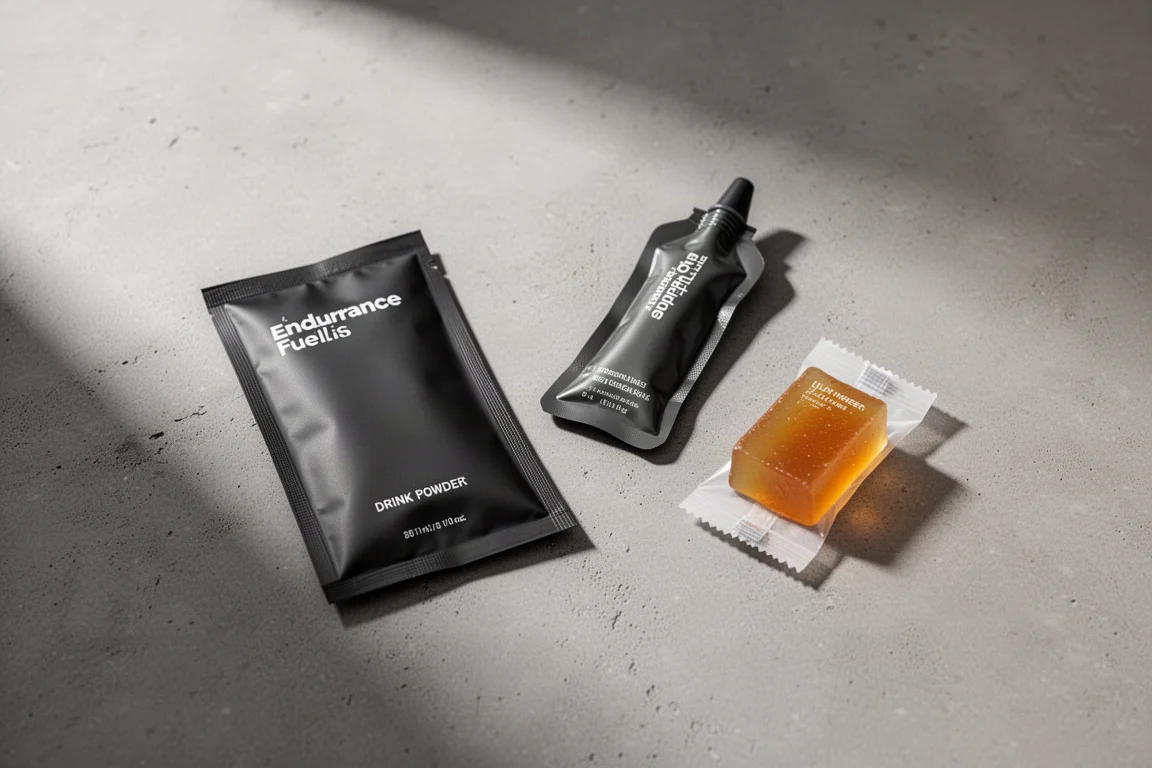
High-carbohydrate fueling has become one of the defining ideas in modern endurance sport, and the Science in Sport Beta Fuel range sits right at the centre of it. What began in 2018 as a single product, an 80 g carbohydrate drink powder that you mix into one bottle, has since grown into a broader endurance fueling range built around the same principle.
That principle is simple enough to state: get more carbohydrate into a rider per hour without overwhelming the gut. The execution is where it gets interesting, and it is the reason Beta Fuel has become such a familiar name in professional cycling and beyond. This review covers the three products in the range, what separates them, and how to decide whether they fit your own riding.
Why High-Carb Fueling Changed Endurance Racing
For years, the accepted ceiling for carbohydrate intake on the bike sat around 60 g per hour. Beta Fuel was developed to push past that ceiling. The range was originally conceived as a way to deliver a highly concentrated carbohydrate drink, partly for one-day classics where the racing is full gas over rough surfaces and the chance to eat solid food is limited.
The advantage of a concentrated drink is that it removes a step. Instead of juggling bottles and wrappers at speed, a rider simply drinks. That matters most in the moments when the pace is too high to take a hand off the bars.
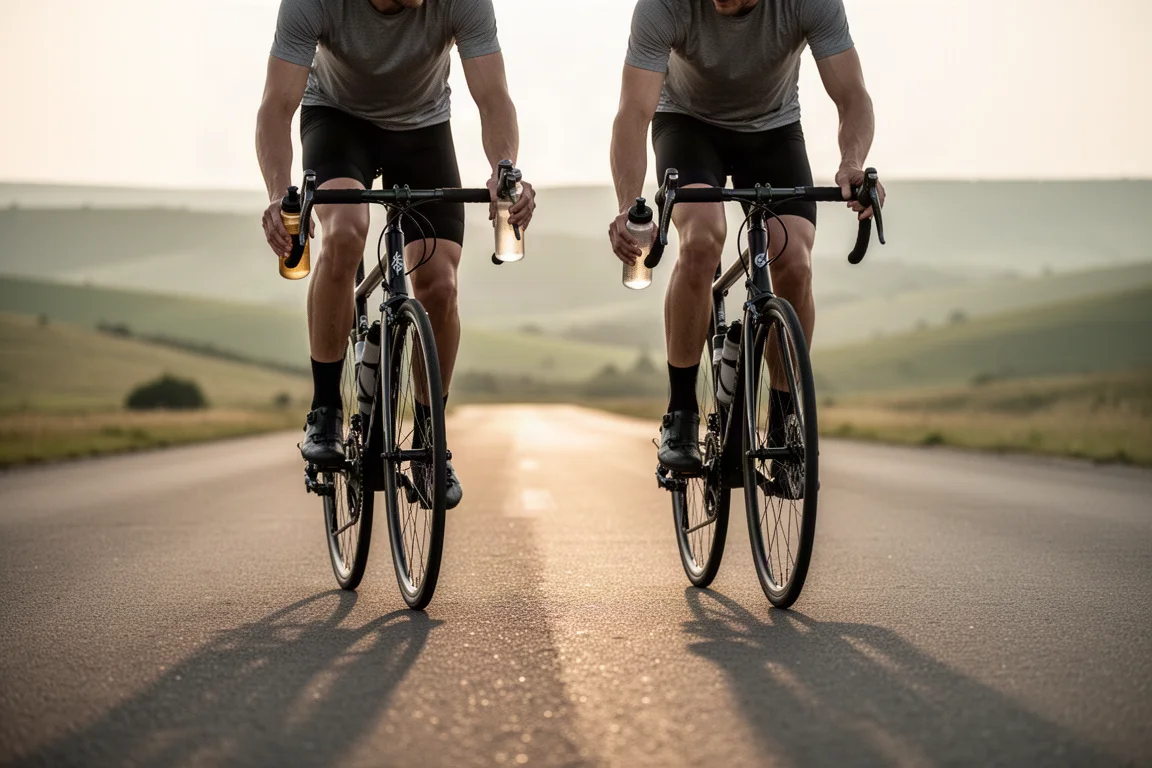
Beta Fuel has been closely tied to a WorldTour squad since its early days, where it was introduced through a staged process. Riders first tried it on training camps and training rides to see how they tolerated it and how it felt subjectively. From there it moved into stage races and one-day races, and only then into key season targets. That layered testing is part of why the products have credibility with professionals rather than being treated as a novelty.
The broader picture is that fueling has shifted on both sides of the ride. With sustained high power outputs, more carbohydrate in the tank translates fairly directly into the ability to hold a higher pace. The range is now well established as part of that shift.
Science in Sport Beta Fuel Drink
The drink is where Beta Fuel started. Each sachet contains 80 g of carbohydrate, mixed into a single bottle. It remains the most straightforward way to hit high intake numbers, because drinking is the least disruptive thing a rider can do at speed.
Its practical advantage is coverage. A bottle is easy to carry, easy to sip from, and easy to track, so a rider can build a fueling plan around a known quantity per bottle. For long road rides and races where eating solid food becomes awkward, that simplicity is the whole point.
The trade-off is that it is a concentrated solution. The same 80 g spread across a small volume makes for a thicker drink than many riders are used to, and it is worth testing on training rides before relying on it in an event.
Science in Sport Beta Fuel Gel
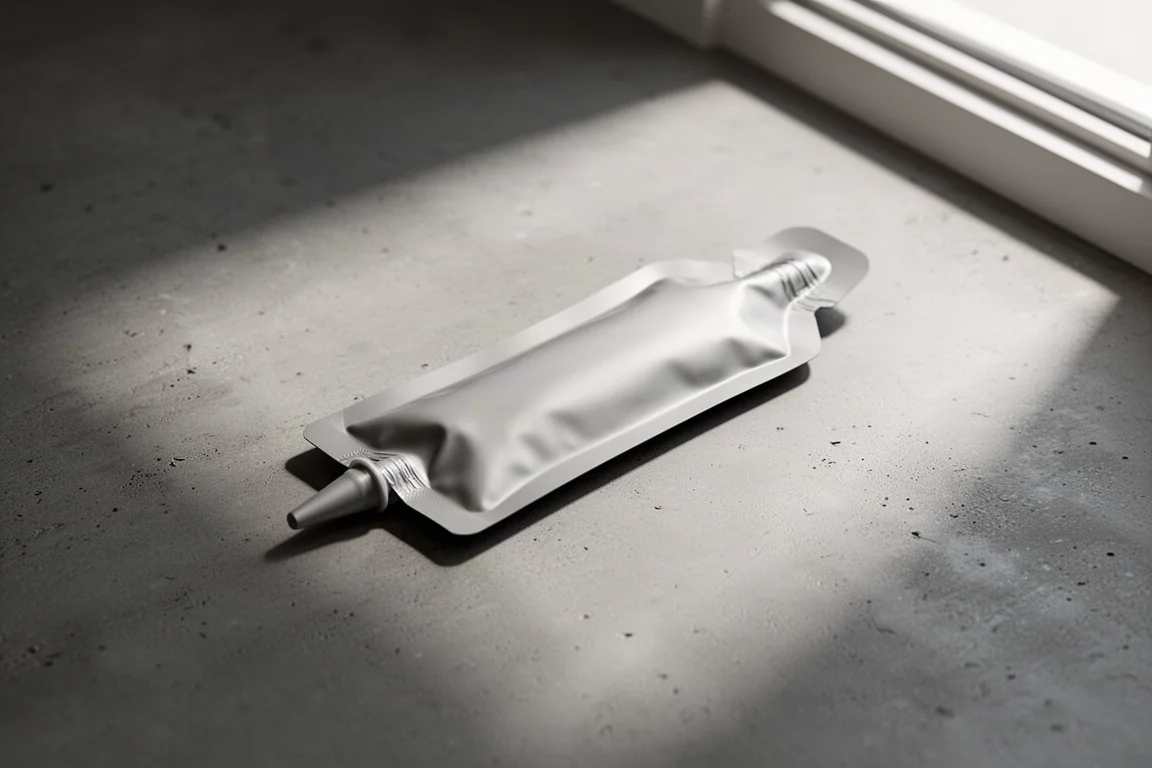
The gel delivers 40 g of carbohydrate in a single packet, which is roughly double what many conventional gels provide. That concentration is what makes it useful: a rider can reach meaningful intake numbers with fewer packets and less fumbling.
What sets it apart from a standard gel is the carbohydrate source. Typical single-source gels rely on one type of carbohydrate, whereas Beta Fuel uses a dual-source blend of maltodextrin and fructose. Each carbohydrate type is absorbed through its own specific transporter in the small intestine, so relying on a single source causes that transporter to saturate at roughly 60 g per hour. Adding fructose engages a second pathway, which allows more carbohydrate to be absorbed and delivered to the muscles. Getting the ratio of maltodextrin to fructose right is what makes that delivery system efficient.
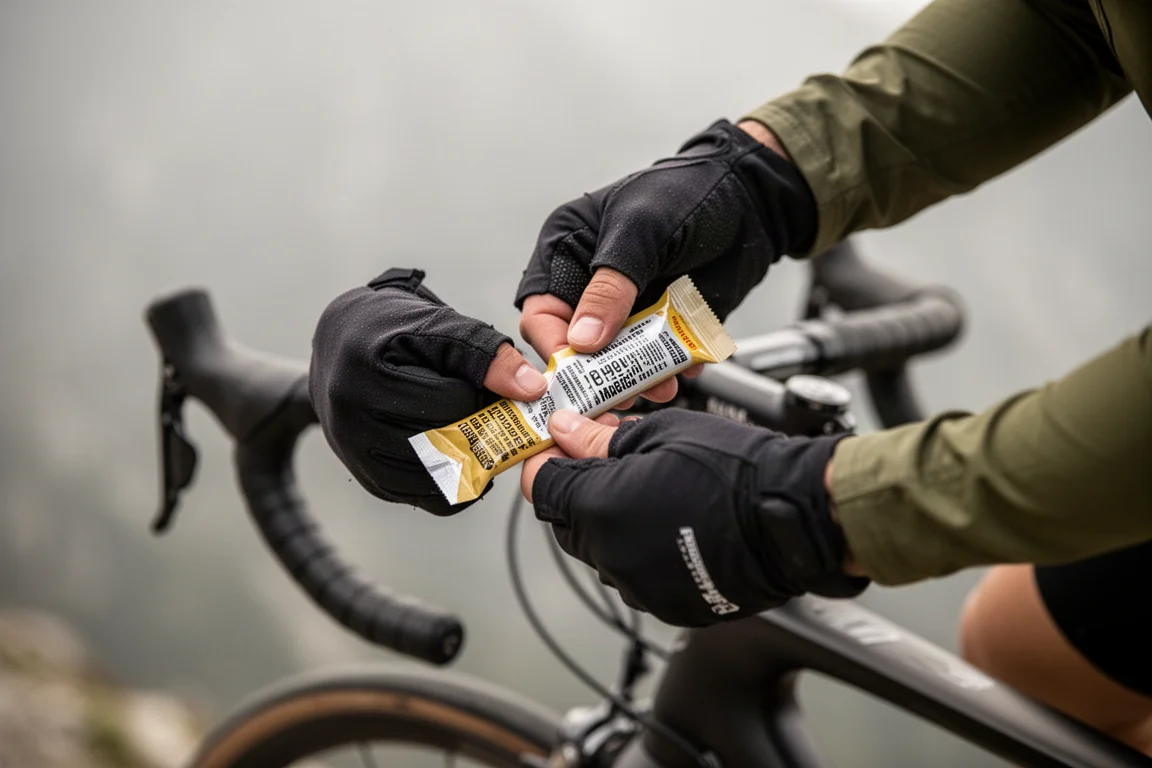
That is the technical case for the gel, but the practical case is just as strong. A 40 g packet is easy to carry in a jersey pocket and easy to take on a climb or a fast section, and it pairs naturally with the drink when a rider wants to stack intake across a long session.
Science in Sport Beta Fuel Jelly Chew
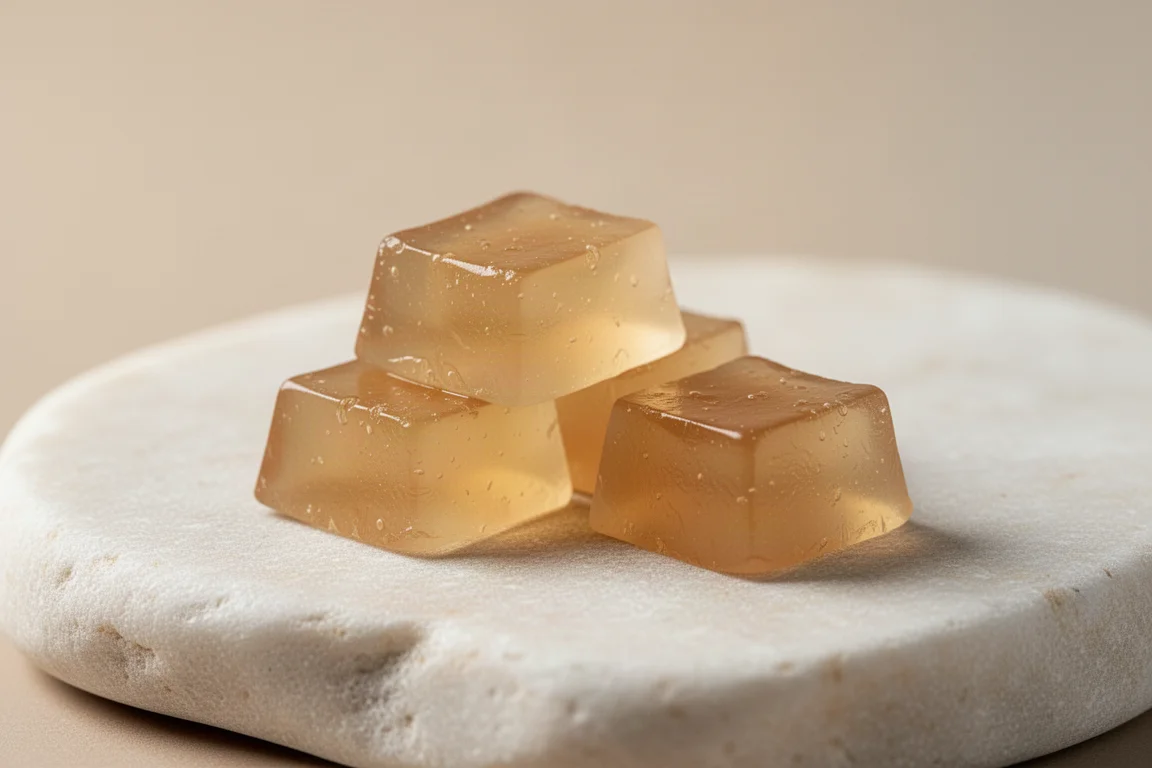
The jelly chew supplies 46 g of carbohydrate and offers something the drink and gel do not: a chewable format. Riders who find that they want something to eat rather than drink during a long effort tend to get on well with it.
The texture is closer to a jelly sweet than a cereal bar, and that difference is not cosmetic. Oat-based bars are higher in fibre and protein and provide a lower glycaemic index carbohydrate, which releases more gradually. A jelly chew behaves more like a quick-release, higher glycaemic index carbohydrate, so it delivers energy faster. Which one suits a given moment depends on whether the rider needs immediate fuel or something more sustained.
Tolerating High Carbohydrate Intake
The honest part of the high-carb story is that the gut has to be trained. When riders first moved from something like a 20 g carbohydrate drink to a mix four times as concentrated, the feedback was that it was harder to consume. It felt thicker in such a small volume, and some riders noticed more fullness in the gut. There were no reports of riders having to stop at the roadside, but adapting took a long period of consistent use.
Adoption has also been a matter of culture as much as physiology. Some riders, often those further into their careers, are hesitant about high carbohydrate intakes, either because they feel they do not tolerate them or because they have fueled a certain way for years. Watching teammates benefit tends to soften that resistance, and the range has spread through squads largely on the strength of visible results.
Who Beta Fuel Is For
The range is built for sessions where carbohydrate availability genuinely matters. Two categories stand out: rides longer than two hours, and high-intensity sessions where the demand for carbohydrate is elevated. Outside those, a standard fueling approach is usually enough.
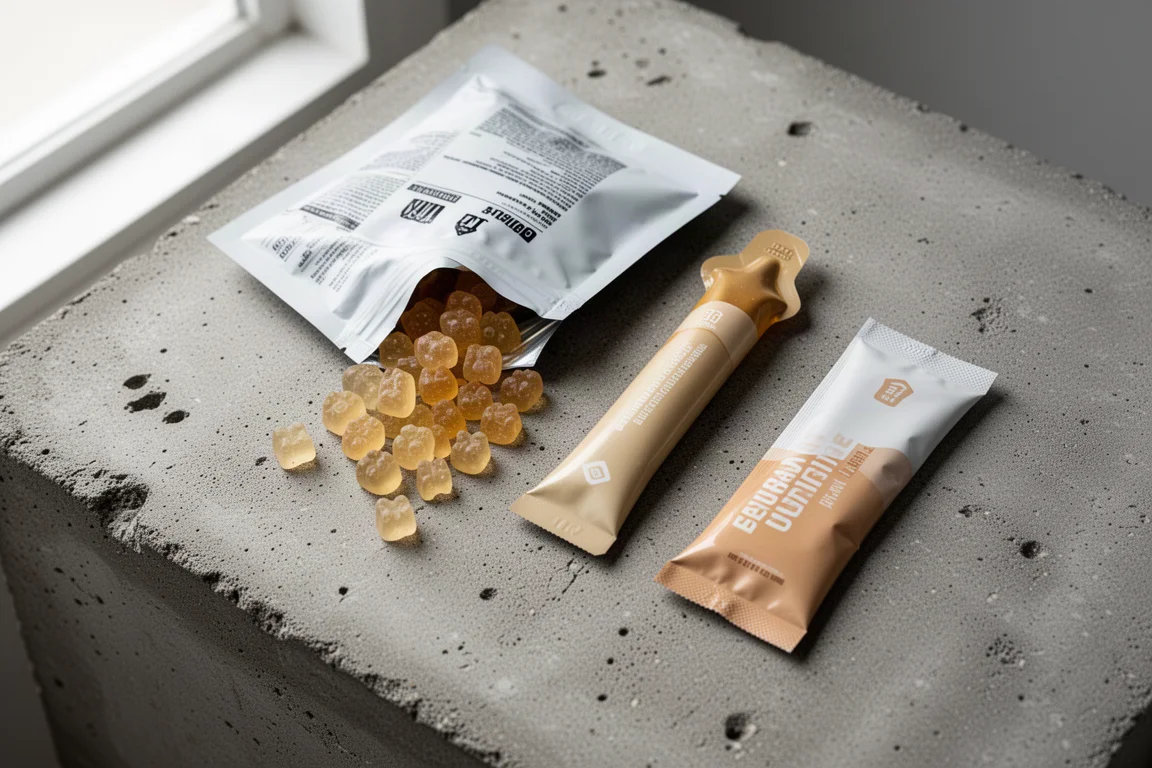
For longer efforts, aim for roughly 60 to 90 g of carbohydrate per hour. Hitting that is straightforward with a combination of a Beta Fuel gel, a jelly chew, and the drink. A gel plus a chew already puts a rider near the top of that range, which is precisely the point of making each item so concentrated.
Fueling Advice for Everyday Riders
Conditions change the maths. Beta Fuel is designed around high carbohydrate content rather than added electrolytes or sodium, and on hot days that distinction matters. Sweating heavily depletes electrolytes and sodium, which affects water balance and fluid retention, so carbohydrate intake has to be planned alongside hydration rather than in isolation.
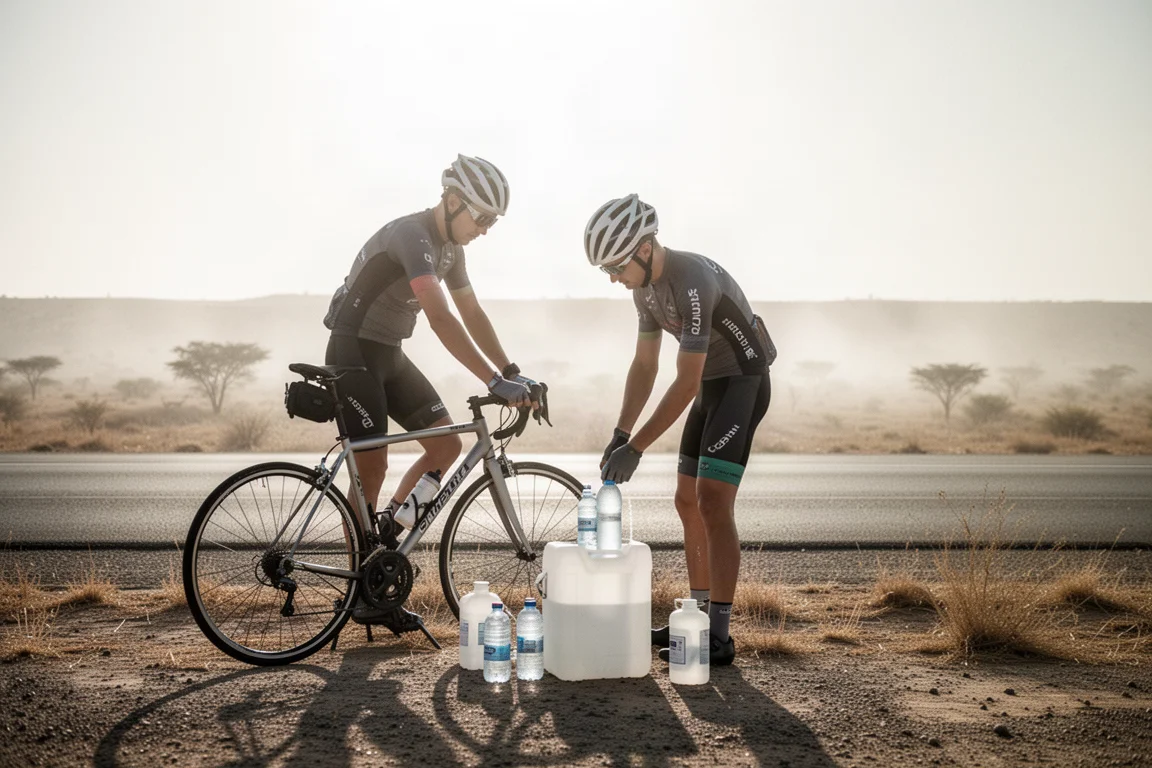
Heat also stresses the gut. Very high temperatures can compromise digestion and reduce the body’s ability to absorb carbohydrate, which in turn reduces how much energy actually reaches the muscles. In those conditions, hydration deserves at least as much attention as fueling.
It is also worth being realistic about outcomes. Even with sophisticated products and detailed plans, riders can still hit the wall. One-day classics are unpredictable, crashes happen, and feeding opportunities get missed. The cases are rare, but they exist, and no fueling strategy removes the need to stay on top of intake throughout a ride.
Conclusion
The Science in Sport Beta Fuel range earns its reputation on a clear technical idea: use maltodextrin and fructose together so the body can absorb more carbohydrate per hour than a single-source product allows. The drink, the gel, and the jelly chew each express that idea in a different format, which makes it easy to build a plan around the way you actually ride.
If your rides regularly run past two hours or include sustained high-intensity work, the range is a sensible step up. Start with one product, test it on training rides rather than on event day, and build up intake gradually. Riders who give their gut time to adapt tend to be the ones who get the most from it.
Further reading
Related Reviews
Cycling Nutrition
Best Cycling Energy and Recovery Bars: A Rider's Roundup for Race Day and Recovery
A practical look at energy and recovery bars for cyclists, covering how they open, how they taste, and whether the nutrition matches the job it claims to do.
Cycling Nutrition
Best Cycling Energy Bars 2026: A Practical Guide to Fueling on the Bike
A practical guide to the best energy and recovery bars for cycling, evaluated on taste, opening ease, and sports science.
Cycling Nutrition
Best Energy Gels: Ten Options Ranked by Packaging, Taste, and Science
Ten widely available energy gels compared on how the packet opens, how the flavour holds up, and how the carbohydrate profile fits real fuelling targets.