Sports Nutrition
Best Energy Gels Ranked: 13 Brands Tested From Budget to Premium
A practical ranking of 13 energy gels from cheapest to most expensive, tested for taste, texture, ease of use, and real-world performance.
Introduction
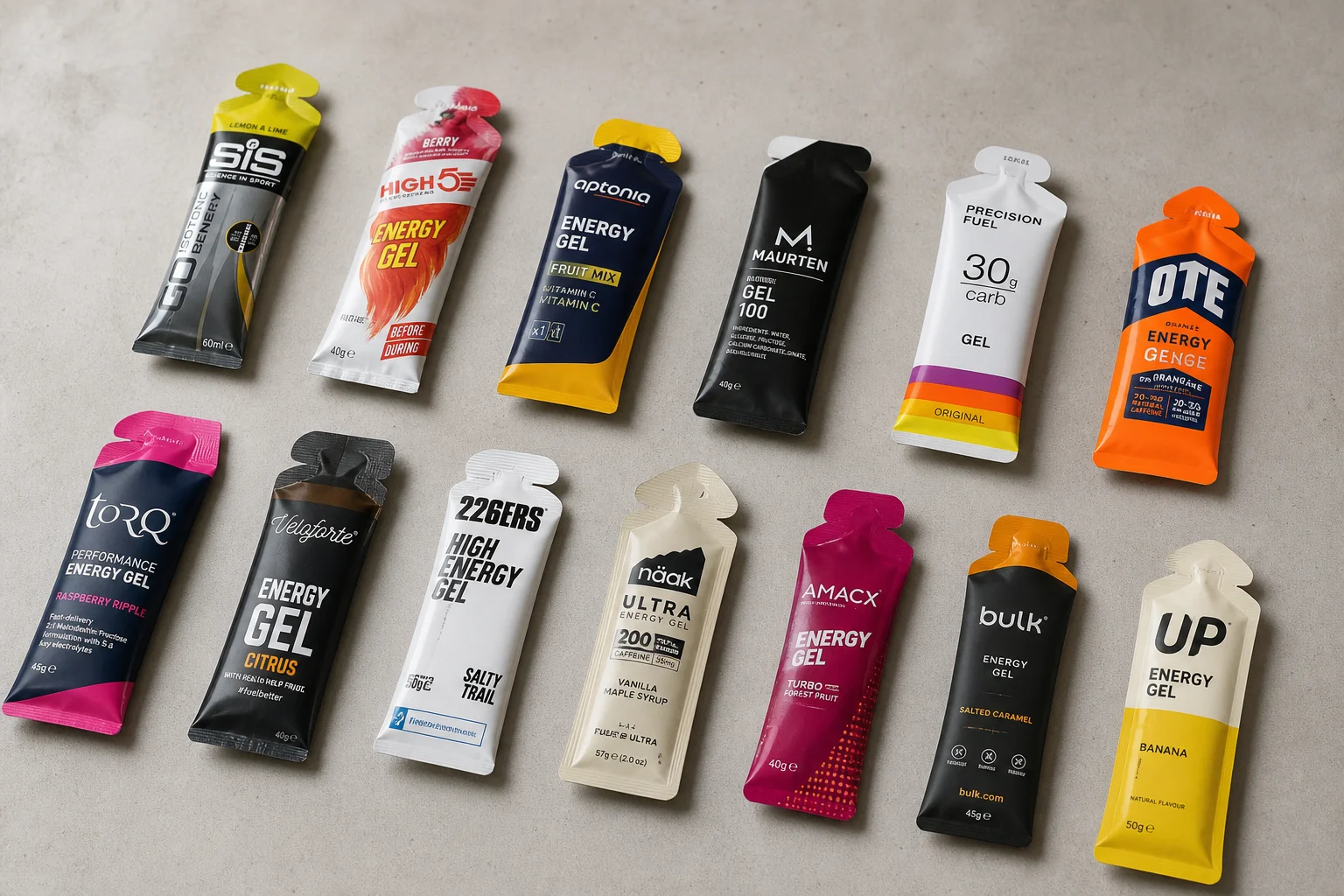
Energy gels are a staple for endurance athletes, but with so many brands available at different price points, choosing the right one can feel overwhelming. This ranking evaluates 13 popular energy gels across taste, texture, ease of opening, carbohydrate content, and practical race-day performance. The gels range from budget options at around £1.49 to premium choices at £3.60 per packet, and the differences in consistency, flavour, and digestibility are significant.

The key metric across all gels is carbohydrate content, which typically ranges from 19g to 50g per packet. For endurance running, most athletes aim for 60 to 90 grams of carbs per hour, which means gel selection directly affects how many packets you need to carry and consume during a race.
Budget Gels: High5 and Lucozade Sport
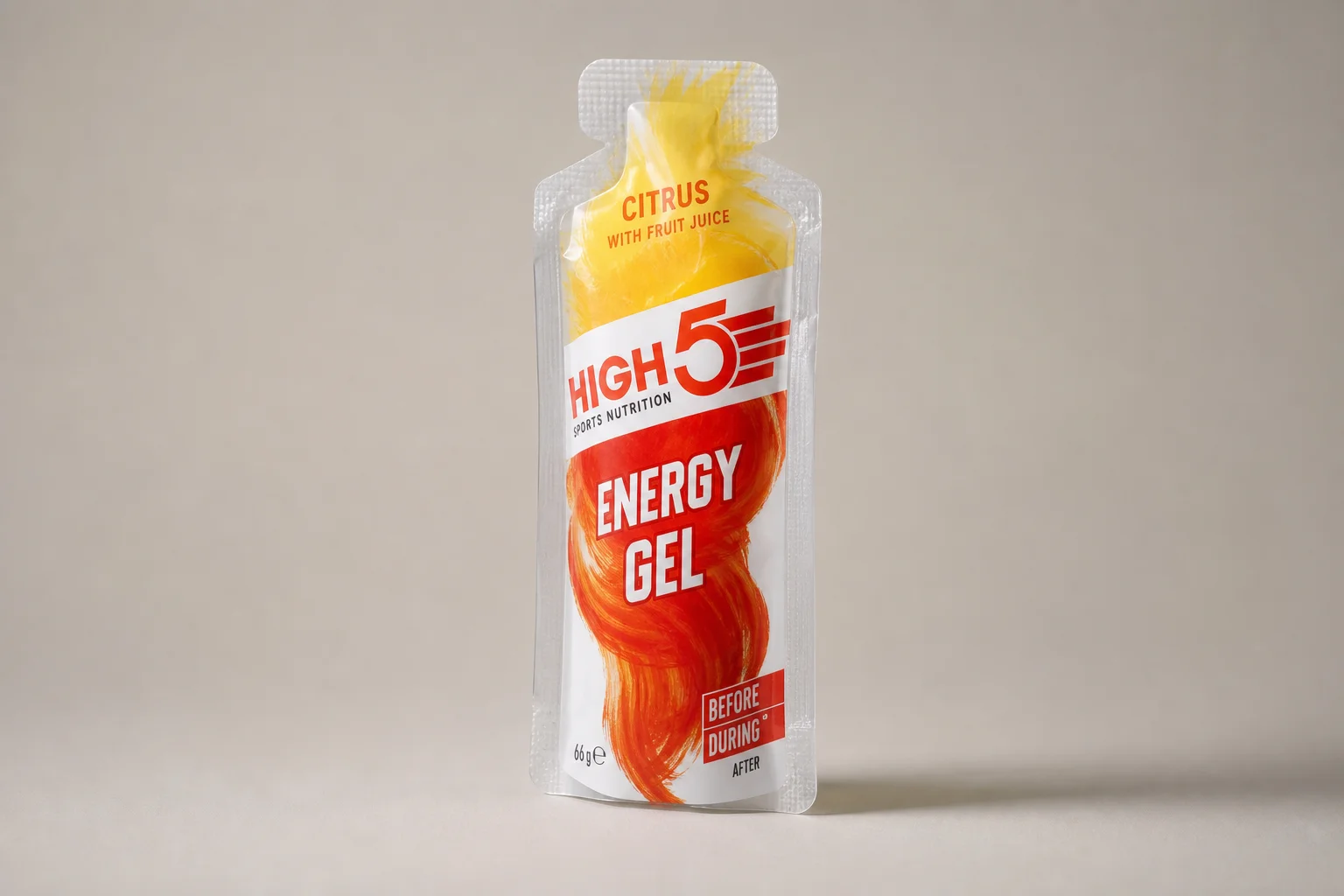
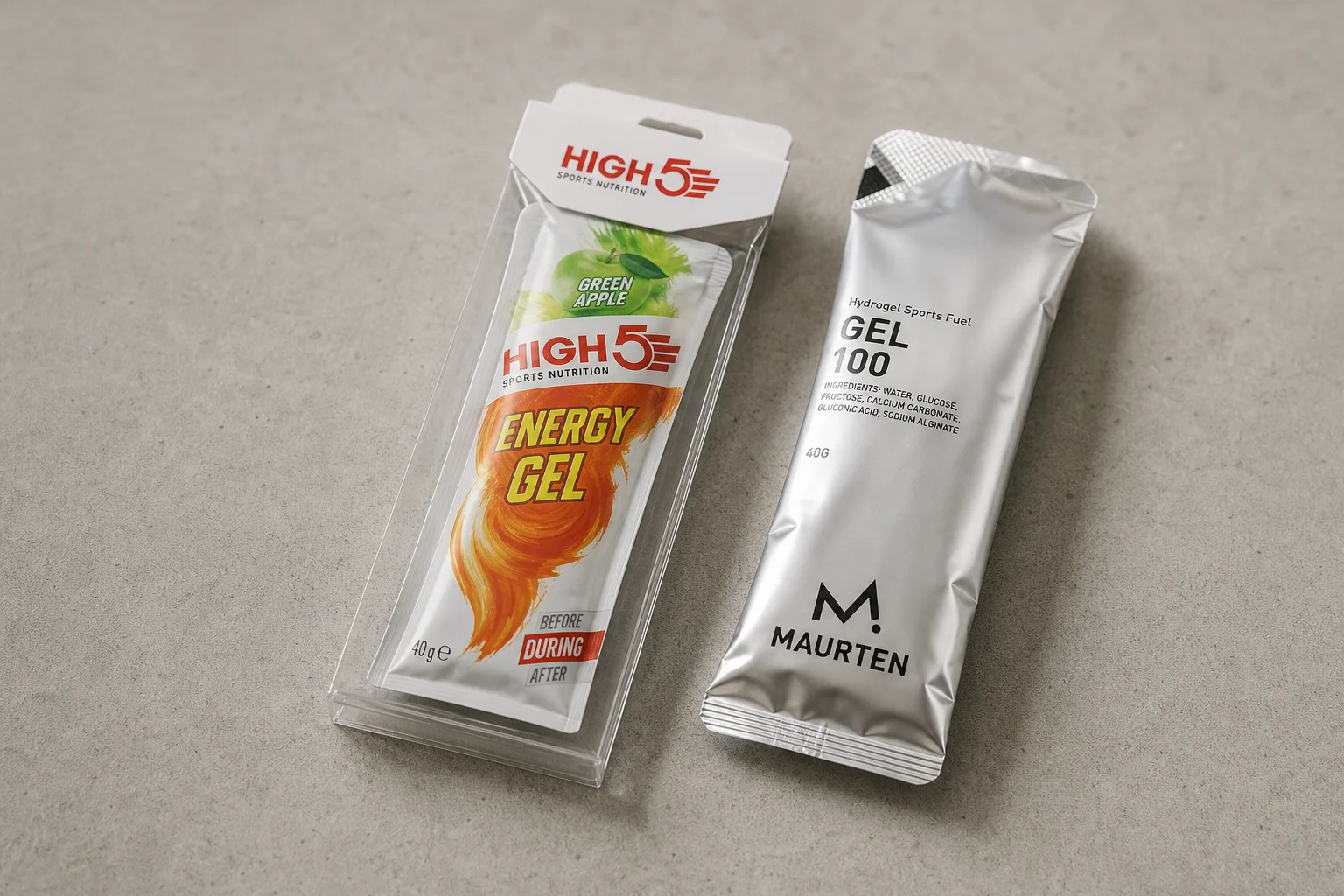
High5 Energy Gel is the cheapest option tested at £1.49 per packet, with 23g of carbohydrates. The gel has a very watery consistency that some find too thin, making it feel less substantial during a run. The taste is medicinal and not particularly appealing to most palates. While the price is attractive, the low carb content and thin texture make it a “use if it’s around” option rather than a deliberate choice for training or racing.
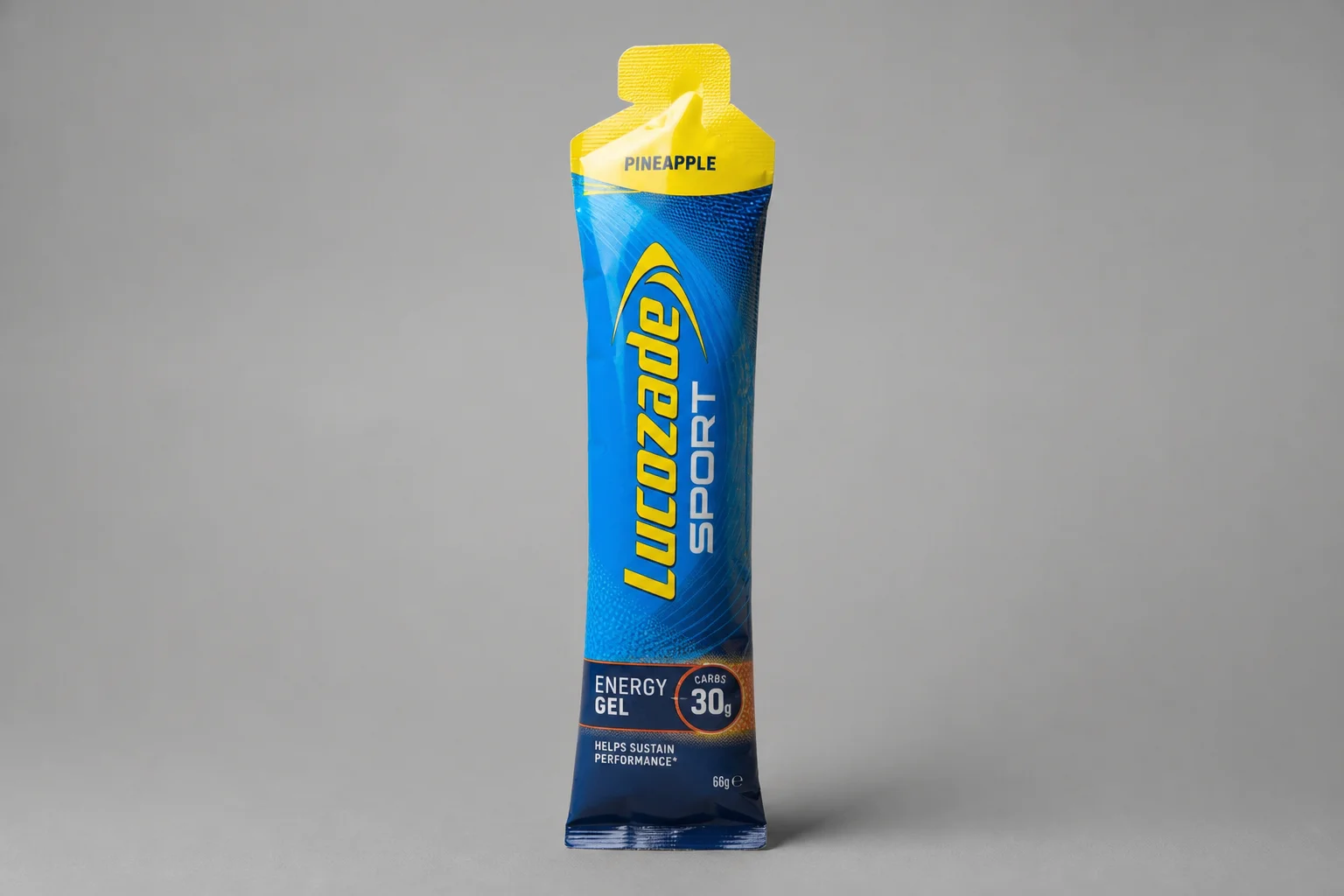
Lucozade Sport Gel costs £1.60 and delivers 30g of carbs, a meaningful increase over High5. The orange flavour is noticeably nicer than High5, but the packet is harder to open, which becomes a real problem when you are mid-run and fatigued. The gel has a slightly sticky texture that some find off-putting. Overall, it rates as a “use if it’s around” gel, but the difficulty opening it during a run is a genuine drawback.
Mid-Range Standouts: SIS and Active Root
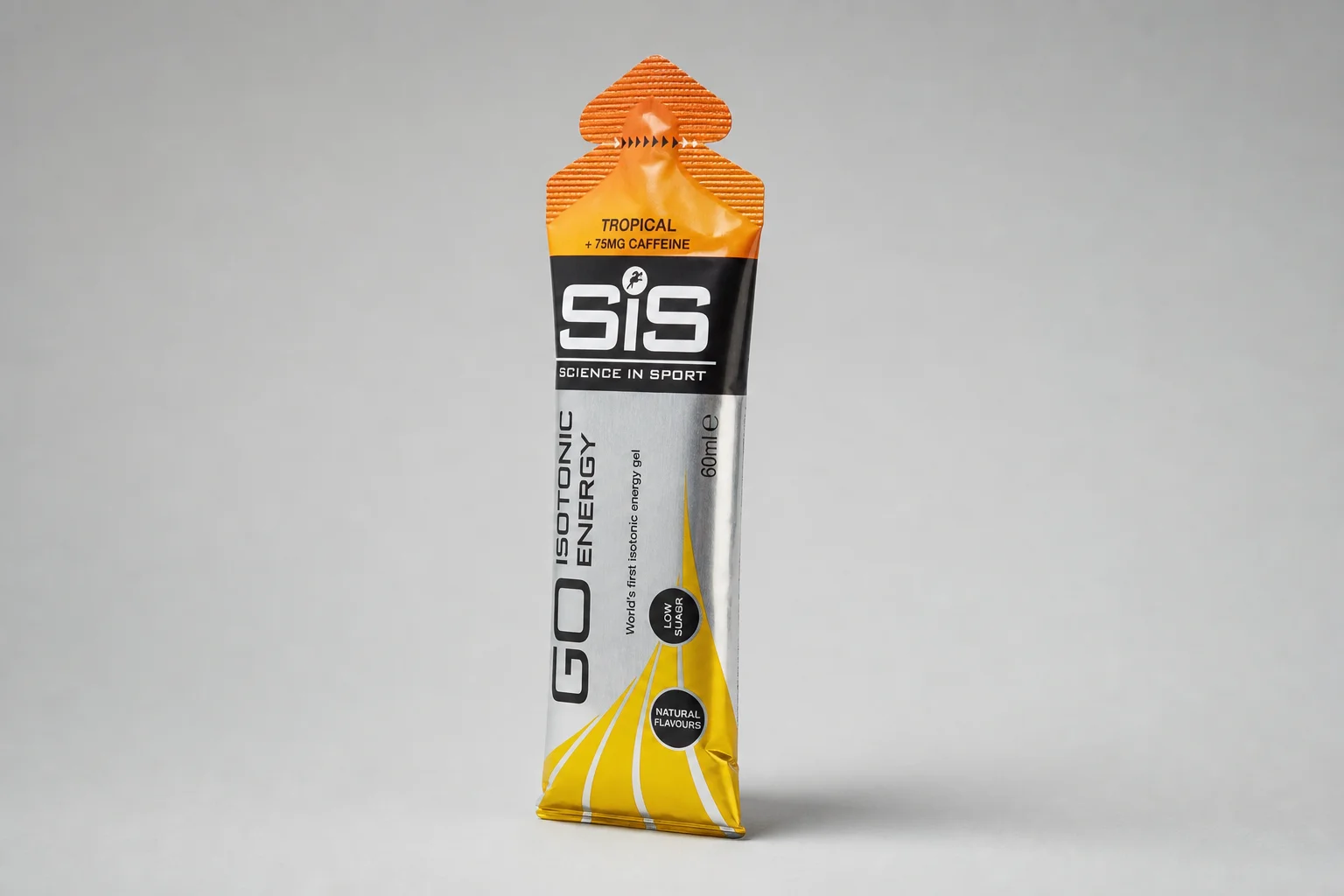
Science in Sport GO Isotonic Energy Gel (standard tropical flavour) costs £1.75 and contains 22g of carbs. This is the gel that delivers the best balance of consistency, ease of use, and taste in the mid-range. The texture is neither too watery nor too thick, with a jelly-like consistency that goes down easily. It opens very simply and the flavour is pleasant without being overwhelming. This gel is ideal for half marathons and shorter races where you might use two to three packets. It ranks as a race gel and is particularly suited to athletes who prioritise consistency and reliability.
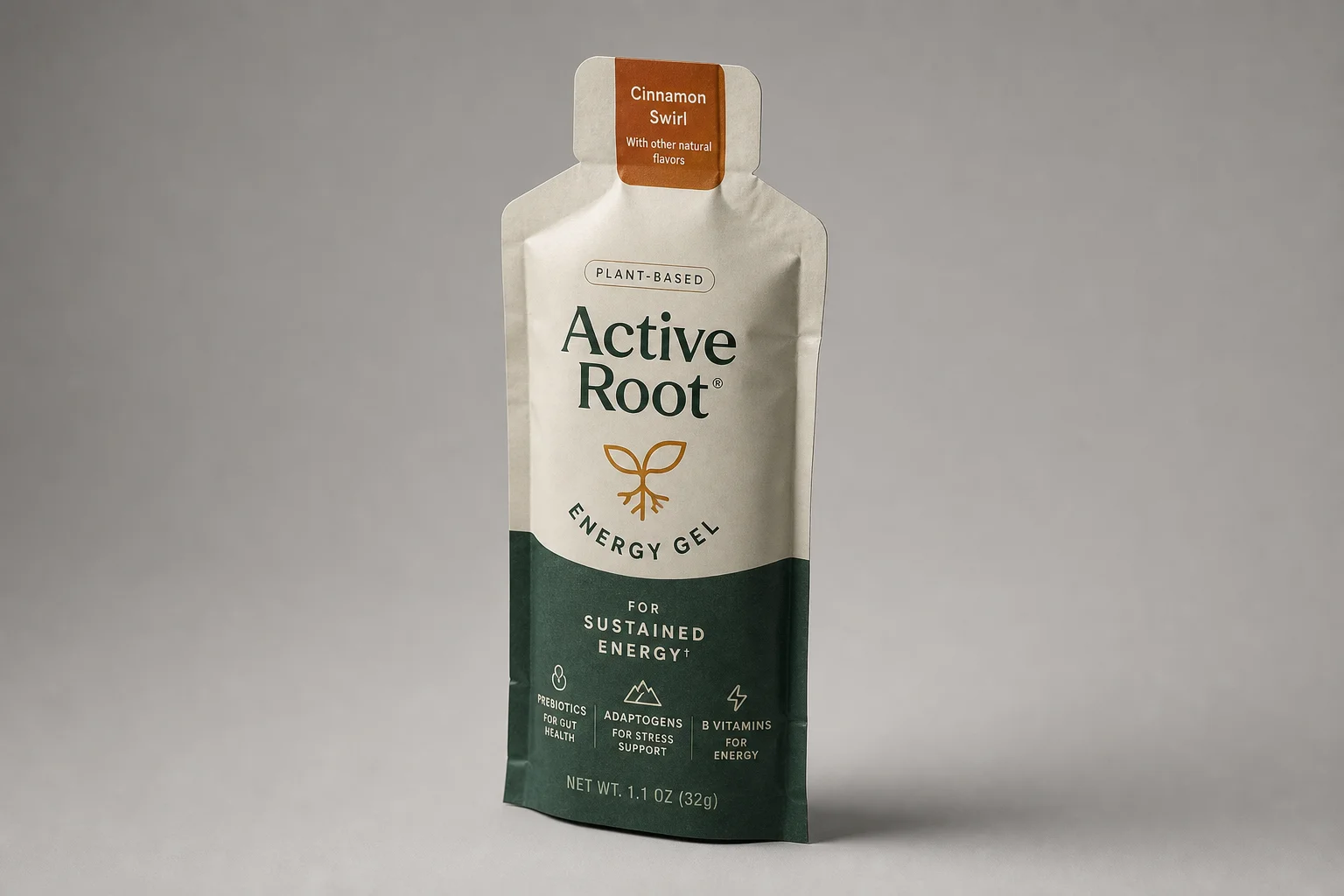
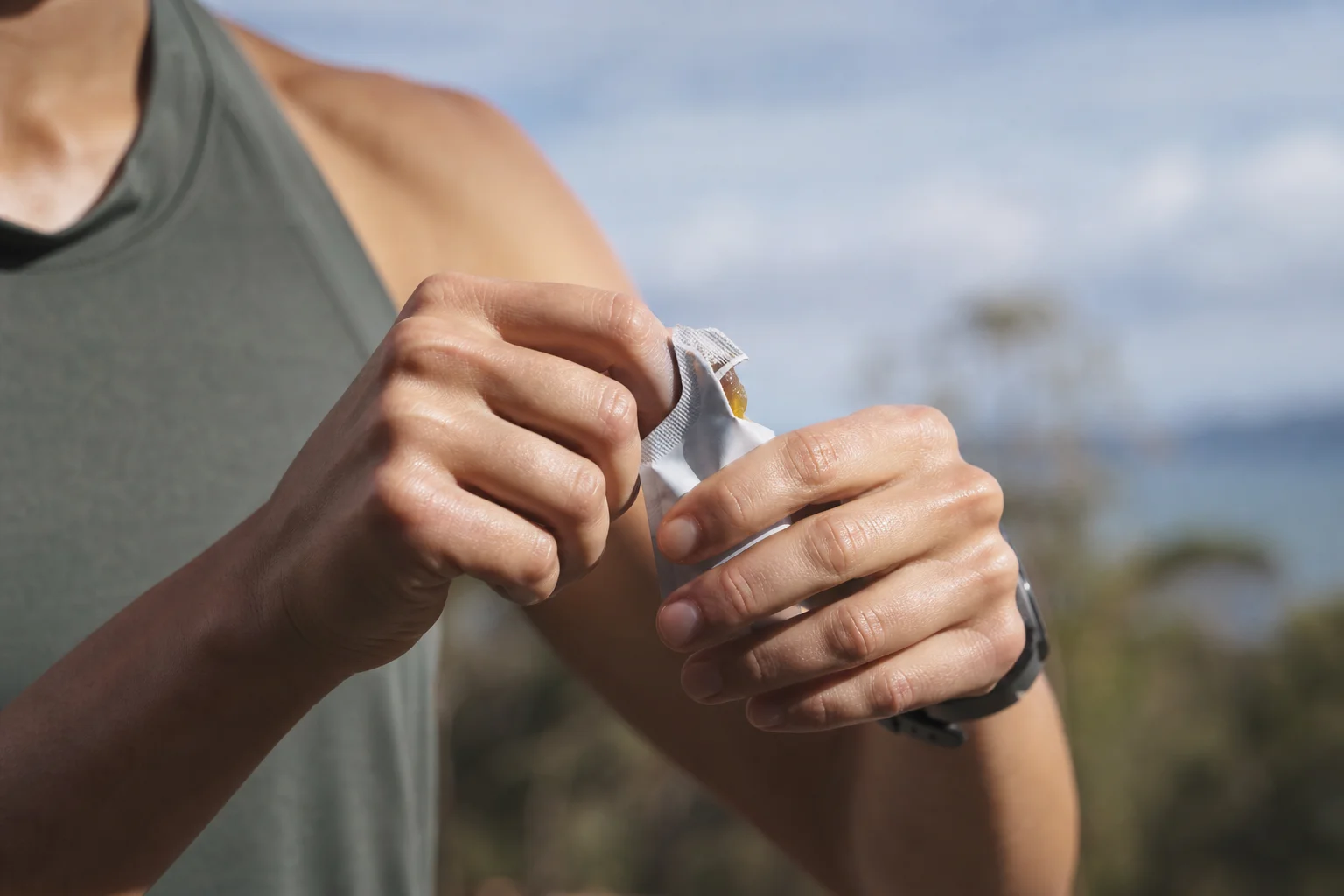
Active Root Energy Gel at £1.95 offers 30g of carbs and comes with a clever stick-on tab that makes opening easier. The rhubarb flavour is polarising, with some finding it sickly and others appreciating the unique taste. The gel has good texture and the higher carb content is valuable, but the flavour intensity makes it less versatile for long races. It rates as a “use if it’s around” gel rather than a first choice, though the stick tab is a genuine convenience feature.
Mid-Range Performance Gels
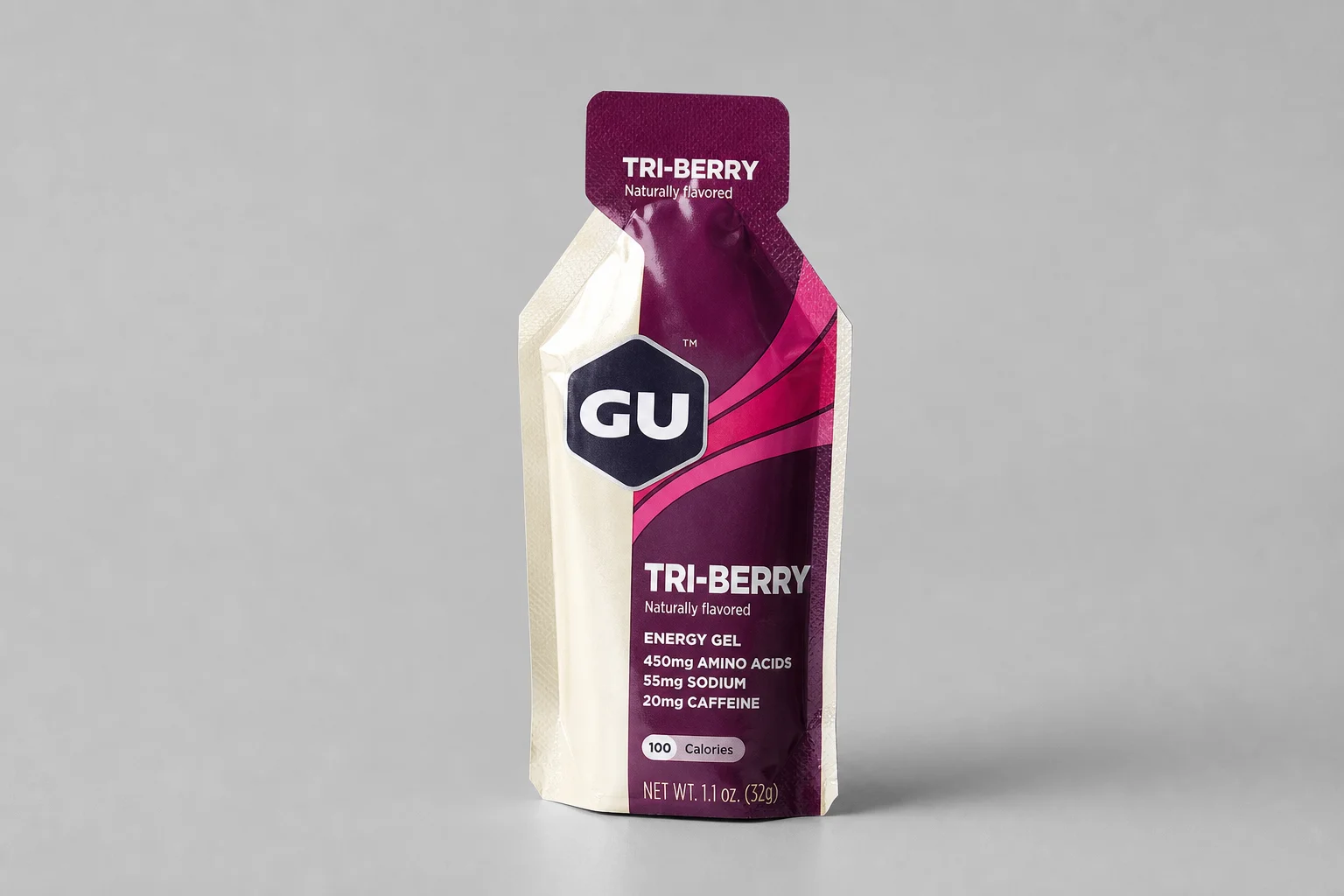
GU Energy Gel in chocolate outrage flavour costs £2.50 and contains 20mg of caffeine. The chocolate flavour is extremely rich and thick, making it feel more like eating a chocolate bar than consuming race fuel. The thickness and stickiness make it uncomfortable to consume while running, especially on warm days. Most runners would avoid this flavour during a race, though it might appeal as a post-run treat. It ranks in the avoid category for running purposes.
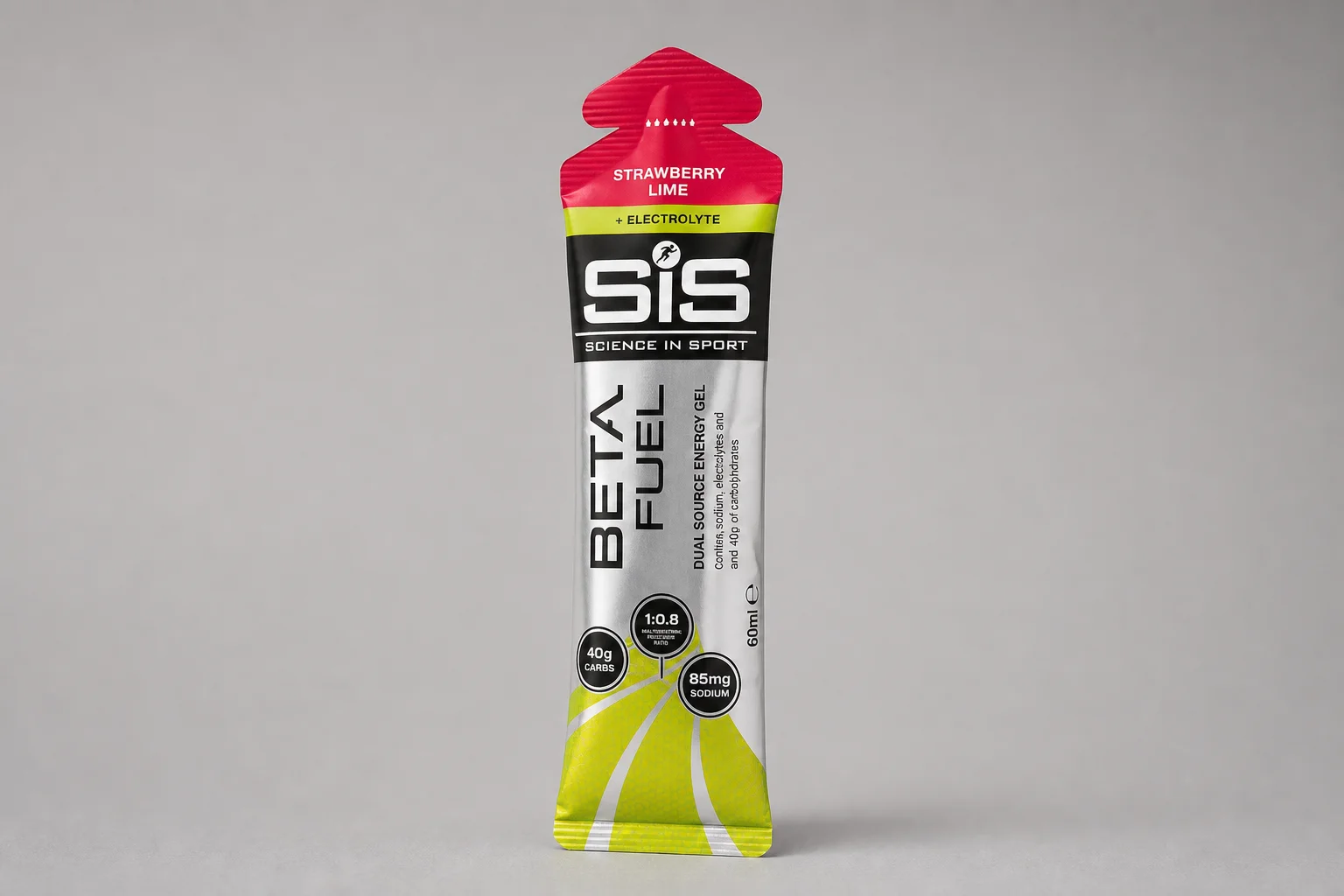
Science in Sport Beta Fuel in strawberry and lime flavour is priced at £2.20 and contains 40g of carbs, making it one of the best value options for carbohydrate density. The flavour is pleasant and not overly sweet, the texture is smooth and easy to consume, and it opens very easily. With 40g of carbs, you only need one of these for every two of the standard SIS gels, making it highly efficient for marathon running. This is a genuine race gel that delivers both taste and performance. It ranks as a top-tier race gel and is particularly suited to longer distances.
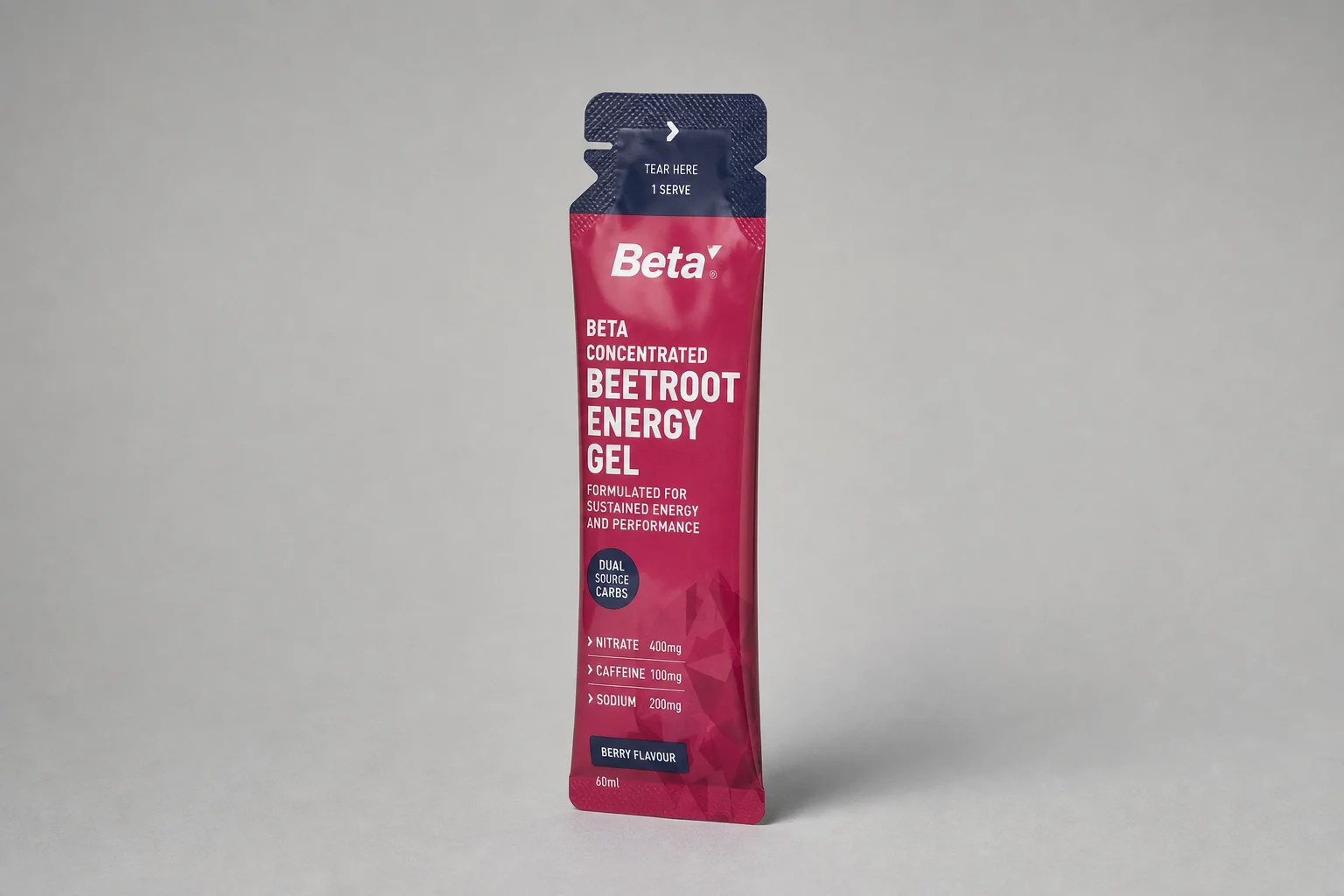
Beta Concentrated Beetroot Energy Gel at £2.25 contains 30g of carbs and features beetroot flavour with added nitrates. The beetroot taste is strong and polarising, and while nitrates may offer performance benefits, the flavour is difficult to tolerate during a run. The gel caused digestive issues for one tester, requiring a quick bathroom stop mid-run. It rates as “not for us” and has moved down to avoid status due to the digestive impact. The beetroot flavour is simply too intense for most runners to use during a race.
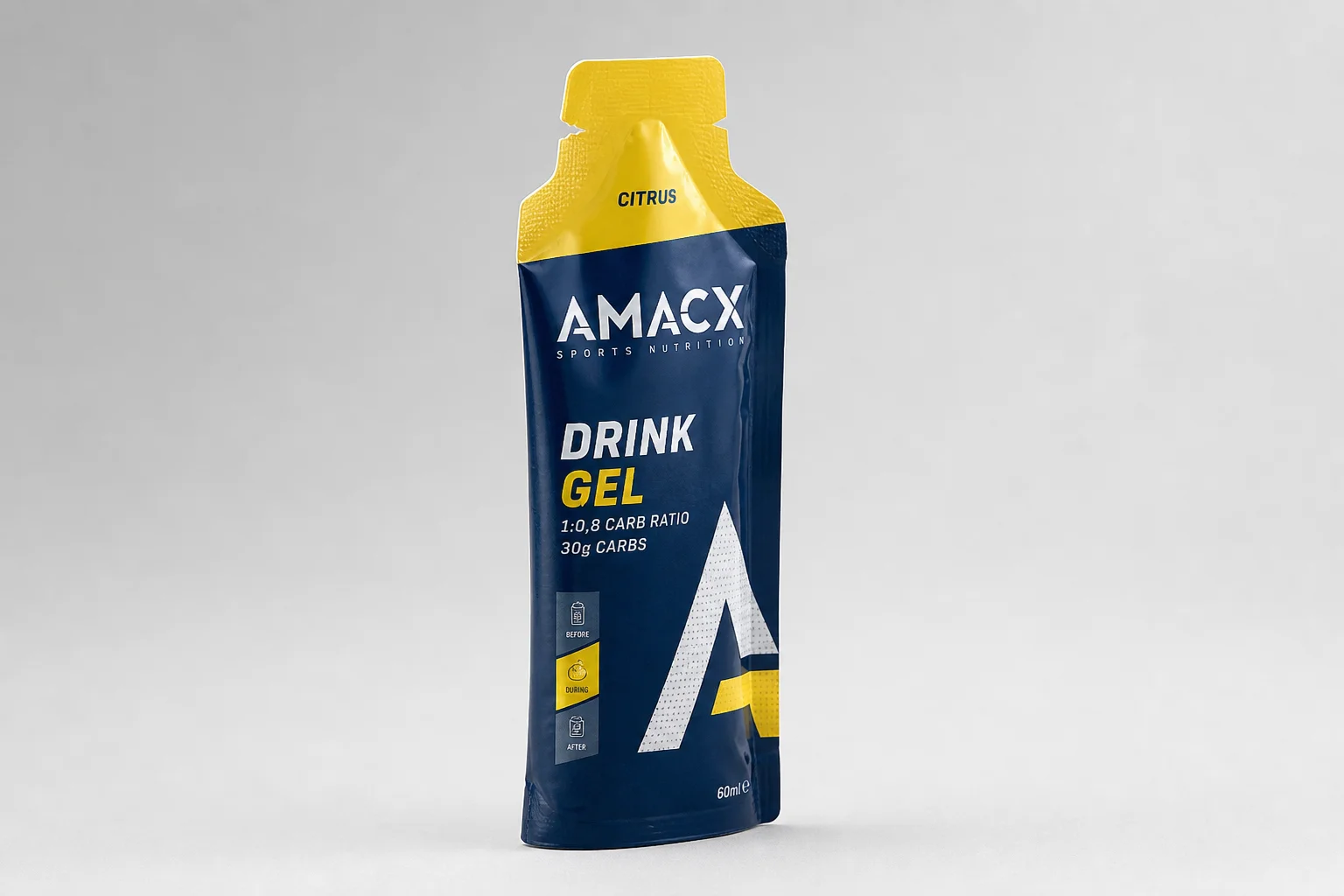
Amacx Drink Gel at £2.25 is a citrus-flavoured drink gel with 30g of carbs and a 60ml volume. The consistency is more liquid than typical gels, making it feel refreshing rather than thick. The citrus flavour is pleasant and reminiscent of a sports drink rather than a gel. This is an excellent choice for training in hot conditions, particularly when you want something refreshing rather than dense. It rates as a training gel and is best suited to warm-weather workouts where a lighter, more drinkable consistency is preferable.
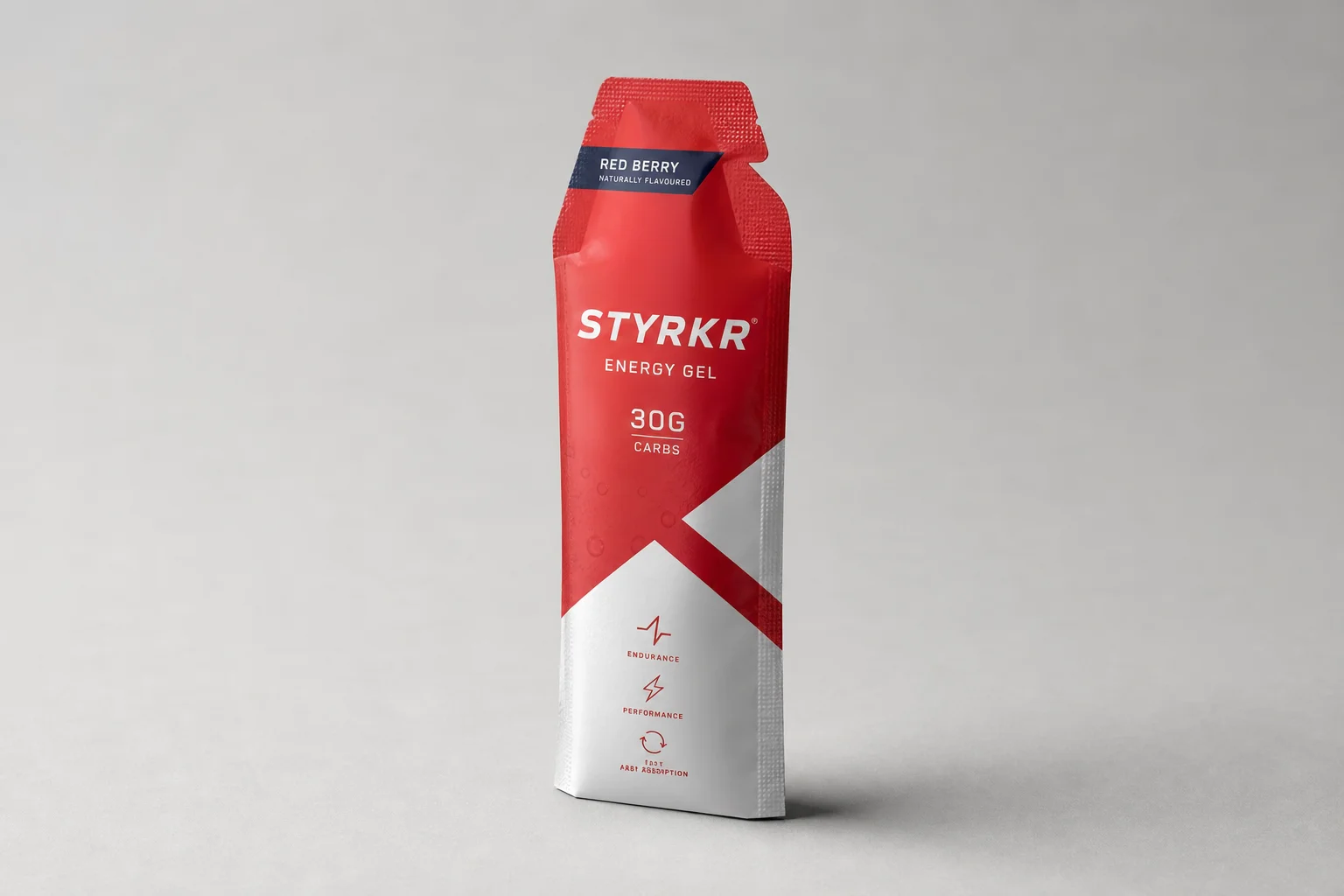
Styrkr Energy Gel costs £2.29 and contains 30g of carbs with natural red berry flavouring. The gel is slightly difficult to open, but once consumed, the taste is pleasant and not overly sweet. The texture is good and the flavour is subtle enough that it would not cause flavour fatigue over a long race. Despite the opening difficulty, this gel rates as a race gel and is a solid mid-range option for runners who want reliable performance without extreme thickness or sweetness.
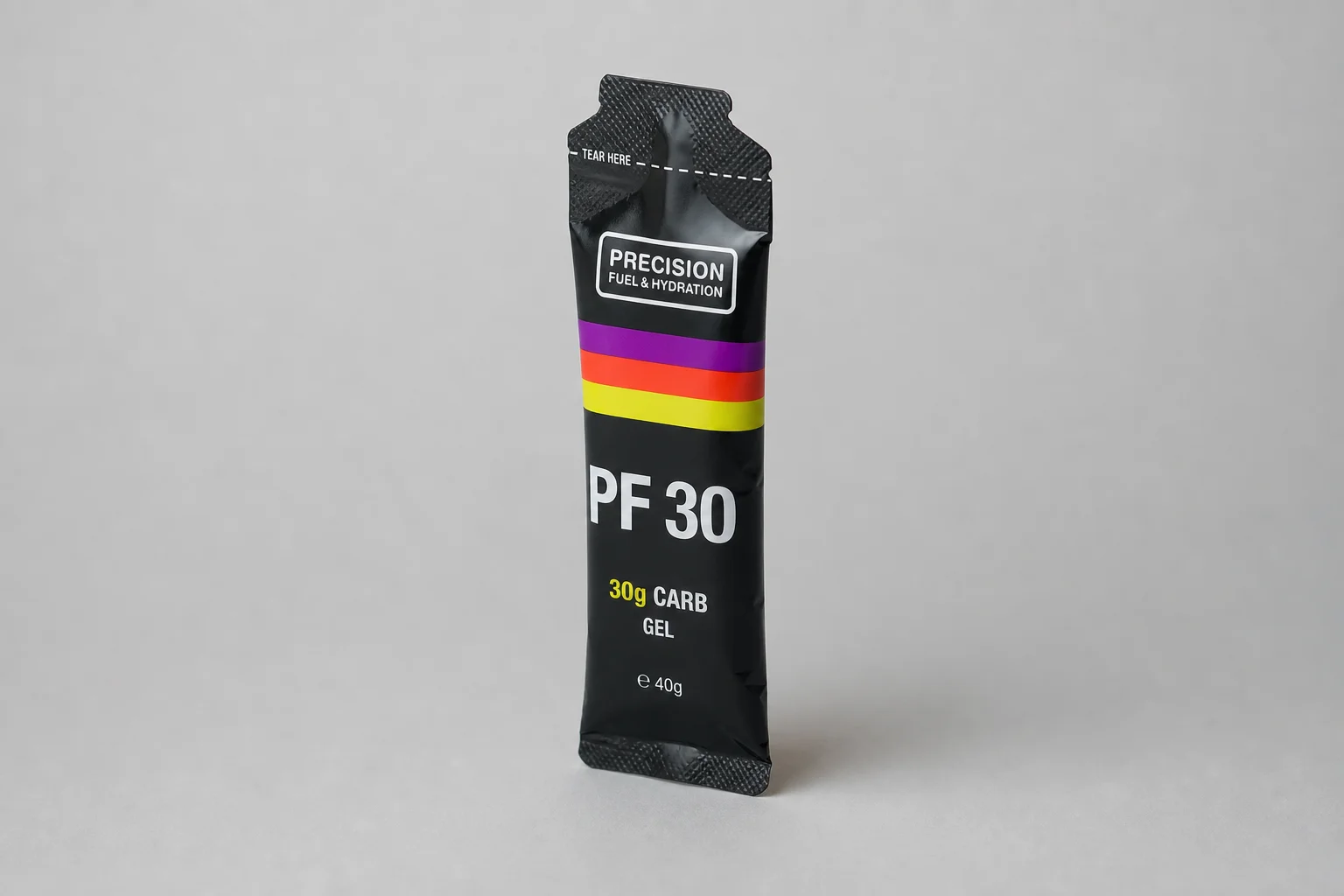
Precision Fuel and Hydration PF 30 costs £2.37 and contains 30g of carbs in the smallest packet tested. The gel is flavorless, which is a genuine advantage for long races where flavour fatigue becomes a problem. However, the small size makes it awkward to consume while running, and the thickness is slightly higher than ideal for runners who prefer thinner gels. The compact size is useful for minimising pack weight, but the flavorless profile and thickness make it a training gel rather than a race gel. It is best suited to runners who are concerned about space and weight.
Premium Options and Final Verdict
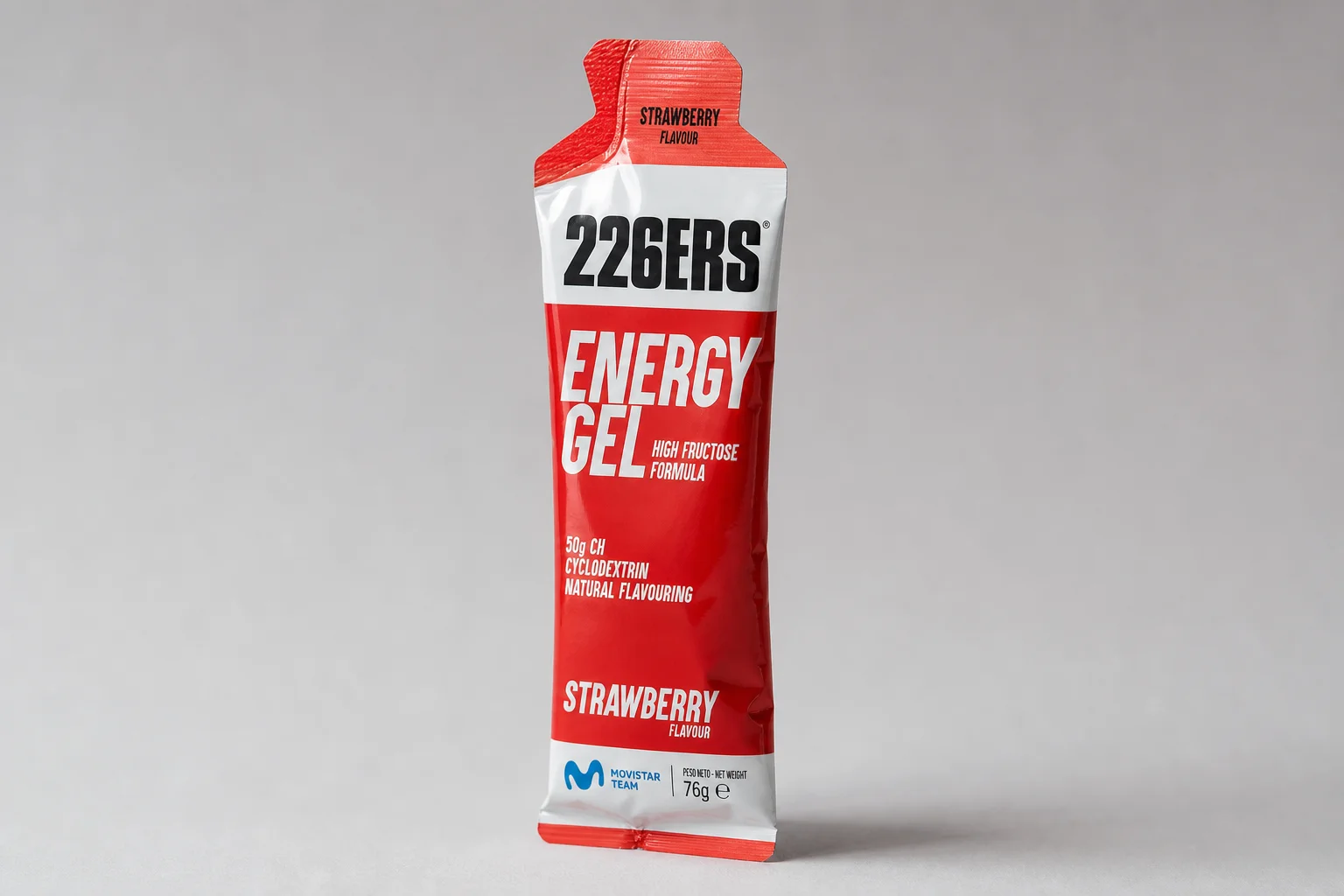
226ERS Energy Gel at £2.90 contains 50g of carbs and 250mg of sodium, the highest sodium content of any gel tested. The strawberry flavour is very intense and the gel is quite sticky, making it uncomfortable to consume during a run. While the high carb content is attractive, the strong flavour and sticky texture make it difficult to use for extended periods. The gel rates as “not for us” due to the overwhelming flavour intensity and sticky mouthfeel, despite the high carbohydrate density.
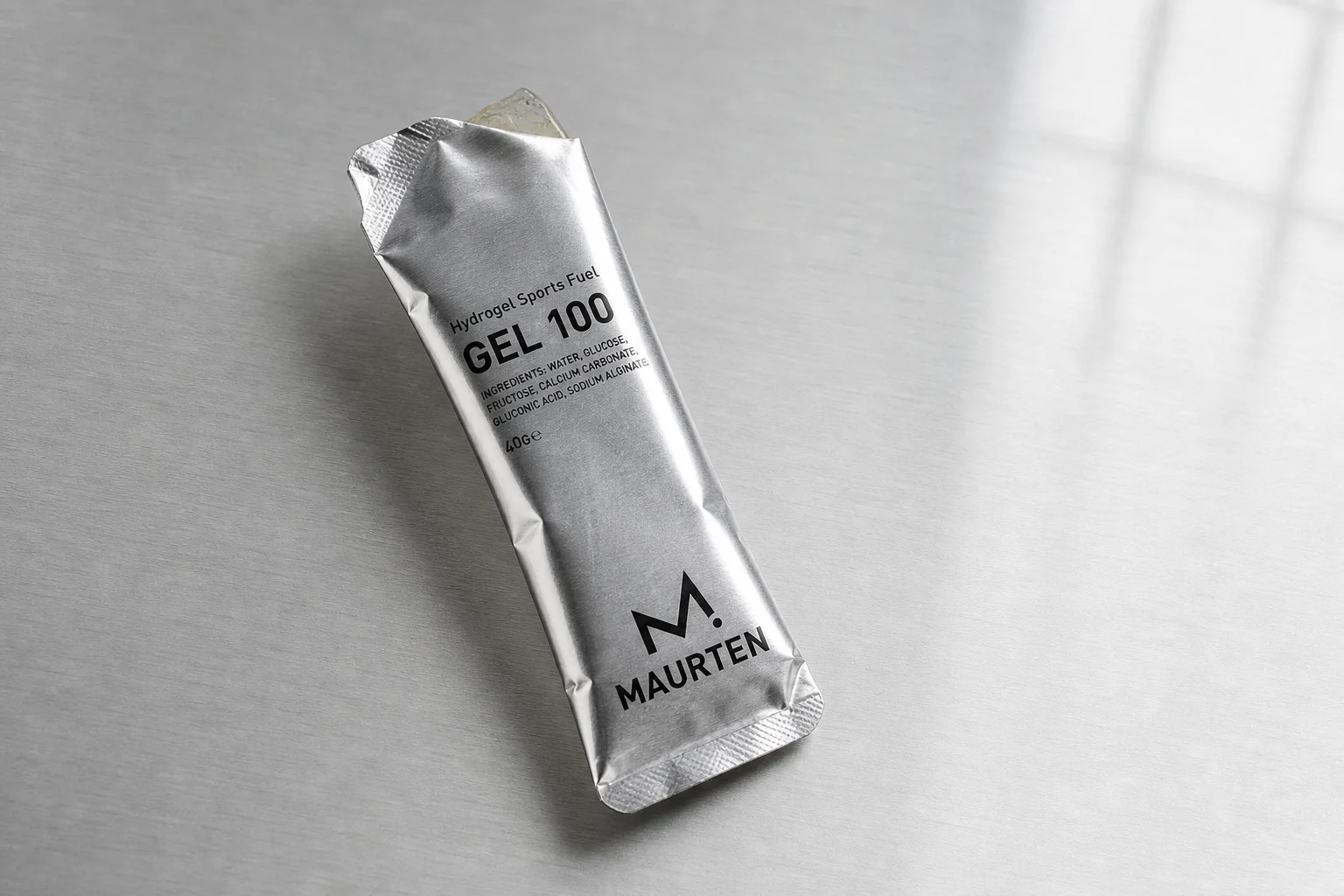
Maurten Gel 100 is the most expensive option at £2.95 for a 25g packet, with 19g of carbs. The gel is extremely thick, the thickest of all options tested, making it very difficult to consume while running. The high price combined with the low carb content and extreme thickness make it impractical for most runners. While Maurten makes excellent caffeine gels and drink mixes, this particular gel is too thick and too expensive to recommend. It rates firmly in the avoid category.
The final tier list places Science in Sport Beta Fuel and the standard SIS GO Isotonic gel at the top as reliable race gels, with Styrkr as a solid alternative. Most other gels fall into the “use if it’s around” or “training only” categories. The GU chocolate, Maurten, and 226ERS gels are best avoided due to thickness, price, or flavour intensity. For most runners, sticking with a proven gel like SIS Beta Fuel for racing and SIS GO for training provides the best balance of cost, taste, and performance.

Conclusion
Choosing an energy gel comes down to personal preference, but consistency, ease of opening, and carbohydrate density are the most important factors. Budget gels like High5 and Lucozade Sport work in a pinch, but mid-range options like SIS Beta Fuel offer significantly better value and performance. Premium gels do not necessarily perform better, and some of the most expensive options are actually the least practical for real-world running. The best approach is to test gels during training before committing to them for a race, and to stick with a proven option once you find one that works for your digestive system and taste preferences.
Further reading
Related Reviews
Sports Nutrition
Best Electrolyte Drinks 2026: 13 Products Tested for Taste and Performance
A comprehensive taste test and breakdown of 13 electrolyte products, from powders to tablets, with real-world performance insights for runners and endurance athletes.
Sports Nutrition
Budget vs Premium Energy Gels: Do Expensive Brands Really Perform Better?
Testing High5 and Maurten gels head-to-head reveals that cheaper doesn't always mean worse, and expensive doesn't automatically mean better. Here's what actually matters.
3D Scanning Equipment
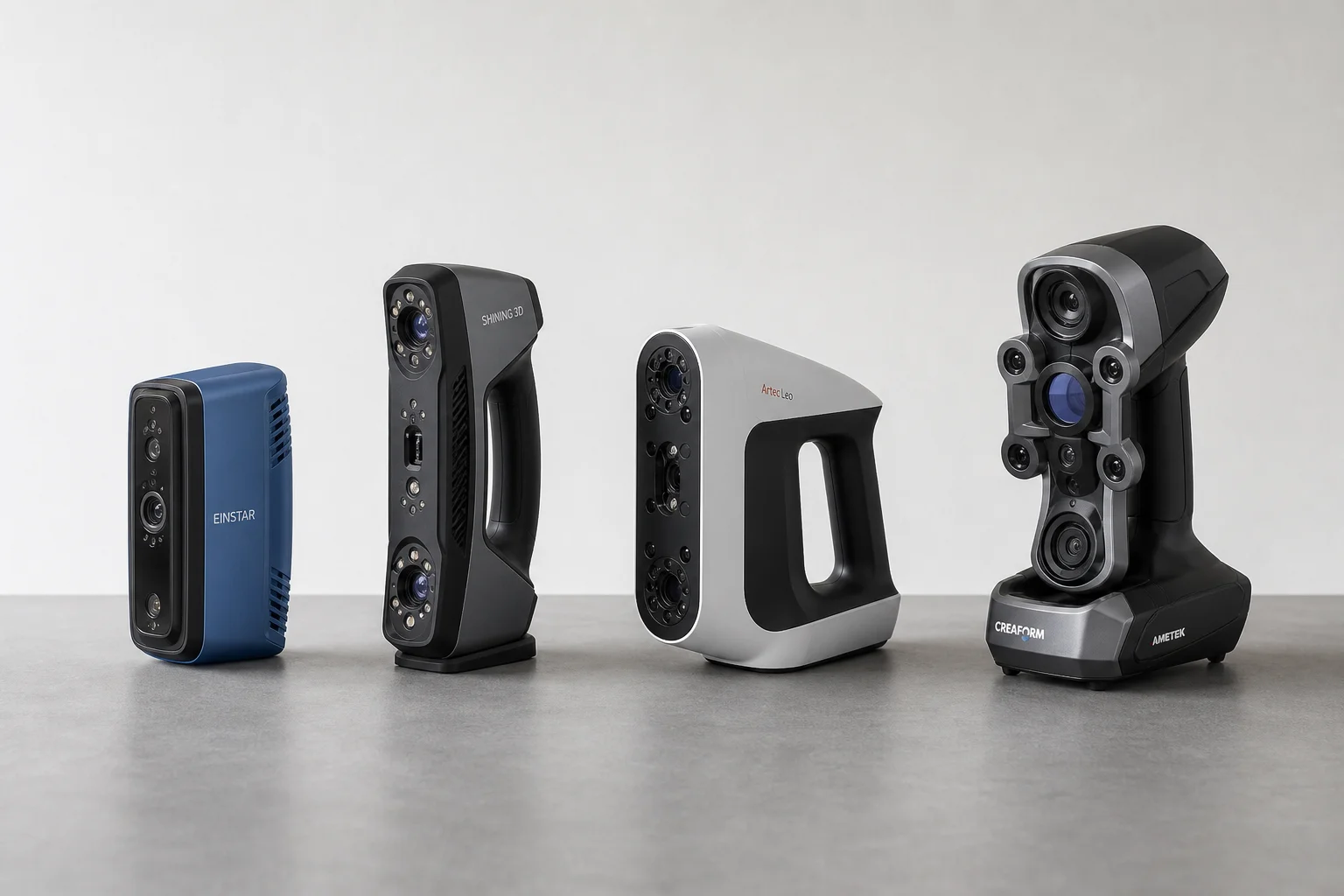
Best 3D Scanners Under $1000: Four Practical Options for Enthusiasts
A detailed comparison of four sub-$1000 3D scanners for larger scans and detailed parts, tested on real projects with accuracy measurements and usability insights.