Cycling Nutrition
Best Cycling Energy and Recovery Bars: A Rider's Roundup for Race Day and Recovery
A practical look at energy and recovery bars for cyclists, covering how they open, how they taste, and whether the nutrition matches the job it claims to do.
Introduction
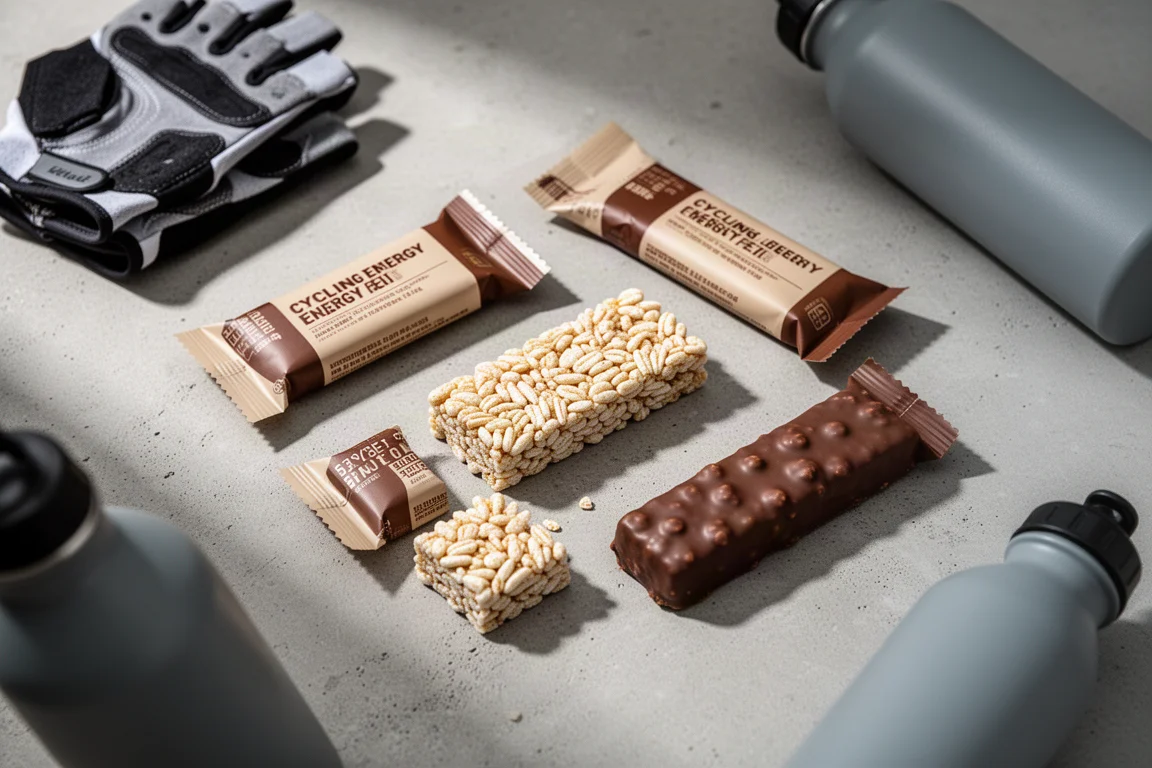
Energy bars look interchangeable on a shelf, but they are not. Some are built for the specific job of delivering carbohydrate fast during hard efforts. Others are closer to a snack bar that happens to contain protein, and a few are recovery products designed to be eaten once the ride is over.
This roundup covers a spread of energy and recovery bars that cyclists actually come across in shops and online. The focus is on three practical questions. Can you open it while riding? Does it taste good enough to finish? And does the nutrition match the job the product claims to do?
Carbohydrate amount, carbohydrate ratio, fat content and fibre content drive how quickly a bar empties from the stomach and how well it is absorbed. Recovery bars add protein to the equation, because protein is what starts the muscle repair process after a ride.
How These Bars Were Evaluated
Three things decide whether a bar earns a place in a jersey pocket.
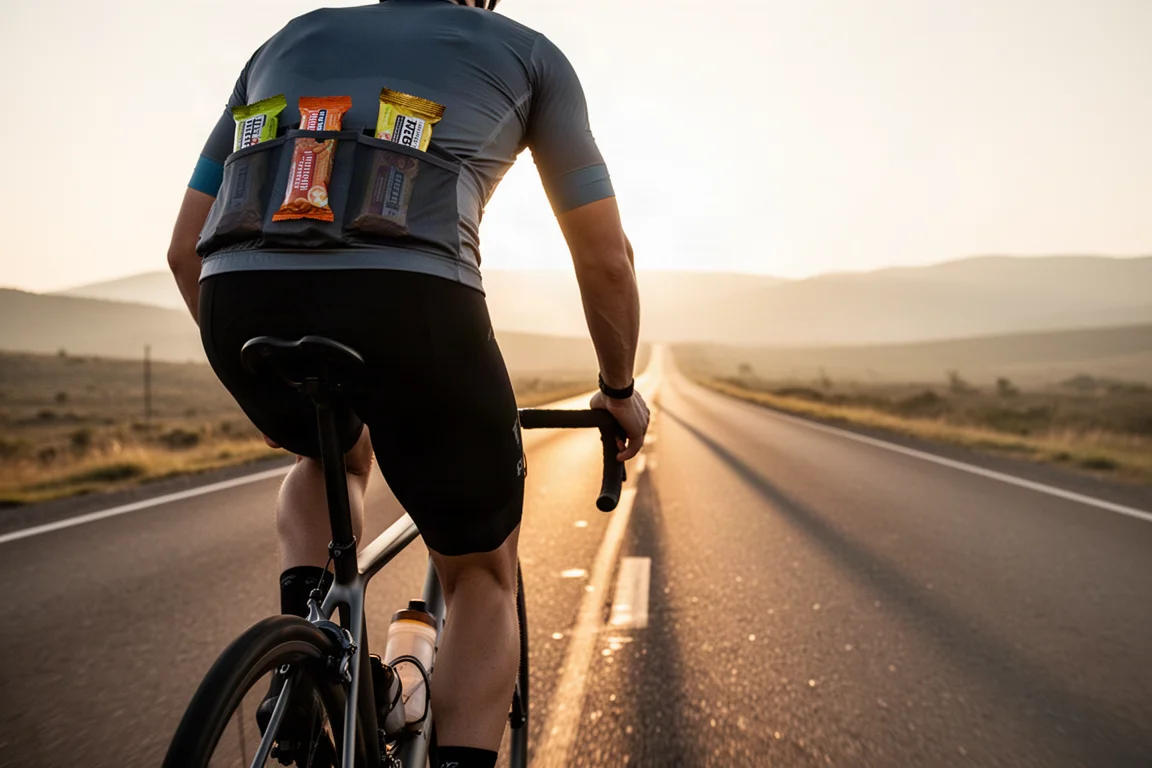
Opening matters more than it sounds. A wrapper that needs two hands and your teeth is a wrapper you will not use at speed, and a bar you cannot reach for is a bar that stays in your pocket until the cafe stop. Some wrappers tear cleanly with a single thumb press. Others go soft and spill.
Taste decides whether you will still want it in hour four. A bar can be nutritionally excellent and still be left half eaten on the road, which is the most expensive outcome of all.
Nutrition is where the real differences sit. Fat and fibre slow digestion and increase the risk of gastrointestinal discomfort, which is why racing-focused bars keep both low. Carbohydrate ratio matters for absorption at higher intake rates, and a clearly printed carbohydrate number makes it far easier to plan how much you are taking per hour.
PowerBar Energize Advanced Plus Magnesium: A Racing Bar First
PowerBar positions this one for racing, and the label supports that. It uses a 2:1 carbohydrate formula with 40 g of carbohydrate per bar, and it keeps both fat and fibre low. That is exactly the profile you want when the priority is fast absorption rather than a snack you linger over.
The hazelnut chocolate flavour is restrained. Nothing is overpowering and it is not aggressively sweet, which makes it easier to eat repeatedly. The trade-off is texture. The bar eats dry and dusty, and it firms up noticeably in cold weather, so it is not something you would reach for at a cafe stop.
Where it stands out is the wrapper. A single firm press in the middle of the bar opens the packet cleanly, and that method proved the fastest and most reliable of the bars reviewed here. For a race-day product, that is a genuine advantage.
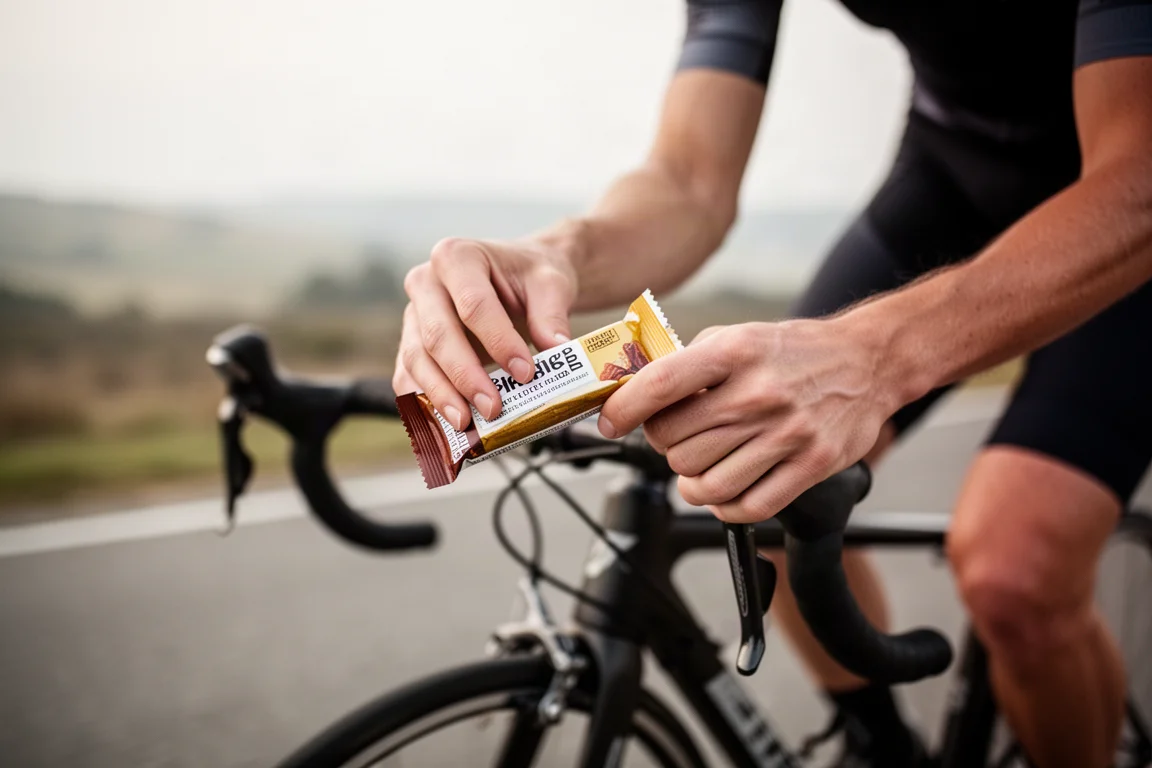
Anyone planning carbohydrate intake per hour will also appreciate the 40 g figure being printed plainly on the pack, since it removes the mental arithmetic while you are riding.
Science in Sport GO Energy Bake: Soft, Chewy, Easy to Eat
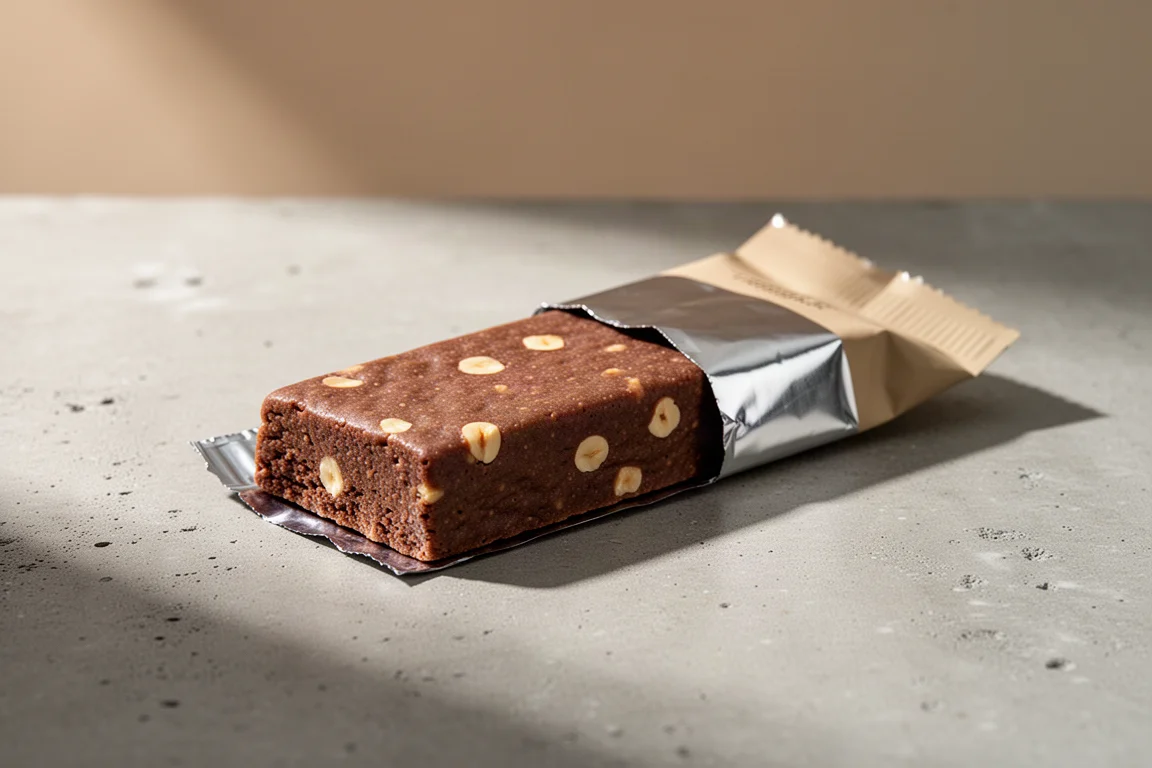
The GO Energy Bake is a soft filled bake rather than a pressed bar. It delivers 30 g of carbohydrate, of which 10 g comes from fructose, with the remainder from a glucose source. Fat sits at 5 g and fibre at roughly 3.5 g.
Softness cuts both ways. The texture is close to a soft cereal bake, and it absorbs moisture from your mouth as you chew, so it needs a decent mouthful of water to go down comfortably. That is an extra step when you are riding hard. The wrapper is also too soft for a one-handed press, so it is easier to tear the whole top off before you set off.
Taste is genuinely pleasant, in the neutral cereal-bake category. Riders who dislike sticky, chewy bars will find this one easier to manage than most.
Luchos Guava and Raspberry: Fruit Pulp in a Compostable Wrapper
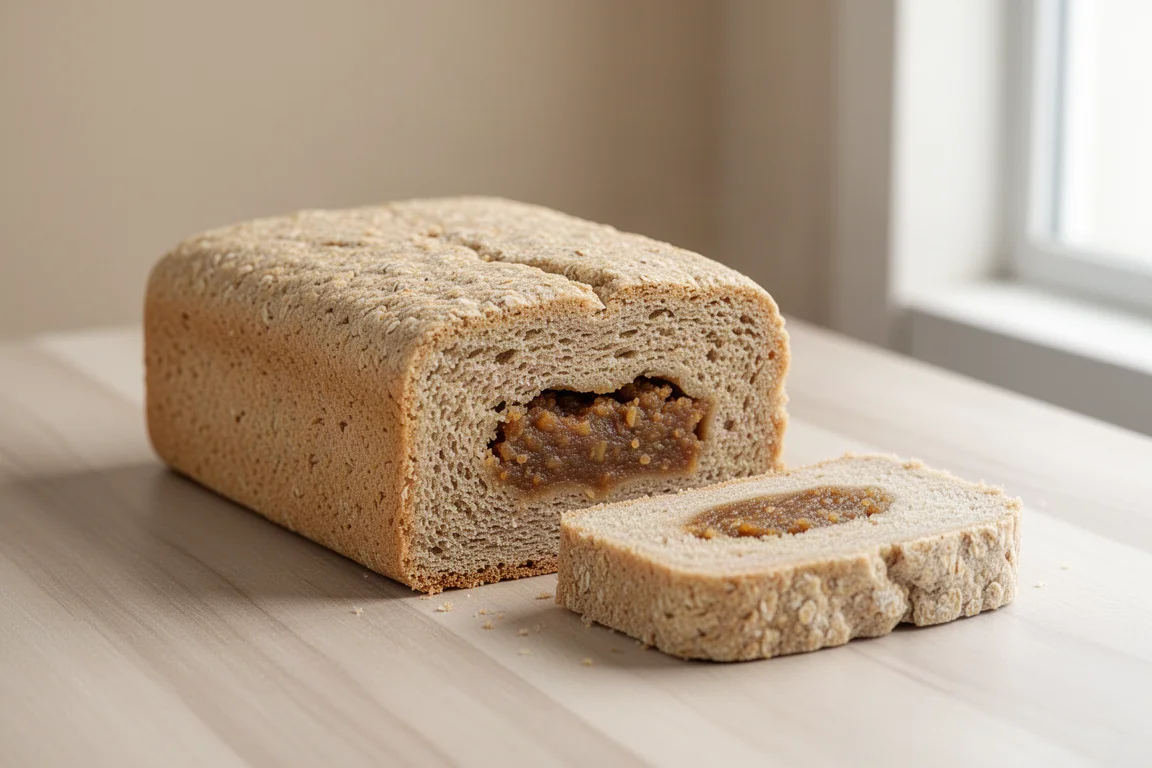
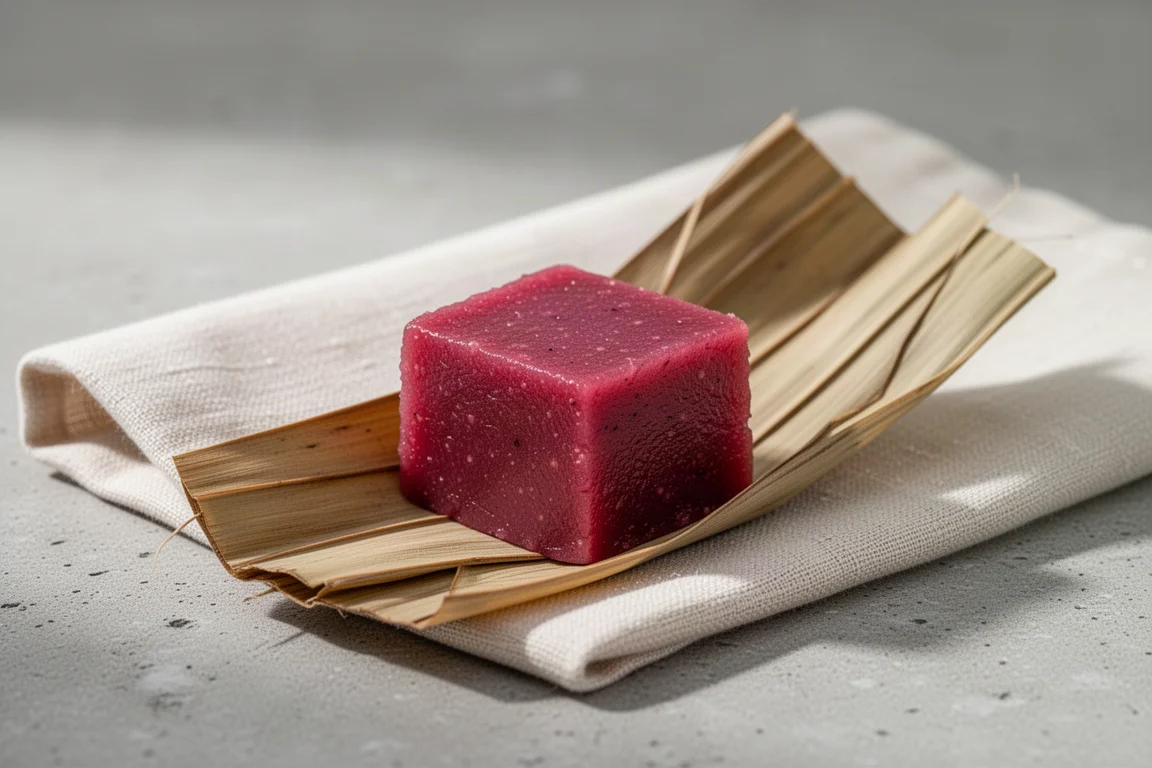
Luchos is a different format entirely. Guava pulp and raspberry are pressed into a soft block and wrapped in a biodegradable palm leaf. The texture sits somewhere between a bar and a chew, and it dissolves in the mouth rather than demanding work from your jaw.
That combination makes it one of the most ride-friendly options here. Because the wrapper is a leaf, it does not matter if you drop it, and there is no plastic to carry home in your pocket. The flavour is sweet without being cloying, which is rare in this category.
On nutrition, it provides 35 g of carbohydrate in a 1:1 ratio and is naturally low in fat and fibre because the base is fruit pulp. The 1:1 ratio suits riders pushing towards higher carbohydrate intake per hour, as long as it is taken with fluid to help transport it.
Kendal Mint Cake Energy Bar: Sugar, Electrolytes and a Cooling Effect
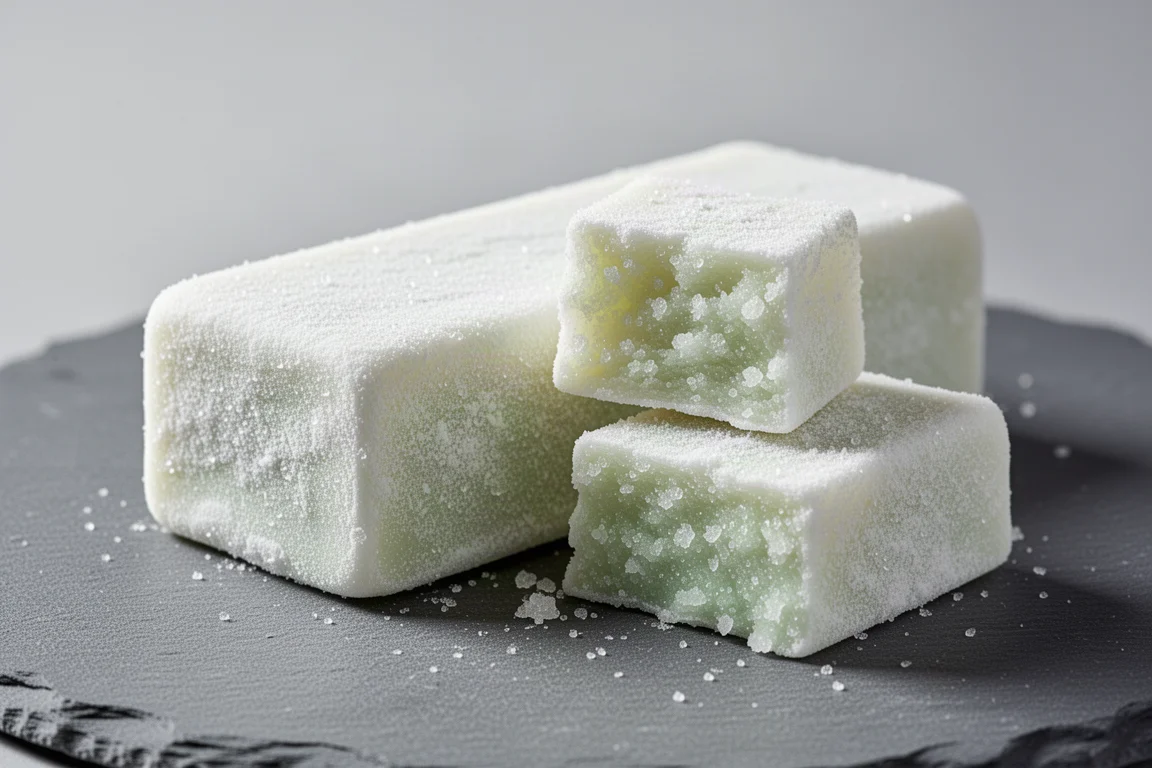
This is a mint cake reformulated with electrolytes and vitamins and sold as an energy bar. Nutritionally it is about as simple as it gets: 35 g of carbohydrate in a 1:1 ratio, with zero fat and zero fibre. For absorption speed, that is close to ideal.
The catch is intensity. It is essentially a sugary mint, and while one piece is pleasant, working through an entire bar is a different proposition. Most riders will find a piece or two is plenty, which makes it a slower purchase than the numbers suggest.
There is one genuinely interesting detail. Research on menthol suggests it affects the perception of cooling, which may reduce how hard a hot ride feels. That makes this a bar worth carrying on a hot day, even if it is not one you would want to eat in full.
Price sits at the lower end of this category, at around £1.65 per bar.
Styrkr Rice Bar Date Almond and Sea Salt: Big Carbohydrate, Clearly Labelled
Styrkr prints the number that matters on the front of the pack: 50 g of carbohydrate. That makes fuelling maths simple, and it stands out against bars that put a large number on the front which turns out to be calories rather than carbohydrate.
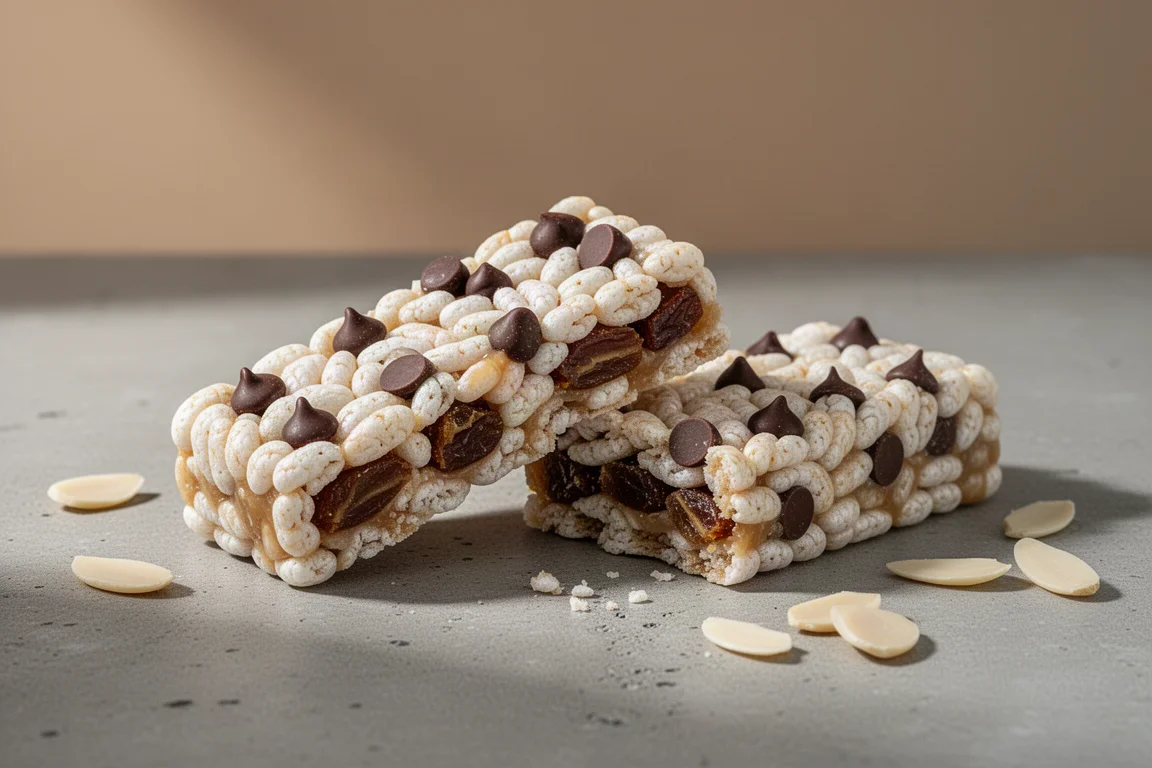
The format is a sticky cereal bar with chocolate chips, and it opens reliably with a one-handed press. The date, almond and sea salt flavour is the strongest and the best of the range, though the stickiness is worth knowing about before it goes into a pocket next to your phone.
The trade-off is fat, at 10 g per bar. Across a four-hour ride that adds up quickly, and fat slows digestion and increases the risk of stomach discomfort. This is a bar for long days where you want something substantial alongside your carbohydrate, not for a short, hard effort.
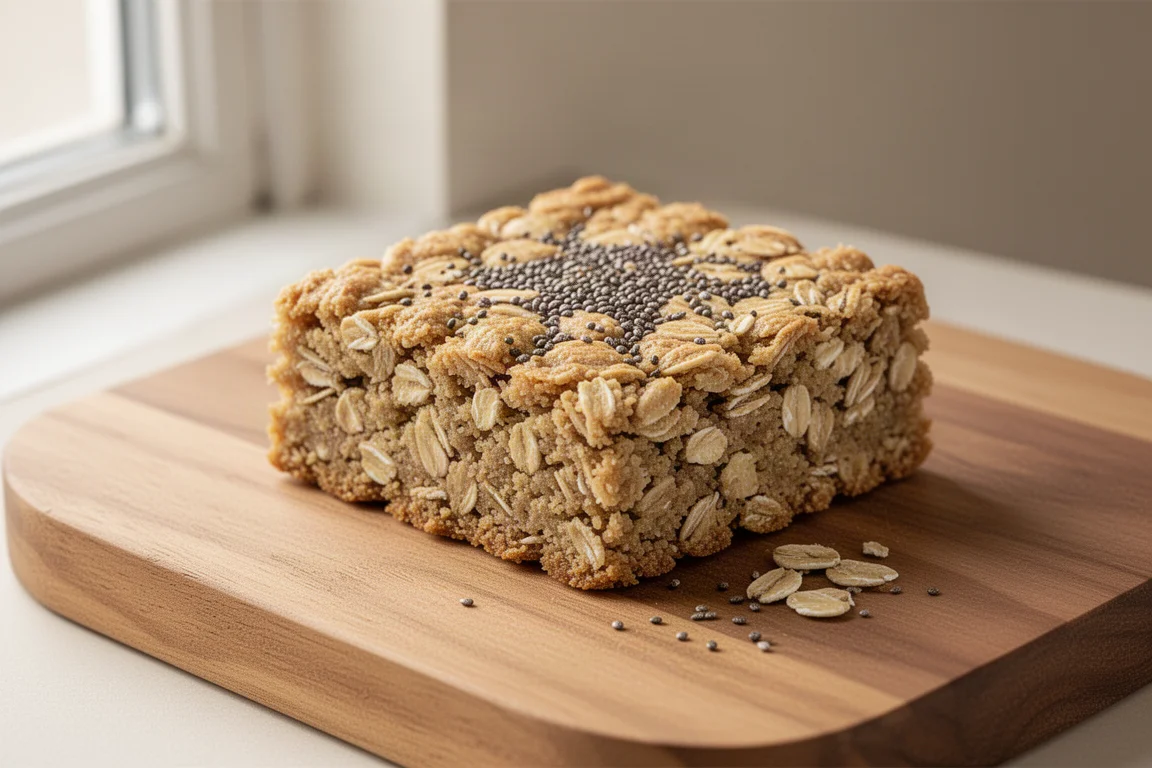
Chia Charge Salted Caramel Chia Seed Flapjack: Real Food With Real Fat
Chia Charge is marketed as real-food energy and endurance fuel, and it delivers on the real-food part. It tastes like a good homemade flapjack, which makes it one of the most enjoyable bars in this roundup, and the wrapper opens with a firm press.
The nutrition, however, works against performance riding. Each bar carries around 20 g of fat, roughly 11 g of it saturated, alongside 44 g of carbohydrate. That means more calories come from fat than from carbohydrate. For a product sold as energy fuel, that ratio works against the job it is meant to do, and at one bar per hour it would deliver a large share of a day’s saturated fat intake very quickly.
The chia seeds also scatter everywhere, which is worth knowing if you eat one-handed. As an occasional change of pace on a steady ride it works well. As race fuel, it does not.
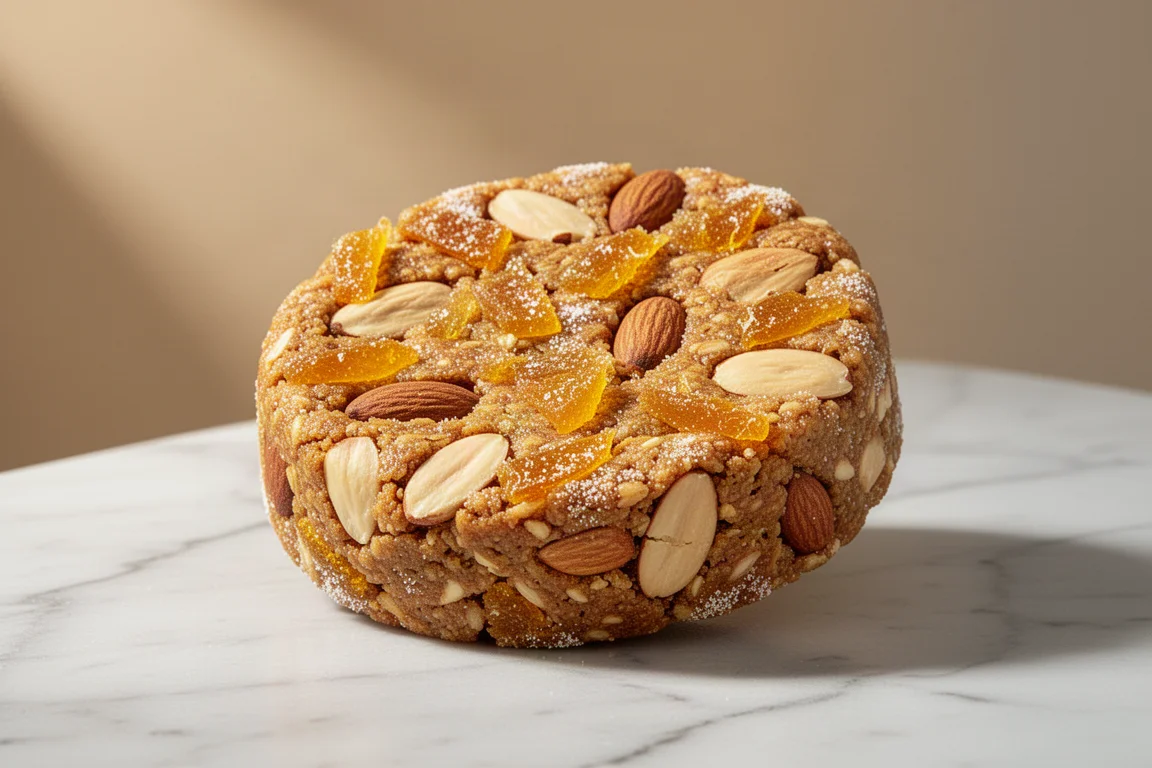
Veloforte Classico: Natural Ingredients, Gentler Pacing
Veloforte Classico is hand baked and made from natural ingredients, with citrus fruits, almonds and honey doing the work. The texture is better than it looks. It seems as though it will be chewy, then melts fairly quickly in the mouth.
Nutritionally it carries 7 g of fat and 3 g of fibre, with dual-source carbohydrate coming from more than one type of sugar. The exact ratio is not stated, which makes it harder to plan against a target intake per hour.
This is the kind of bar that suits easier rides, where you want something to break up the monotony and are happy to eat half now and half later. The natural ingredient list is appealing, but it is worth remembering that higher fat and fibre slow stomach emptying, and that effect applies to whatever else you eat alongside it.
Myprotein Layered Treat Triple Chocolate Fudge: Recovery That Eats Like a Chocolate Bar
Moving into recovery, the priorities change. These bars are eaten after a ride to support muscle repair, which means protein is the headline number rather than carbohydrate.
The Layered Treat delivers 20 g of protein from hydrolysed whey, along with 20 g of carbohydrate and 3 g of fibre. That protein figure is the one that matters. Recovery research points to roughly 20 g of protein, or about 0.3 g per kilogram of body weight, to stimulate muscle protein synthesis. At 20 g, this bar clears that threshold for most riders.
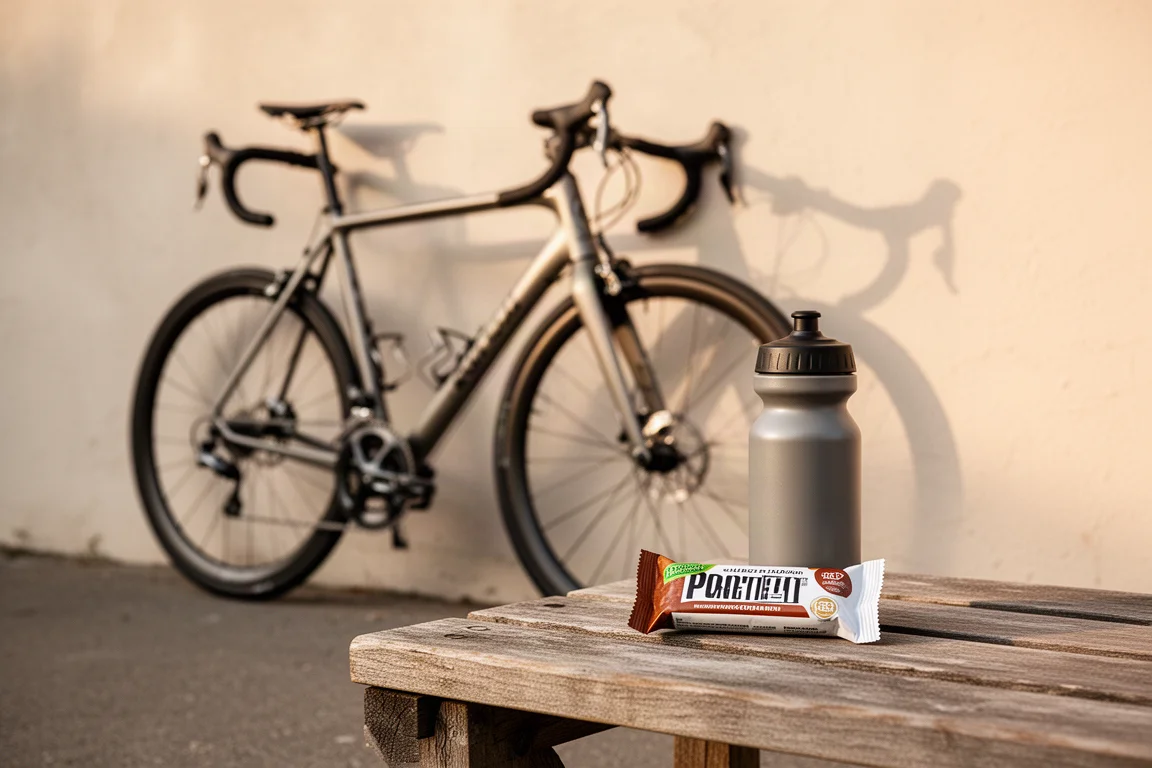
It also tastes like a chocolate bar, which is not a small thing when you are trying to hit a protein target every day. The carbohydrate is not high enough to restore muscle glycogen on its own, so it is best paired with a proper meal once you are home.
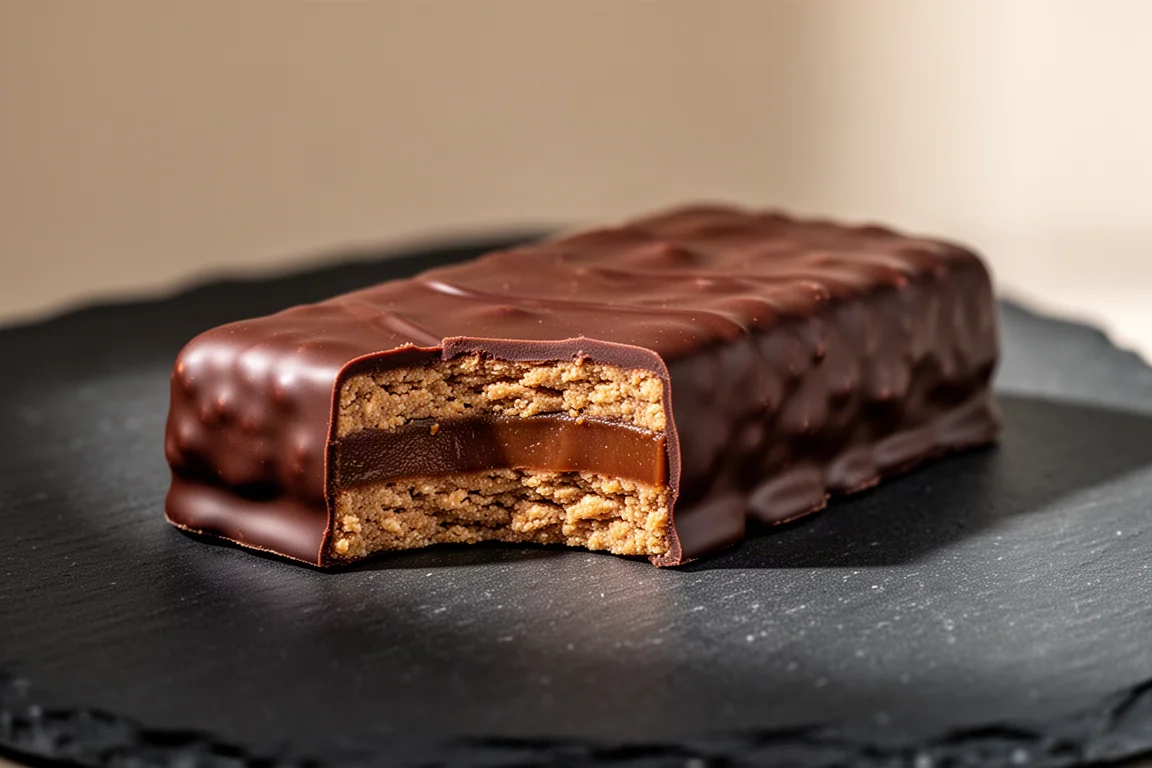
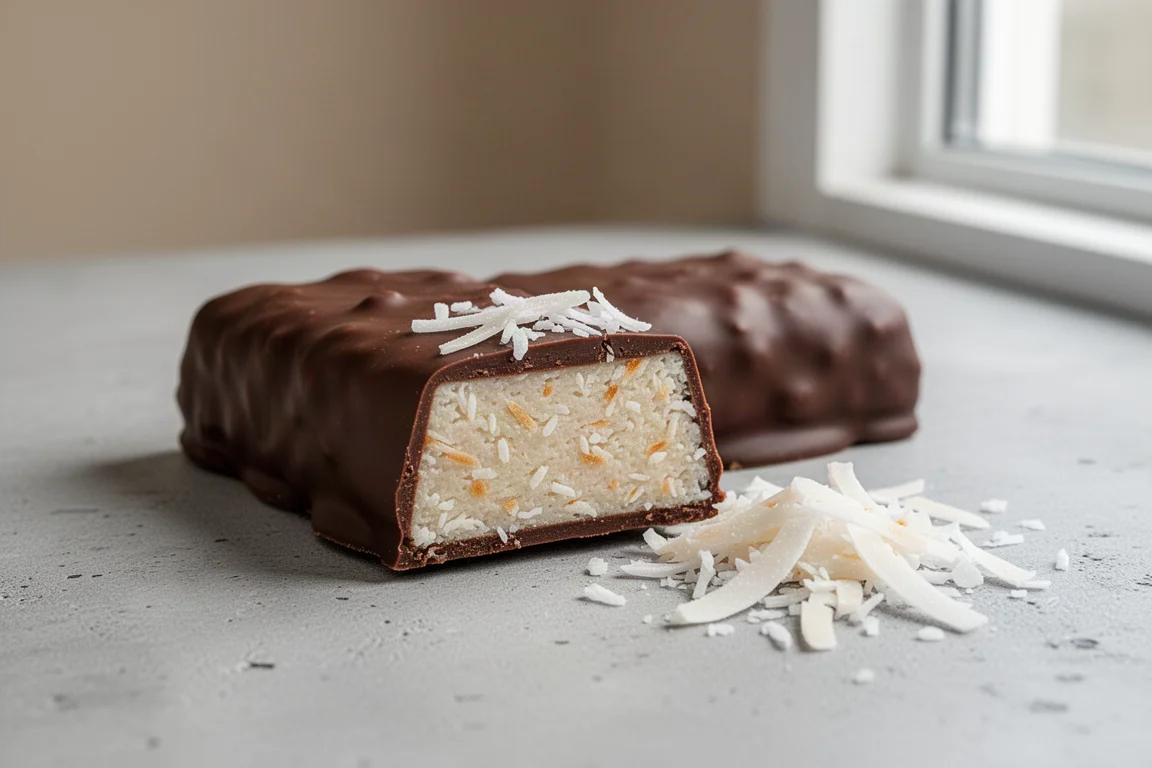
Optimum Nutrition Chocolate Sweet Coconut Protein Bar: The Coconut Option
This one carries 18 g of protein, slightly less than the Layered Treat but still close enough to the recovery threshold to do the job it is designed for. The protein comes from a blend, and the bar is fully coated in chocolate with coconut running through the filling.
That coating is also why fat sits at 9 g. It is higher than ideal for a recovery bar, because fat slows digestion at the point when you want protein to become available reasonably quickly.
What it does have is flavour. If you like coconut and chocolate, this is one of the most enjoyable bars in the roundup, and it was the easiest of the recovery group to open. At around £2.99 per bar it is also among the most expensive options here, so it is worth treating as an occasional purchase rather than a daily habit.
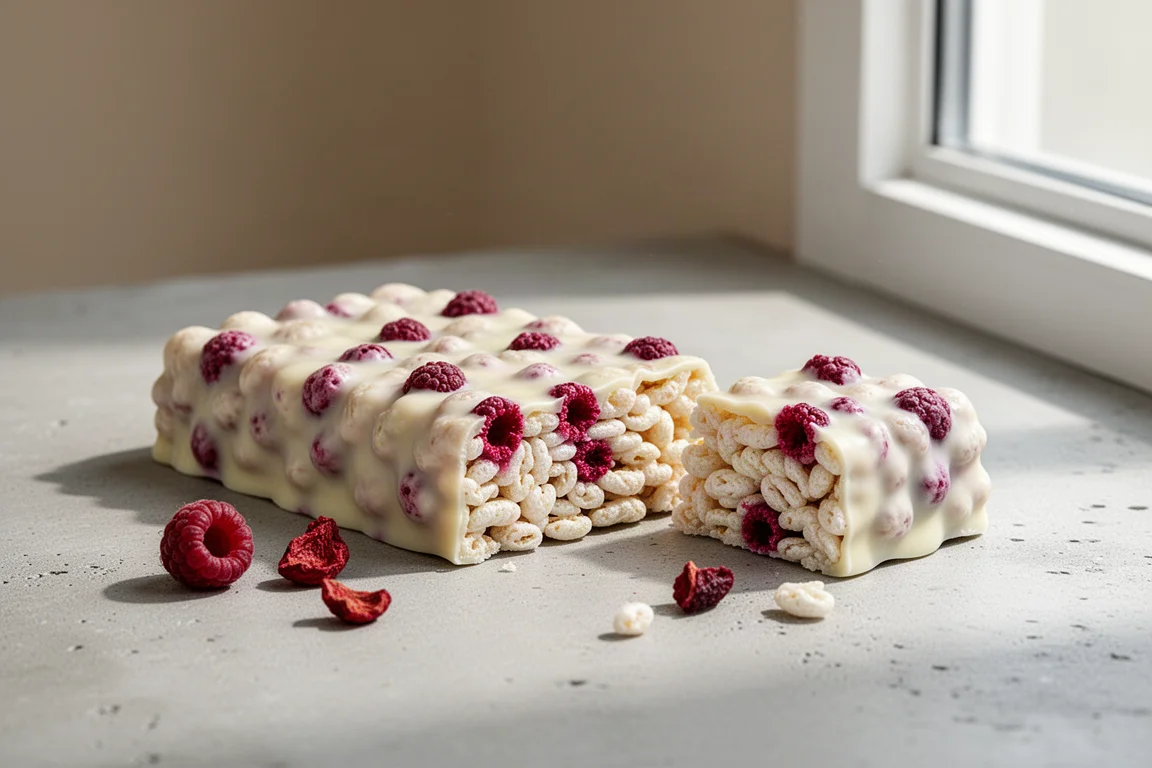
Styrkr Bar+ Raspberry White Chocolate: Recovery With More Carbohydrate
The Bar+ is positioned as an advanced recovery bar, and the numbers reflect that. It has 15 g of protein and 45 g of carbohydrate, with the carbohydrate coming from simple sources.
The 15 g protein figure is the point to think about. It may be sufficient if the amino acid profile is right, but the pack does not state the leucine content, so there is an element of assumption. Larger riders, and anyone taking recovery seriously after a long ride, will likely need two bars or an additional protein source to reach the intake that actually triggers muscle repair.
Where it performs well is glycogen. The 45 g of simple carbohydrate supports carbohydrate replenishment, and protein has been shown to enhance that process. The raspberry and white chocolate flavour is genuinely good, and the texture is soft rather than dry, which makes it easy to finish when appetite is low.
Overall Buying Advice
The gap between the best and the worst bars here is not about marketing claims. It is about fat, fibre and how honest the label is. Racing-focused bars keep fat and fibre low so carbohydrate empties from the stomach quickly. Bars built around nuts, seeds, honey or flapjack-style ingredients taste better and sit heavier, which is fine on an easy ride and less fine when you are chasing a target intake per hour.
If you are training for an event and want to perform, the products that score best on nutrition are the ones with low fat, low fibre, a stated carbohydrate ratio and a clear carbohydrate number on the front. The Luchos block and the Styrkr Rice Bar are the clearest examples, with the PowerBar offering a race-focused 2:1 formula in a genuinely easy-to-open wrapper.
For recovery, look at the protein number first. Around 20 g of protein, or roughly 0.3 g per kilogram of body weight, is the range that research suggests is needed to stimulate muscle protein synthesis. Bars at 18 to 20 g clear that comfortably. Bars at 9 to 15 g may not, and packs rarely state the amino acid detail that would settle the question.
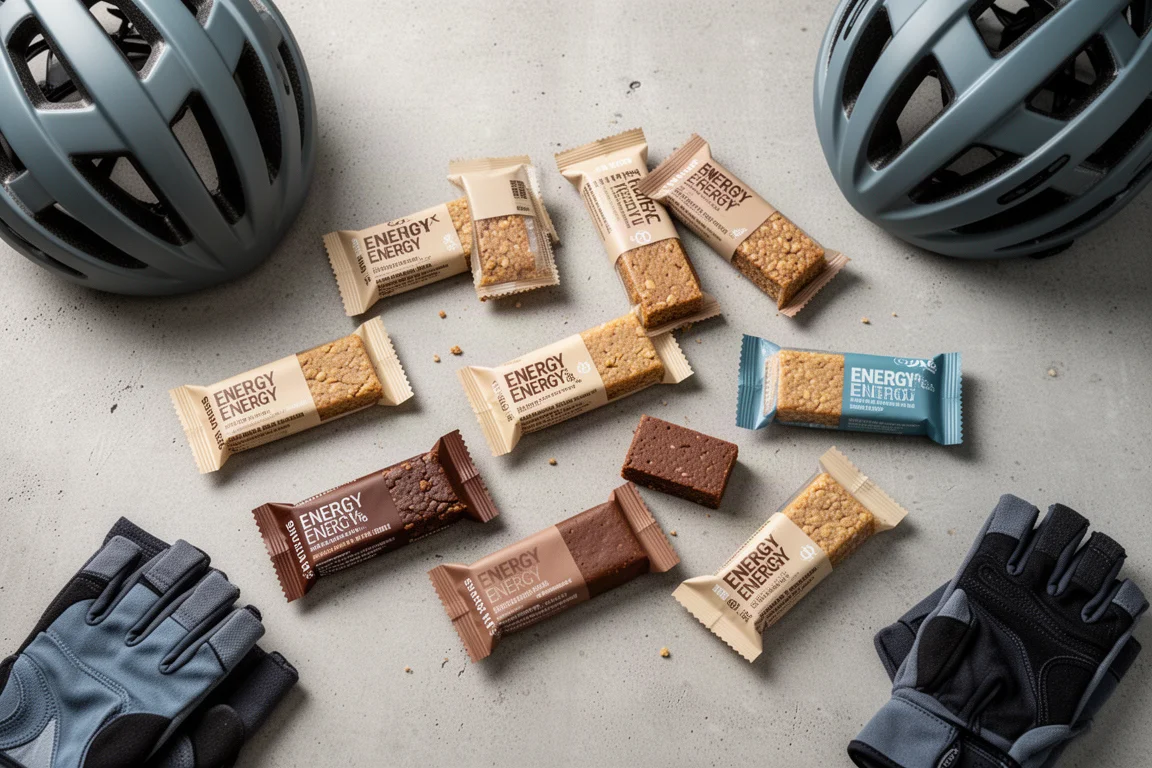
Finally, price deserves an honest look. Most of these bars sit between £1.50 and £3.00 each, and on a four-hour ride where you eat once an hour, that adds up week after week. If you are riding for enjoyment rather than racing, ordinary supermarket options can support your performance perfectly well for a fraction of the cost. Save the specialist bars for the days that actually matter.
Conclusion
The bars worth buying are the ones whose nutrition matches how you actually ride. For race day, low fat, low fibre and a clearly printed carbohydrate number matter more than flavour. For long steady rides, a bar you enjoy eating is worth more than a perfect ratio you never finish. For recovery, check the protein number before anything else on the pack, and remember that a recovery bar works best alongside a proper meal rather than instead of one.
Further reading
Related Reviews
Cycling Nutrition
Best Cycling Energy Bars 2026: A Practical Guide to Fueling on the Bike
A practical guide to the best energy and recovery bars for cycling, evaluated on taste, opening ease, and sports science.
Cycling Nutrition
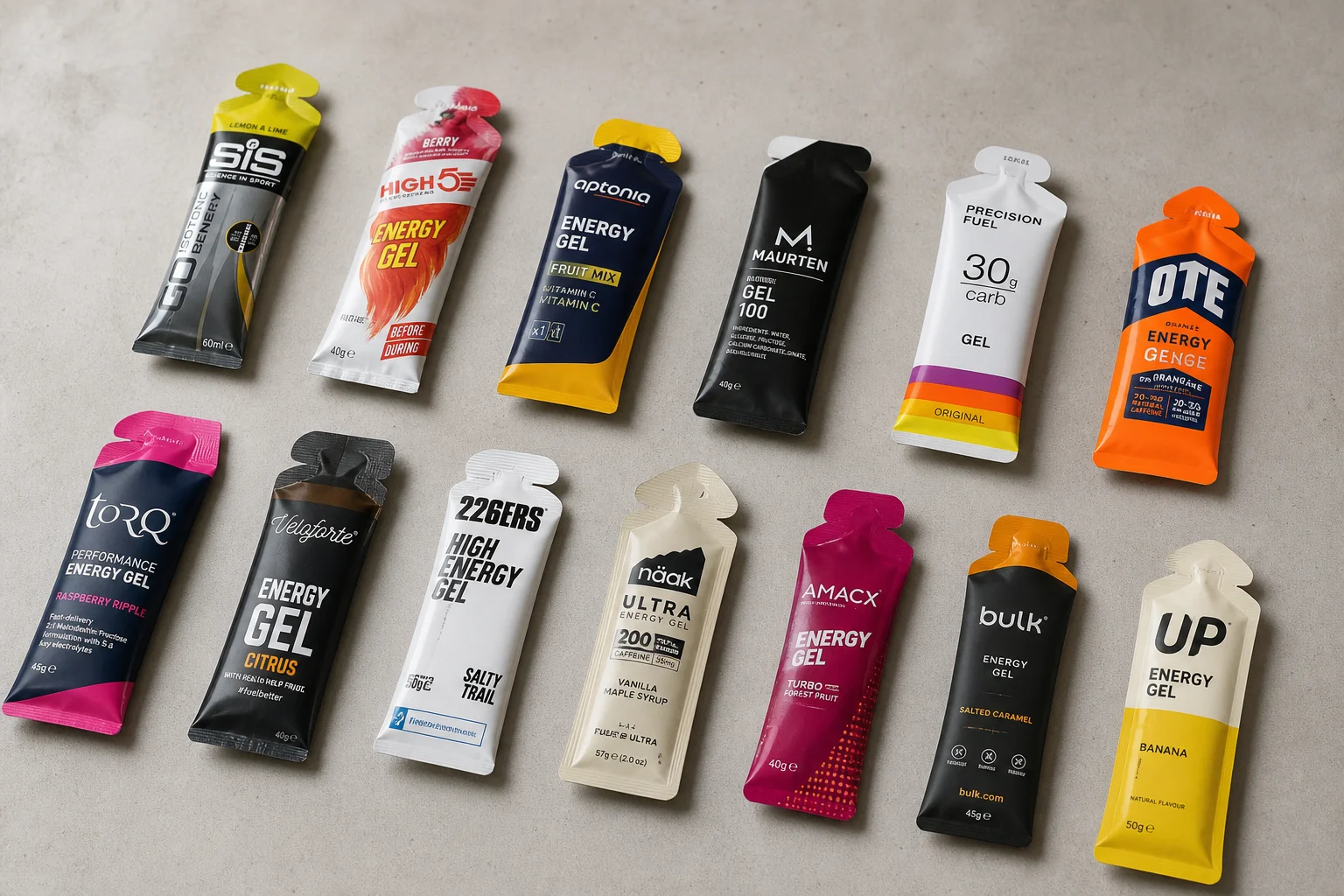
Best Energy Gels: Ten Options Ranked by Packaging, Taste, and Science
Ten widely available energy gels compared on how the packet opens, how the flavour holds up, and how the carbohydrate profile fits real fuelling targets.
Cycling Nutrition
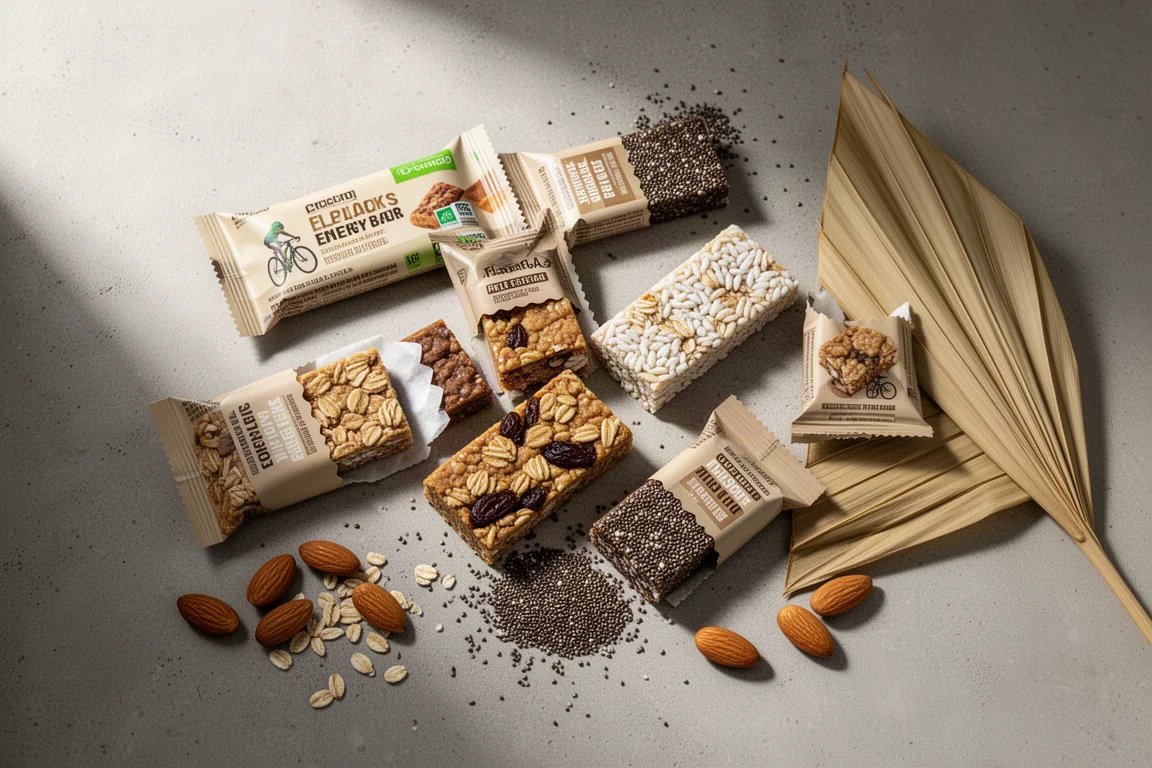
Best Energy and Recovery Bars for Cycling: 17 Bars Compared
A practical comparison of 17 energy and recovery bars, covering how easily each wrapper opens one-handed, how it tastes, and how the nutrition profile fits a ride.