Cycling Tires
Schwalbe G-One RS Review: The 35 mm All-Road Tire That Covers Road and Gravel
A 35 mm all-road tire built for riders who split their time between tarmac and light gravel. Here is how the Schwalbe G-One RS performs, and where it makes the most sense.
Introduction
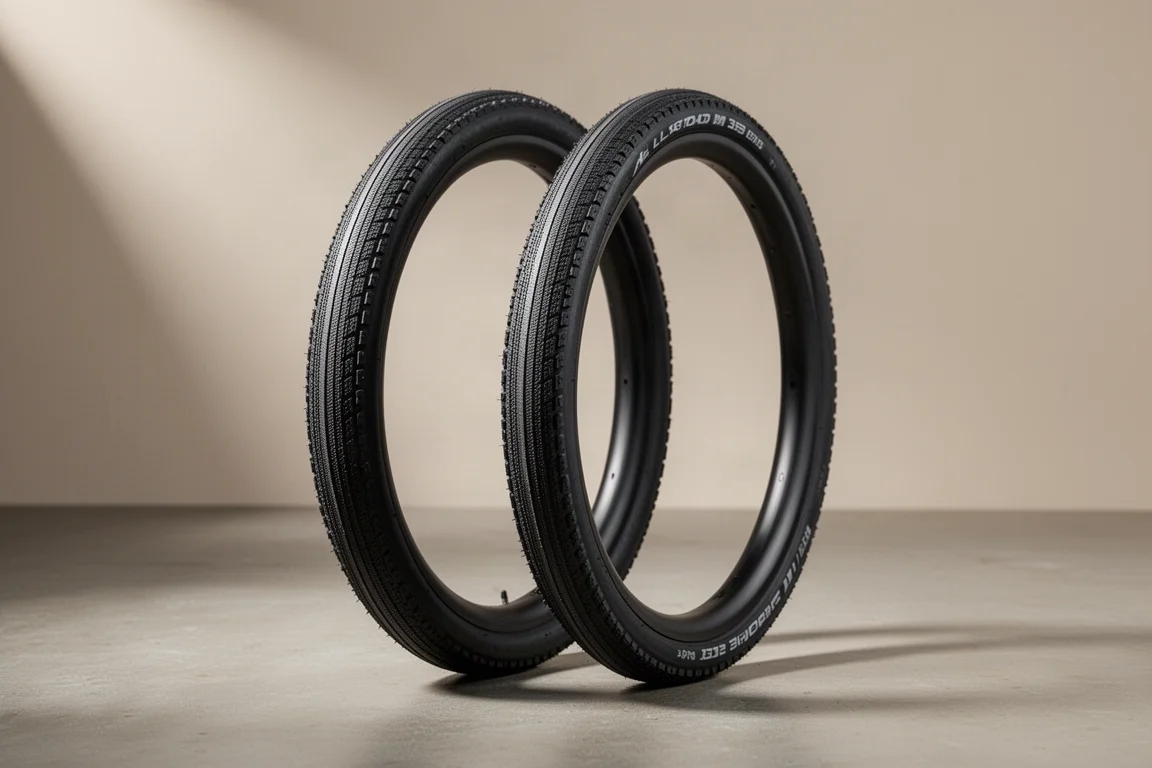
For a long time, choosing tires was straightforward. Road bikes wore narrow slicks, gravel bikes wore wide rubber with proper tread, and the two worlds rarely overlapped. That has changed. Modern road bikes accept wider tires than ever, gravel bikes have become faster and more aerodynamic, and all-road and endurance bikes now sit comfortably between the two. The 35 mm Schwalbe G-One RS is designed for exactly that space.
It is too wide to feel like a road racing tire, and its tread is too shallow to be a full-on gravel tire. Rather than a compromise, it reads as a category of its own: a tire meant to cover tarmac, deteriorating country lanes and light gravel without asking the rider to pick a discipline first.
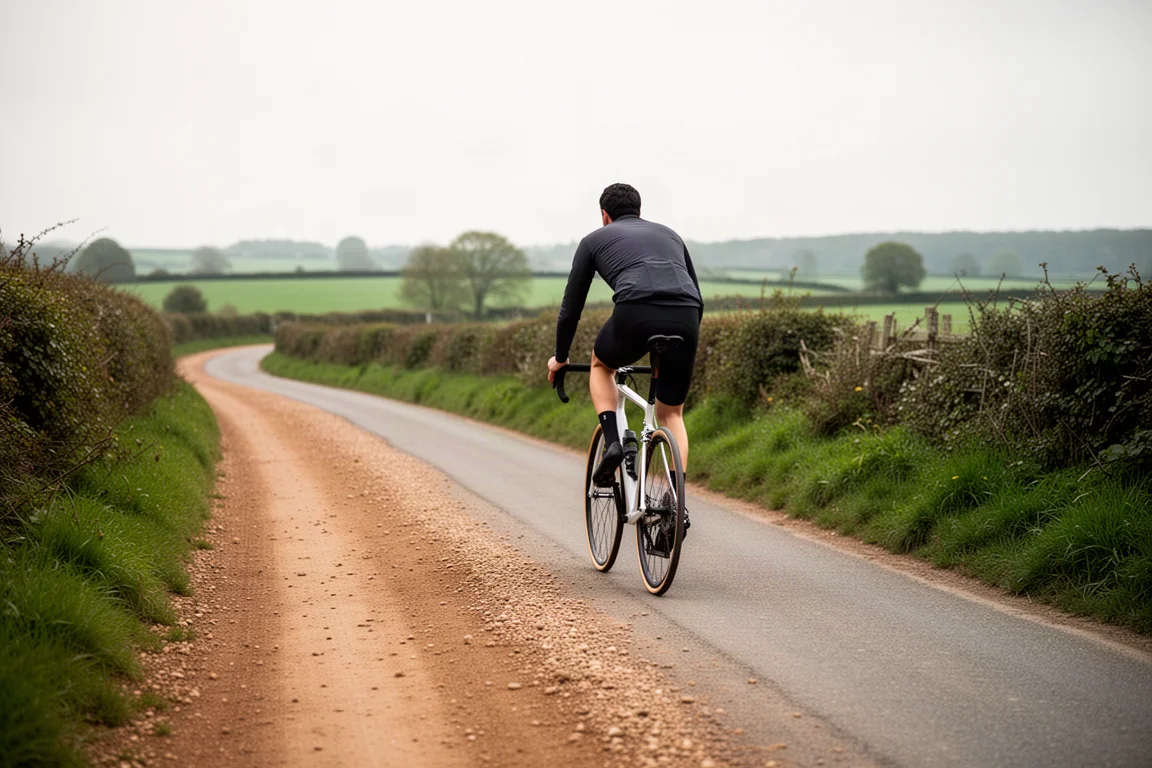
The appeal is straightforward. One wheelset, one tire, and far fewer decisions about which bike to take out. Riders who spend most of their time on mixed surfaces tend to arrive at this kind of setup eventually, and the G-One RS is one of the more convincing arguments for it.
Who the Schwalbe G-One RS Is For
This tire suits riders who treat a single bike as their everything bike. Long training rides, weekend loops, commutes that mix smooth tarmac with broken surfaces, canal towpaths and hardpack bridleways all fall inside its comfort zone.
It is a good match for anyone whose riding happens mostly on paved roads with occasional detours onto smooth, well-maintained gravel. It is less relevant for riders who race on either surface, or whose off-road riding regularly involves rough, loose or technical terrain.
Main Strengths: Speed, Comfort and Grip
The most surprising thing about a 35 mm tire with visible tread is how quickly it rolls on tarmac. The low-profile centre tread keeps the contact patch close to that of a slick, and the difference compared with a 28 or 30 mm road tire is smaller than the width suggests. On smooth roads it does not feel like a penalty, which is unusual for a tire with any off-road intent at all.
Volume is the other half of the story. The extra air and casing depth deliver a clear comfort advantage over narrow road tires, and that matters on long rides over coarse or broken asphalt. Riders moving from 28 mm rubber to something wider usually notice it immediately on rough chip seal and patched-up lanes. There is no dramatic weight penalty against a comparable-width slick either, so the trade is mostly between outright road speed and everything else.
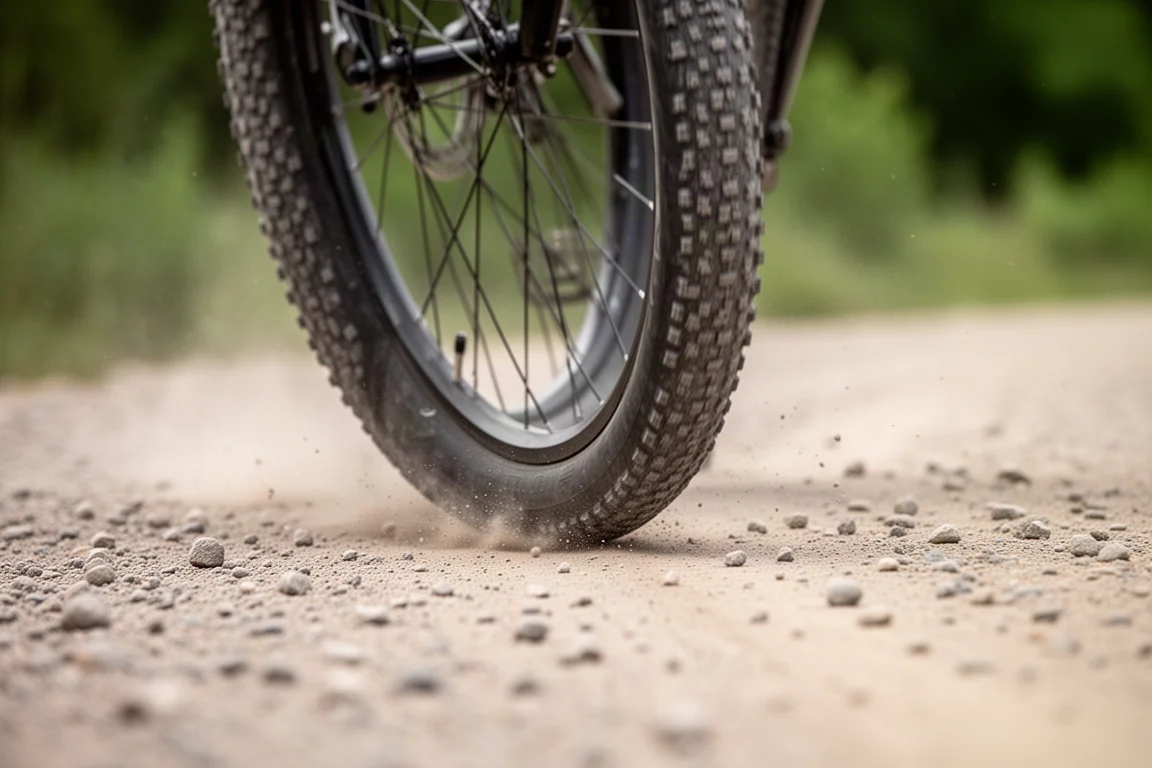
Off-road, the tire works well on smooth, well-maintained gravel, hardpack trails, canal towpaths and the kind of fine, firm surfaces often described as champagne gravel. There is enough volume, comfort and traction for confidence and control, and the ride stays stable rather than nervous.
It behaves like a normal tire that happens to handle light gravel, rather than a specialist tire being pushed beyond its limits. For the type of riding that a great many gravel bike owners actually do, that is more than sufficient.
Rolling Resistance and Real-World Pace
Published rolling resistance data backs up the on-road impressions. Measured on a steel drum at 29 km/h and 40 psi, a pressure close to what many riders would use on this width, the Schwalbe G-One RS records around 15.7 W.
That figure is easier to judge against direct comparisons. A 35 mm Continental Grand Prix 5000 All Season TR records roughly 15.6 W in the same test, effectively identical. Moving down to a 28 mm Continental Grand Prix 5000 STR, a typical road race tire, drops the figure to around 9.7 W.
Whether that gap matters depends entirely on priorities. For racing or chasing marginal gains on smooth tarmac, a narrower slick is clearly faster. For everything else, the difference is small enough that the versatility and comfort of the wider tire often outweigh it. Drum testing is a benchmark rather than a perfect simulation of real roads, but the numbers match the impression that a tire this wide should feel slower than it actually does.
Things to Consider Before Buying
It is worth being clear about what this tire is not. It is not the fastest road tire available, and it is not the most capable gravel tire either. Riders racing on either surface, or riding genuinely rough trails, can optimise far better with a dedicated option.
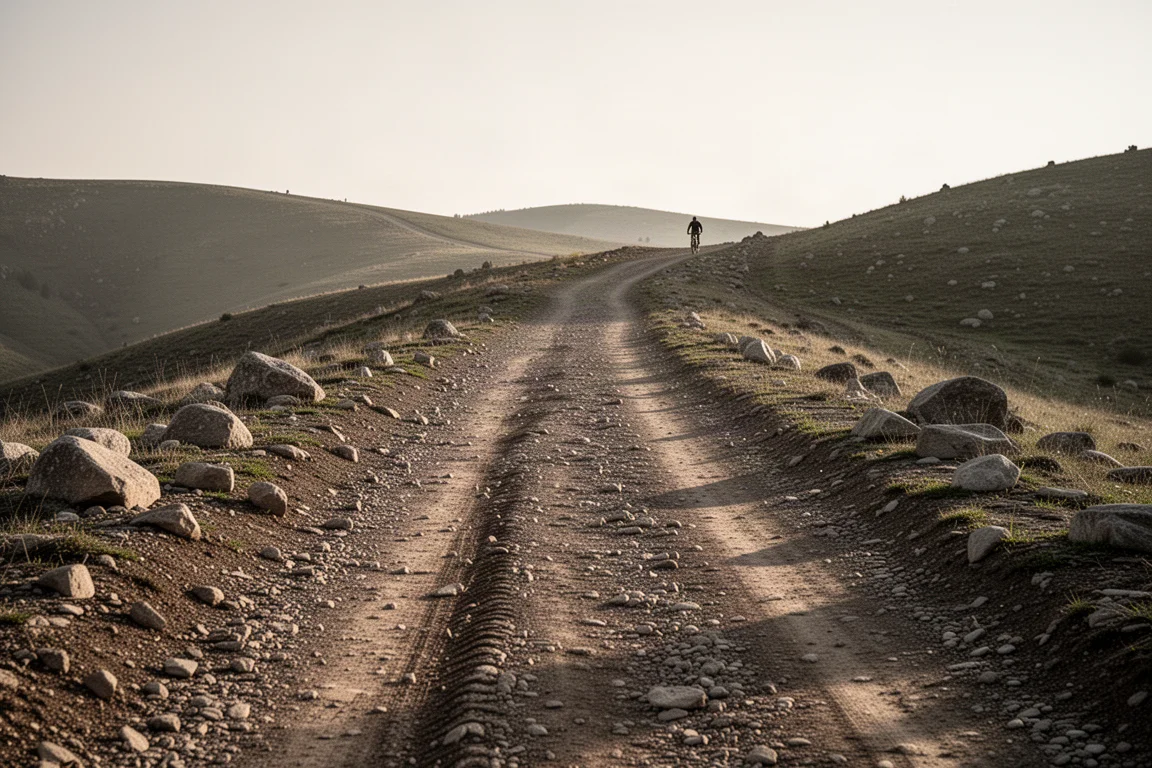
The tread is designed for smooth and light gravel. On loose, rocky or technical terrain, more volume and more aggressive tread will be the better answer. The same applies to anyone who regularly takes on long, rough gravel routes where control under braking and cornering on loose surfaces is the priority.
The wider picture matters too. If most riding is fast group rides on good tarmac, a narrower slick will be quicker. If most of it is rough off-road, a wider treaded tire will be more capable. This tire makes the most sense for the large middle ground in between.
Buying Advice
The strongest argument for the Schwalbe G-One RS is that it removes the need to think about setup. In changeable conditions, where a week can bring wet, cold mornings and dry, warm afternoons, it is rarely the wrong tire. It is not too narrow for poor surfaces, and not so oversized that it feels heavy on the road.
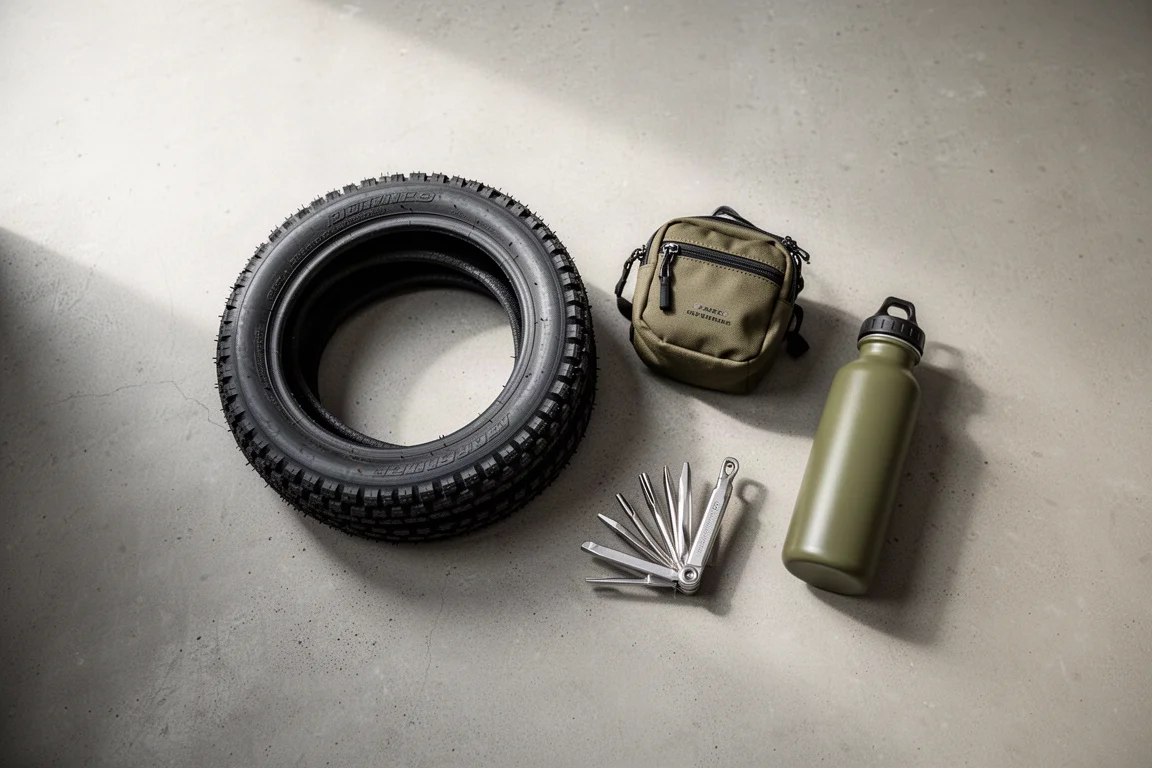
For riders building one versatile bike, or replacing a worn set of tires on an all-road or endurance machine, this is a sensible choice. Pair it with a wheelset that can take a 35 mm tire and it will cover the vast majority of everyday riding, from fast tarmac to smooth gravel, without a serious compromise in either direction.
If, on the other hand, racing or extreme terrain is the priority, a dedicated tire for that surface will always be the sharper tool. The G-One RS is at its best as the one tire that does not need replacing when the road surface changes.
Conclusion
The G-One RS does not claim to be the ultimate tire, and it should not be judged as one. It is a well-judged middle ground between road and gravel: quick enough on tarmac to keep up, comfortable enough to take the edge off rough surfaces, and capable enough on light gravel to open up routes a road tire cannot handle. For riders whose cycling spans more than one surface, that balance is the whole point, and it is a very good reason to consider a single versatile setup rather than two extreme ones.
Product link
View more details for Schwalbe G-One RS
This product is mentioned in the review. Check the specifications, options, and compatibility before buying.
View more details for Schwalbe G-One RSFurther reading
Related Reviews
Cycling Tires
Best All-Season Road Bike Tires 2026: 9 Tested Options for Year-Round Riding
A practical guide to nine all-season road tires, from fast and supple to tough and durable, based on thousands of kilometers of real-world riding.
Cycling Tires
Best All-Season Road Tires: Nine Tubeless Picks for Grip, Speed and Durability
A practical guide to nine all-season road tires, from supple race-bred options to hardier models built for winter mileage and puncture protection.
Cycling Tires
Best Road Tubeless Tires 2026: Five Fast Options Compared
A rolling resistance lab test plus real world fitting and ride notes on five premium road tubeless tires, from the fastest to the ones with clear trade-offs.