Climbing Shoes
Scarpa Drago XT Review: A Third Drago Built for Edging and Heel Tension
A closer look at the Scarpa Drago XT, the third Drago, and what its second strap, one-piece heel and reworked toe patch mean for edging, heel hooking and outdoor climbing.
Introduction
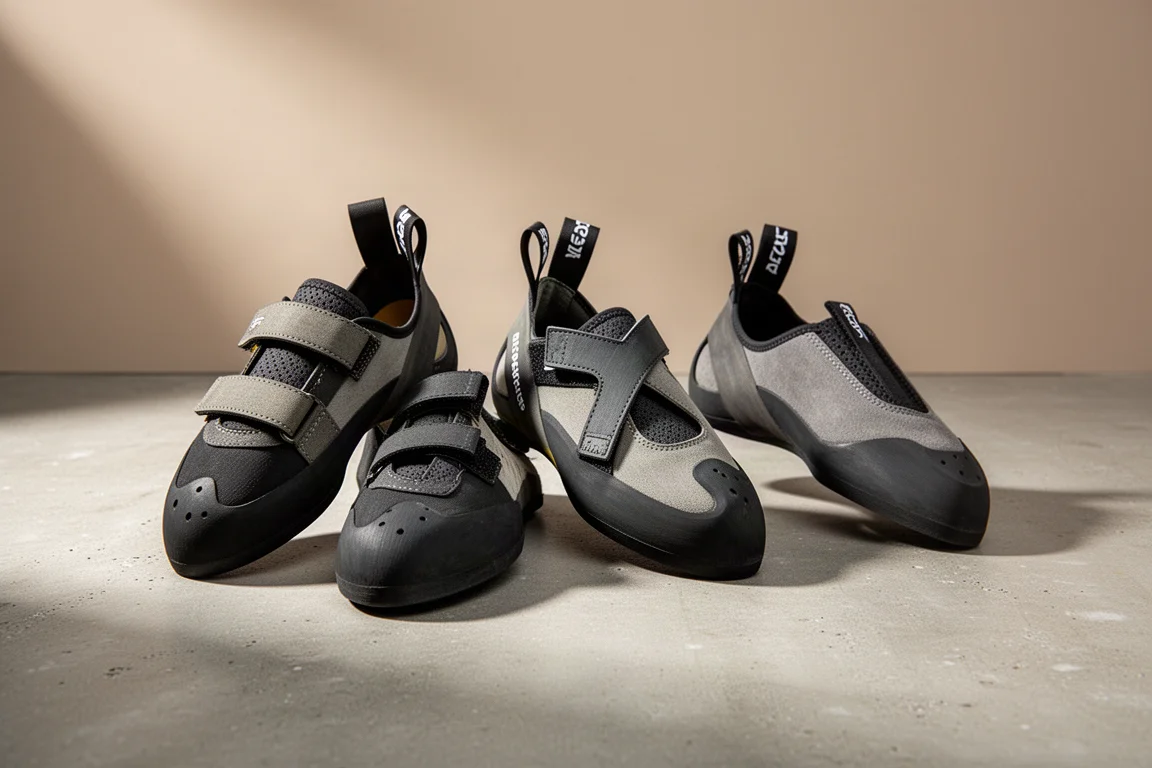
The Scarpa Drago is one of the brand’s bestselling technical climbing shoes and one of the most visible models on competition walls. The range already covers a standard version and a low-volume version. The Drago XT is the third Drago, and it arrives with a set of changes that go well beyond a color refresh.
It keeps the same forefoot rubber and the same small forefoot midsole as the shoes it sits alongside, but it adds a second closure strap, rebuilds the heel as a single piece, and reshapes the toe patch. Those three changes are what separate it from the standard Drago and the Drago LV.
Who the Scarpa Drago XT Is For
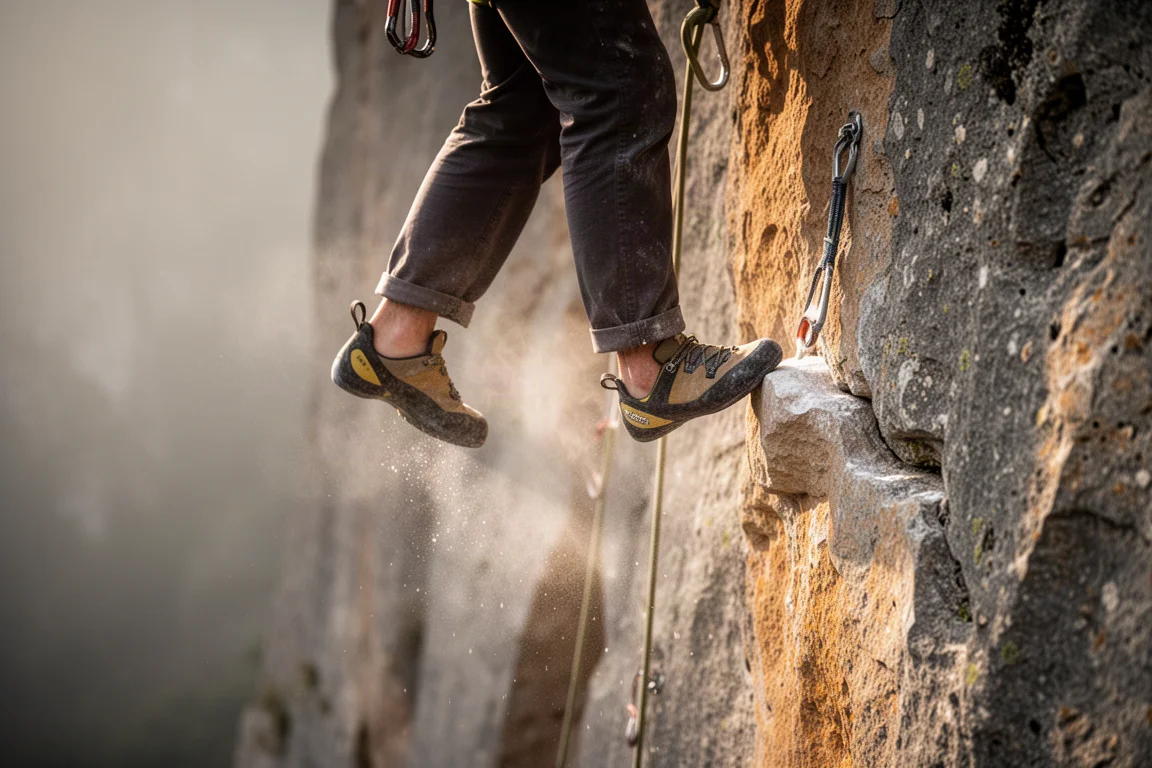
The Drago XT is aimed at climbers who already get on well with the Drago fit but want more tension through the forefoot. The extra strap lets you compress the foot and load the front of the shoe, which is the basis for its claimed advantage on small edges and its potential to perform better outdoors.
It is also a natural candidate for heavier climbers who have found the other Dragos a touch soft underfoot. The additional tension gives them a firmer platform without abandoning the sensitivity the Drago is known for.
Finally, it suits anyone who uses a Drago across several disciplines, whether that is indoor bouldering, outdoor bouldering, trad or sport. It is not positioned as a replacement for a shoe you already trust. It is an extra option in the same family.
The fit is worth noting before anything else. The Drago XT is described as possibly the lowest volume and narrowest of the three Dragos, with the difference most pronounced in the heel. The toe has also been extended slightly, which makes the front of the shoe a little more pointed.
Main Strengths
Scarpa has kept the parts of the Drago that work and changed the parts that limit it. The result is a shoe that feels familiar in the forefoot and noticeably different around the midfoot, the toe patch and the heel.
Three changes stand out in particular: the closure, the heel and the toe patch. Each one is worth understanding before deciding whether the XT is the right Drago for you.
A Two-Strap Closure That Wraps the Whole Foot
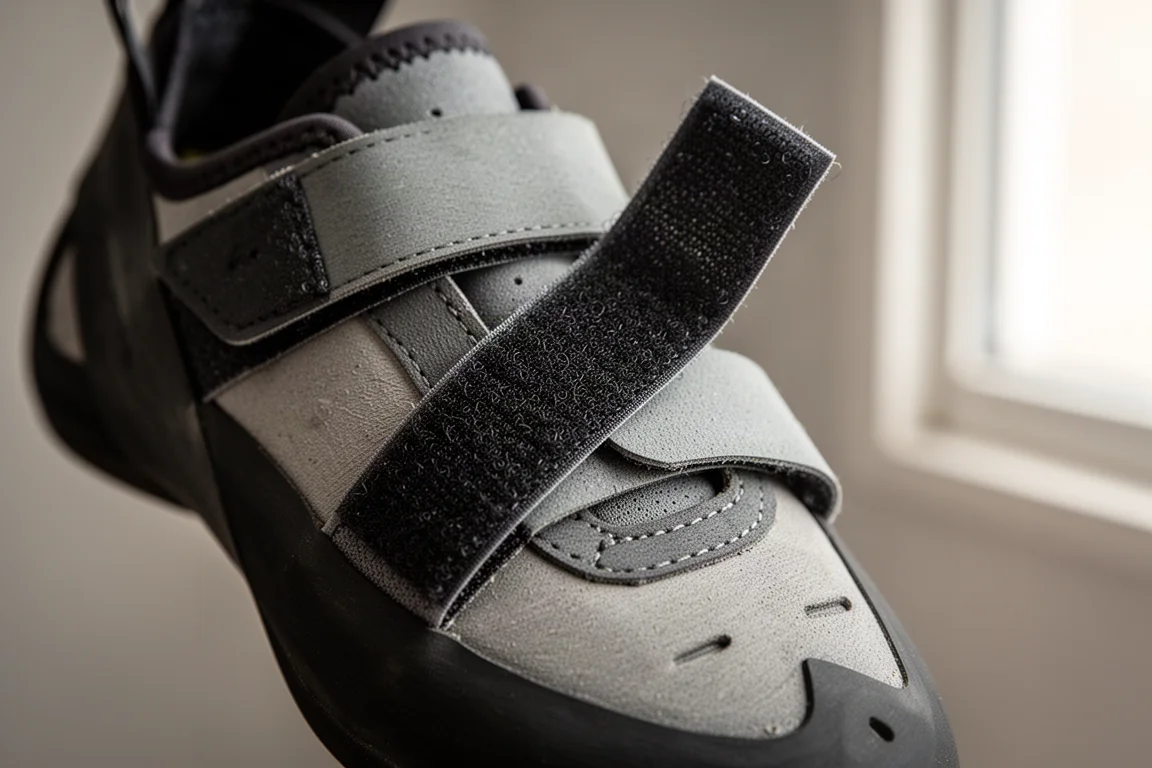
The clearest difference between the Drago XT and its siblings is the closure. Where the standard Drago uses a Y-shaped arrangement that pulls across the foot, the XT uses two straps that wrap around it, so the whole foot is tensioned rather than just part of it.
In use, the front strap doubles as a tuning tool. Leaving it a little looser preserves much of the softer, more forgiving feel of the original Drago. Tightening it down compresses the foot and puts more power into the toe, which is exactly what you want on a small edge.
A One-Piece Heel
Many performance shoes rely on a molded heel cup fitted as a separate component. Scarpa wanted the shape without the compromise: a molded cup cannot be tensioned, and it costs sensitivity. The Drago XT instead builds the heel from a single piece that wraps around the back of the shoe, a construction that is reportedly very difficult to make.
The payoff is a seamless heel finished in very sticky rubber. Scarpa says it holds more tension under load, so it is less likely to collapse when you pull hard on it. It is slightly less sensitive than a molded heel but stronger, which is a trade-off rather than a straight upgrade.
There is a second consequence of the single-piece build. The entire heel is rubber, so there are no edges to peel or catch. The standard Drago leaves a little material and a lip on the heel, which can add sensitivity and occasionally offers a useful edge, but it can also snag and ping off mid-move. Neither approach is right or wrong, they simply suit different problems.
Toe Patch and Forefoot Construction
The forefoot uses Vibram XS Grip 2, the same rubber found across the Drago line, chosen for its balance of grip and durability. The small forefoot midsole is carried over too, so the toe still delivers power and edging while staying sensitive enough to feel the hold.
The front strap does change the toe patch. Because the closure sits lower, less rubber extends up the front of the shoe than on the standard Drago, which runs its toe rubber all the way to the top closure. The upside is that the XT has no seam in that area, making it smoother and more durable.
The standard Drago also perforates its toe rubber with a pattern of holes that allows the material to splay and adds sensitivity. The Drago XT does not. That can make the toe feel tighter and slightly less comfortable, but it also holds the foot more firmly and contributes to the tension that helps the shoe edge.
The heel rubber is stickier than the XS Grip 2 used at the front of the shoe, which raises an obvious durability question. In practice, most climbers wear through the toe long before the heel becomes the limiting factor.
Things to Consider Before Buying
The Drago XT is a specialist shoe, and a few of its changes come with real trade-offs.
- The toe patch covers less of the front of the shoe and has no perforations, so the toe box can feel tighter and less forgiving than the standard Drago.
- The one-piece heel is stronger and holds tension better, but it is also less sensitive than a molded heel cup.
- The fit is described as possibly the narrowest and lowest volume of the three Dragos, particularly around the heel, so sizing deserves attention.
- The stickier heel rubber is a durability consideration, even if the toe tends to wear first.
- It is a complement to the Drago line rather than a replacement for a shoe you already climb well in.
None of these points make the shoe a poor choice. They simply mean the Drago XT rewards climbers who know what they want from a technical shoe and are willing to accept a firmer, more tensioned feel in exchange for edging performance and heel security.
Buying Advice
The simplest way to think about the Drago XT is as a third option in a family you may already know. If you love the Drago fit and climb across several styles, the XT adds a more tensioned, more edge-focused tool to the same bag rather than replacing anything.
Climbers who mainly value softness, immediate sensitivity and a forgiving toe box are still better served by the standard Drago or the Drago LV. Those shoes remain the softer end of the range.
If your priorities are forefoot tension, a heel that holds under hard pulling and better performance on small edges, the Drago XT is the version to look at. It is the most outdoor-oriented of the three by design.
Because the fit is described as possibly the lowest volume and narrowest of the line, with a slightly more pointed toe, it is worth comparing sizing carefully against any Drago you already own. If you can try a pair on before committing, that remains the safest route.
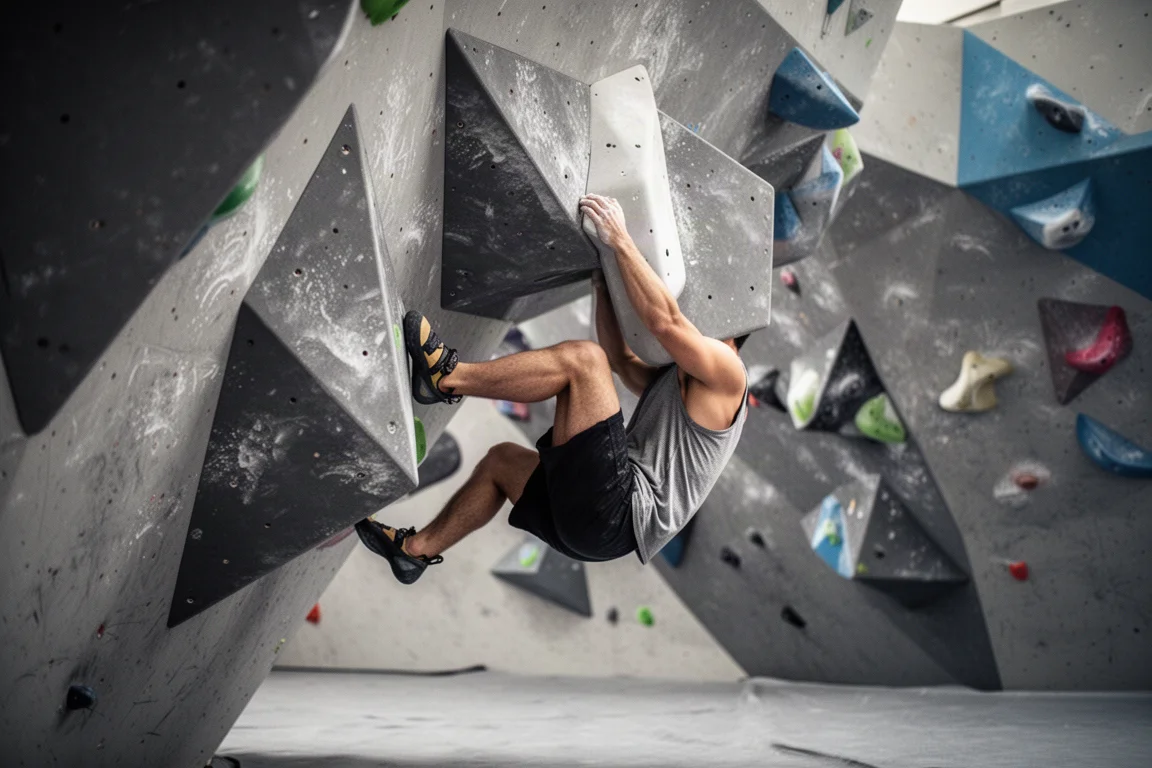
For climbers who already know the Drago works for them, the decision is mostly about which version matches the terrain and style they climb most often.
Conclusion
The Scarpa Drago XT is not a cosmetic update. The second strap, the one-piece heel and the reworked toe patch each change how the shoe behaves, and together they push it toward edging performance, heel security and outdoor use.
It is still recognisably a Drago in the forefoot, which means it will feel familiar to anyone who already climbs in one. The differences sit in the tension through the midfoot and the way the heel holds under load.
If you want the softest, most sensitive Drago, the standard or low-volume version remains the right answer. If you want a Drago that bites harder on small edges and stays put when you pull on the heel, the Drago XT is the one worth adding to the quiver.
Product link
View more details for Scarpa Drago XT
This product is mentioned in the review. Check the specifications, options, and compatibility before buying.
View more details for Scarpa Drago XTFurther reading
Related Reviews
Climbing Shoes
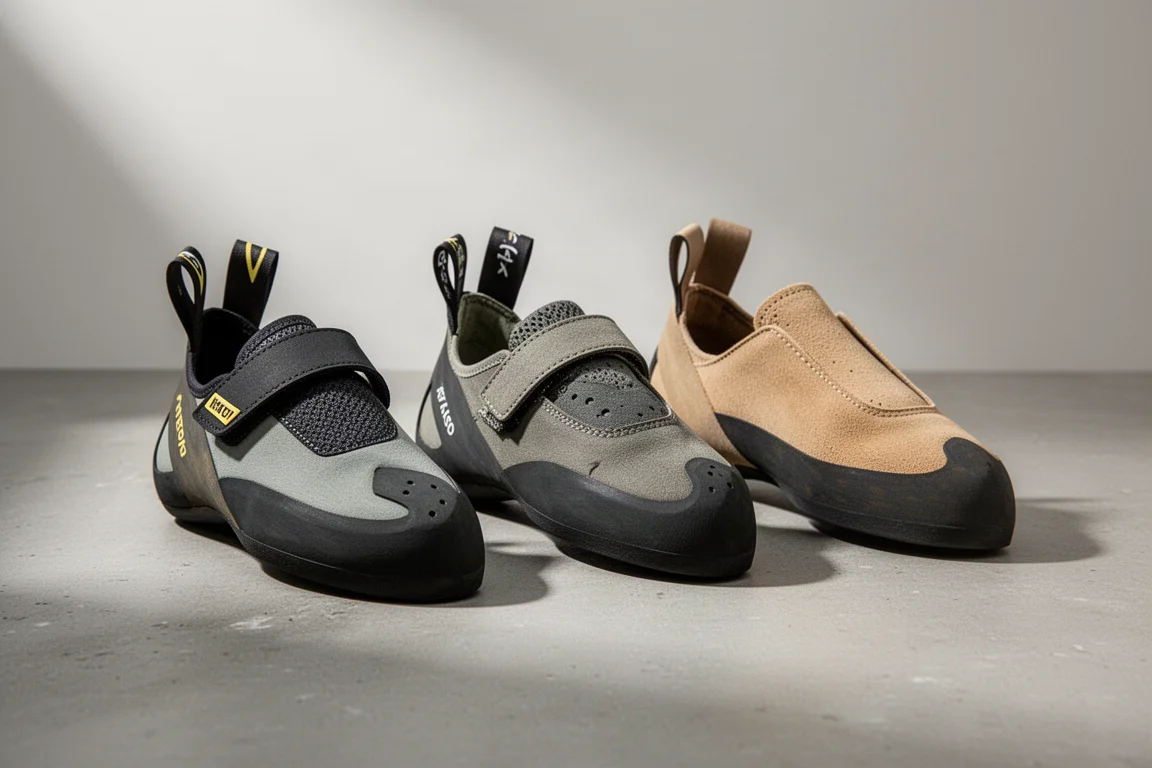
Evolv Climbing Shoes Compared: Zenist, Nighthawk, and Skyhawk
A soft bouldering specialist and two all-day trad shoes from Evolv, compared by feel, rubber, fit, and the kind of climbing each one suits.
Climbing Shoes
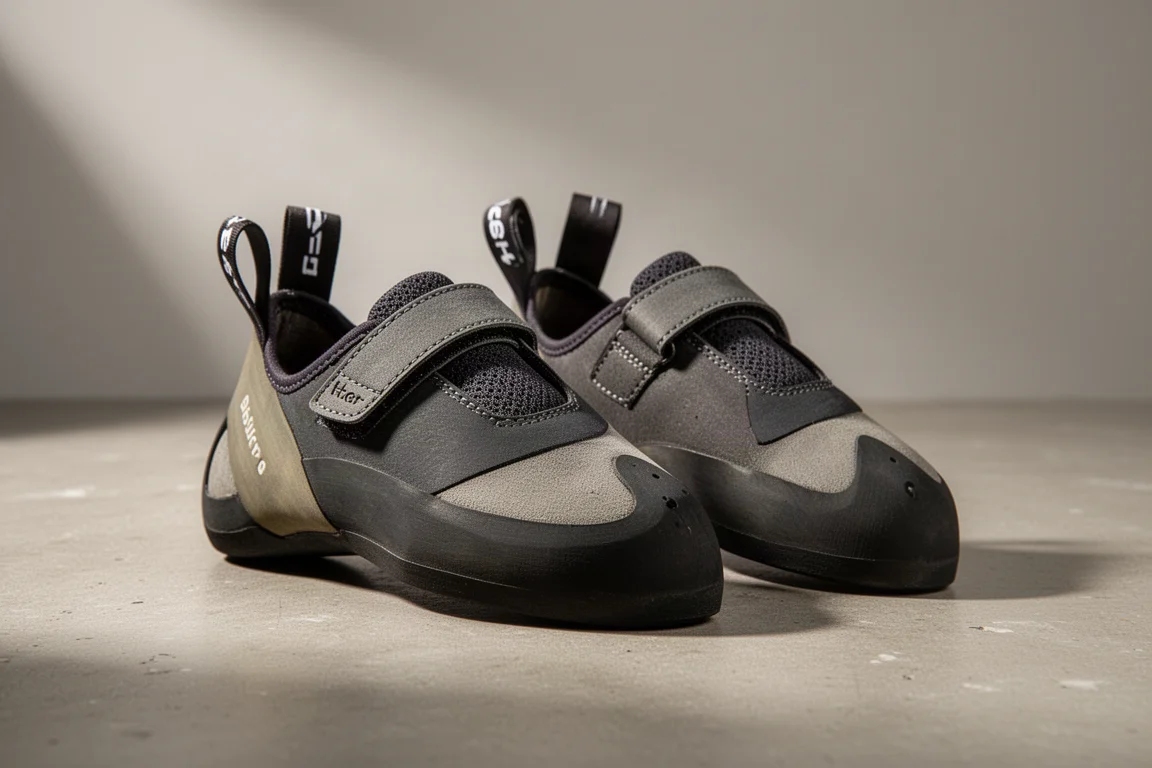
Evolv V6 Review: A Comfortable Climbing Shoe Built for Progression
The Evolv V6 is a flat-feeling, vegan climbing shoe aimed at new climbers progressing toward V6, with a stiff forefoot, relaxed heel, and easy on-and-off design.
Climbing Shoes
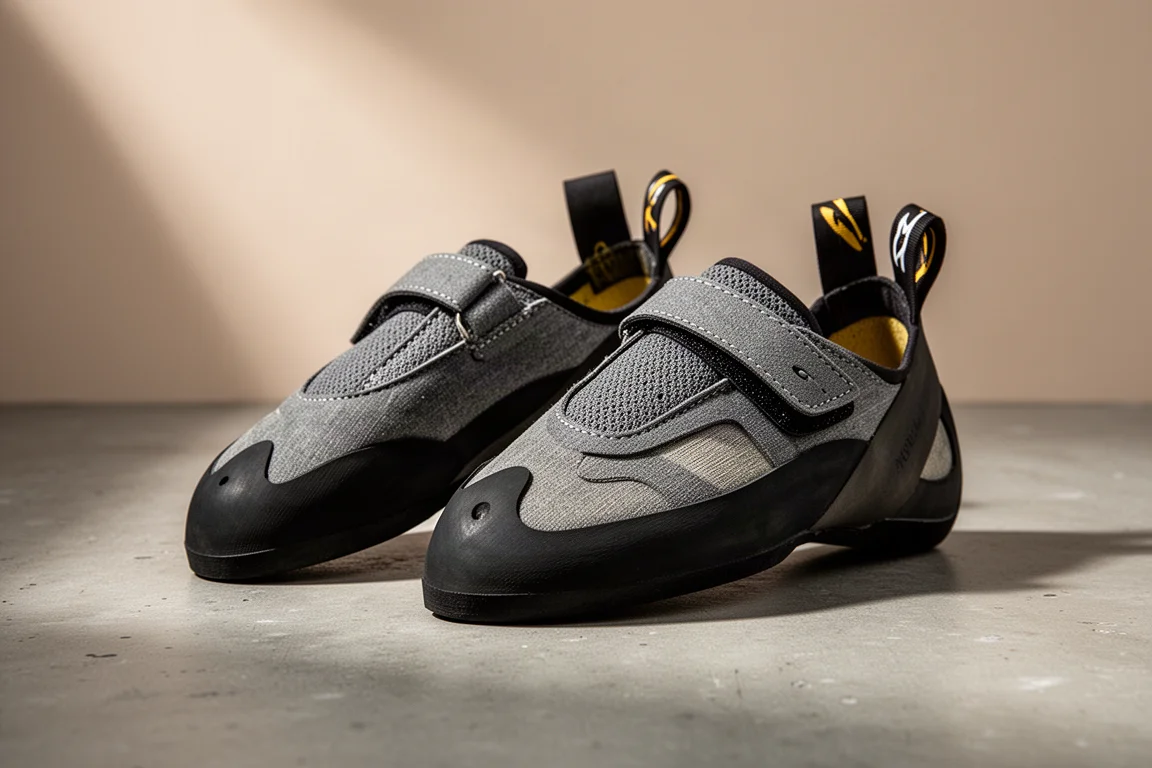
La Sportiva Skwama Lite Review: A Softer, Comfort-First Take on the Skwama
The La Sportiva Skwama Lite keeps the Skwama's shape and P3 platform but dials back tension for all-day comfort, with a vegan build and a washable design.