Climbing Shoes
La Sportiva Skwama Lite Review: A Softer, Comfort-First Take on the Skwama
The La Sportiva Skwama Lite keeps the Skwama's shape and P3 platform but dials back tension for all-day comfort, with a vegan build and a washable design.
Introduction
La Sportiva launched the Skwama just over a decade ago, and it became one of the most recognisable performance climbing shoes on the wall. It is a genuinely top-end design: a Vibram XS Grip sole, a lot of tension through the forefoot, a strong and supportive heel, and a pronounced knuckled toe box that only performs properly when the fit is very tight.
That tight-fit requirement is also where the Skwama created problems. Climbers who did not need that level of aggression, or who were not yet ready for it, ended up in a shoe that could be painful on longer sessions. Indoor walls make progress fast, and it is easy to move straight from an entry-level model to a top-end shoe simply because that is what the strongest climbers wear.
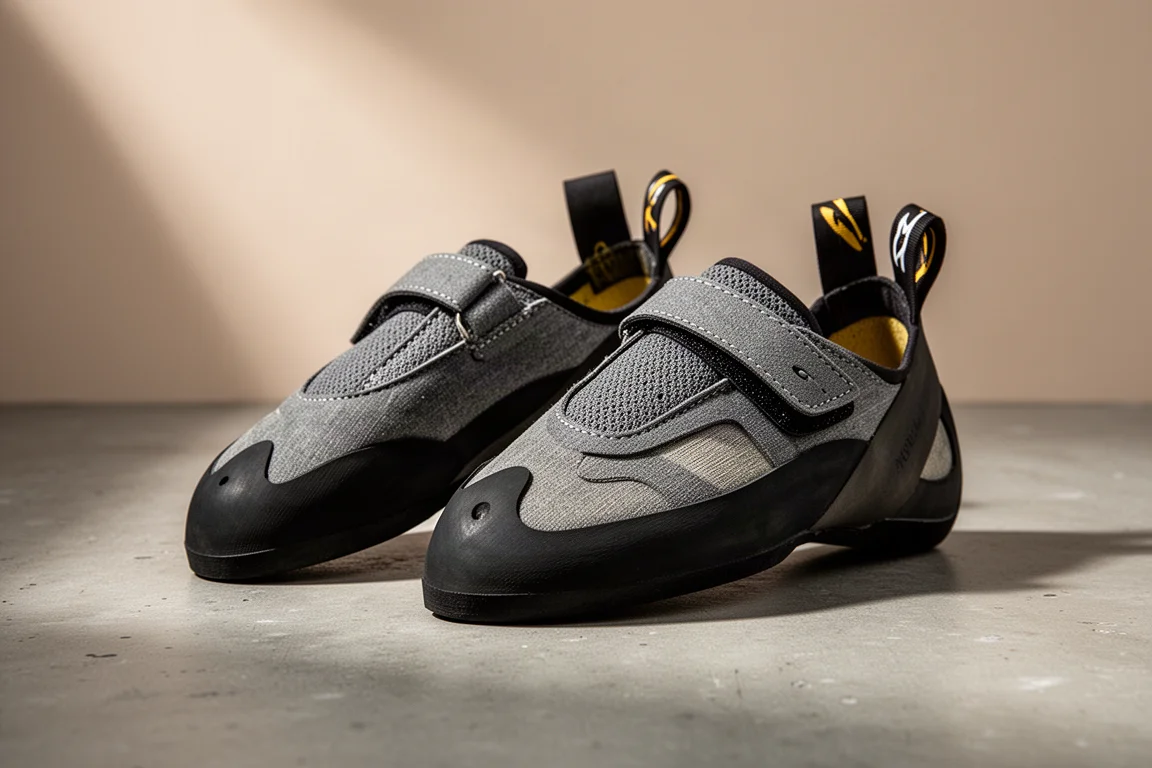
The Skwama Lite takes the same family DNA and relaxes it. It keeps the shape, the construction and the overall silhouette, but dials back the tension that makes the original so demanding. The result is a shoe that stays comfortable for hours without feeling like a step backwards for most climbers.
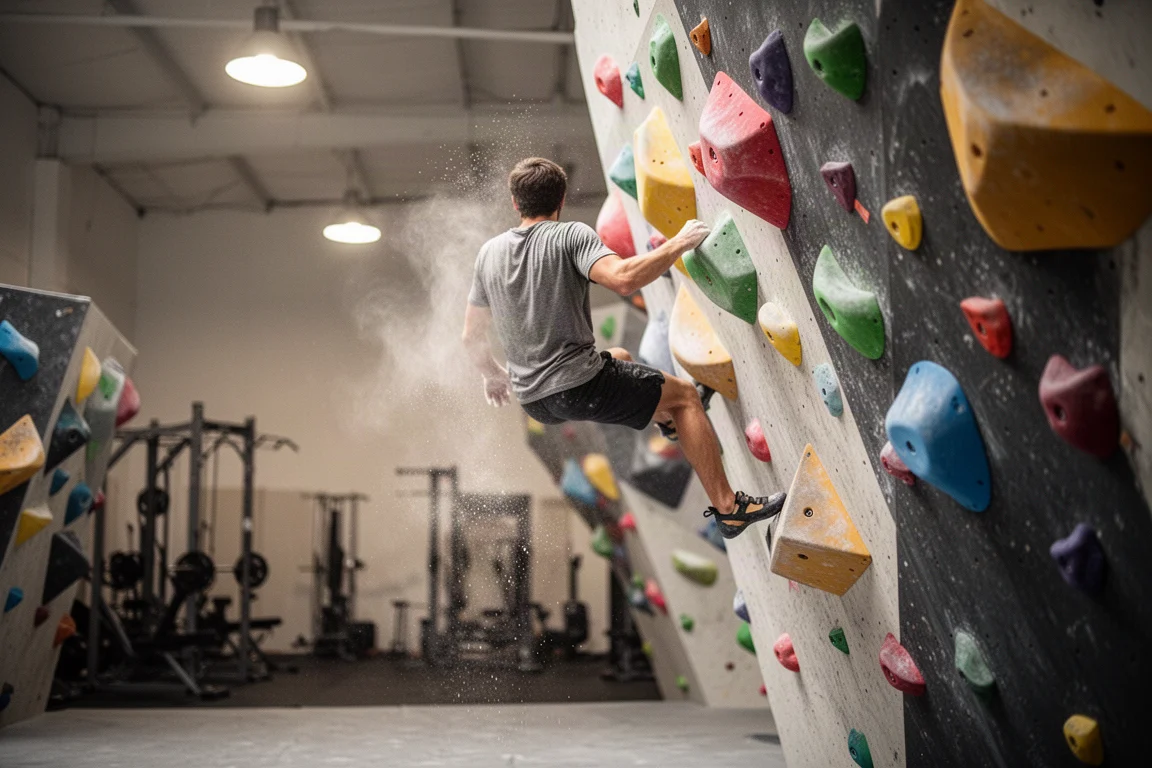
In practice, the Skwama Lite sits in the middle ground: more performance-oriented than a pure comfort shoe, and far easier to live with than a fully tensioned competition-style model. This review covers what it does well, where it gives up ground, and who should consider it.
Who the Skwama Lite Is For
This is not marketed or built as a beginner shoe, and it should not be treated as one. It can work for newer climbers, but its real audience is people who already climb regularly and want one shoe they can keep on for an entire session.
That includes climbers doing long indoor blocks two or three times a week, parents climbing with their children, and anyone whose current grade does not demand maximum edge performance. Experienced climbers who have spent years in aggressive shoes also make sense here, particularly as a training companion to a harder, more tensioned pair kept aside for outdoor projects.
The appeal is straightforward: a shoe that supports performance without asking your feet to pay for it.
Comfort and Fit
Comfort is the defining feature. The toe box is noticeably slimmer than the original Skwama, with only a slight arch rather than a deep knuckled pocket, so the toes are not forced into an extreme position. That shape is much easier to tolerate over a long session, and it also discourages the instinct to size down aggressively. The sensible approach is to fit these comfortably rather than as tight as possible.
Inside, a microfibre lining gives the shoe a plush, sock-like feel the moment the foot slides in. Entry is easy, there is no wrestling with the upper, and the lining copes well with sweat and moisture, which matters for a shoe that is primarily aimed at indoor use.
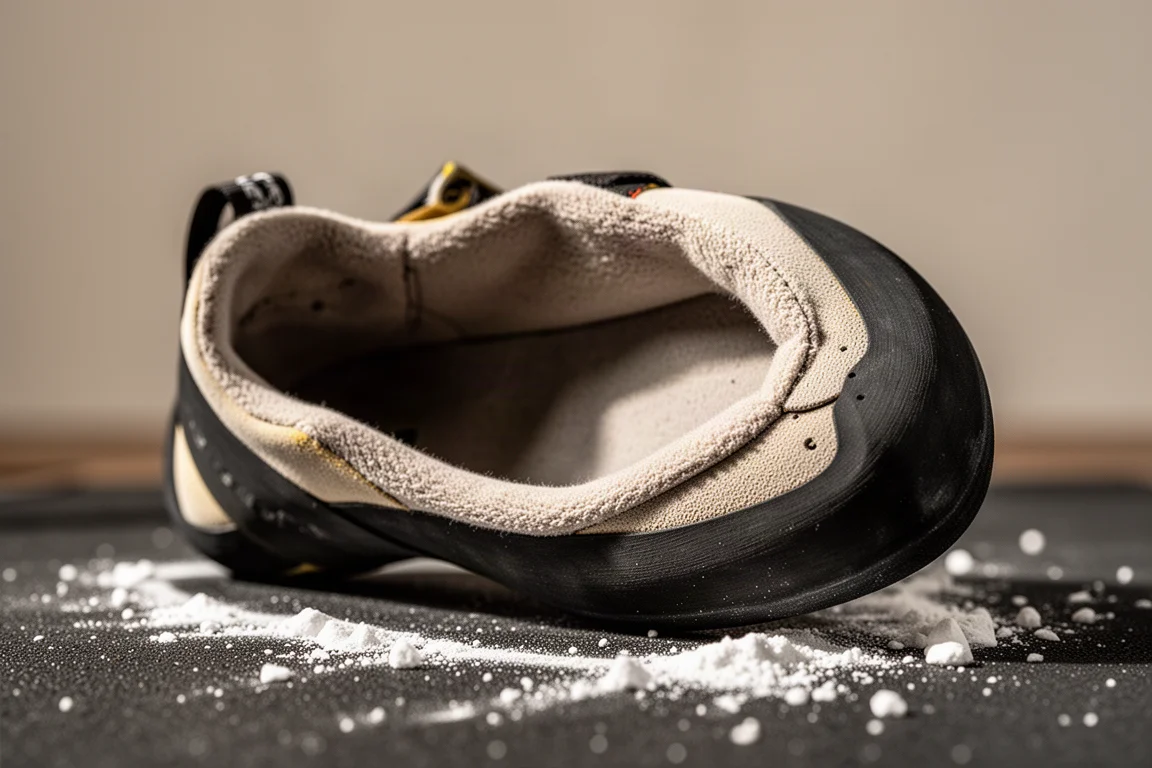
The heel is another deliberate change. Where the Skwama uses a solid, highly tensioned heel that some climbers find uncomfortable or lacking in sensitivity, the Skwama Lite uses a thinner, more traditional and noticeably narrower heel. It still feels sensitive on the rock, but it sits cleanly without pressing hard on the Achilles.
Main Strengths: Grip, Tension, and Durability
The Skwama Lite is built to last. Rather than a soft, thin rubber compound, it uses La Sportiva’s own FriXtion rubber, which is more durable than Vibram. It is not quite as tacky or sticky, particularly on the smallest edges, but it holds up well and is certainly not limiting at moderate grades. As with most climbing shoes, it also benefits from a short break-in period before the rubber starts to feel properly reliable.
The outsole is 4mm thick, which adds durability and a little stiffness under a small edge, while the shoe overall remains quite soft. That softness is exactly what suits indoor volumes and rounded blobs. The split sole design contributes both sensitivity and, importantly, easy resoling, so the shoe can be kept in service rather than replaced.
The construction shares the P3 system with the Skwama, the permanent power platform that keeps the shoe from collapsing into a permanently downturned shape over time. That rebound helps the shoe hold its profile and makes resoling simpler. The heel retains a large rubber toe patch for toe hooks, though it is softer than the original, and the closure is the same simple single strap, adjustable forward or back to hold the heel securely.
How the Skwama Lite Compares to the Original Skwama
The differences come down to tension. The Skwama Lite pulls the heel in less and keeps the forefoot noticeably less taut than the Skwama. That is precisely what creates the comfort, and for climbers at moderate grades it is unlikely to hold anything back. On the hardest, smallest edges, very strong climbers may still prefer the original.
Everything else is a gentler version of the same idea: a slimmer toe box, a thinner and narrower heel, a softer toe patch, and a rubber compound chosen for longevity rather than maximum stickiness.
Things to Consider Before Buying
The FriXtion rubber is the main trade-off. It is more durable than Vibram, but it is not as tacky, so climbers chasing the absolute limit on tiny edges may want to keep a Vibram-soled shoe for those sessions.
The shoe is also designed primarily around indoor climbing, which is where its softness, sensitivity and washability make the most sense. It is not intended to be fitted super tight, and treating it as a performance shoe to size down into works against the point of the design.
Buying Advice
Choose a comfortable size rather than sizing down. The Skwama Lite rewards a relaxed fit, and the slight arch in the toe box means there is no need to force the toes into a deep pocket.
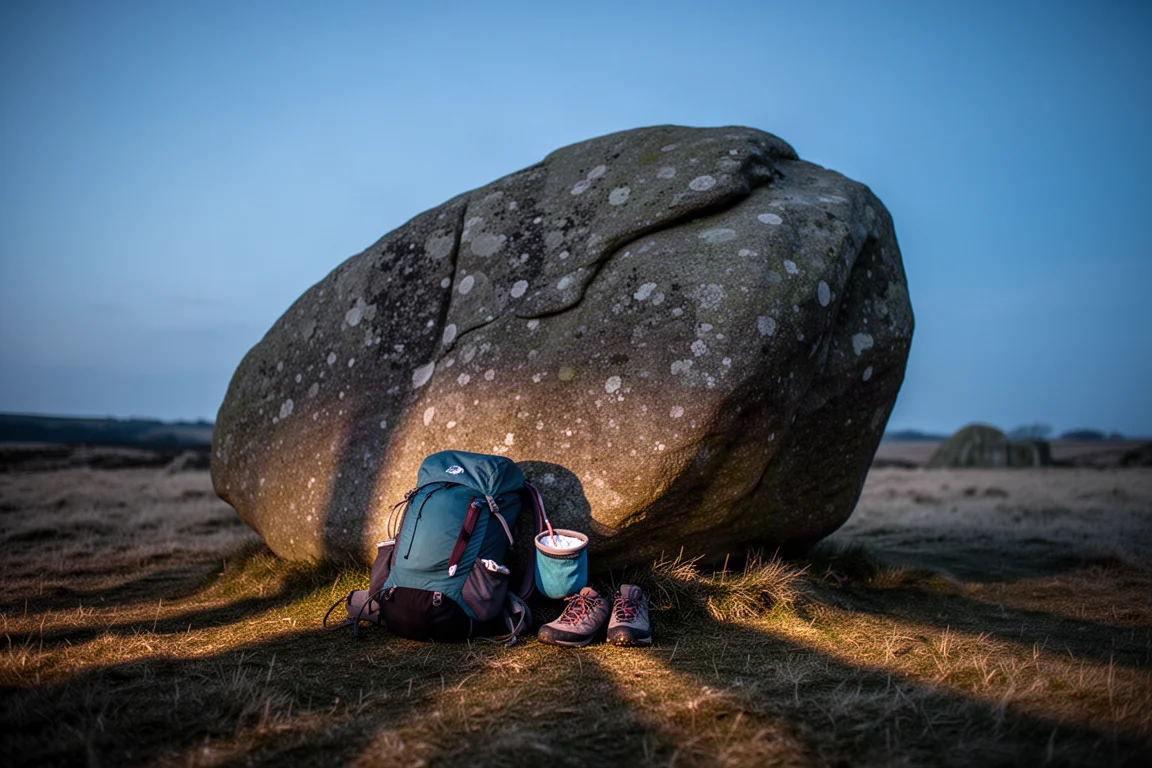
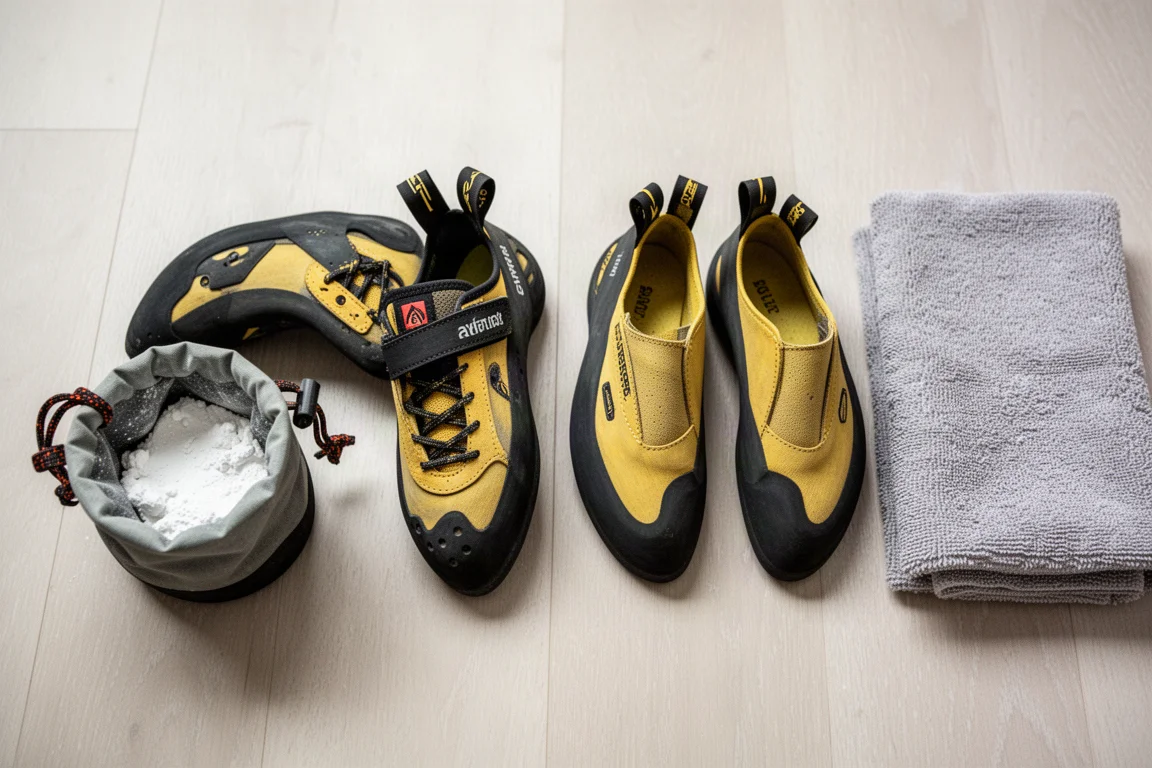
The practical setup for many climbers is a pair of Skwama Lites for the bulk of their climbing, training and long indoor sessions, with a more tensioned shoe kept for harder outdoor projects. Because the shoe is vegan, machine washable on a cool cycle of around 30 degrees, and easy to resole, it also makes sense as a durable everyday option that can take frequent use without falling apart.
Conclusion
La Sportiva set out to soften the Skwama without losing what makes it work, and the Skwama Lite delivers on that brief. It keeps the shape, the P3 platform and the reliable closure system, then trades a little tension and a little tackiness for significantly more comfort and durability.
It is not a beginner shoe, and it is not a replacement for a fully tensioned model on the hardest edges. For climbers who want to stay on the wall longer, enjoy their sessions more, and still have a shoe that performs well indoors and on moderate outdoor terrain, it is a genuinely sensible choice.
Product link
View more details for La Sportiva Skwama Lite
This product is mentioned in the review. Check the specifications, options, and compatibility before buying.
View more details for La Sportiva Skwama LiteFurther reading
Related Reviews
Climbing Shoes
Evolv Climbing Shoes Compared: Zenist, Nighthawk, and Skyhawk
A soft bouldering specialist and two all-day trad shoes from Evolv, compared by feel, rubber, fit, and the kind of climbing each one suits.
Climbing Shoes
Evolv V6 Review: A Comfortable Climbing Shoe Built for Progression
The Evolv V6 is a flat-feeling, vegan climbing shoe aimed at new climbers progressing toward V6, with a stiff forefoot, relaxed heel, and easy on-and-off design.
Climbing Shoes
Mad Rock Drone 2 and D2.One: Two Innovative Climbing Shoes Compared
A practical look at the Mad Rock Drone 2 and D2.One, two downturned climbing shoes with one-piece forefoot rubber, Science Friction 3 and a finned 3D hooking heel.