Climbing Shoes
Evolv Climbing Shoes Compared: Zenist, Nighthawk, and Skyhawk
A soft bouldering specialist and two all-day trad shoes from Evolv, compared by feel, rubber, fit, and the kind of climbing each one suits.
Introduction
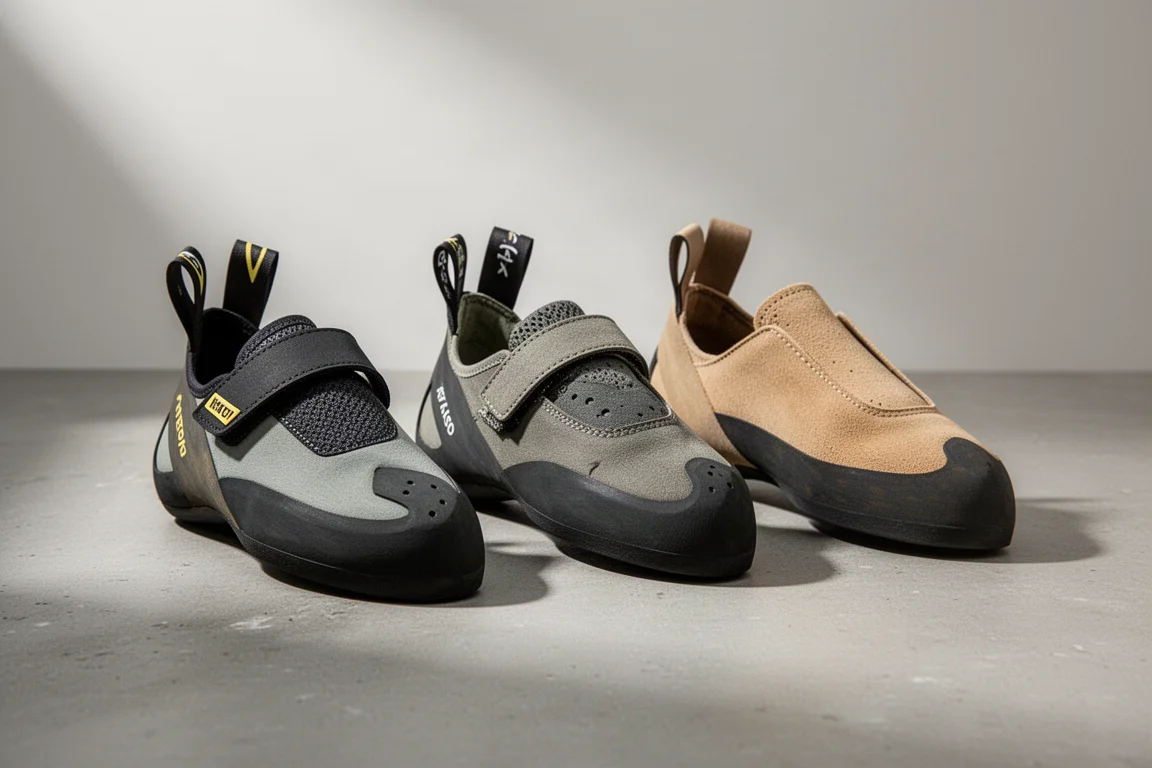
Evolv’s climbing range covers very different kinds of days on rock, and these three shoes sit at opposite ends of the feel spectrum. The Zenist is a soft, sensitive bouldering shoe built around indoor and competition style movement. The Nighthawk and Skyhawk are the men’s and women’s versions of a comfort-first trad shoe made for multi-pitch routes and long days out.
That split matters more than any spec list. A shoe that feels brilliant when you are smearing up a gritstone boulder is not the shoe you want halfway up a long, sustained pitch, and the reverse is just as true.
A few shared traits are worth knowing up front. The Zenist uses a fully synthetic upper, which also makes it a vegan shoe, and it wraps that around a broad forefoot and a heel that seats properly. The Nighthawk and Skyhawk lean on thick, tacky rubber and a stiff platform, which is what gives them their support on edges over a long day.
Evolv Zenist: A Soft Shoe Built for Playful Bouldering
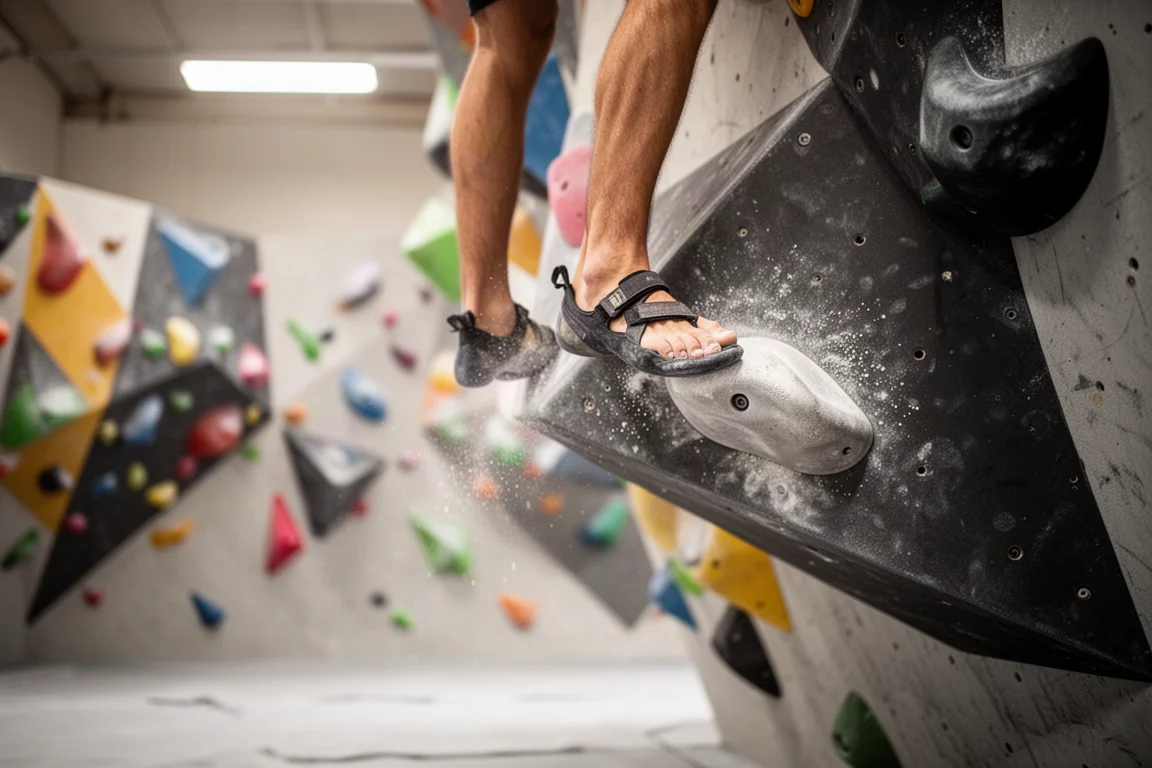
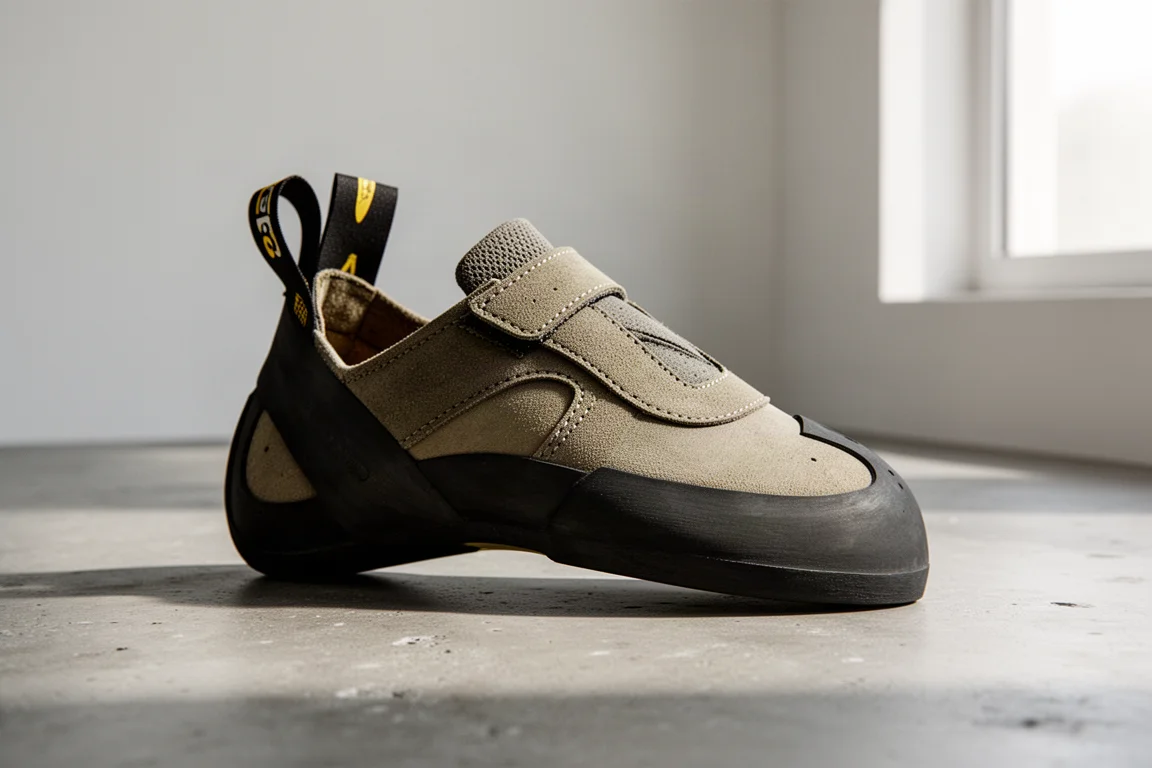
The Zenist is one of the softest shoes you can put on your foot, and it was clearly designed with indoor climbing and competition style problems in mind: big volumes, smearing, and pasting your feet onto whatever surface is in front of you. Every part of the shoe feels soft, including the rubber over the toe, which stays pliable enough for confident toe hooks.
Despite being a tight fitting bouldering shoe, it is comfortable to wear, largely because the forefoot is broad. The heel seats properly as well, with no dead space, so you can pull hard on it and trust that it will stay put. Heel hooks and toe hooks both benefit from that combination of a secure fit and plenty of friction against the rock.
The upper is fully synthetic, so it stretches a little rather than a lot, and it makes the shoe vegan. The Trax rubber is notably sticky and tacky, which gives real confidence when you commit weight to a small hold. Even with such a soft build, edging on gritstone is still possible. Where it gives ground is on vertical limestone style terrain, where a stiffer shoe is simply the better tool.
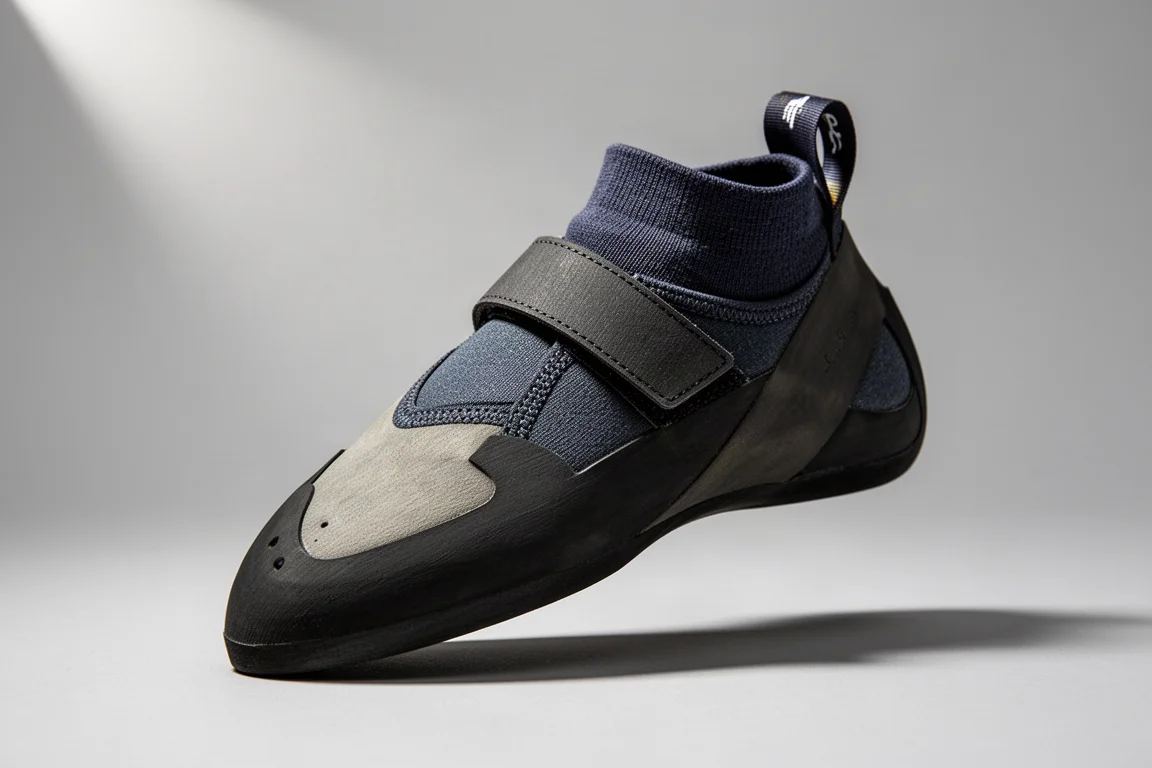
Getting them on is easier than with many tight shoes. The closure is closer to a slipper or sock fit, with a single Velcro strap over the top that pulls the foot back into the heel.
Evolv Nighthawk: All-Day Support for Long Trad Routes
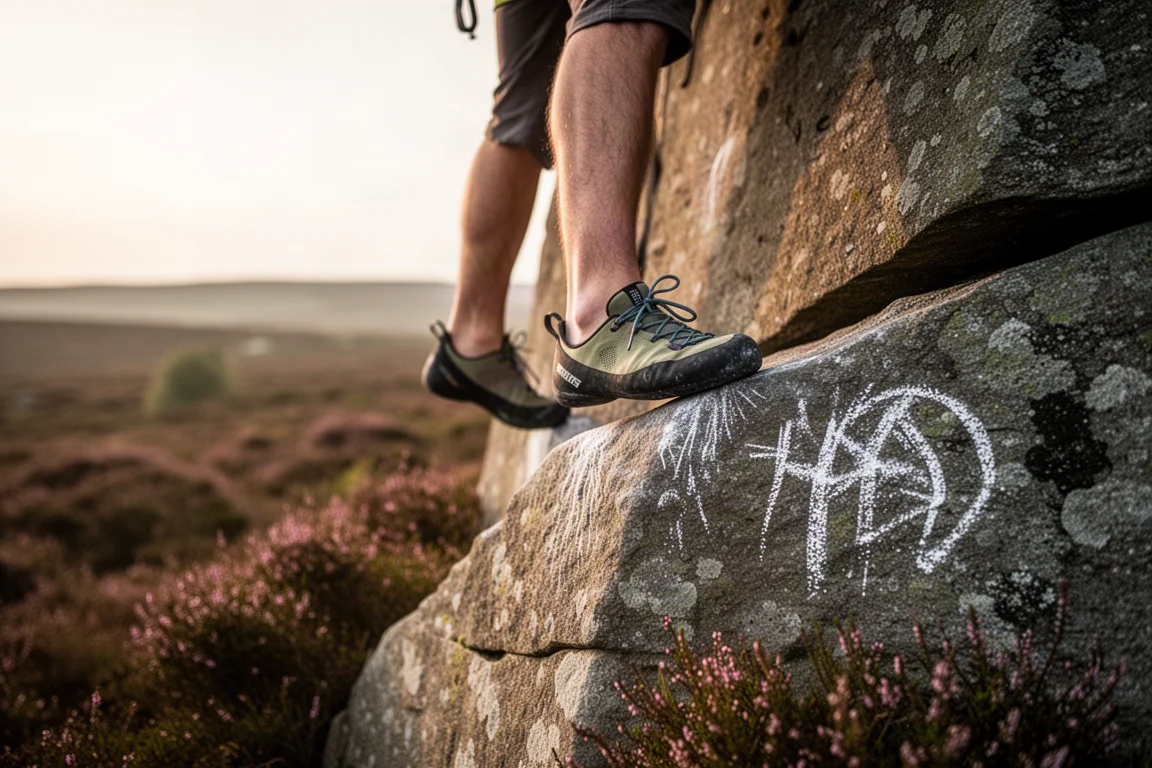
The Nighthawk is a men’s all-day trad shoe designed for multi-pitch climbing and long days out on gritstone. It is built around comfort, and that holds up in use. It sits on the stiff side, which is typical of comfortable trad shoes with thick rubber, and that stiffness translates into support: put your foot on an edge and it stays there.
The pleasant surprise is the rubber. Even before the shoes were properly worn in, and even when covered in sand and grit, they pasted convincingly onto drier holds with a tacky feel that inspires confidence. Comfort is on the wider side, which suits climbers who find tighter performance shoes punishing on long routes.
One practical note: these are due to be replaced by a new Evolv model called the Defy, so availability may shift over time. For now the Nighthawk remains a straightforward value pick for all-day use.
Evolv Skyhawk: The Women’s All-Day Trad Shoe
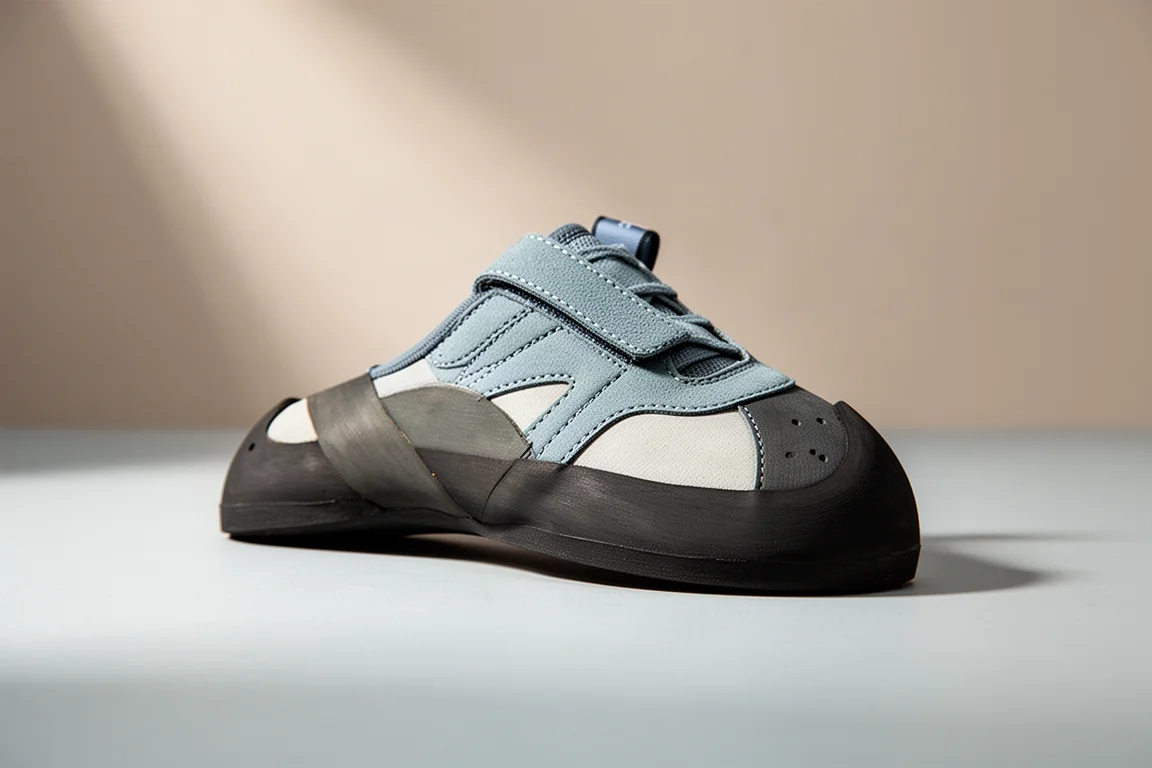
The Skyhawk is the women’s version of the same all-day trad design, aimed at the same job: multi-pitch routes and long days on gritstone. It shares the comfort-first approach, the stiff platform with thick rubber, the support when you weight an edge, and the tacky feel underfoot.
Choosing between the two comes down to fit rather than performance intent, since the design goals are identical. The same advice applies as with any climbing shoe: try both if you can, and pick the one that seats your heel and forefoot best.
What to Consider Before You Buy
The first question is what kind of climbing you do most. If your sessions are built around bouldering, indoor volumes, and competition style problems, a soft shoe like the Zenist will feel more capable and more enjoyable. If your plans involve long routes, multi-pitch days, and hours of standing on edges, the support of a stiffer shoe matters far more than sensitivity.
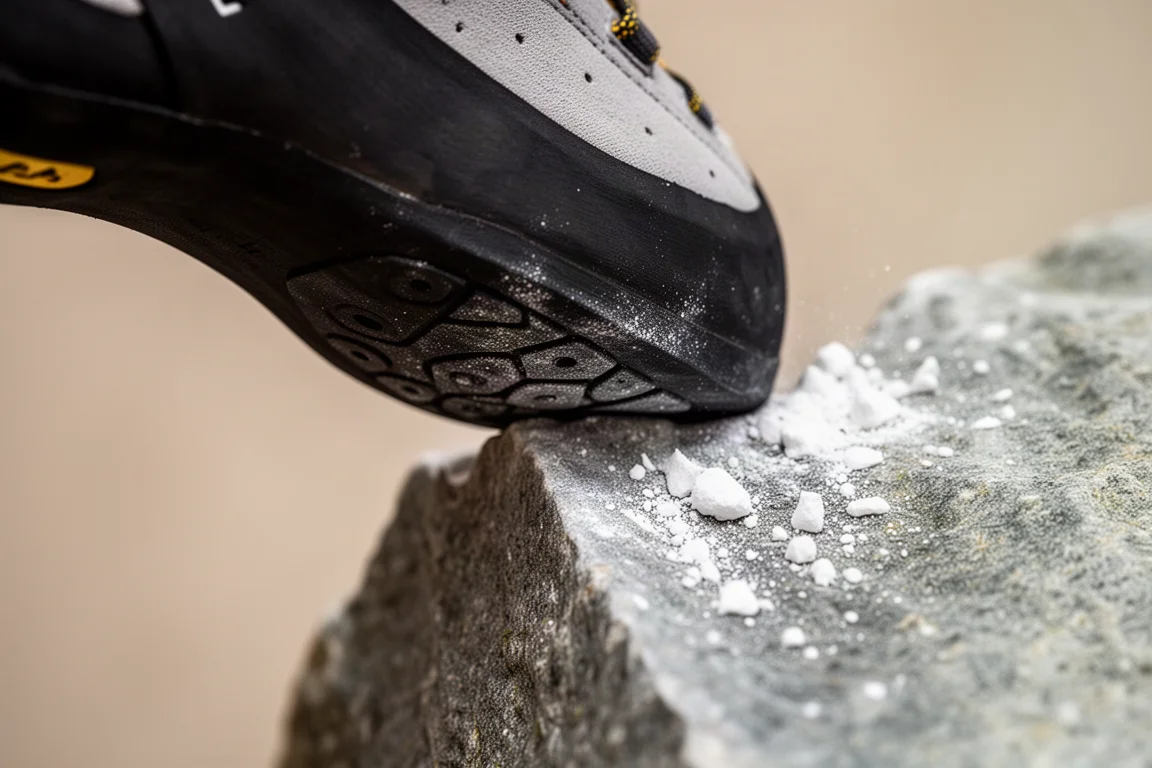
Rubber and stiffness are the two levers here. Soft shoes smear and conform, which is why the Zenist feels so good on slabs and through steep roofs, but they give up some precision on small edges. Stiff shoes hold edges and support tired feet, at the cost of that close, sensitive feel.
Sizing and Trying Them On
Fit is personal, and no description can replace trying a shoe on your own feet. A few things are still worth knowing. The Zenist’s synthetic upper stretches a little, though less than a full leather shoe, and its broad forefoot suits wider feet, while the heel seats well for heel hooks. The Nighthawk and Skyhawk are described as comfortable and on the wider side, and they had not been fully worn in at the time of testing, which is a reminder that rubber and uppers change over the first weeks of use.
Buying Advice: Matching the Shoe to Your Climbing Day
Match the shoe to the day. For bouldering, indoor sessions, and anything where smearing and sensitivity matter most, the Zenist is the obvious pick and the one that is most fun to climb in. For multi-pitch routes and long gritstone days, the Nighthawk or the Skyhawk will keep your feet happier and hold edges with less effort.
Price is part of that decision. The Nighthawk and Skyhawk are currently £55, which is modest for an all-day trad shoe, and the pair is due to be replaced by the Defy model, so it is worth checking availability before you commit. The Zenist sits in a different bracket as a specialist soft shoe, and it deserves a proper try-on before purchase, as does any tight fitting climbing shoe.
Conclusion
These three shoes are not competitors so much as answers to different questions. The Zenist rewards climbers who want softness, sensitivity, and fun on boulders, volumes, and smeary rock. The Nighthawk and Skyhawk reward climbers who want to stand on edges for hours and still feel comfortable at the end of a long route. Work out which of those describes your climbing, try the shoe on, and the choice becomes simple.
Further reading
Related Reviews
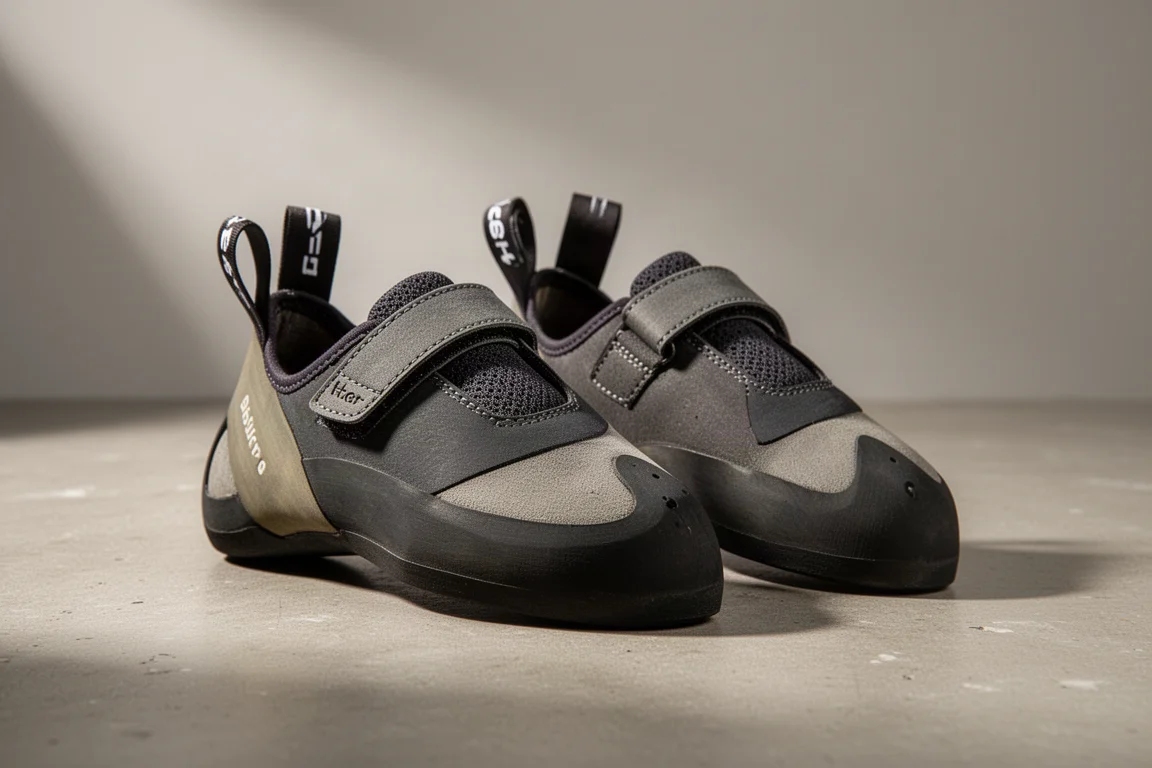
Climbing Shoes
Evolv V6 Review: A Comfortable Climbing Shoe Built for Progression
The Evolv V6 is a flat-feeling, vegan climbing shoe aimed at new climbers progressing toward V6, with a stiff forefoot, relaxed heel, and easy on-and-off design.
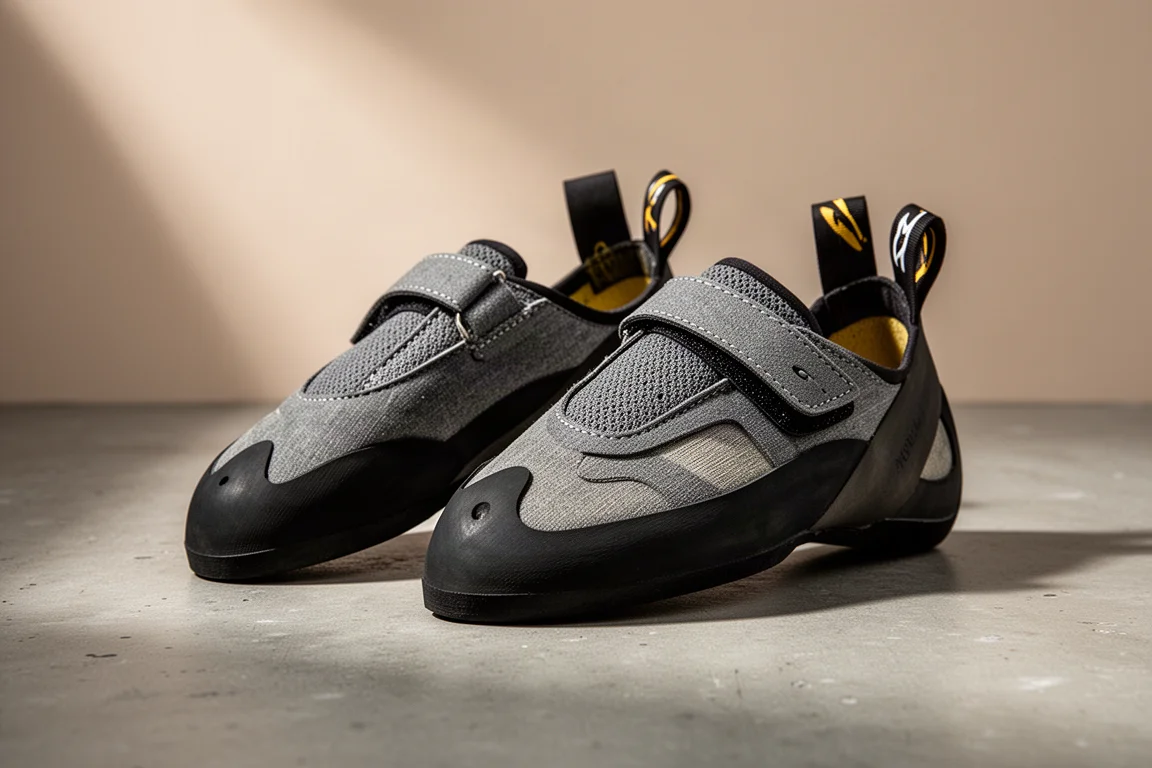
Climbing Shoes
La Sportiva Skwama Lite Review: A Softer, Comfort-First Take on the Skwama
The La Sportiva Skwama Lite keeps the Skwama's shape and P3 platform but dials back tension for all-day comfort, with a vegan build and a washable design.
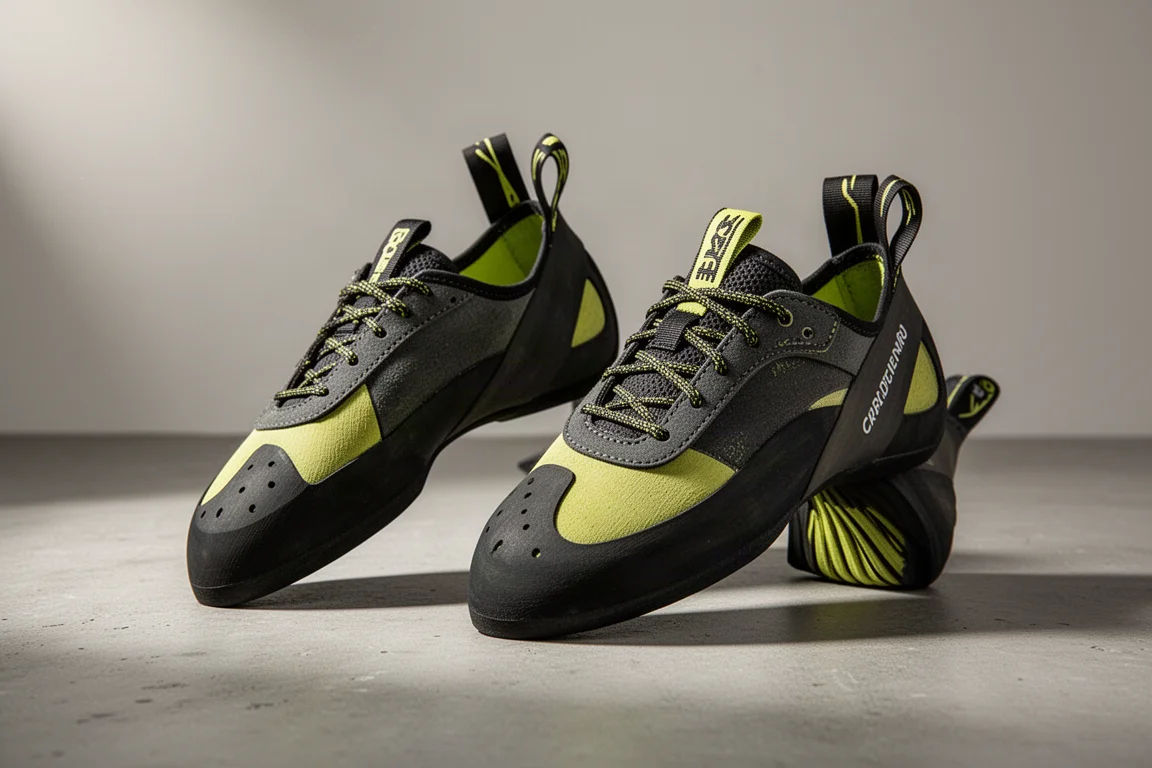
Climbing Shoes
Mad Rock Drone 2 and D2.One: Two Innovative Climbing Shoes Compared
A practical look at the Mad Rock Drone 2 and D2.One, two downturned climbing shoes with one-piece forefoot rubber, Science Friction 3 and a finned 3D hooking heel.