Duffel Bags
Savotta Keikka Duffel Review: 30L, 50L, and 80L Compared
A close look at the Savotta Keikka duffel line in 30, 50, and 80 liters, covering build quality, stacking and nesting, real-world uses, and the costs worth weighing before buying.
Introduction
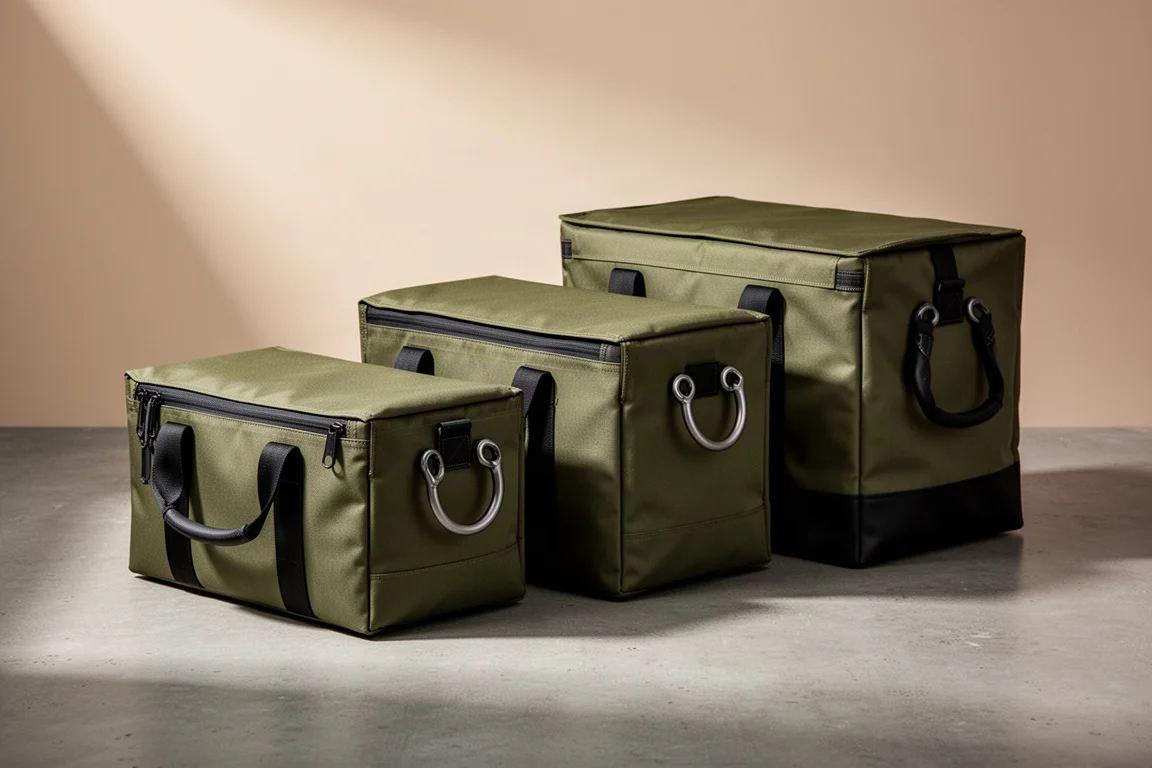
Savotta is a Finnish manufacturer with a long-standing reputation for military-grade equipment, and its Keikka duffel line applies that same approach to a rectangular carry bag. The range comes in three sizes: 30, 50, and 80 liters. What sets the design apart is the shape. Each bag uses a flat top, a flat bottom, and a rectangular profile instead of the rounded tube of a conventional duffel, and that single decision changes how the bags behave inside a vehicle, on a shelf, or in the corner of a garage.
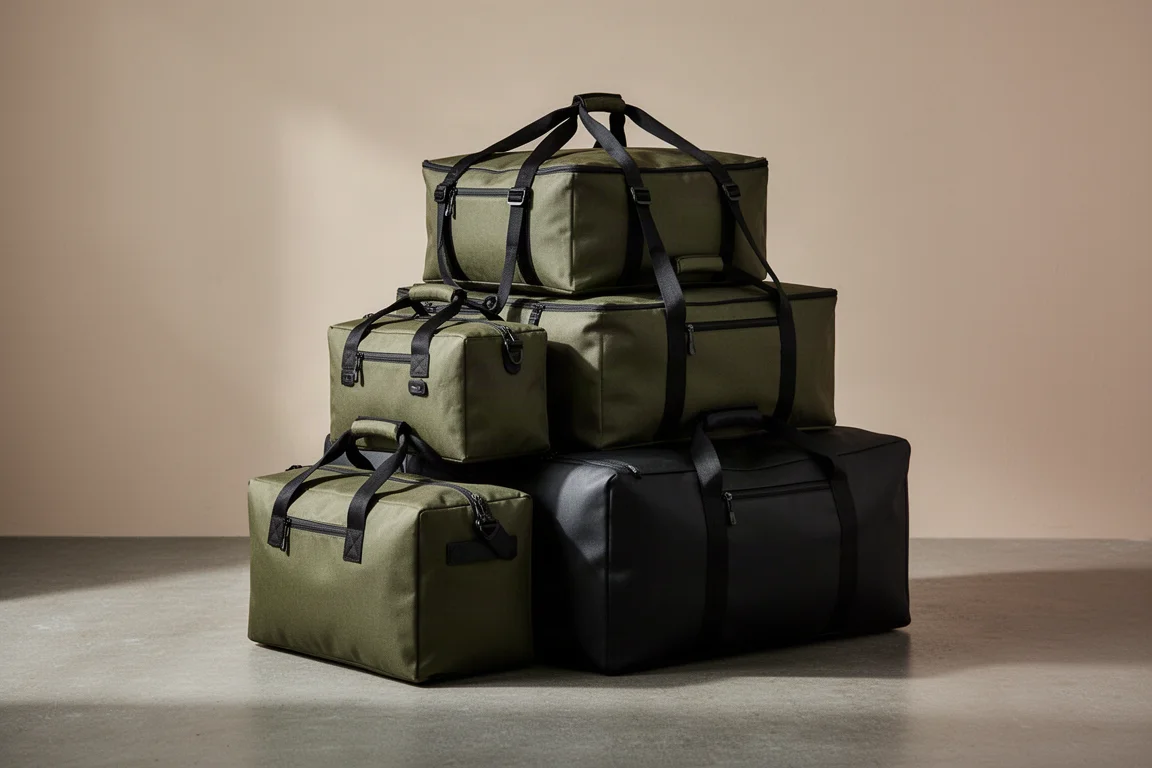
The three sizes are also designed to work as a set. Loaded, they stack and strap together into a stable block. Empty, they nest inside one another, so the whole set collapses down when it is not needed. For anyone assembling an organized overland, truck camping, or range setup, that combination is the core appeal.
This guide covers what each size offers, where the line is strongest, and the costs worth weighing before buying.
Design and Build Quality Across the Range
All three bags share the same construction approach. The shell is 1000D Cordura nylon, a fabric with a substantial strength advantage over the polyester used in most inexpensive duffels. Straps are 100% polyester, padding is closed-cell foam, and the hardware is welded steel. Every metal attachment point is welded rather than open-backed, which removes a common weak spot: a heavy load on a shoulder strap can deform an open ring until it pulls apart. On these bags, the D-rings are solid.
The straps are also unusual. Each one is a single continuous piece that wraps all the way around the bag rather than being stitched to a single panel. That construction spreads load across the whole shell and makes the carry points noticeably stronger than the stitched-on webbing found on typical duffels. Stitching throughout is doubled, and the hardware feels substantial in the hand.
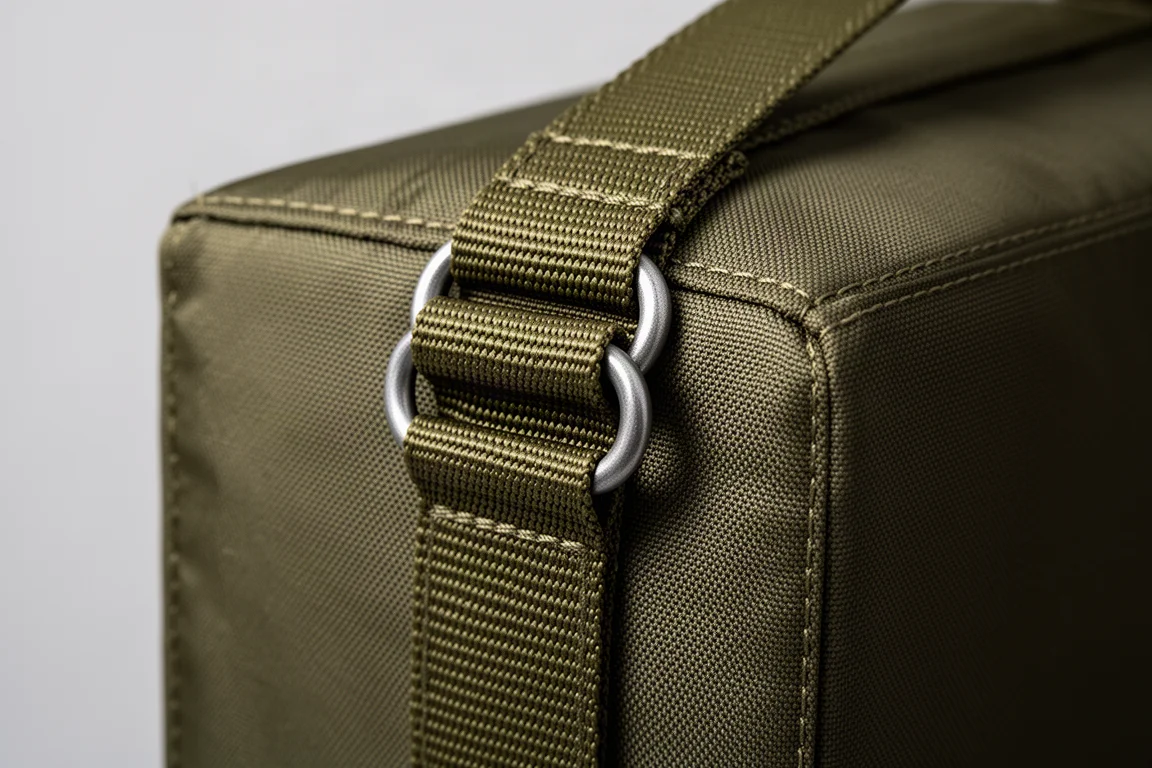
Organization follows the same pattern across the line. There are two-way zippers on the main opening and a folding lid, hook and loop panels on the lid and on the sides for patches or name badges, mesh sleeves, and hook and loop pockets on the ends. Two grab handles sit at either end of each bag, and every size offers welded attachment points at the top and lower corners. The bags are available in green and black, and each one carries a five-year warranty.
Savotta Keikka Duffel 30L
The 30-liter bag measures 12 by 10 by 18 inches and weighs 2.6 pounds, which works out to 1,830 cubic inches of capacity. It has grab handles at the top with a secure grip, a side zipper pocket, two-way zippers, hook and loop on one side and mesh sleeves on the other, plus a velcro-secured sleeve on the opposite side. An adjustable, removable shoulder strap is included.
Welded metal D-rings sit at the top and at the lower corners, ready for a carry harness if backpack-style transport is needed. Inside, there is a mesh pocket on each side, and a velcro pocket in the lid holds removable internal padding, which is what gives the lid its flat surface. The bottom uses the same arrangement.
In practice, this is the size that works best for dense, heavy contents. The flat bottom keeps a loaded bag sitting upright, and the compact footprint makes it a natural choice as a range bag for pistols, ammunition, and accessories.
Savotta Keikka Duffel 50L
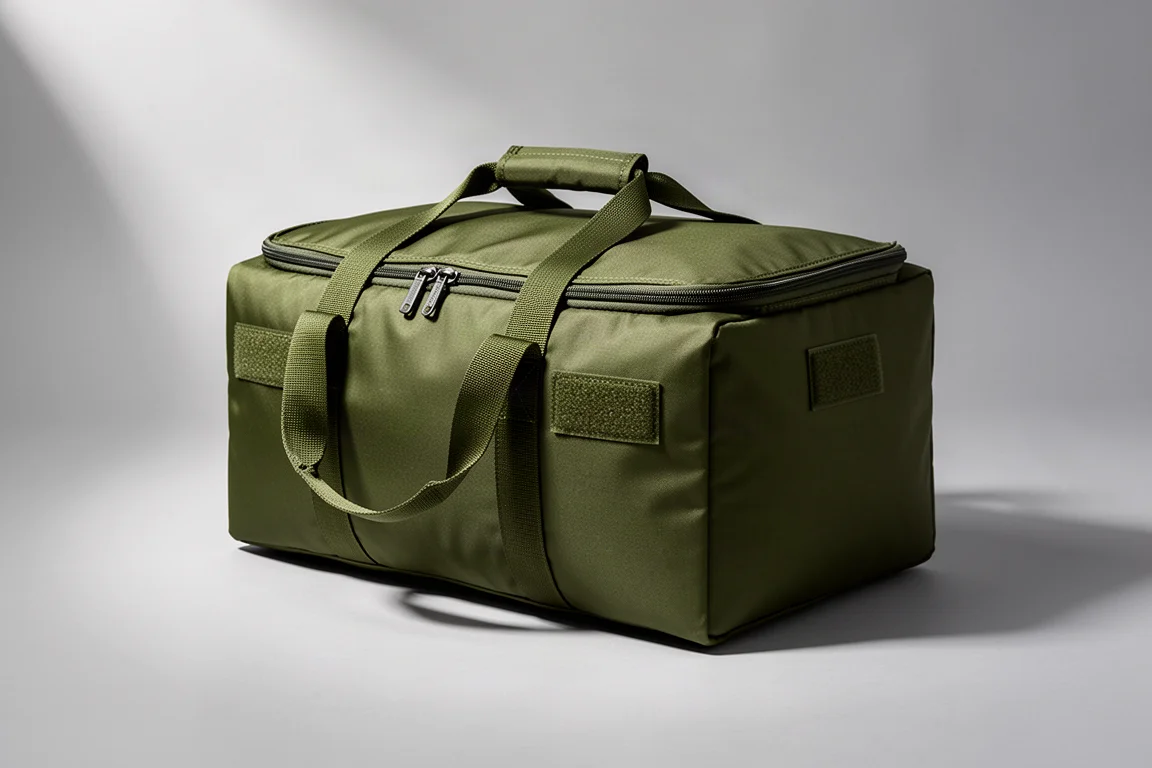
The 50-liter version measures 22 by 10 by 14 inches and weighs 3.1 pounds, for 3,050 cubic inches of capacity. It repeats the same formula: a carry handle and grab handles, a velcro pocket on the side, an included shoulder strap, velcro pockets on the ends, a zippered compartment, hook and loop on the lid, and two mesh sleeves. The attachment points are identical, so the same harness fits.
The interior is generous, and the longer footprint makes this the middle size that suits both vehicle storage and travel. It stacks directly on top of the 30-liter bag, and when both are empty it nests inside the 80-liter.
Between the two smaller sizes, the 50-liter is the most versatile single choice: enough room for a full weekend of clothing and kit without becoming awkward to carry.
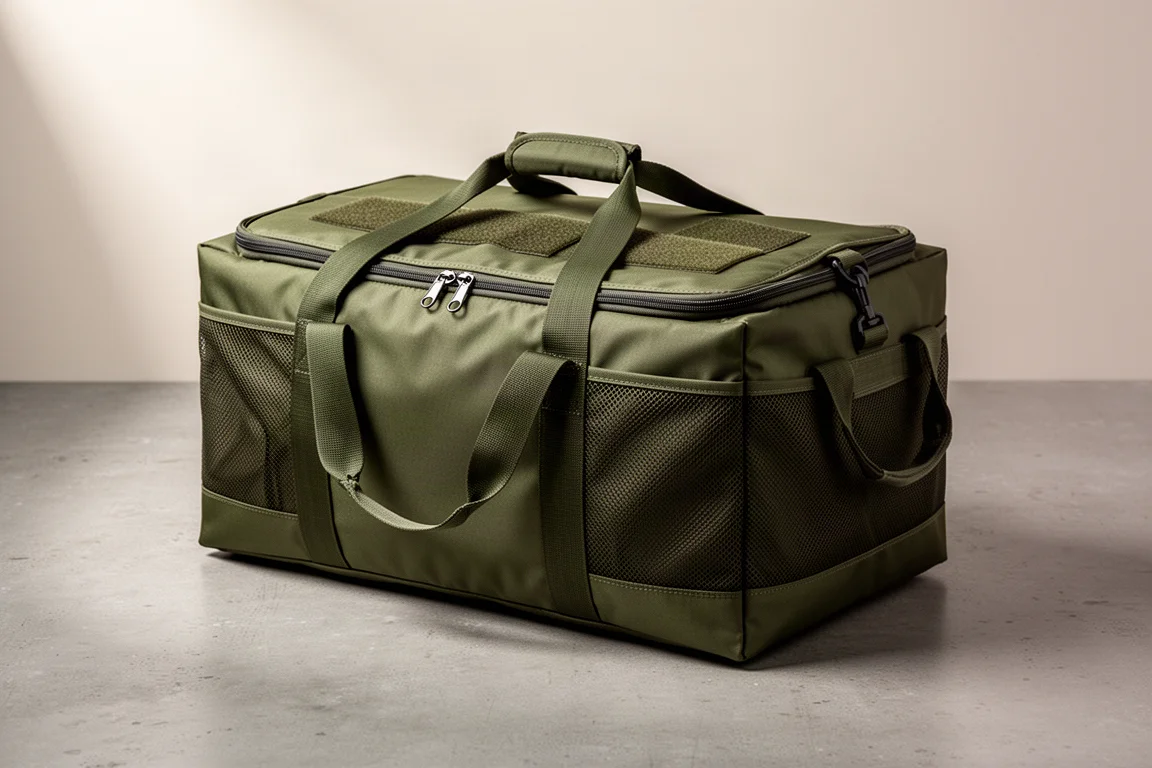
Savotta Keikka Duffel 80L
The 80-liter bag is the largest of the three at 32 by 14 by 10 inches and 4.1 pounds, with 4,800 cubic inches of capacity. It keeps the same handles, harness points, shoulder strap, and welded attachment rings, then adds a compression strap across the top that disconnects, plus a second compression strap on the opposite side at the front of the bag. Those straps let you cinch down a partial load so it does not shift.
Two-way zippers, hook and loop on the lid, mesh sleeves on each long side, and velcro pockets carry over from the smaller bags. The lid is large and lined with hook and loop, so pouches can be attached inside it, and the ends also have mesh sleeves. Hook and loop panels on the side and at the front opening give plenty of room for patches and name badges.
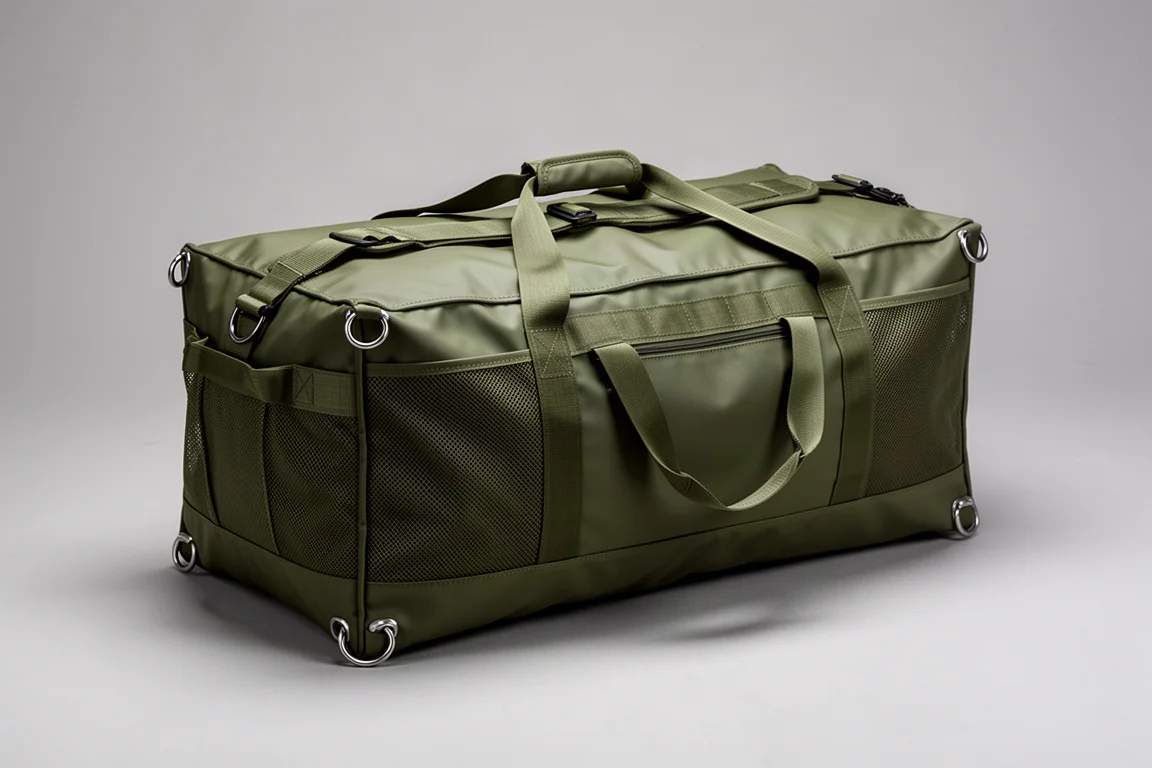
Shoulder Harness Kit and Carry Options
Each bag can be converted to backpack carry with an optional shoulder harness that attaches to the welded D-rings. The connection system is quick to fit and quick to remove, and a sternum strap is included. Worn this way, the load sits comfortably and distributes across both shoulders rather than hanging from one side. For travel, it means you can collect a bag and walk out without wheeling anything behind you.
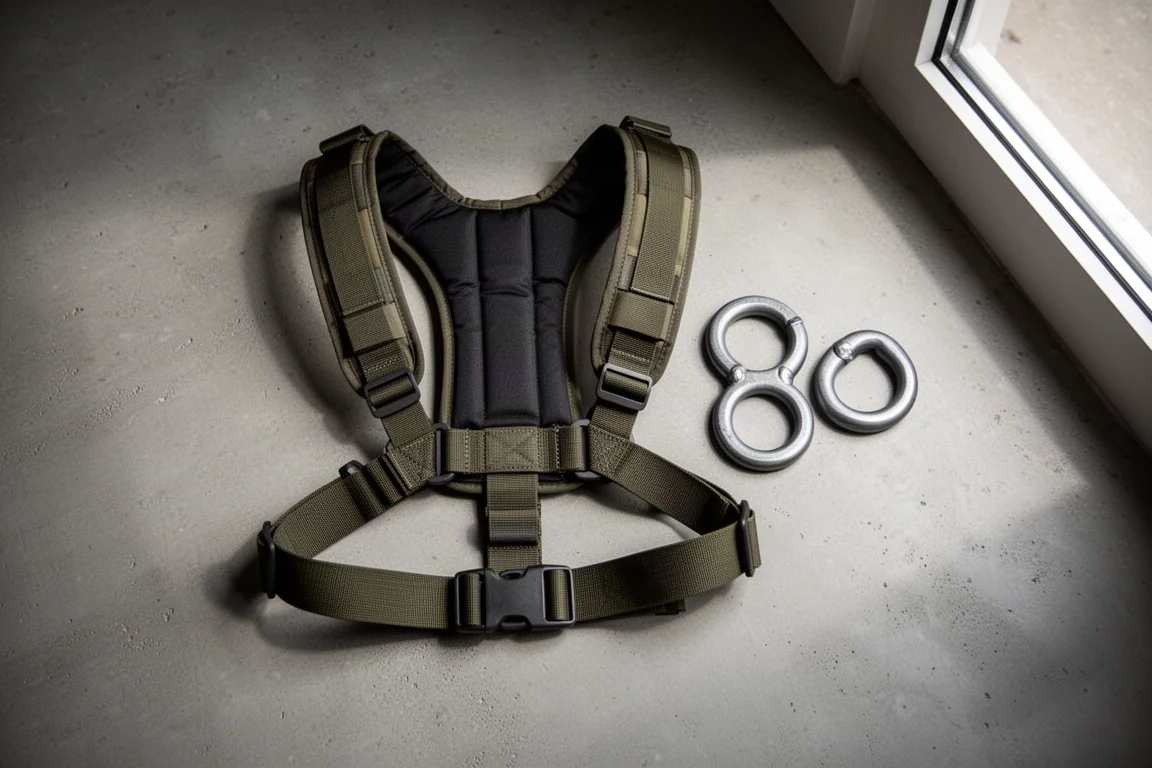
The trade-off is cost. The harness is sold separately and adds meaningfully to the price of a bag, so it makes the most sense for buyers who expect to carry a loaded duffel over real distances rather than lifting it between a truck and a campsite.
Stacking, Nesting, and Real-World Use
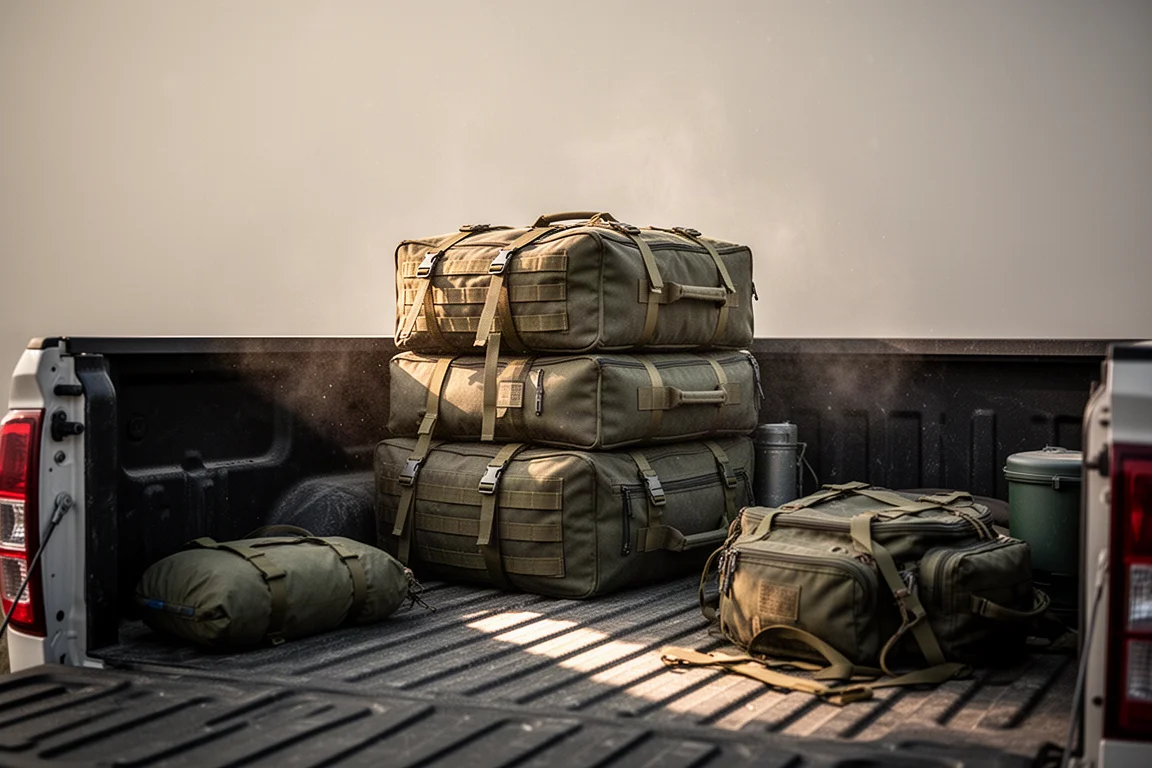
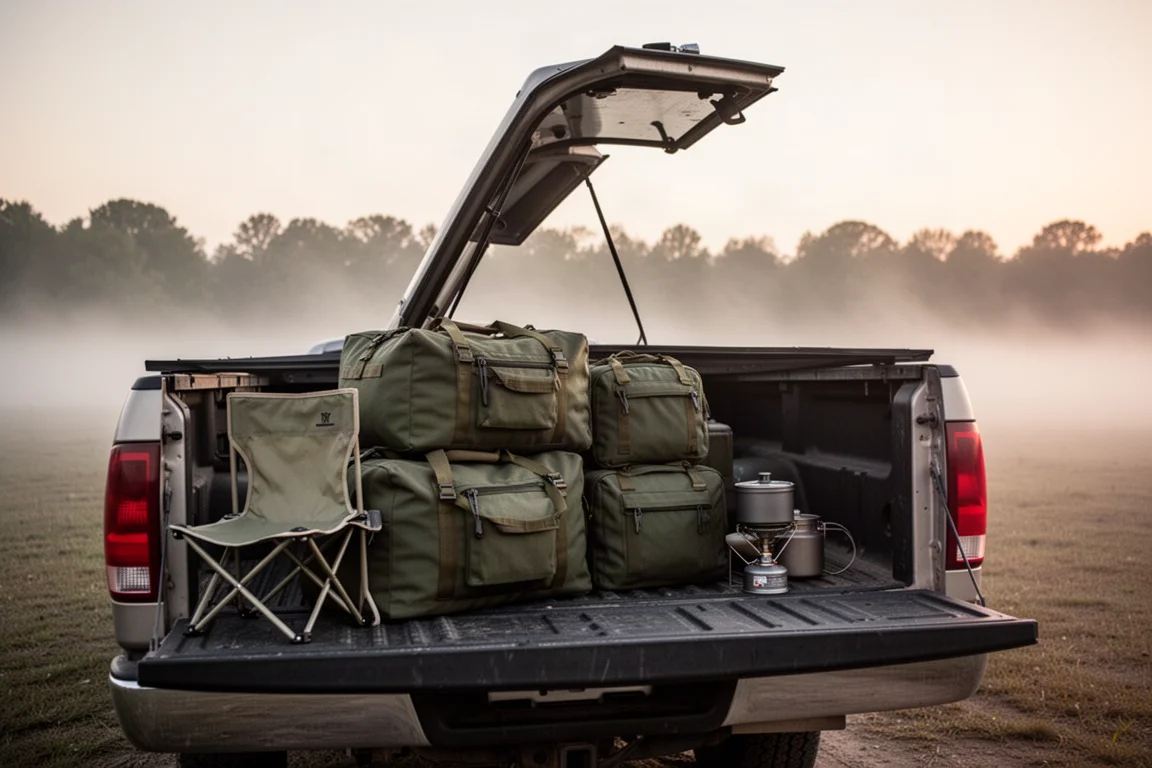
The rectangular shape is what makes the system work. Loaded, the bags can be strapped together and stacked into a single stable block that stays put in a corner of a load bed, which is exactly what a rounded duffel cannot do. Empty, each bag nests inside the next size up, so all three collapse into roughly the footprint of the 80-liter alone.
That flexibility is why the line suits overland and truck camping so well. Gear stays sorted by size and function, the stack does not shift while driving, and everything comes out of the vehicle in two or three trips instead of a dozen loose items. The 30-liter also doubles as a range bag, where the flat bottom supports the weight of ammunition and equipment without sagging.
Overall Buying Advice
Prices are $165 for the 30-liter, $206 for the 50-liter, and $247 for the 80-liter. That is expensive for a duffel, and there is no way around it. Against other military-grade duffel makers, though, the numbers are comparable or lower, and high-quality civilian duffels are not cheap either. A good general-purpose duffel can be found for around $50, but it will not be built from 1000D Cordura or carry the same welded hardware, and that difference in strength is the whole point of paying more.
The practical question is what you actually need. If a bag only ever travels between a car boot and a hotel room, a lighter and cheaper option will do the job. If it will be strapped into a truck, loaded with heavy equipment, dragged across gravel, and expected to last for years, the Keikka line is the more sensible long-term purchase. Availability in the United States has historically been patchy for some Savotta products, but these duffels can be found through specialist retailers.
On sizing: choose the 30-liter for tools, ammunition, or a compact day kit; the 50-liter as the all-rounder for weekends and travel; and the 80-liter when volume matters more than portability, such as base camp gear or bulky soft items. Add the shoulder harness only if you plan to carry the bag on your back rather than by hand.
Conclusion
The Keikka duffel line earns its price through construction rather than branding. 1000D Cordura shells, welded steel hardware, continuous wrap-around straps, and a rectangular shape that stacks and nests make these bags unusually capable, and the five-year warranty backs the claim. The two real costs are the price of entry and the separately sold harness kit, and both are worth accepting only if durability and organization solve a problem you actually have. For overland travel, truck camping, and range use, they very often do.
Further reading
Related Reviews
Duffel Bags
Savotta Keikka Duffel Bags Review: 30L, 50L, and 80L Compared
A closer look at the Savotta Keikka duffel range, including the 30, 50, and 80 liter bags, the shared materials and hardware, and the optional shoulder harness kit.

Backpacking Gear
Building a 10 lb Base Weight: An Ultralight Backpacking Gear List
A practical walkthrough of the ultralight pieces behind a 10 lb base weight, from a 765 g pack and a roomy one-person tent to a full camp chair and a dependable water filter.

Road Bikes
10 New Road Bikes Worth Watching: Aero, Titanium, Steel and Endurance Standouts
A practical roundup of 10 new road bikes, from aero flagships chasing single-watt gains to titanium, steel and endurance platforms built for real roads.