Camp Stoves
Savotta Big and Bad Stove Review: The Largest Hobo Stove in the Range
A detailed look at the Savotta Big and Bad Stove, the biggest wood burning hobo stove in the line, covering build quality, burn performance, and the trade-offs worth knowing before you buy.
Introduction
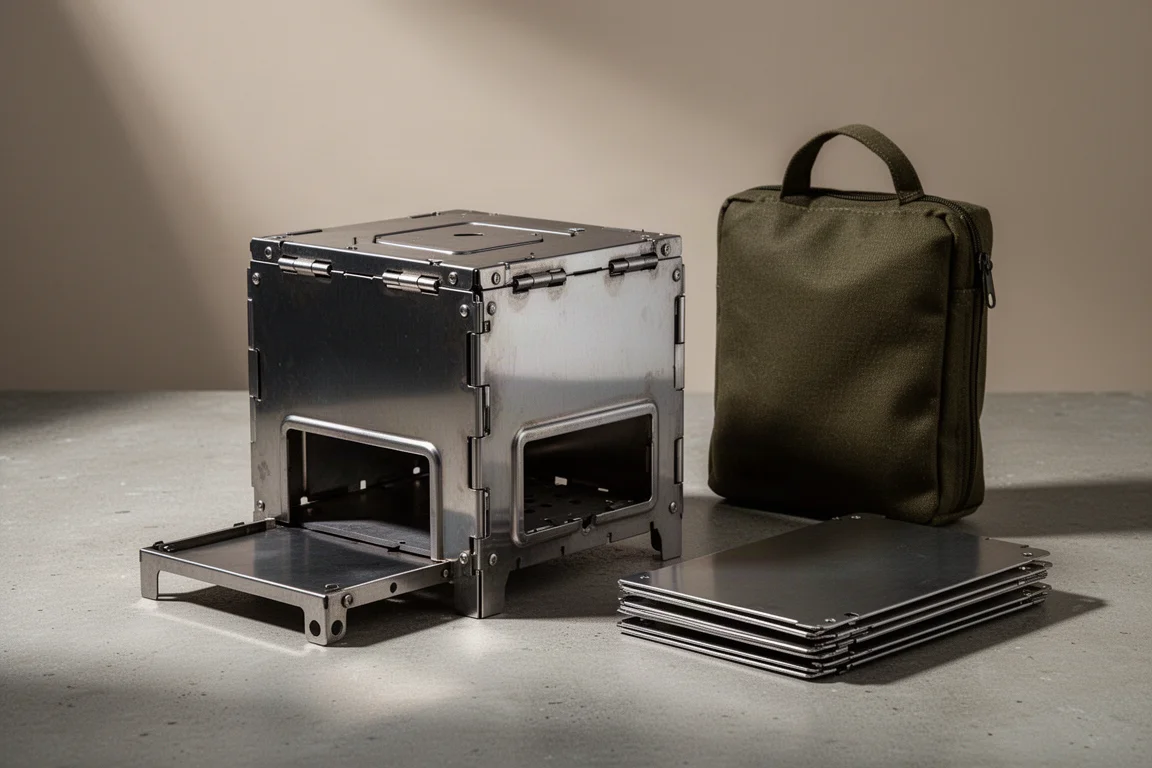
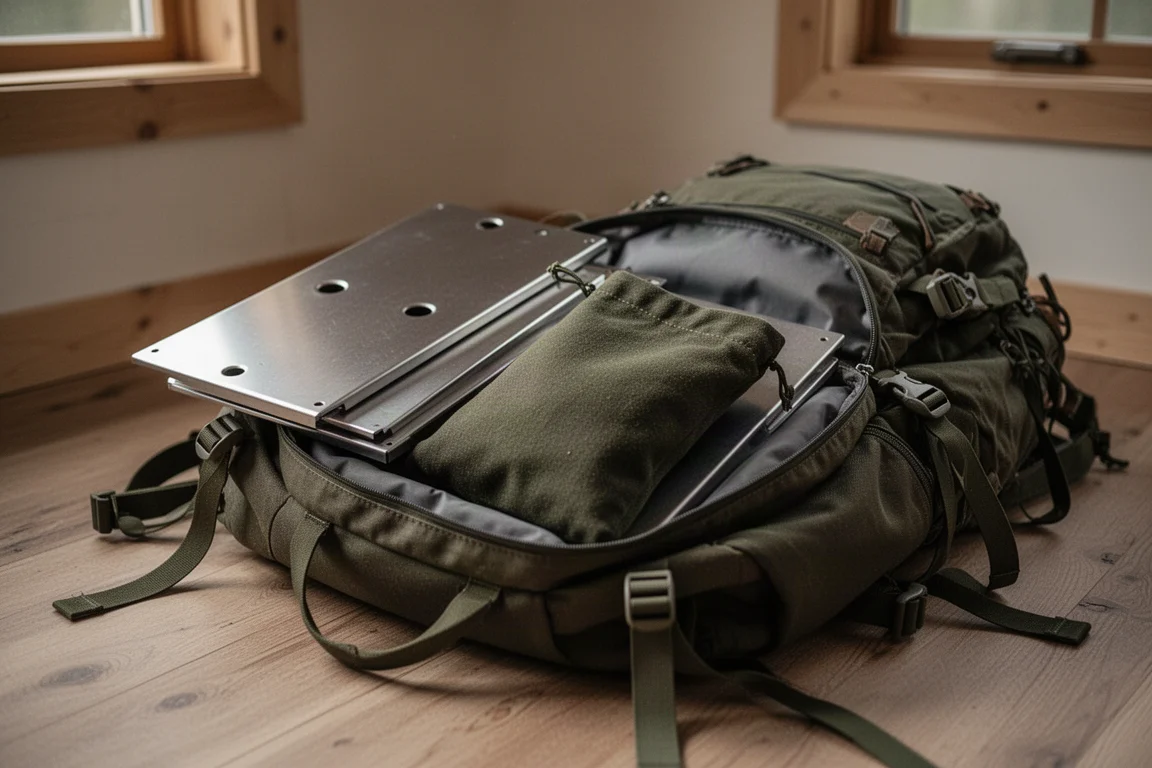
The Savotta Big and Bad Stove is the largest wood burning hobo stove in the brand’s line, sitting above the Happy and Grumpy models that share a near-identical footprint. It is a flat-packing stainless steel camp stove that burns twigs, split wood, and gathered fuel, and it arrives with a 1000D Cordura carry pouch that has a grab handle and a velcro closure.
The design language is consistent across the range: notched side panels that link together, a base plate that drops into place, and a face plate that closes the front. The Big and Bad simply does all of it at a larger scale, with thicker material and a much bigger appetite for fuel.
This review covers how it assembles, how it performs on a real boil, where it differs from its two smaller siblings, and the practical points worth weighing before you buy one.
Who the Big and Bad Stove Is For
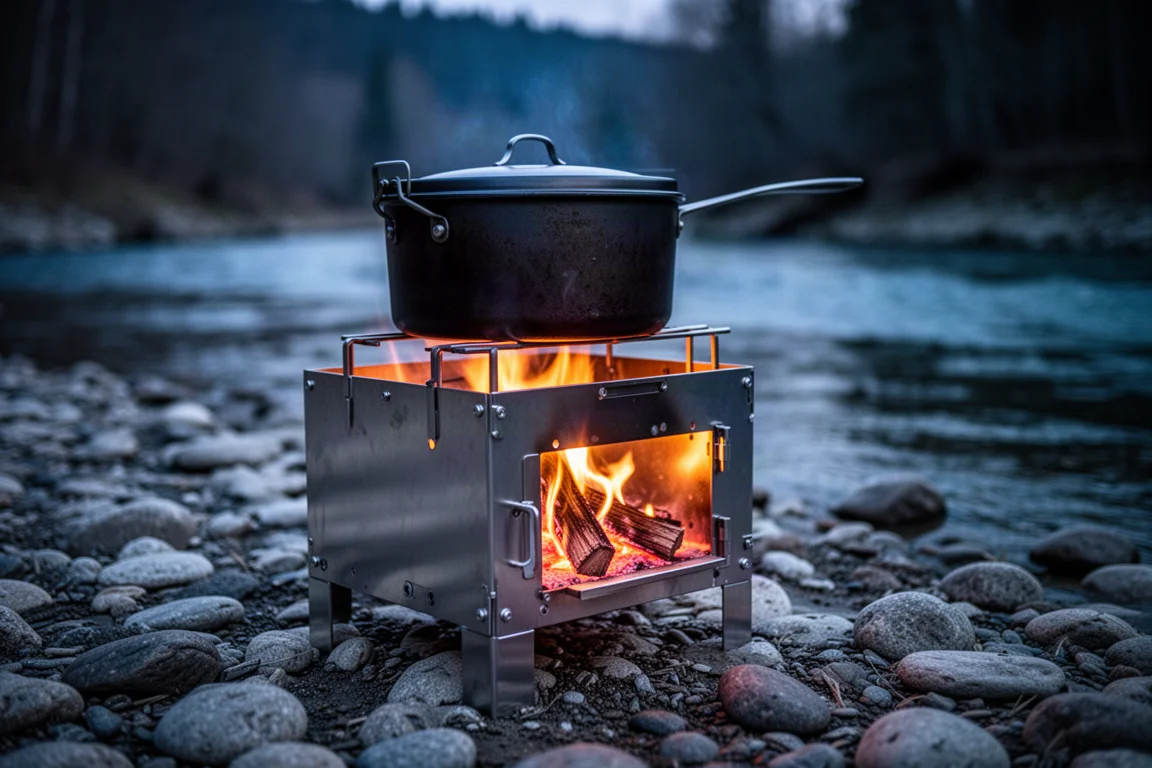
This is a stove for people who cook real meals outdoors rather than just boiling a cup of water. The burn chamber is large enough to pack with a substantial amount of material, and it accepts large diameter pieces of wood. A thick log can be split, the halves reversed so the bark faces inward, and set in the center to produce a long, steady burn that can run for around an hour.
Because the stove puts out a lot of heat, it pairs best with a larger pot or pan. It also suits campers who cook on uneven ground, since the leg supports lift the body clear of the surface, and who want a stove that stays put: the panels lock together and the assembly has proven stable even when bumped.
Anyone counting grams should look at the smaller models first. At 18.4 ounces including the storage bag, the Big and Bad is light enough to carry but not ultra light, and the weight is more noticeable in a pack than a tiny canister burner would be. The 1.4 ounce bag can be left behind if you want to trim a little more.
Build Quality and Design
The stove is made from 0.8 millimeter laser cut stainless steel. The material is noticeably thicker than what many collapsible wood stoves use, and the payoff shows up over time: after hour-long burns, there has been no warping. Every edge is smooth and polished, with nothing sharp to catch a finger or snag a stuff sack.
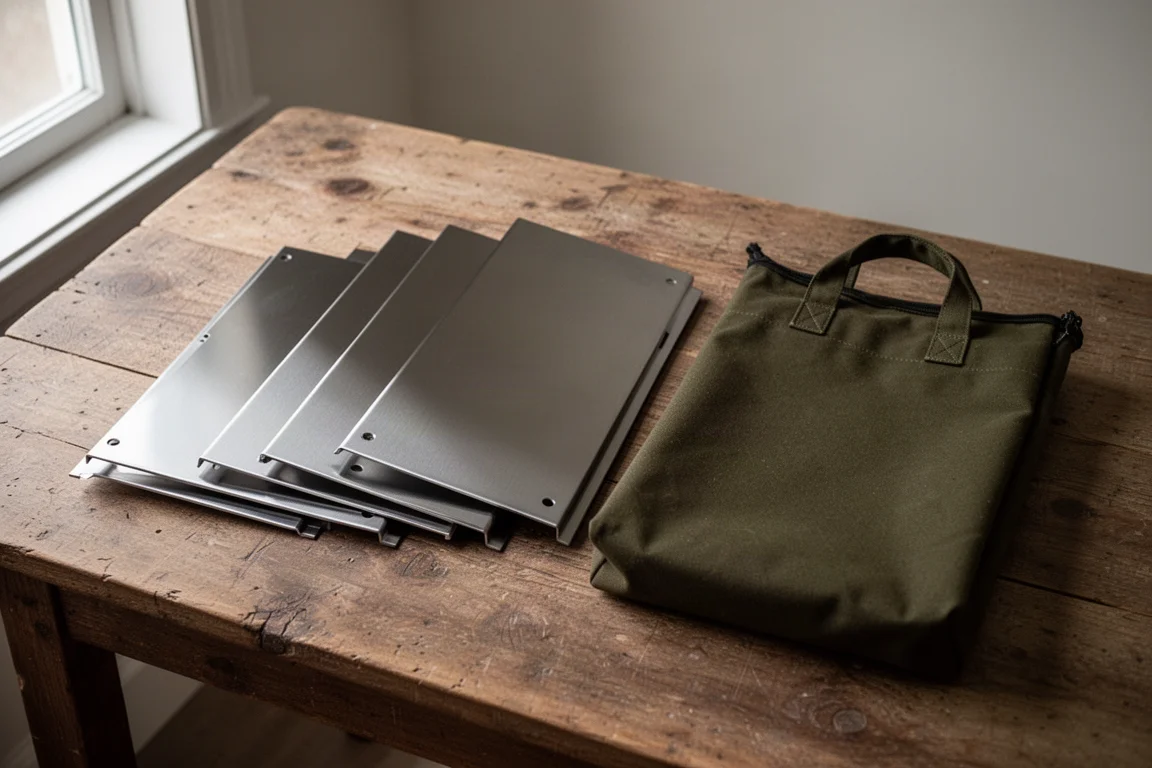
Setup follows the same logic as the rest of the range. The side panels have notches and link together, the base plate drops into those notches, and the face plate goes on last. With a bit of practice the whole thing goes up in about 30 seconds. On a first attempt it can be a little fiddly, but the sequence becomes obvious quickly.
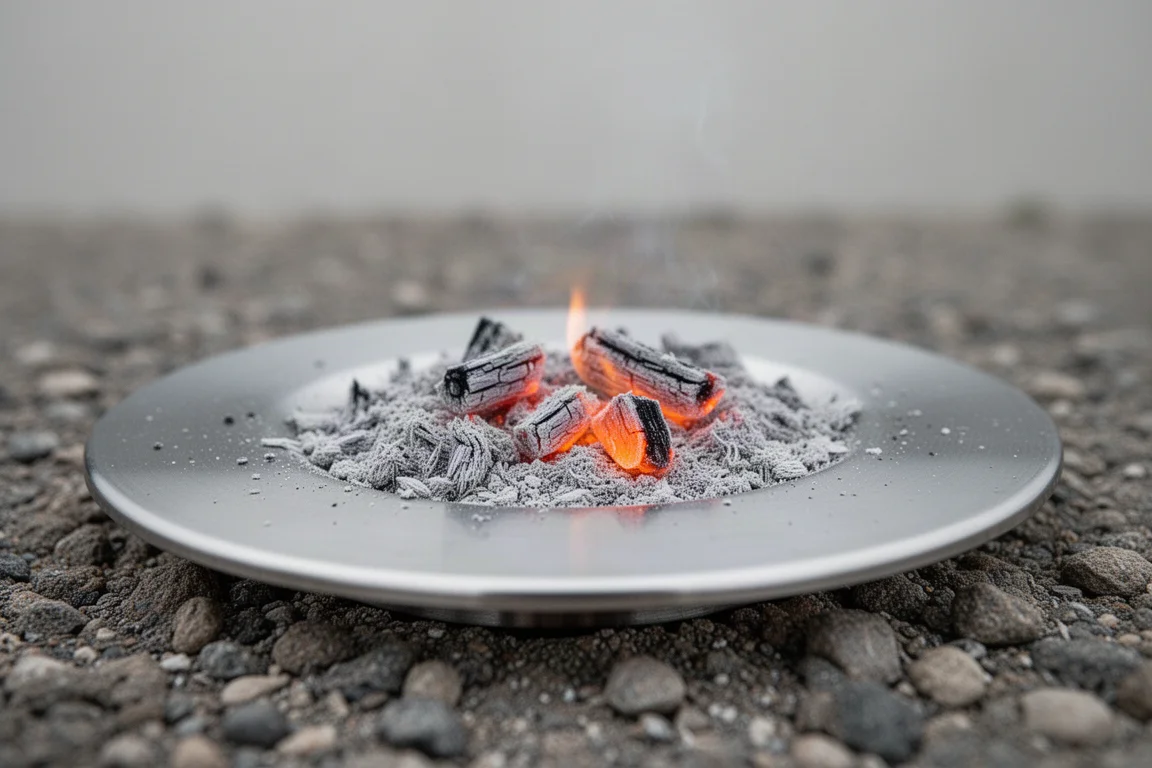
Two design details stand out. The first is the base plate, which has no holes in the bottom. That means very few embers or coals escape while the stove is running, which matters a great deal in dry conditions. Plenty of wood stoves drill the base for airflow, and while that aids efficiency it also drops hot material onto the ground. The second is the sheer number of air holes around the body, combined with a very large feeding port. Air reaches the fuel from several directions, and the feeding opening is wide enough that you can blow into the stove to revive damp material.
In its stowed form the stove measures about six and three quarter inches by six and a half inches and roughly half an inch thick. Inside the carry case the package is listed at five and one quarter inches wide, five and one quarter inches long, and five and three quarter inches tall.
How It Compares to the Happy and Grumpy Stoves
The Happy and the Grumpy are virtually the same size as each other and share the same form factor, differing mainly in the shape of their face plates. The Big and Bad is the outlier: it is larger overall, its materials are thicker, and it carries more weight as a result.
All three come with the same style of carry pouch, assemble the same way, and share the same smooth, polished finish. The practical difference is capacity and heat. The smaller two are the lighter, more packable options for simple boils. The Big and Bad is the one you take when you want a bigger fire, a longer burn, and room for a proper cooking pot.
All three are built to the same standard, and each one is a credible choice depending on how you cook. The Big and Bad is simply the version for people who want more of everything.
Performance in Real Use
One liter of water comes to a boil in roughly 10 to 12 minutes. That figure depends heavily on fuel quality, how dry the wood is, and how thick the pieces are, so treat it as a working range rather than a fixed number. In practice the stove burns fuel down to ash efficiently and needs no special coaxing once it is running.
Lighting is flexible. You can start the fire from the top, from the front through the feeding port, or through the air holes that run around the body, which makes it easy to find an angle that works with the fuel you have.
The fuel itself is free, which is a large part of the appeal. Cleanup is straightforward, and the stove breaks down flat enough to slide into a backpack without being noticeable.
Things to Consider Before Buying
A wood burning stove is a dirty piece of kit. It produces smoke and soot, and your pots and pans will pick up marks from use. That is simply how this category works, and it is worth accepting before you buy rather than after.
It also demands attention. You have to feed it, watch it, and adjust it as it burns. Some people find that part of the ritual enjoyable and others find it a chore.
Assembly is simple once learned, but if you have never put together a flat-packing wood stove before, the first attempt may take a little patience.
The most significant consideration specific to this model is cool-down time. Because the steel is thicker than on the smaller stoves, the body and especially the pot supports stay hot for a surprisingly long while after the fire is out. A practical routine is to knock out the coals and embers, extinguish them, and lay the stove on its side facing into the wind so air moves through the body and speeds cooling.
Price is the other factor. At $55 this is expensive for a hobo stove, and there are many collapsible wood stoves on the market that cost considerably less. There are also stoves that cost considerably more and do not match this level of design or material quality.
None of these points are dealbreakers on their own, but they are the realities of owning a stove that burns wood rather than fuel from a canister, and they are worth going in with your eyes open about.
Buying Advice
The Big and Bad makes the most sense for someone who already knows they will cook over wood rather than a gas canister, and who wants a stove that will survive years of use without warping or falling apart mid-cook. If you are simply after the lightest possible way to boil water, the smaller Happy or Grumpy stoves, or a canister stove, will serve you better.
Availability is worth checking carefully. The stove was ordered from a Scandinavian outdoor retailer at a retail price of $55, and that site states it cannot ship this particular stove to the United States. If you are buying from the US, plan on looking around for a store that will ship it to you.
Given the build quality, the smooth finish, the locking assembly, and the absence of the problems that plague inexpensive hobo stoves, the price is easier to justify than the number alone suggests. Buy it as a long-term piece of camp kit rather than a cheap experiment.
Conclusion
The Savotta Big and Bad Stove is the largest and heaviest of the three wood burning stoves in the range, and it is the one built for bigger fires and longer burns. The 0.8 millimeter stainless steel is thick, the edges are polished, the panels lock together securely, and the base plate keeps embers off the ground. It is heavier than its siblings, it runs hot for a long time after the fire dies, and it costs more than the average hobo stove.
For the right buyer, none of that is a dealbreaker. If you want a durable, stable, efficient wood stove that can take large pieces of fuel and cook a real meal, the Big and Bad is a strong choice. If you want something you will barely notice in your pack, the Happy and Grumpy models remain the more sensible pick.
Product link
View more details for Savotta Big and Bad Stove
This product is mentioned in the review. Check the specifications, options, and compatibility before buying.
View more details for Savotta Big and Bad StoveFurther reading
Related Reviews
Camp Stoves
Soto ST-310 MT Review: A Compact Butane Stove With a Micro Regulator
A practical look at the Soto ST-310 MT, a stainless steel butane camp stove with a micro regulator, four locking legs and an import-only path for some colorways.
Winter Camping Gear
Affordable Winter Camping Gear: Six Budget Pieces Tested Below Freezing
Three reflective sleeping pads, an updated down jacket, a titanium pot and a $25 winter stove, assessed on frozen ground at around minus 12 degrees Celsius.
Backpacking Gear
Backpacking Gear Worth Reconsidering: Five Pieces That Earn Their Weight
Five backpacking items that look heavy or bulky on paper but deliver real comfort in camp, from an integrated stove system to a comfort-first sleeping pad.