Outdoor Safety
Satellite SOS for Hikers: Garmin inReach Mini 2 and Rescueme PLB1 Compared
Two ways to call for help beyond cell coverage: a two-way satellite communicator with a suspended SOS plan, and a subscription-free personal locator beacon.
Introduction
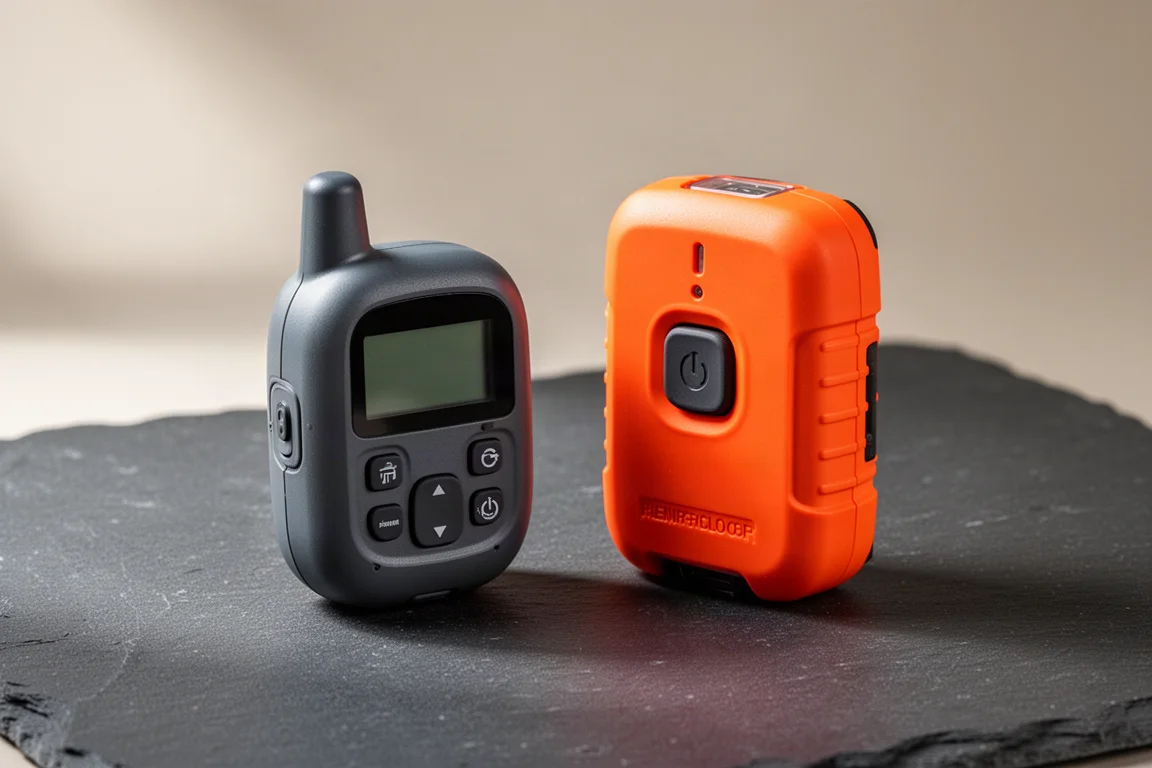
Satellite SOS used to be a straightforward trade-off: pay a subscription for two-way messaging, or buy a beacon that works without one. Garmin has now changed part of that equation by allowing SOS use while an inReach device sits in a suspended plan, and that shift makes a closer look at the Garmin inReach Mini 2 and the Rescueme PLB1 worthwhile for anyone who spends time beyond cell coverage.

Both devices can summon help when there is no phone signal. They differ in how they communicate, what they cost across several years, and how they fit around the satellite-enabled phone that many hikers already carry as their primary tool.
What Matters in a Satellite SOS Device
For most hikers, a satellite-capable phone is the everyday device and a dedicated unit is the backup. Phones can fail at the worst possible moment: a shattered screen or a drained battery turns a satellite-ready handset into dead weight, and a phone is not built to be thrashed around in the outdoors.
That is why the backup matters. The useful questions are whether help can be two-way or only one-way, whether the device needs a subscription, how long the battery lasts, and what happens when that battery eventually needs replacing. Those four points separate the two devices below more than anything else.
Garmin inReach Mini 2: Two-Way SOS With Flexible Plans
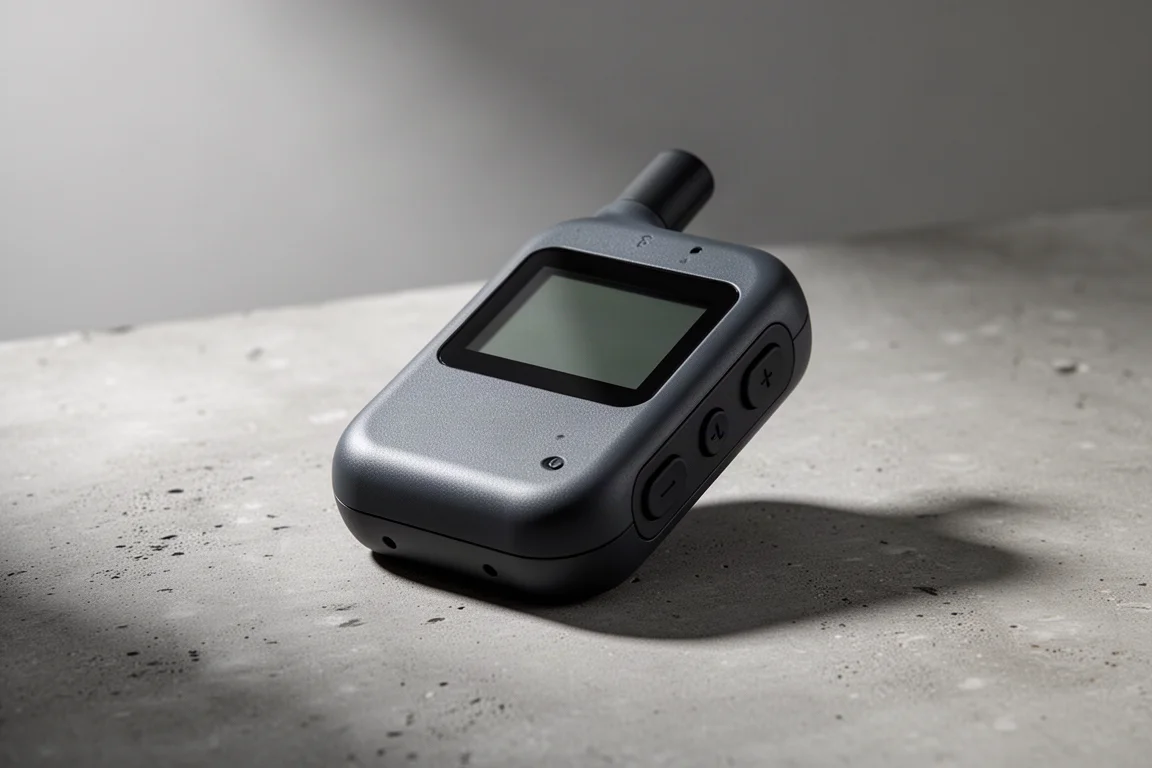
The Garmin inReach Mini 2 is a compact satellite communicator that works alongside a subscription plan. Historically, SOS required an active plan. The recent change allows the device to sit in a suspended state, for up to 12 months at a time, and still use SOS while suspended. In practice that means keeping the unit dormant for most of the year and still having emergency communication available when it counts.
Not every inReach model supports this change, so it is worth confirming compatibility for a specific device before relying on it. Users who are already on a suspended plan need to switch to the new SOS suspended plan, and that switch requires a firmware update first.
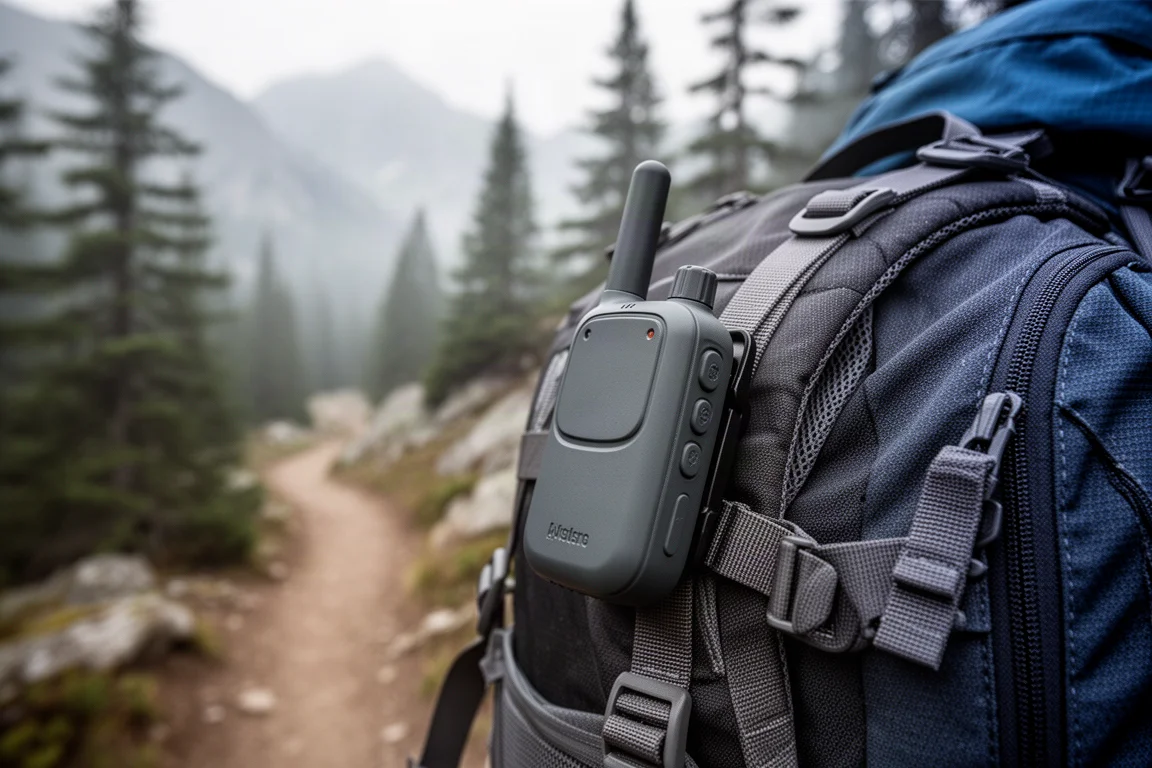
The larger difference is two-way communication. When you trigger SOS on an inReach, you can exchange messages with the people on the other side. If you spot a forest fire and are unsure whether to evacuate, change your route, or stay put, that conversation is available to you. In a medical situation, being able to describe what happened rather than waiting for a rescue to arrive can make a real difference.
The device also does more than emergencies. Non-SOS features such as non-emergency messaging and live tracking can be enabled for the specific months you want them, so you pay for a plan only when you will actually use it. A quick message to say you are running late, or live tracking so family can follow along, both come from the same unit. It also makes it easier to help someone else: you can trigger SOS to report an emergency on behalf of another person without leaving your device behind.
Rescueme PLB1: A Subscription-Free One-Way Beacon
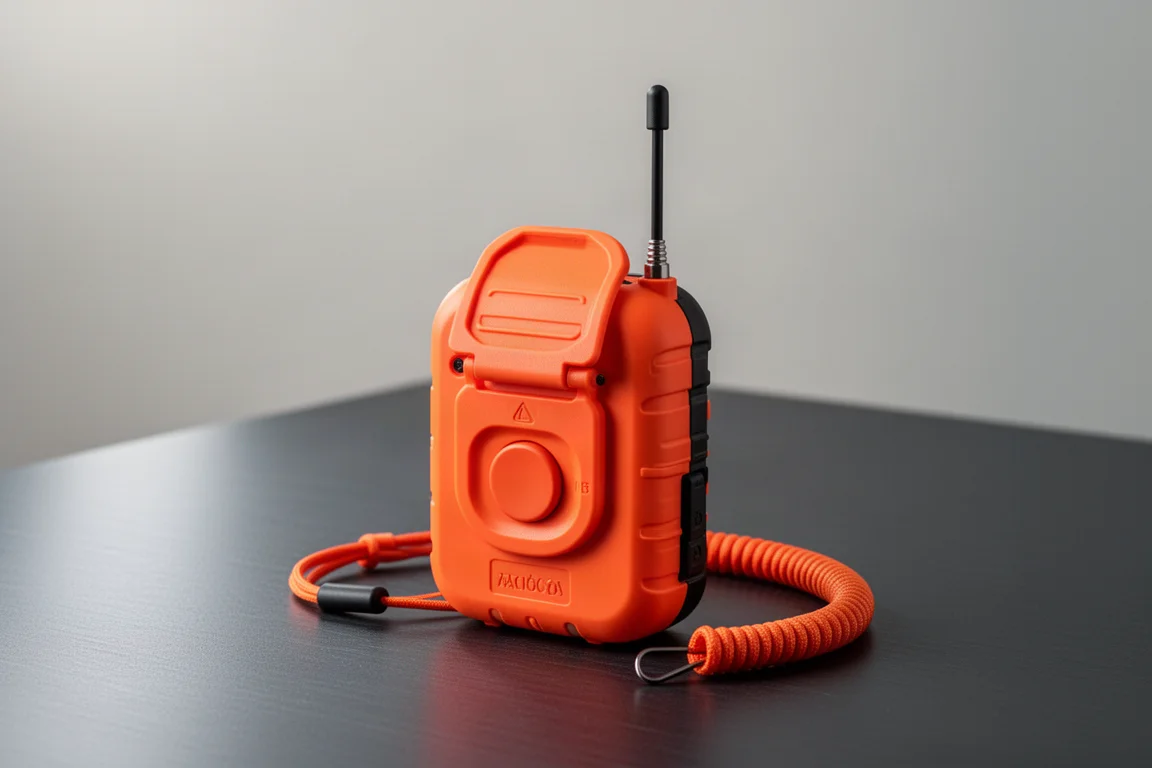
The Rescueme PLB1 takes the opposite approach. It is a personal locator beacon with no subscription requirement at all. The battery is designed to last for years, so the device can live in a pack as a backup and be forgotten about until it is needed.
Its strengths are specific. A PLB transmits at higher power, which helps the signal punch through organic cover such as a tree canopy, and it connects directly to government search and rescue. What it does not offer is a conversation. You trigger the alert and wait, with no two-way exchange about your situation.
There is also a long-term cost to plan for. Manufacturers recommend replacing the battery through an authorized service center, which typically runs between $150 and $200 to put the device back into service. A PLB can be used to report an emergency on behalf of someone else, but only if you leave the device with that person.
The Cost Picture Over Several Years
Costs are where the suspended SOS change becomes most interesting. A Rescueme PLB1 costs around $400, and its battery lasts roughly seven years, so seven years of one-way SOS comes to about $400.
On the inReach side, device prices range widely, from about $150 on sale to more than $1,000 depending on the model. Using the Mini 2 at a typical sale price of around $250, plus a $40 one-time activation fee, plus the lowest subscription plan for one month a year at $8, the total over seven years comes to roughly $346. That is about $54 less than the PLB across the same period, and it buys a two-way communicator rather than a one-way beacon.
The comparison depends on the device and the plan you choose, and it assumes the minimum plan requirement rather than a full season of active service. Working out the annual figure for a specific setup is the practical way to decide.
Practical Use Cases Beyond Emergencies
Emergency use is the headline, but an inReach is useful in smaller moments too. If you are out of cell range and your vehicle gets a flat tire, the device can be used to call for a tow truck. It can sit in a backpack on days when hiking is not the plan at all, which is part of why it earns a place in a pack rather than a drawer.
For a PLB, the value is narrower and cleaner: a rugged, subscription-free device that will work for years and asks for no plan decisions. Hikers, paddlers, and backcountry skiers who want a single-purpose emergency beacon and nothing more will find that simplicity appealing.
Buying Advice: Choosing Between Them
For most hikers who already carry a satellite-enabled phone and want a backup, the inReach Mini 2 with a suspended SOS plan is the more flexible choice. Two-way communication is the deciding factor: being able to discuss a situation with responders instead of waiting for a rescue to arrive is a meaningful difference in an emergency.
The PLB1 remains a sensible option for anyone who wants a device with no subscription, no plan management, and no dependence on a firmware update or a particular model’s compatibility. Higher transmit power and a direct link to government search and rescue are genuine advantages in dense cover.

Whichever route you take, the practical steps are simple. Confirm that your specific device supports suspended SOS use, update the firmware, and switch the plan before you need it. After that, the device can go into the pack and stay there.
Conclusion
The suspended SOS change narrows the gap that once made a personal locator beacon the obvious subscription-free choice. The Garmin inReach Mini 2 now offers emergency SOS on a dormant plan, alongside two-way messaging, live tracking, and the ability to help others without handing over your device. The Rescueme PLB1 still stands out for simplicity and raw transmit power. For most people building a backup around a satellite-enabled phone, the inReach’s combination of cost over time and two-way communication makes it the easier recommendation.
Further reading
Related Reviews
Outdoor Safety
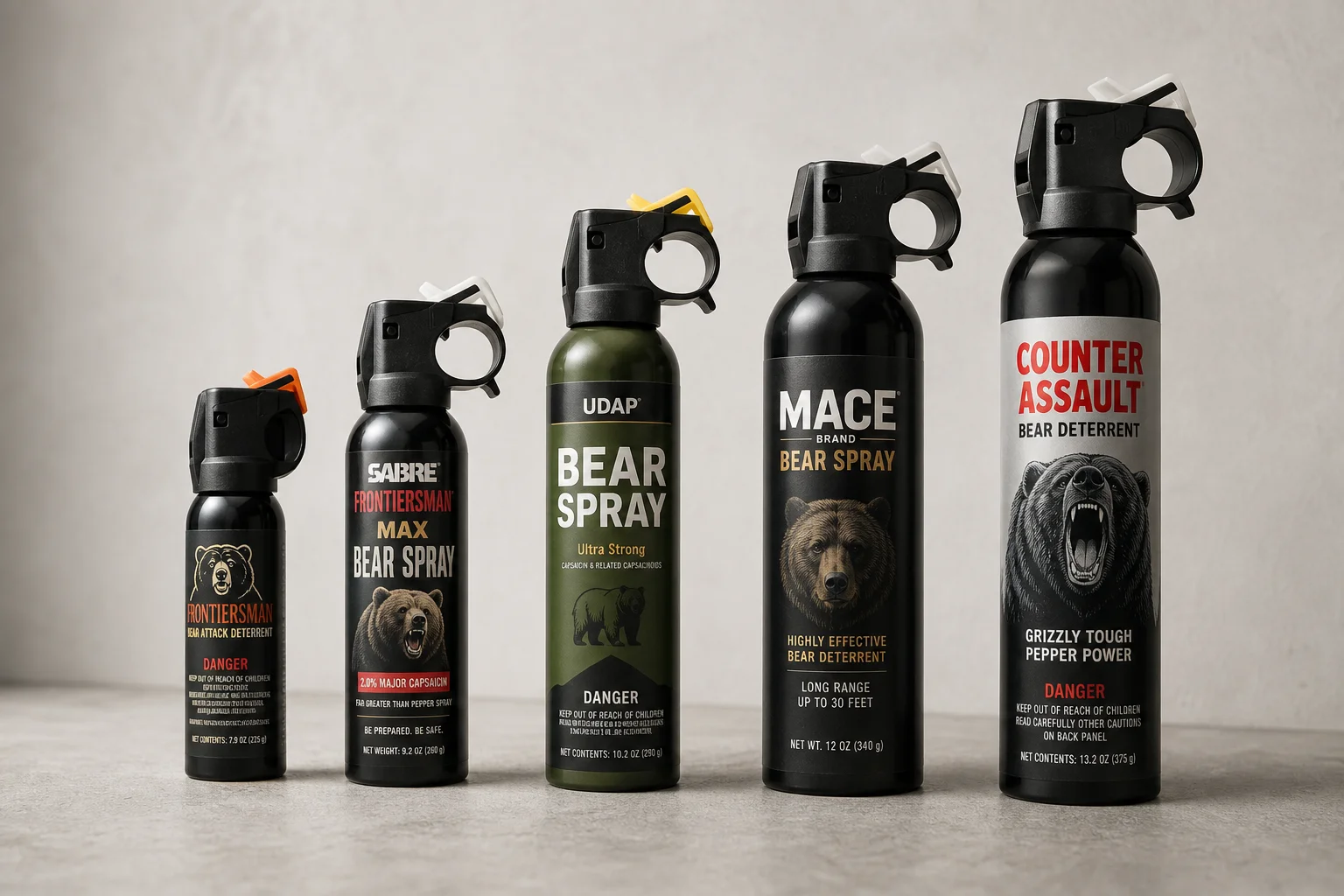
Best Bear Spray 2026: Five Options for Wilderness Protection
A practical comparison of five bear spray products, from compact carry options to maximum-range formulas, with clear strengths and trade-offs for different wilderness scenarios.
Outdoor Safety
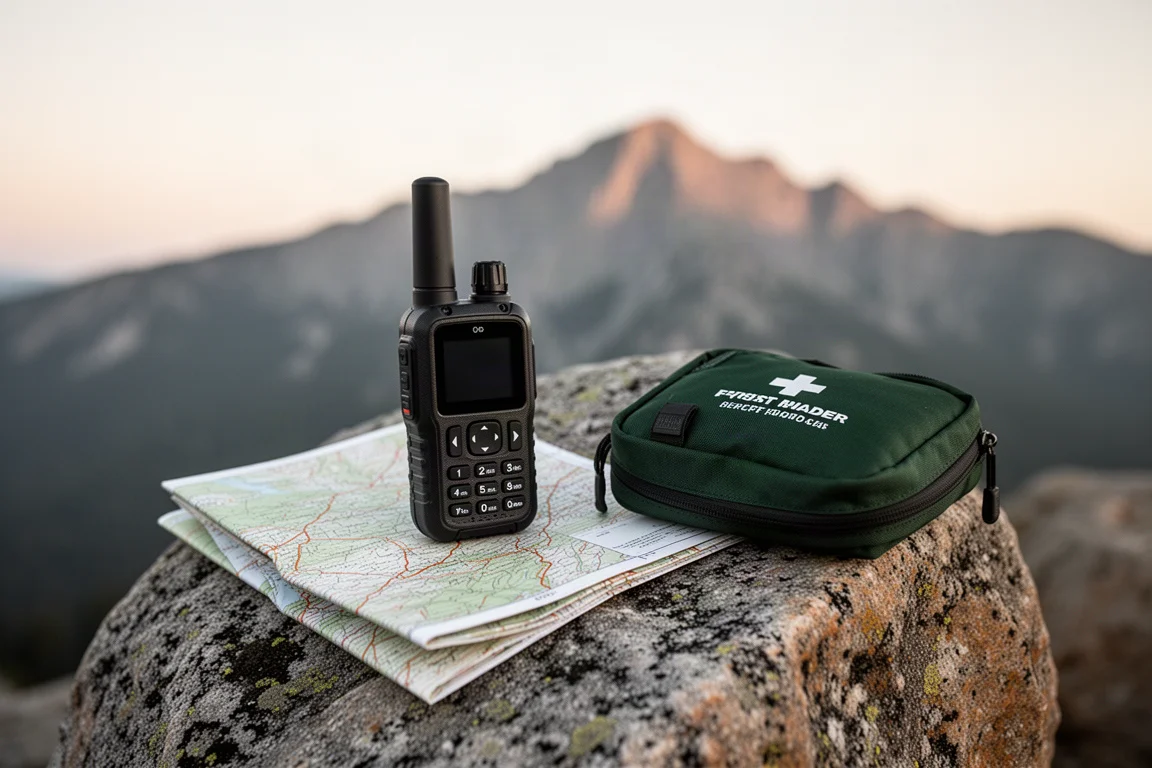
Backcountry Rescue Insurance: Three Coverage Options Compared
Backcountry rescues are often free, but not always. Three coverage options, from a Garmin inReach policy to a fully funded assistance subscription, take the cost question out of calling for help.
Outdoor Safety
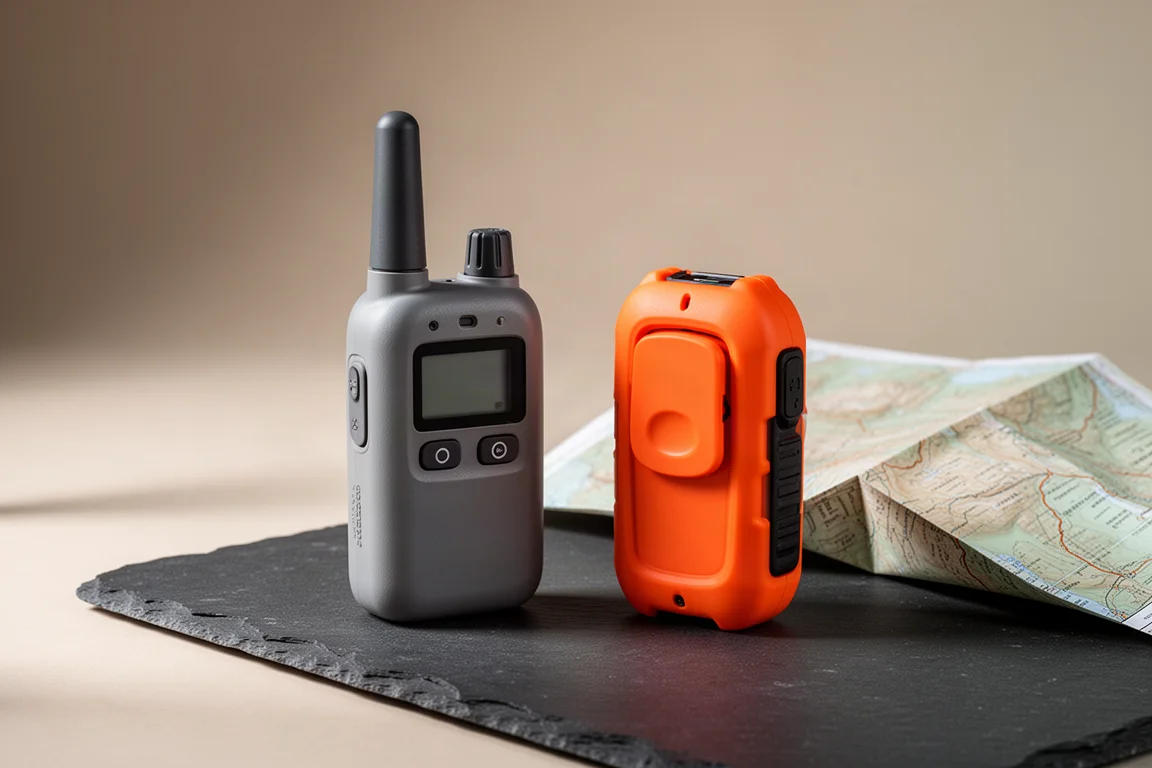
Garmin inReach Mini 2 vs RescueME PLB1: Which Satellite SOS Device Should You Carry?
A practical comparison of the Garmin inReach Mini 2 and the RescueME PLB1, covering seven-year SOS costs, two-way messaging, and the kind of backup each device is built to be.