Outdoor Safety
Garmin inReach Mini 2 vs RescueME PLB1: Which Satellite SOS Device Should You Carry?
A practical comparison of the Garmin inReach Mini 2 and the RescueME PLB1, covering seven-year SOS costs, two-way messaging, and the kind of backup each device is built to be.
Introduction
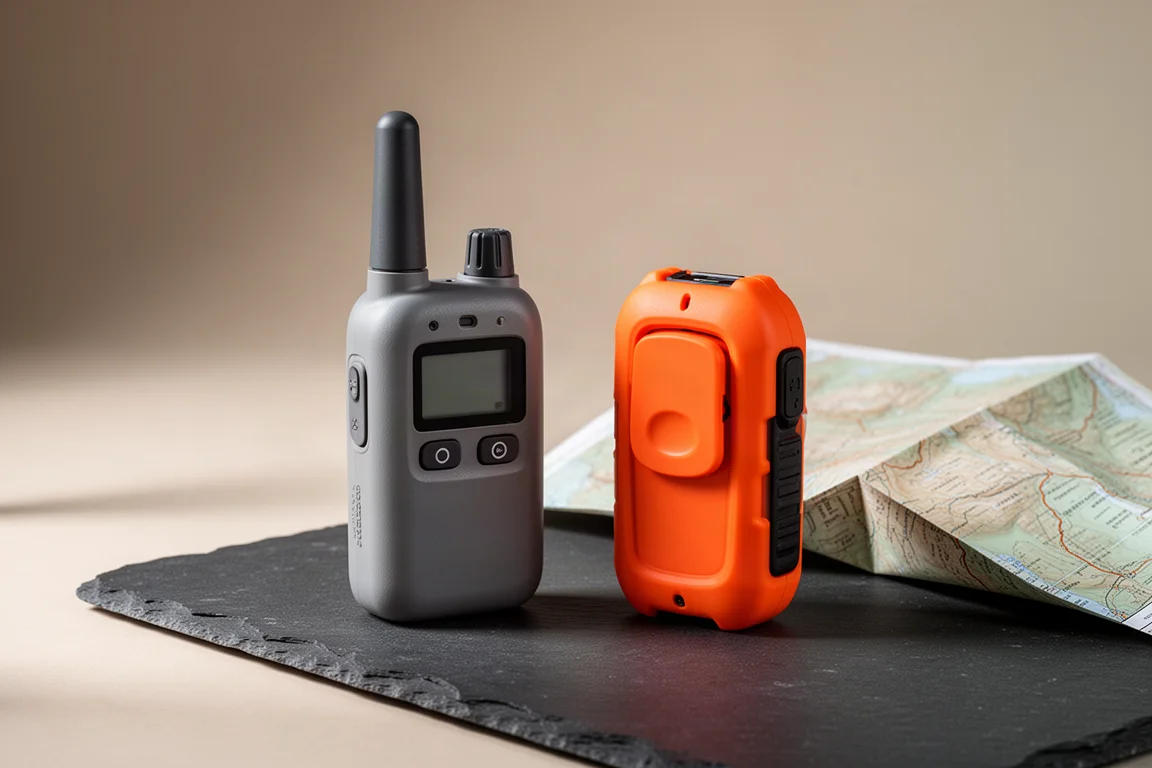
Satellite SOS hardware has become one of the most quietly useful pieces of safety kit a hiker can carry, and two very different philosophies now compete for the same space in a pack. One is a subscription-based communicator that lets you talk to the people coordinating your rescue. The other is a subscription-free beacon that sends a single alert and then waits.
Garmin recently changed its suspended plan so that SOS can be used while a device is paused, which shifts the value calculation that has long favoured the personal locator beacon. This comparison looks at the Garmin inReach Mini 2 and the RescueME PLB1 across cost, communication and real-world emergency use, so you can decide which one earns a permanent place in your bag.
How the Two Approaches Differ
A personal locator beacon such as the RescueME PLB1 is a single-purpose device. Press the button and it transmits an emergency alert with your position, and it keeps transmitting. There is no messaging, no tracking, and no way for the rescue coordination centre to ask you a question about what is happening.
A satellite communicator such as the Garmin inReach Mini 2 works differently. It relies on an active plan, and once connected it carries two-way messaging, so you can describe the situation and receive instructions back. That is a meaningful difference in an emergency, because the response can be shaped around your actual circumstances rather than a position on a map.

The gap between the two approaches shows up most clearly when a situation is ambiguous rather than obviously life-threatening. A wildfire moving toward a trail, an injury that may or may not be getting worse, or a route decision that could go either way are all cases where being able to ask a question changes what you do next.
Garmin inReach Mini 2: Two-Way SOS With a Flexible Plan
The inReach Mini 2 is a compact, rugged satellite communicator, and its appeal has widened with the suspended-plan change. After buying the device, paying the one-time activation fee and selecting a plan, you can place the device into a suspended state for up to 12 months at a time. Previously that pause removed the SOS function as well. Now SOS remains available while the device is suspended, which means a communicator can sit in a pack as an emergency-only tool without an ongoing monthly bill.
The two-way messaging is the core of the argument for this device. If you hit SOS and the situation is unclear, you can have a conversation with the people on the other side about whether to evacuate, change your route or stay put, instead of pressing a button and waiting for whatever response arrives.
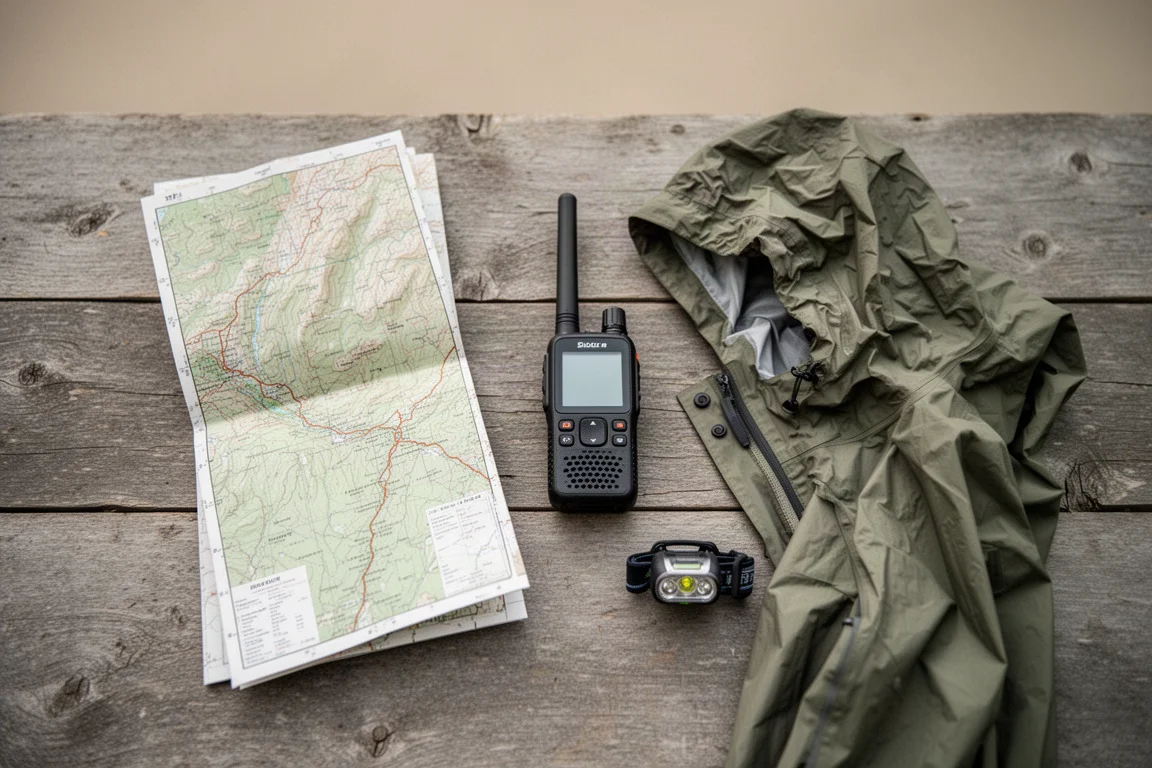
There is more to the inReach than emergencies. Non-SOS features such as non-emergency messaging and live tracking can be enabled for the months you actually want them, so you can tell someone at home that you are running late or let family follow along on a trip. The device also makes it straightforward to act as a good Samaritan: if you come across someone who needs help, you can raise an SOS and report the situation, much as you would call an emergency number from a road.
Two practical notes matter before you buy. Not every inReach model is compatible with the new suspended SOS capability, and owners already on a suspended plan need a firmware update before they can switch across to the new SOS suspended plan.
RescueME PLB1: Subscription-Free One-Way Emergency Beacon
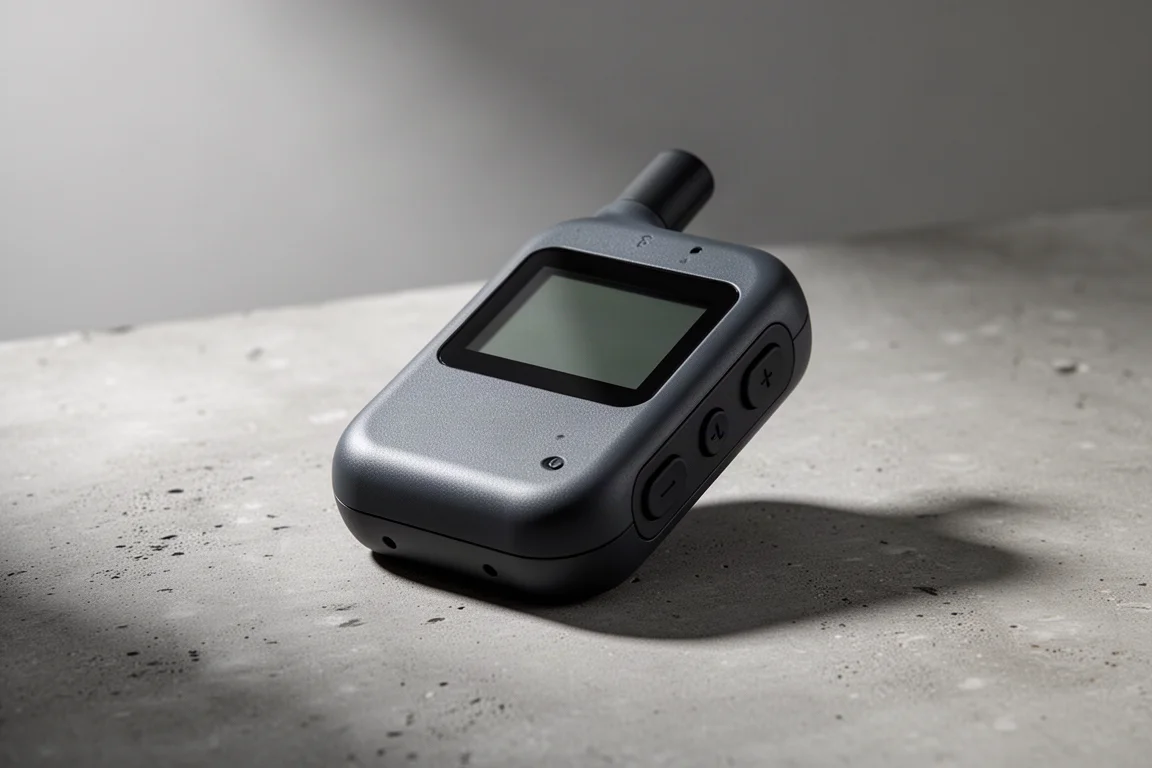
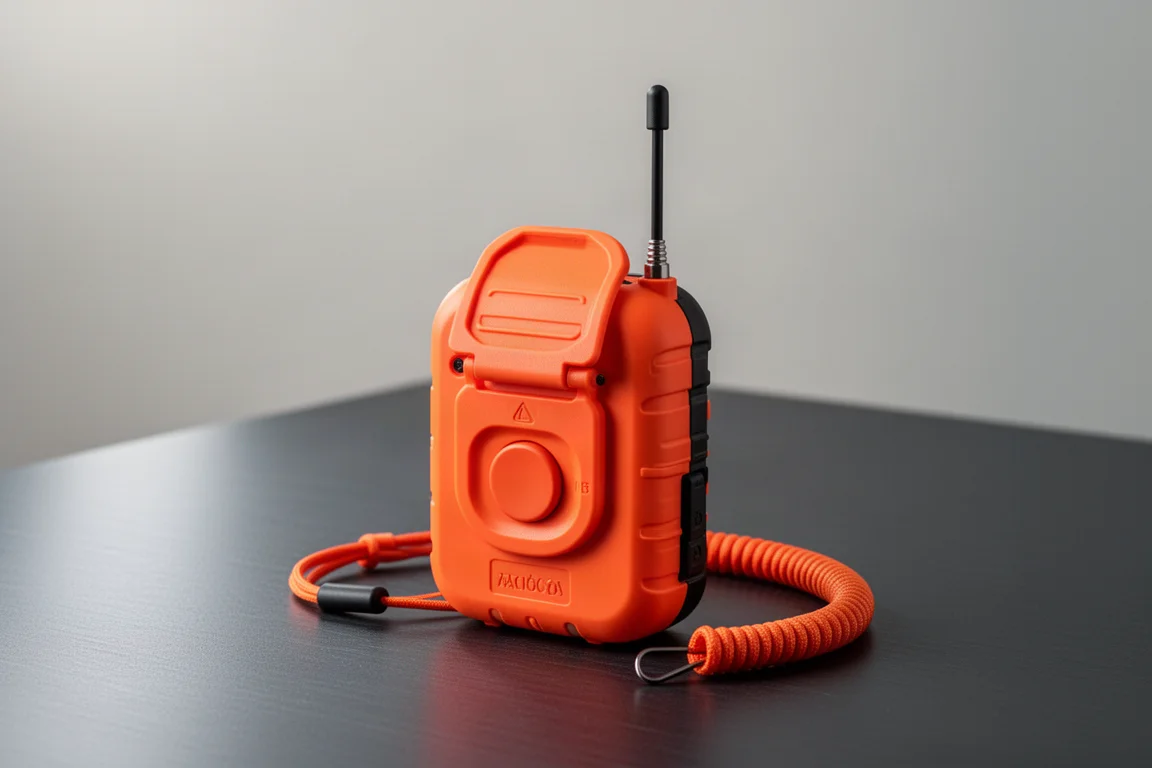
The RescueME PLB1 represents the traditional answer to remote emergencies. It costs around $400, requires no subscription at any point, and its battery is rated to last roughly seven years. The proposition is simple: buy it once, put it in your pack, and forget about it until the day you need it.
It also carries two genuine technical advantages. The first is higher transmit power, which helps the signal punch through obstacles such as tree canopy. The second is that a PLB is plugged directly into government search and rescue, which is a reassuring thing to know when there is nobody else around.
The trade-offs are structural rather than incidental. Communication is one-way, so you send the alert and then wait, with no ability to explain the situation or receive guidance. Using the device as a good Samaritan is also more complicated: you can report an emergency for someone else, but you have to leave the PLB with them, which means giving up your own backup. And once the battery is spent, manufacturers recommend replacement through an authorized service centre, which typically costs somewhere between $150 and $200 to make the unit usable again.
Running the Cost Comparison Over Seven Years
The suspended SOS change is what makes the numbers worth recalculating. Take the RescueME PLB1 at $400 with a battery rated for seven years, and the total cost of seven years of one-way SOS coverage is $400. A replacement battery later adds roughly $150 to $200 if you intend to keep using it.
Now take the inReach Mini 2. InReach devices span a wide range, from about $150 on sale to over $1,000, and the Mini 2 is commonly discounted to around $250, so it is a reasonable reference point. Add the $40 one-time activation fee and the lowest subscription plan at $8 for one month per year, which is the minimum requirement, and the subscription adds up to $56 across seven years. The total lands at roughly $346, about $54 less than the PLB.
That comparison only holds if you are comfortable managing plans and firmware, and if the device you choose is one of the models that supports the suspended SOS feature. For anyone who wants a device that requires no thought at all after purchase, the subscription-free beacon still has a clear argument.
Buying Advice: Which One Fits Your Plans
Choose the Garmin inReach Mini 2 if you want two-way communication in an emergency, if you value messaging and live tracking on the months you enable them, or if you want a device that can also help when you are not hiking at all. A flat tyre far outside cell coverage is a small but real example: a communicator lets you call for help, while a beacon is reserved for genuine emergencies.
Choose the RescueME PLB1 if you want zero subscriptions, zero plan management and zero firmware chores, and if the higher transmit power and direct connection to government search and rescue matter more to you than being able to talk to your rescuers. It is also the simpler answer for anyone who genuinely wants a device that lives in a pack for years and is never thought about again.
If your main goal is a backup for a satellite-capable phone, the deciding factor is usually the conversation. A phone can shatter, run out of battery or simply be the wrong tool for a rough environment, and a dedicated device solves that. Between the two, the inReach covers more scenarios because it can both raise the alarm and discuss it, while the PLB covers the single most important scenario with the fewest moving parts.
Conclusion
The suspended SOS change has narrowed the cost gap between a subscription communicator and a subscription-free beacon to the point where the cheaper option over seven years is the inReach Mini 2, by a modest margin. The stronger argument, though, is not the $54. It is that two-way communication turns an emergency alert into a conversation, and that is worth a great deal when the situation is unclear.
The RescueME PLB1 remains an excellent choice for anyone who wants a rugged, no-subscription, no-maintenance beacon with higher transmit power and a direct line to government search and rescue. Match the device to how you actually travel, keep it in your pack, and either one will do the job you bought it for.
Further reading
Related Reviews
Outdoor Safety
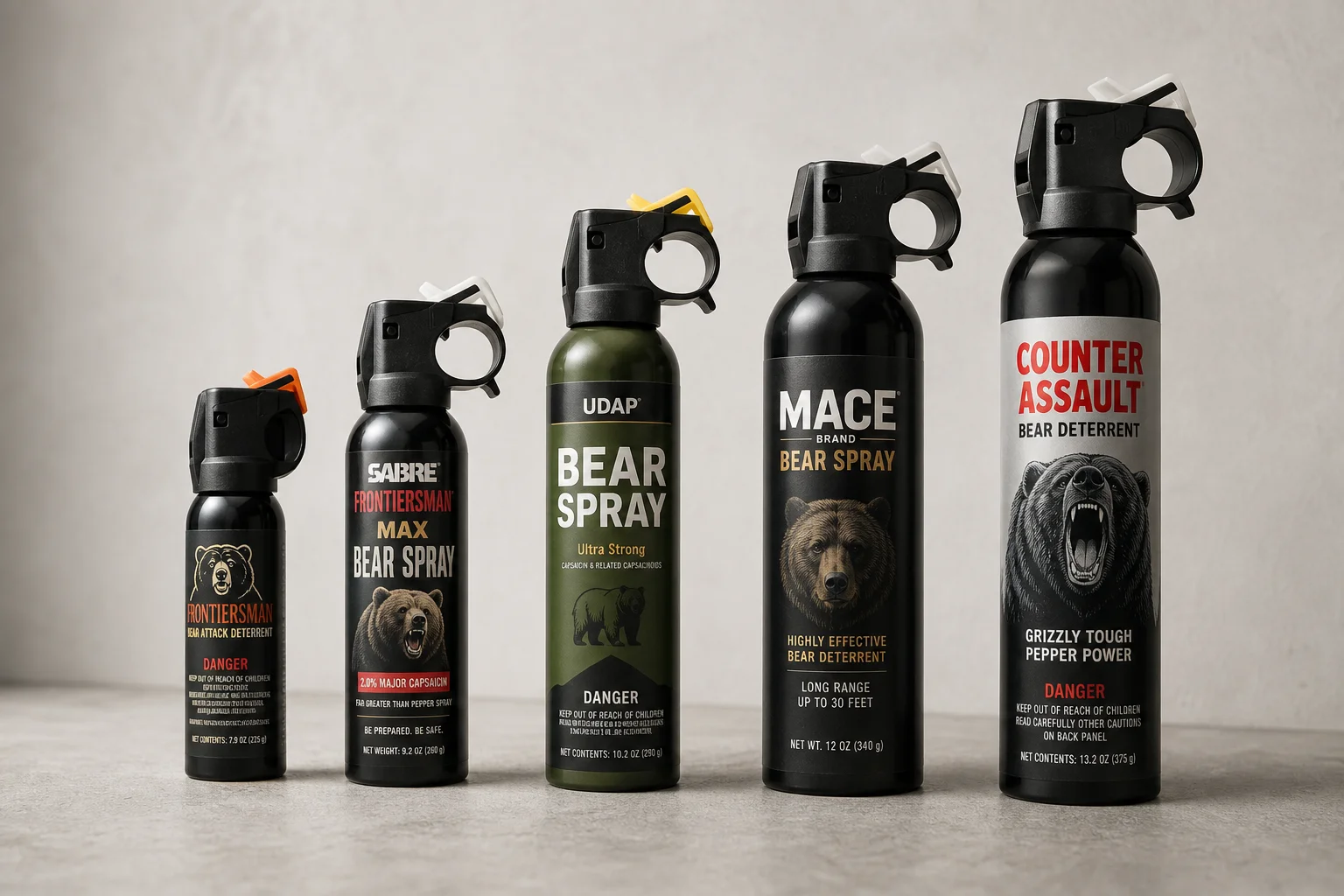
Best Bear Spray 2026: Five Options for Wilderness Protection
A practical comparison of five bear spray products, from compact carry options to maximum-range formulas, with clear strengths and trade-offs for different wilderness scenarios.
Outdoor Safety
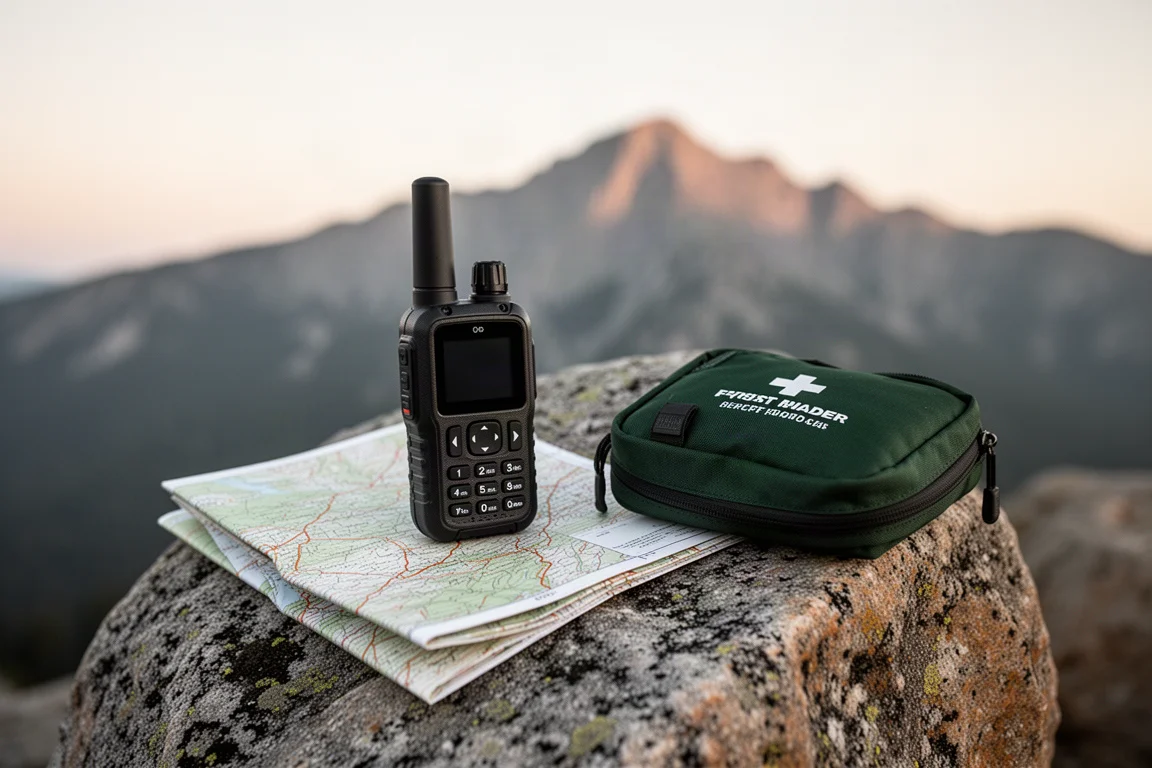
Backcountry Rescue Insurance: Three Coverage Options Compared
Backcountry rescues are often free, but not always. Three coverage options, from a Garmin inReach policy to a fully funded assistance subscription, take the cost question out of calling for help.
Outdoor Safety
Garmin inReach Mini Review: Three Years of Backcountry Use
A practical long-term look at the Garmin inReach Mini, covering on-device messaging, weight, network reliability, battery life, and subscription value.