Outdoor Safety
Backcountry Rescue Insurance: Three Coverage Options Compared
Backcountry rescues are often free, but not always. Three coverage options, from a Garmin inReach policy to a fully funded assistance subscription, take the cost question out of calling for help.
Introduction
A rescue bill of around $60,000 makes for a striking story, and it is easy to assume that calling for help in the backcountry always carries a price. The reality is far more uneven. Most backcountry rescues cost the person rescued nothing at all, while a smaller share of incidents end with charges that can reach tens of thousands of dollars. What separates the two usually comes down to who responds, why they respond, and whether the incident is handled as a backcountry rescue or as a front country medical transport.
That uncertainty is the reason many outdoor travelers carry rescue insurance or an assistance subscription. This guide covers three options: the Garmin inReach SAR 100 policy, an Overwatch and Rescue subscription, and an American Alpine Club membership. Each one solves a slightly different problem, and the best choice depends on which satellite device you carry and how you spend your time outside.
How Backcountry Rescue Costs Actually Work
Front country emergencies tend to follow a familiar path. You call an ambulance, you are taken to a hospital, and your health insurance covers most of the bill after deductibles and caps. If the situation is not treated as a medical necessity, the transport may land on your own account. Some states regulate what ambulance services can charge and others do not, and air ambulances sit at the costly end because of operating expenses, specialized equipment, and flight medical staff. Standalone air ambulance policies exist for exactly that reason. The federal No Surprises Act, passed in 2022, limits what air and ground ambulances can charge, though gaps and loopholes remain and some charges can still reach the patient.
Backcountry rescue runs on a different system. No federal legislation defines what a backcountry rescue costs, and the general rule of thumb is that it costs nothing unless negligence is involved. Even in negligent cases, a charge is rare. Most search and rescue work in the United States is done by volunteers, usually coordinated by a sheriff’s department, a state park, or a national park. Many rescues happen on foot, with a litter team carrying the patient out. When an aircraft is used, the cost often comes out of an agency budget, and in some cases an air reserve unit treats the flight as a training exercise and writes the expense off.
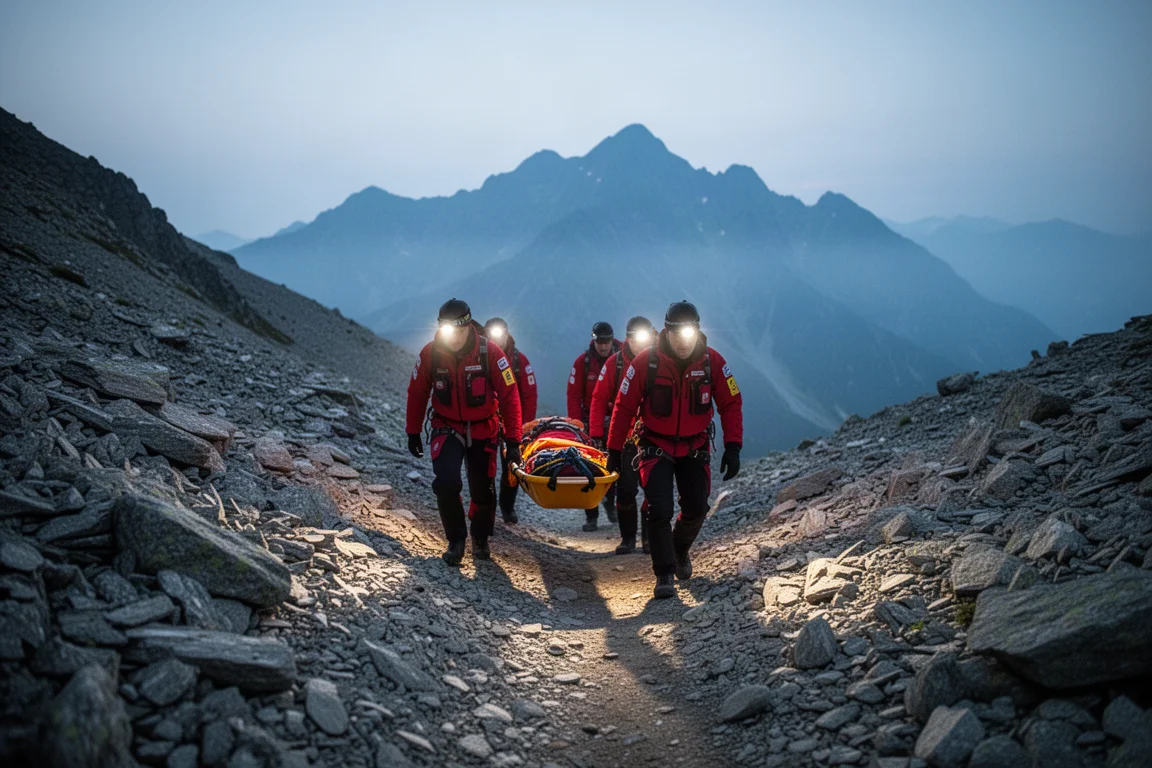
The tricky part is that a single SOS call can produce a backcountry response, a front country response, or a combination of the two. Take a hiker at the bottom of the Grand Canyon who triggers an SOS with a serious but not life-threatening injury. An aircraft lifts them to the South Rim, where they arrange their own medical care. That rescue costs nothing because the park service performed it, while any urgent care or hospital visit is billed through the hiker’s own medical insurance. Change the injury to something that needs a trauma center and a private air ambulance may be dispatched from Flagstaff. That transport is billed to insurance the way a front country air ambulance would be, along with the hospital charges.
How a response is chosen depends on what the person reports, what resources are available, and the conditions at the scene. Cost is generally not part of that calculation. The priority is getting someone to safety.
Not every SOS is medical. Across roughly 10,000 Garmin inReach rescue incidents, vehicle accidents and vehicle issues appear alongside medical emergencies. In those situations the response may be a tow truck or roadside assistance, paid for by car insurance, by a roadside membership, or out of pocket.
Garmin inReach SAR 100 Insurance
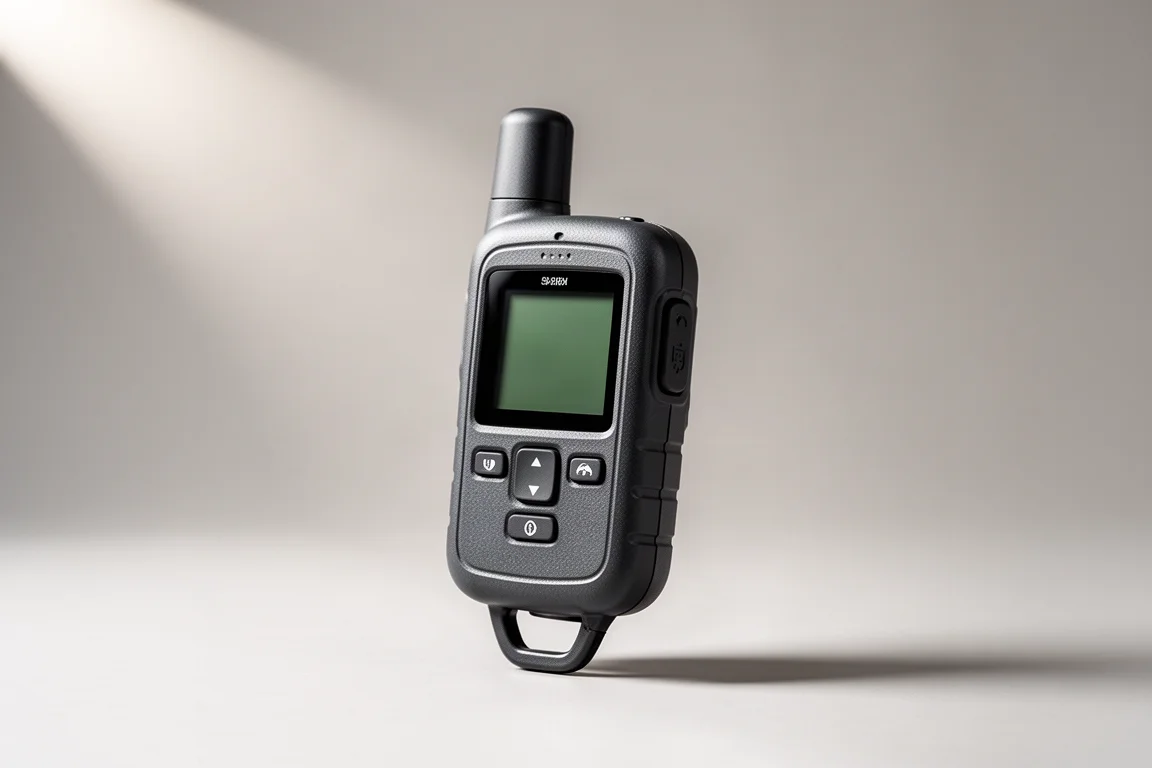
If you already carry a Garmin inReach, the SAR 100 policy is the most direct add-on. It works as insurance rather than as an assistance program: if you are charged for a rescue, you file a claim and send it to Garmin, and the policy is designed to cover the bill. The restrictions deserve a close read. Activities classed as hazardous sports, or travel above a certain elevation, may require the more expensive tier of coverage. For ordinary use the base policy is affordable, and it removes the guesswork about what a rescue might cost.
The workflow matters here. You settle a bill first if one arrives, then claim it back, and there is a higher tier for more demanding objectives.
Overwatch and Rescue
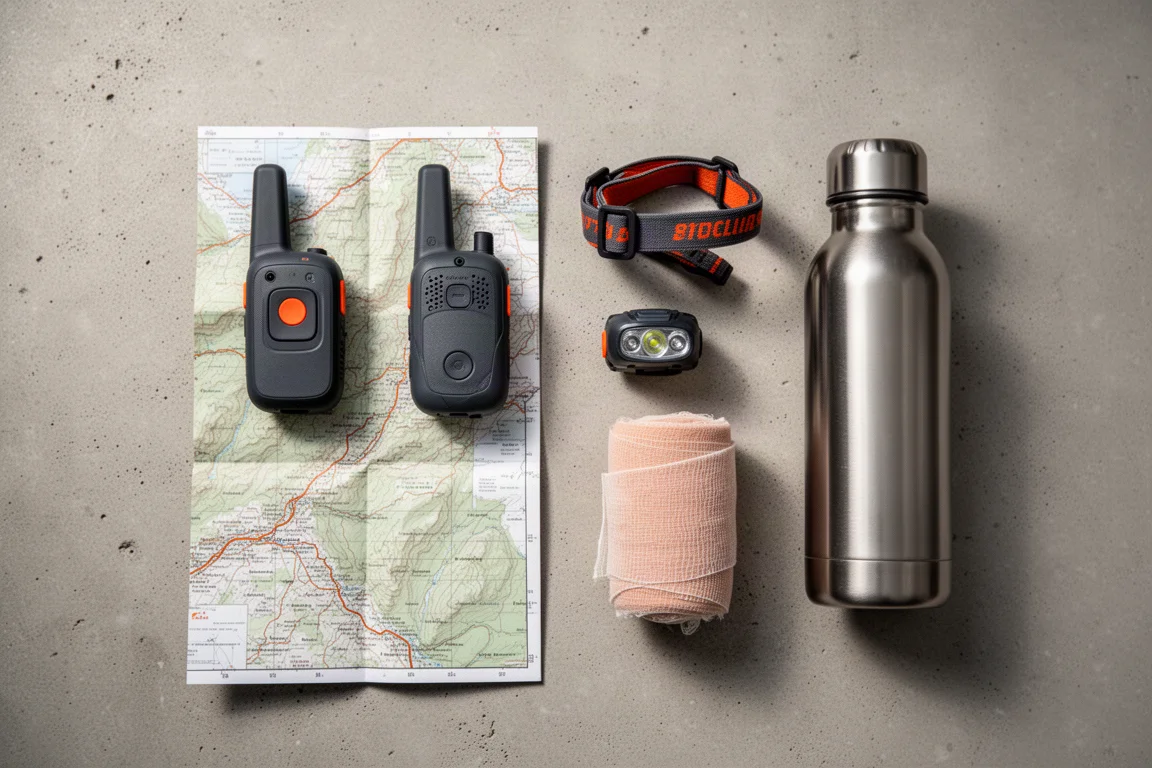
Overwatch and Rescue uses a different model. It is a fully funded assistance program, so a bill is sent to Overwatch and Rescue and they take care of it. Nothing comes out of pocket, and there is no requirement to file with your primary insurance first. High-risk sports are included rather than sold as an upgrade. The benefits reach past the bill as well, covering things like retrieving your car from a trailhead and arranging for a loved one to visit if you are hospitalized overseas.
Device compatibility is the main limitation. Coverage is not available on every satellite communicator, and the supported lineup currently includes Spot, Motorola Defy, and some smaller devices.
For travelers carrying one of those devices who spend time in higher-risk terrain, the assistance model is simpler than an insurance claim.
American Alpine Club Membership
Not everyone carries a dedicated satellite SOS device, and that does not have to mean going without coverage. An American Alpine Club membership includes different levels of outdoors insurance designed to cover you if something goes wrong. Because it is a membership rather than a single-purpose policy, it works as a sensible entry point for climbers, hikers, and travelers who want a layer of protection without buying a device first.
Choosing Between the Three Options
The decision comes down to two questions: which device you carry, and how much paperwork you want to deal with after an incident.
If you own a Garmin inReach, SAR 100 is the natural fit, and it is worth confirming whether your activities push you into the higher tier. If you carry a supported device such as a Spot or a Motorola Defy and you would rather have the bill handled for you, Overwatch and Rescue covers more ground and includes high-risk sports without an upsell. If you do not carry a satellite communicator at all, an American Alpine Club membership provides outdoors insurance through a membership.
What the Next Few Years May Bring
Search and rescue teams are already busy keeping pace with today’s outdoor population, which includes a growing number of people carrying Spot and Garmin inReach devices. A newer technology is arriving that will let almost anyone with a 5G cell phone call 911 from the backcountry. That expands the pool of people able to request a backcountry rescue exponentially. When it arrives, the system is likely to be stretched, and some form of legislation, budgeting, or regulation will probably be needed to address the fact that anyone can now call for help from almost anywhere.
What to Do Before Your Next Trip
The message that search and rescue teams repeat most often is simple: do not hesitate to ask for help because of what it might cost. If you are in genuine need, teams want to help, and time is an asset. The longer you wait, the worse a situation can become. Carrying some form of SOS subscription or rescue insurance is the practical way to keep cost out of that decision when it matters most.
Overall Buying Advice
All three options exist to answer the same question: what happens if the response to your SOS arrives with a bill attached. The differences are mostly about how that bill is handled and which device you already own.
For inReach owners who want a low-cost layer of protection and are comfortable filing a claim, SAR 100 is the simplest place to start. For people carrying a supported device who would rather hand the problem off entirely, high-risk activities included, Overwatch and Rescue does more of the work. For those without a dedicated satellite device, an American Alpine Club membership bundles outdoors insurance into something you may already want.
Whichever route you take, read the exclusions before you rely on the coverage. Hazardous sports, elevation limits, and device compatibility are the details that decide whether a policy actually applies when you need it.
Conclusion
Backcountry rescue is usually free, but “usually” is doing a lot of work in that sentence. A front country air ambulance, a trauma center transfer, or a vehicle recovery can all generate costs that no volunteer team is responsible for covering. Carrying rescue insurance or an assistance subscription does not change how rescuers respond, and it should never delay a call for help. It simply removes one more reason to hesitate.
Further reading
Related Reviews
Outdoor Safety
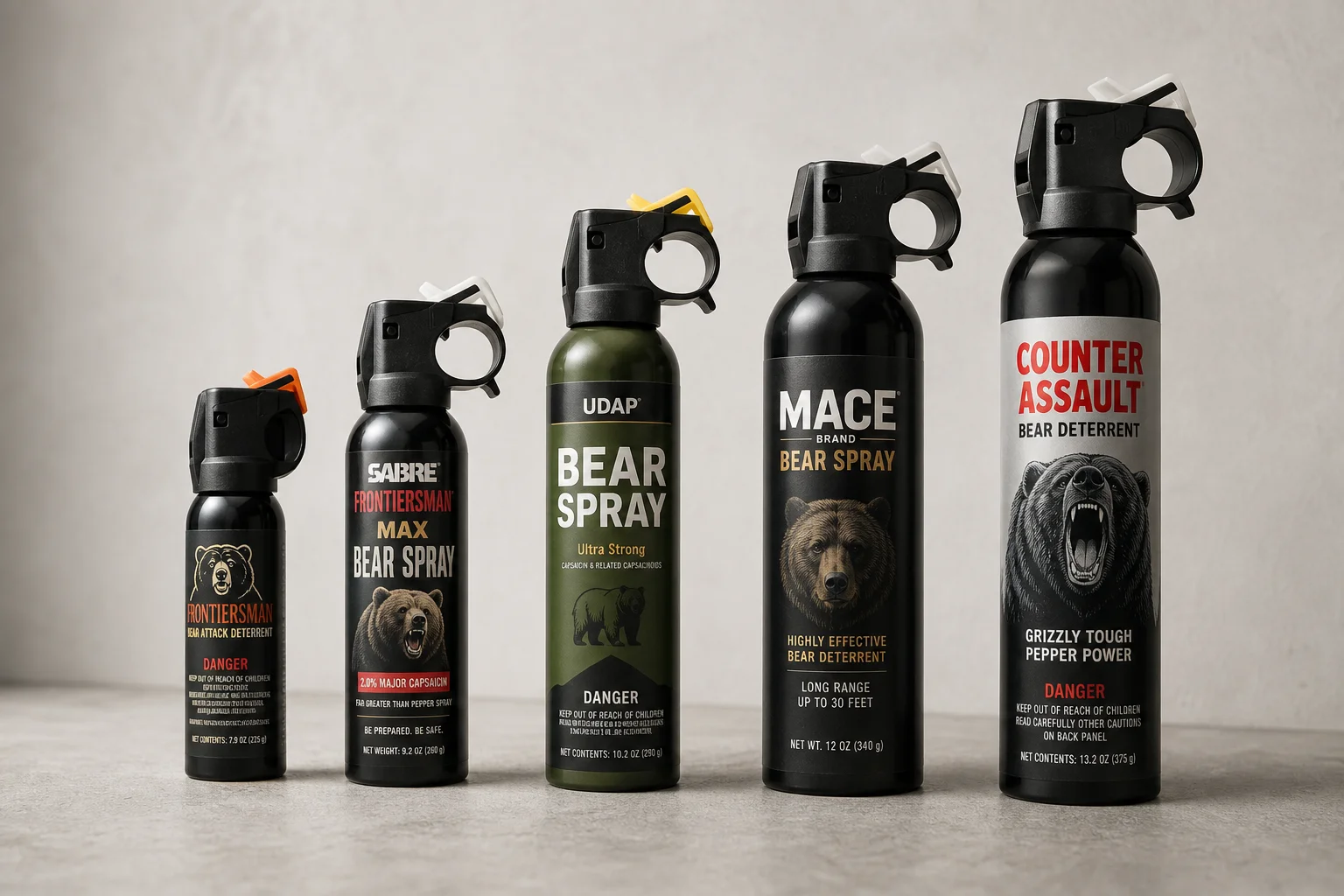
Best Bear Spray 2026: Five Options for Wilderness Protection
A practical comparison of five bear spray products, from compact carry options to maximum-range formulas, with clear strengths and trade-offs for different wilderness scenarios.
Outdoor Safety
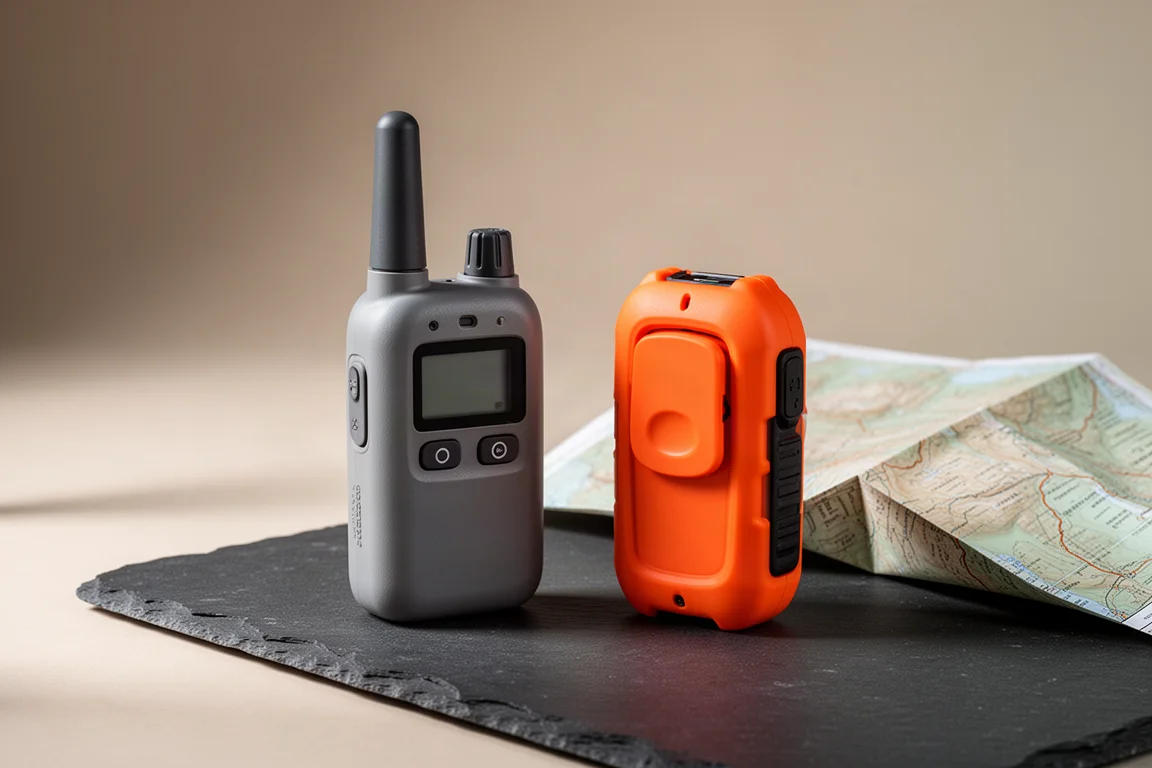
Garmin inReach Mini 2 vs RescueME PLB1: Which Satellite SOS Device Should You Carry?
A practical comparison of the Garmin inReach Mini 2 and the RescueME PLB1, covering seven-year SOS costs, two-way messaging, and the kind of backup each device is built to be.
Outdoor Safety
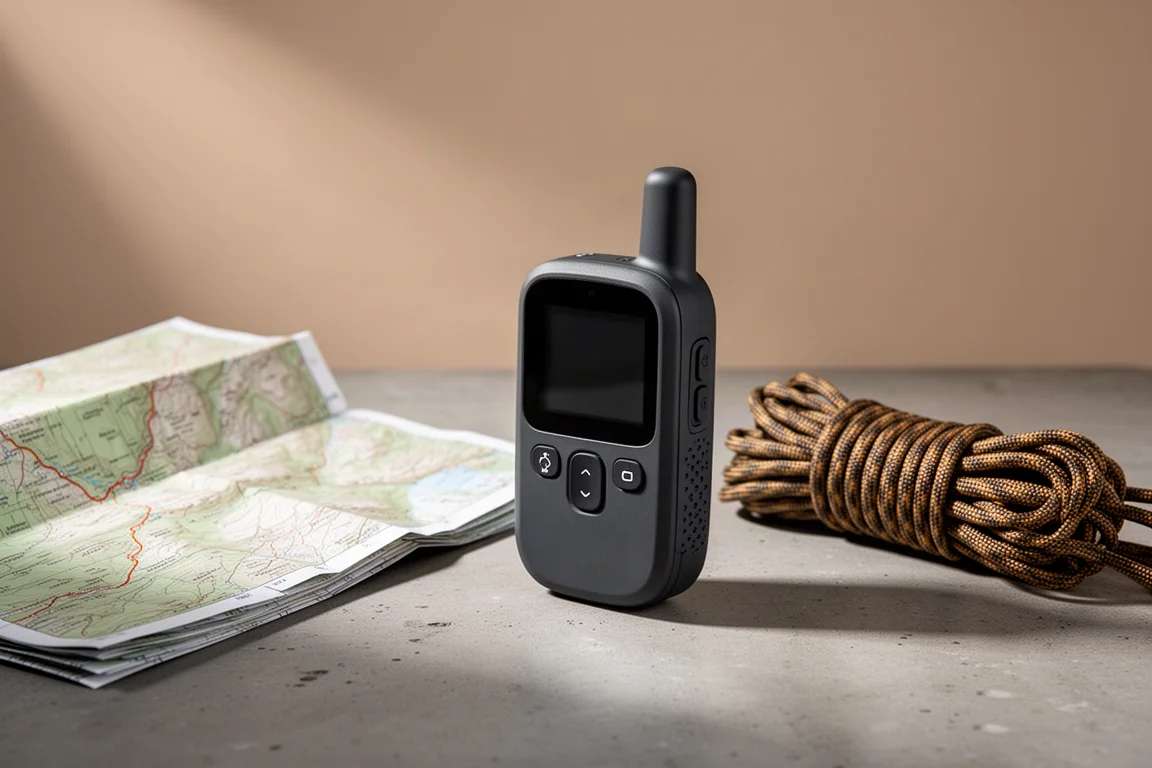
Garmin inReach Mini Review: Three Years of Backcountry Use
A practical long-term look at the Garmin inReach Mini, covering on-device messaging, weight, network reliability, battery life, and subscription value.