Satellite Communication
Satellite SOS Compared: Pixel 9, iPhone, Garmin InReach Mini 2, and Ulefone Armor 23 Ultra
A practical comparison of satellite SOS on the Google Pixel 9, Apple iPhone, Garmin InReach Mini 2, and Ulefone Armor 23 Ultra, including how each behaves under open sky and inside a slot canyon.
Introduction
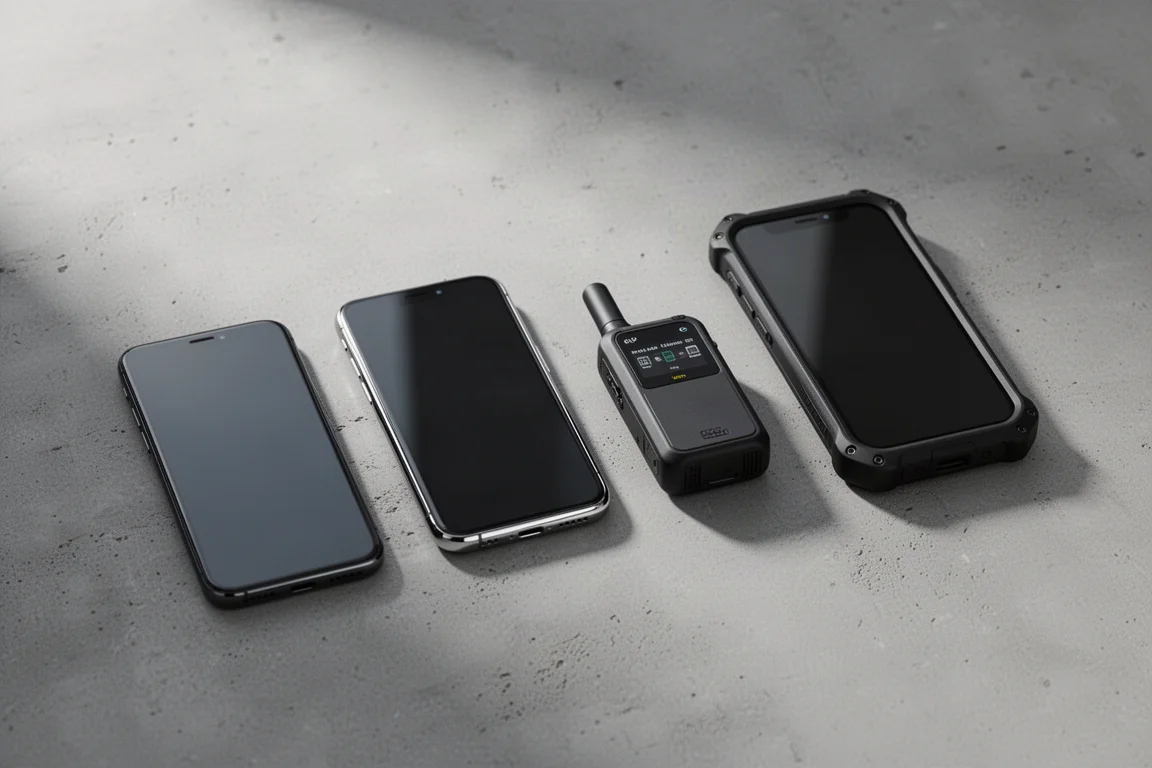
Satellite SOS has moved from a niche hardware feature into mainstream phones. The Google Pixel 9 and the Apple iPhone both offer emergency messaging through satellites, while dedicated devices such as the Garmin InReach Mini 2 continue to serve people who spend serious time far from cell coverage. A fourth option, the Ulefone Armor 23 Ultra, shows what a rugged Android phone can do with the same satellite network Google uses.
The differences between these four are not only about brand. They use different satellite constellations, different orbital altitudes, and different software experiences, and those differences become obvious when the sky is not wide open. The comparison below covers how each device connects under clear conditions, at the mouth of a slot canyon, and deep inside one where the walls close in overhead.
How Satellite SOS Differs Across These Devices
The most important technical distinction is orbital altitude. The Pixel 9 connects through a service called Skylo using geostationary satellites positioned roughly 22,000 miles above the Earth. Because a geostationary satellite stays in the same place relative to the ground, the phone only needs to be aimed once: align the on-screen dot inside the circle, hold the phone steady, and the connection holds.
The iPhone takes a different route. It uses low Earth orbit satellites from Global Star, which circle the planet continuously. The phone downloads satellite position data in the background, then asks the user to point the device at the satellite and keep tracking it as it moves across the sky. The Garmin InReach Mini 2 also relies on low Earth orbit satellites, in this case the Iridium constellation, which provides worldwide coverage.
In practice, all four approaches share some habits. Both phones ask you to switch off cellular before starting, walk you through a short questionnaire about the situation, and display a status indicator showing connection quality. Both also include a demo mode so the process can be practised before an emergency, which is worth doing at least once. Iridium’s worldwide footprint is broader than Global Star’s, while the Pixel 9’s satellite footprint currently covers the continental United States.
Google Pixel 9: Satellite SOS Over Geostationary Satellites
The Pixel 9’s satellite feature lives under Settings, then Safety and Emergency, then Satellite SOS, where a demo option walks through the entire flow. Setup includes a compass calibration step so the phone knows which way it is pointing, followed by aligning a dot inside a circle. Once locked on, the phone does not need to be moved around. Connection status stays visible in a small window while the messaging interface is open, and small movements make the alignment dot drift without necessarily dropping the link.
Under clear open sky, the connection came up quickly and a message went out without trouble. At the mouth of a slot canyon with high walls on either side, the Pixel 9 took slightly longer to lock on but still connected and sent the message. Deep inside the narrow section of the canyon, the process stalled while trying to obtain a GPS fix and never advanced beyond the preparation screen after roughly ten minutes, so no SOS was sent.
A few practical details are worth knowing. The Pixel 9 currently supports satellite SOS only, without the regular satellite text messaging that Apple has announced. Coverage is currently limited to the continental United States. Garmin Response handles SOS calls for the Pixel 9, and any device supported by that service is eligible for Garmin search and rescue insurance, which can be purchased directly from Garmin.
Apple iPhone: Satellite SOS Over Low Earth Orbit Satellites
On iPhone, the feature is found under Settings and Emergency SOS, with a demo option at the bottom of the screen. Because the satellites are moving, the interface asks you to point the phone toward the satellite and to keep adjusting as it travels. A progress bar shows activity during the send, something the Android implementation does not include. A questionnaire gathers details about the emergency, with a more detailed second tier used for real emergencies.
Under open sky, the iPhone connected and sent without drama. At the mouth of the canyon, the first attempt struggled: the phone asked for repeated repositioning and never connected. A second attempt succeeded, though it still took some effort. Deeper inside the canyon, the iPhone could not establish a GPS fix at all, which meant there was no position to attach to an SOS message, and the attempt ended there.

Apple’s satellite service is available in a number of countries rather than everywhere. Apple has also announced regular satellite text messaging for the iPhone 14, iPhone 15, and iPhone 16 with iOS 18, which would allow ordinary messages from remote areas instead of emergency calls only.
Garmin InReach Mini 2: A Dedicated Satellite Messenger
The InReach Mini 2 is the specialist in this group. It communicates over the Iridium constellation, which provides worldwide coverage, and its antenna simply needs to point upward rather than track a specific satellite. That simplicity comes with a trade-off in speed: sending a message and waiting for a reply generally takes longer than on either phone, and results are never guaranteed because conditions vary from one attempt to the next.
At the mouth of the canyon, the InReach Mini 2 behaved as expected: a longer wait, then the message went out. In the narrow part of the canyon, it sat for about ten minutes without sending. That result matched the phones, and it is a useful reminder that a dedicated satellite device is not automatically immune to difficult terrain.
Ulefone Armor 23 Ultra: Satellite Texting on Android
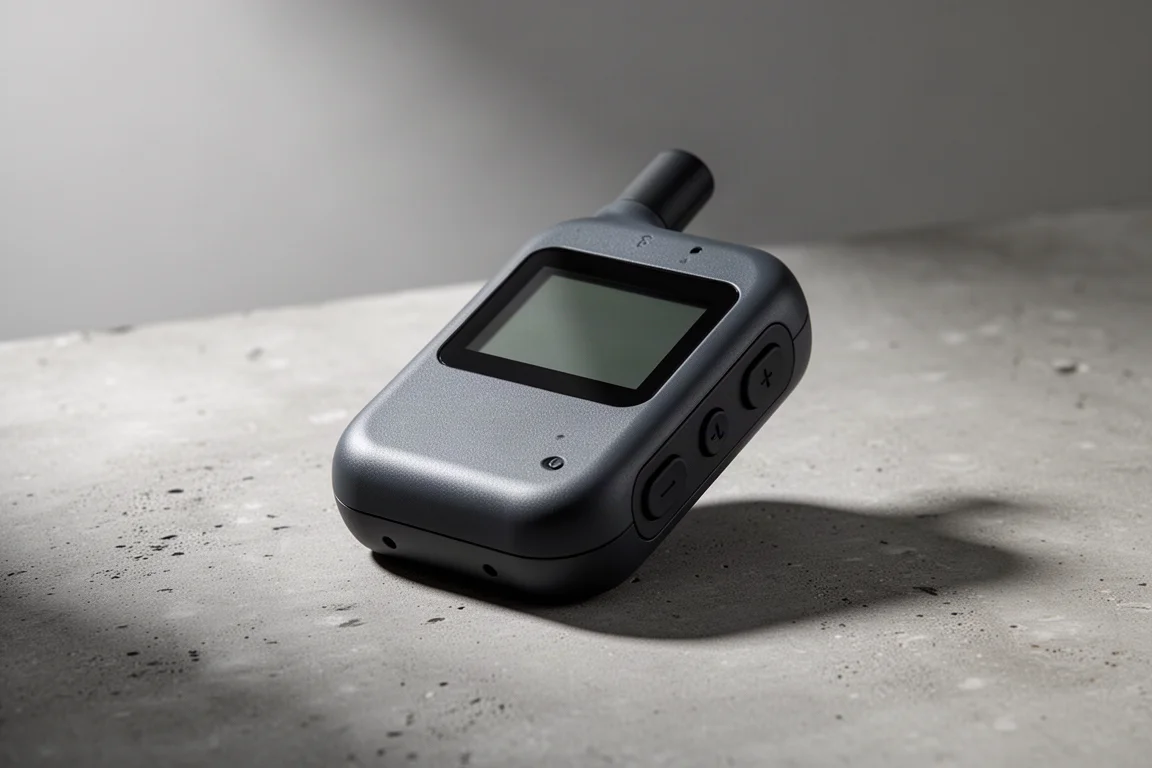
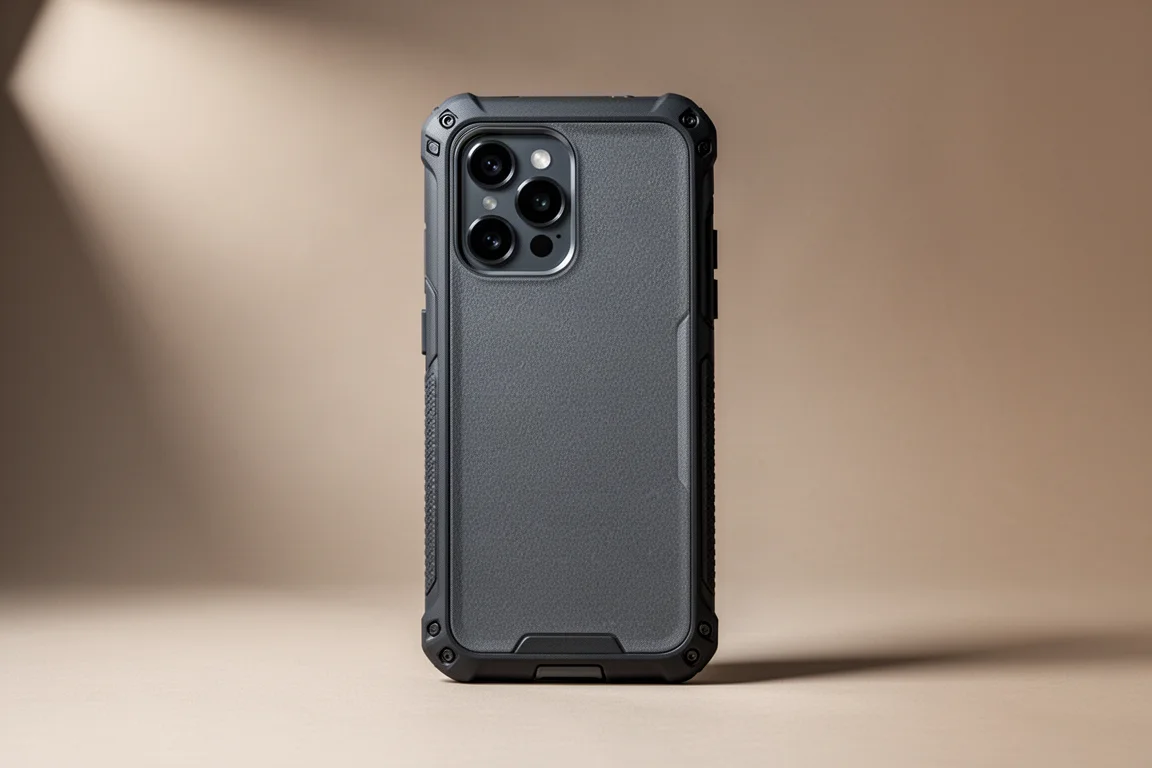
The Armor 23 Ultra is a rugged Android phone that also uses the Skylo network and the same geostationary satellites as the Pixel 9. Plans are purchased through a separate service provider and are described as reasonably priced. Its distinguishing feature is messaging: it supports both SOS and ordinary satellite text messages, which the Pixel 9 does not currently offer.
Experience with the device has been inconsistent. It worked well in the Grand Canyon, but performance since then has been hit or miss. On a day with clear blue sky and the same satellite network the Pixel 9 was using successfully, the Armor 23 Ultra could not establish a connection at all. That outcome highlights how much depends on the chipset, the satellite backbone, the antenna design, and the software working together.
Field Reality: Open Sky, Canyon Mouths, and Deep Canyons
The conditions of the comparison tell a clearer story than any single specification. Under open sky, every device in this group connected. At the mouth of a slot canyon, with tall walls on both sides, the Pixel 9 and the InReach Mini 2 sent messages, and the iPhone managed it on a second attempt. Inside the narrow section, none of them worked: the phones could not obtain a GPS fix and the InReach Mini 2 never completed a send.

Receiving and sending are not the same problem. Multiband GPS can still track a position inside a canyon, which is why navigation keeps working when an outbound satellite message does not. Sending requires a clear enough view of the sky for the antenna to reach a satellite, and a deep slot canyon can block that entirely. Satellite SOS has been used in real rescues from canyons in Utah, so the feature can work in demanding terrain, but it is not something to count on in a narrow slot.
Whether a backcountry rescue carries a cost depends on many factors, including the location and the responding agency, so it is worth checking the rules that apply to where you travel. For devices supported by Garmin Response, which includes the Pixel 9, search and rescue insurance can be purchased from Garmin directly.
Buying Advice: Matching the Device to Where You Travel
The right choice depends on where you go and what you need to send. If you carry a Pixel 9 and spend most of your time in the continental United States, satellite SOS is already built in, needs no extra hardware, and holds a connection without tracking a moving satellite. The main limitation is that it handles emergencies only.
If you use an iPhone, satellite SOS is likewise built in, with availability across a number of countries and regular satellite messaging announced for recent models. Expect to point and track the phone, and expect a slower, more variable connection when the sky is partly blocked.
For people who travel internationally or well beyond phone coverage, a dedicated messenger such as the InReach Mini 2 remains the most predictable option because Iridium covers the globe. It means carrying and charging a separate device, and it is slower, but it works independently of a phone.
The Armor 23 Ultra is the most interesting outlier: it offers satellite text messaging on a rugged Android device with reasonably priced plans, but its real-world consistency has been uneven. Anyone considering it should weigh that variability carefully against the convenience of two-way texting from the backcountry.
Whichever device you carry, run through the demo mode before you actually need it, keep the phone or messenger pointed as instructed, and remember that terrain decides more than hardware does. Deep canyons, dense tree cover, and steep walls can block a satellite link even when the device itself is working correctly.
Conclusion
Satellite SOS is now a realistic safety layer for ordinary phone owners, and the four devices here show how different the underlying systems are. The Pixel 9 and the InReach Mini 2 were the most consistent in the conditions tested. The iPhone delivered a comparable result with more pointing and one failed first attempt at the canyon mouth. The Armor 23 Ultra offers the most messaging flexibility on paper but proved the least predictable in practice. None of them worked deep inside a narrow slot canyon.
Further reading
Related Reviews
Satellite Communication
Starlink Direct to Cell Review: Satellite Texting on iPhone 16 in the Backcountry
A field review of Starlink Direct to Cell satellite texting on iPhone 16, covering coverage gaps, battery drain, SMS behaviour and how it compares with Apple satellite messaging.

Backpacking Gear
Building a 10 lb Base Weight: An Ultralight Backpacking Gear List
A practical walkthrough of the ultralight pieces behind a 10 lb base weight, from a 765 g pack and a roomy one-person tent to a full camp chair and a dependable water filter.

Road Bikes
10 New Road Bikes Worth Watching: Aero, Titanium, Steel and Endurance Standouts
A practical roundup of 10 new road bikes, from aero flagships chasing single-watt gains to titanium, steel and endurance platforms built for real roads.