Soundbars
Samsung HW-Q990H Review: A Familiar Flagship With Smart New Features
The Samsung HW-Q990H refines the flagship Q-series formula with new sound features and smarter room correction, but is it worth the upgrade?
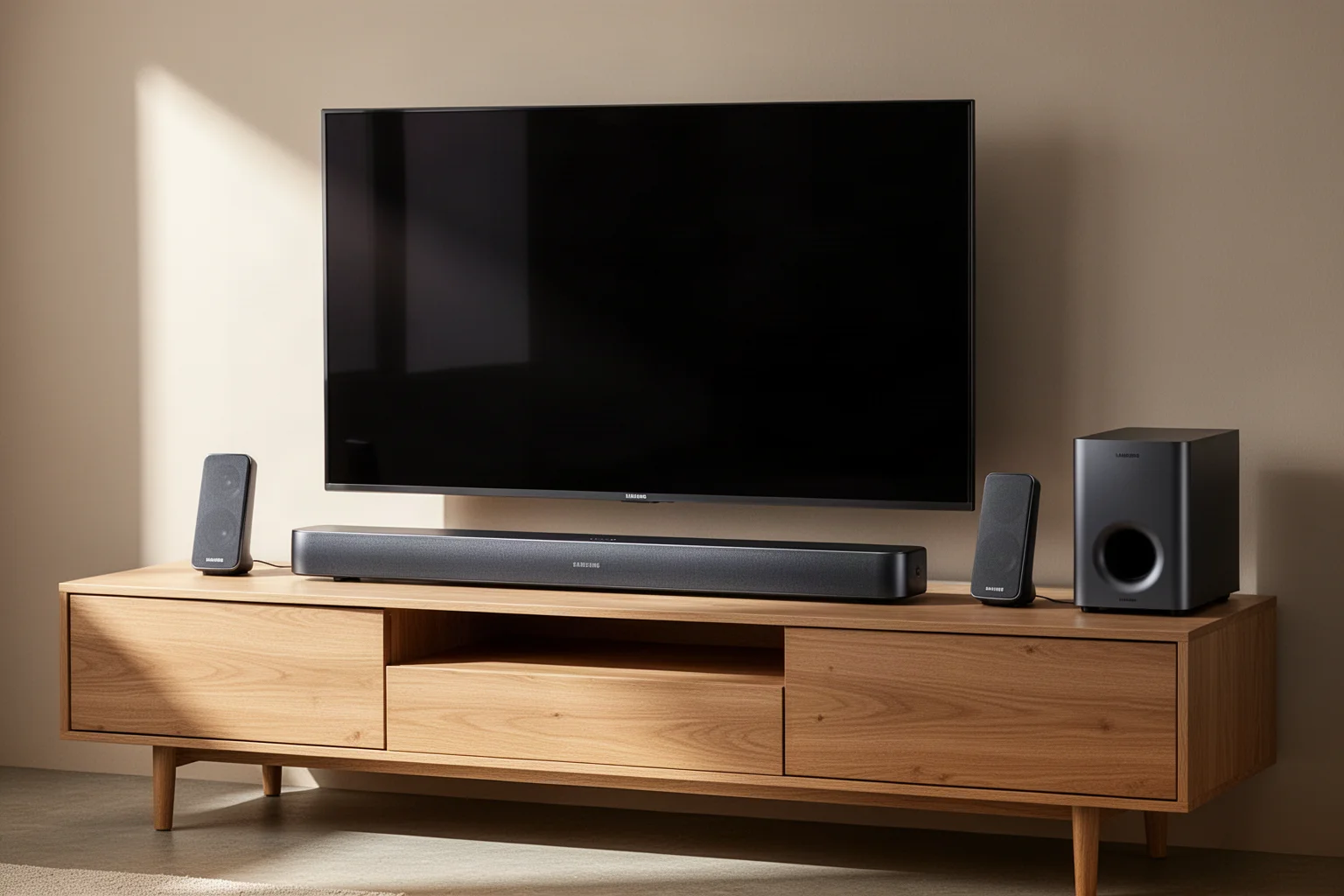
Introduction
Samsung has released its annual upgrade to the flagship Q-series soundbar. Following in the footsteps of 2025’s Q990F is the Q990H. If you’re lost in the alphabet soup of the soundbar line and want to pick the best bar for your needs and budget, this review cuts to the chase.
The Q990H features no hardware upgrades over the previous generation, but there have been some tweaks under the hood that could matter depending on how you use it. Let’s start with what’s actually new.
What’s New in the Q990H
While the Q990H’s list of sound features was largely copy-pasted from last year’s model, the current generation has seen the arrival of two new features. The first one, auto volume, isn’t entirely new. It has appeared with other soundbars before. This feature normalizes the volume level across different types of content, so cutting to a quick commercial break doesn’t result in a jump scare.
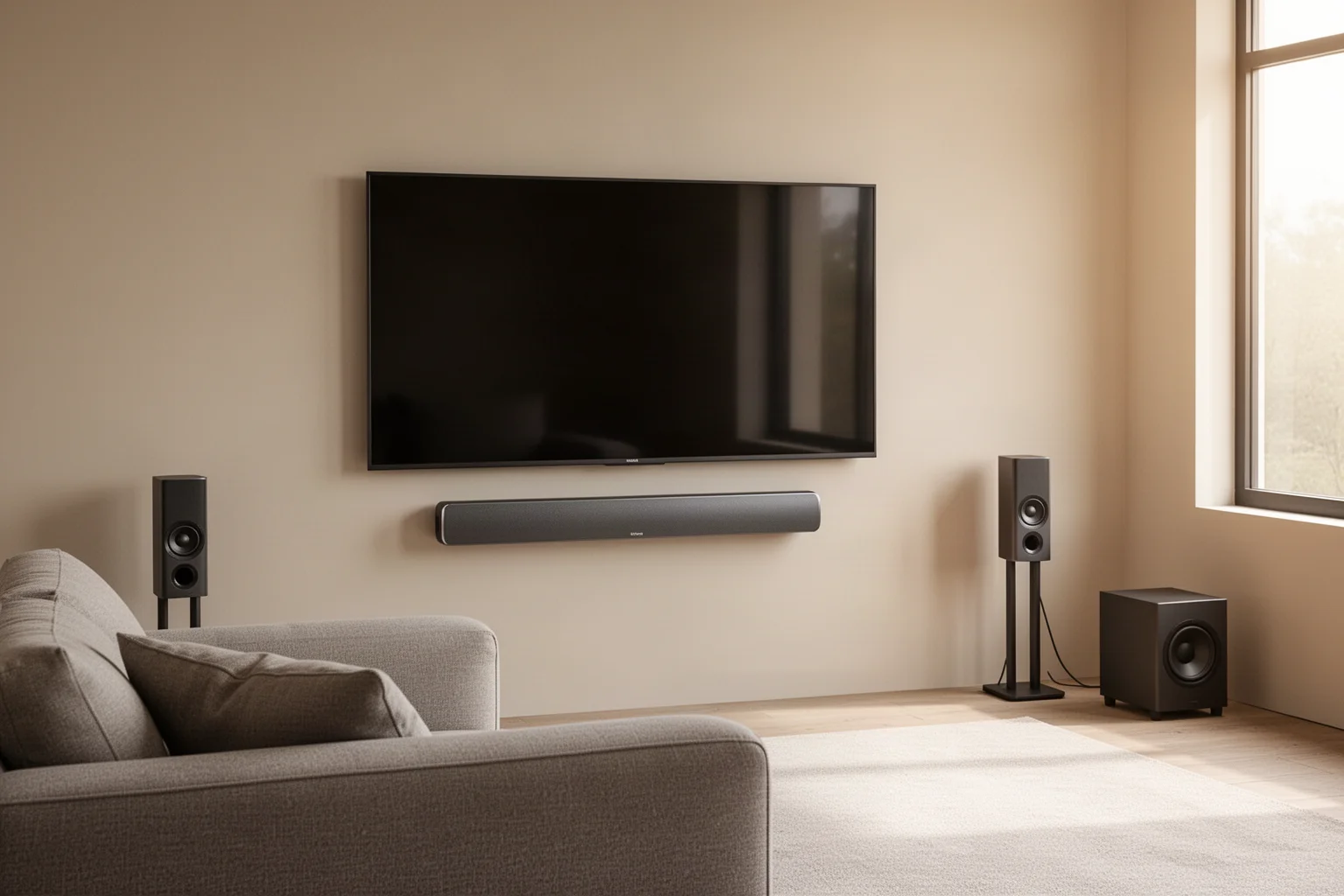
The second newcomer, sound elevation, is an interesting concept. This feature commandeers the up-firing drivers to raise dialogue and the overall sound field up, so it matches the height of your TV. It didn’t alter the frequency response much, but it did affect the specialization of objects. It also resulted in a loss of verticality with Atmos content, which makes sense given the up-firing drivers are effectively working double duty.
Are these new features enough for you to upgrade if you’re an existing Q990F owner? Probably not. Sound elevation is a cool but niche feature that might see some action if you’re a repeat offender in the TV too high subreddit, but neither of these features are groundbreaking.
Sound Elevation and Auto Volume
Beyond those additions, Samsung is also leaning heavily into AI. It seems like a great way to keep the hardware unchanged while presenting a shiny new model to the masses.
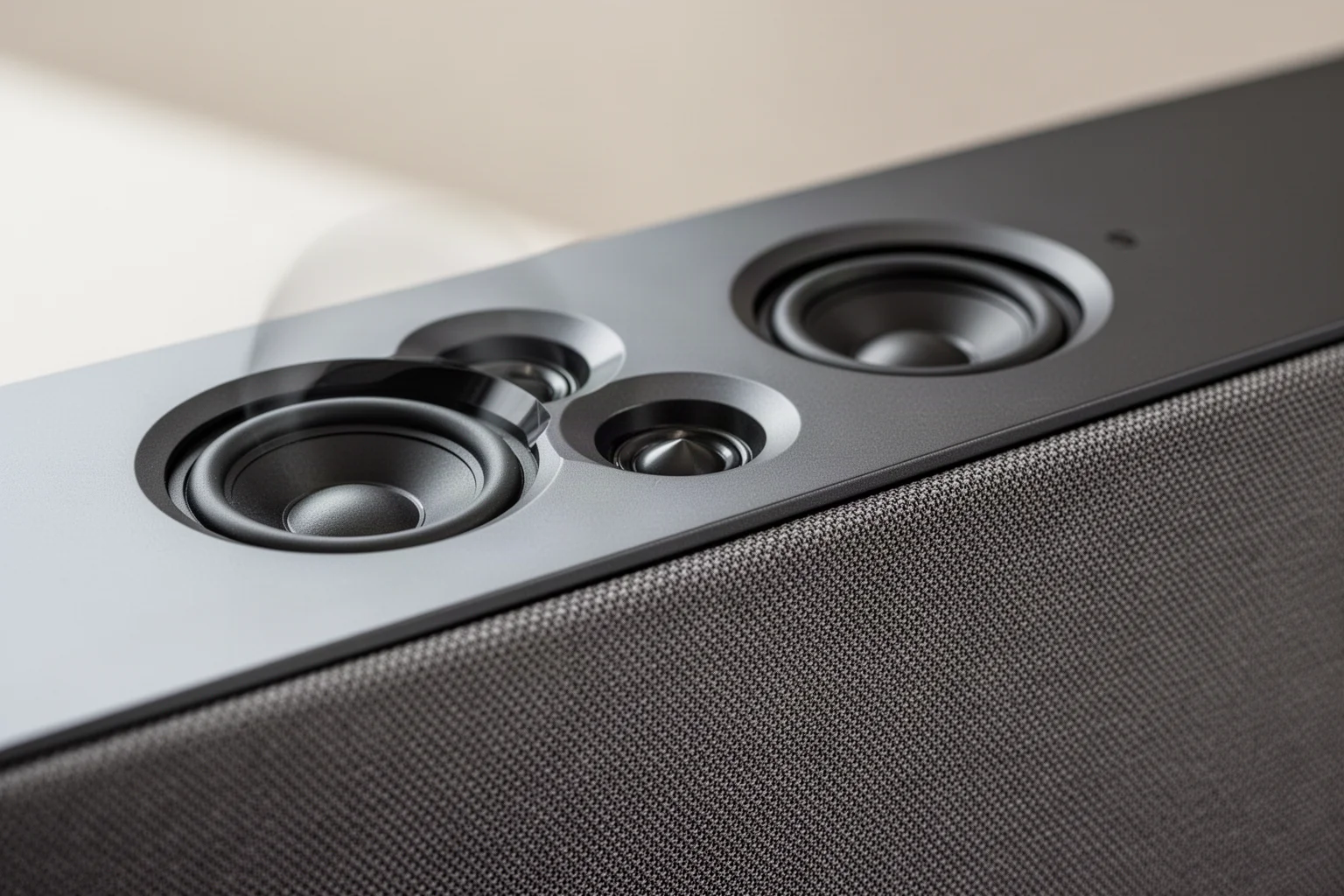
That said, while the soundbar won’t do your math homework for you, there is a change in how much the adaptive features influence how the bar sounds. This was most evident with the SpaceFit Sound Pro room correction. While this feature didn’t really do much to the frequency response of the Q990F, it had a much bigger impact with the Q990H.
Of course, the whole point of room correction is that it adapts to the unique acoustics of your listening room, which makes it difficult to figure out exactly what it’s doing. All testing was carried out with the feature enabled, and disabling it brought results even more in line with last year’s model. Subjectively, the feature injected a bit more brightness into the mix with Atmos content, making the ascending drone sound a little tinny at times. However, it did improve low frequency extension and widen the soundstage a bit.
SpaceFit Sound Pro is likely doing more with the Q990H. So, if you know for a fact that your room isn’t an ideal acoustic space, this could be a great way of compensating for the room shortcomings. By the same token, it might cause strange peaks and dips in the response as it adjusts to resonances in your room. So, disabling the feature could become a key troubleshooting step.
Design and Build Quality
Now that we’ve covered what’s new, this is where things start to feel familiar. As far as we can tell, there are no hardware changes to the Samsung HW-Q990H from the previous generation. Put them side by side and you’d be hard-pressed to spot any differences.
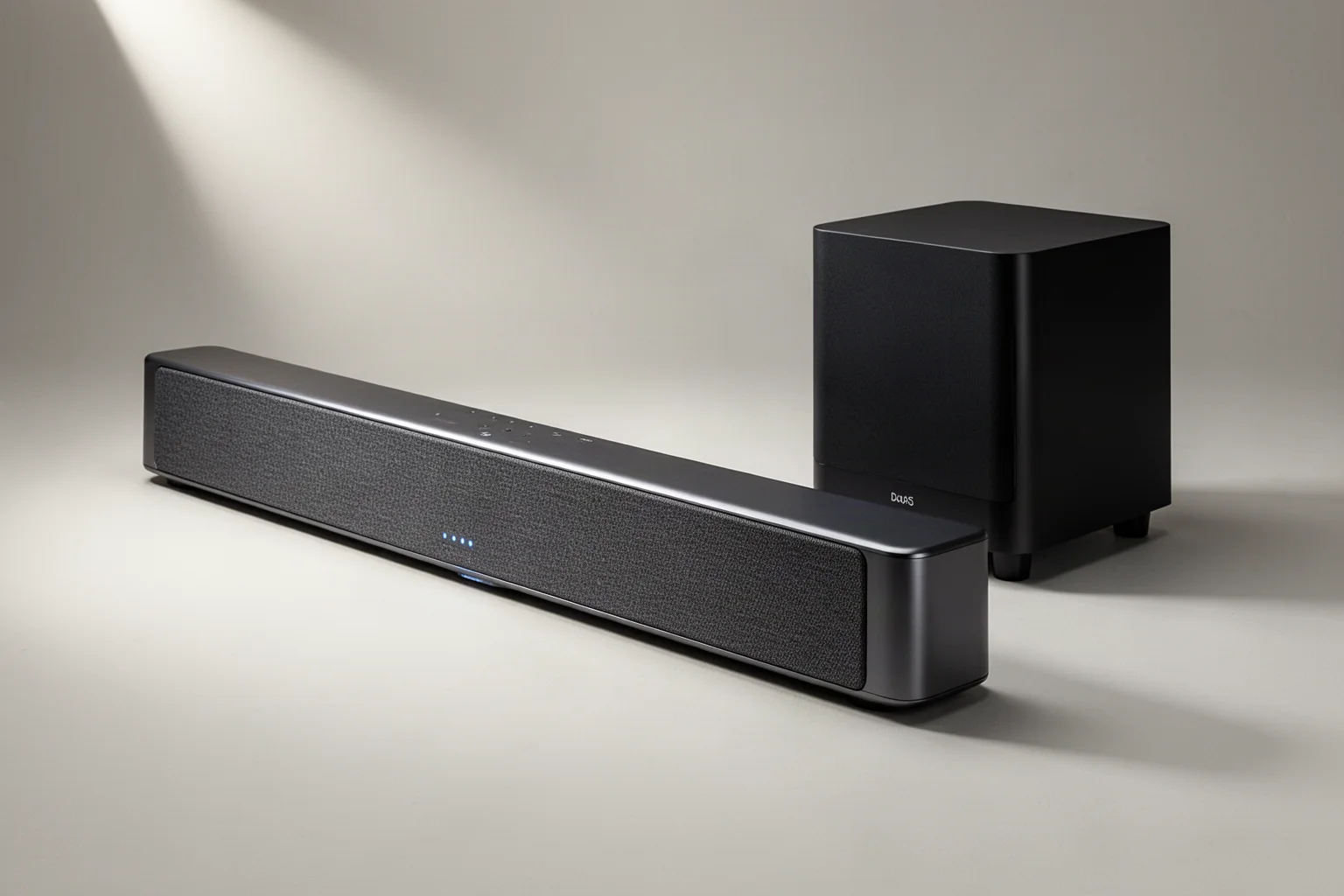
You get the same gunmetal gray finish, compact subwoofer, and sleek satellites with both bars. Thankfully, there’s no change in build quality, either. Samsung hasn’t cheaped out on the materials or construction, which is great considering the 990H retails for a similar price to the 990F at launch.
Connectivity and Compatibility
The same is true when it comes to connectivity options. You get the same HDMI eARC and optical ports, as well as two HDMI inputs. HDMI passthrough is still capped at 4K at 120 Hz at 10 bits with no 8K passthrough seemingly on the horizon. You get the same gamut of adaptive and HDR formats, too.
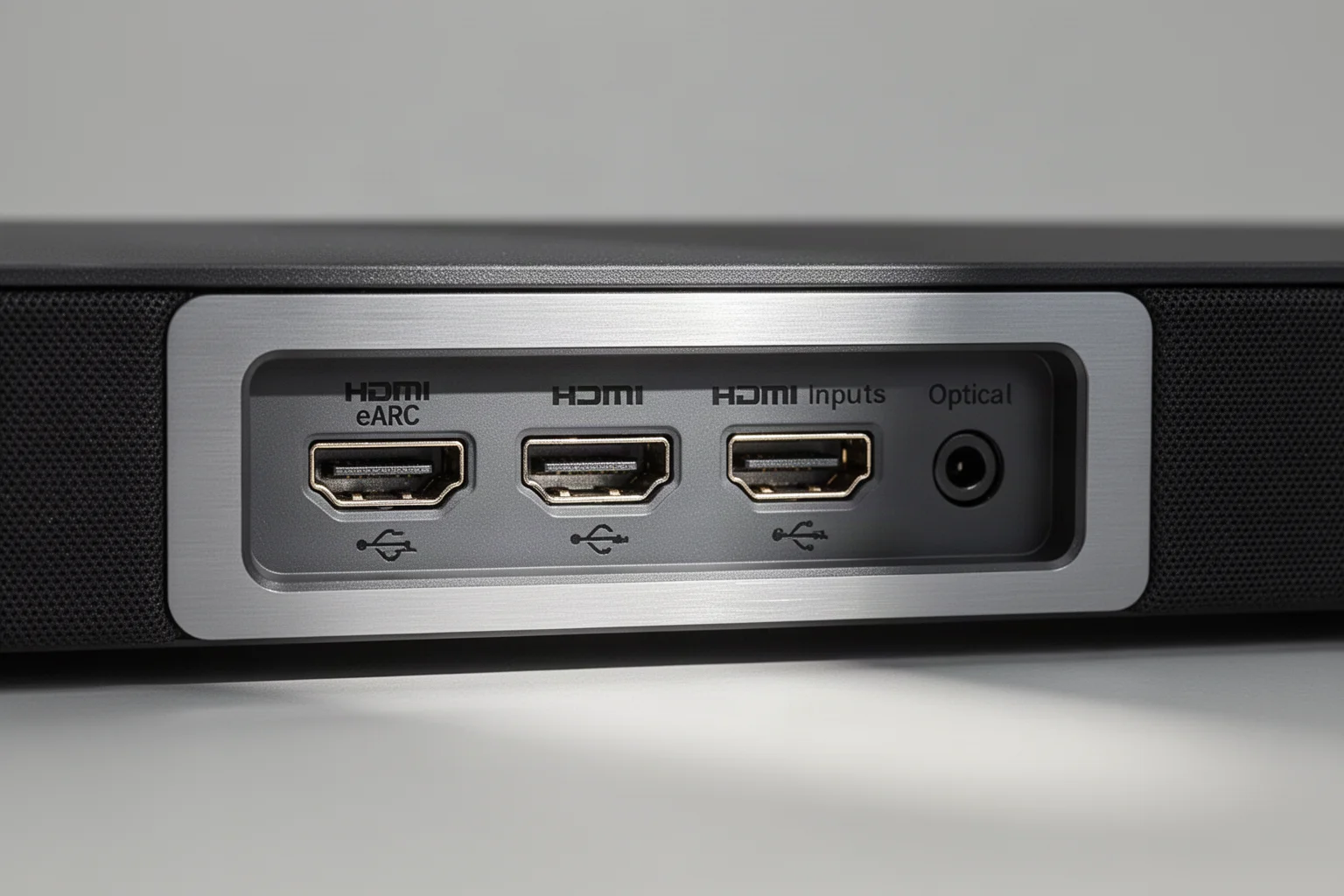
No need to worry about latency muddling up the dialogue in your favorite movies, either. Latency values with this bar are amazing across all formats and connection types, except optical, which is a little higher.
On the wireless side, the Q990H is compatible with all the major players. Google Cast, Apple AirPlay 2, and Spotify Connect complement Wi-Fi and Bluetooth 5.3 support. Plus, it’s compatible with newer, more niche wireless playback options like Roon and Tidal Connect. If you’re a fan of voice assistant functions, the 990H has built-in Amazon Alexa support, as well as Google Assistant functionality, as long as you have a compatible device.
Sound Performance
The fact that the 990H has the same hardware and many of the features of its predecessor doesn’t necessarily mean it performs the same in sound tests. In this case, it basically does. Looking at the two frequency responses side by side feels like one of the harder spot the difference puzzles from your childhood.
The 990H has a touch less treble range sparkle than the 990F, which can be mostly attributed to the SpaceFit Sound Pro room correction. Otherwise, you get the same muscular bass and balanced mids that help crown the Q990F as a top sound bar pick.
Stereo sound stage and center channel performances are a similar story. The sound stage is wide, but not quite as expansive as rivals like the Sony Bravia Theater Quad. The center channel is top-tier, though, helping render dialogue with plenty of detail and subtlety.
Of course, the Q990H supports all the same audio formats as the last generation, so it fares similarly well with 5.1 surround sound and Dolby Atmos content. Again, there is some scope for variation, but this usually comes as a result of the SpaceFit Sound Pro’s tuning.
Customization and Extra Features
Samsung puts most rivals to shame with the sheer selection of customization options. There are four sound modes: Standard, which is used for testing; Game Pro; Surround; and AI Adaptive Sound. Within Standard mode, you get access to a seven-band graphic EQ for granular tuning, while the other sound modes have simple bass and treble adjustments.
There are not one, but two dialogue enhancement features: Voice Enhancement and Active Voice Amplifier Pro. Likewise, most bars come with a night mode, and this one does, too, but it also has a moderate bass feature that disables the sub and gets the bar itself to output more bass. You can control the sub and satellite levels independently, too.
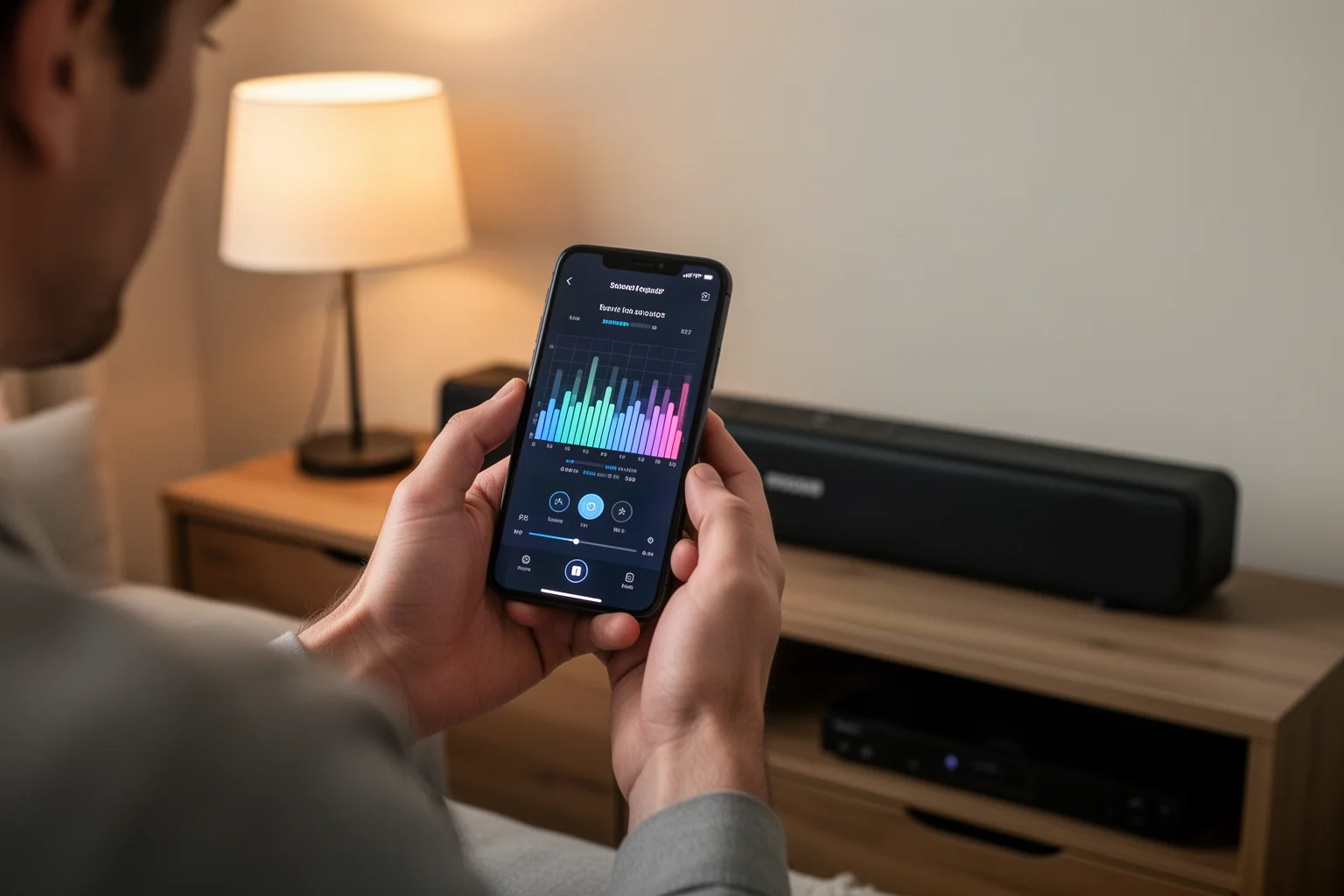
So far, it’s a control freak’s paradise, but you get even more options when you pair with a compatible TV. For one, this causes a new sound mode, Adaptive Sound Plus, to spawn. This feature up-mixes the sound to all channels, especially the rears for a more immersive soundstage.
There’s also Q-Symphony, which uses the TV speakers to bolster the center channel. Voices and dialogue sounded more crisp and precise with a Q990F 8K TV, but this came at the expense of dialogue volume. Still, there is more testing to do to really push the limits of this feature, as you can now add Samsung’s Music Studio 5 and Music Studio 7 speakers into the mix for even more channels. The possibilities with this are certainly exciting.
Samsung HW-Q990H vs HW-Q990F vs HW-Q990D
Based on our findings, the Q990H can be better for many use cases. The new features are functionally useful, and expanding the setup with some Music Studio speakers might make this system really sing. But, if you already own the Q990F and you’re happy with your listening space, it’s totally understandable that you’d want to wait for more impactful upgrades before shelling out again.
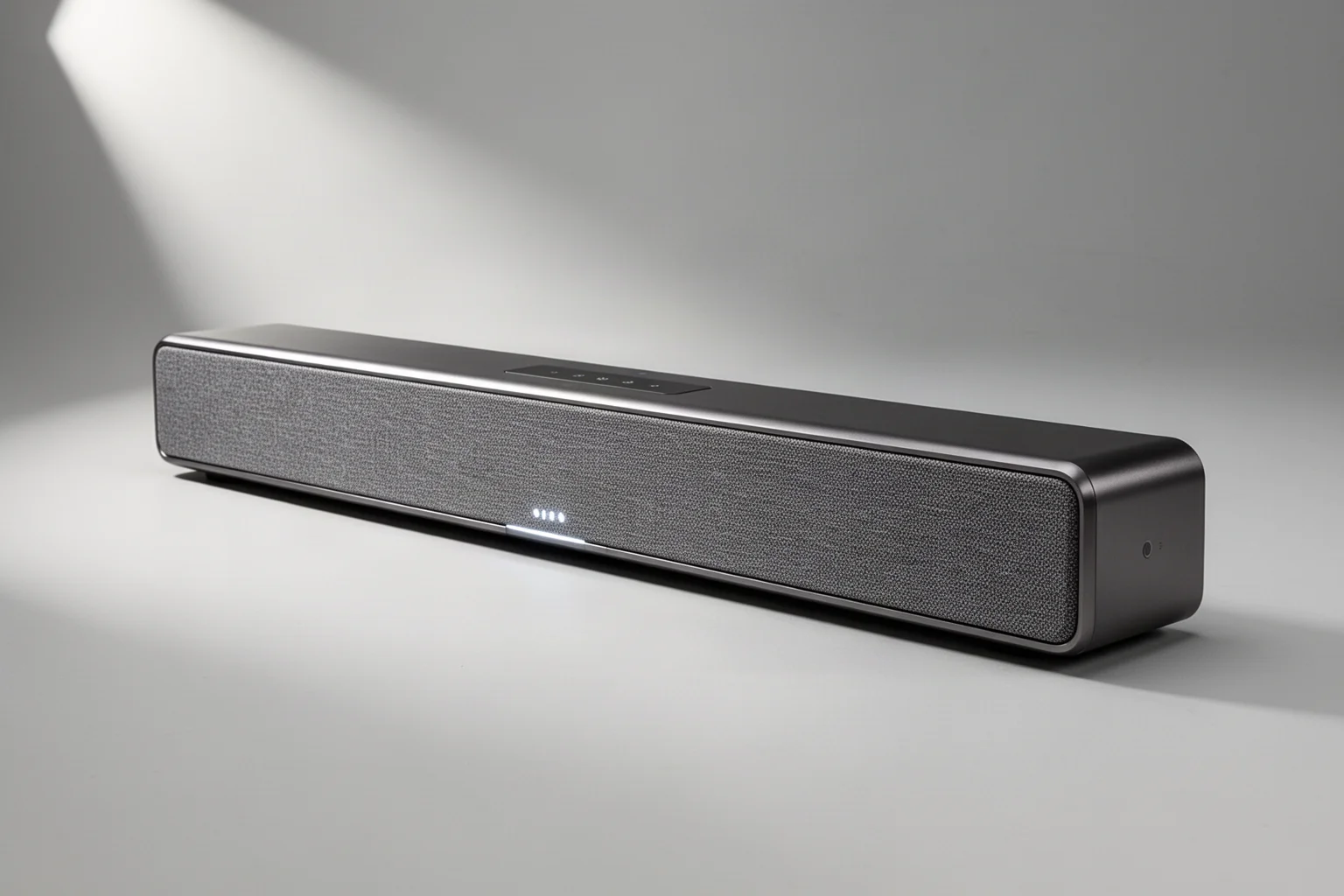
What if you’re starting from scratch and looking to make the ultimate upgrade from TV speakers? The Q990F is already a few hundred dollars cheaper than the H, and upcoming sales could see this difference in price widen. It’s ultimately up to you to decide whether the new sound features, more adaptive room correction, and additional Q-Symphony expansion capabilities are worth whatever the difference in price is. But, for most people, the previous generation will represent better value for money.
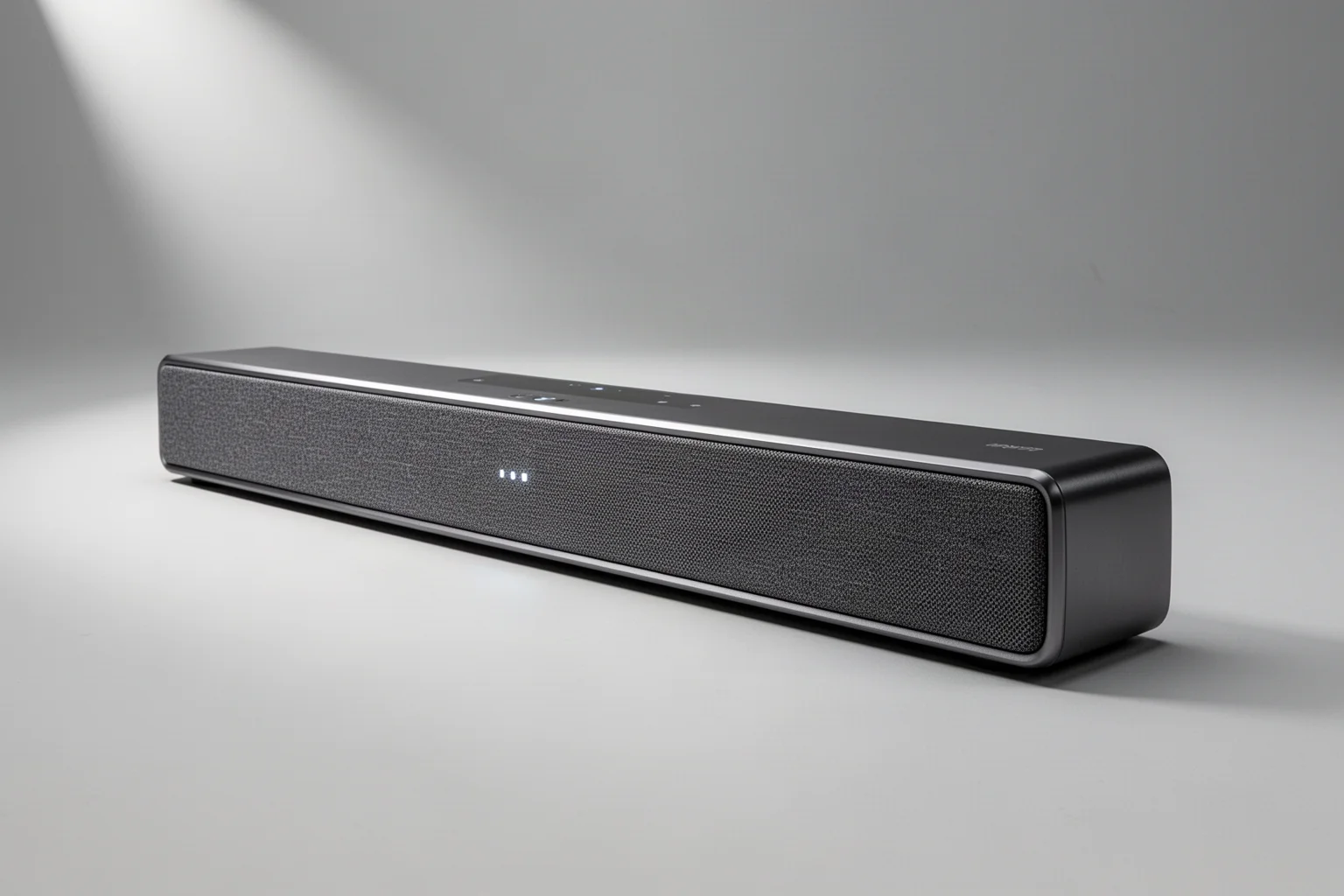
If you really don’t care about the bells, whistles, and adaptive features, the Q990D from two generations back might also still be a great value pickup. Its sub is a little larger and can inject a bit more bass range boom into the mix, but its performance is extremely similar to its successors. Gamers can still benefit from the same 4K at 120 Hz passthrough, too. If you can find it in stock, it’s often around the $1300 mark, which represents great value for money.
Buying Advice
For most people, the previous generation Q990F will represent better value for money than the new Q990H. The new sound features are functionally useful, but they aren’t groundbreaking. If you already own the Q990F and you’re happy with your listening space, it’s totally understandable that you’d want to wait for more impactful upgrades before shelling out again.
If you’re starting from scratch, the Q990F is already a few hundred dollars cheaper than the H, and upcoming sales could see this difference in price widen. It’s ultimately up to you to decide whether the new sound features, more adaptive room correction, and additional Q-Symphony expansion capabilities are worth whatever the difference in price is.
If you really don’t care about the bells, whistles, and adaptive features, the Q990D from two generations back might also still be a great value pickup. Its sub is a little larger and can inject a bit more bass range boom into the mix, but its performance is extremely similar to its successors. Gamers can still benefit from the same 4K at 120 Hz passthrough, too.
Conclusion
The Samsung HW-Q990H is a refined version of an already excellent flagship soundbar. The new auto volume and sound elevation features are functionally useful, and the more aggressive SpaceFit Sound Pro room correction could be a great way of compensating for room shortcomings. However, with no hardware changes and largely similar performance to its predecessor, the Q990H is best suited for those starting fresh or upgrading from an older model. For existing Q990F owners, waiting for more impactful upgrades makes sense.
Further reading
Related Reviews
TV Reviews
AWOL 157-Inch MicroLED TV Review: Big Screen, Big Questions
A hands-on look at the AWOL 157-inch MicroLED TV, covering the technology, installation, and real-world performance of this massive display.
Projectors
BenQ GP520 4K Projector Review: Premium Home Theater Performance
A comprehensive look at BenQ's flagship GP520 4K projector, covering its exceptional picture quality, smart features, 3D capability, and premium pricing.

Projectors
Best 4K Projectors 2026: Six Standard Throw Models Compared
Six highly anticipated standard throw 4K projectors compared across brightness, contrast, color accuracy, gaming performance, and value.