Wearables
Samsung Galaxy Ring, Galaxy Watch Ultra and Galaxy Watch 7: What's New and Who Each One Is For
Samsung's latest wearables cover three distinct needs: a subscription-free smart ring, a rugged LTE adventure watch, and a far more affordable core smartwatch.
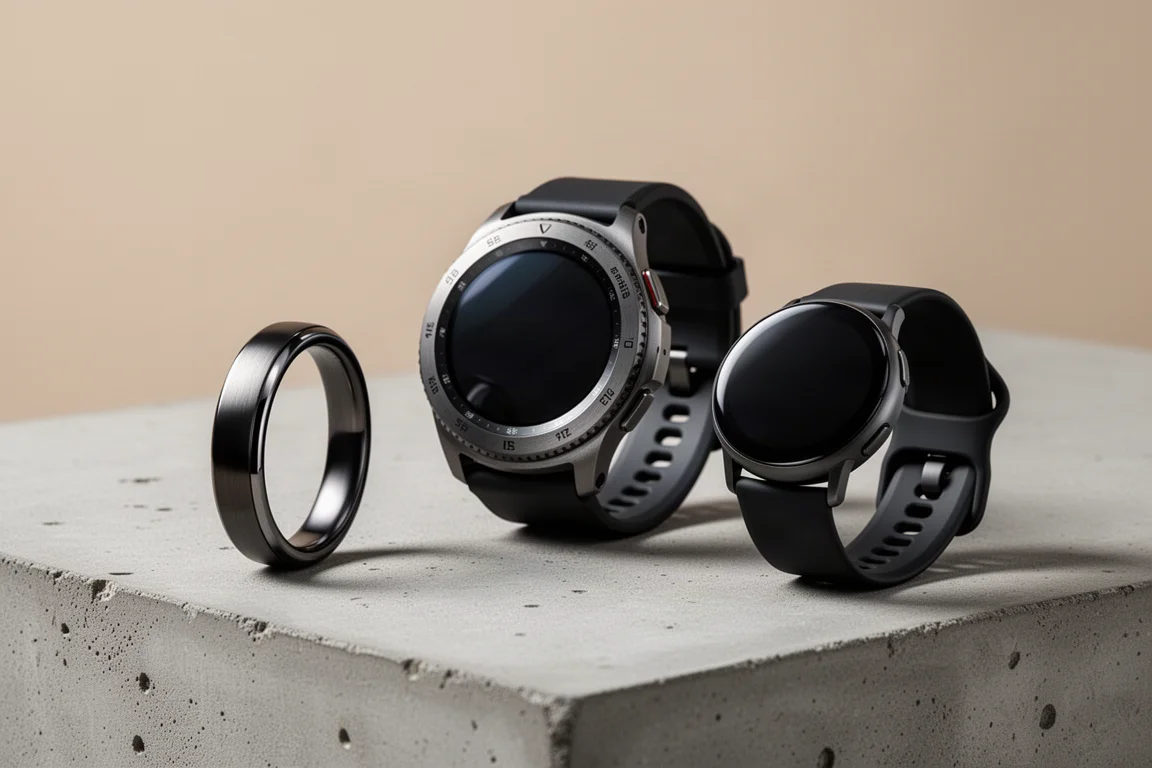
Introduction
Samsung announced three wearables at once: the Galaxy Ring, the Galaxy Watch Ultra, and the Galaxy Watch 7. Each targets a different buyer, from people who want discreet 24/7 health tracking to those after a rugged LTE watch for serious training. Here is what each offers, what it costs, and which one makes sense for you.
Samsung Galaxy Ring
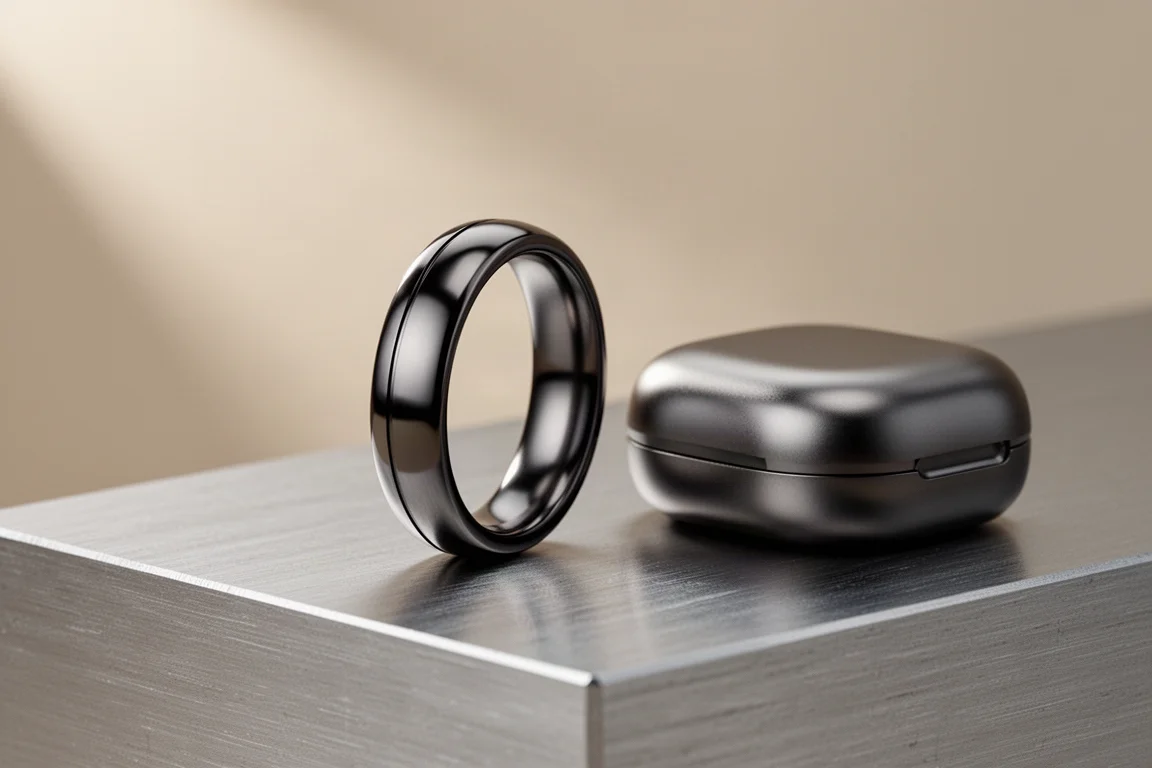
The Galaxy Ring is Samsung’s long-teased smart ring, finally on sale at $399 with one headline advantage: no subscription. Samsung made a point of calling that out on stage, and it matters, because most competitors in the ring space charge a monthly fee on top of the hardware price. For Android users, that alone could be a deciding factor.
The outer casing is titanium, and sizing runs from roughly US size 5 up to 13. Samsung ships a sizing kit of plastic sample rings so you can confirm your fit before ordering, or you can order your known size directly. Battery claims vary by size, and Samsung is unusually transparent about this in the fine print: the largest sizes (12 and 13) carry a 22mAh battery rated for up to 7 days, sizes 8 to 11 carry an 18mAh battery, and the smallest sizes (5 to 7) carry a 17mAh battery rated for up to 6 days.
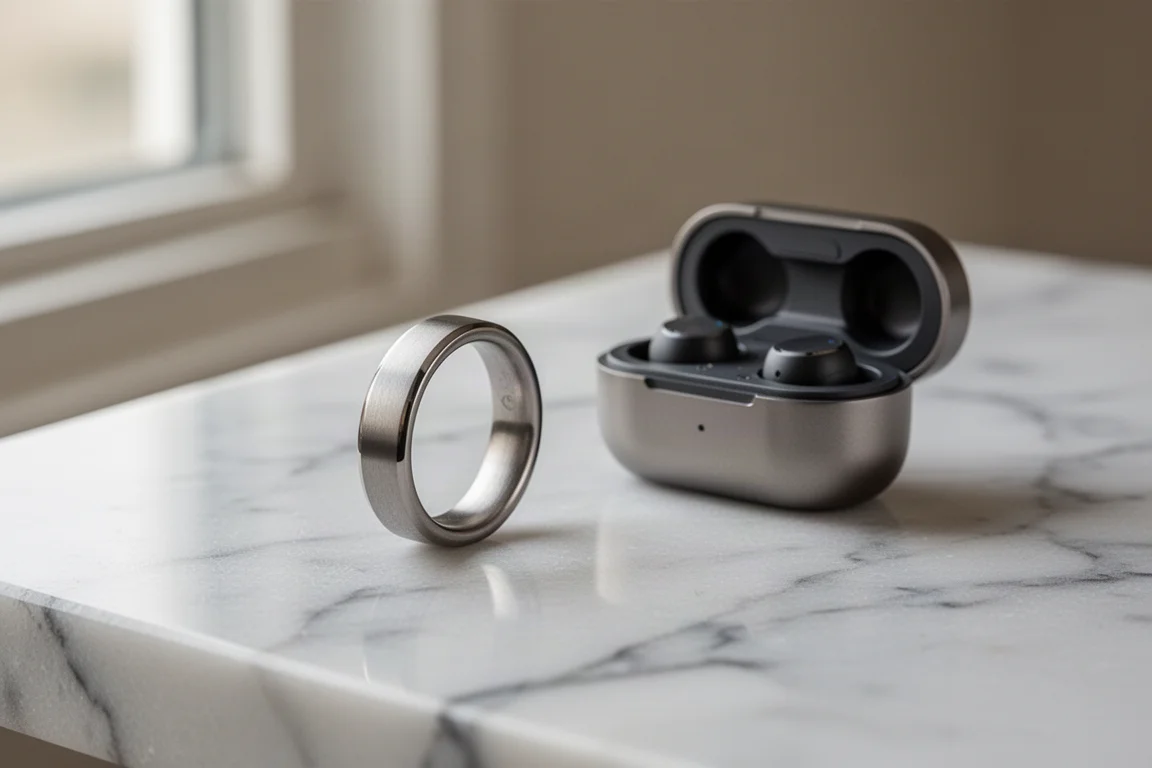
The included charging case is another practical touch. The ring clicks securely inside, similar to charging a pair of earbuds, which makes it far better for travel than competitors’ flat pad chargers where the ring simply sits on top.
On the health side, the Ring tracks heart rate, sleep, activity, and HRV, and introduces an Energy Score, a readiness-style metric built on the new Health AI suite. Unlike many competitors that only offer morning guidance, Samsung provides small tips throughout the day. If you pair the Ring with a Galaxy Watch, sensor fusion combines data from both devices for higher-quality readings. Two caveats: the Health AI suite requires a Samsung phone, and Samsung’s own site lists the Ring as Samsung-phone compatible only, though the company has indicated it works with any Android phone running the Samsung Health app. Also, the Ring does not support sleep apnea detection, which the watches do.
Samsung Galaxy Watch Ultra
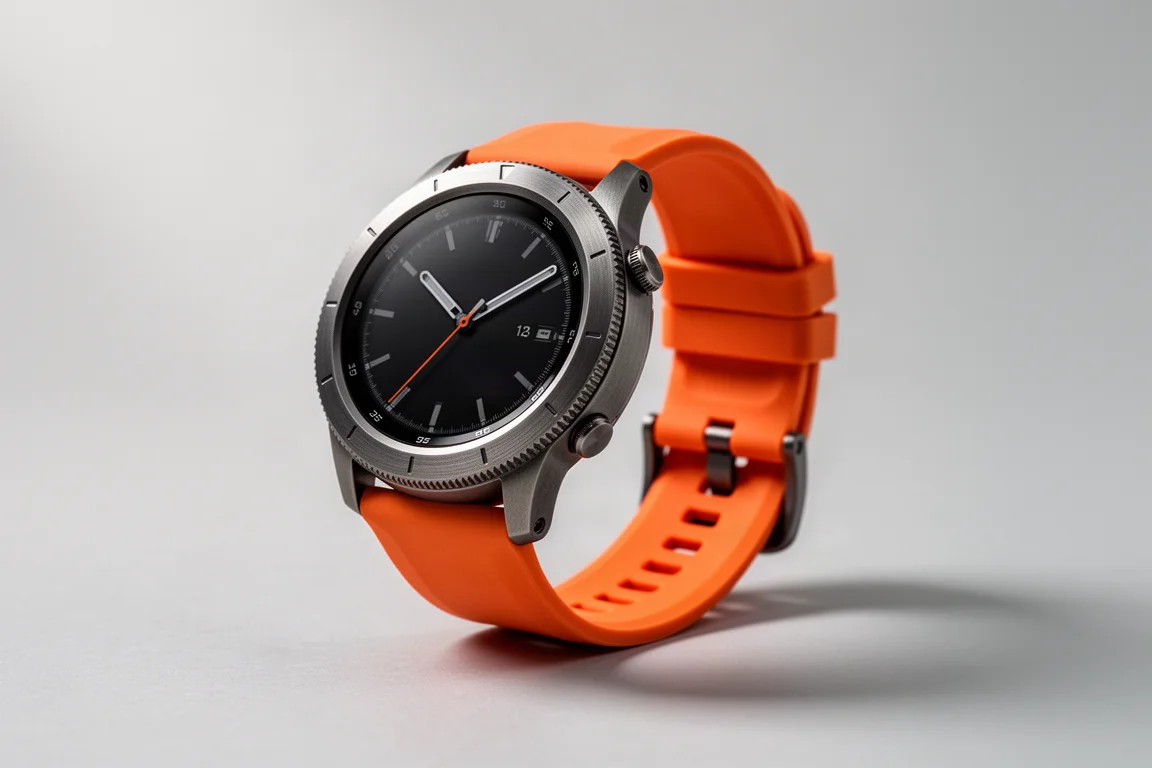
The Galaxy Watch Ultra effectively replaces the Galaxy Watch Pro, rebranded and upscaled. It costs $649, comes in one 47mm size with three titanium finishes, and has sapphire glass. Like the Apple Watch Ultra, it is LTE-only. Comparisons to Apple’s watch are unavoidable; the two are nearly identical in feature approach, but Samsung undercuts Apple’s $799 pricing considerably.
Feature-wise, you get an 85dB emergency siren for the outdoors, 10ATM (100-meter) water resistance, and a 3,000-nit display. That brightness figure is arguably overkill; 2,000 nits is already more than enough for sunlight, and extra nits come at the cost of specs we would rather see spent on battery.
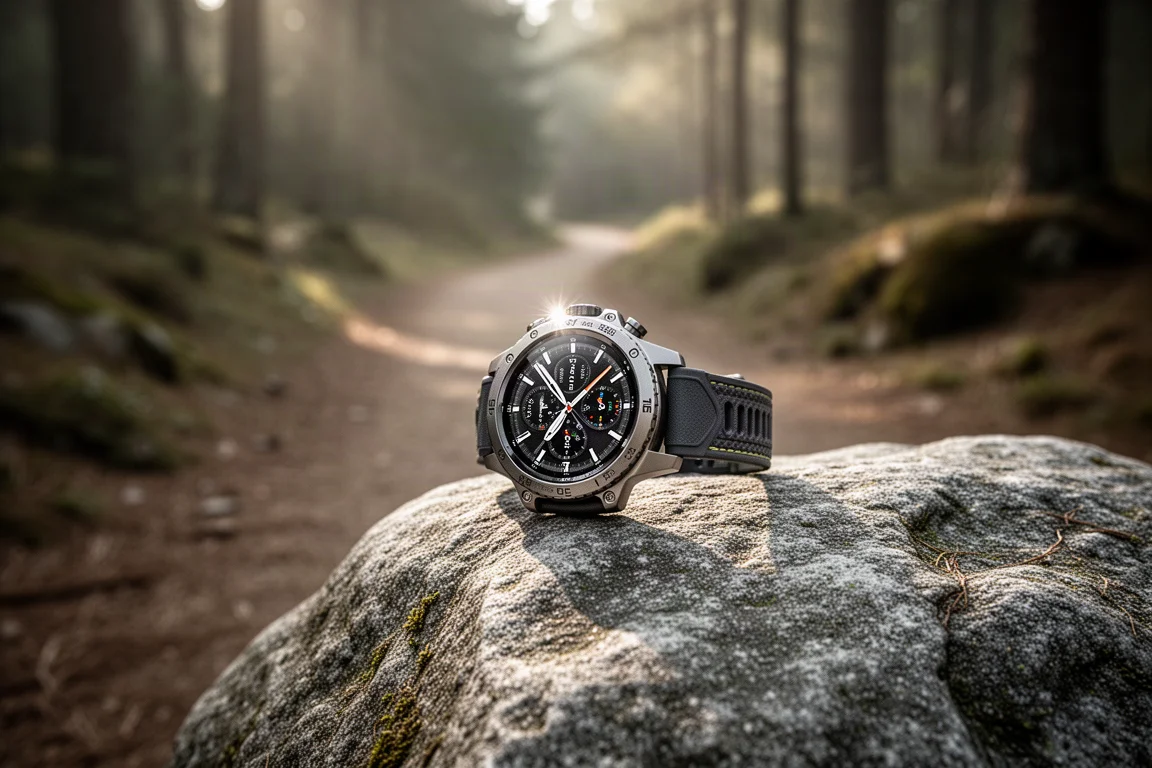
Battery claims come in two flavors: 100 hours in regular power saving mode and 48 hours in workout power saving mode. Notably, Samsung has not published a normal-mode battery duration anywhere, so expect something closer to two days in typical use until proven otherwise.
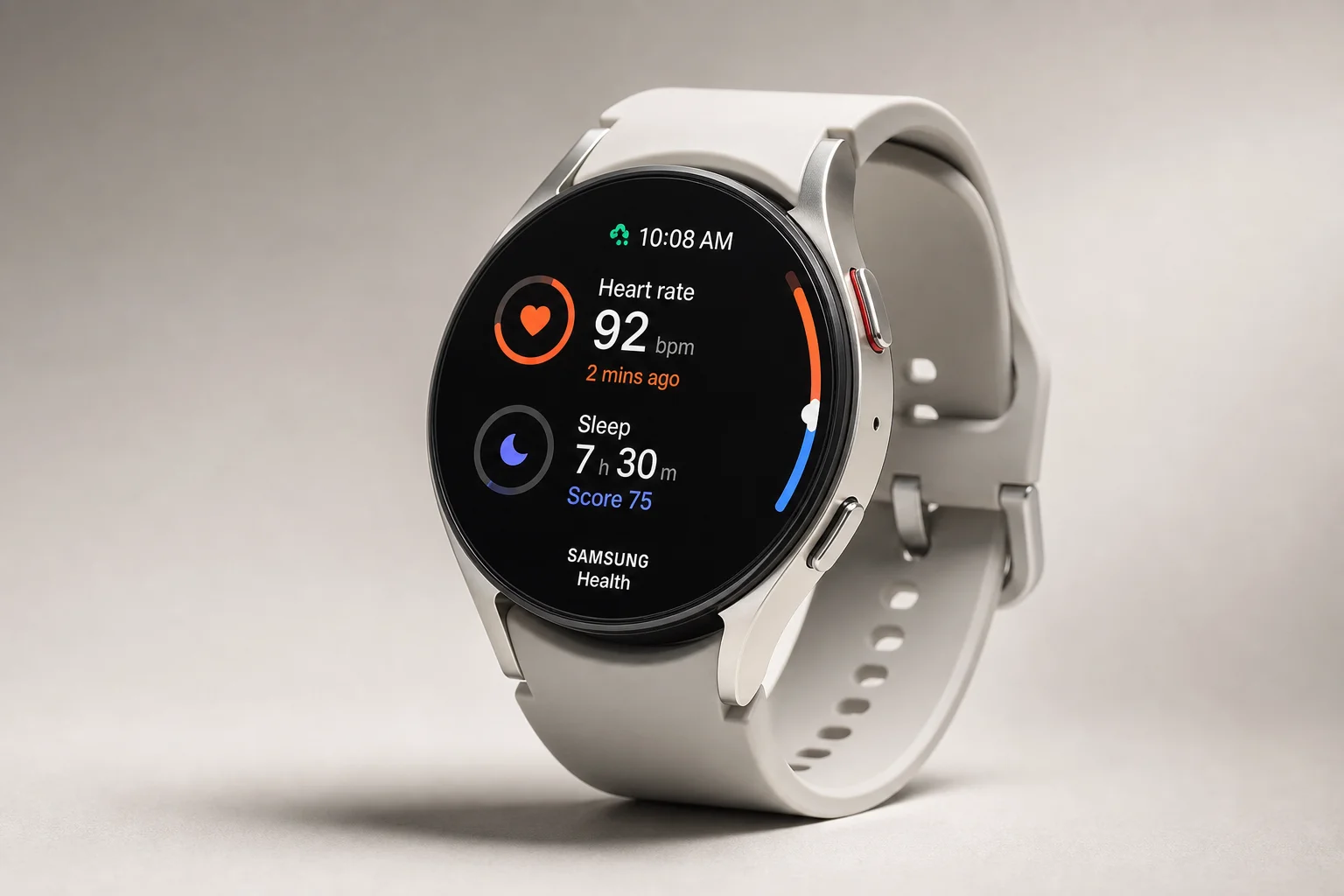
Hardware upgrades include a new 3nm processor (claimed three times faster), dual-frequency multiband GPS for better accuracy, and a new optical heart rate sensor. Under the hood, it is the first watch with Wear OS 5. Sports features are the real story: FTP (functional threshold power) prediction from just a 4-minute test for cyclists, power meter data recording, triathlon multisport support, and a running race mode to compete against past records. Samsung also brings sleep apnea detection to the Ultra, making it the first FDA-approved watch for that feature.
Samsung Galaxy Watch 7
The Galaxy Watch 7 is the sensible pick. At $299, it is essentially last year’s watch with minor exterior tweaks, but it inherits virtually all of the Ultra’s software features, including sleep apnea detection, the new Energy Score ecosystem, and the dual-band GPS chipset. Pricing climbs from there if you want the larger size or LTE.
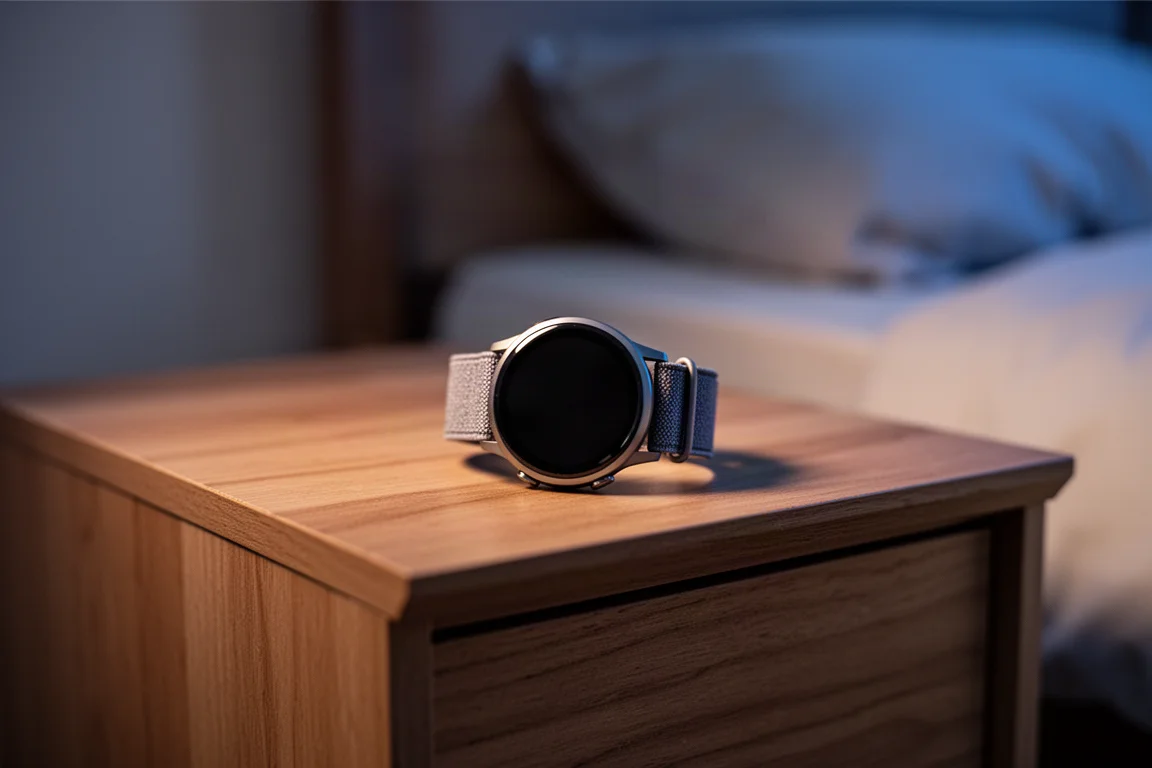
For most buyers, this is where the value sits: nearly the same feature set as the Ultra for less than half the price, in a lighter and more conventional package.
Buying Advice
All three are available for order now, arriving July 19 or 24 depending on region. The Ring’s availability is more limited; it currently appears on Samsung’s US site, while the watches follow the usual Galaxy launch countries.
The Ring suits people who want unobtrusive, subscription-free sleep and wellness tracking and own a Samsung phone. The Watch Ultra suits outdoor athletes and serious cyclists who want LTE, the rugged build, and advanced sports metrics. The Watch 7 covers everyone else: the core Samsung smartwatch experience with the important new health features at $299. The main open question across all three is accuracy, particularly optical heart rate, which is best confirmed once real-world testing lands.
Conclusion
Samsung’s 2026 wearable lineup is well segmented: a $399 subscription-free ring, a $649 rugged LTE flagship with genuinely new sports features, and a $299 mainstream watch that keeps nearly everything that matters. Your phone ecosystem, wrist size, and training style will make the choice fairly straightforward.
Further reading
Related Reviews
Wearables
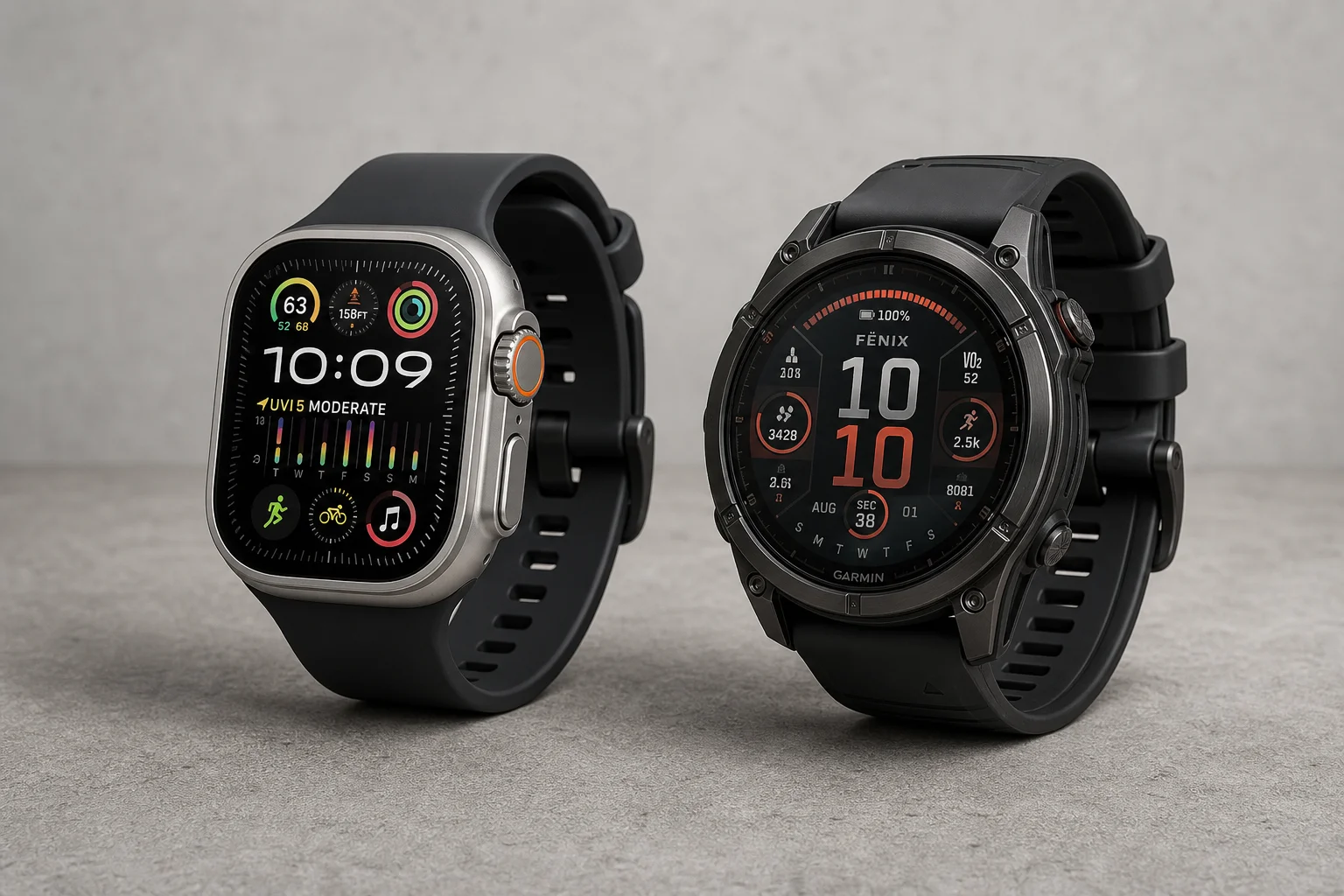
Apple Watch Ultra 3 vs Garmin: Which Training Watch Wins for Athletes
A practical head-to-head comparison of the Apple Watch Ultra 3 and Garmin for serious training, covering GPS accuracy, data tracking, usability, and recovery metrics.
Wearables
Apple Watch vs Garmin for Running: A Year of Training Compared
After a year training for marathons with both devices, here's what actually matters when choosing a running watch.
Wearables
Apple Watch Ultra 3 vs Garmin Fenix 8 Pro: Satellite Messaging Compared
A practical comparison of satellite messaging on the Apple Watch Ultra 3 and the Garmin Fenix 8 Pro, covering connection methods, messaging workflows, coverage, and running costs.