Cookbooks
Salt Sugar MSG Cookbook Review: Cantonese Home Cooking That Actually Works in a Small Kitchen
A first look at Salt Sugar MSG by Calvin Ang and Phoebe Melnik, with two recipes cooked from cover to cover and honest notes on what worked.

Introduction
Salt Sugar MSG is the debut cookbook from Calvin Ang, chef and owner of Bonnie’s in Manhattan’s Chinatown, co-written with Phoebe Melnik, a video journalist for New York Times Cooking. We read it cover to cover and cooked two recipes from it: sizzling steamed fish with seasoned soy sauce, and a youtiao panzanella built on peaches, apricots, and tomatoes.
The short version: this is a chef cookbook that stays approachable, with 88 recipes rooted in classic Cantonese flavors and a handful of American twists. It is not flawless in practice, but it earns its place on the shelf for anyone curious about Cantonese American home cooking.
Who This Cookbook Is For
Calvin’s story shapes the whole book. His parents lived in Chinatown, and he writes openly about growing up feeling different from his classmates, resenting his heritage for a while, and then coming to see how fortunate he was to grow up the way he did. He describes Bonnie’s as a restaurant for kids who grew up confused about their identities and are now proud of their heritage, dedicated to his Cantonese roots and American upbringing. This book grew out of that same appreciation.
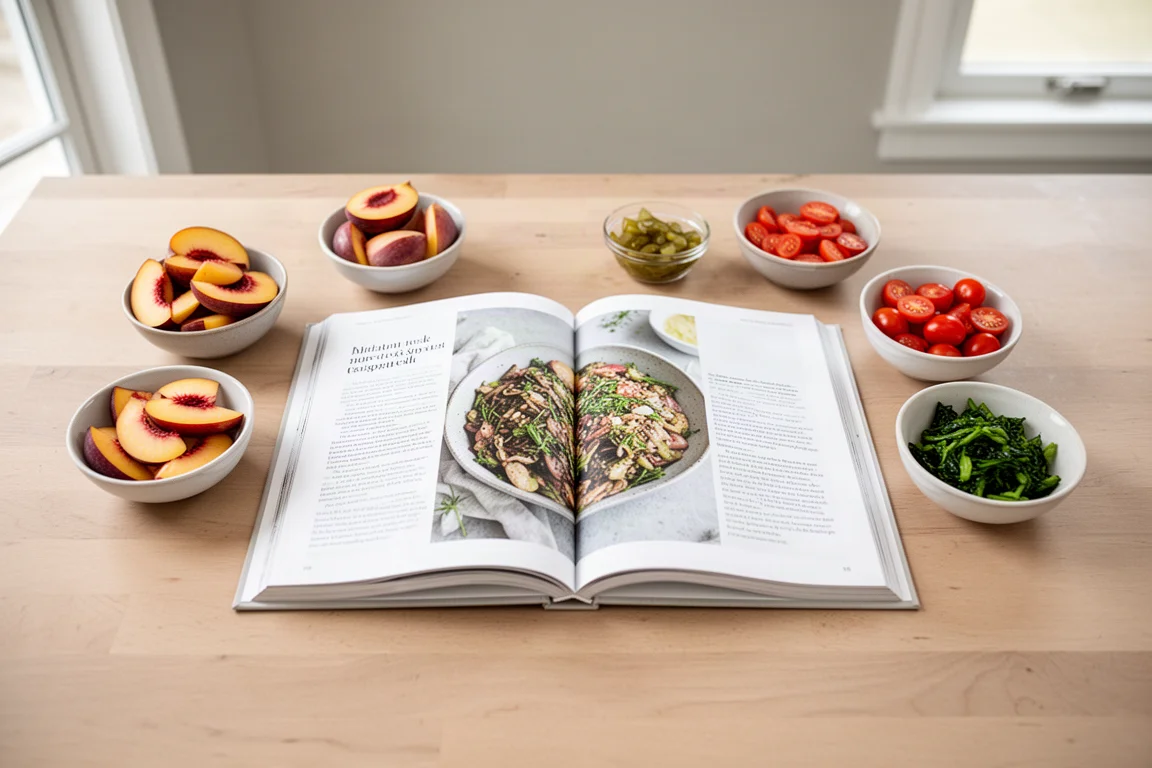
If you want to learn how Chinese American food came to be, particularly the Cantonese side of it, this sits nicely alongside deeper historical reads. The recipes themselves skew toward weeknight-friendly cooking rather than restaurant projects, and most carry substitutions so a hard-to-find ingredient never blocks you from making a dish.
What’s Inside: 88 Recipes, Organized by Appetite
The book holds 88 recipes, including a few utility recipes like a full written recipe for cooking rice. The breakdown: four sauces, four seasonings, 12 breakfast recipes, 10 snacks, 10 vegetable dishes, 11 rice dishes, 10 noodle dishes, 12 meat dishes, seven seafood dishes, and eight sweets.
The structure reflects how Calvin actually eats. He loves breakfast but not traditional American breakfast, so instead of cereal and pancakes you get things like soy milk and Hong Kong eggs. He likes eating late at night, which is why there is a dedicated snacks section for second dinner. The sweets section exists because he was not into desserts until he met Phoebe, and she changed his mind.
Highlights that stood out to us: the taro hash browns, Hong Kong scrambled eggs, and stuffed golden lava French toast with salted duck egg custard from the breakfast section, plus fuyu kacho pepe pasta, roast duck without a duck (Cantonese roast duck flavors applied to chicken), and a pomegranate molasses char siu that looks exceptional. The BLT fried rice is the flagship American-Cantonese mashup, though home frying of rice was not something we were eager to take on.
Practical Details That Genuinely Help
A few editorial choices make this easier to cook from than many chef books. Most vegetables, especially harder-to-find ingredients, come with substitutions. Chinese broccoli can become broccolini for clay pot rice, for example. The one sub we disagree with is dry sake in place of Shaoxing wine. In soy sauce and sugar based sauces, sake pushes the result toward teriyaki rather than a Chinese flavor profile, so we would hunt down the real thing there.
The front of the book includes a common ingredient list with online resources for pantry staples and specific brand recommendations: Golden Buffalo for fried garlic, and Pearl River Bridge for both light and dark soy sauce. Having a starting point for these is genuinely useful.
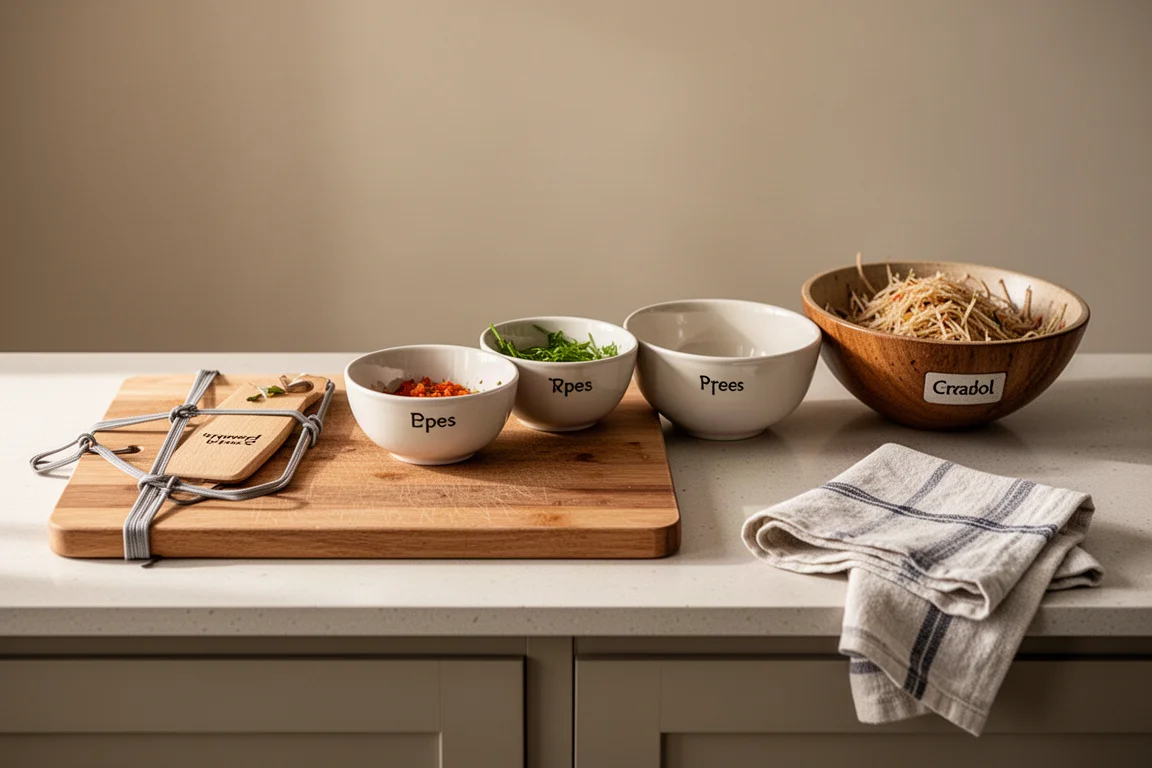
Calvin also brings a back-of-house mindset to home prep. Clean your sink and empty the dishwasher before you begin, set up a garbage station, secure your cutting board, label everything. We went in skeptical of commercial kitchen habits at home, but the prep checklist is simple and it holds up. One detail worth appreciating: every recipe was developed and tested with only two feet of counter space, so nothing assumes a sprawling kitchen.
Cooking From It: Sizzling Steamed Fish
The sizzling steamed fish is meant to be a weeknight dish, and Calvin notes it is one his mother made two to three times a week, one of his favorite comfort dishes. There is a separate recipe for the seasoned soy sauce, which is thicker and darker than the light soy and smells phenomenal.
The technique asks you to heat oil until gentle wisps of smoke appear, then pour it over the fish with soy sauces and scallions. Our fishmonger had no whole sea bass in the right size, so we used striped bass fillets, which the recipe explicitly allows.
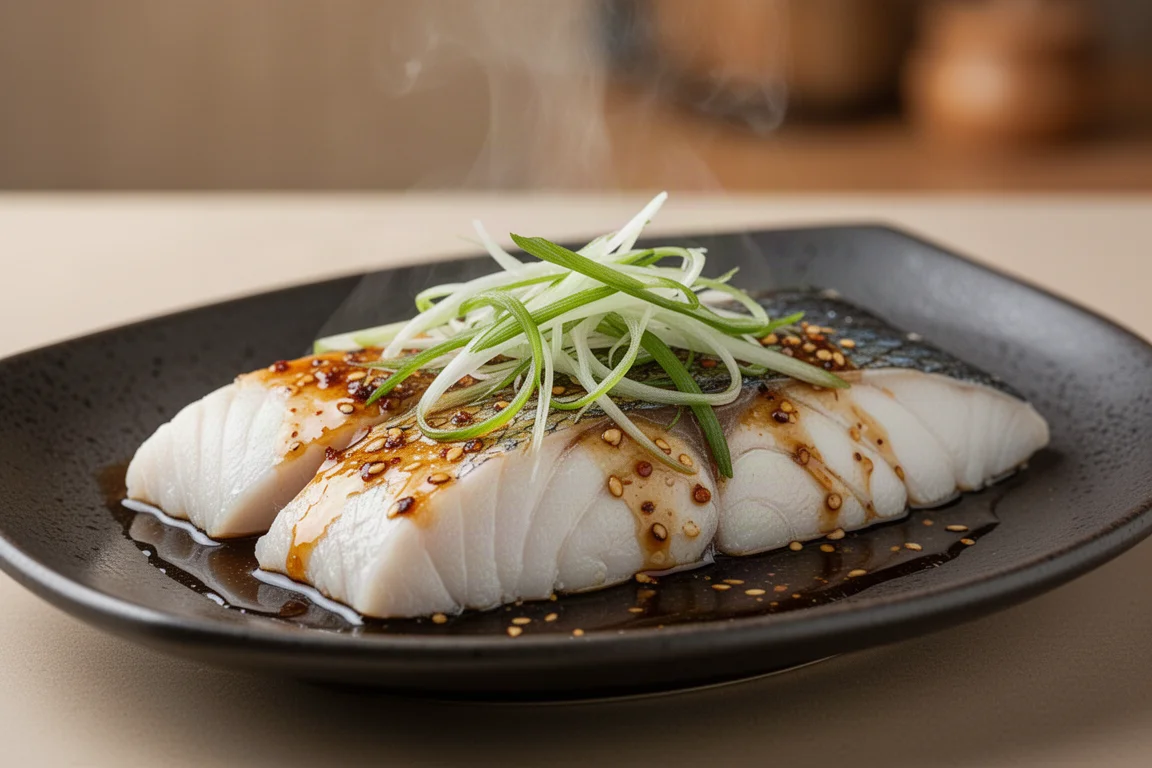
Honest assessment: it was good but under-seasoned as we executed it. Much of the seasoning drained through the steamer tray, and the vegetables stayed more raw than we wanted, likely because the oil and soy sauce ran off too quickly with so little contact time. Serving it on a wider tray or plate to hold the liquid, and possibly seasoning the fish internally ahead of time, would fix most of that. The soy sauce itself is excellent, and we would happily pour the extra over rice. This is a recipe we understand how to improve and want to make again.
Cooking From It: Youtiao Panzanella
This is the perfect summer recipe on paper: apricots, peaches, tomatoes, and a mustard green sauce. An interesting technique note: the recipe soaks the pickled mustard greens (swaun cai) to remove some of their acid because they are otherwise too sour, which is the opposite of how most salad handling goes. Everything soaks and sits for an hour or more rather than being dressed at the last minute, since crispiness is not the goal here.
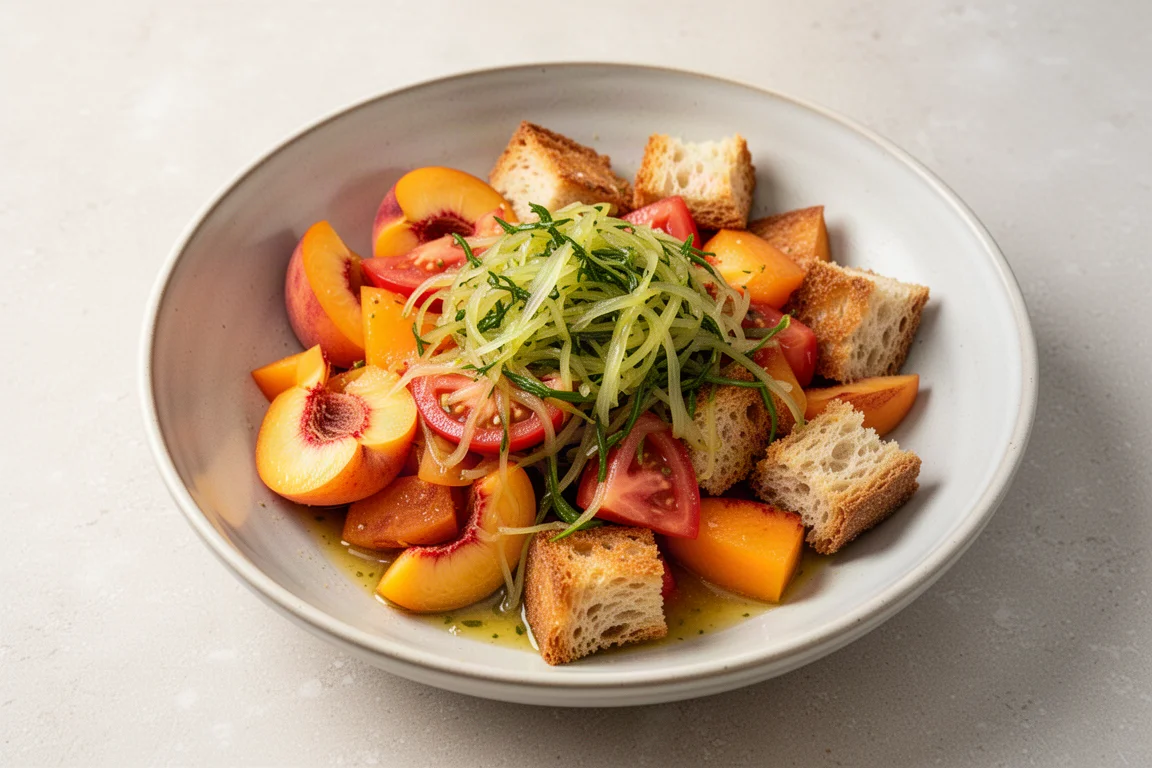
Our version came out very soggy. The fried youtiao went soft and wet, and the pickled greens contributed chewy texture without much flavor in the finished dish. The flavors themselves were genuinely good: nicely salty, the fruit coming through clearly, all components identifiable. For one of us the issue was texture rather than taste; for the other, rice vinegar is simply too low in acid. We enjoyed eating it, but neither dish was a runaway hit exactly as written. Both were close enough to workable that we would happily iterate.
Things to Consider Before Buying
A few things to weigh up before you buy. First, some dishes reward improvisation: the fish needed a better serving surface and firmer seasoning than the recipe’s most casual serving note suggests. Second, if you rely heavily on Shaoxing wine in your cooking, know that the sake substitution is the one weak spot in an otherwise thoughtful substitution policy. Third, this is a Cantonese-forward book. If your tastes run heavily to other cuisines, check the recipe list against what you actually cook.
On the plus side, it is an unusually easy chef cookbook to work out of. Some chef books are very cheffy, steppy, and complex. This one keeps a professionally trained hand on the flavors while staying within reach of a home cook, and the two-feet-of-counter-space testing shows up in how little equipment the recipes demand.
Buying Advice
If you already cook Chinese food at home, this book will expand your Cantonese repertoire without asking you to rebuild your kitchen. If you are newer to Chinese American cooking, the brand recommendations, ingredient sourcing notes, and substitution guidance make it a friendly entry point. Breakfast-first readers and late-night snackers will find unusually strong sections built for exactly those appetites.
Conclusion
Salt Sugar MSG is a warm, personal, and practical cookbook with real Cantonese depth and a handful of recipes we are already planning to revisit. Our two test dishes landed good rather than great on the first pass, but both failures were execution-level and fixable, not conceptual. For a chef’s debut, that is a solid place to land, and the breakfast section alone justifies the purchase for many home cooks.
Product link
View more details for Salt Sugar MSG
This product is mentioned in the review. Check the specifications, options, and compatibility before buying.
View more details for Salt Sugar MSGFurther reading
Related Reviews
Cookbooks
Africana Cookbook Review: A Pan-African Journey Worth Cooking Through
We cooked 13 dishes from Africana by Llorado Umashayor over one week. Here is what worked, what stumbled, and who this beautiful cookbook is really for.
Cookbooks
By Heart by Haley Catalano: First Look at a Calm, Practical Cookbook
We cooked two recipes from By Heart by Haley Catalano, including a tomato-based sandwich and chicken fat mashed potatoes, to see if the book's calm, detail-first approach holds up in a real kitchen.
Cookbooks
Charred by Genevieve Taylor Review: Vegetable Grilling Beyond Corn and Halloumi
We cooked 11 recipes from Charred over four days. Here is what works, what falls flat, and whether the book earns a spot on your shelf.