Cookbooks
Salsa Daddy by Rick Martinez: First Look at a Salsa-Forward Cookbook
A first hands-on look at Salsa Daddy, the salsa-focused follow-up to Mi Cocina, including two recipes cooked at home and honest early impressions.
Introduction
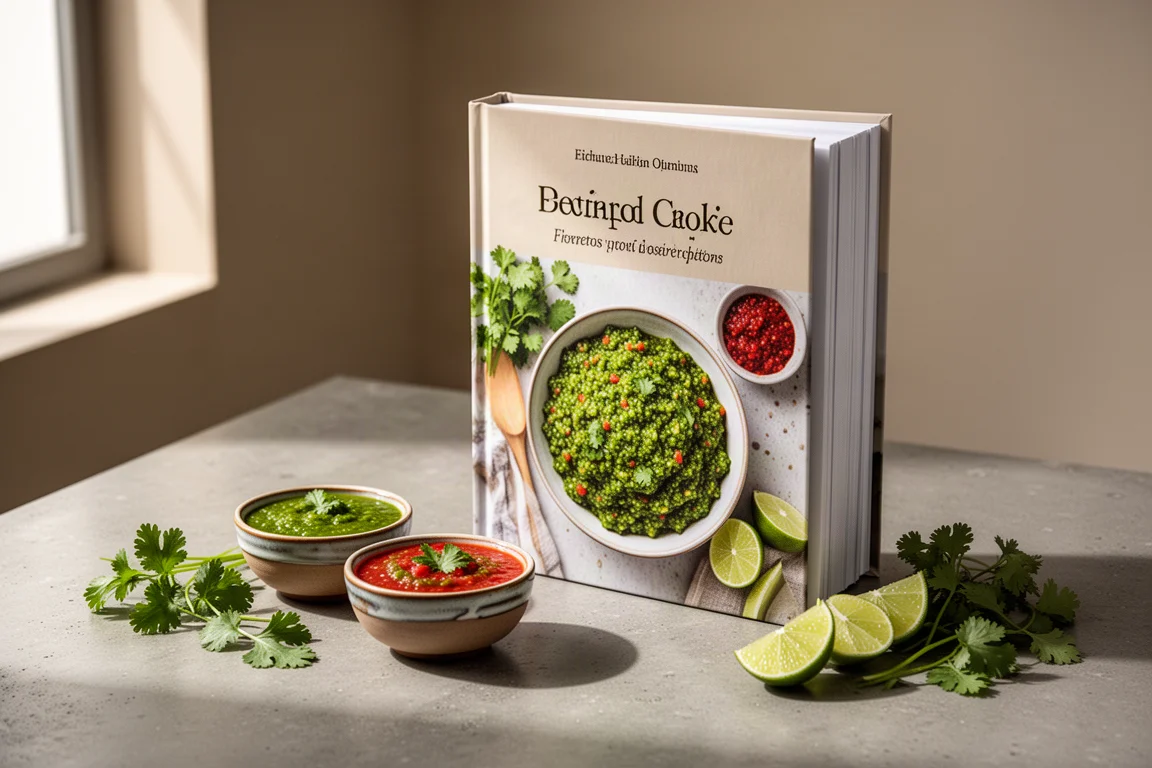
Salsa Daddy is Rick Martinez’s follow-up to Mi Cocina, and it takes a very different direction: a whole book devoted almost entirely to salsas. For this first look, we read it cover to cover, cooked a small dinner from it, and formed early impressions before deciding whether it deserves a deeper review.
A Different Kind of Follow-Up
Where Mi Cocina felt serious, even a bit stiff, Salsa Daddy is noticeably more playful. The tone is looser, the flavor combinations are more adventurous, and it reads like a cookbook written by someone who has already proven themselves and is now simply having fun. The premise itself is refreshingly narrow: salsa can go on anything, not just traditional Mexican dishes, and the photography backs that up with ideas like salsa on ramen, on a wedge salad, and even on ice cream.
The organization reflects that thesis. An early section is framed as “Rick, I’m looking for a salsa for,” with categories like impressing a party, lower heat levels, the beach, seafood, tacos, dipping, and roasted chicken. By our count the book holds around 105 recipes, of which roughly 71 are salsas and only about 23 are actual dishes, plus four homemade tortilla chip recipes, four guacamoles, two fried cheese recipes, and one cookie.
Cooking the Pipián Verde and La Mañanera
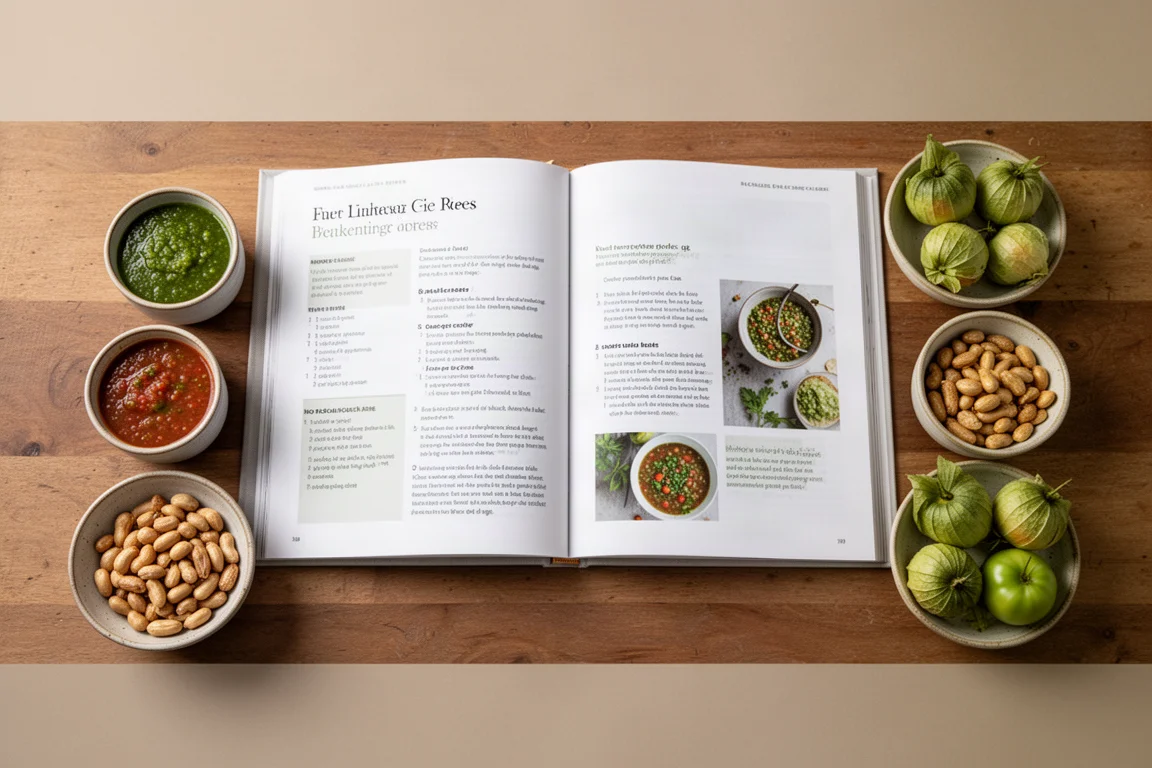
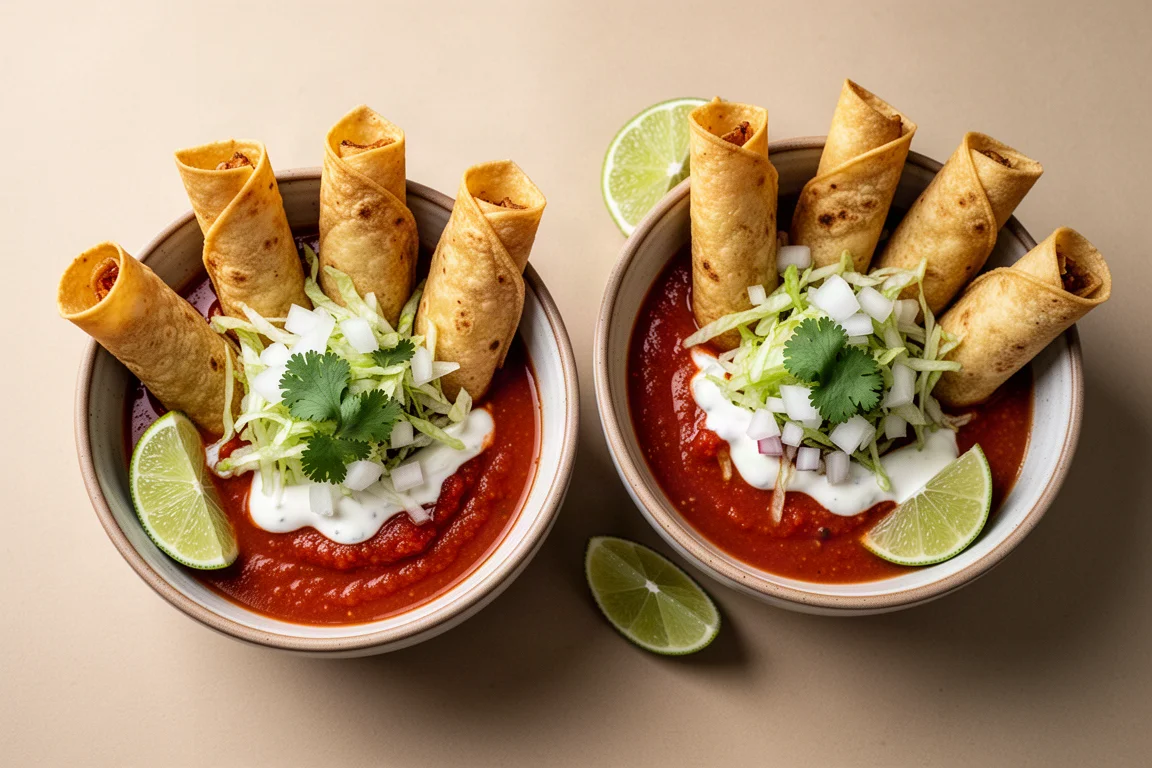
For dinner we made the taquitos ahogados, crispy rolled tortillas drowned or dipped in salsa, alongside two salsas: the pipián verde, a green nut and seed sauce in the mole family, and the la mañanera, a morning salsa built from stewed tomatoes, tomatillos, onion, and chile de árbol.
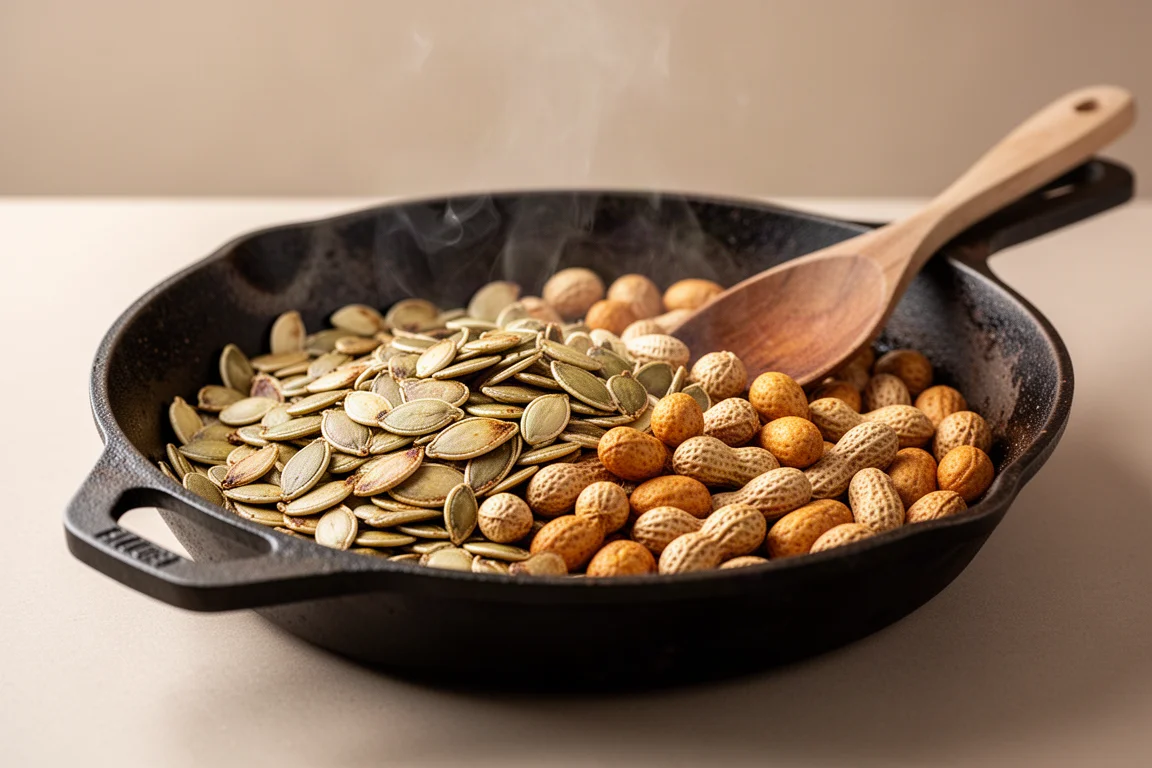
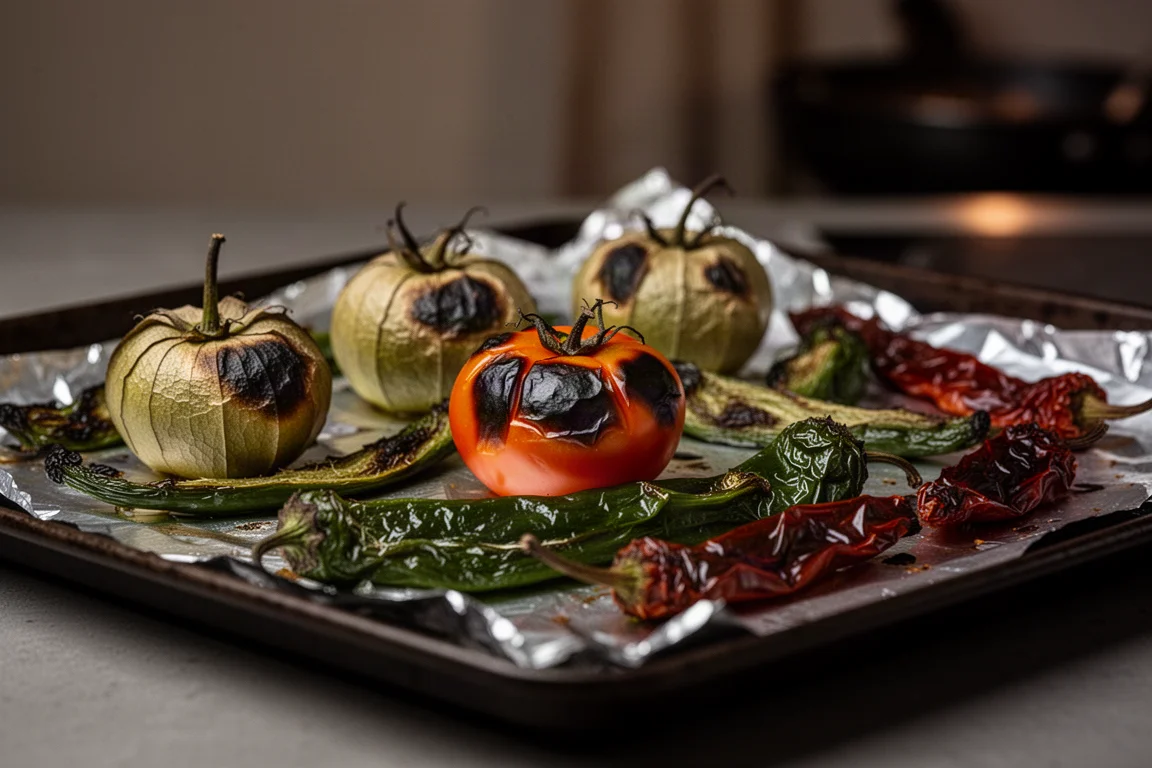
The pipián verde takes the longest, starting with toasting peanuts and pumpkin seeds, charring poblanos, tomatillos, and onions, and blending everything with broth. The result is plenty salty with a light kick and a strong nut and seed character, especially pumpkin seed. The book encourages freezing extra salsa, which is useful because these recipes make a lot. The la mañanera came together faster with a par-cook and blitz, delivering fresh tomato heat that we agreed was the star of the meal.
The Taquitos Ahogados Experience
The taquitos themselves were the hardest part of the cook. The book calls for 6-inch tortillas and does not offer much guidance on rolling them, and ours split repeatedly until we landed on a combination of soaking or misting the tortillas, lightly toasting them in the oven, and securing them with a crisscross of two toothpicks. That approach made them far easier to work with.
Once fried and drowned in salsa with crema, cilantro, lettuce, onion, and lime, the final plate looked great. Honestly, though, the taquitos taste mostly of texture: crunchy fried chicken without breading, with all the flavor coming from the salsa around them. That is clearly the intent, since the bases in this book stay deliberately neutral so the salsas can shine.
Practical Details That Make It Work
The recipe design is a real improvement over Mi Cocina. Directions are simpler, ingredients sit on the left where you expect them, serving suggestions are clearly marked, and the colorful text is limited to the recipe description. A new “swap corner” section offers substitutes when you cannot find an ingredient, and photos cross-reference the page number of related recipes.
The ingredient guidance is thoughtful too. Martinez is upfront about harder-to-find items like prickly pear and sour oranges and offers workable swaps, such as plums for prickly pear or orange and lime juice for sour oranges. There is a full chili breakdown with heat ratings, plus tips for taming heat using alcohol, vinegar, oil, or removing seeds. He also covers charring methods, including a cast iron approach and broiler options if you would rather not smoke out your kitchen.
Early Verdict and Buying Advice
If you already own a shelf of general Mexican cookbooks, Salsa Daddy occupies a genuinely different niche: depth over breadth. Recipes that can be made ahead are flagged, and both salsas we made hold up well in advance, which would have made our multi-dish cook far less frazzled. The recipes we have not tried yet, like vanilla ice cream with salsa macha, a Yucatecan-style fresh salsa with habanero and sour orange, the cacahuatate peanut salsa on a wedge salad, and a habanero tequila jam, are the real reason to keep this book around. The salsas are the point, and they are compelling enough to make browsing the whole book cover to cover enjoyable.
Conclusion
Salsa Daddy feels like release after the pressure of Mi Cocina: looser, funnier, and more personal. The small dish count means the neutral carriers lean heavily on the salsas for flavor, and our taquitos were only as good as the salsa they drowned in. But that salsa, especially the la mañanera, was excellent. As a first look, this is a fun, well-organized, idea-rich book that we would happily keep cooking from, and a full review feels likely.
Product link
View more details for Salsa Daddy
This product is mentioned in the review. Check the specifications, options, and compatibility before buying.
View more details for Salsa DaddyFurther reading
Related Reviews
Cookbooks
Africana Cookbook Review: A Pan-African Journey Worth Cooking Through
We cooked 13 dishes from Africana by Llorado Umashayor over one week. Here is what worked, what stumbled, and who this beautiful cookbook is really for.
Cookbooks
By Heart by Haley Catalano: First Look at a Calm, Practical Cookbook
We cooked two recipes from By Heart by Haley Catalano, including a tomato-based sandwich and chicken fat mashed potatoes, to see if the book's calm, detail-first approach holds up in a real kitchen.
Cookbooks
Charred by Genevieve Taylor Review: Vegetable Grilling Beyond Corn and Halloumi
We cooked 11 recipes from Charred over four days. Here is what works, what falls flat, and whether the book earns a spot on your shelf.